
Tea Info › Green Tea
What Is Green Tea?
Green tea is tea at its freshest. The leaves are heated soon after picking to stop oxidation, so they keep their color and their bright, vegetal, often sweet flavor. From grassy Japanese Sencha to toasty Chinese Dragonwell, there's a green tea for every taste.
Teas to TryHow to Brew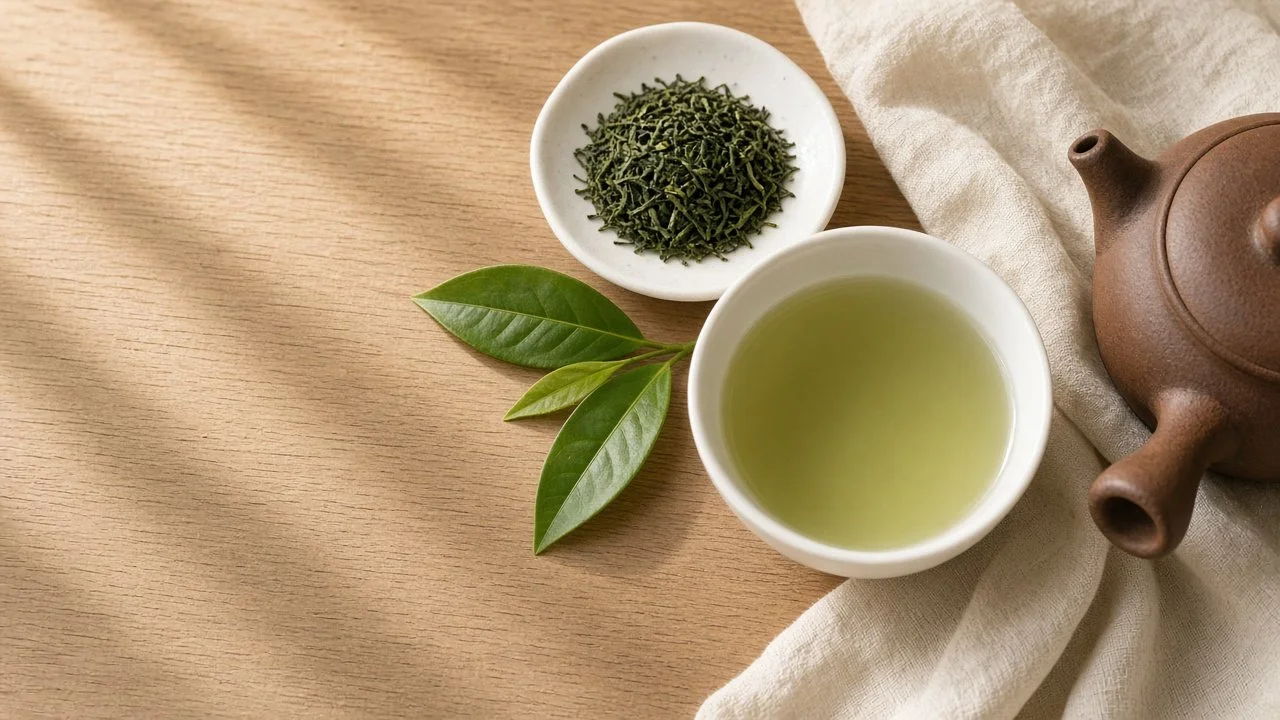
The Same Leaf, Kept Green
Green tea comes from the same plant as black, oolong and white tea: Camellia sinensis. The difference is timing. Black tea leaves are left to oxidize until they turn dark. Green tea leaves are heated within a day or two of picking, which stops oxidation in its tracks and locks in the leaf's green color and fresh character.
That one step gives green tea its personality: a lighter body, a clean, lively finish, and flavors that range from sweet and grassy to nutty, toasty or floral, depending on where and how it's made.
Two Great Traditions
Chinese style: pan-fired
The leaves are tossed in hot pans or woks. Expect a mellow, often toasty or nutty cup with soft sweetness.
Try: Dragonwell, Bi Luo Chun, Gunpowder, Chun Mee
Japanese style: steamed
The leaves are briefly steamed. Expect a vivid green cup that's brisk, grassy and sweet, sometimes with a savory, seaweed-like depth.
Try: Sencha, Gyokuro, Genmaicha, Kukicha
From Fresh Leaf to Green Tea
The exact steps vary by region and style, but most green teas follow the same path.
- PluckYoung leaves and buds are picked, often "two leaves and a bud."
- RestThe leaves are spread out briefly to soften and lose a little moisture.
- Heat ("kill-green")Steaming (Japan) or pan-firing (China) stops oxidation and keeps the leaf green.
- Roll & shapeThe leaves are rolled into needles, flat blades, curls or tight pellets. The shape affects how the tea brews.
- DryA final drying locks in the flavor and keeps the tea fresh on your shelf.
What Does Green Tea Taste Like?
Good green tea should taste fresh and clean, never harsh. Japanese greens lean grassy, sweet and savory. Chinese greens lean softer, with toasty, nutty or floral notes. Many green teas have a gentle, pleasant astringency (that light, dry feeling on the tongue) that keeps the cup lively.
Green Tea With a Twist
Green tea is a wonderful base for other flavors. Jasmine teas are scented with fresh jasmine blossoms. Genmaicha adds fire-toasted brown rice. Hojicha is roasted until it turns warm and toasty. And fruit and mint blends like Citrus Green and Moroccan Mint bring a bright, playful note.
Shop Flavored Green TeasWhere Green Tea Comes From
China has the world's oldest green tea tradition, and green tea is still the most widely produced type of tea there. Look for Zhejiang (home of Dragonwell), Jiangsu (Bi Luo Chun from the hills near Lake Tai) and Fujian (jasmine teas and Green Curls).
Japan drinks mostly green tea, and much of its tea comes from Shizuoka and Kagoshima. Uji, near Kyoto, is famous for shade-grown teas like Gyokuro and the Tencha used to make matcha.

How to Brew Green Tea
The golden rule: keep the water below boiling and the steep short. These numbers come from the brewing tips on each of our green tea pages. Adjust to your taste.
Swipe the graphics sideways to see them in full →
| Tea | Amount | Water | Time | Tips |
|---|---|---|---|---|
| Most Chinese & flavored greens | 1 teaspoon per 8 oz | 175–185°F | 2–3 minutes | Bi Luo Chun, Gunpowder, Chun Mee, jasmine teas, Citrus, Mango, Moroccan Mint and more. Avoid boiling water. |
| Sencha, Sencha Mint | 1 heaping teaspoon per 8 oz | 160–175°F | 1–2 minutes | Don't over-brew. Sencha Superior: 160°F for 2 minutes. |
| Dragonwell | 1 teaspoon per 8 oz | 160–180°F | 2–3 minutes | Good for multiple infusions. |
| Gyokuro | 2 teaspoons per 4–6 oz | 120–140°F | About 2 minutes | Cooler water brings out sweetness and savory depth. The leaves can be steeped again. |
| Genmaicha & Kukicha | 1 heaping teaspoon per 8 oz | 175–185°F | Genmaicha 2–3 min · Kukicha 1–3 min | Mellow and forgiving, so they're a great place to start. |
| Hojicha | 1–2 heaping teaspoons per 8 oz | 195–212°F | 30 seconds–2 minutes | Roasting lets Hojicha take hotter water than other greens. |
| Jasmine Dragon Pearls | 6–8 pearls per 8 oz | 175–185°F | 2–3 minutes | The pearls can be infused several times. |
| Iced | Twice the usual amount | Same as hot | Same as hot | Pour the hot tea through a strainer into a glass about 3/4 full of ice. |
| Cold brew | About 1 part tea to 50 parts water by weight | Cold or room-temperature water | 4–12 hours in the fridge | Strain, and keep the tea refrigerated. |
No thermometer? No problem.
Bring water to a boil, then add a splash of cold water before pouring, or let the kettle stand with the lid open. A kitchen thermometer takes out the guesswork.
Cup tastes bitter?
The water was probably too hot, or the tea steeped too long. Try cooler water, a shorter steep or a little less tea. Green tea should taste fresh, not harsh.
What to Eat With Green Tea
Green tea's light body and clean finish make it an easy match for lighter food. It won't overpower delicate flavors.
- Sencha & Gyokuro: sushi, rice dishes, grilled fish and lightly sweet treats like mochi
- Dragonwell: steamed dumplings, light seafood, vegetable stir-fries and mild cheeses
- Genmaicha & Hojicha: miso soup, onigiri, tempura, ramen and other savory, toasty dishes
- Jasmine teas: fresh fruit, almond cookies and lightly spiced dishes
- Citrus & mint greens: salads, lemon desserts, and on their own over ice
Our Green Teas
A few of the green teas we love to brew. Each one links to its own page with tasting notes and brewing tips.
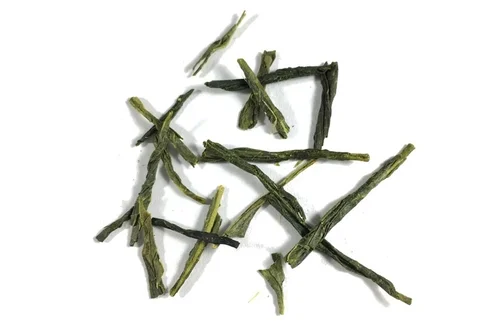
Sencha
Japan's everyday steamed green tea from Kagoshima: fresh, bright and quietly sweet.
View tea →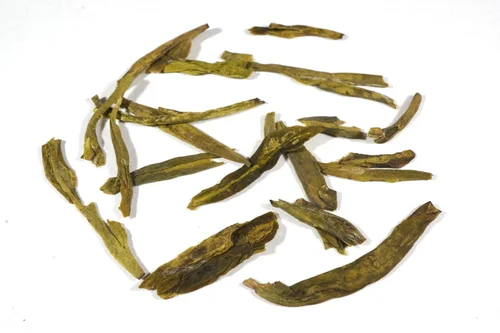
Dragonwell Green Tea
Flat, glossy pan-fired leaves with a sweet, slightly nutty cup that many compare to roasted chestnuts.
View tea →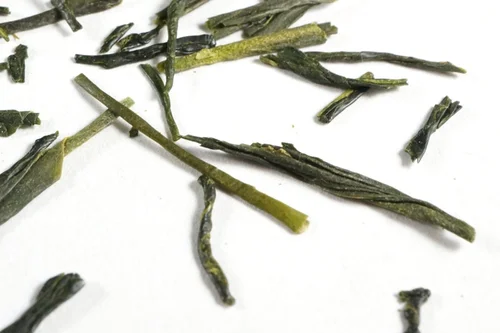
Gyokuro
"Jade dew": a prized Japanese green with a full, sweet green flavor and hints of seaweed.
View tea →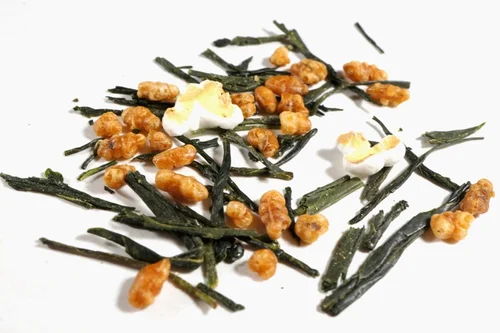
Genmaicha
Green tea with fire-toasted brown rice: toasty, nutty and comforting.
View tea →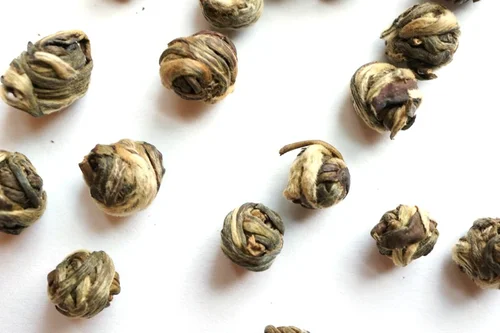
Jasmine Dragon Pearls
Hand-rolled pearls that unfurl into a smooth cup with a heavenly jasmine character.
View tea →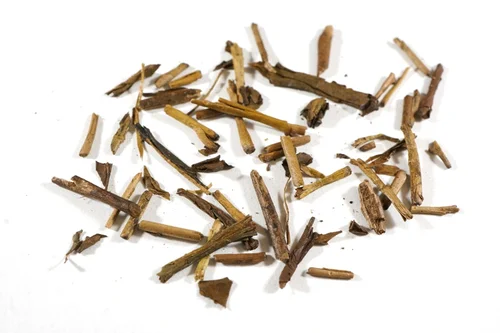
Hojicha
Roasted Japanese green tea: warm, toasty and nutty, with a very clean finish.
View tea →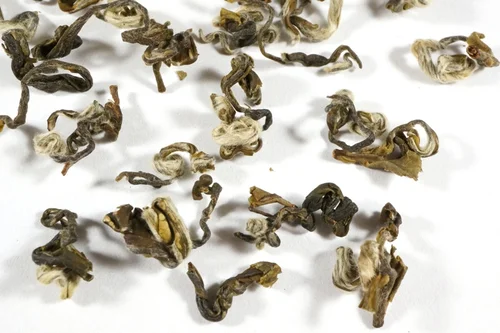
Bi Luo Chun
Tiny spiraled leaves from Jiangsu that brew a refreshing, floral cup with nutty notes.
View tea →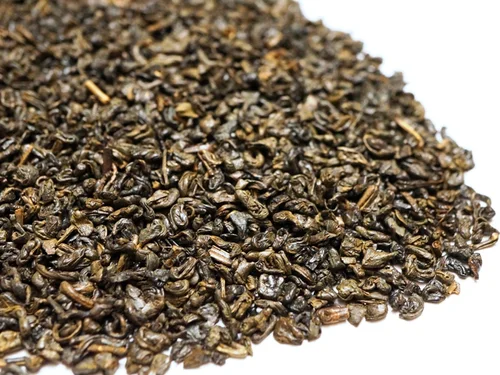
Gunpowder Green Tea
Tightly rolled pellets that open into a smooth, full-bodied cup with a hint of oakiness.
View tea →Green Tea Questions
Have a question we didn't answer? Get in touch. We're always happy to talk tea.
Why does my green tea taste bitter?
Usually the water is too hot or the tea steeped too long. Use water below boiling: 175–185°F for most green teas and 160–175°F for Sencha. Start at the short end of the steep time and taste as you go. Using a little less tea also helps.
Can I re-steep green tea?
Yes. Many of our green teas, including Dragonwell, Gunpowder, Gyokuro and Jasmine Dragon Pearls, can be infused more than once. Steep a little longer each round and taste as you go.
Does green tea have caffeine?
Yes. Contains caffeine; the amount varies. All green teas come from the tea plant. For a caffeine-free cup, try our herbal, fruit and rooibos teas.
How should I store green tea?
Keep it in an airtight container away from light, heat, moisture and strong smells. Green tea is the most delicate type, so it tastes its freshest when you enjoy it within a few months of opening. More on tea storage →
What's the difference between green tea and matcha?
Matcha is a green tea too. It's made from shade-grown leaves (Tencha) that are stone-ground into a fine powder. Instead of steeping and straining, you whisk the powder into water or milk. Matcha brewing guide →