Posts tagged tea health
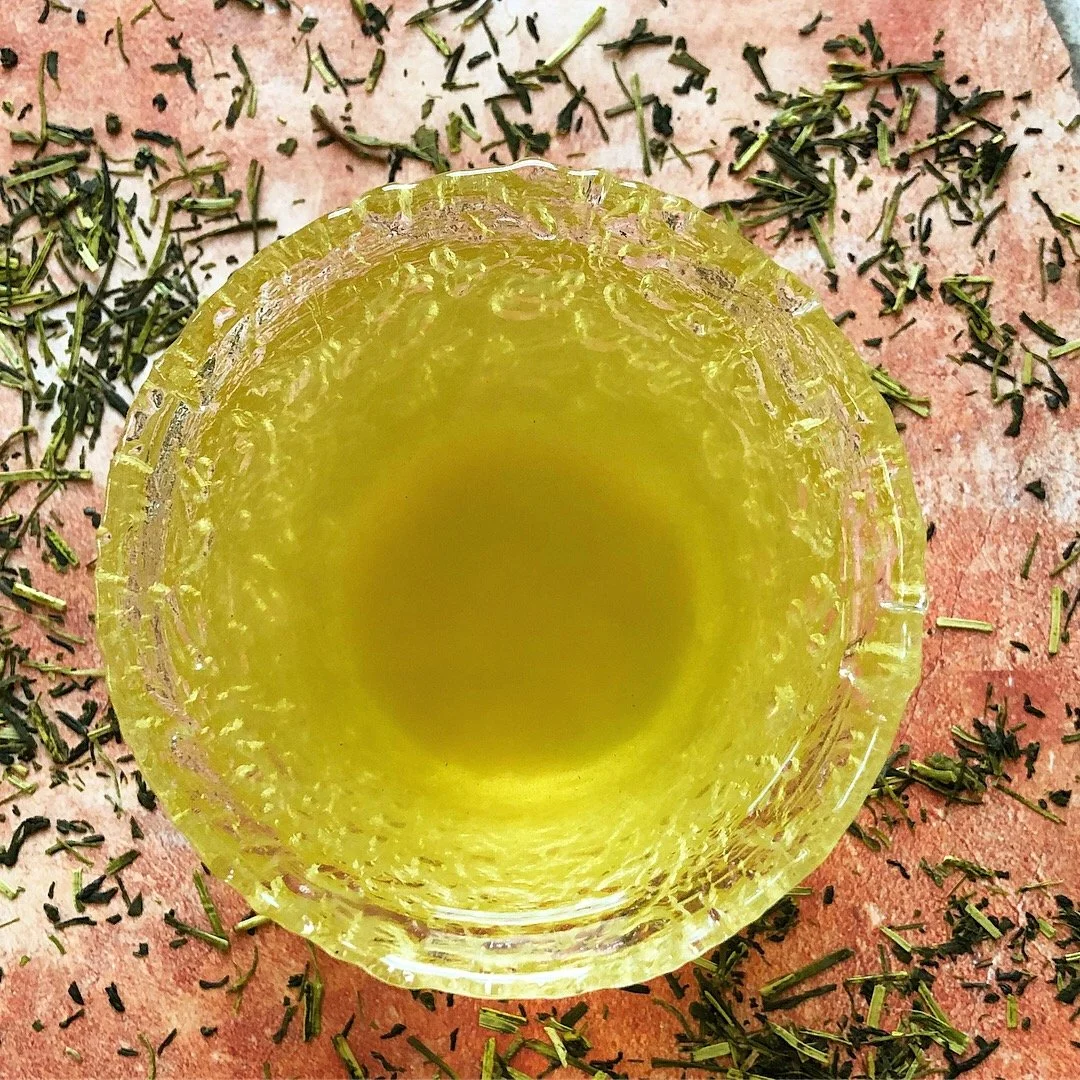
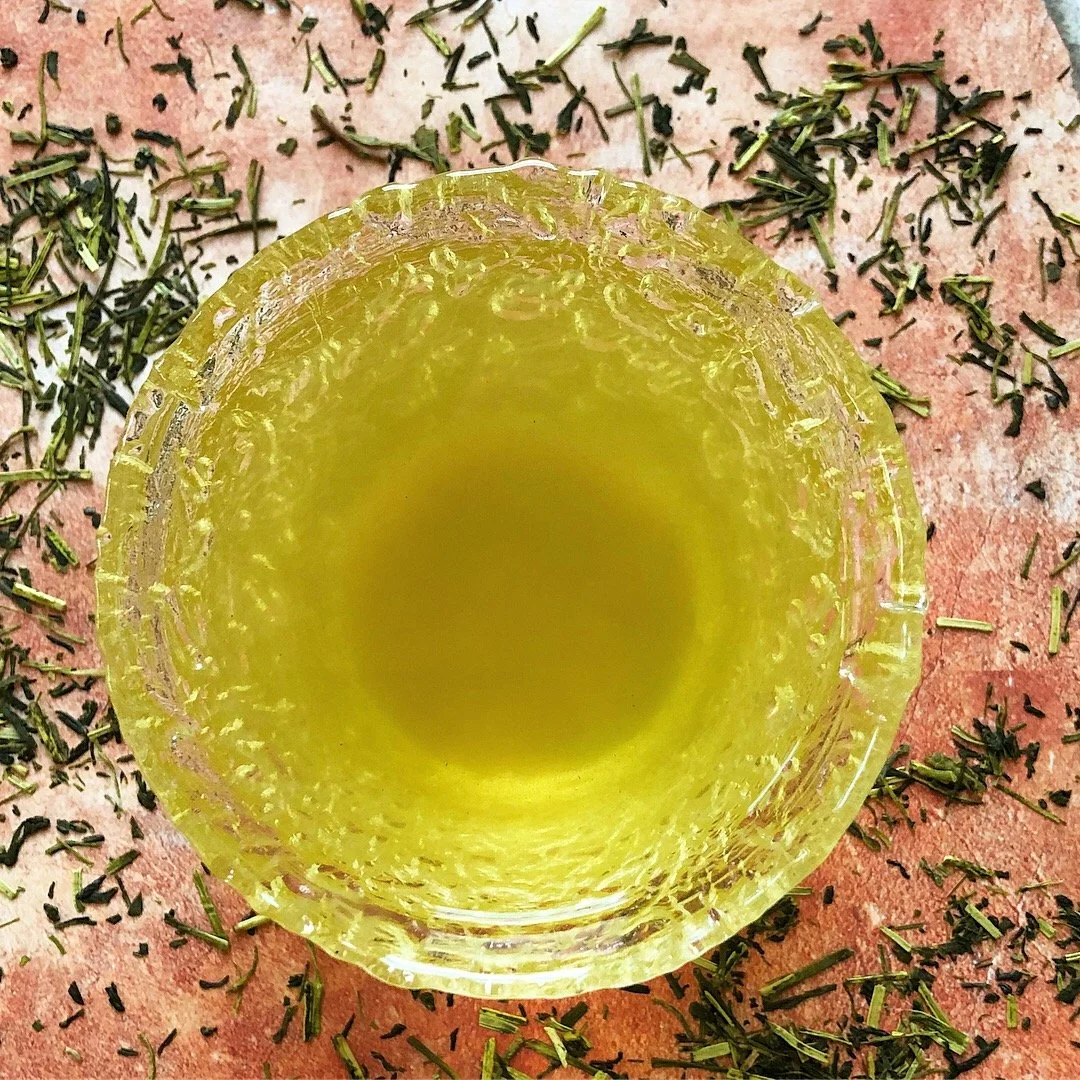
Green Tea for Energy: Why It Gives a Calmer Lift Than Coffee

If coffee feels like too much and you still want a lift, green tea is worth a try. It comes from the same plant as black and oolong tea, Camellia sinensis, and people in China and Japan have been drinking it to stay alert for well over a thousand years.

Green tea doesn't contain any special energy ingredient. What makes it feel different is the mix of a moderate amount of caffeine with an amino acid called L-theanine. Here's how that works, and how to brew a cup that keeps you going.

How much caffeine is in green tea?

According to the Mayo Clinic, an 8 oz cup of brewed green tea has about 28 mg of caffeine, while the same amount of brewed coffee has about 95 mg. The exact number depends on the tea, how much leaf you use, the water temperature, and how long you steep it. So green tea gives you a real lift, just a smaller one than coffee.

Why the lift feels calmer

Tea leaves contain L-theanine, an amino acid that's found in very few other foods. Several small studies have found that L-theanine and caffeine taken together can improve attention and focus on lab tasks more than caffeine alone, and many people describe the feeling as alert but relaxed. The research is still limited, so think of it as a likely reason tea feels gentler, not a guarantee.

Green tea is also rich in catechins, a type of polyphenol antioxidant, with EGCG the best known. They're a big part of green tea's grassy, slightly bitter taste. They don't give you energy the way caffeine does, but they're one more reason green tea makes a good everyday habit.

Green teas to try for a steady boost

  • Sencha is Japan's everyday green tea. It's fresh, slightly sweet, and vegetal, a classic morning cup.

  • Dragonwell is a pan-fired Chinese green tea with a sweet, slightly nutty taste. It holds up well to several infusions, so one spoonful can carry you through the morning.

  • Genmaicha blends green tea with toasted brown rice for a toasty, comforting cup that's a little lighter on caffeine.

  • Matcha is powdered green tea that you whisk and drink whole, so it usually gives a stronger lift than steeped leaves.

Want to keep things easy in the evening? Hojicha, a roasted Japanese green tea, is low in caffeine and has a warm, toasty flavor.

How to brew green tea for the best cup

The biggest mistake with green tea is water that's too hot. Boiling water and long steeps pull out extra bitterness, so keep it gentle. As a general guideline from our product pages:

  • Sencha: 1 heaping teaspoon (about 2 to 3 g) per 8 oz of water at 160 to 175°F, steeped 1 to 2 minutes.

  • Dragonwell: 1 teaspoon (about 2 g) per 8 oz of water at 160 to 180°F, steeped 2 to 3 minutes, and good for multiple infusions.

  • Genmaicha: 1 heaping teaspoon (about 3 g) per 8 oz of water at 175 to 185°F, steeped 2 to 3 minutes.

No thermometer? Let boiled water sit for a few minutes before you pour. Adjust to taste, and try it iced on warm days.

The bottom line

Green tea gives a gentle, steady lift thanks to its moderate caffeine and L-theanine. It won't hit as hard as a big mug of coffee, and for many people that's the point. If you're sensitive to caffeine, pregnant, or taking medication, check with your doctor about how much is right for you. Then pick a tea, brew it a little cooler than you think, and enjoy. Browse our full green tea selection to find your favorite.
Black Tea and Heart Health: What the Research Shows

Black tea is the most popular tea in the United States, and it's natural to wonder whether that daily cup does anything for your heart. Researchers have been asking the same question for decades. Here's what's actually in black tea, what the studies do and don't show, and how to brew a cup worth drinking every day.

What's in a cup of black tea

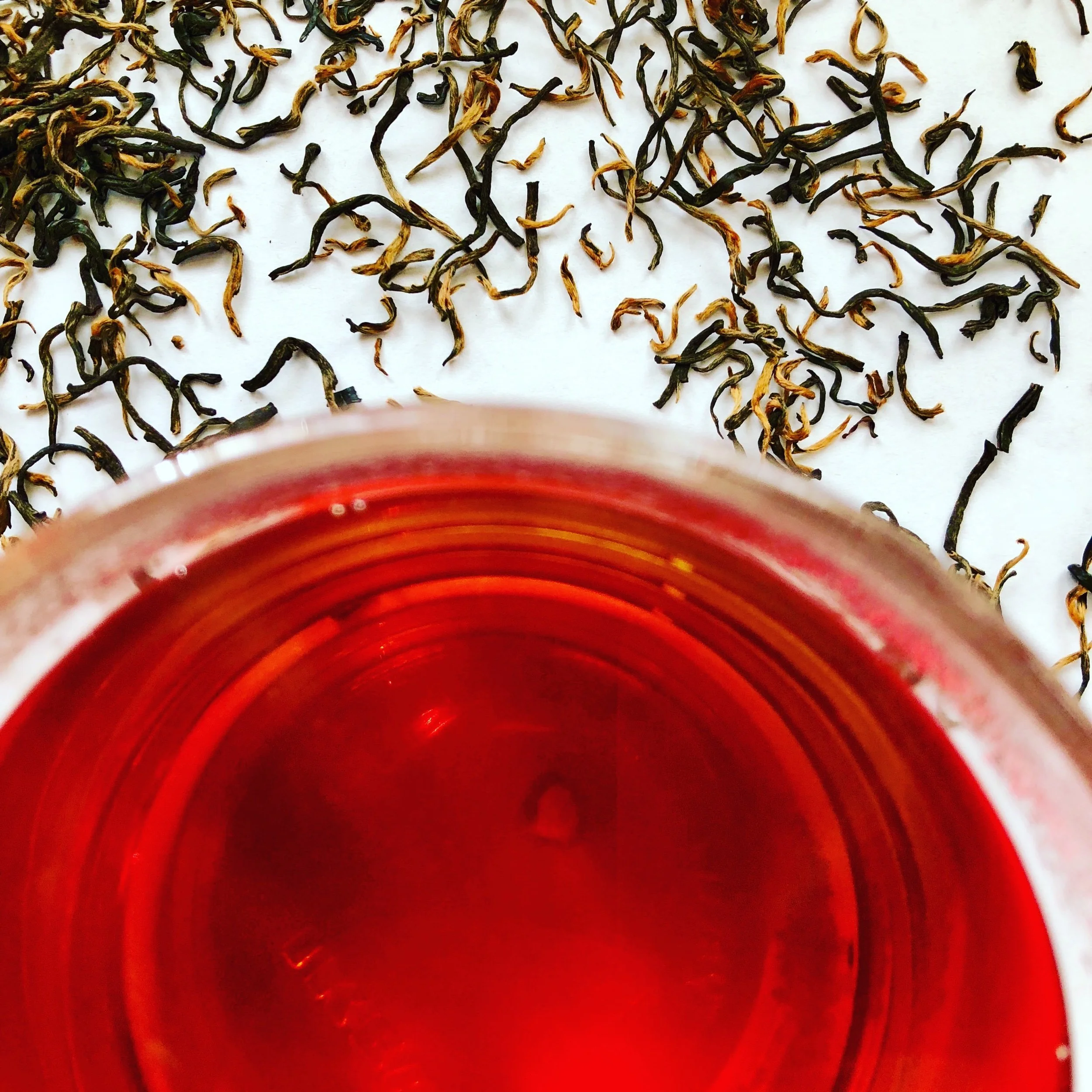
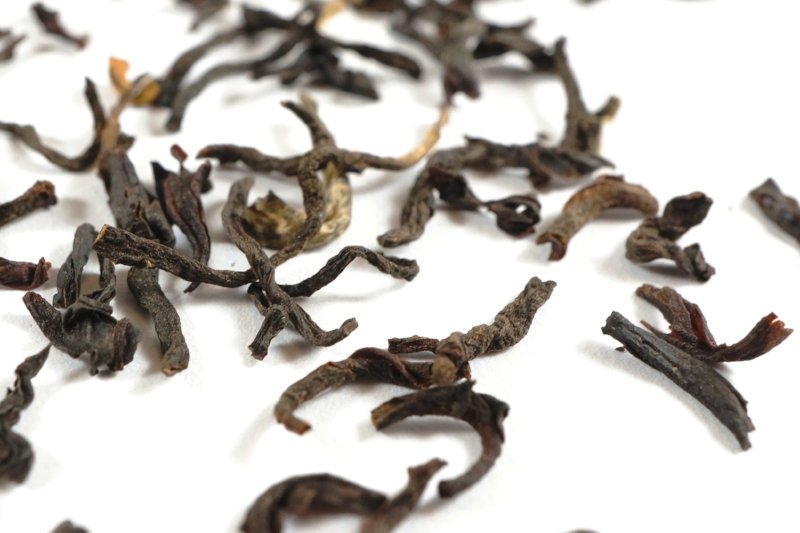
Black tea comes from the same plant as green tea, Camellia sinensis. The difference is oxidation: black tea leaves are rolled and left to oxidize fully, which turns them dark and gives the cup its rich, malty flavor. During oxidation, some of the leaf's catechins turn into theaflavins and thearubigins. These compounds, all part of the larger flavonoid family, give black tea its color and briskness, and they're the main reason scientists study it for heart health.

What the research suggests

Large studies that follow people for many years have found that regular tea drinkers tend to have lower rates of heart disease and stroke. One of the biggest, a 2022 study of nearly 500,000 adults in the UK Biobank published in the Annals of Internal Medicine, found that people who drank two or more cups of black tea a day had a modestly lower risk of death over about 11 years than people who drank none.

Smaller controlled trials point to a few ways tea might help. In one six-month trial, drinking three cups of black tea a day lowered blood pressure by a couple of points compared with a placebo drink. Other short studies have found that tea can help blood vessels relax and widen more easily. Results for cholesterol are mixed, with some studies finding a small drop in LDL and others finding no real change.

What it doesn't show

Most of this evidence comes from observational studies, which can find a link but can't prove that tea is the cause. Tea drinkers may differ from non-drinkers in other ways that matter for heart health. The effects seen in trials are also small. Black tea is a pleasant, healthy everyday drink, but it isn't a treatment for high blood pressure or high cholesterol, and it doesn't replace anything your doctor recommends.

One simple tip: the benefits seen in studies come from tea itself, so go easy on sugar. A splash of milk is fine for most people, though some research suggests milk may slightly blunt tea's effect on blood vessels.

How to brew a great cup of black tea

As a general guideline from our product pages:

  1. Use 1 rounded teaspoon (about 2 to 3 g) of loose-leaf black tea per 8 oz of water.

  2. Heat fresh water to a full boil, about 205 to 212°F.

  3. Steep 3 to 5 minutes, then remove the leaves.

  4. Taste and adjust the amount of tea or the steeping time next time.

Black teas to try

  • English Breakfast is a blend of Ceylon, Kenya and India black teas with excellent body and full flavor.

  • Assam Hunwal is full-bodied yet refined, with the classic malty Assam character and a delicate finish.

  • Ceylon Kenilworth is strong and smooth, the hallmark of Ceylon's medium-grown teas.

  • Earl Grey pairs premium black tea with fragrant bergamot.

Each comes in a sample size and in 4 oz, 8 oz and 1 lb bags, so you can try a few before picking a favorite. You'll find them all in our Black Tea collection.

The bottom line

A few cups of black tea a day fits well into a heart-healthy routine, and the research behind it is encouraging, if modest. Enjoy it for its flavor and its gentle lift, keep the sugar light, and talk with your doctor about anything specific to your own heart health.