
Your Guide to Loose-Leaf Tea
We're tea enthusiasts, and we love talking tea. Here you'll find what makes each type of tea different, how it's made, and how to brew a great cup at home, whether you're just starting out or already have a favorite.
Explore Tea TypesBrewing Guides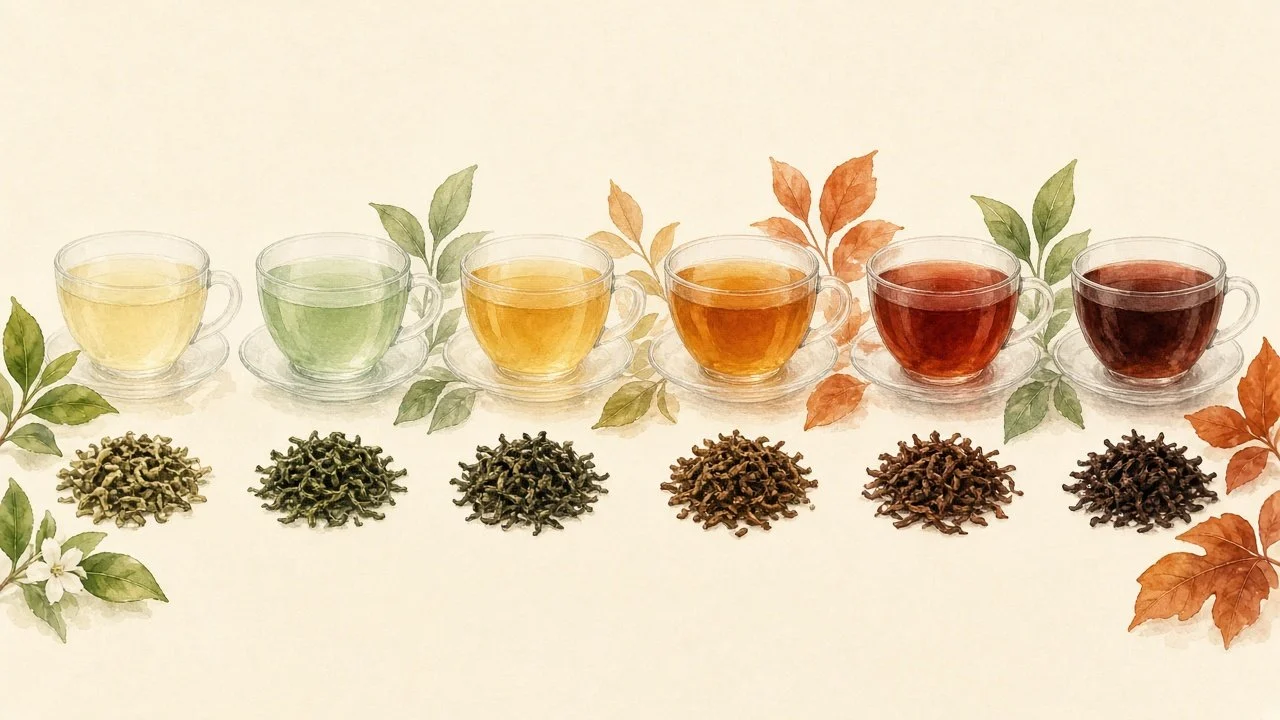
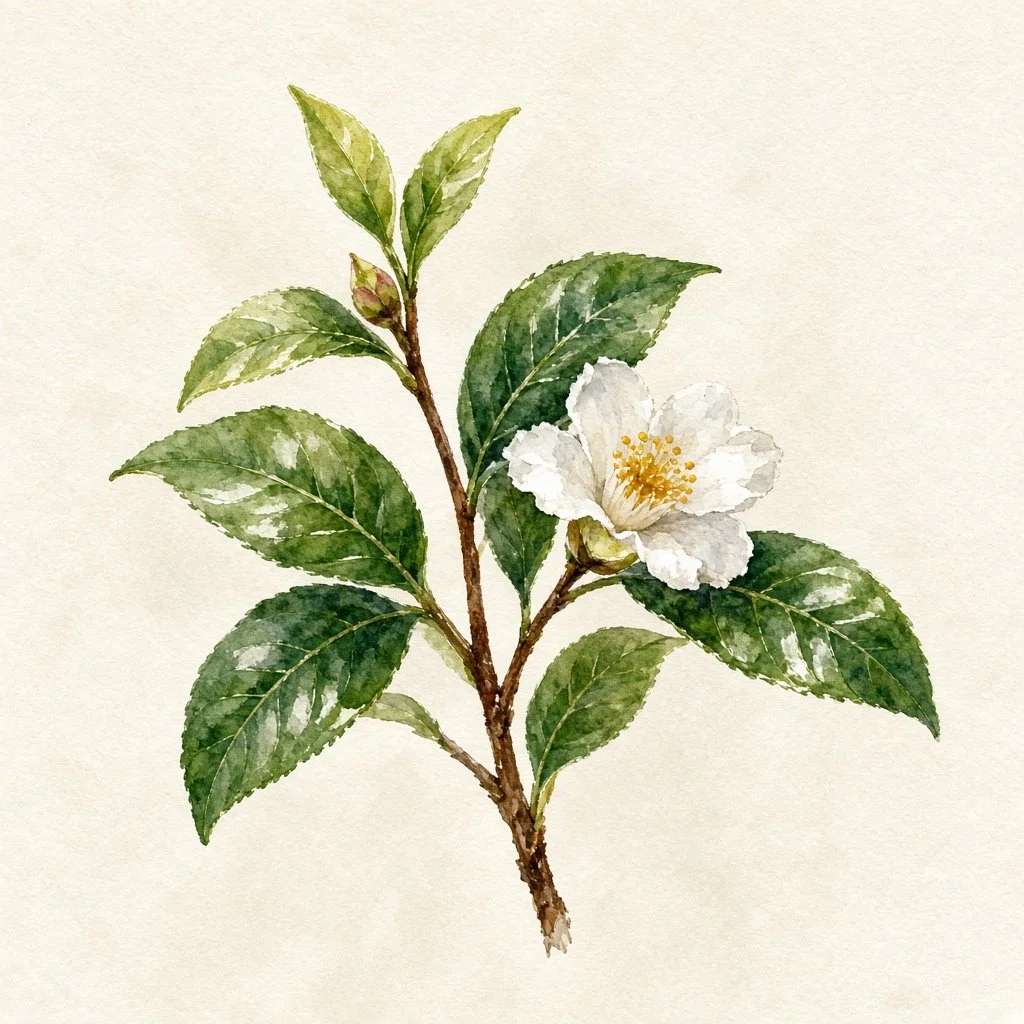
It All Starts With Camellia sinensis
White, green, oolong and black teas all come from the same evergreen plant, Camellia sinensis. What makes them different is what happens after the leaves are picked, and above all how much the leaves are allowed to oxidize, which is the natural browning that also happens to a cut apple. The less oxidation, the paler and fresher the cup. The more oxidation, the darker and richer it gets.
Matcha is shade-grown green tea that's stone-ground into a fine powder. Herbal, fruit and rooibos teas don't come from the tea plant at all. They're made from herbs, flowers, fruit and the South African rooibos bush, so they're caffeine-free. More about the tea plant →
Find Your Kind of Tea
Tap a tea to learn how it's made, what it tastes like and how to brew it, or head straight to the shop.
Green Tea
Fresh, vegetal and gently sweet. The leaves are steamed or pan-fired soon after picking, which keeps them green.
Black Tea
Bold and full-bodied, from malty Assam to fragrant Darjeeling. It's the base of breakfast blends and Earl Grey.
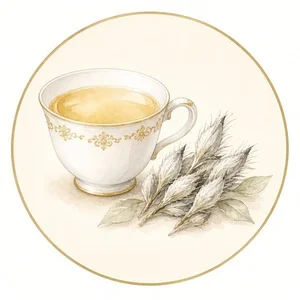
White Tea
The least processed tea: buds and young leaves, simply withered and dried. It brews a pale, delicate, softly sweet cup.
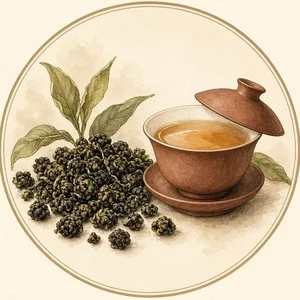
Oolong Tea
The in-between tea. Depending on how it's made, an oolong can be floral and creamy or roasted and rich.
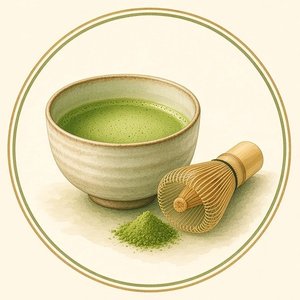
Matcha
Shade-grown green tea leaves ground to a fine powder. You whisk it into water or milk and drink the whole leaf.

Chai
Black tea, or caffeine-free rooibos, blended with warming spices like ginger, cardamom and cinnamon. Made for milk.
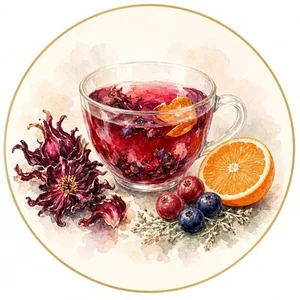
Herbal, Fruit & Rooibos
Blends of herbs, flowers, fruit and rooibos, from cool peppermint to vanilla rooibos. Lovely any time of day.
Three Keys: Amount, Temperature, Time
A starting point for an 8 oz cup, taken from the brewing tips on our tea pages. Every tea is a little different, so check each tea's page and adjust to your taste.
Swipe the graphics sideways to see them in full →
| Tea | Amount per 8 oz water | Water temperature | Steep time |
|---|---|---|---|
| White | 1–2 teaspoons | 170–185°F (aged whites 185–200°F) | 3–5 minutes |
| Green | 1 teaspoon (1 heaping for Sencha) | 175–185°F for most; Sencha 160–175°F; Gyokuro 120–140°F | 2–3 minutes (Sencha 1–2) |
| Oolong | 1–2 teaspoons | 185–205°F | 3–5 minutes; re-steep several times |
| Black | 1 rounded teaspoon | 205–212°F (Darjeeling 195–205°F) | 3–5 minutes (Darjeeling 3–4) |
| Matcha | About 1 teaspoon, sifted, in 6–8 oz water | 160–175°F | Whisk until frothy |
| Chai | 1 heaping teaspoon | 212°F | 4–5 minutes (Rooibos Chai 5–7), then add warm milk |
| Herbal & rooibos | 1–2 teaspoons (fruit blends: 2) | 212°F | 5–7 minutes (fruit blends 5–10) |
Tip: water that's too hot or a steep that's too long is the most common cause of a bitter cup, especially with green and white teas.
Brew It Your Way
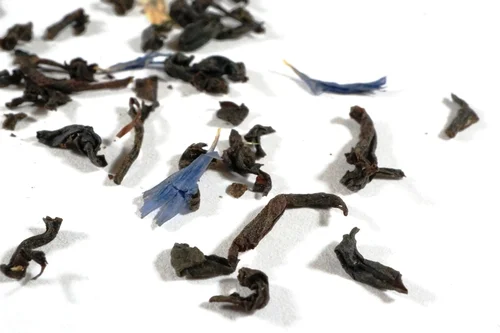
Hot Tea
The three keys to a great cup, tea by tea.
Read the guide →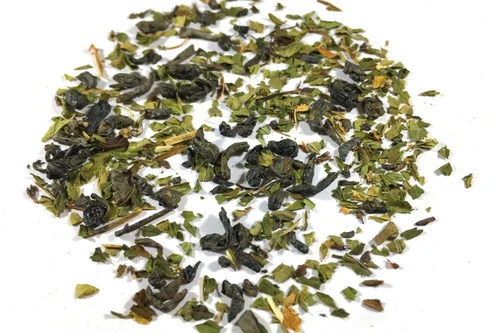
Cold Brew
Let time do the work for a smooth, mellow glass.
Read the guide →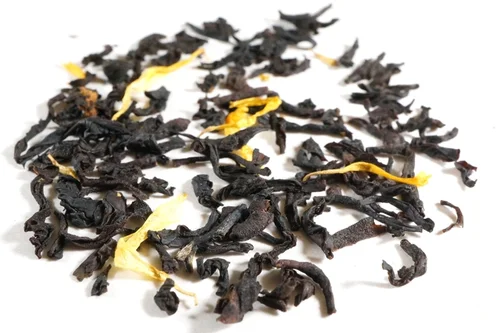
Iced Tea
Brew it strong, pour it over ice, garnish and enjoy.
Read the guide →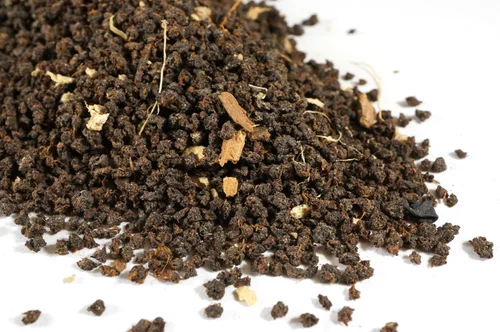
Chai
In the teapot or simmered on the stove with milk.
Read the guide →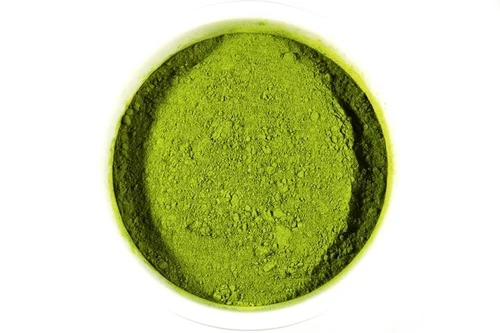
Matcha
Traditional, simple and latte-style matcha.
Read the guide →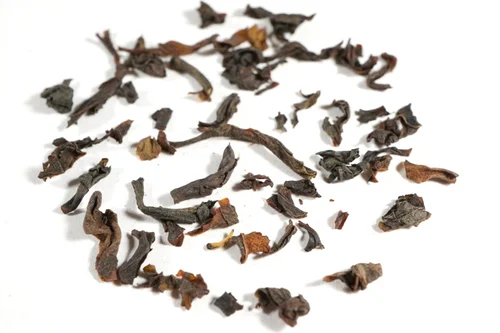
Keep It Fresh
How to store loose-leaf tea so every cup tastes its best.
Read the guide →From Hillside to Teacup
Our teas come from some of the world's great tea regions: China, Japan and Taiwan, the Indian hills of Assam and Darjeeling, Sri Lanka and Kenya. Our rooibos comes from South Africa.
The Tea Library
The Tea Plant
Meet Camellia sinensis, the plant behind every true tea, and the two main varieties grown around the world.
Read more →How Tea Is Made
Plucking, withering, rolling, oxidizing and drying: the steps that turn a fresh leaf into the tea in your cup.
Read more →Storing Tea
Keep your loose leaf fresh by protecting it from air, light, moisture, heat and strong odors.
Read more →Shop Loose-Leaf Tea by Type
Not sure where to begin? A sampler lets you taste several teas side by side and find your favorite.
GreenBlackWhiteOolongMatchaChaiHerbal & Fruit10 Tea Variety Sampler