Grading In Black Tea Production

The grades in black tea are indication of the size and/or appearance of the tea leaves but not the quality (taste, aroma, liquor). Good quality teas are usually of higher grades, but there is no guarantee that a tea of higher grade is of good quality. The photo on the left demonstrates how each leaf on a tea branch (from a tea plant) falls into a certain grade. Below Are Some Basic Grades of Tea Leaves (From High to Low).
1. FOP (Flowery Orange Pekoe) :
Usually in a flush (tea picking season or harvest), a small quantity of Tippy or Flowery grades are made. Usually reserved tea or high value estate tea are of flowery grades. They are much more expensive to produce than run-of-the-mill grades, because it involves sorting out the tea tips by hand. FOP tea is made with pickings containing a young leaf from the top of a tea branch and one leaf bud. FOP grades have very good liquors and strength.
Flowery Orange Pekoe Grades:
FOP (Flowery Orange Pekoe)
GFOP (Golden Flowery Orange Pekoe)
TGFOP (Tippy Golden Flowery Orange Pekoe)
FTGFOP (Fine Tippy Golden Flowery Orange Pekoe)
SFTGFOP (Super Fine Tippy Golden Flowery Orange Pekoe)
2. OP (Orange Pekoe) :
The most common grade for breakfast tea and flavored tea. Orange Pekoe leaves are Long, thin, wiry leaves which sometimes contain the tip. It is usually a tea made with pickings containing the top 2 leaves and one leaf bud from a tea branch. The liquors of OP are usually lighter than flowery grades.
Orange Pekoe Grades:
OP (Orange Pekoe) -- most often used as a breakfast tea or a flavored tea(tea with other flavorings such as bergamot oil, cinnamon and so on)
BOP (Broken Orange Pekoe) -- BOP grade is one of the more sought after. Leaves are much smaller than OP and contains substantial amount of tips. It also has good color and strength.
3. P (Pekoe):
The Pekoe leaves are shorter and not so wiry as OP. Usually it is a tea made with pickings containing the top 3 leaves and one leaf bud from a tea branch.
Pekoe Grades:
P (Pekoe) -- Sometimes used to make breakfast. It is also often used to make flavored tea and used as a filer in blends (such as English Breakfast, Irish Breakfast and so on).
BP (Broken Pekoe) -- Slightly larger than BOP, but with rather less color in the cup. It is used primarily as a filler in blends.
4. PS (Pekoe Souchong or some times called Pure Souchong):
PS is larger than Pekoe. It is often used as a filler in blends.
Pekoe Grades:
PS (Pekoe Souchong)
BPS (Broken Pekoe Souchong)
5. S (Souchong):
Souchong leaves are bold and round. It is often used to make tea bags.
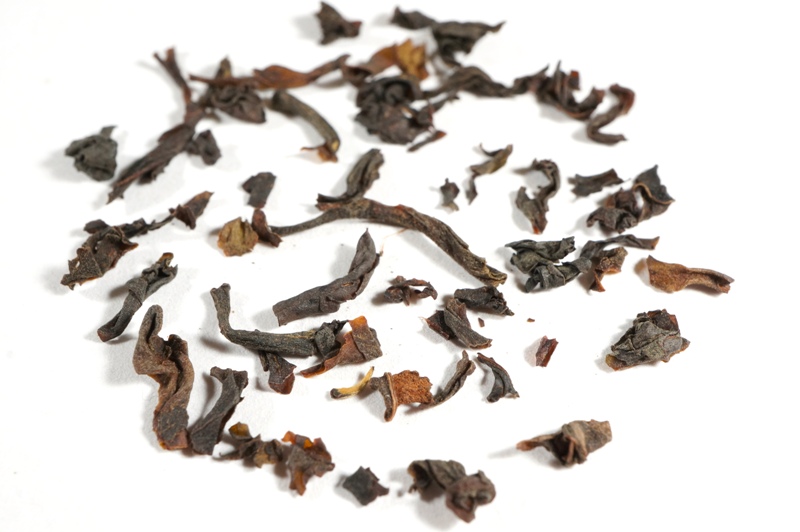
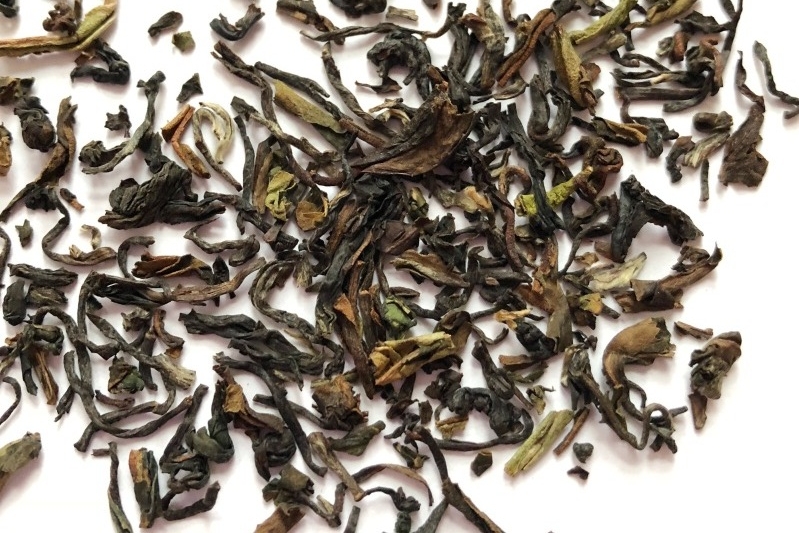
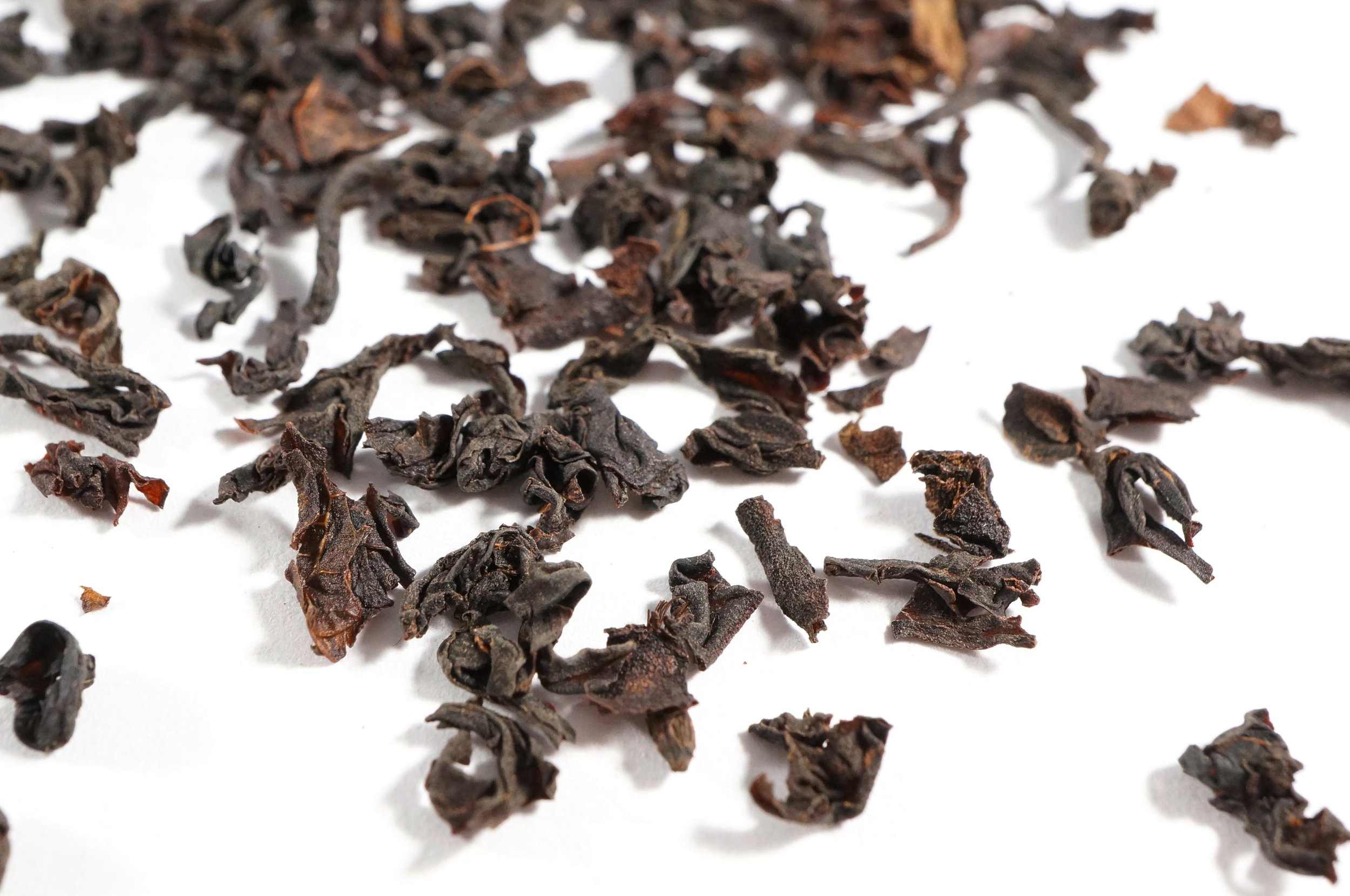
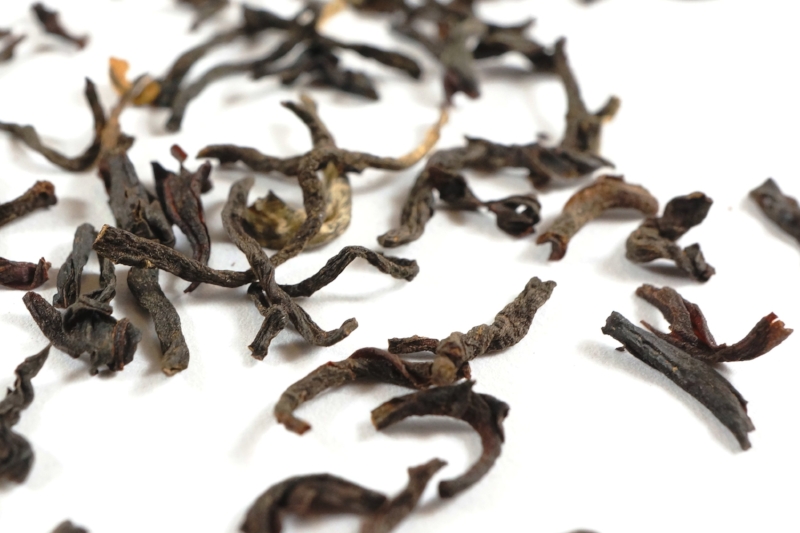
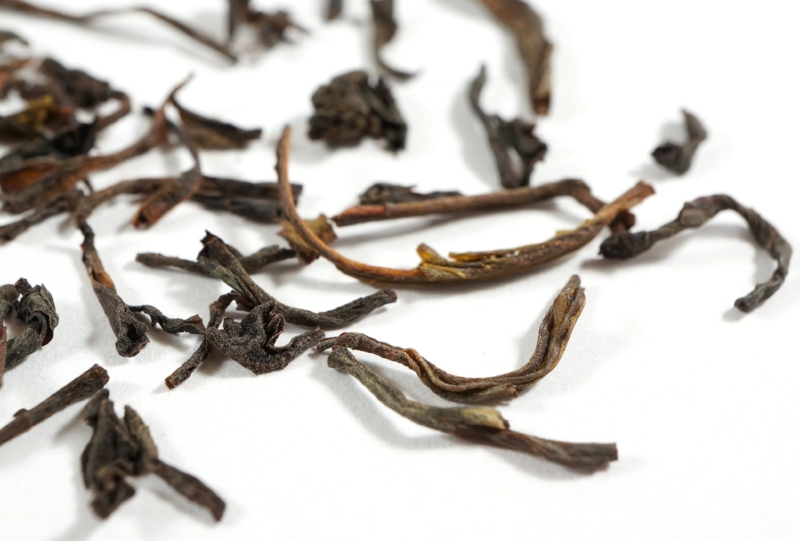
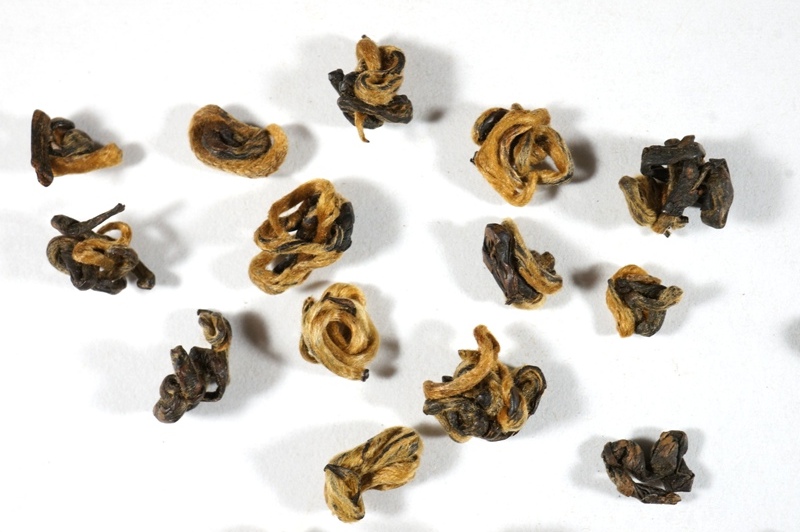
Brews a delicate tending astringent cup with the distinctive ‘Muscatel’ grape character. Hints of currant create an almost wine-like taste. We like it as an afternoon or a after-dinner tea.
Information: The bushes at Margaret’s Hope are almost entirely the Chinese Jat (genus) accounting for the green leafed tippy appearance of the manufactured leaf and the superb fragrance. Because the tea is grown at such high altitudes and in relatively cool weather the bushes do not grow quickly, and as such the production is limited. The best time of the year for quality is during ‘second-flush’ (end May - end June). During this time Darjeelings are incomparable to any other tea in the world. The fragrance and taste is a complex bouquet that reaches right out of the cup. Some would describe the taste as nutty; others find it reminds them of black currants, but most often it is described as similar to the taste and fragrance of muscat grapes.
Country of Origin: India Manufacture Type: Orthodox
Grade: TGFOP (Tippy Golden Flowery Orange Pekoe)
Altitude: 6800 feet above sea level
Infusion: Bright tending light