
Tea Info › Black Tea
What Is Black Tea?
Black tea is the fully oxidized member of the tea world. The leaves are left to darken before they're dried, which gives black tea its deep amber cup and its bold, rich flavor. It can be malty and brisk, bright and floral, or sweet and honeyed. It's also the base of breakfast blends, Earl Grey and chai.
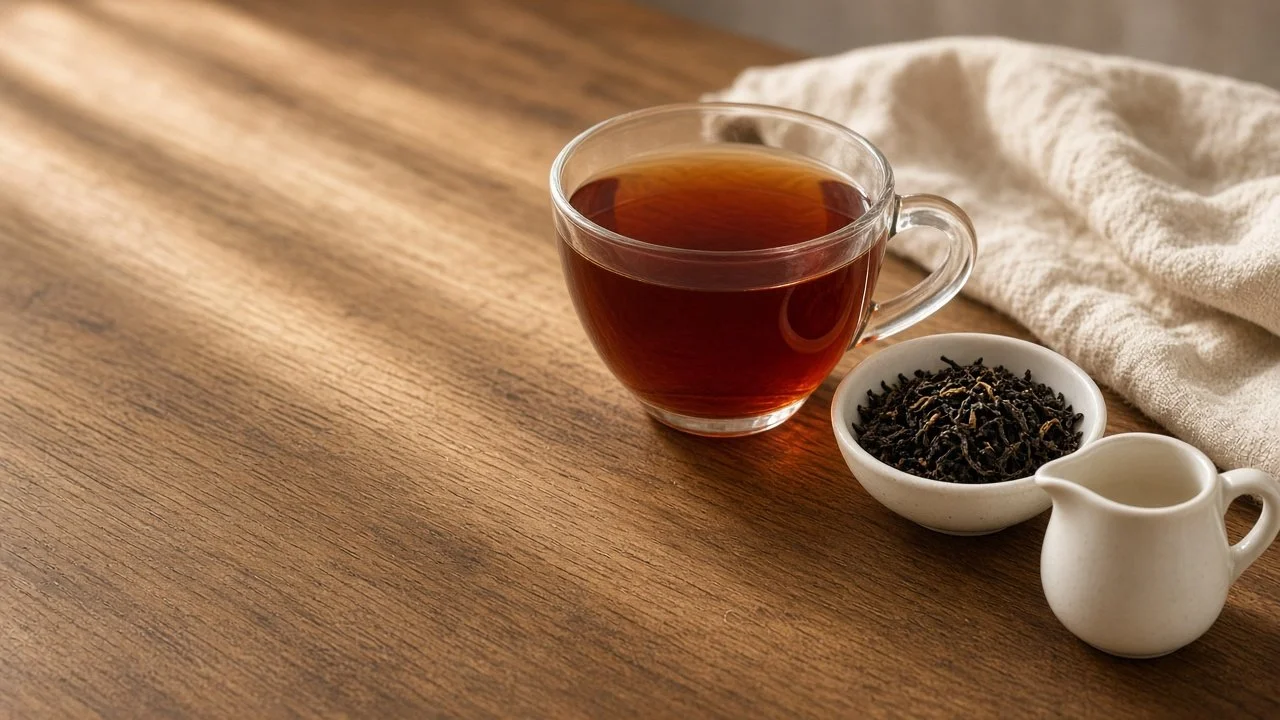
The Boldest Cup From the Tea Plant
Black tea comes from the same plant as green, oolong and white tea: Camellia sinensis. What sets it apart is oxidation. After picking, black tea leaves are rolled and left to oxidize all the way, until they turn a deep coppery brown. That's where the rich color and full body come from.
Black tea is the most common type of tea across much of South Asia, in India, Sri Lanka and beyond, and it's the tea most people in the West grew up with. In China it's called hong cha, or "red tea," after the color of the cup.
Two Ways to Make It
Orthodox
The leaves are rolled by hand or by machine in a way that keeps them whole or in large pieces. It's the traditional method behind fine loose-leaf teas, and it gives a nuanced, layered cup.
Try: Darjeeling Margaret's Hope, Golden Yunnan, Keemun Mao Feng
CTC (Crush, Tear, Curl)
Machines cut the leaf into small, even granules. It brews quickly into a strong, dark cup, which is why it's used for many everyday, chai and breakfast-style teas.
From Fresh Leaf to Black Tea
Every garden has its own way of doing things, but most black teas follow these five steps.
- WitherFreshly picked leaves are spread out while air blows over them, so they soften and lose moisture.
- RollThe soft leaves are rolled (orthodox) or cut (CTC). This breaks the leaf cells and starts oxidation.
- OxidizeThe leaves rest at a controlled temperature and humidity and turn coppery brown. It's often called "fermentation," though no actual fermenting takes place.
- DryHeat stops the oxidation and dries the leaf, so it keeps.
- Sort & gradeThe finished tea is sieved into grades by size: whole leaf, broken leaf, fannings and dust.
What Do OP, FOP and TGFOP Mean?
Whole-leaf black teas are often labeled with a grade. Grades describe the size and look of the leaf, including how many golden tips it has. They don't describe taste. A high grade is often a good sign, but the cup is what counts. More about tea grading →
| Grade | Stands for |
|---|---|
| OP | Orange Pekoe |
| FOP | Flowery Orange Pekoe |
| GFOP | Golden Flowery Orange Pekoe |
| TGFOP | Tippy Golden Flowery Orange Pekoe |
| FTGFOP | Fine Tippy Golden Flowery Orange Pekoe |
| SFTGFOP | Super Fine Tippy Golden Flowery Orange Pekoe |
What Does Black Tea Taste Like?
Black tea's flavors range from flowery to fruity, nutty and spicy. Indian Assams are malty and strong. Darjeelings are lighter and bright, with the famous "muscatel" grape note. Ceylon teas are lively and brisk. Chinese black teas lean sweet, smooth and honeyed, sometimes with a hint of cocoa or smoke.
Blends & Flavored Black Teas
Black tea's full body makes it the perfect base for blending. Breakfast teas combine teas from different regions for a strong morning cup. Earl Grey adds bergamot, and our flavored blacks add fruit, vanilla, spice and more.
Where Black Tea Comes From
India: Darjeeling, in the Himalayan foothills, grows mostly the small-leaf China tea plant, which gives its delicate, muscatel cup. Assam, in the lowlands of the Brahmaputra valley, grows the large-leaf Assam variety (Camellia sinensis var. assamica), which makes bold, malty teas.
Sri Lanka (Ceylon): bright, lively teas from gardens around Kandy and the high hill country near Nuwara Eliya.
Kenya: highland gardens close to the equator, where tea can be plucked all year. Kenyan teas are full-bodied and lively.
China: Yunnan (Dian Hong) makes golden-tipped, malty-sweet teas. Fujian, home of the Wuyi Mountains, is where many historians place the birth of black tea, and it's the home of Golden Monkey. Anhui gives us Keemun, with its orchid-like fragrance.
How to Brew Black Tea
Black tea likes hot water. These numbers come from the brewing tips on each of our black tea pages. Adjust to your taste.
Swipe the graphics sideways to see them in full →
| Tea | Amount | Water | Time | Tips |
|---|---|---|---|---|
| Most black teas | 1 rounded teaspoon per 8 oz | 205–212°F | 3–5 minutes | Assam, Ceylon, Kenya, Yunnan, Keemun, breakfast blends, Earl Greys and flavored blacks. Freshly boiled water. |
| Darjeeling | 1 rounded teaspoon per 8 oz | 195–205°F | 3–4 minutes | Margaret's Hope, Sungma, Castleton. Water just off the boil and a shorter steep keep the cup delicate. |
| Golden Monkey | 1 rounded teaspoon per 8 oz | 195–205°F | 3–4 minutes | Sweet and smooth. Try it without milk first. |
| Black Dragon Pearls | 2–3 pearls per 8 oz | 212°F | 3–5 minutes | Watch the hand-rolled pearls unfurl. |
| Iced | Twice the usual amount | Same as hot | Same as hot | Pour the hot tea through a strainer into a glass about 3/4 full of ice. |
| Cold brew | About 1 part tea to 50 parts water by weight | Cold or room-temperature water | 4–12 hours in the fridge | Strain, and keep the tea refrigerated. |
Milk or no milk?
Bold, malty teas like Assam, Kenya and breakfast blends stand up beautifully to milk and a little sugar. Delicate Darjeelings and sweet Chinese blacks are best enjoyed plain, so you can taste every note.
Too strong or bitter?
Shorten the steep or use a little less tea, rather than cooler water. Remove the leaves when time is up so the cup doesn't keep steeping.
What to Eat With Black Tea
Black tea's body and briskness make it a natural partner for richer food, from a full breakfast to an afternoon slice of cake.
- Assam & breakfast blends: eggs, toast, bacon, oatmeal and other hearty breakfasts
- Darjeeling: scones and jam, fruit tarts, or a cheese plate after dinner
- Ceylon: lemon cake, shortbread and sandwiches
- Earl Grey: pastries, cakes and lemony desserts
- Chinese blacks (Yunnan, Keemun, Golden Monkey): chocolate, roasted nuts and savory dishes
Our Black Teas
A few of the black teas we love to brew. Each one links to its own page with tasting notes and brewing tips.
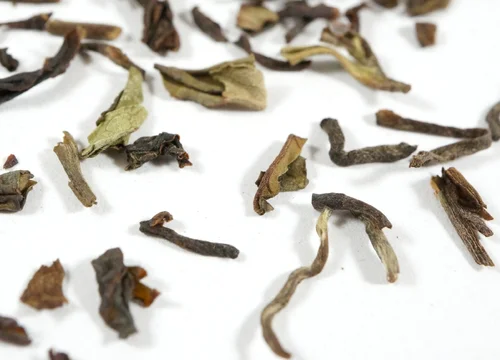
Darjeeling Margaret's Hope
A delicate cup with the distinctive "muscatel" grape character and hints of currant.
View tea →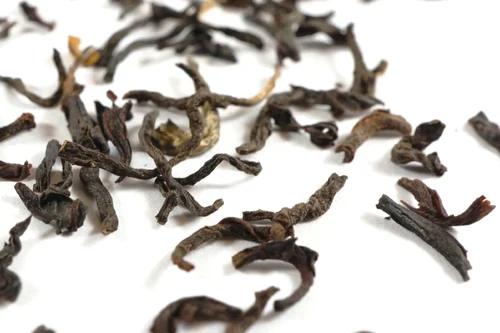
Assam Behora
Bold, malty and strong: a classic Assam from the Behora Estate.
View tea →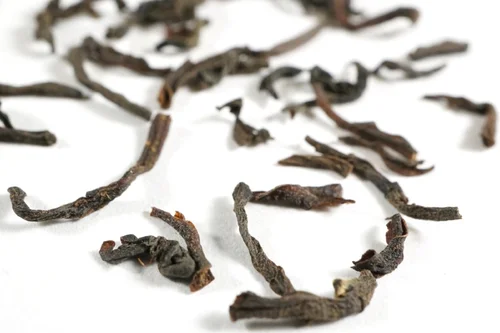
Ceylon Kenilworth
Strong, smooth and full of life, with a malty, lively cup.
View tea →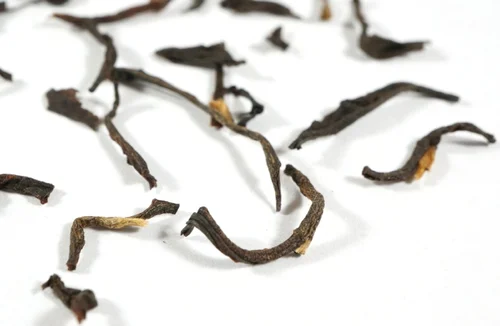
Kenya Milima
Rich and full-bodied, with floral notes and a cup with real thickness.
View tea →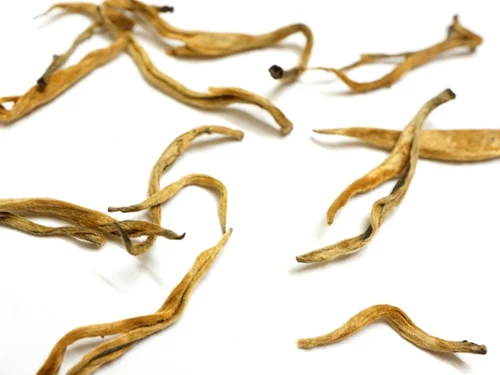
Golden Yunnan
A glowing mass of golden tips that brews a malty, full-bodied cup with a peppery finish.
View tea →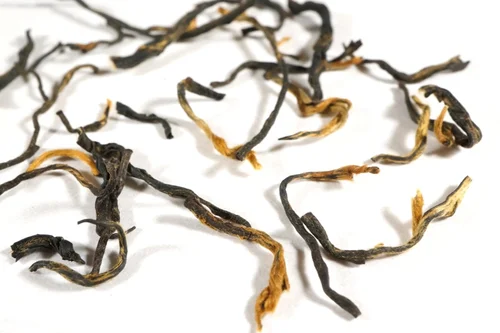
Keemun Mao Feng
Rich, fragrant and elegant, with an orchid-like fragrance.
View tea →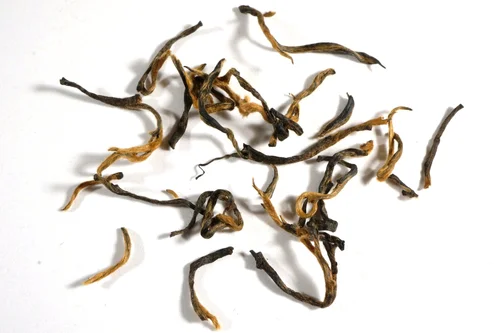
Golden Monkey
Golden, downy and beautifully twisted, with a rich aroma and sweet taste.
View tea →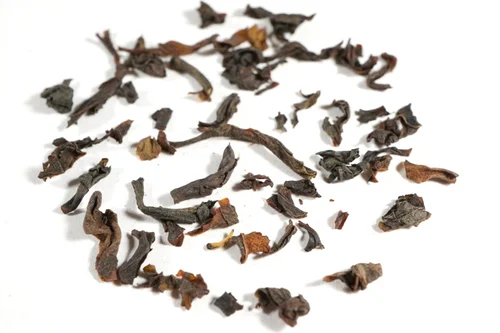
English Breakfast
Ceylon, Kenya and India black teas blended for excellent body and full flavor.
View tea →Black Tea Questions
Have a question we didn't answer? Get in touch. We're always happy to talk tea.
Why is it called "red tea" in China?
In China, teas are often named for the color of the brewed cup rather than the dry leaf. Black tea brews a reddish-amber cup, so it's called hong cha, "red tea." (What China calls "black tea" is a different, aged style of tea.)
What's the best water temperature for black tea?
For most black teas, freshly boiled water at 205–212°F. For Darjeeling and Golden Monkey, water just off the boil, 195–205°F, keeps the cup delicate.
Does black tea have caffeine?
Yes. Contains caffeine; the amount varies. Black tea comes from the tea plant. For a caffeine-free cup, try our herbal, fruit and rooibos teas.
Can I add milk to any black tea?
You can, but it suits some teas better than others. Assam, Kenya, Ceylon and breakfast blends love milk. Darjeeling, Keemun and golden Chinese teas are usually enjoyed plain.
How should I store black tea?
In an airtight container, away from light, heat, moisture and strong smells. Stored well, black tea keeps its flavor longer than delicate green teas. More on tea storage →