Below Is a 4 Step guide on making Iced Tea
- Brew a tea by following the regular brewing instructions, but using Twice the amount of leaves. If you like the tea to be sweetened, we recommend raw sugar or honey. You can also put milk or soy milk to make iced latte. For example, To make 32 ounces of iced tea, brew 16 ounces of tea using approximately 5-6 teaspoons (if you use tea bags, use 5-6 bags) of tea leaves.
- Fill glasses or pitcher approximately 3/4 with ice. (If glass container is used, use tempered or heat resistant glass only)
- Pour hot tea over the ice, using a strainer to separate the tea leaves. If necessary, add more ice or cold water until the iced tea is diluted to nearly double its initial volume.
- According to personal taste, add slices of lemon, lime, orange, or a few sprigs of fresh mint leaf to garnish the tea.
Please note that clouding of the tea liquid may occur when ice is added to hot tea. This is more visible when higher quality tea leaves are used. It is normal and it does not affect the taste or quality of the tea. To prevent clouding, we can let the freshly brewed tea cool down to room temperature before adding ice.
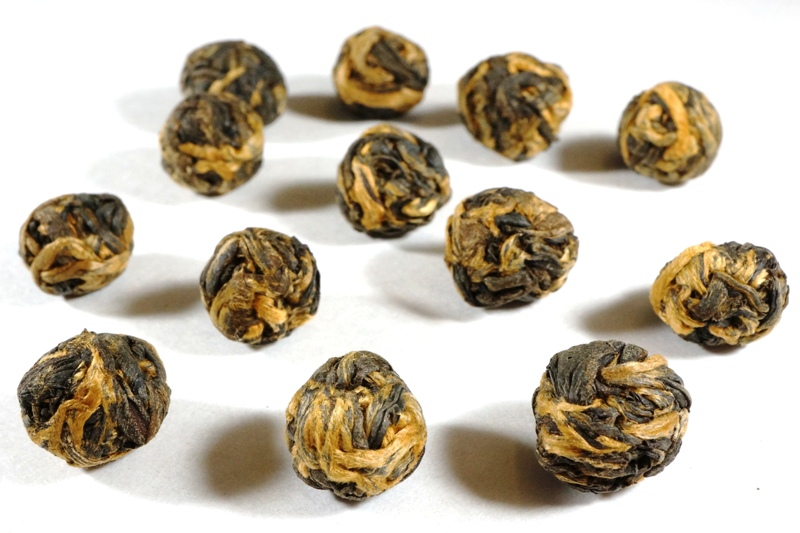
Each little pearl is a hand-rolled bundle of tea waiting to unfurl. Our Black Dragon Pearls are a hand-rolled, small-batch production from Yunnan, China, made using only the highest quality leaves and buds.
History & Heritage
Yunnan's black tea, known in China as Dian Hong, has a surprisingly modern story. In the autumn of 1938, with China's traditional eastern tea regions cut off by war, tea specialist Feng Shaoqiu traveled to Shunning (today's Fengqing) and found large tea trees with plump, downy buds. His trial black tea impressed buyers, and in 1939 a new factory produced Yunnan's first export batch. The name Dian Hong means "red tea of Dian," after an ancient name for Yunnan. In China, what the West calls black tea is called red tea, after the color of the brewed cup. Fengqing is still celebrated in China as the homeland of Dian Hong, and its large-leaf tea trees remain the source of the province's most admired black teas.
Interesting Facts
Before 1939, Yunnan produced mainly green-style tea and had no black tea tradition.
Rolling tea into pearls takes skilled handwork, and the shape protects the leaf until it opens in hot water.
Tasting Notes & Pairings
The pearls brew a rich cup with the signature Yunnan sweetness and hints of jammy flavor, with just the right amount of astringency and a touch of earthiness. Watching them slowly open is half the fun. Try it with dark chocolate, roasted nuts, or a slice of spiced cake. A splash of milk is optional, but the pearls are lovely on their own.
Brewing tips (general guideline): we recommend 2–3 pearls per 8 oz cup of water at 212°F, steeped 3–5 minutes. Adjust to taste.
Like every tea at Beantown Tea & Spices, Black Dragon Pearls is a quality loose-leaf tea offered at an affordable price, with sample and larger sizes so you can find your favorite. Explore more in our Black Tea collection, or pair it with our tea accessories.
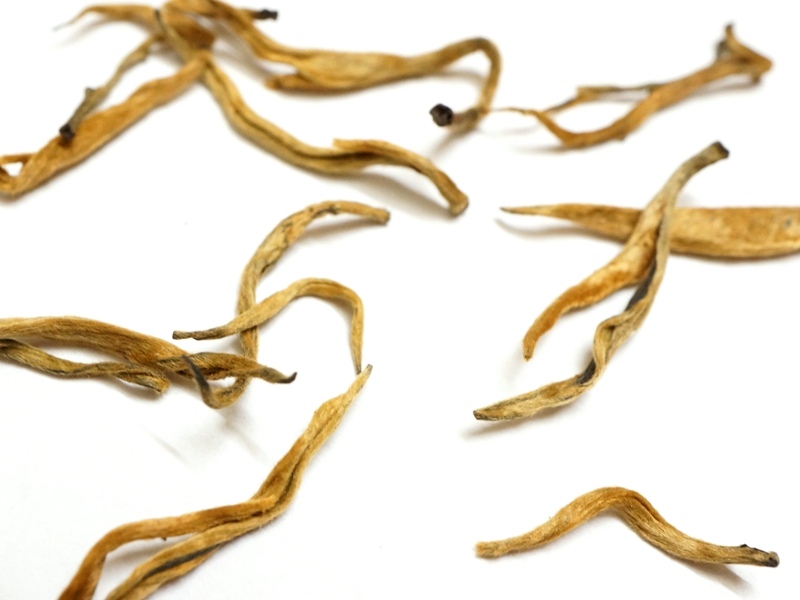
Open a tin of Golden Yunnan and you'll see why tea lovers prize it: a glowing mass of mostly golden tips with a fine aroma. This rare tea is one of the top qualities available from Yunnan Province.
History & Heritage
Black tea is a newcomer in Yunnan. In 1938, during wartime, tea expert Feng Shaoqiu was sent to find new sources of export tea and arrived in Shunning, today's Fengqing. He was struck by the local large-leaf tea trees, whose buds were thick with fine down. His first trial black tea showed a tray full of golden tips, and in 1939 a new factory there produced Yunnan's first batch for export. Feng is remembered in China as the founder of Dian Hong, the name for Yunnan black tea.
Interesting Facts
Golden Yunnan is made only in the last two weeks of March and the first two weeks of April, when the new growth flushes in a way that yields a high share of golden tips.
Our Golden Yunnan is graded Special Golden Tippy Orange Pekoe and made in the orthodox style.
"Dian" is an ancient name for Yunnan, so Dian Hong simply means "Yunnan red tea," the Chinese term for black tea.
Tasting Notes & Pairings
It brews an exceptional cup that is malty and full-bodied with a rich peppery finish. This well-rounded tea will not disappoint. It is lovely in the afternoon or after dinner, alongside sweet potato pie, honey cake, or aged cheddar.
Brewing tips (general guideline): use 1 rounded teaspoon (about 2–3 g) per 8 oz of freshly boiled water (205–212°F), steeped 3–5 minutes. Adjust to taste.
Like every tea at Beantown Tea & Spices, Golden Yunnan is a quality loose-leaf tea offered at an affordable price, with sample and larger sizes so you can find your favorite. Explore more in our Black Tea collection, or pair it with our tea accessories.
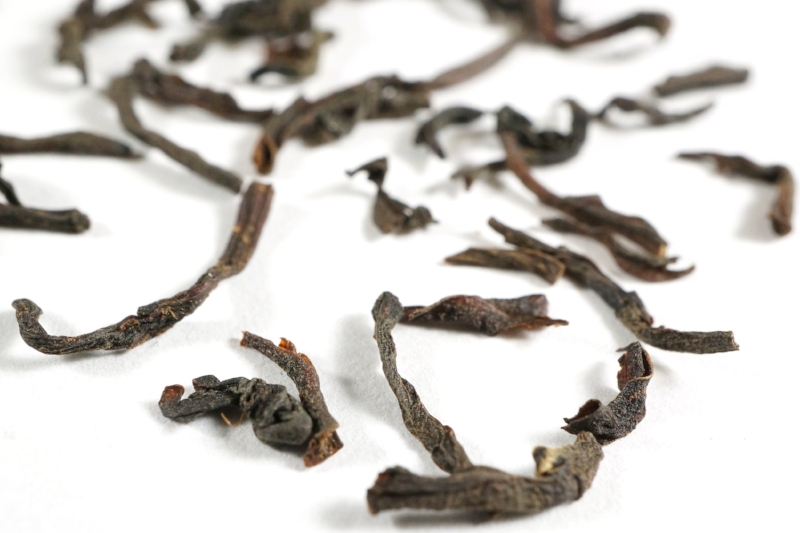
Strong, smooth and full of life, Ceylon Kenilworth is a tea that has earned its worldwide reputation. Kenilworth is known around the world for its full-bodied, strong liquors and is considered the hallmark of Ceylon's medium-grown teas.
History & Heritage
Sri Lanka, then called Ceylon, was once a coffee island. In the late 1860s and 1870s a fungal disease known as coffee rust devastated the plantations, and planters turned to tea. The Scottish planter James Taylor had planted the island's first tea field at Loolecondera, near Kandy, in 1867, and within decades tea had become Ceylon's great crop. The Kenilworth estate was established by British planters in 1880 and named after Kenilworth Castle in England.
Interesting Facts
The Kenilworth estate receives an average of 190 inches of rain a year, and it is unusual in getting rain from both the South West and North East monsoons.
Its Orange Pekoe grades are among the most sought after from any medium-grown garden. Ours is an OP grade grown at about 3,000 feet.
The first shipment of Ceylon tea to reach London, in 1873, weighed only about 23 pounds.
Tasting Notes & Pairings
Our Ceylon Kenilworth brews a malty cup that is lively and very smooth, with an infusion described as noire tending coppery. It is a fine tea after dinner or in the afternoon. Pair it with buttered toast, ginger cookies, or a hearty breakfast.
Brewing tips (general guideline): use 1 rounded teaspoon (about 2–3 g) per 8 oz of freshly boiled water (205–212°F), steeped 3–5 minutes. Adjust to taste.
Like every tea at Beantown Tea & Spices, Ceylon Kenilworth is a quality loose-leaf tea offered at an affordable price, with sample and larger sizes so you can find your favorite. Explore more in our Black Tea collection, or pair it with our tea accessories.
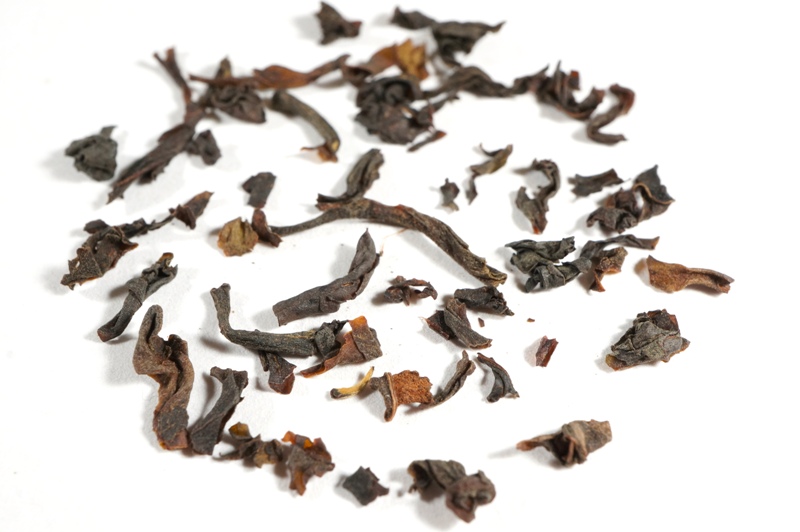
Start the morning the classic way. Our English Breakfast is a blend of Ceylon, Kenya and India black teas that brews a cup with excellent body and full flavor, ready to get the day started.
History & Heritage
For a tea so closely tied to Britain, English Breakfast has a surprisingly debated past. The earliest known use of the name points to New York, where an English-born tea merchant named Richard Davies is said to have sold a China black tea blend as "English Breakfast Tea" in 1843. A later Scottish story credits an Edinburgh tea master, Robert Drysdale, with a breakfast blend in 1892. Legend adds that Queen Victoria enjoyed it at Balmoral and carried the fashion back to London, though that tale is hard to prove. Over time the blend shifted from China teas toward the bolder teas of India, Ceylon and Africa.
Interesting Facts
There is no single official recipe; each tea house creates its own balance.
Our blend is a Flowery Pekoe grade made in the orthodox style, with a bright coppery infusion.
Tasting Notes & Pairings
Full-bodied and full-flavored, this tea takes milk very well. Serve it with eggs and bacon, buttered toast and marmalade, or a warm muffin. A little sugar is traditional for some, but the cup is satisfying on its own, too. It is also a reliable choice for an afternoon pick-me-up when you want a strong, comforting cup.
Brewing tips (general guideline): use 1 rounded teaspoon (about 2–3 g) per 8 oz of freshly boiled water (205–212°F), steeped 3–5 minutes. Adjust to taste.
Like every tea at Beantown Tea & Spices, English Breakfast is a quality loose-leaf tea offered at an affordable price, with sample and larger sizes so you can find your favorite. Explore more in our Black Tea collection, or pair it with our tea accessories.
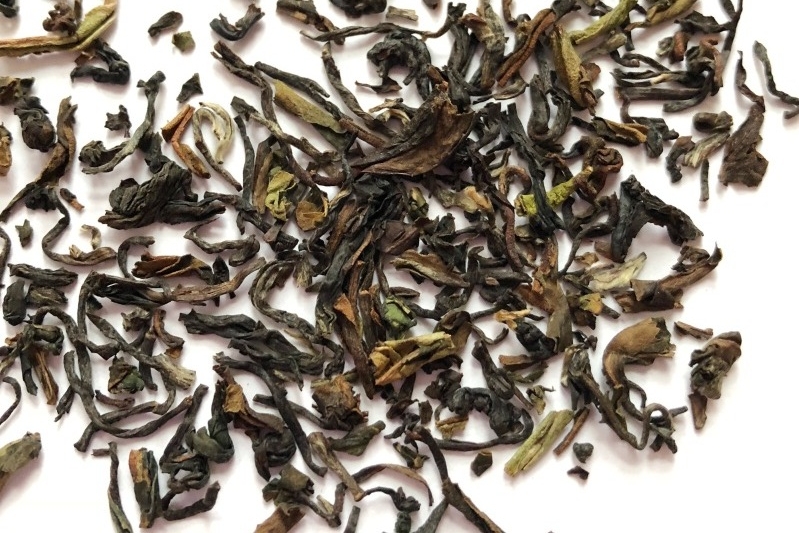
Summer in the Himalayan foothills produces some of the world's most aromatic teas. This excellent summer-harvest Darjeeling from Sungma Estate has a very prominent muscat grape aroma and taste, and it brews a golden, aromatic cup.
History & Heritage
Darjeeling's tea story began in 1841, when Dr. Archibald Campbell planted Chinese tea seeds near his home at Beechwood. By 1847 the government had established tea nurseries, and the first commercial gardens appeared in the 1850s. Tea makers found that the cool, high-altitude climate suited the small-leaf China tea plant, producing a lighter, more aromatic cup than the broad-leaf teas of Assam. That aromatic quality, often called "muscatel" for its resemblance to muscat grapes, became Darjeeling's signature. Darjeeling's teas grew so distinctive that they are often nicknamed the champagne of teas.
Interesting Facts
Darjeeling teas are often grouped by "flush," or harvest. The summer second flush is known for fuller, fruitier character than the light spring teas.
By 1874, Darjeeling had more than a hundred tea gardens.
Our Sungma is a TGFOP grade grown at 6,800 feet.
Tasting Notes & Pairings
The taste is fruity and slightly spicy with hints of honey and squash. It is pleasantly astringent with a nice sweet finish, making it an excellent afternoon tea for new and experienced tea drinkers alike. Try it with scones and fruit preserves, almond biscotti, or a mild curry.
Brewing tips (general guideline): use 1 rounded teaspoon (about 2–3 g) per 8 oz of water just off the boil (195–205°F), steeped 3–4 minutes. A shorter steep keeps the cup delicate. Adjust to taste.
Like every tea at Beantown Tea & Spices, Darjeeling Sungma is a quality loose-leaf tea offered at an affordable price, with sample and larger sizes so you can find your favorite. Explore more in our Black Tea collection, or pair it with our tea accessories.
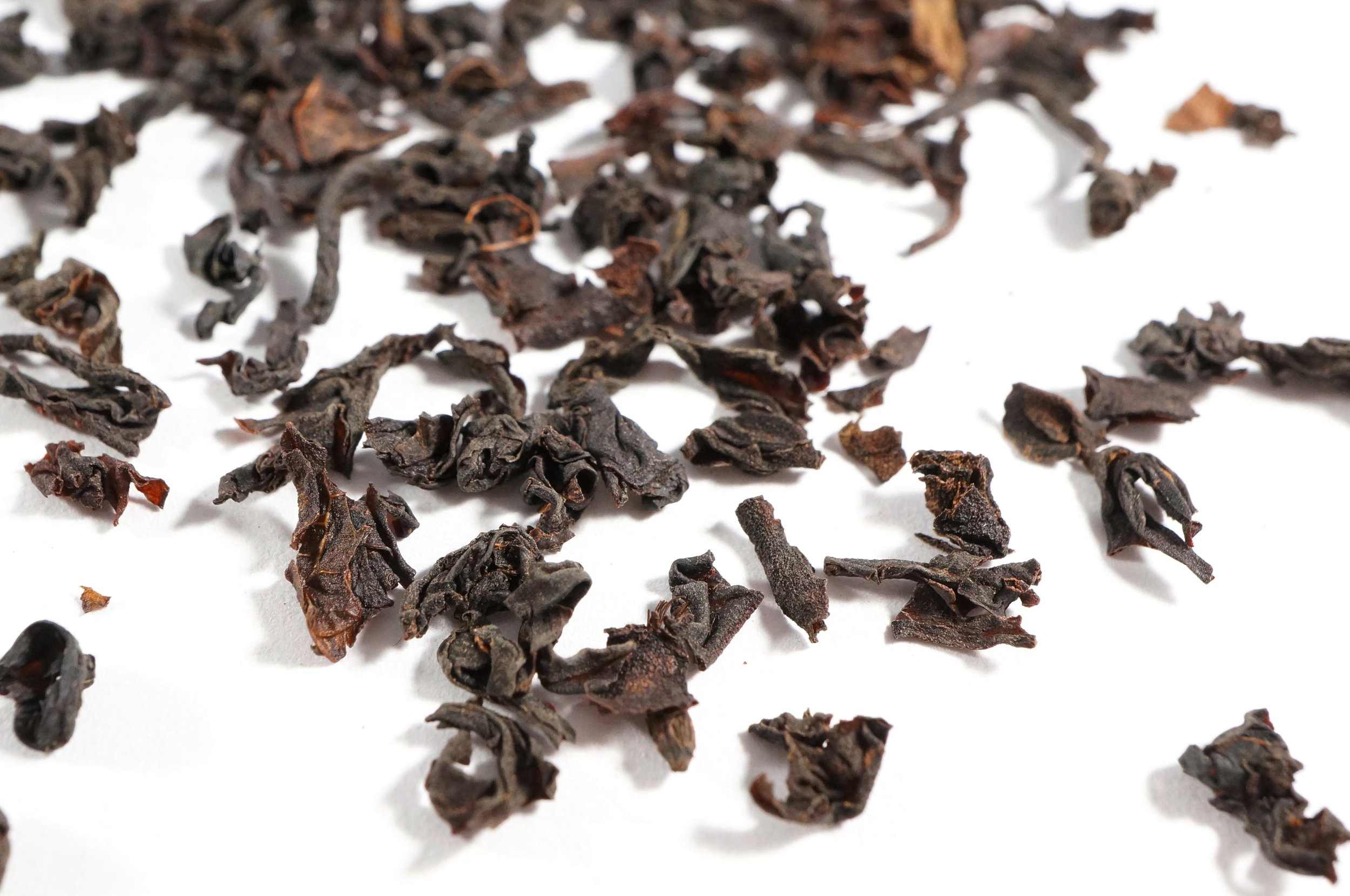
Light, bright and gently floral, this is a classic Ceylon tea. It has light liquoring with hints of delicate floral notes, and dashes of astringency reminiscent of plum run throughout the cup.
History & Heritage
Ceylon tea was born from disaster. In the 1870s, coffee rust destroyed the coffee plantations that had been the island's main crop, and planters switched to tea. The pioneer was a Scottish planter named James Taylor, who planted the island's first tea field, about 19 acres known as Field No. 7, on the Loolecondera estate near Kandy in 1867. Today Sri Lanka recognizes seven distinct tea-growing regions, each with its own character. Taylor's first shipment of Ceylon tea to reach London, in 1873, was only about 23 pounds, a humble beginning for what became one of the world's great tea origins.
Interesting Facts
The country is now called Sri Lanka, but its tea is still sold around the world as "Ceylon tea."
Our Organic Ceylon is a Pekoe grade grown above 6,000 feet and certified organic by Pro-Cert Organic Systems Ltd.
Sri Lanka's seven tea regions are Nuwara Eliya, Dimbula, Uda Pussellawa, Uva, Kandy, Sabaragamuwa and Ruhuna.
Tasting Notes & Pairings
The infusion is bright tending yellow, with a clean, floral flavor and a touch of plum. It is lovely plain or with lemon, and it also makes a refreshing iced tea. Pair it with lemon bars, fruit salad, or light sandwiches.
Brewing tips (general guideline): use 1 rounded teaspoon (about 2–3 g) per 8 oz of freshly boiled water (205–212°F), steeped 3–5 minutes. Adjust to taste.
Like every tea at Beantown Tea & Spices, Organic Ceylon Black Tea is a quality loose-leaf tea offered at an affordable price, with sample and larger sizes so you can find your favorite. Explore more in our Black Tea collection, or pair it with our tea accessories.
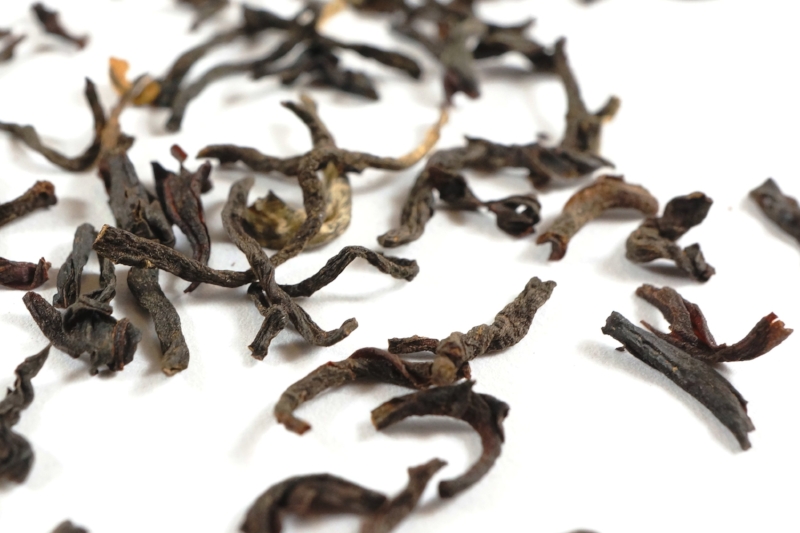
Bold, malty and strong, Assam Behora is a classic Indian Assam black tea from the Behora Estate, and a classic example of a top Assam tea.
History & Heritage
Assam's tea was growing wild long before the tea trade noticed it. In 1823, a Scottish trader named Robert Bruce was introduced, through the Assamese nobleman Maniram Dewan, to a Singpho chief who showed him the tea plants local people used. Bruce died the next year, but his brother Charles continued the work. The plant turned out to be a large-leaf variety, Camellia sinensis var. assamica, different from the China tea plant. On January 10, 1839, the first Assam tea was auctioned in London, launching India's tea industry. The Assam Company, India's first tea company, was formed that same year.
Interesting Facts
Assam is the largest tea-growing region in the world by volume.
Maniram Dewan, who helped make that first introduction, later became one of the first Indian tea planters.
Our Behora is a TGFOP grade made in the orthodox style, with a bright, coppery infusion.
Early London buyers found the first Assam tea less fragrant than China tea, but its strength soon won the market.
Tasting Notes & Pairings
It brews a full-bodied cup with bold malty flavor, strength and just the right amount of astringency. It stands up beautifully to milk and sugar. Enjoy it with a full breakfast, oatmeal with brown sugar, or a piece of rich chocolate cake.
Brewing tips (general guideline): use 1 rounded teaspoon (about 2–3 g) per 8 oz of freshly boiled water (205–212°F), steeped 3–5 minutes. Adjust to taste.
Like every tea at Beantown Tea & Spices, Assam Behora is a quality loose-leaf tea offered at an affordable price, with sample and larger sizes so you can find your favorite. Explore more in our Black Tea collection, or pair it with our tea accessories.
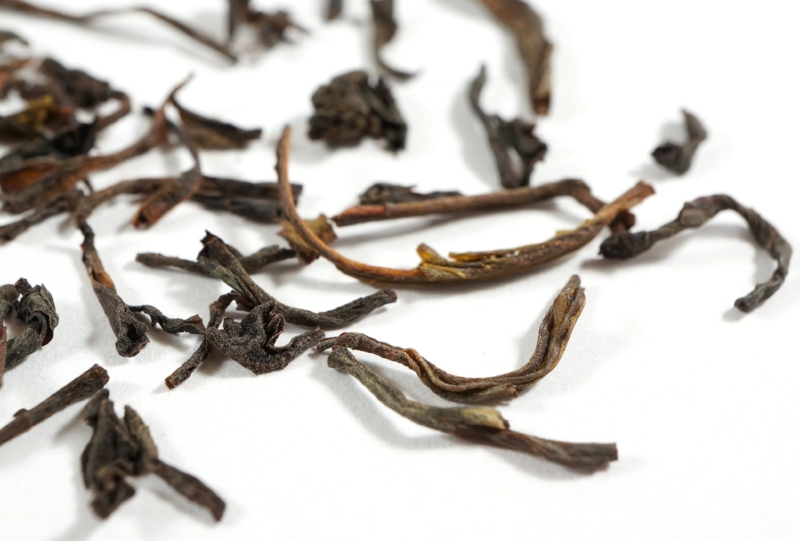
Bright, lively and floral, Ceylon Lover's Leap comes from one of the best tea gardens in Sri Lanka, and its name comes with a romantic legend.
History & Heritage
Lover's Leap is a division of the Pedro estate near Nuwara Eliya, in Sri Lanka's high hill country. It takes its name from a nearby waterfall. Legend has it that a young prince fell in love with a village girl, and when their romance was forbidden, the couple leapt together from the top of the falls rather than be parted. The story has been told for generations and gives this tea one of the most memorable names in Ceylon. Tea itself came to the island's hills in the late 1800s, after coffee rust wiped out the coffee plantations and planters turned to tea.
Interesting Facts
Our Lover's Leap is an OP (Orange Pekoe) grade grown at 6,000 to 8,500 feet, among the highest elevations for Ceylon tea.
It is produced during peak season.
Ceylon tea is still the name used worldwide, even though the island has been called Sri Lanka since 1972.
Tasting Notes & Pairings
Lover's Leap brews a medium to light-bodied cup that is bright, with excellent floral notes and a delightful flavor that is astringent and lively. The infusion is bright and coppery. Enjoy it plain or with lemon, alongside cucumber sandwiches, lemon cake, or fresh berries. Its brisk character also makes a beautiful iced tea on a warm afternoon.
Brewing tips (general guideline): use 1 rounded teaspoon (about 2–3 g) per 8 oz of freshly boiled water (205–212°F), steeped 3–5 minutes. Adjust to taste.
Like every tea at Beantown Tea & Spices, Ceylon Lover's Leap is a quality loose-leaf tea offered at an affordable price, with sample and larger sizes so you can find your favorite. Explore more in our Black Tea collection, or pair it with our tea accessories.
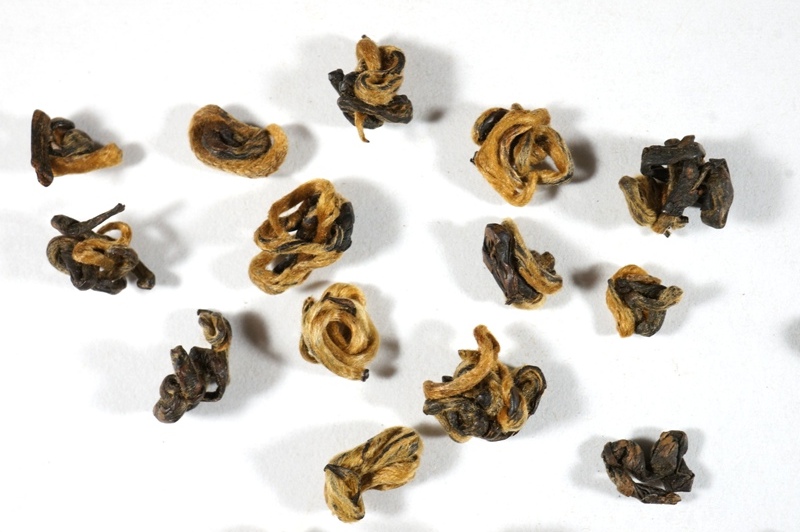
Twisted into graceful golden spirals, this handmade black tea is as beautiful in the tin as it is in the cup. Golden Spiral brews a rich, flavorful cup with hints of honey and spice.
History & Heritage
Golden Spiral comes from Yunnan, the mountainous Chinese province often called the birthplace of tea. Its geography, soil and climate make it an ideal tea-growing region. Yunnan's black tea, called Dian Hong, dates to 1938 and 1939, when tea specialist Feng Shaoqiu, searching for new export teas during wartime, made trial black teas from the region's large-leaf trees and helped open its first black tea factory. Those early teas were admired for their abundance of golden tips, a hallmark of fine Yunnan black tea to this day.
Interesting Facts
In China, black tea is called "red tea" (hong cha) after the color of the brewed cup.
The spiral shape is formed by hand, which takes skill and patience.
Yunnan's first export black tea, made in 1939, was shipped through Hong Kong on its way to Britain.
Tasting Notes & Pairings
Golden Spiral shares many of the qualities of other premium Yunnan teas. It is well balanced and complex, sweet, and astringent only to a point, so it never gets too bitter. A classic example of high-quality Yunnan black tea. Try it with honey cake, roasted pears, or a plate of dried fruit and nuts.
Brewing tips (general guideline): use 1 rounded teaspoon (about 2–3 g) per 8 oz of freshly boiled water (205–212°F), steeped 3–5 minutes. Adjust to taste.
Like every tea at Beantown Tea & Spices, Golden Spiral is a quality loose-leaf tea offered at an affordable price, with sample and larger sizes so you can find your favorite. Explore more in our Black Tea collection, or pair it with our tea accessories.
Some teas come with a story as memorable as their flavor. Darjeeling Margaret's Hope brews a delicate cup with the distinctive "muscatel" grape character, and hints of currant give it an almost wine-like taste. We like it as an afternoon or after-dinner tea.
History & Heritage
Tea came to Darjeeling in 1841, when Dr. Archibald Campbell planted Chinese tea seeds beside his home at Beechwood, and commercial gardens followed in the 1850s. Margaret's Hope, in the Kurseong area sometimes called the "Land of White Orchids," began producing commercially in 1864 under the name Bara Ringtong. Its current name comes from a story told for generations. Legend has it that Margaret, the young daughter of the estate's manager, fell in love with the garden on a visit and promised to return, but she fell ill and died on the voyage home to England. Her grieving father renamed the estate in her memory, and local tales say her spirit still visits the manager's bungalow.
Interesting Facts
Darjeeling's cool, high climate favors the small-leaf China tea plant, and the bushes at Margaret's Hope are almost entirely of the Chinese type.
Because the bushes grow slowly at such heights, production is limited.
Our Margaret's Hope is a TGFOP grade grown at 6,800 feet.
Tasting Notes & Pairings
The best quality comes in the second flush, from late May to late June, when the fragrance seems to reach right out of the cup. Some taste nuttiness, others black currant, but most compare it to muscat grapes. The infusion is bright tending light. Enjoy it plain with scones and jam, fruit tarts, or a cheese plate after dinner.
Brewing tips (general guideline): use 1 rounded teaspoon (about 2–3 g) per 8 oz of water just off the boil (195–205°F), steeped 3–4 minutes. A shorter steep keeps the cup delicate. Adjust to taste.
Like every tea at Beantown Tea & Spices, Margaret's Hope is a quality loose-leaf tea offered at an affordable price, with sample and larger sizes so you can find your favorite. Explore more in our Black Tea collection, or pair it with our tea accessories.