
Traditional Matcha Brewing
- Prepare tea bowls by warming them with boiled water.
- Prepare your Matcha whisk by soaking the tip in the boiled water in one of the bowls for about 10 seconds.
- Pour the water out and dry the bowl with a paper towel.
- Using your tea spoon, according to taste, add 1-2 teaspoons of Matcha to each bowl.
- Pour 1/3 of a cup of your hot water into each bowl.
- In a slow "m' motion, submerge any loose bits of Matcha that may be floating on the surface of the tea.
- Whisk the tea more briskly in a back and forth motion until the surface of the Matcha becomes frothy.
- Consume immediately.
Mondern/Simple Matcha Brewing
- Add 1 teaspoon of Matcha to a bowl.
- Put a few drops of hot water into bowl and use a whisk to whisk the Matcha into a paste.
- Pour6 to 8 oz. ofhot water (160-180F) into bowl. Then in a slow "m' motion, submerge any loose bits of Matcha that may be floating on the surface of the tea.
- Whisk the tea more briskly in a back and forth or circular motion until the surface of the Matcha becomes frothy.
- Consume immediately.

How to Make Matcha Latte
Ingredients: Matcha, Milk or Soy Milk, Sweetener
Steps:
- Put about 1/2 teaspoonmatcha in a mug or glass
- Add sweetener to taste
- Heat or steam the Milk or Soy Milk
- Add milk slowly while whisking/stirring the tea at the same time.
- Can also add whip cream on top and sprinkle some chocolate powder.
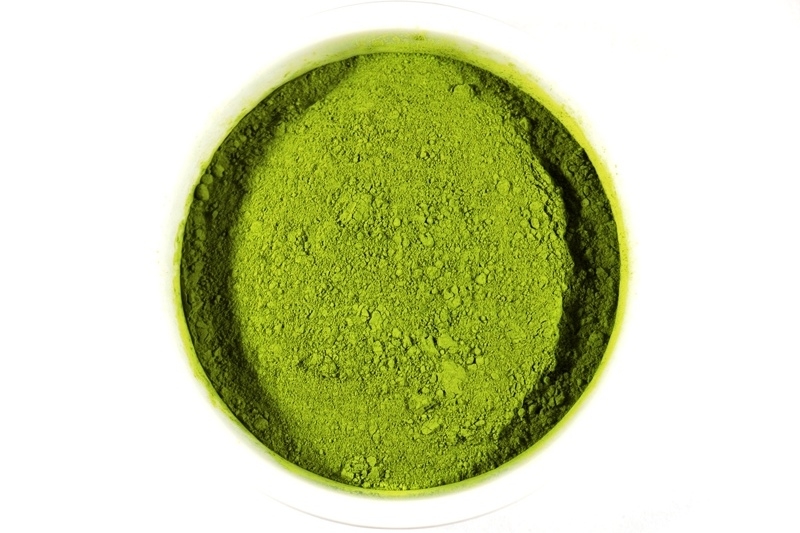
This excellent Matcha from Uji, Kyoto(Japan), is a premium 1st harvest Spring tea. The tea leaves are of Samidori cultivar. It brews a rich vegetative cup with sweet notes from full flavored spring Gyokuro green tea.
Matcha is special, and because of the way it is produced, it is also powerful. Consider these numbers: 2 cups of brewed matcha contains 7 times the antioxidants of orange juice, 20 times that of apple juice, and nearly 20 g of calcium - and that’s just the short list! On a gram per gram basis, Matcha also contains approximately 10 times the polyphenols of regular teas. The healthy qualitites of the tea have led to the its break from tradition. Matcha can now be found served cold, as an ingredient in health shakes, ice creams, and even baked goods.
Quality Matcha is made using pure Gyokuro leaves, a Japanese tea variety that is shaded beneath special mats for 3 weeks before plucking. The shading forces the plants to produce a higher than normal chlorophyll content which gives the leaves a rich green color. Once plucked, the leaves are steamed and dried. Tea at this stage of the process is known as Aracha. Next, the Aracha is stripped of all stems and veins resulting in a pure leaf known as Tencha. Tencha is then stone ground into its finely powdered form. Since it is powdered, no matter how you prepare Matcha, you are actually consuming the leaves - which contain high nutritional value - there is no other tea in the world consumed in this manner.
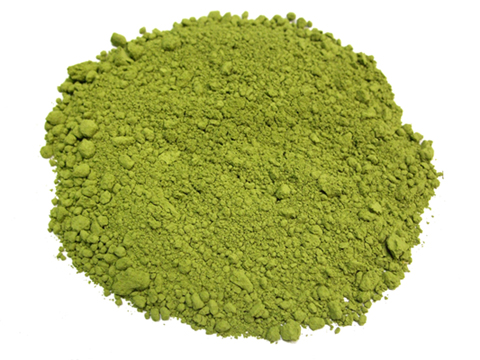
This quality Matcha that we offer here is an example of a quality all purpose Matcha grown in Japan. The tea has a pale emerald green color and when consumed on its own, frothed up with a whisk, has an almost jammy-smoothness belied by a somewhat sweetly astringent cup.
Matcha is special, and because of the way it is produced, it is also powerful. Consider these numbers: 2 cups of brewed matcha contains 7 times the antioxidants of orange juice, 20 times that of apple juice, and nearly 20 g of calcium - and that’s just the short list! On a gram per gram basis, Matcha also contains approximately 10 times the polyphenols of regular teas. The healthy qualitites of the tea have led to the its break from tradition. Matcha can now be found served cold, as an ingredient in health shakes, ice creams, and even baked goods.
This Matcha is made using pure Gyokuro leaves, a Japanese tea variety that is shaded beneath special mats for 3 weeks before plucking. The shading forces the plants to produce a higher than normal chlorophyll content which gives the leaves a rich green color. Once plucked, the leaves are steamed and dried. Tea at this stage of the process is known as Aracha. Next, the Aracha is stripped of all stems and veins resulting in a pure leaf known as Tencha. Tencha is then stone ground into its finely powdered form. Since it is powdered, no matter how you prepare Matcha, you are actually consuming the leaves - which contain high nutritional value - there is no other tea in the world consumed in this manner.
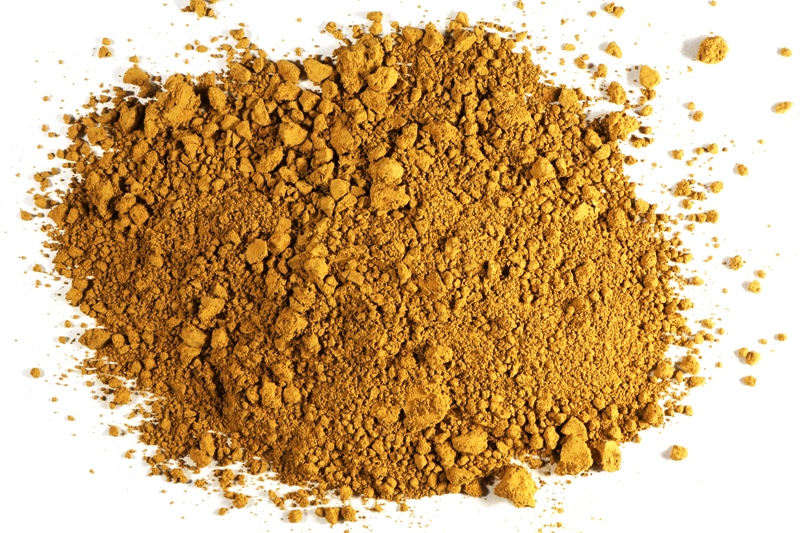
This is an exceptional black tea Matcha from the Nandi Highlands of Kenya. It brews a smooth cup of tea that is delightfully malty. It is very well balanced with just the right astringency.
This special Matcha is made by grinding a rich, full leaf black Kenyan tea, selected for its tannins and antioxidant count, using a Japanese style Matcha mill. Craft-ground in small quantities only, Kenya Black Matcha dazzles the palette with smooth, malty notes balanced by a pleasingly smooth astringency. When brewing this incredible tea, we encourage you to experiment with various lea quantities, water temperatures, and whisking duration until you find the strength that‟s perfect for you.
Country of Origin: Kenya
Manufacture Type: Crafted in small batches, using the traditional Japanese method.
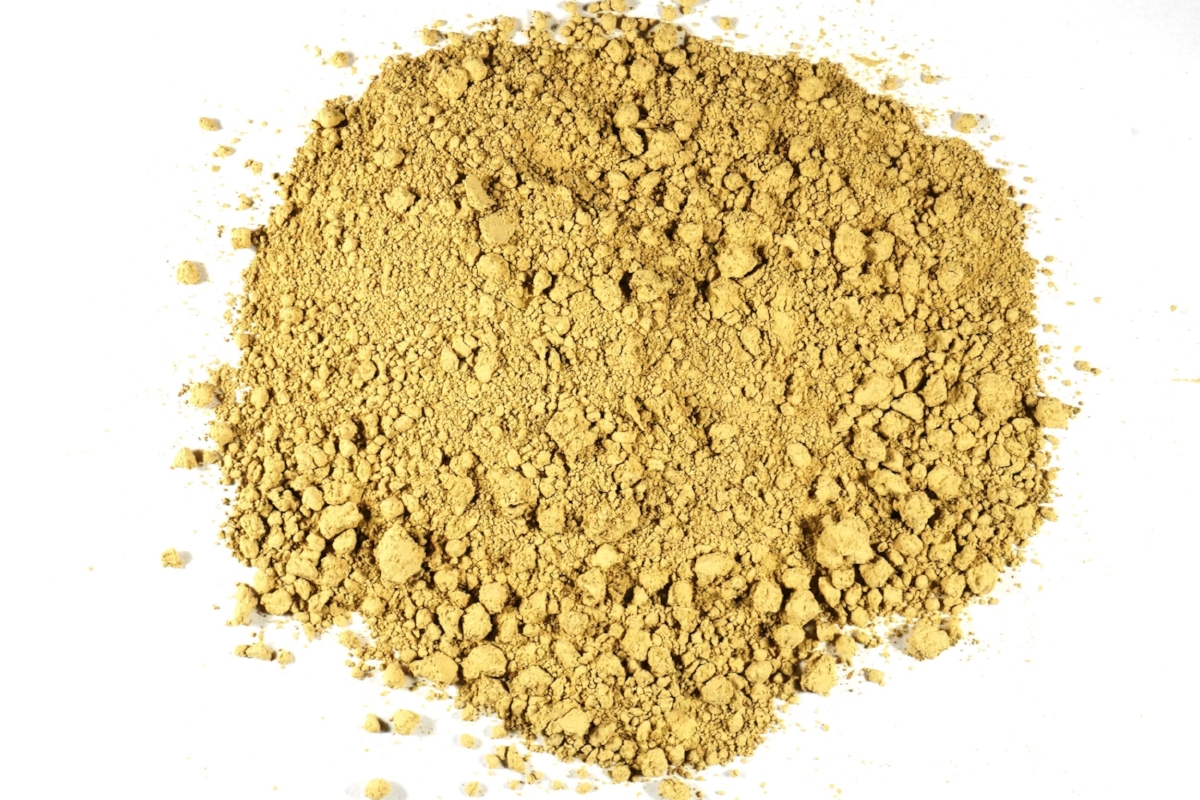
This is a unique White and Green tea based Kenyan Matcha. It brews a cup that is wonderfully vegetative with light floral undertones of oolong. To sum it up, it is crisp, flavorful and smooth. It is very rich in antioxidants and is nutrients packed.
The combination of White and Green teas used to make this innovative Matcha tea is grown at high altitude under bright sun and as such is packed full of antioxidants, polyphenols and exceptionally crisp flavor. Only the youngest leaves are plucked, processed and carefully ground using a traditional Japanese Style stone mill until it has reached the exceptionally smooth consistency. It is a fabulous tea for those looking for an interesting brew with exceptional health benefits.
Country of Origin: Kenya
Manufacture Type: Crafted in small batches, using the traditional Japanese method.
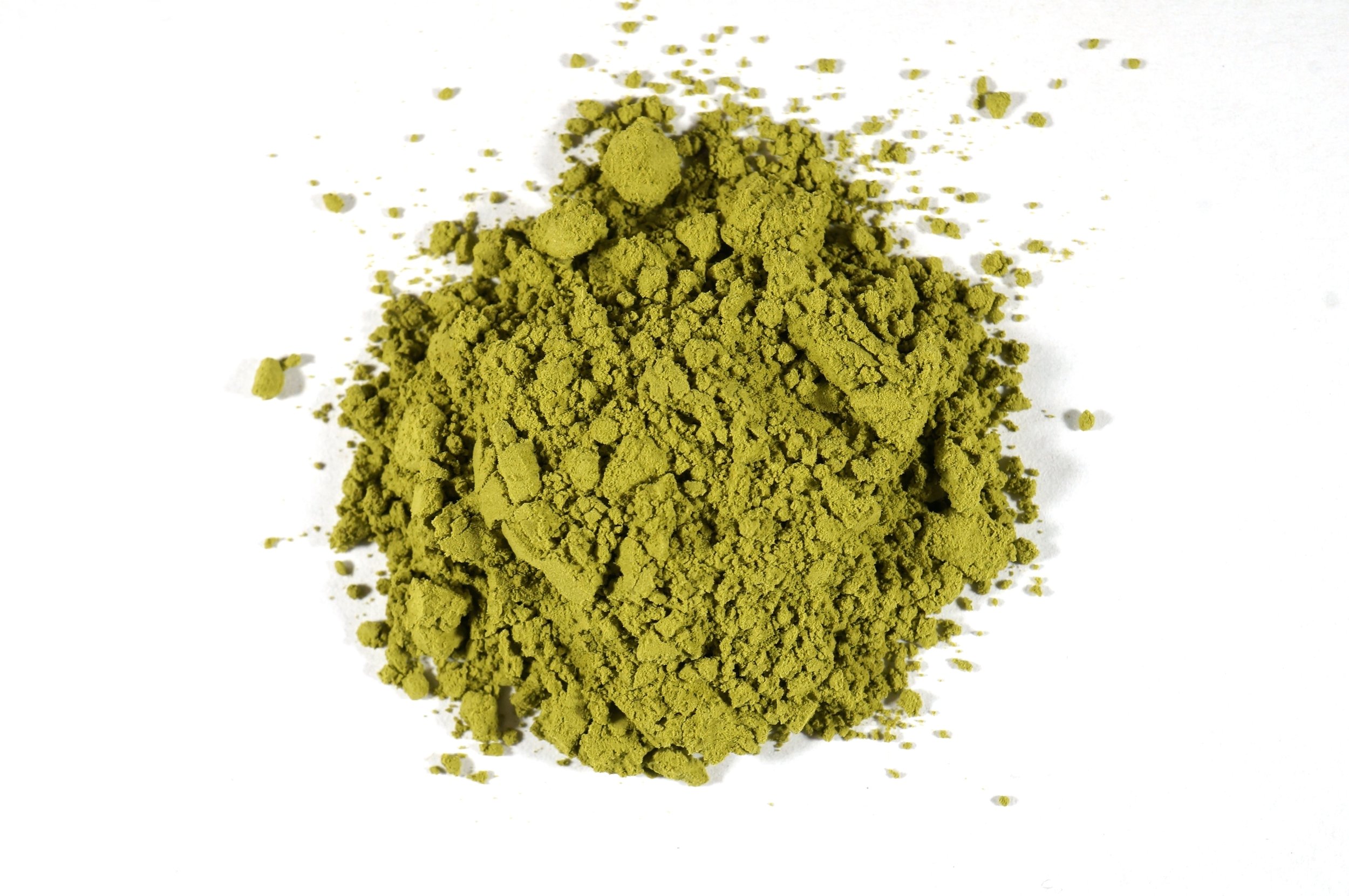
This is a Culinary grade Matcha from Taiwan. It is a very good tea for everyday mixing and drinking. It is also perfect as an ingredient for baking and cooking. When compared to our 2 other Matchas (Matcha Green and Matcha Samidori), this culinary grade Matcha has more astringency and has a paler green color. However, once sweetener and/or dairy is added, the difference in taste between our 3 Matchas become less noticeable. We would recommend using this Matcha for mixing drinks and cooking.
Origin: Taiwan
Grade: Culinary Powdered Green Tea (Sencha Base)
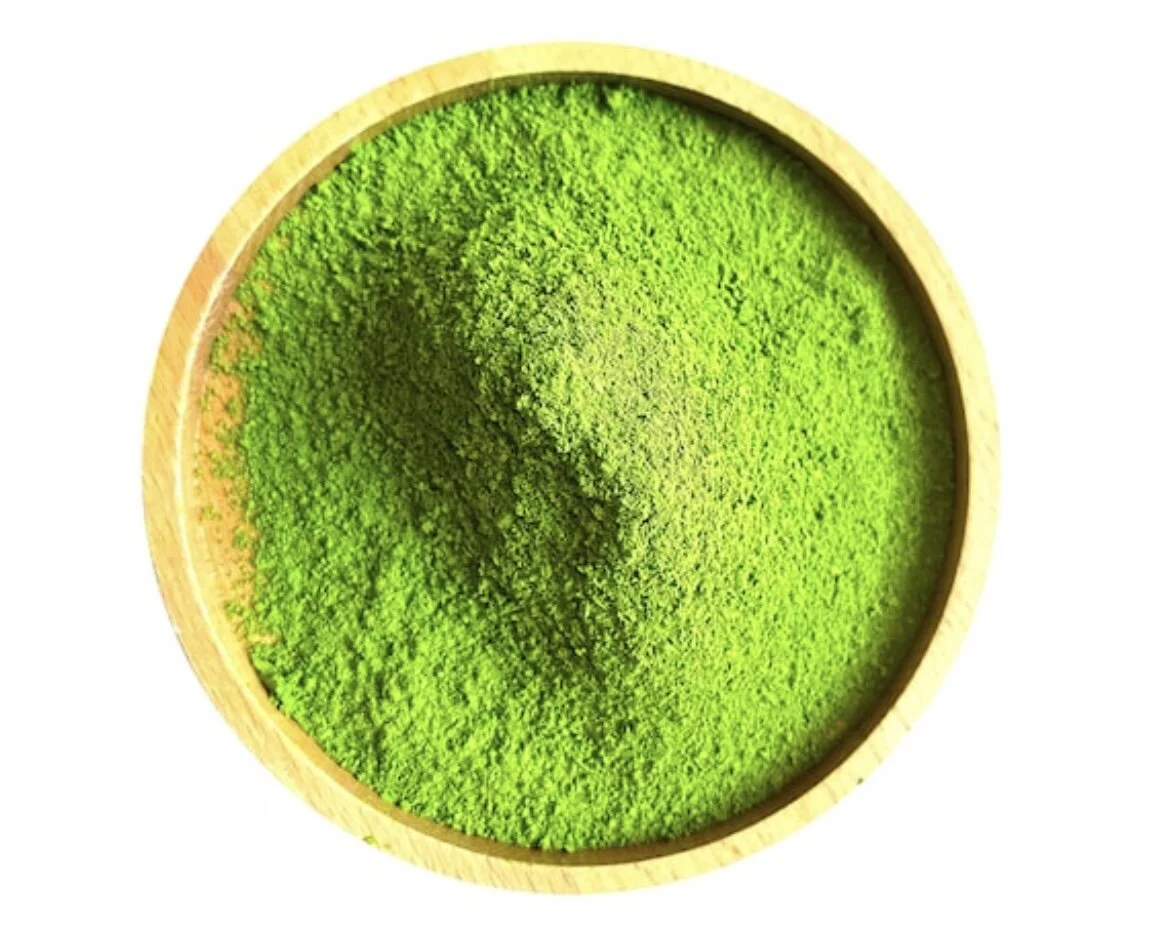
Organic Premium Matcha Powder Green Tea from Japan.
Matcha is special, and because of the way it is produced, it is also powerful. Consider these numbers: 2 cups of brewed matcha contains 7 times the antioxidants of orange juice, 20 times that of apple juice, and nearly 20 g of calcium - and that’s just the short list! On a gram per gram basis, Matcha also contains approximately 10 times the polyphenols of regular teas. The healthy qualitites of the tea have led to the its break from tradition. Matcha can now be found served cold, as an ingredient in health shakes, ice creams, and even baked goods.
Country of Origin: Japan
Grade: Gyokuro
Production Method: Steamed Green Tea. Stone Ground.
Brewing Recommendation/Instruction:
1. Add 1 teaspoon of Matcha to a bowl.
2. Put a few drops of hot water into bowl and use a whisk to whisk the Matcha into a paste.
3. Pour 6 to 8 oz. of hot water (160-180F) into bowl. Then in a slow "m' motion, submerge any loose bits of Matcha that may be floating on the surface of the tea.
4. Whisk the tea more briskly in a back and forth until the surface of the Matcha becomes frothy.
5. Consume immediately.
Try all of our Matcha teas in one sampler pack at a discounted price.
This Matcha sampler pack includes 5 of our Matchas: Matcha Samidori, Matcha Green, Matcha Kenya Highlands, Matcha Kenya Superior, and Culinary Matcha.
Each Matcha sample makes 3-5 servings of tea.