
Matcha Green

Matcha Green
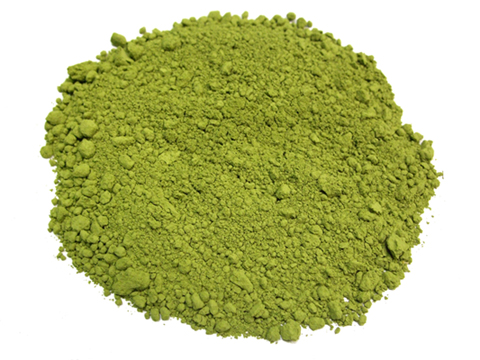
Bright and versatile, this is a quality all-purpose matcha grown in Japan. The tea has a pale emerald green color, and when whisked on its own, it has an almost jammy smoothness with a pleasantly sweet astringency.
History & Heritage
Matcha's roots reach back to Song dynasty China, where tea was ground to powder and whisked in bowls. The Zen monk Eisai is traditionally credited with bringing tea seeds and the practice of powdered tea to Japan around 1191. Over the following centuries, matcha became the heart of the Japanese tea ceremony, which was refined in the 16th century by the tea master Sen no Rikyu. Growers in Uji, near Kyoto, developed the technique of shading tea plants before harvest, which produces the vivid green, sweet and savory leaves ground into fine matcha.
Interesting Facts
In matcha, you consume the whole ground leaf rather than an infusion.
This matcha is made using shaded leaves of the type used for Gyokuro, grown beneath shades for about 3 weeks before plucking.
Matcha is now a favorite ingredient for lattes, smoothies, ice cream and baked goods, as well as a traditional bowl of tea.
Tasting Notes & Pairings
Smooth and gently sweet with a lively green finish, it is equally good whisked straight or blended with milk. Try it with mochi, shortbread, or a fruit smoothie.
Brewing tips (general guideline): sift about 1 teaspoon (1–2 g) of matcha into a bowl, add a few drops of hot water and whisk into a paste, then add 6–8 oz of water at 160–175°F and whisk briskly in a zigzag motion until frothy. Adjust to taste.
Like every tea at Beantown Tea & Spices, Matcha Green is a quality loose-leaf tea offered at an affordable price, with sample and larger sizes so you can find your favorite. Explore more in our Matcha collection, or pair it with our Bamboo Matcha Whisk.

Pictured above is a brief Matcha brewing demonstration
- Add 1 teaspoon of Matcha to a bowl.
- Put a few drops of hot water into bowl and use a whisk to whisk the Matcha into a paste.
- Pour6 to 8 oz. ofhot water (160-180F) into bowl. Then in a slow "m' motion, submerge any loose bits of Matcha that may be floating on the surface of the tea.
- Whisk the tea more briskly in a back and forth or circular motion until the surface of the Matcha becomes frothy.
- Consume immediately.
For more Matcha brewing tips please visit our Matcha Brewing Guide Page