Darjeeling Sungma (Summer Harvest)


Darjeeling Sungma (Summer Harvest)
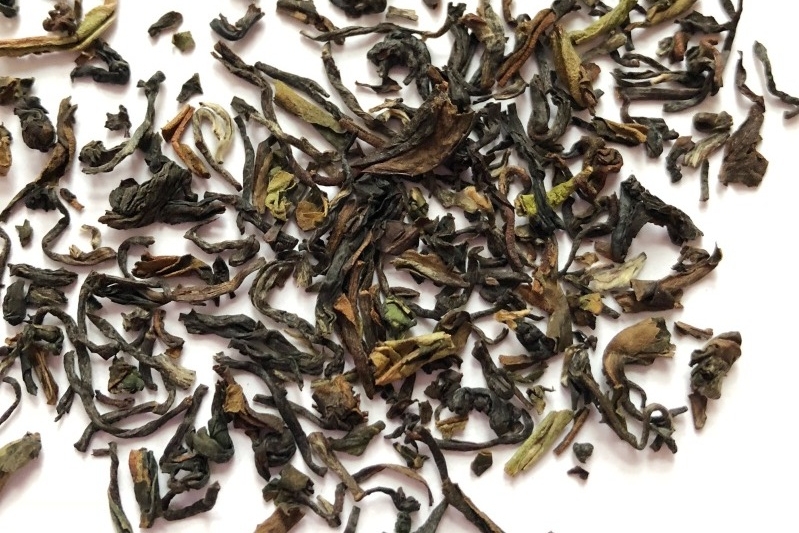
Summer in the Himalayan foothills produces some of the world's most aromatic teas. This excellent summer-harvest Darjeeling from Sungma Estate has a very prominent muscat grape aroma and taste, and it brews a golden, aromatic cup.
History & Heritage
Darjeeling's tea story began in 1841, when Dr. Archibald Campbell planted Chinese tea seeds near his home at Beechwood. By 1847 the government had established tea nurseries, and the first commercial gardens appeared in the 1850s. Tea makers found that the cool, high-altitude climate suited the small-leaf China tea plant, producing a lighter, more aromatic cup than the broad-leaf teas of Assam. That aromatic quality, often called "muscatel" for its resemblance to muscat grapes, became Darjeeling's signature. Darjeeling's teas grew so distinctive that they are often nicknamed the champagne of teas.
Interesting Facts
Darjeeling teas are often grouped by "flush," or harvest. The summer second flush is known for fuller, fruitier character than the light spring teas.
By 1874, Darjeeling had more than a hundred tea gardens.
Our Sungma is a TGFOP grade grown at 6,800 feet.
Tasting Notes & Pairings
The taste is fruity and slightly spicy with hints of honey and squash. It is pleasantly astringent with a nice sweet finish, making it an excellent afternoon tea for new and experienced tea drinkers alike. Try it with scones and fruit preserves, almond biscotti, or a mild curry.
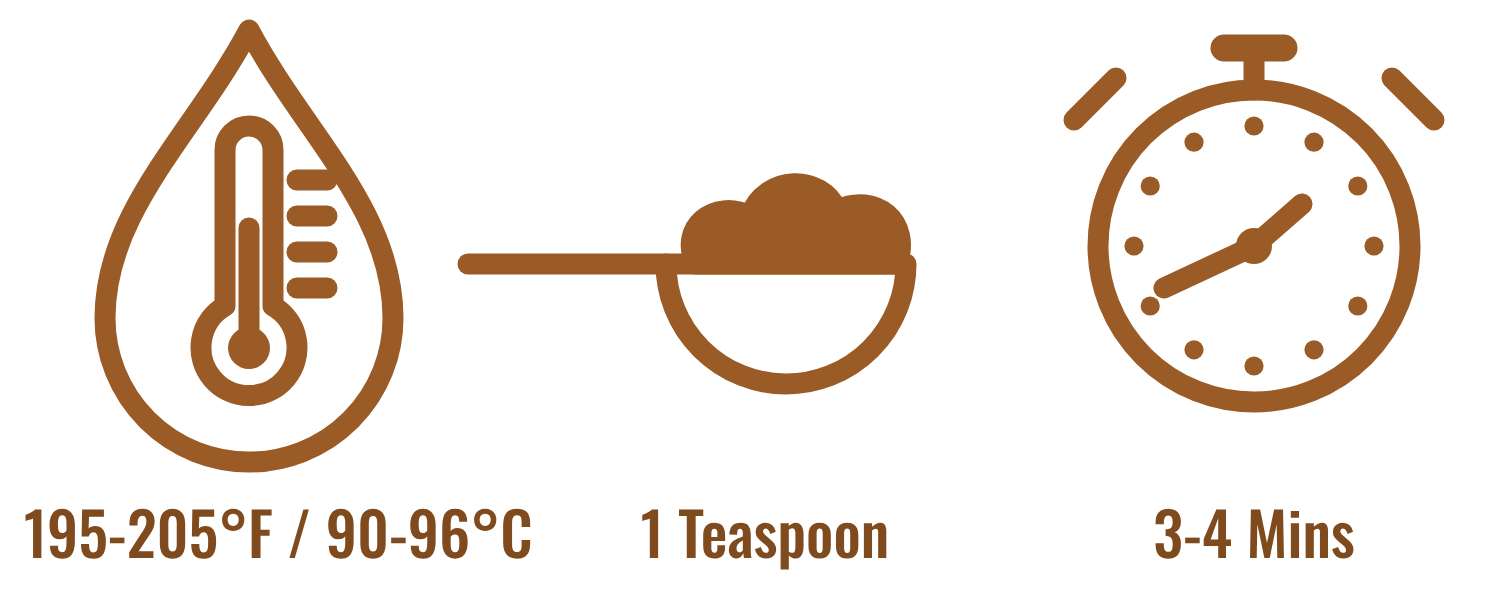
Brewing tips (general guideline): use 1 rounded teaspoon (about 2–3 g) per 8 oz of water just off the boil (195–205°F), steeped 3–4 minutes. A shorter steep keeps the cup delicate. Adjust to taste.
Like every tea at Beantown Tea & Spices, Darjeeling Sungma is a quality loose-leaf tea offered at an affordable price, with sample and larger sizes so you can find your favorite. Explore more in our Black Tea collection, or pair it with our tea accessories.