
What Is White Tea? How It's Made, How It Tastes, and How to Brew It
White tea is the most lightly handled of all teas. It comes from the same plant as green, oolong, and black tea, Camellia sinensis, but the leaves are simply withered and dried. There's no rolling, no pan-firing, and no steaming, which is why the cup tastes so soft, clean, and naturally sweet.
Here's what makes white tea different, the main styles to know, and how to brew it well.
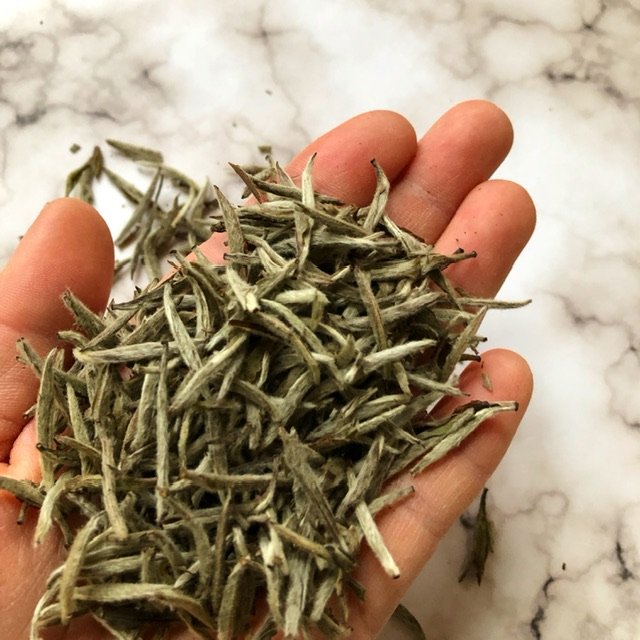
How white tea is made
White tea traditionally comes from Fujian Province in China. Growers pick the unopened buds, sometimes with one or two young leaves, in early spring. The fresh leaves are then spread out to wither slowly, losing moisture and oxidizing just a little, before they're dried. Because the leaves are never rolled or broken, they stay whole, and many of the buds keep the fine silvery down that gives white tea its name.
The main styles of white tea
Silver Needle (Bai Hao Yin Zhen). Made only from downy buds, this is the most celebrated white tea. Our Silver Needle brews a clear, glowing cup with a delicate fragrance.
White Peony (Bai Mu Dan). Made from a bud and two young leaves, it's a little fuller and fruitier. Our White Peony is soft and velvety with gentle jammy notes.
Bud-and-leaf teas like Snowbud. Snowbud is bright, crisp, and mellow with floral hints.
Aged white teas. Some white teas are stored for years and grow deeper and honeyed. Try Aged Silver Needle.
Flavored white teas. White tea's light base pairs well with fruit, as in Peach White Tea and Blueberry White Tea.
What does white tea taste like?
Expect a pale gold cup that's light, smooth, and lightly sweet, with notes that can run from fresh hay and melon to honey and flowers. It's rarely bitter, which makes it a lovely tea for people who usually find green tea too grassy.
Does white tea have caffeine?
Yes. All true teas contain caffeine, white tea included. It's often said to be the lowest, but that isn't always so. Bud-heavy teas like Silver Needle can hold about as much as some green teas. How you brew matters more: cooler water and shorter steeps keep the caffeine on the gentle side. If you want no caffeine at all, an herbal or fruit tea is the way to go.
White tea and your health
Because it's so lightly processed, white tea keeps plenty of the plant's natural polyphenols, including catechins, the same antioxidant family found in green tea. Researchers are interested in these compounds, but most of the evidence so far comes from lab and animal studies, so it's best to enjoy white tea for its flavor and treat any health perks as a bonus, not a treatment.
How to brew white tea
Our product pages suggest this general guideline for Silver Needle and White Peony:
Use 1–2 teaspoons (about 2–3 g) of leaf per 8 oz of water.
Heat the water to 170–185°F, well below boiling.
Steep 3–5 minutes, then adjust to taste.
The fluffy leaves are bulky, so don't be shy with the scoop. Good white tea can be steeped two or three times. It also makes a beautiful iced tea, and you can try it cold brewed. For water temperatures across every tea type, see our brewing temperature guide.
Find your white tea
Every white tea we carry comes in a sample size plus larger sizes, so it's easy to taste a few before you pick a favorite. Browse them all in our white tea collection, or start with the White Tea Sampler Pack.