
Green Tea and Antioxidants: What the Catechins Actually Do
Green tea shows up in almost every conversation we have about tea and wellness. People want to know what is actually in the cup, what "antioxidants" means in plain language, and whether the research is worth paying attention to. Here is the version we share in the shop, without the hype.
First, a disclaimer we always give: tea is a food and a beverage, not a treatment. Nothing in this post is medical advice. If you have a health condition or take medication, talk with a qualified clinician before changing your routine.
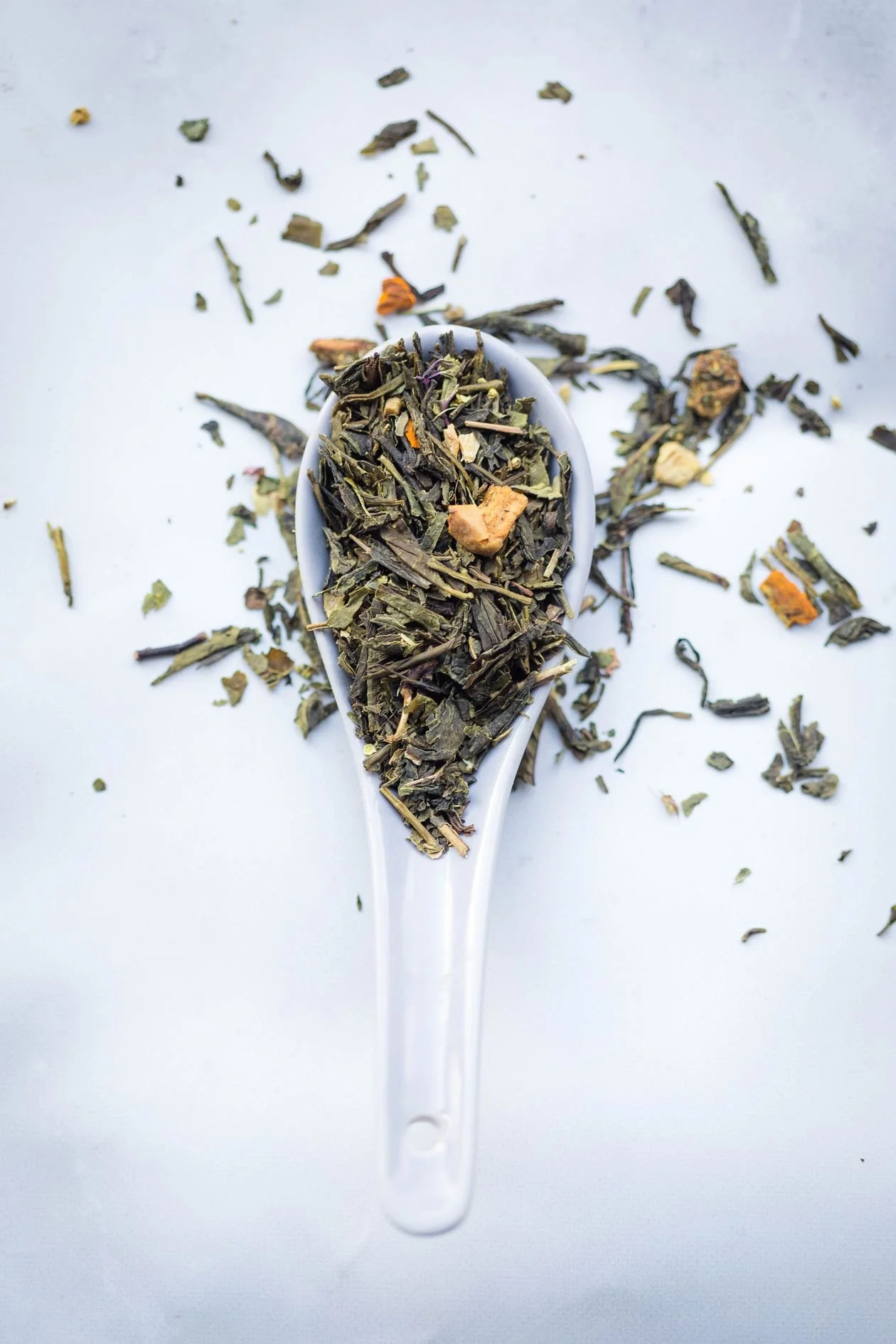
What people mean by antioxidants in green tea
Antioxidants are compounds that help neutralize free radicals, unstable molecules that can damage cells when they build up faster than the body can handle. Plants make many of these compounds. In green tea, the stars of the show are a group of polyphenols called catechins.
The best-studied catechin in green tea is EGCG (epigallocatechin-3-gallate). Two close relatives, ECG (epicatechin gallate) and other catechins, also contribute. Together they are a big reason green tea has a reputation for being "good for you."
Green tea is especially interesting here because the leaves are heated soon after harvest to stop heavy oxidation. That keeps more of the natural catechins intact compared with fully oxidized black tea.
What research tends to look at
Scientists have studied green tea catechins for decades. The areas that come up most often include:
Oxidative stress: Catechins can help mop up free radicals in lab and some human studies, which is the core antioxidant story.
Inflammation: Some research links green tea polyphenols with lower markers of inflammation.
Heart health: Observational studies have associated regular green tea drinking with better cholesterol patterns and cardiovascular markers. Results vary, and lifestyle always matters too.
Metabolism: Green tea is often discussed in weight-management research because catechins and caffeine together may give a modest metabolic nudge. It is not a shortcut, and the effect size in studies is usually small.
Brain and aging research: Early work explores whether green tea compounds support cognitive health over time. This area is promising but still developing.
You will also see green tea extract used in some skincare products. Drinking tea and putting extract on skin are different uses, so do not treat them as interchangeable.
What we do not claim: green tea cures cancer, dementia, or any disease. Some population studies report associations with lower risk of certain conditions; that is not the same as proof that tea prevents or treats illness.

How to get the benefits in a real cup
If the goal is a good daily habit, brewing matters more than chasing miracle claims.
Use fresh water just off the boil, then cool it a bit for green tea (often around 160–180°F / 70–80°C, depending on the tea)
Start with about 1 teaspoon of loose leaf per 8 oz
Steep 2–3 minutes for most Japanese greens; adjust to taste
Store tea airtight, away from light, air, moisture, and heat
Astringency usually means the water was too hot or the steep too long. Nutty, sweet, or grassy notes should lead, not bitterness.
Greens we like for everyday drinking
If you want to explore our shelf:
Sencha: a classic everyday Japanese green
Genmaicha: green tea with roasted brown rice for a nutty, approachable cup
Moroccan Mint: green tea with mint for a bright, refreshing brew
Cherry Blossom Green Tea: a softer, floral option
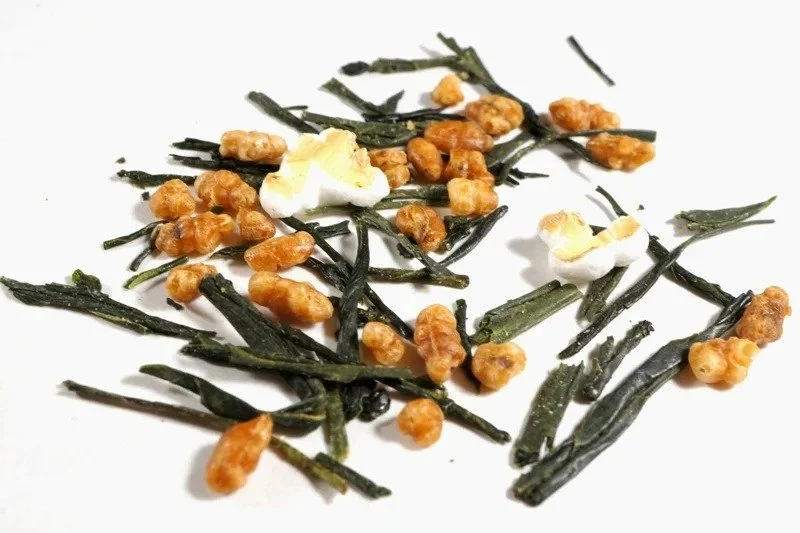
Browse the full green tea collection to find what you like. Samples start at $2.95 if you want to taste before you stock up.
The short version: green tea is rich in catechins, especially EGCG, and that is why it keeps showing up in antioxidant research. Brew a cup you actually enjoy, drink it regularly if you like it, and treat the health headlines with a little calm. Happy steeping from all of us at Beantown Tea & Spices.