
What Is Chai Tea? History, Spices, and How We Brew It
When someone says "chai tea," they usually mean a warm, spiced cup of black tea with milk and a little sweetness. In Hindi and several other languages across South Asia, chai simply means tea. What most of us are talking about is masala chai: tea simmered with aromatic spices.
At Beantown Tea & Spices, chai is one of the blends we get asked about most, especially once the weather turns cool. Here is a clear look at what it is, where it comes from, and how we like to brew it.
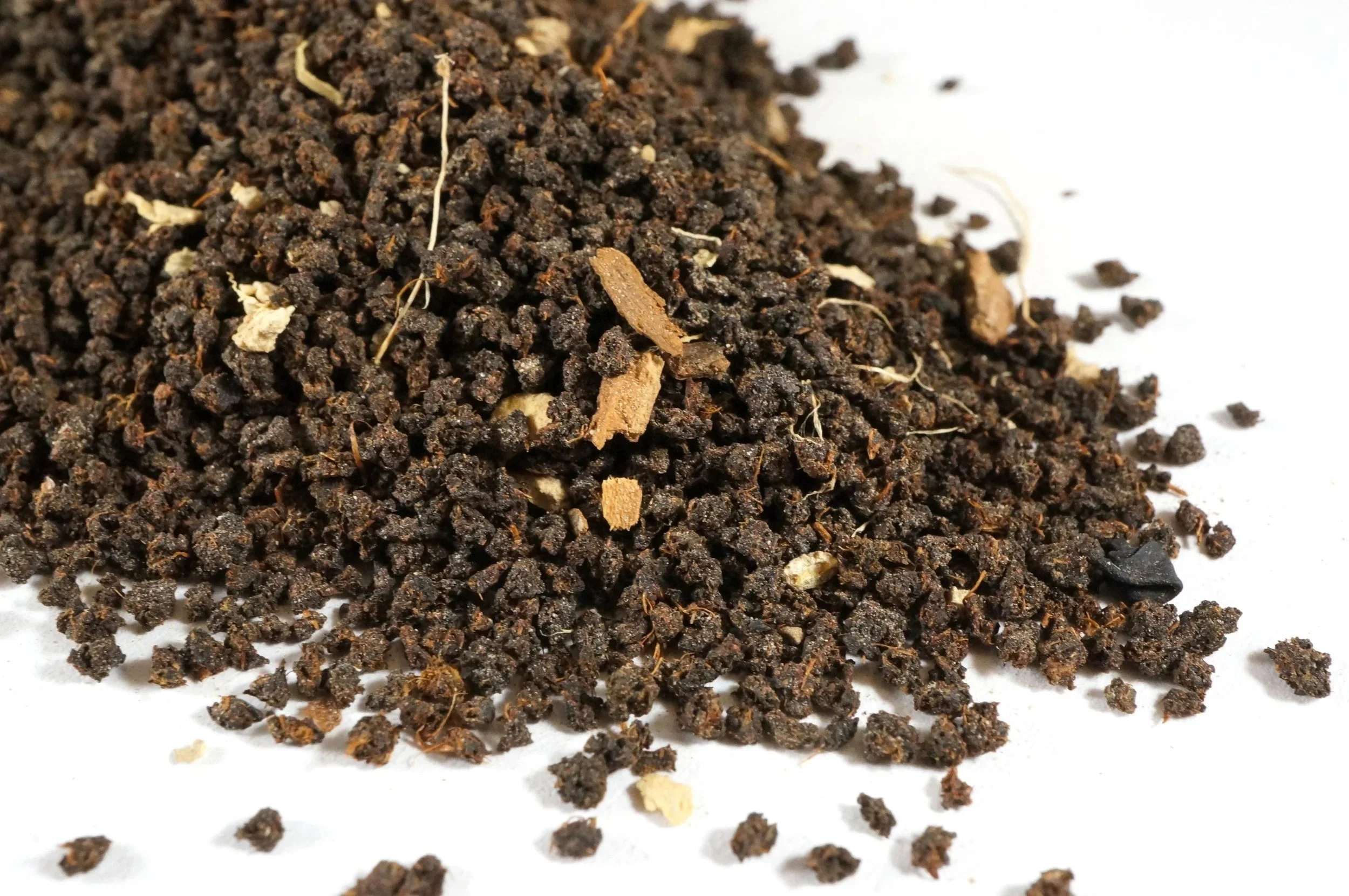
What goes into a classic chai
A traditional masala chai starts with a full-bodied black tea base, then builds flavor with spices. The ones you will taste most often are:
Ginger
Cardamom
Cinnamon
Cloves
Black pepper
Coriander shows up in some blends too, including our Masala Chai. Milk and a touch of sugar or honey round out the cup. The result should taste bold and aromatic, not dusty or artificial.
A short history (without the myths)
Spiced tea drinks have deep roots in South Asian food traditions. The everyday street-style masala chai many people know today, though, took off in a big way in the early twentieth century. Tea stalls, railway vendors, and chaiwalas helped make strong black tea with milk, sugar, and spices an ordinary daily drink across India.
That history matters for one common mix-up: turmeric is wonderful in its own right, but it is not a standard spice in classic masala chai. Golden milk and turmeric lattes are a different (and delicious) tradition. Our chai blends stick to the spice profile that makes masala chai taste like masala chai.
Today you will find chai everywhere from home kitchens to coffee shops. The good news for tea drinkers is that a great cup still starts with good leaf and real spices.
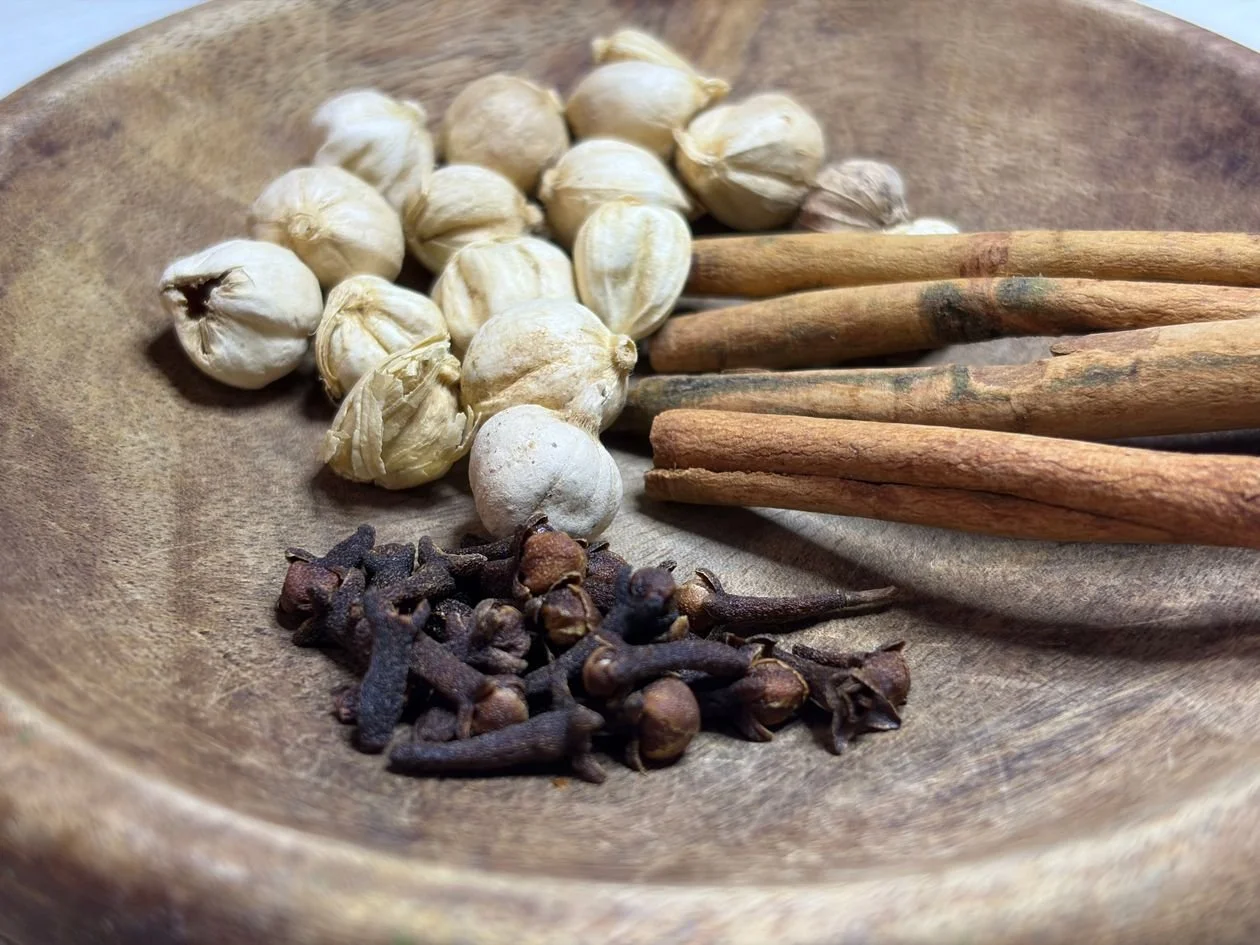
How the spices earn their keep
People often ask what the spices are "good for." We keep the answer practical and honest. Ginger is the classic comfort spice people reach for when their stomach feels off. Cinnamon and cardamom bring warmth and aroma. Black pepper sharpens the finish. Black tea itself brings caffeine and the polyphenols that come with a proper brew.
Tea is not medicine, and no cup replaces care from a clinician. What chai is good at is being a satisfying, warming everyday drink you can make at home for a few dollars a tin.
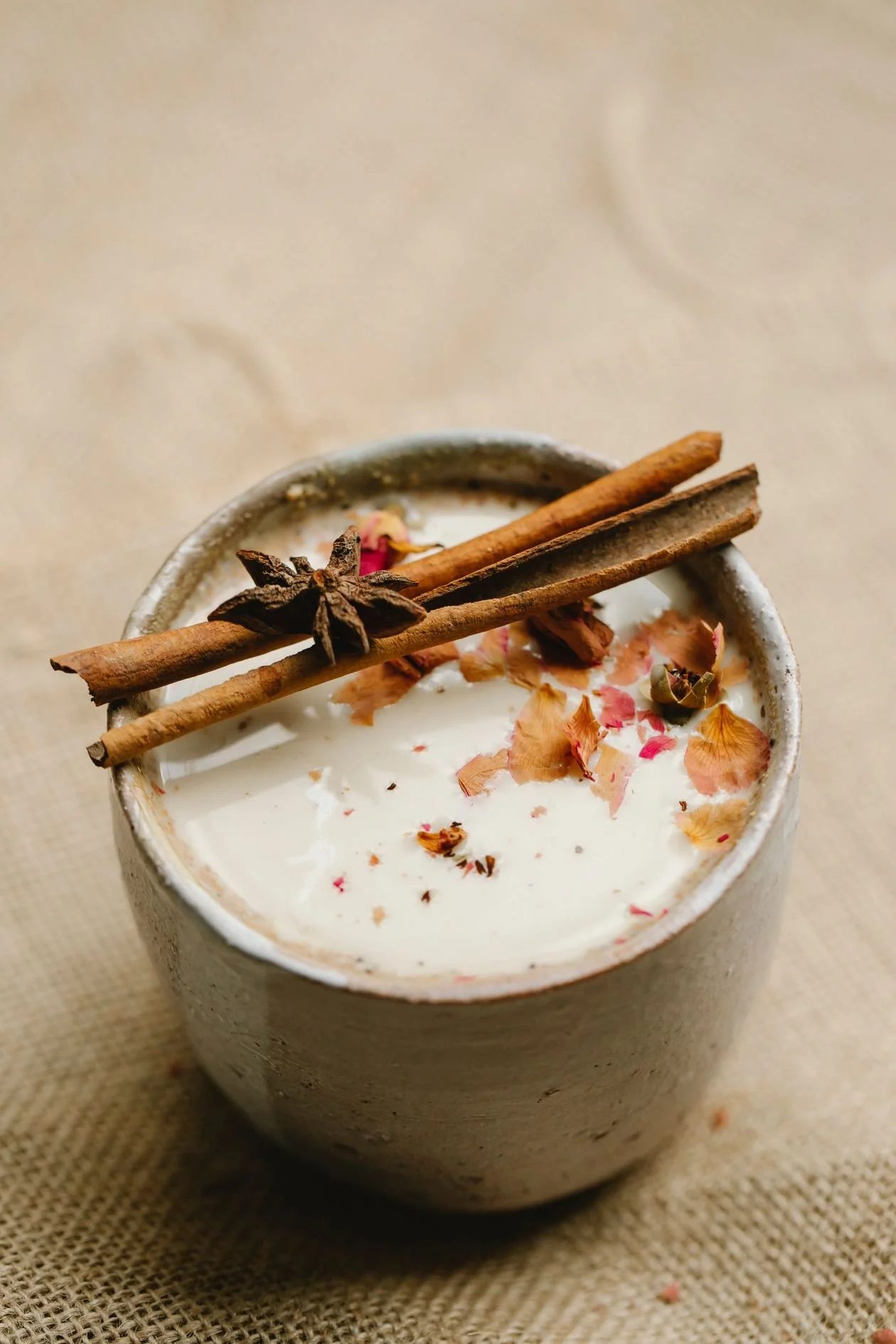
How we brew chai at Beantown Tea
Turn the bag upside down a few times first. Powdered spices like to settle at the bottom.
Everyday cup method (per 8 oz):
Use 1 heaping teaspoon of chai
Pour freshly boiled water (212°F / 100°C) over the leaves
Steep 5–10 minutes (at least 7 if you want a true chai punch)
Add warm milk and sweetener to taste
A simple shop tip we use: prepare the cup with a little sugar and about 20% milk by volume, then pour in the strained chai.
Creamier latte style: Brew the chai a bit stronger, then top it with steamed milk.
Traditional simmer method: Some households simmer the spices and tea directly in a mix of water and milk. Watch the pot carefully; milk foams up fast.
Our chai lineup
If you are shopping our shelf, start here:
Masala Chai: full-bodied black tea with South Indian masala spices and a ginger-cardamom finish
Vanilla Chai: the same spiced backbone with creamy Madagascar vanilla
Spiced Chai: a peppery, aromatic take for crisp evenings
Indian Chai Spice Mix: caffeine-free spices you can drink on their own or blend with your favorite tea (or even coffee)
Browse the full chai selection if you want to compare. Samples start at $2.95, so you can try a blend before you commit to a bigger bag.
Whether you take it milky and sweet or bold and black, chai is one of those cups that earns a permanent spot by the kettle. Happy steeping from all of us at Beantown Tea & Spices.