
Green Tea
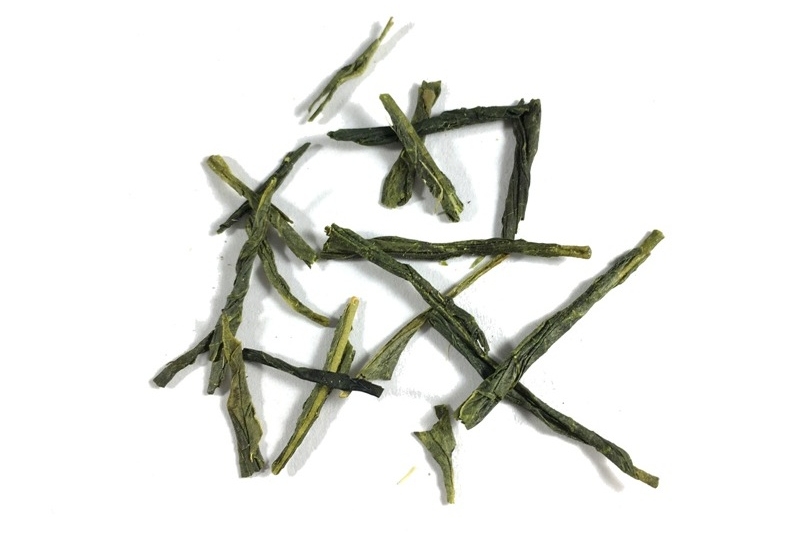
Fresh, bright and quietly sweet, this Sencha is a classic steamed green tea from Japan's Kagoshima Prefecture. It brews a cup that is slightly sweet and vegetal, mildly astringent, with reasonable depth.
History & Heritage
Sencha is the everyday tea of Japan, and its modern form dates to 1738. That year, Nagatani Soen, a tea farmer in Ujitawara near Kyoto, developed a method of steaming fresh leaves and then rolling and drying them in stages, producing a tea with a vivid green color and fresh aroma. Steaming, rather than the pan-firing used in China, became the hallmark of Japanese green tea. Today Sencha is grown across Japan, and Kagoshima, on the southern island of Kyushu, is one of the country's largest tea-producing prefectures. Steamed Sencha was later sold in Edo, today's Tokyo, by the tea merchant Yamamoto Kahei, which helped make it a national favorite.
Interesting Facts
Kagoshima is Japan's second-largest tea-producing prefecture, with a long growing season.
Japan's tea production is among the most efficient in the world, and it exports only a small share of what it grows.
Steaming stops the leaves from oxidizing and locks in their green color and fresh flavor.
Tasting Notes & Pairings
A quality, well-rounded green tea to enjoy throughout the day, with a clean vegetal sweetness and a gentle finish. It also makes a very refreshing iced tea. Pair it with sushi, rice dishes, grilled fish, or lightly sweet treats like mochi.
Brewing tips (general guideline): use 1 heaping teaspoon (about 2–3 g) per 8 oz of water at 160–175°F, steeped 1–2 minutes. Do not over-brew. Adjust to taste.
Like every tea at Beantown Tea & Spices, Sencha is a quality loose-leaf tea offered at an affordable price, with sample and larger sizes so you can find your favorite. Explore more in our Green Tea collection, or pair it with our tea accessories.

Toasty, nutty and comforting, Genmaicha is a specialty Japanese green tea blended with fire-toasted brown rice. Our Genmaicha uses a high-grade Sencha and Gyokuro green tea base.
History & Heritage
Genmaicha is often described as the tea of thrifty households. A widely told account says Japanese families added toasted rice to their tea to stretch it further when tea was expensive, and the combination became a beloved tea in its own right in the early 20th century. A popular folk legend tells a different story: a servant named Genmai accidentally dropped rice into his master's tea and gave the drink its name. The legend is charming but undocumented.
Interesting Facts
During firing, some rice grains pop like popcorn, which is why Genmaicha is nicknamed "popcorn tea."
The Gyokuro in our blend adds complexity and umami, a Japanese term for savory taste.
Our Genmaicha comes from Shizuoka Prefecture.
Tasting Notes & Pairings
The fresh, vegetal character of the green tea comes through in the cup, tempered by the warm, bakey character of the rice. There is a natural sweetness and an almost chewy character to the finish. It is a natural partner for Japanese meals: try it with miso soup, onigiri, tempura, or ramen. It is also a wonderful introduction to Japanese tea for anyone who prefers a warm, savory cup to a grassy one, and it makes a mellow after-dinner tea.
Brewing tips (general guideline): use 1 heaping teaspoon (about 3 g) per 8 oz of water at 175–185°F, steeped 2–3 minutes. Adjust to taste.
Like every tea at Beantown Tea & Spices, Genmaicha is a quality loose-leaf tea offered at an affordable price, with sample and larger sizes so you can find your favorite. Explore more in our Green Tea collection, or pair it with our tea accessories.

Gyokuro, meaning "jade dew," is one of Japan's most prized green teas. Our classic Gyokuro brews a full-flavored cup with a satisfying, light and refreshing character, the signature sweet green flavor, and hints of seaweed.
History & Heritage
Gyokuro was created in 1835 in Uji, near Kyoto, Japan's historic tea capital. It is credited to the sixth-generation head of the Yamamoto Kahei tea family, who refined a way of growing and processing shaded tea leaves to bring out their sweetness and savory umami. Shading tea plants had long been practiced in Uji for the tea used in matcha, and Gyokuro applied that idea to a leaf tea, creating a new style that remains a symbol of Japanese tea craftsmanship.
Interesting Facts
The tea is covered with black curtains or bamboo and straw shades for about 3 weeks in early spring. This increases chlorophyll, making the leaves dark green, and reduces tannin for a sweeter flavor.
The leaves are small, about 3/4 inch long, and extremely fragrant and tender.
Immediately after plucking, the leaves are steamed to seal in their freshness.
Tasting Notes & Pairings
Rich, sweet and savory, with a smooth, almost brothy texture. Gyokuro is best sipped slowly from a small cup to savor its depth. Pair it with delicate Japanese sweets, sashimi, or simply enjoy it on its own.
Brewing tips (general guideline): use 2 teaspoons (about 4–5 g) per 4–6 oz of cooler water, 120–140°F, steeped about 2 minutes. Cooler water brings out sweetness and umami. The leaves can be infused again. Adjust to taste.
Like every tea at Beantown Tea & Spices, Gyokuro is a quality loose-leaf tea offered at an affordable price, with sample and larger sizes so you can find your favorite. Explore more in our Green Tea collection, or pair it with our tea accessories.
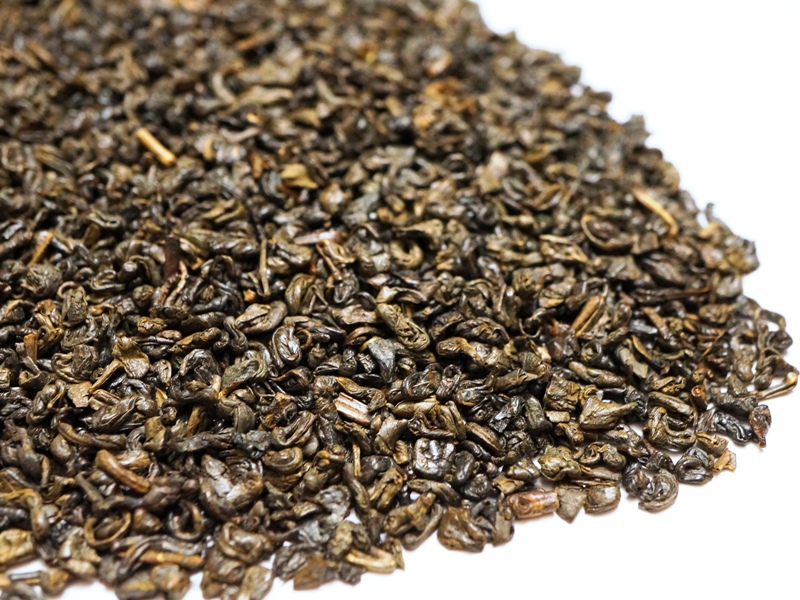
Tightly rolled into tiny pellets that slowly unfurl in the cup, Gunpowder is one of the most recognizable green teas in the world. Our classic Gunpowder brews a smooth, full-bodied cup with a hint of oakiness.
History & Heritage
In China, this tea is known as "pearl tea." Its English name is said to come from early Western traders, who thought the small, dark, shiny pellets looked like grains of gunpowder. The practice of rolling tea leaves tightly is said to date back to the Tang dynasty, and the shape helped the tea stay fresh during long voyages. Gunpowder became one of China's great export teas, and it is the traditional base of the famous mint tea of North Africa.
Interesting Facts
Gunpowder is produced mainly in the mountainous areas of Zhejiang Province. Pingshui in Zhejiang is the classic origin.
After plucking, each leaf is rubbed and twisted by hand and then dried by stir-frying in a large pan, sometimes in up to 4 rounds.
The infusion is medium green with golden notes.
Tasting Notes & Pairings
Smooth and full-bodied, with a gentle oaky, toasty note. A very nice tea to pick you up in the afternoon, and it also makes a very good iced tea. Try it with mint and a little sugar, or pair it with grilled vegetables, couscous, or nutty pastries.
Brewing tips (general guideline): use 1 teaspoon (about 2–3 g) per 8 oz of water at 175–185°F, steeped 2–3 minutes. Watch the leaves unfold, and re-steep them for more cups. Adjust to taste.
Like every tea at Beantown Tea & Spices, Gunpowder Green Tea is a quality loose-leaf tea offered at an affordable price, with sample and larger sizes so you can find your favorite. Explore more in our Green Tea collection, or pair it with our tea accessories.
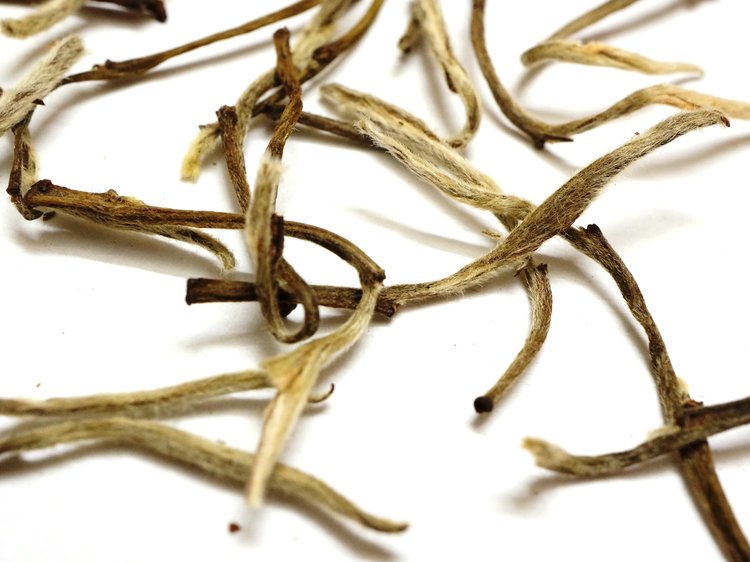
Slender, delicate and fragrant, Jasmine Needle is made from the youngest first-flush leaves and buds. The tea is smooth and subtle with a delicate jasmine aroma.
History & Heritage
Jasmine tea has a long history in China, and the city of Fuzhou in Fujian is especially famous for it, with scenting traditions recorded as far back as the Southern Song dynasty. The craft relies on timing. Jasmine blossoms are gathered during the day while still closed, then layered with the tea in the evening as the flowers open and release their fragrance. After resting together, the spent flowers are removed and the tea is dried, and the process is often repeated several times for a deeper scent.
Interesting Facts
The extraordinary flavor comes from the time of plucking, the manufacture and the fresh spring jasmine blooms.
Jasmine flowers release most of their fragrance at night, so scenting is done in the evening.
The jasmine flavor here is present but never overpowering.
Fuzhou, in Fujian Province, is one of China's most famous centers of jasmine tea.
Tasting Notes & Pairings
Soft, clean and gently floral, this is a perfect afternoon tea. Enjoy it on its own or with light foods such as steamed dumplings, fresh fruit, or butter cookies. Its gentle character makes it a good choice for anyone new to jasmine tea, and a glass cup lets you admire the slender leaves as they open.
Brewing tips (general guideline): use 1 teaspoon (about 2–3 g) per 8 oz of water at 175–185°F, steeped 2–3 minutes. Avoid boiling water, which can make green tea bitter. Adjust to taste.
Like every tea at Beantown Tea & Spices, Jasmine Needle is a quality loose-leaf tea offered at an affordable price, with sample and larger sizes so you can find your favorite. Explore more in our Green Tea collection, or pair it with our tea accessories.
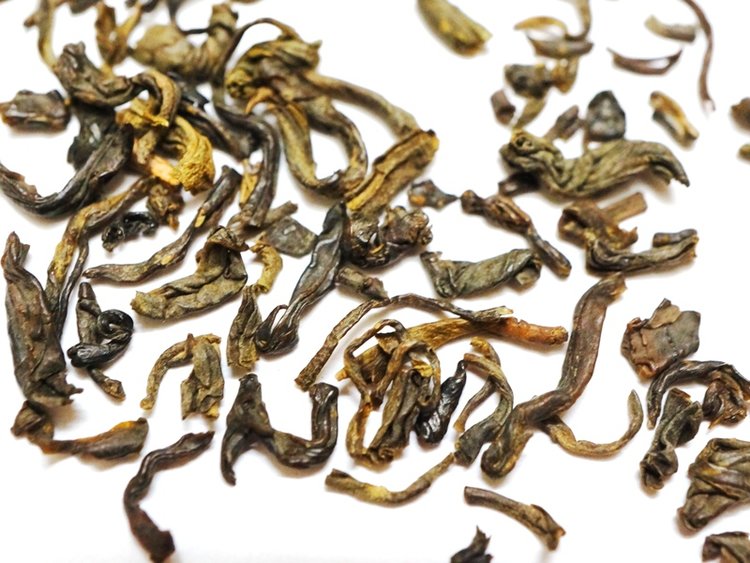
Our Organic Jasmine tea has an exquisite, abundant jasmine character. It is produced without chemical fertilizers, pesticides or herbicides.
History & Heritage
Jasmine tea has a long history in China, and the city of Fuzhou in Fujian is especially famous for it, with scenting traditions recorded as far back as the Southern Song dynasty. The craft relies on timing. Jasmine blossoms are gathered during the day while still closed, then layered with the tea in the evening as the flowers open and release their fragrance. After resting together, the spent flowers are removed and the tea is dried, and the process is often repeated several times for a deeper scent.
Interesting Facts
The jasmine comes into bloom only in May and June. Each blossom lasts only about 12 hours and opens at night after sunset.
About halfway through the night, the fragrance peaks. That is when the blossoms are picked and layered into the tea.
By morning most of the fragrance has left the blossom, but if the tea maker has done the job correctly, that heavenly scent has been captured in the tea. The process is repeated on 5 successive evenings.
Tasting Notes & Pairings
Sweetly floral and smooth, with a refreshing green tea base. It is wonderful on its own and pairs nicely with Chinese dishes, steamed fish, fruit salads, and almond cookies.
Brewing tips (general guideline): use 1 teaspoon (about 2–3 g) per 8 oz of water at 175–185°F, steeped 2–3 minutes. Avoid boiling water, which can make green tea bitter. Adjust to taste.
Like every tea at Beantown Tea & Spices, Organic Jasmine Green is a quality loose-leaf tea offered at an affordable price, with sample and larger sizes so you can find your favorite. Explore more in our Organic collection, or pair it with our tea accessories.
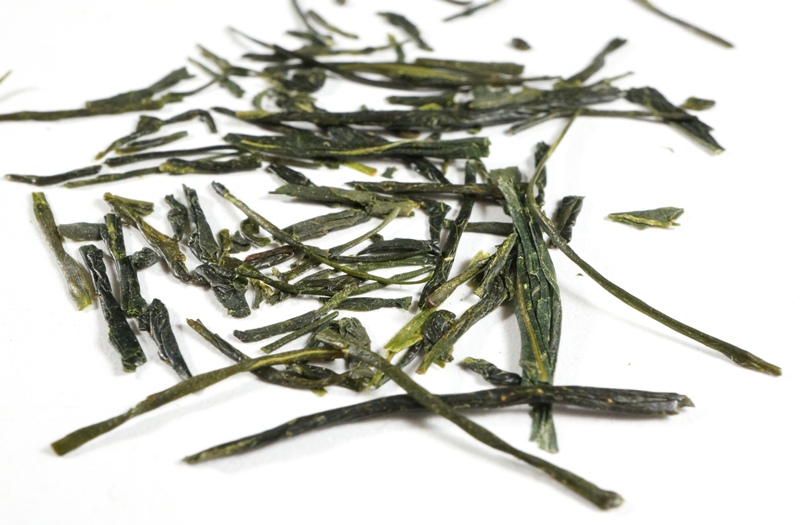
Our Sencha Superior is a wonderful tea for everyday drinking as well as special occasions. The young leaves are plucked in early spring and steamed to seal in their freshness.
History & Heritage
Sencha, Japan's most popular tea, owes its modern form to Nagatani Soen, a tea farmer in Ujitawara near Kyoto. In 1738 he developed the method of steaming fresh tea leaves and then rolling and drying them, which produced a brilliant green tea with a fresh aroma. The tea was later brought to Edo, now Tokyo, where it became a sensation. Shizuoka Prefecture, home of this Sencha, has since become Japan's best-known tea region. Before Soen's method spread, much of the tea drunk in Japan was brown and coarse, so his bright green Sencha was a revelation. The tea merchant Yamamoto Kahei is credited with selling it in Edo, where its fame spread quickly.
Interesting Facts
The rolling process gives the leaves their fine, needle-like shape, often called "spider legs."
Our Sencha Superior is a Spring Sencha from Shizuoka Prefecture with a very bright infusion.
The same leaves can be infused up to 3 times.
Tasting Notes & Pairings
Fresh, bright and gently sweet, with the clean, grassy-green character that makes Sencha so refreshing. Pair it with sushi, steamed vegetables, rice crackers, or a light lunch. It is a tea that rewards care: use cooler water and a short steep for a sweet, smooth cup.
Brewing tips (general guideline): best brewed with 1 heaping teaspoon per 8 oz of water at 160°F for 2 minutes. Do not over-brew. Adjust to taste.
Like every tea at Beantown Tea & Spices, Sencha Superior is a quality loose-leaf tea offered at an affordable price, with sample and larger sizes so you can find your favorite. Explore more in our Green Tea collection, or pair it with our tea accessories.
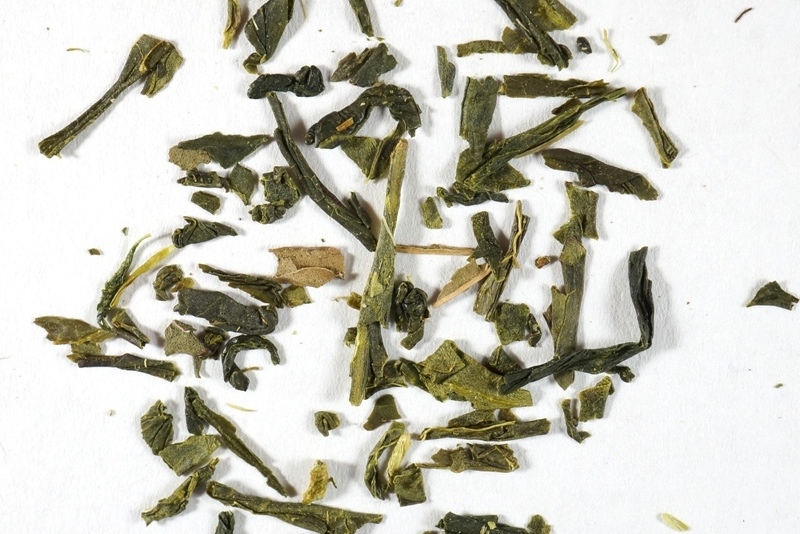
Cool, crisp and refreshing, Sencha Mint is a mix of Japanese Sencha and peppermint.
History & Heritage
Sencha is Japan's everyday green tea. Its steamed style was developed in 1738 by Nagatani Soen, a farmer in Ujitawara near Kyoto, whose method of steaming and rolling the leaves gave the tea its vivid green color and fresh aroma. Here, that bright, clean tea meets cool peppermint.
Interesting Facts
Ingredients: Japanese Sencha and peppermint.
Compared with Moroccan Mint, Sencha Mint is more subtle and doesn't need any sweetener.
Tasting Notes & Pairings
The brewed tea is crisp, slightly astringent and floral, with a cooling mint finish. And of course, it makes excellent iced tea. Try it with salads, grilled chicken, or dark chocolate.
Brewing tips (general guideline): use 1 heaping teaspoon (about 2–3 g) per 8 oz of water at 160–175°F, steeped 1–2 minutes. Do not over-brew. Adjust to taste.
Like every tea at Beantown Tea & Spices, Sencha Mint is a quality loose-leaf tea offered at an affordable price, with sample and larger sizes so you can find your favorite. Explore more in our Green Tea collection, or pair it with our tea accessories.

Rare, sweet and vividly green, Tencha is quite special. It is the tea used for making matcha. Our Japanese Tencha brews a sweet cup that is vegetal and green, with hints of walnut.
History & Heritage
Tencha's story is the story of matcha. Powdered tea was whisked in China during the Song dynasty, and the Zen monk Eisai is traditionally credited with bringing tea seeds and the practice of powdered tea to Japan around 1191. In Uji, near Kyoto, growers later developed the technique of shading tea plants before harvest to create especially green, flavorful leaves. Those shaded leaves, steamed and dried flat without rolling, are Tencha. Ground on stone mills, they become matcha.
Interesting Facts
Unlike most Japanese green teas, Tencha leaves are not rolled, which makes them ideal for grinding.
Kagoshima, in southern Japan, has become a major producer of Tencha.
Drinking Tencha as a leaf tea is less common, which makes it a treat for curious tea lovers.
Matcha's roots go back to the whisked powdered tea of Song dynasty China.
Tasting Notes & Pairings
Its taste profile is similar to matcha but lighter, with a soft sweetness, green freshness and a nutty hint of walnut. Pair it with wagashi (Japanese sweets), white chocolate, or fresh berries. Brew it gently to bring out its sweetness, and enjoy a rare glimpse of the leaf behind Japan's famous powdered tea.
Brewing tips (general guideline): use 1 heaping teaspoon (about 2–3 g) per 8 oz of water at 160–175°F, steeped 1–2 minutes. Do not over-brew. Adjust to taste.
Like every tea at Beantown Tea & Spices, Tencha is a quality loose-leaf tea offered at an affordable price, with sample and larger sizes so you can find your favorite. Explore more in our Green Tea collection, or pair it with our tea accessories.
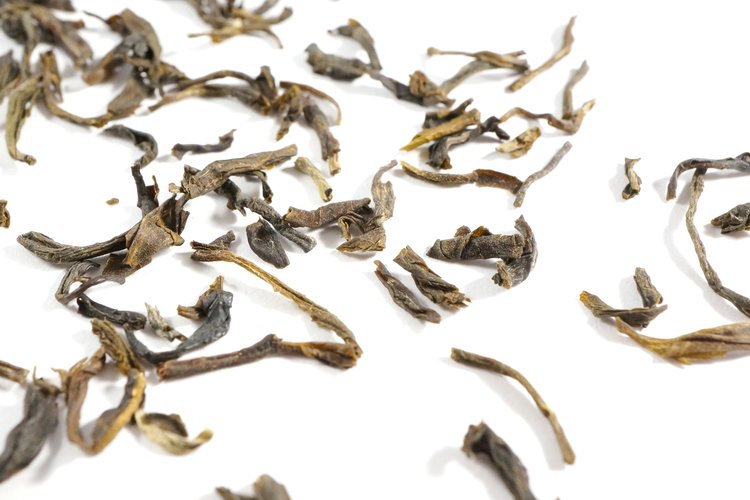
Floral, captivating and surprisingly full-bodied, this is a very pleasant first-grade Jasmine Green Tea. The dry tea's floral bouquet wakes up your senses before you even brew a cup.
History & Heritage
Jasmine tea has a long history in China, and the city of Fuzhou in Fujian is especially famous for it, with scenting traditions recorded as far back as the Southern Song dynasty. The craft relies on timing. Jasmine blossoms are gathered during the day while still closed, then layered with the tea in the evening as the flowers open and release their fragrance. After resting together, the spent flowers are removed and the tea is dried, and the process is often repeated several times for a deeper scent.
Interesting Facts
There are many grades of jasmine tea. This one is the first grade below the exotic jasmines, with all the flavor, aroma and green tea qualities, but not the exorbitant price.
The jasmine blossoms in the blend give the tea a visual appeal few others can match.
Our Jasmine First Grade is a pan-fired green tea from China, grown at about 1,500 feet, with a pale green liquor.
Tasting Notes & Pairings
Sweet, floral and smooth with a captivating finish. It is a lovely everyday tea and pairs naturally with Chinese food, spring rolls, steamed rice dishes, and light desserts.
Brewing tips (general guideline): use 1 teaspoon (about 2–3 g) per 8 oz of water at 175–185°F, steeped 2–3 minutes. Avoid boiling water, which can make green tea bitter. Adjust to taste.
Like every tea at Beantown Tea & Spices, Jasmine Green Tea is a quality loose-leaf tea offered at an affordable price, with sample and larger sizes so you can find your favorite. Explore more in our Green Tea collection, or pair it with our tea accessories.

Bi Luo Chun is regarded as one of the best green teas China offers. It brews a refreshing cup that is floral and slightly earthy, with nutty notes.
History & Heritage
Bi Luo Chun comes from the Dongting hills near Lake Tai in Jiangsu Province, and its story is one of China's best-loved tea legends. Local tradition says the tea was once called "Scary Fragrance" because its aroma was so surprisingly intense. According to legend, when the Kangxi Emperor tasted it on a visit to the region in 1699, he found the name unbecoming and renamed it Bi Luo Chun, meaning "green snail spring." The new name described the tea's spiral shape, green color and spring harvest.
Interesting Facts
The tea is hand-rolled into a tight spiral resembling a snail, which gives it its name.
The production window is very short: it is picked between the Spring Equinox at the end of March and Qing Ming in early April.
Our Bi Luo Chun is made from the finest tender buds, gathered and processed exclusively by hand.
Tasting Notes & Pairings
The pale green infusion is fresh and delicate, with floral and nutty notes and a soft, earthy depth. Enjoy it with steamed seafood, fresh vegetables, or a light fruit dessert. Its delicate character rewards cooler water and a glass cup, where you can watch the tiny spirals open.
Brewing tips (general guideline): use 1 teaspoon (about 2–3 g) per 8 oz of water at 175–185°F, steeped 2–3 minutes. Avoid boiling water, which can make green tea bitter. Adjust to taste.
Like every tea at Beantown Tea & Spices, Bi Luo Chun is a quality loose-leaf tea offered at an affordable price, with sample and larger sizes so you can find your favorite. Explore more in our Green Tea collection, or pair it with our tea accessories.
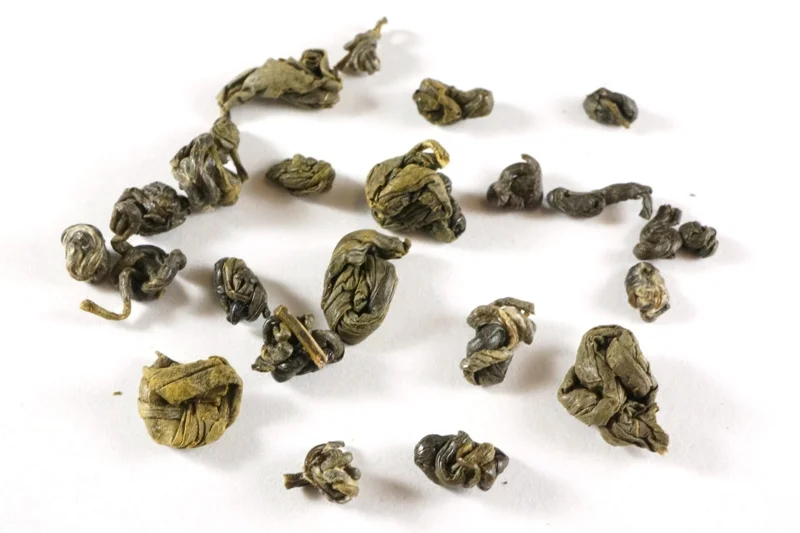
Clean, crisp and easygoing, Green Curls is a green tea from the mountains of Fujian, China. It brews a fruity cup with a gentle hint of smoke.
History & Heritage
Fujian is one of China's great tea provinces, famous for white teas, oolongs, black teas and jasmine teas, as well as fine green teas from its mountain gardens. Like most Chinese green teas, Green Curls is made by heating the fresh leaves to stop oxidation and then rolling them, here into graceful curls, before drying. China's green tea tradition is the oldest in the world, and green tea remains the most widely produced tea in China. Gunpowder and Chun Mee, two other classic rolled green teas, share this tradition of shaping the leaf by hand.
Interesting Facts
The light smokiness is similar to that of Gunpowder green tea, but not as prominent, and it adds a layer of complexity.
Our Green Curls is an orthodox rolled green tea grown at about 3,000 feet, with a bright green liquor.
Tasting Notes & Pairings
Clean and crisp, fruity and lightly smoky, and not grassy at all. It is a good all-day tea for anyone new to green tea, it is easy to make, and it also makes a refreshing iced tea. Pair it with grilled vegetables, noodle dishes, or fresh fruit. Its gentle character makes it an easy introduction to the world of Chinese green teas.
Brewing tips (general guideline): use 1 teaspoon (about 2–3 g) per 8 oz of water at 175–185°F, steeped 2–3 minutes. Avoid boiling water, which can make green tea bitter. Adjust to taste.
Like every tea at Beantown Tea & Spices, Green Curls is a quality loose-leaf tea offered at an affordable price, with sample and larger sizes so you can find your favorite. Explore more in our Green Tea collection, or pair it with our tea accessories.

Chun Mee, meaning "precious eyebrows," takes its name from the graceful curved shape of its leaves. This is a first-grade Chun Mee from China that brews a full-bodied cup with nutty and smoky notes.
History & Heritage
Chun Mee is a traditional Chinese green tea with a long history, and it was one of the first green teas introduced to the British. Tea historians trace its roots to the green teas of Anhui Province in the 17th century, and it is now also produced in neighboring Zhejiang and Jiangxi. The leaves are hand-rolled and pan-fired to achieve the classic Chinese green tea appearance, with each leaf curling into a shape that reminded early tea drinkers of a delicate eyebrow.
Interesting Facts
Its name is also written Zhen Mei.
Chun Mee is one of the teas often used, along with Gunpowder, in North African mint tea.
Our Chun Mee is a first grade tea with a bright green liquor.
Tasting Notes & Pairings
Full-bodied, nutty and lightly smoky, with a pleasantly brisk finish. This classic green tea is good as an afternoon tea and also makes a very good iced tea. Pair it with stir-fries, roasted nuts, or a plate of fruit. Its sturdy character also holds up well to a second infusion and to a sprig of fresh mint.
Brewing tips (general guideline): use 1 teaspoon (about 2–3 g) per 8 oz of water at 175–185°F, steeped 2–3 minutes. Avoid boiling water, which can make green tea bitter. Adjust to taste.
Like every tea at Beantown Tea & Spices, Chun Mee Green Tea is a quality loose-leaf tea offered at an affordable price, with sample and larger sizes so you can find your favorite. Explore more in our Green Tea collection, or pair it with our tea accessories.
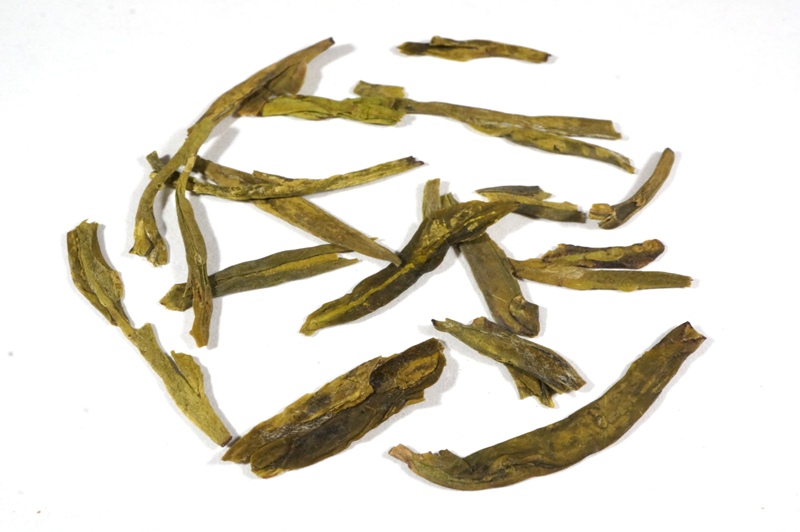
Flat, glossy, emerald leaves that unfurl in the cup are your first sign that you're holding one of China's most famous green teas. Dragonwell, also known as Lung Ching or Longjing, is admired as much for its beauty as for its gentle, sweet flavor.
History & Heritage
Dragonwell takes its name from a village and spring in the hills near West Lake in Hangzhou, Zhejiang Province, where tea has been grown for many centuries. Its fame grew under imperial patronage, and emperors wrote poems in its praise. Our Dragonwell is grown on the side of West Lake and produced by hand through a 10-part process. Like all classic Dragonwell, it is pan-fired: tea makers press the leaves against a hot wok by hand, which stops oxidation and shapes them into their signature flat blades while drawing out a lightly toasty aroma.
Interesting Facts
Only tea grown in a small protected zone around West Lake can be sold in China as "Xihu (West Lake) Longjing."
The finest Dragonwell is picked in early spring, before the Qingming festival in early April.
Skilled makers work the leaves by hand, adjusting their movements as the leaf changes in the hot wok.
Tasting Notes & Pairings
The brewed tea is very bright, full-bodied, sweet and slightly nutty with floral character. Many drinkers compare Dragonwell's toasty sweetness to roasted chestnuts, with a clean, fresh finish. It pairs beautifully with steamed dumplings, light seafood, vegetable stir-fries and mild cheeses, and it makes an exceptional, relaxing afternoon tea.
Brewing tips (general guideline): use 1 teaspoon (about 2 g) per 8 oz of water at 160–180°F, steeped 2–3 minutes. This tea is good for multiple infusions. Adjust to taste.
Like every tea at Beantown Tea & Spices, Dragonwell is a quality loose-leaf tea offered at an affordable price, with sample and larger sizes so you can find your favorite. Explore more in our Green Tea collection, or pair it with our tea accessories.
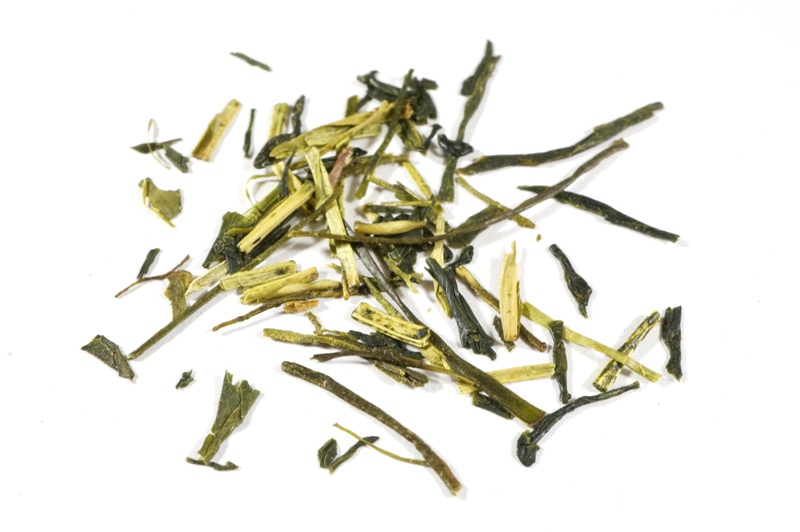
Nutty, creamy and mellow, Kukicha is a traditional green tea from Japan. Our Kukicha uses a Sencha and Gyokuro base with both young leaves and stems.
History & Heritage
Kukicha means "stem tea" and is sometimes called twig tea. It has humble roots: it was traditionally made from the stems and stalks left over from processing leaf tea, a frugal way for farmers to make use of every part of the harvest. What began as a thrifty everyday drink has become a well-loved tea in its own right, prized for its gentle, sweet character. Bancha, the later-season harvest, is another of Japan's traditional everyday teas, and like Kukicha it reflects a practical, nothing-wasted approach to tea.
Interesting Facts
The Gyokuro base leaves enhance the umami (a Japanese term for savory flavor) and give the tea a unique flavor profile.
Kukicha is very low in caffeine, among the lowest of traditional teas.
In Japan it can even be mixed with juice to make a children's drink.
Stems give the tea a lighter color and a naturally sweet taste.
Tasting Notes & Pairings
It brews a flavorful cup that is nutty and slightly creamy, with very little bitterness. It is easy to enjoy any time of day, including the evening. Pair it with rice dishes, roasted vegetables, or simple rice crackers. Its soft sweetness also makes it a lovely iced tea in summer, and a gentle choice for those who find other green teas too grassy.
Brewing tips (general guideline): use 1 heaping teaspoon (about 3 g) per 8 oz of water at 175–185°F, steeped 1–3 minutes. Adjust to taste.
Like every tea at Beantown Tea & Spices, Kukicha is a quality loose-leaf tea offered at an affordable price, with sample and larger sizes so you can find your favorite. Explore more in our Green Tea collection, or pair it with our tea accessories.

Warm, toasty and soothing, Hojicha is a low-caffeine roasted green tea from Japan. It brews a nutty cup that is slightly sweet with a very clean finish.
History & Heritage
Hojicha is a relatively young tea. The most widely repeated account says it was created in Kyoto around the 1920s, when a tea merchant began roasting leftover leaves so they wouldn't go to waste. Roasting transformed the tea, turning the green leaves a reddish brown and giving them a toasty, caramel-like aroma. Today Hojicha is enjoyed throughout Japan and has become a favorite flavor for lattes and desserts. Some accounts add that the roasting idea was encouraged by researchers in Kyoto. Bancha, the later-harvest tea often used for Hojicha, had long been an everyday tea in Japan.
Interesting Facts
Our Hojicha is made from roasted Bancha, a summer-crop green tea.
The roasting process removes almost all astringency and bitterness and significantly reduces caffeine.
In Japan, Hojicha is often enjoyed during and after dinner, and it is popular with children and older people because of its low caffeine.
Roasting turns the leaves from green to a reddish brown.
Tasting Notes & Pairings
Toasty, nutty and lightly sweet, with almost no bitterness. It is also excellent as an iced tea. Pair it with grilled fish, rice bowls, or desserts like vanilla ice cream, roasted sweet potato, or chocolate.
Brewing tips (general guideline): use 1–2 heaping teaspoons (about 3 g) per 8 oz of water at 195–212°F, steeped 30 seconds to 2 minutes. Adjust to taste.
Like every tea at Beantown Tea & Spices, Hojicha is a quality loose-leaf tea offered at an affordable price, with sample and larger sizes so you can find your favorite. Explore more in our Green Tea collection, or pair it with our tea accessories.

If you like Earl Grey and lemon tea, you should definitely try our Citrus Green. Strong lemon and lime overtones on this green tea will wake up your taste buds and your nose.
History & Heritage
This blend is built on Chinese green tea. China has the world's oldest green tea tradition, and green tea is still the most widely produced type of tea there. To make green tea, fresh leaves are quickly heated to stop oxidation, which preserves their color and fresh flavor.
Interesting Facts
Ingredients: green tea, citrus peels and natural flavors.
Country of origin: China.
Tasting Notes & Pairings
When the tea is brewed, the wonderful aroma adds another dimension to enjoying it. Bright, zesty and refreshing, excellent hot or iced. Pair it with grilled fish, salads, or lemon cookies.
Brewing tips (general guideline): use 1 teaspoon (about 2–3 g) per 8 oz of water at 175–185°F, steeped 2–3 minutes. Avoid boiling water, which can make green tea bitter. Adjust to taste.
Like every tea at Beantown Tea & Spices, Citrus Green Tea is a quality loose-leaf tea offered at an affordable price, with sample and larger sizes so you can find your favorite. Explore more in our Green Tea collection, or pair it with our tea accessories.
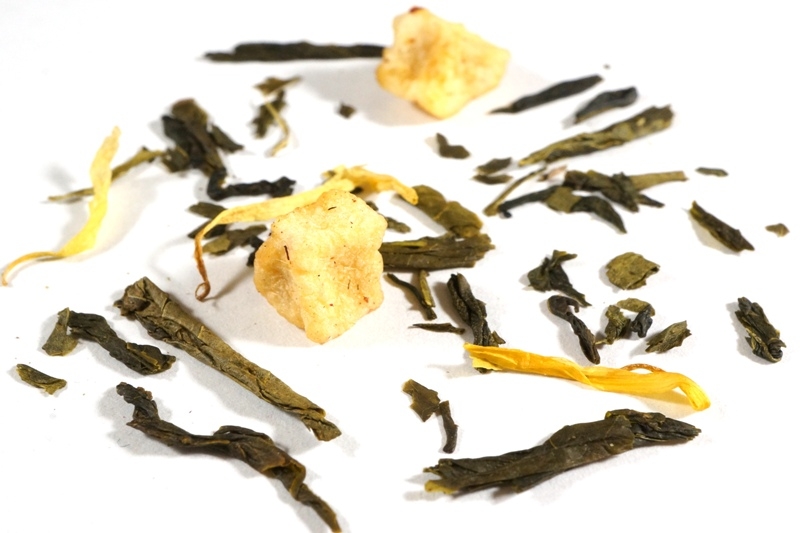
Mango Green is a fruity green tea with wonderful natural sweetness and piquant mango character that evokes bright, sunny days.
History & Heritage
This blend is built on Chinese green tea. China has the world's oldest green tea tradition, and green tea is still the most widely produced type of tea there. To make green tea, fresh leaves are quickly heated to stop oxidation, which preserves their color and fresh flavor.
Interesting Facts
Ingredients: green tea, mango pieces and natural flavors.
The base is a steamed green tea from China.
Tasting Notes & Pairings
There is just enough flavoring that it never overpowers the green tea. It makes a stunning iced tea, so brew some up and you'll become a believer. Pair it with spicy foods, tropical fruit, or coconut desserts.
Brewing tips (general guideline): use 1 teaspoon (about 2–3 g) per 8 oz of water at 175–185°F, steeped 2–3 minutes. Avoid boiling water, which can make green tea bitter. Adjust to taste.
Like every tea at Beantown Tea & Spices, Mango Green Tea is a quality loose-leaf tea offered at an affordable price, with sample and larger sizes so you can find your favorite. Explore more in our Green Tea collection, or pair it with our tea accessories.
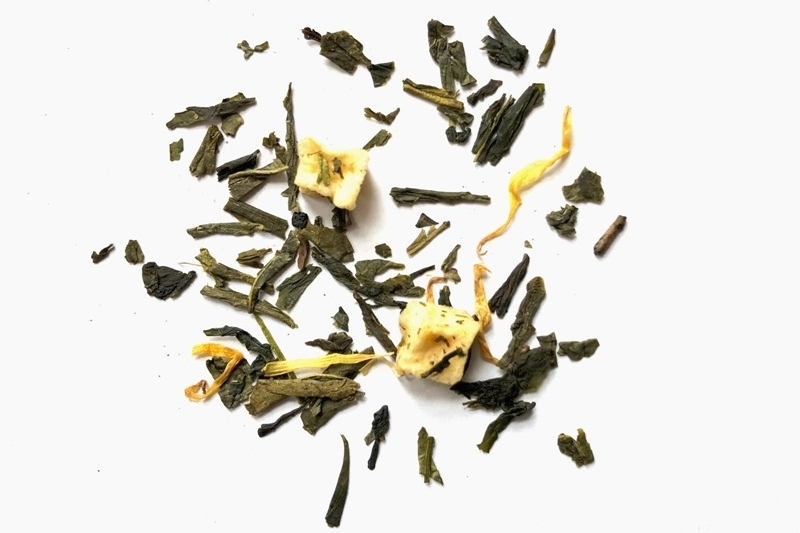
Apricot green tea brews a refreshing cup that is naturally sweet and crisp, with just the right amount of natural apricot flavor.
History & Heritage
This blend is built on Chinese green tea. China has the world's oldest green tea tradition, and green tea is still the most widely produced type of tea there. To make green tea, fresh leaves are quickly heated to stop oxidation, which preserves their color and fresh flavor.
Interesting Facts
Ingredients: premium green tea, apple, apricot and natural apricot flavor.
The base is a steamed green tea from China.
Tasting Notes & Pairings
It never overpowers, which makes it a great choice if you're new to green tea and would like to try something flavorful. It also makes an excellent iced tea. Pair it with almond pastries, grilled chicken, or a cheese plate.
Brewing tips (general guideline): use 1 teaspoon (about 2–3 g) per 8 oz of water at 175–185°F, steeped 2–3 minutes. Avoid boiling water, which can make green tea bitter. Adjust to taste.
Like every tea at Beantown Tea & Spices, Apricot Green Tea is a quality loose-leaf tea offered at an affordable price, with sample and larger sizes so you can find your favorite. Explore more in our Green Tea collection, or pair it with our tea accessories.

With the perfect amount of fruitiness, this Pomegranate Green Tea is delicious and crisp, with a nice tart pomegranate flavor and subtle sweetness.
History & Heritage
This blend is built on Chinese green tea. China has the world's oldest green tea tradition, and green tea is still the most widely produced type of tea there. To make green tea, fresh leaves are quickly heated to stop oxidation, which preserves their color and fresh flavor.
Interesting Facts
Ingredients: premium green tea, pomegranate and natural flavor.
The base is a steamed green tea from China.
Tasting Notes & Pairings
Want a refreshing green tea that is flavorful and fruity? Give it a try, you will not be disappointed. It is excellent both hot and iced. Pair it with Mediterranean dishes, salads, or dark chocolate.
Brewing tips (general guideline): use 1 teaspoon (about 2–3 g) per 8 oz of water at 175–185°F, steeped 2–3 minutes. Avoid boiling water, which can make green tea bitter. Adjust to taste.
Like every tea at Beantown Tea & Spices, Pomegranate Green Tea is a quality loose-leaf tea offered at an affordable price, with sample and larger sizes so you can find your favorite. Explore more in our Green Tea collection, or pair it with our tea accessories.
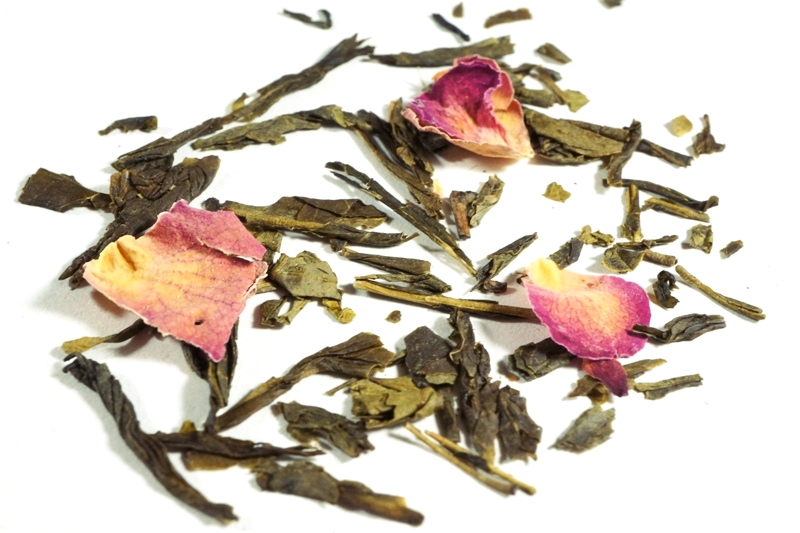
Fresh and smooth with reasonable depth and body, our Cherry Blossom Green Tea pairs cherry flavor with subtle hints of rose.
History & Heritage
This blend is built on Chinese green tea. China has the world's oldest green tea tradition, and green tea is still the most widely produced type of tea there. To make green tea, fresh leaves are quickly heated to stop oxidation, which preserves their color and fresh flavor. Cherry blossoms themselves are a celebrated symbol of spring across East Asia, which gives this blend its seasonal charm.
Interesting Facts
Ingredients: green tea, rose petals, cherries and natural flavors.
The base is a steamed green tea from China.
Tasting Notes & Pairings
The cherry flavor and subtle rose notes give the tea a wonderful character. It also makes an excellent iced tea. Pair it with shortbread, fresh berries, or light spring salads.
Brewing tips (general guideline): use 1 teaspoon (about 2–3 g) per 8 oz of water at 175–185°F, steeped 2–3 minutes. Avoid boiling water, which can make green tea bitter. Adjust to taste.
Like every tea at Beantown Tea & Spices, Cherry Blossom Green Tea is a quality loose-leaf tea offered at an affordable price, with sample and larger sizes so you can find your favorite. Explore more in our Green Tea collection, or pair it with our tea accessories.
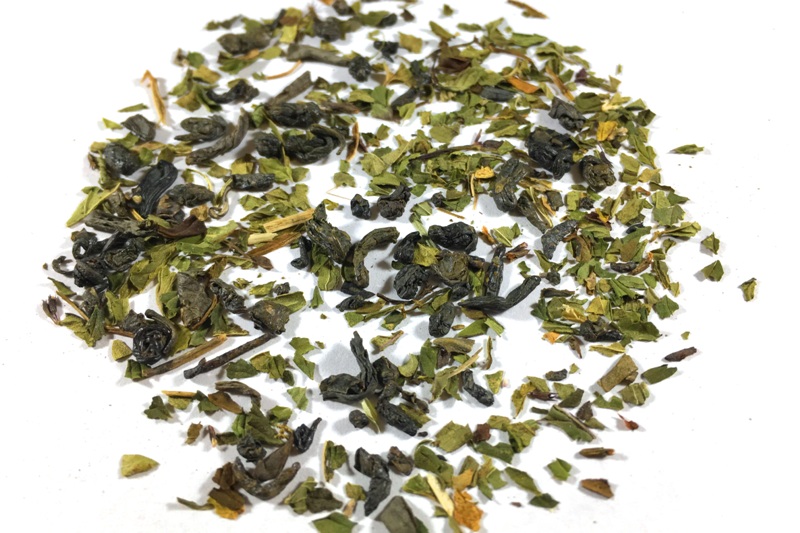
Cool, sweet-scented and refreshing, our version of the classic Moroccan Mint is a blend of Gunpowder green tea, Chun Mee green tea and peppermint.
History & Heritage
Mint tea is a symbol of hospitality across North Africa, where green tea is traditionally brewed with fresh mint and sugar and poured from a height to create a light foam. Chinese Gunpowder green tea became the classic base, and one widely told account says British merchants, looking for new markets in the 1850s, helped popularize it in Morocco. Gunpowder takes its English name from its tightly rolled, pellet-like leaves.
Interesting Facts
Ingredients: green tea and peppermint.
Country of origin: China and the United States.
Tasting Notes & Pairings
The Gunpowder and Chun Mee hold up very well with the peppermint for a smooth, cooling cup. It also makes excellent iced tea. For a traditional touch, add a little sugar. Pair it with couscous, tagines, almond pastries, or dates.
Brewing tips (general guideline): use 1 teaspoon (about 2–3 g) per 8 oz of water at 175–185°F, steeped 2–3 minutes. Avoid boiling water, which can make green tea bitter. Adjust to taste.
Like every tea at Beantown Tea & Spices, Moroccan Mint is a quality loose-leaf tea offered at an affordable price, with sample and larger sizes so you can find your favorite. Explore more in our Green Tea collection, or pair it with our tea accessories.
Watch a pearl unfurl in your cup and you'll see why this tea is so loved. Jasmine Dragon Pearls are smooth, with a delicate, pleasing flavor and a heavenly jasmine character.
History & Heritage
Jasmine tea has a long history in China, and the city of Fuzhou in Fujian is especially famous for it, with scenting traditions recorded as far back as the Southern Song dynasty. The craft relies on timing. Jasmine blossoms are gathered during the day while still closed, then layered with the tea in the evening as the flowers open and release their fragrance. After resting together, the spent flowers are removed and the tea is dried, and the process is often repeated several times for a deeper scent.
Interesting Facts
The pearls are made from the top two leaves and the bud of new-season growth in late March and early April, and then hand-rolled.
When infused, the two leaves and the bud come back to life, and you may see a little "hairy down" on the bud, a sign of superb quality and careful handling.
The extraordinary flavor comes from the time of plucking, the manufacture and the fresh spring jasmine blooms.
Tasting Notes & Pairings
Silky and floral, with a clean green tea base under sweet jasmine perfume. Enjoy it with dim sum, steamed fish, almond cookies or fresh lychees, or simply on its own as a calming afternoon cup. A glass teapot is the best way to watch the pearls open.
Brewing tips (general guideline): use about 6–8 pearls (about 2–3 g) per 8 oz of water at 175–185°F, steeped 2–3 minutes. The pearls can be infused several times. Adjust to taste.
Like every tea at Beantown Tea & Spices, Jasmine Dragon Pearls is a quality loose-leaf tea offered at an affordable price, with sample and larger sizes so you can find your favorite. Explore more in our Green Tea collection, or pair it with our tea accessories.