
Darjeeling Margaret's Hope: A Muscatel Black Tea with a Story to Tell
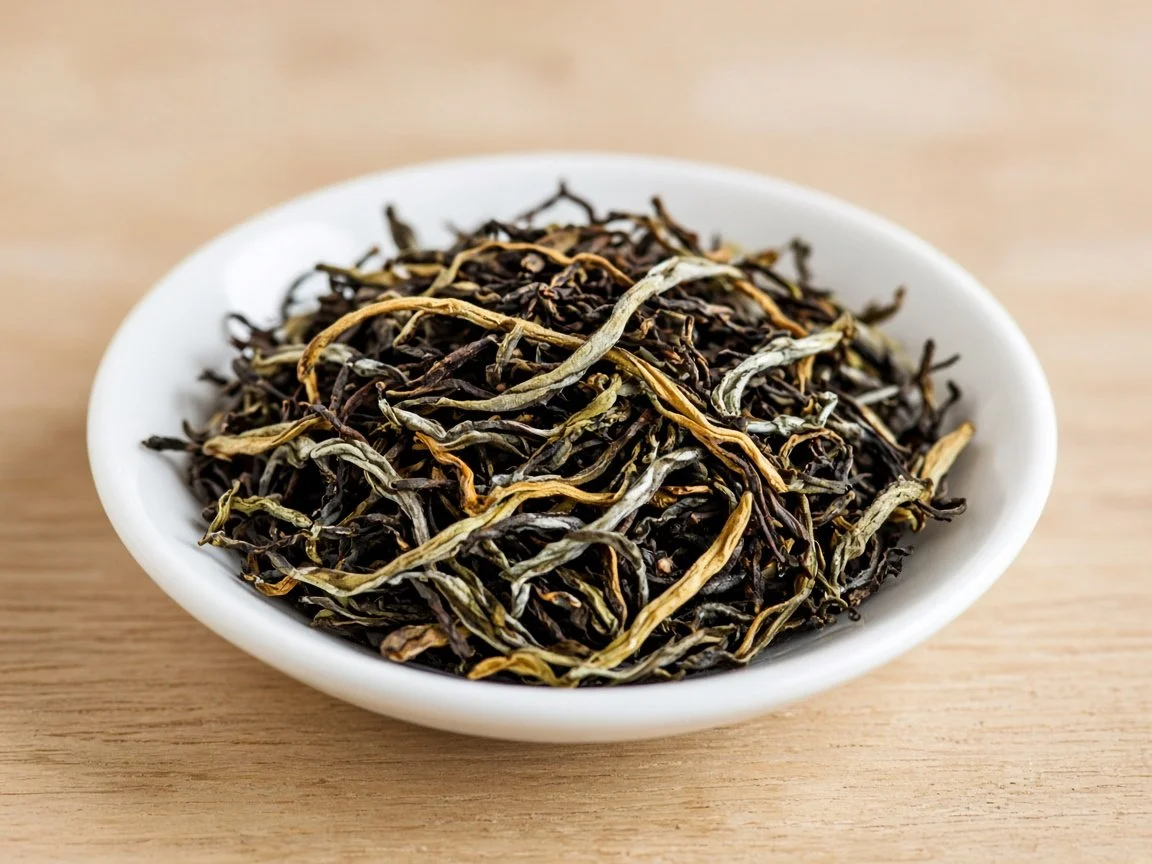
Some teas come with a story as memorable as their flavor, and Darjeeling Margaret's Hope is one of them. It brews a bright, delicate cup with the famous "muscatel" grape character Darjeeling is known for, plus a hint of currant that gives it an almost wine-like taste.
Here's where it grows, the legend behind its name, what it tastes like, and how to brew a great cup at home.
A Garden in the Land of White Orchids
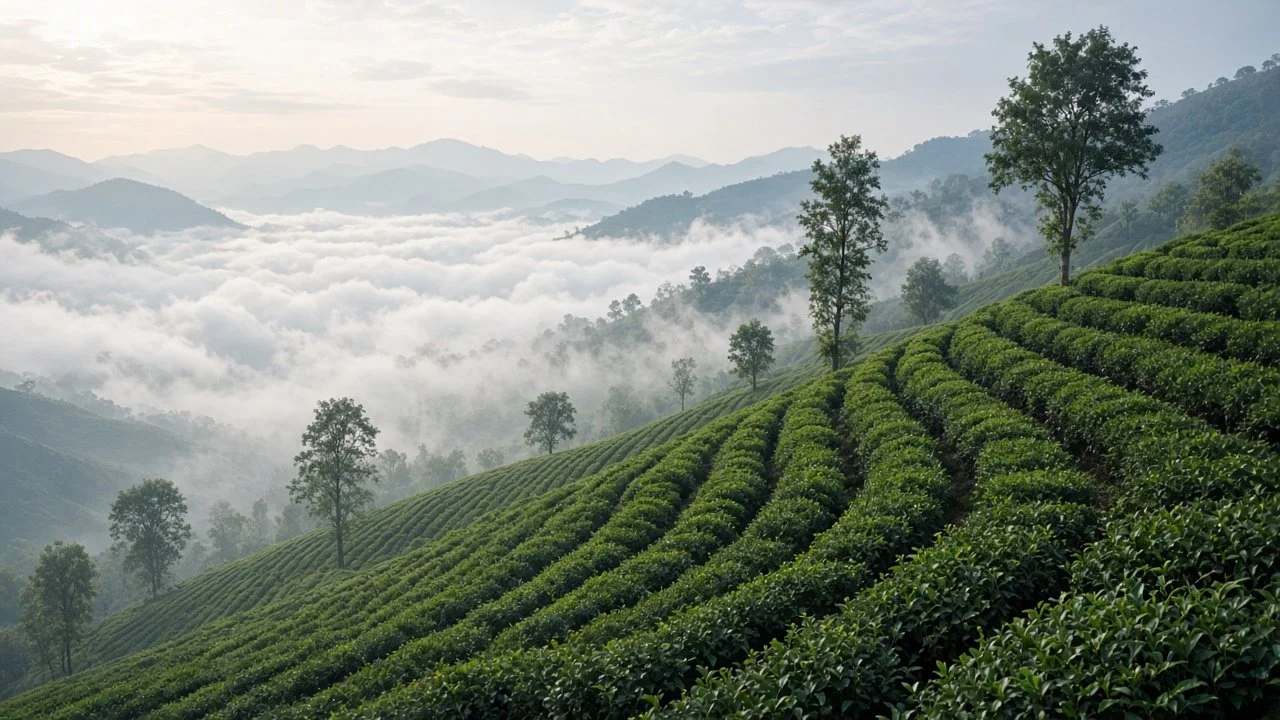
Tea came to Darjeeling in 1841, when Dr. Archibald Campbell planted Chinese tea seeds beside his home at Beechwood. Commercial gardens followed in the 1850s. Margaret's Hope sits in the Kurseong area, sometimes called the "Land of White Orchids," and began producing tea commercially in 1864 under the name Bara Ringtong.
Darjeeling's cool, high climate suits the small-leaf China tea plant, and the bushes at Margaret's Hope are almost entirely of the Chinese type. They grow slowly at such heights, so production is limited. Our Margaret's Hope is a TGFOP grade (Tippy Golden Flowery Orange Pekoe, a whole-leaf grade with plenty of tips) grown at 6,800 feet.
The Legend Behind the Name
The estate's current name comes from a story told for generations. Legend has it that Margaret, the young daughter of the estate's manager, fell in love with the garden on a visit and promised to return. Sadly, she fell ill and died on the voyage home to England, and her grieving father renamed the estate in her memory. Local tales even say her spirit still visits the manager's bungalow, which makes this a fitting cup for Halloween week.
What It Tastes Like
The best Darjeeling comes in the second flush, the early-summer harvest from late May to late June, when the fragrance seems to reach right out of the cup. Some people taste nuttiness and others black currant, but most compare it to muscat grapes. That's the "muscatel" note Darjeeling lovers look for.
The infusion is bright and on the lighter side, much lighter than a brisk breakfast tea. It's smooth and aromatic, and we like it best as an afternoon or after-dinner tea, enjoyed plain so the delicate flavor comes through.
How to Brew Margaret's Hope
These are the general brewing guidelines from our product page:
Use 1 rounded teaspoon of tea (about 2 to 3 g) for every 8 oz of water.
Heat fresh water to just off the boil, 195–205°F.
Pour the water over the tea and steep for 3 to 4 minutes.
Strain and enjoy. A shorter steep keeps the cup more delicate, so adjust to taste.
Start at 3 minutes to see how you like it. Because this tea is so aromatic, it's best without milk or sugar. Our tea accessories include infusers and filters that make loose-leaf brewing easy.
What to Pair It With
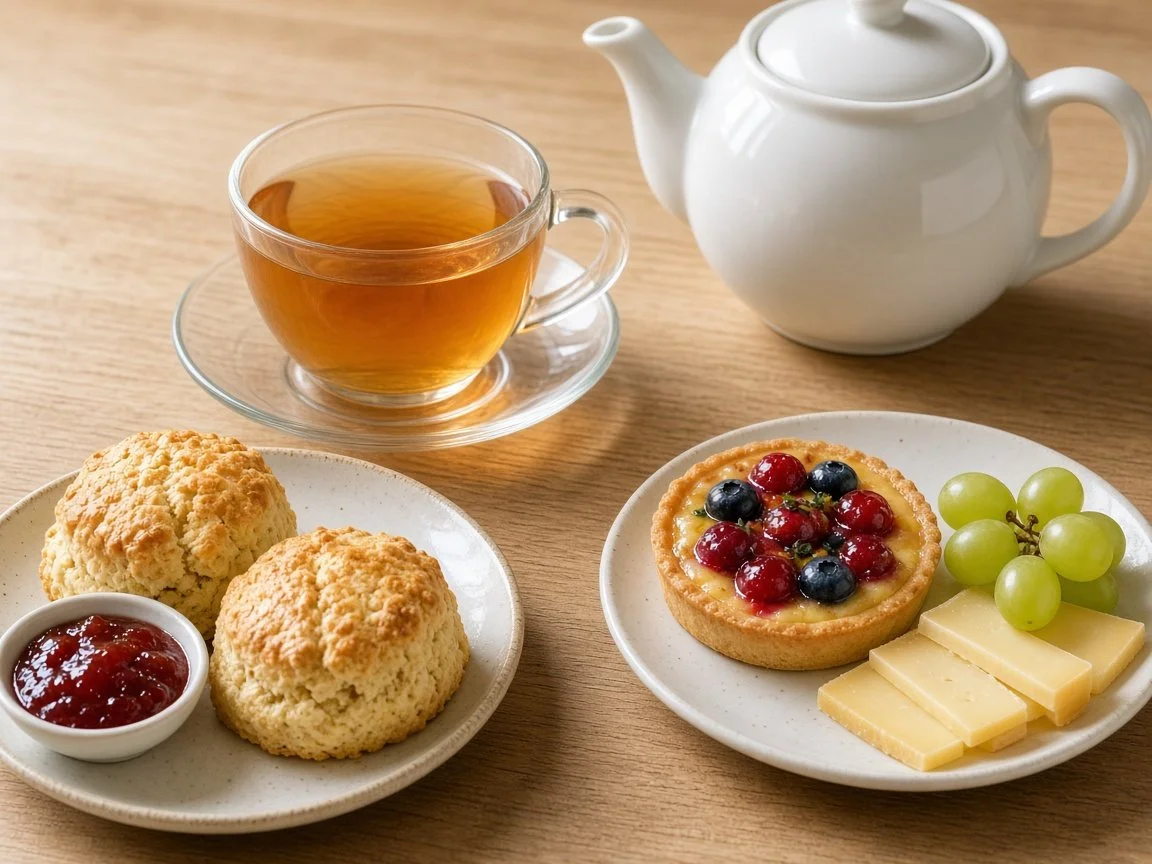
Margaret's Hope is a natural match for a classic afternoon tea. Try it with scones and jam, a fruit tart, or a cheese plate after dinner. The light muscatel notes play nicely with fruit and mild cheeses without overpowering them.
Sizes and More Darjeeling to Explore
Darjeeling Margaret's Hope comes in a sample size (makes 5 cups), plus 4 oz. (50 cups), 8 oz. (100 cups), and 1 lb. (200 cups) bags. The sample is an easy way to try it for the first time. If you enjoy it, compare it with our Darjeeling Sungma (Summer Harvest) and Darjeeling Castleton to taste how each garden is a little different. You can find more in our Black Tea collection.
As tea enthusiasts, we have been sharing quality tea at affordable prices since 2006, and Margaret's Hope is one of those teas that makes an ordinary afternoon feel special. Brew a cup and taste the story for yourself.
Happy sipping!