
Green Tea vs. Black Tea

What are the differences between Green and Black teas?
This is a 2 parts question. First is how are Green and Black teas compared to each other from a production stand point? Second is what and how are they different as end products? Now lets expend on them and discuss further.
Firstly, lets take a look at how Green and Black teas are produced. Green and Black teas are both produced from the same plant which is called Camellia Sinensis. The sub cultivars of each tea maybe different, but they all belong to the Camellia Sinensis family.
The oxidation process is what sets Green and Black teas apart. Green tea is very lightly oxidized (less than 1%-15%), where as Black tea is fully oxidized. The oxidation is a process which the chlorophyll in the tea leaves is enzymatically broken down. Tannins are also released during the oxidation. This oxidation process is often times referred to as "fermentation" in the tea industry.
Green and Black teas got their name from the colors of the produced tea leaves. Because most of the chlorophyll is preserved, Green tea still retain the green appearance of the plant. Black tea appear black because the chlorophyll is broken down.
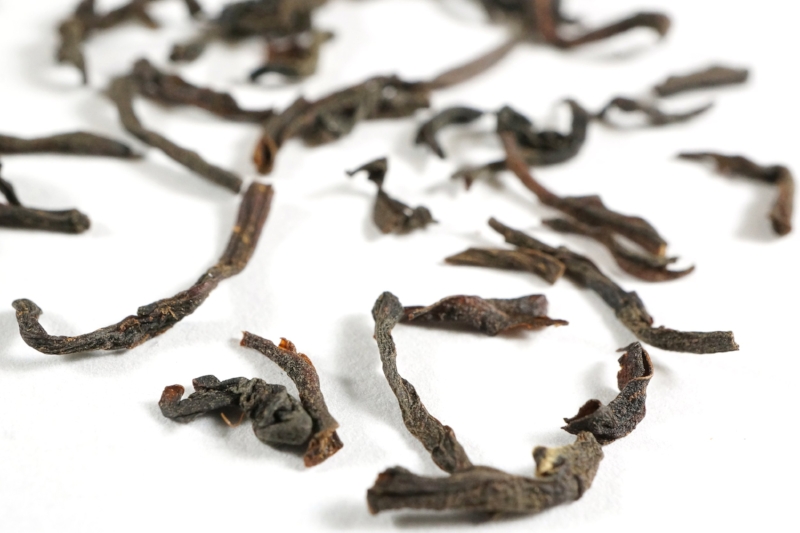
Strong, smooth and full of life, Ceylon Kenilworth is a tea that has earned its worldwide reputation. Kenilworth is known around the world for its full-bodied, strong liquors and is considered the hallmark of Ceylon's medium-grown teas.
History & Heritage
Sri Lanka, then called Ceylon, was once a coffee island. In the late 1860s and 1870s a fungal disease known as coffee rust devastated the plantations, and planters turned to tea. The Scottish planter James Taylor had planted the island's first tea field at Loolecondera, near Kandy, in 1867, and within decades tea had become Ceylon's great crop. The Kenilworth estate was established by British planters in 1880 and named after Kenilworth Castle in England.
Interesting Facts
The Kenilworth estate receives an average of 190 inches of rain a year, and it is unusual in getting rain from both the South West and North East monsoons.
Its Orange Pekoe grades are among the most sought after from any medium-grown garden. Ours is an OP grade grown at about 3,000 feet.
The first shipment of Ceylon tea to reach London, in 1873, weighed only about 23 pounds.
Tasting Notes & Pairings
Our Ceylon Kenilworth brews a malty cup that is lively and very smooth, with an infusion described as noire tending coppery. It is a fine tea after dinner or in the afternoon. Pair it with buttered toast, ginger cookies, or a hearty breakfast.
Brewing tips (general guideline): use 1 rounded teaspoon (about 2–3 g) per 8 oz of freshly boiled water (205–212°F), steeped 3–5 minutes. Adjust to taste.
Like every tea at Beantown Tea & Spices, Ceylon Kenilworth is a quality loose-leaf tea offered at an affordable price, with sample and larger sizes so you can find your favorite. Explore more in our Black Tea collection, or pair it with our tea accessories.
Secondly, lets look at the differences between them as final products. Although both types of tea are rich in antioxidants, Green tea is richer in antioxidants than Black tea due to a lower oxidation level.
Studies have found that Both Green and Black tea may help boosting our energy and keeping us alert. Black tea has more caffeine than Green tea. 1 g of black tea has 22 to 28 mg of caffeine, while 1 g of green tea has 11to 20 mg of caffeine. The energizing effect is why Black tea is a stable breakfast drink in many parts of the world.
Some long term studies have shown that Black tea is beneficial to our cardiovascular system. This means regular and long term consumption may help in maintaining a healthier heart.
For Green tea, researches show that the catechins and other nutrients in Green tea may help lowering the blood sugars. Drinking 2 to 3 cups of Green tea is also believe to be very beneficial in weight control.
The conclusion
In conclusion, both Green and Black tea are healthy and can be very beneficial to our health. However, in order to reap the benefits of tea, we need to establish a habit of consuming 2-3 cups of tea a day every day. So the key here is to find the teas that we love to enjoy. Because if we enjoy the experience of drinking tea, it is then very naturalto establish a long term and consistent consumption of this healthy beverage.
So if you are already a regular tea drinker, stick to your favorite teas. If you are new to tea, try different types of teas and find some that you love to enjoy! Cheers

