
Cold brew teas are growing in popularity both due to their refreshing taste and health benefits. This blog will cover some of the health benefits of drinking cold brew teas, how they differ from traditional hot brewed teas, and discuss how the brewing process and temperature play a role in cold brew tea’s potential health benefits.
The health benefits of cold brew tea can be attributed to the antioxidants and phytonutrients found in tea: specifically, catechins, theaflavins, and thearubigens. These antioxidant compounds are responsible for providing health benefits such as enhanced cognitive function and weight management.
One of the most important antioxidants found in tea is polyphenols, which have many health benefits. Cold brew tea contains more polyphenols than hot brewed tea, due to the different brewing processes. Cold brewed tea is typically steeped at low temperatures with little to no heat, whereas hot brewed tea is steeped in hot water, which can reduce the level of polyphenols in the tea. Polyphenols have been found to have potential benefits such as reducing inflammation, preventing damage to DNA, and reducing the risk of cancer and cardiovascular diseases.
Catechins are another type of antioxidant found in tea, which have been found to provide many health benefits. When catechins are heated, they can break down, which reduces their health benefits. This can be a problem when consuming hot brewed tea, as the heat can reduce the level of catechins present. However, cold brew tea is brewed at low temperatures, which allows the catechins to remain intact. Studies have shown that the catechins present in cold brew teas can reduce the risk of heart disease, improve cholesterol levels, and decrease blood pressure.
Theaflavins are a third type of antioxidant found in tea, which have been linked to a variety of health benefits. Studies have shown that theaflavins can reduce inflammation and oxidative stress, both of which can lead to chronic disease. Theaflavins have also been found to reduce the risk of cancer and improve liver health. Because cold brew tea is brewed at a lower temperature, the level of theaflavins present is greater than in hot brewed tea, which allows for more of the health benefits from theaflavins to be gained.
Thearubigens are another type of antioxidant found in tea, which have been linked to a variety of health benefits. Studies have shown that thearubigens can reduce inflammation and oxidative stress, both of which can lead to chronic disease. In addition to this, thearubigens have also been found to have antiviral activities and can improve blood pressure. Thearubigens are more abundant in cold brewed tea than in hot brewed tea, due to the lower brewing temperature.
Overall, cold brew tea is an excellent source of polyphenols, catechins, theaflavins, and thearubigens, all of which are antioxidants that have been linked to a variety of health benefits. The lower brewing temperature of cold brew tea means that the polyphenols, catechins, theaflavins, and thearubigens are less likely to break down, which allows for more of the health benefits to be gained from these compounds. Therefore, cold brew tea is an excellent way to get the health benefits of tea.





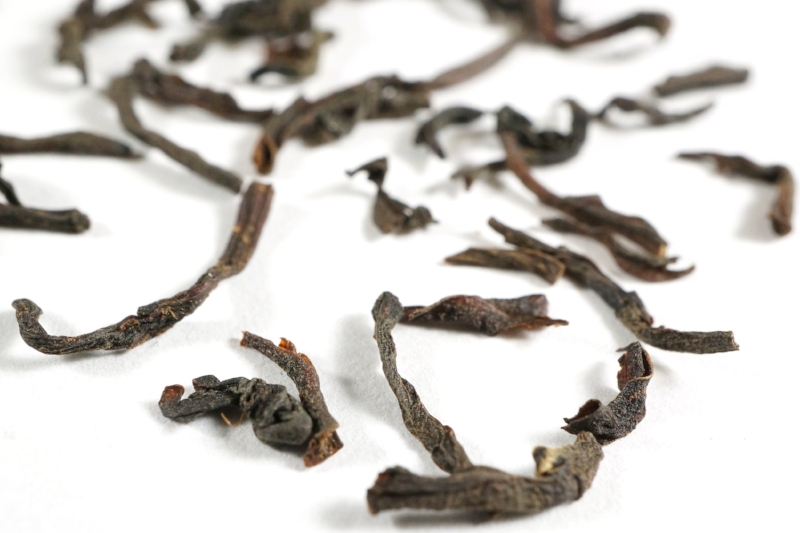
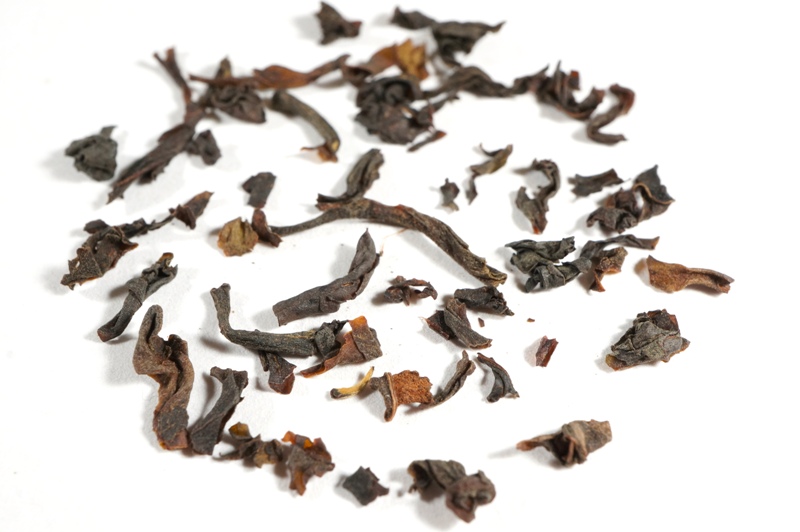
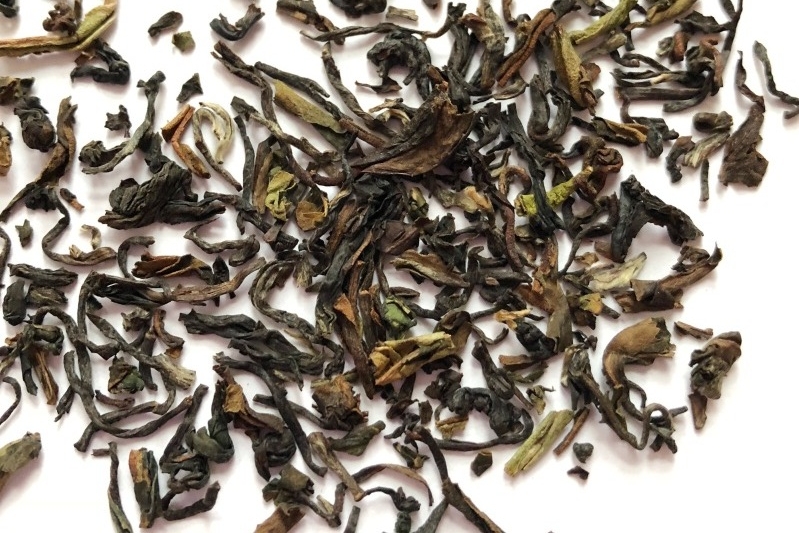
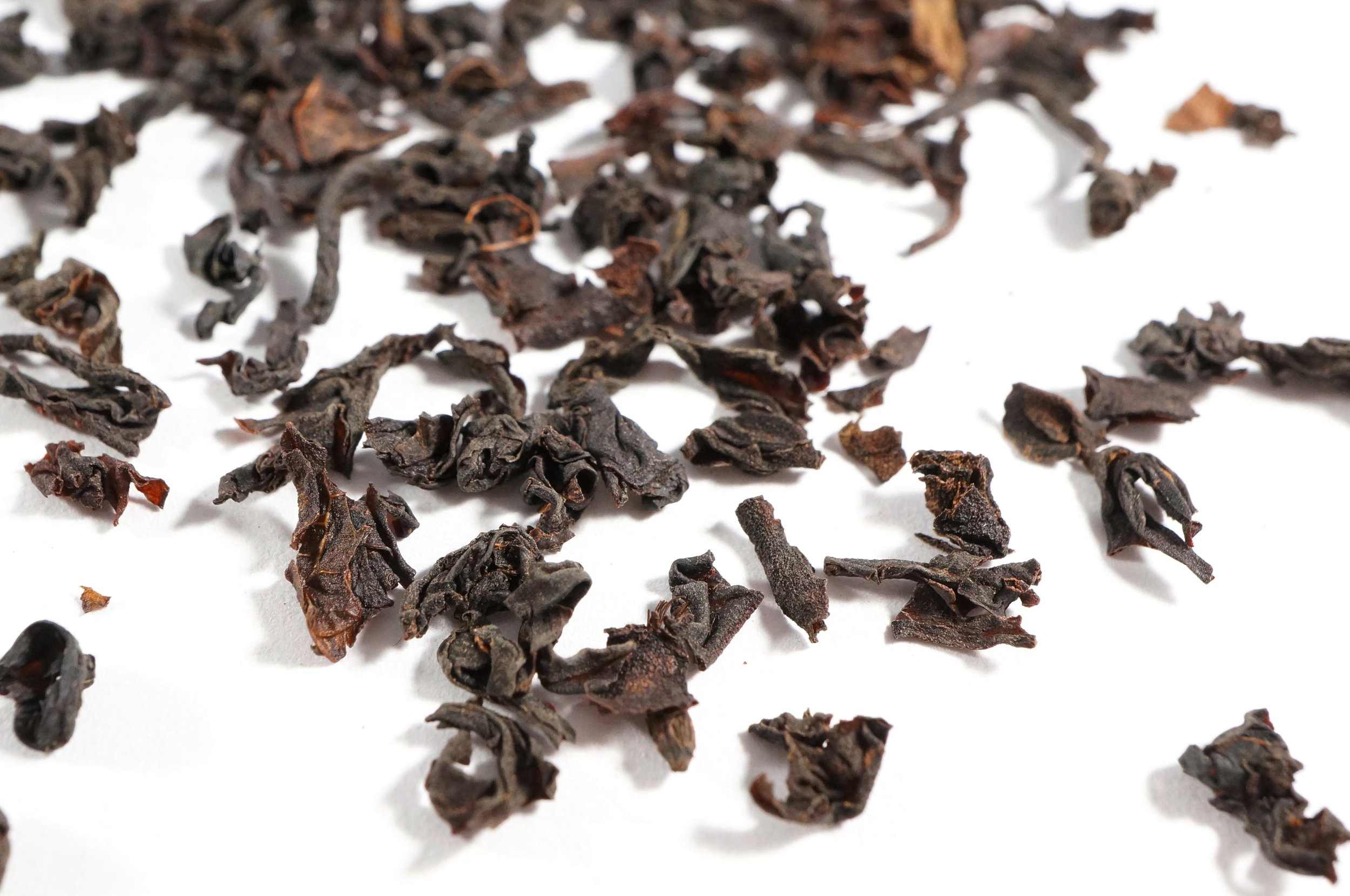
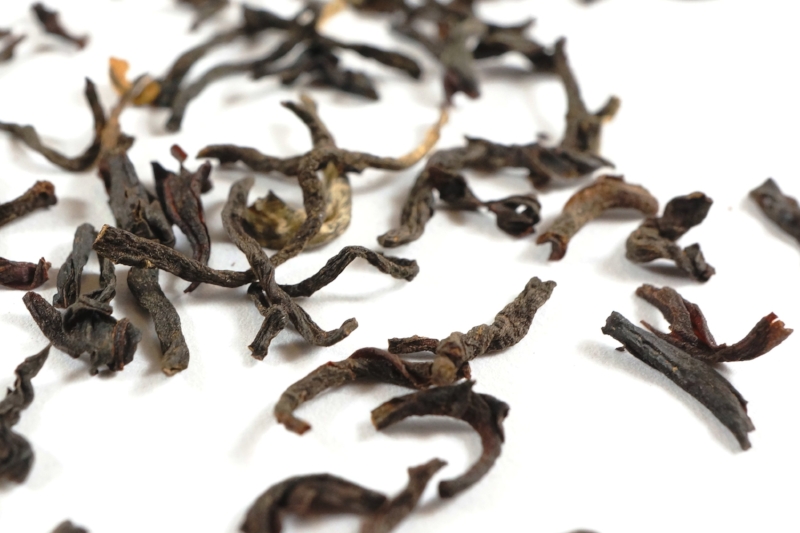
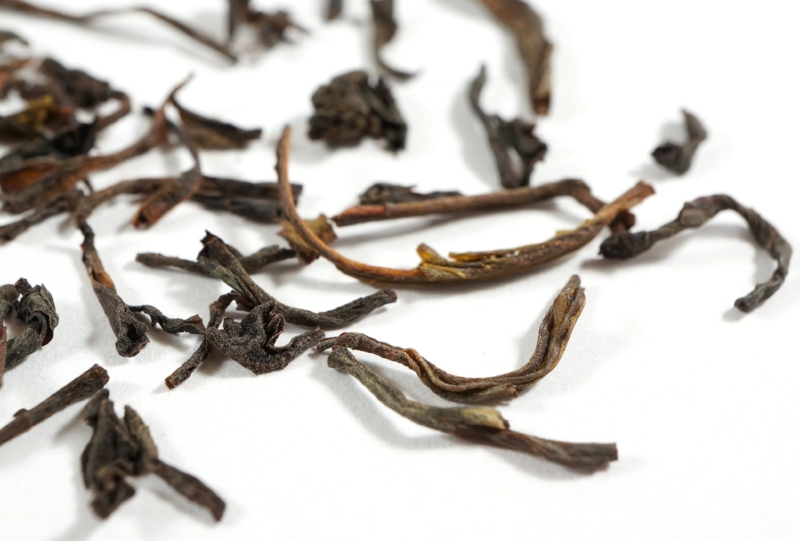
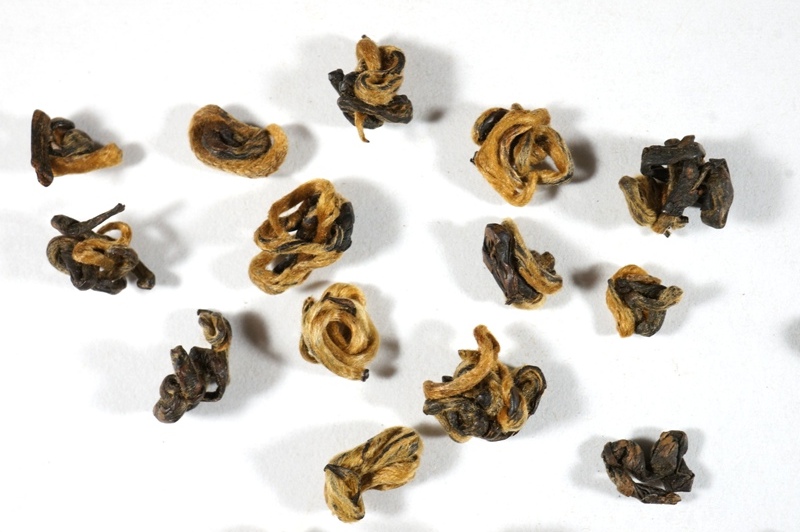
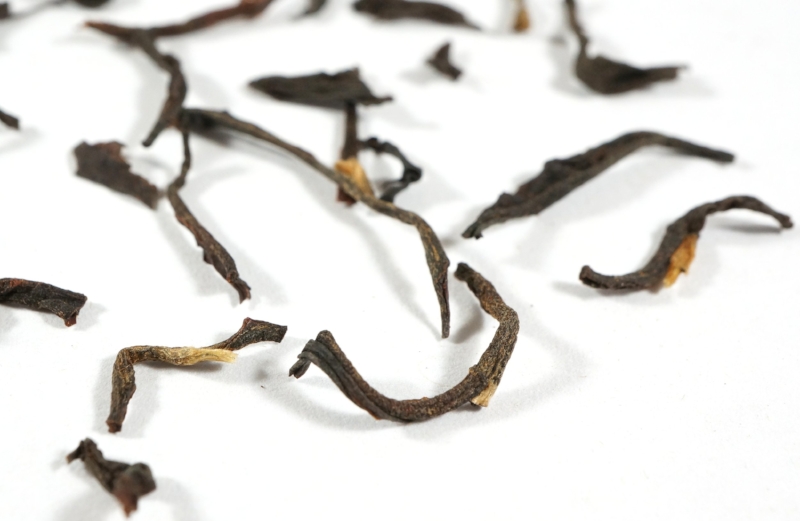
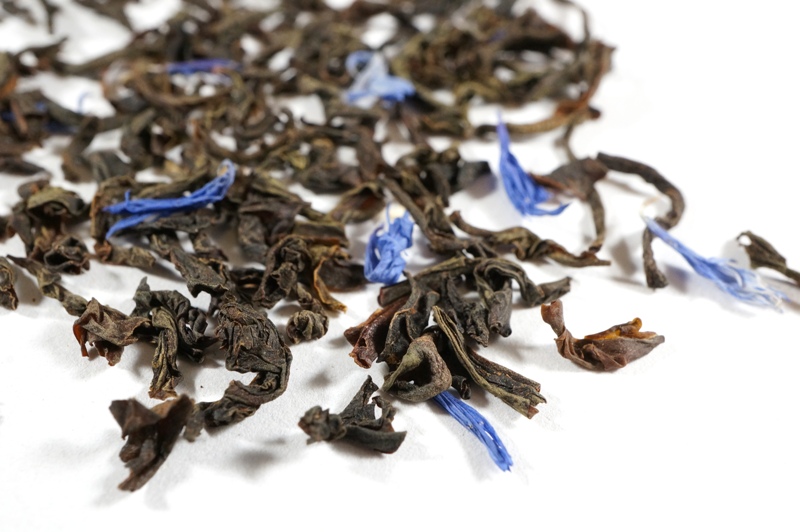
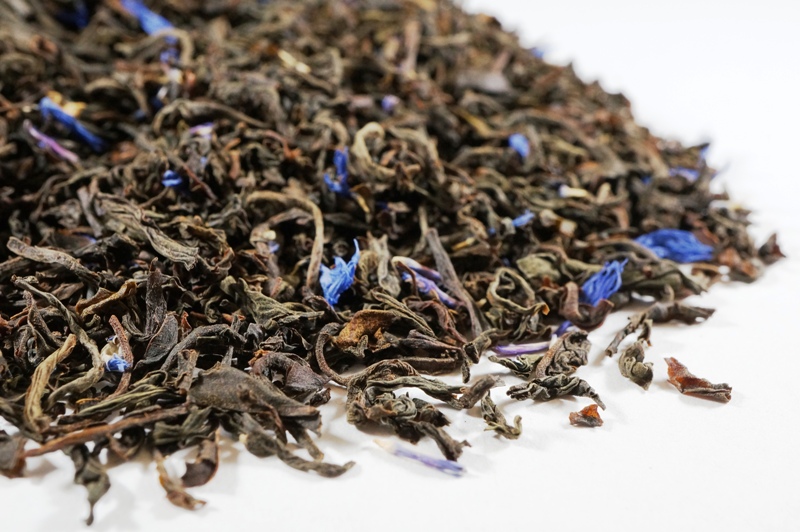


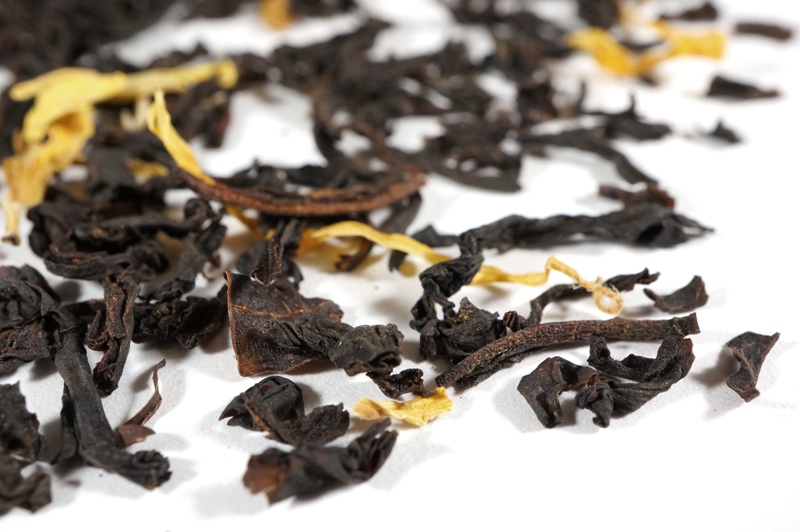
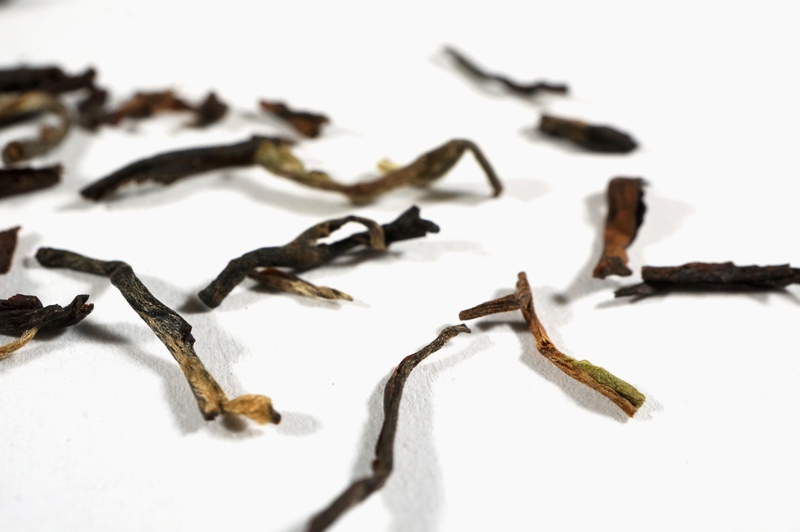
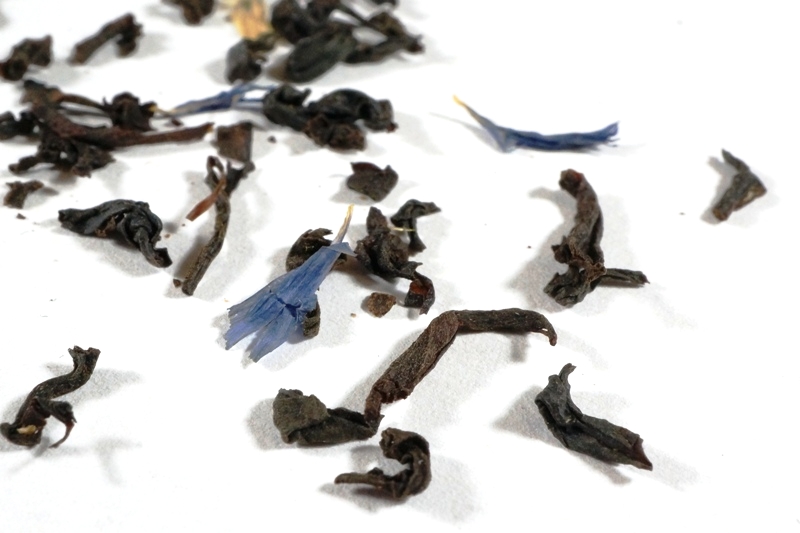
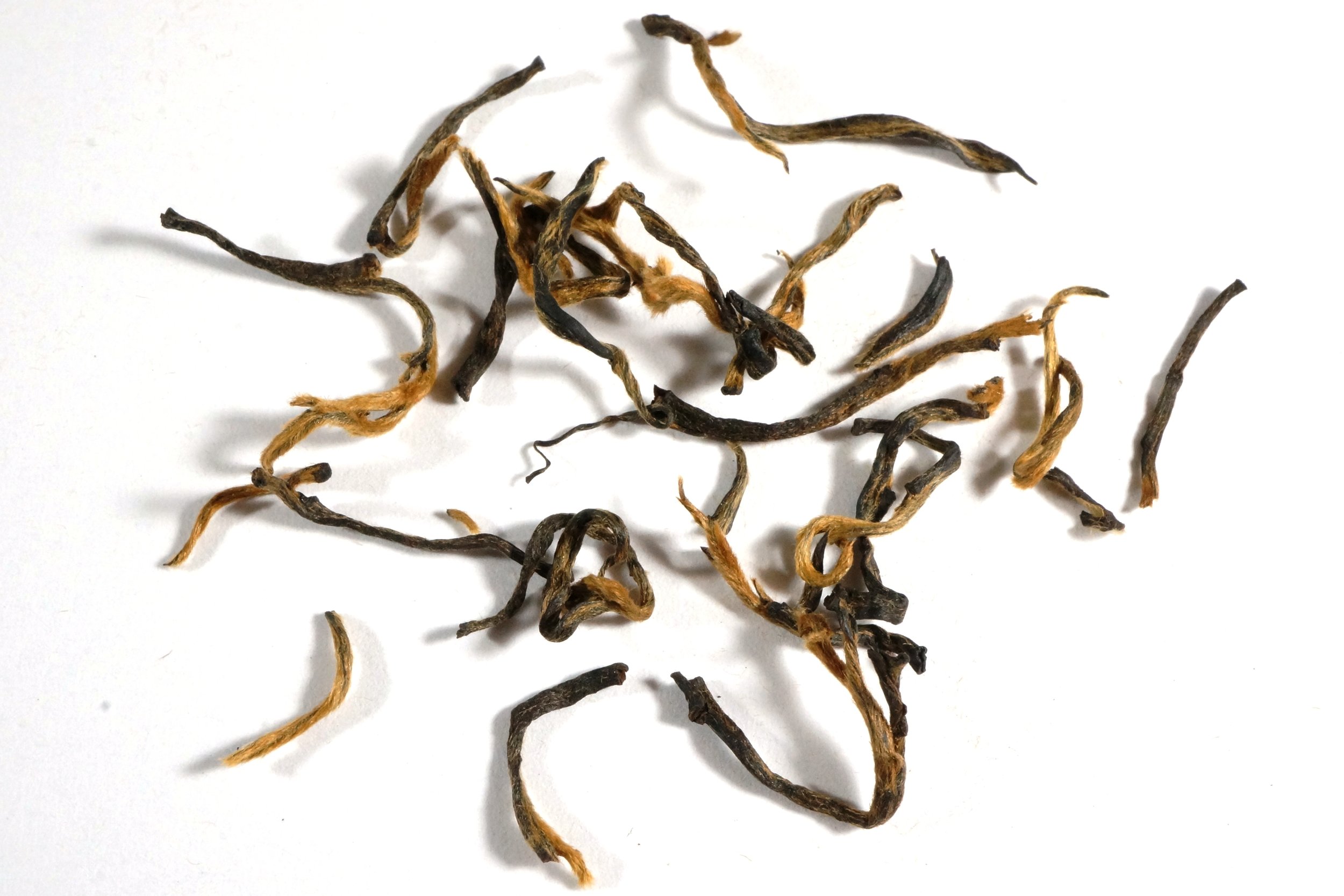
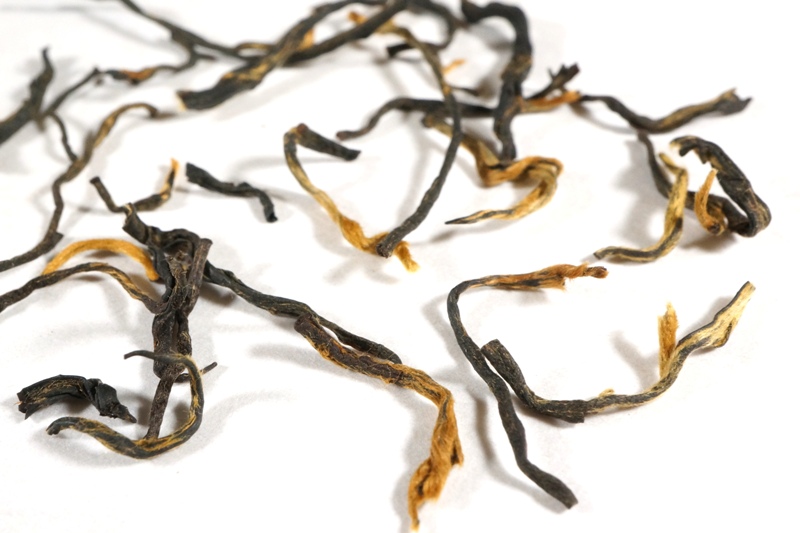

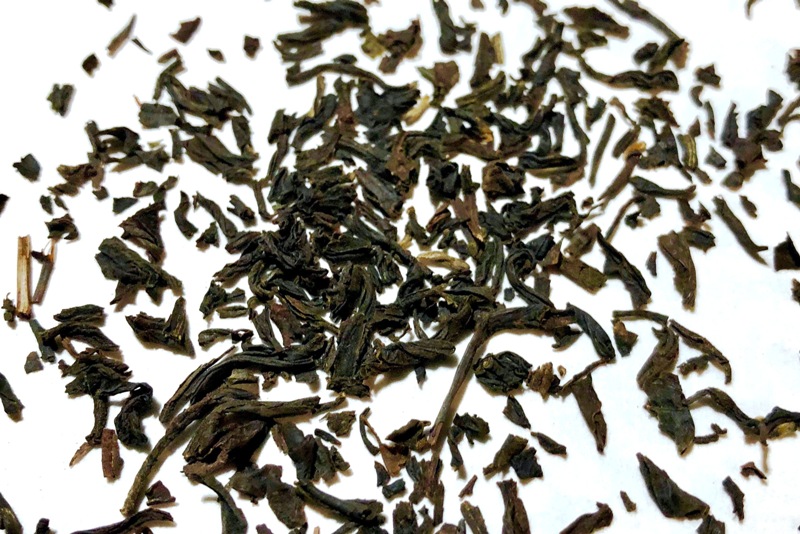
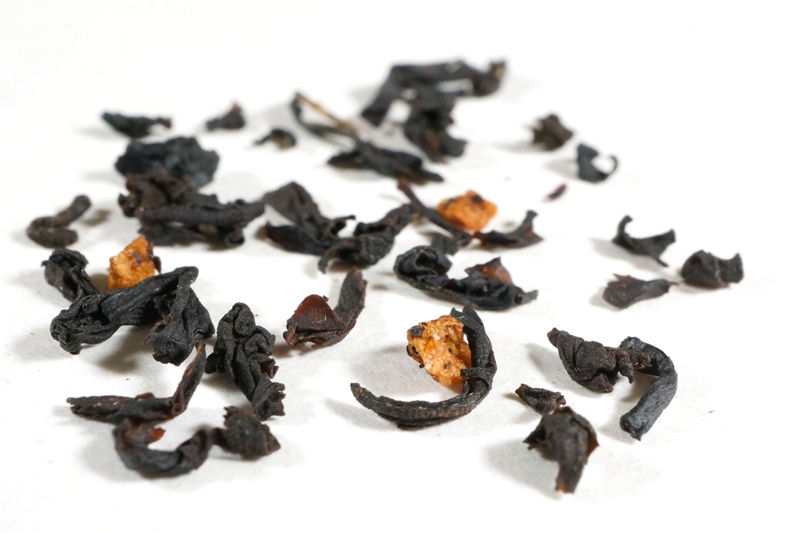
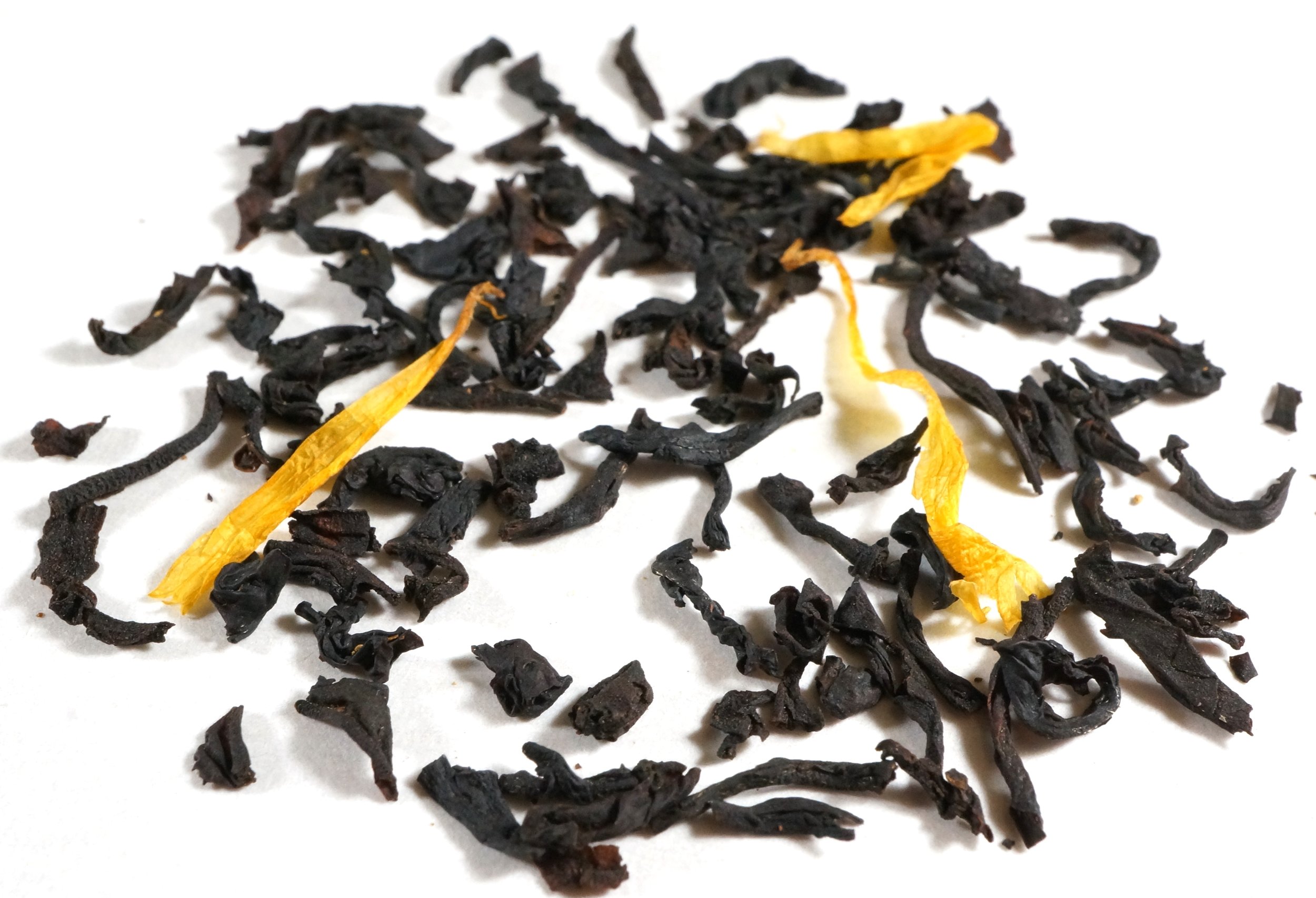

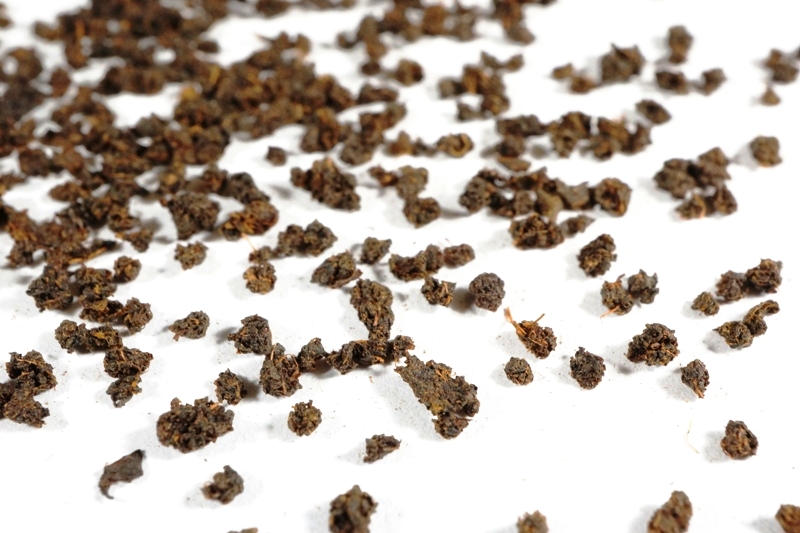

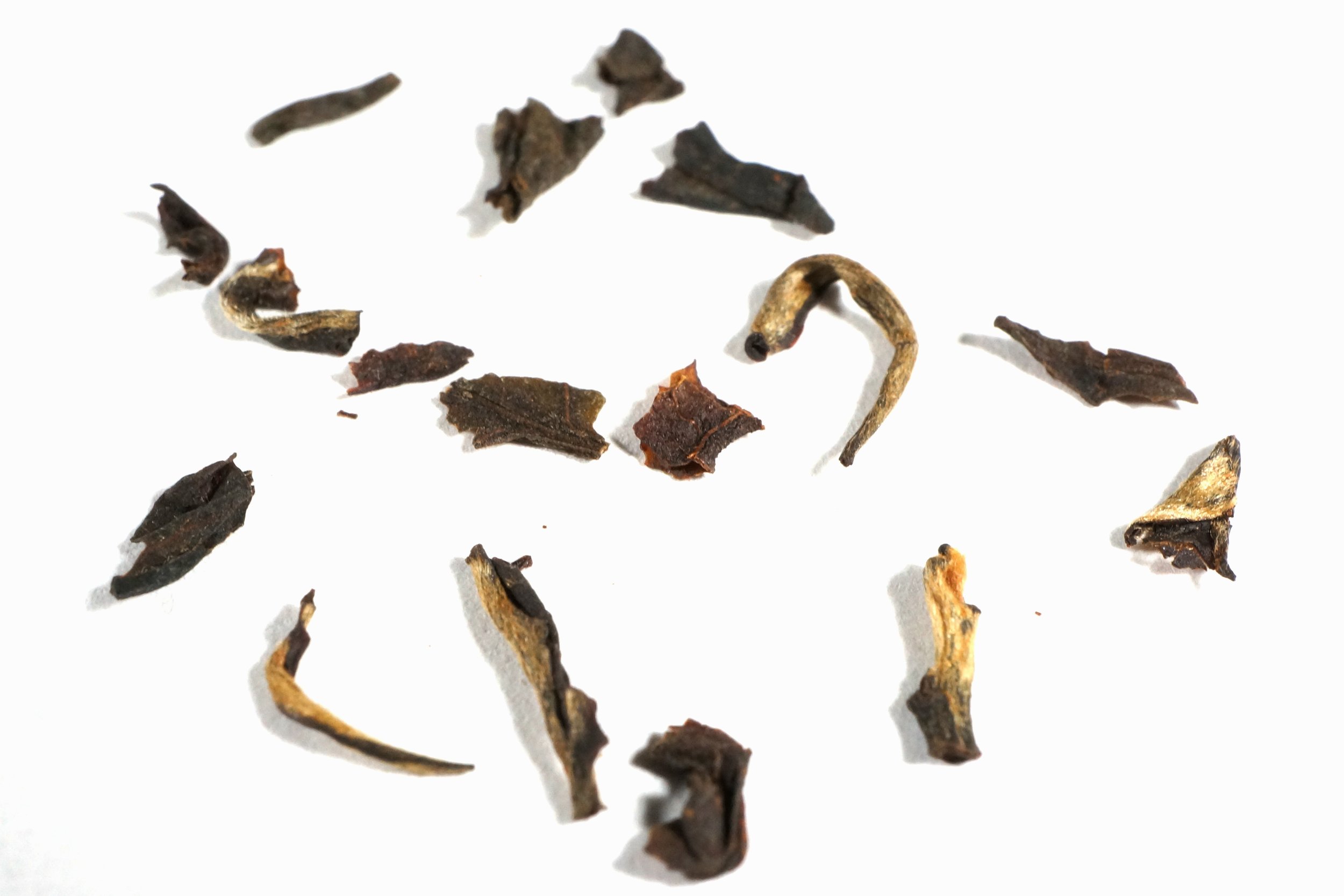
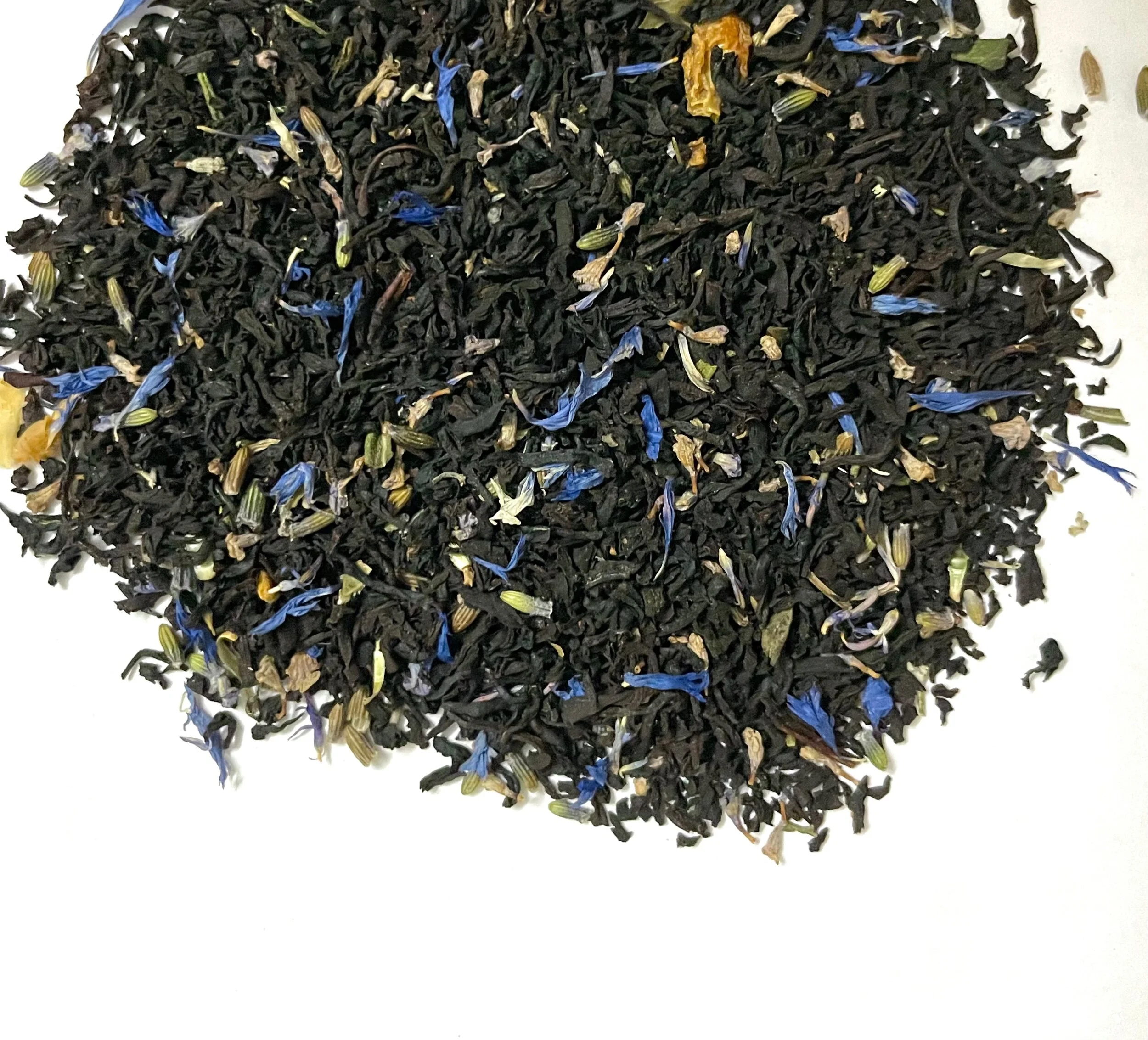
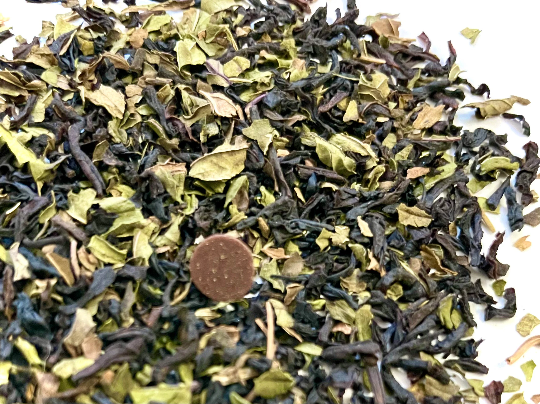


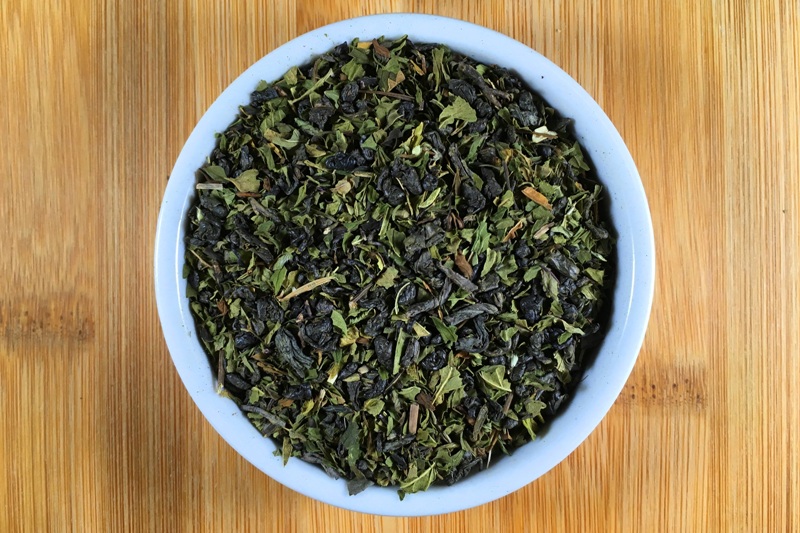


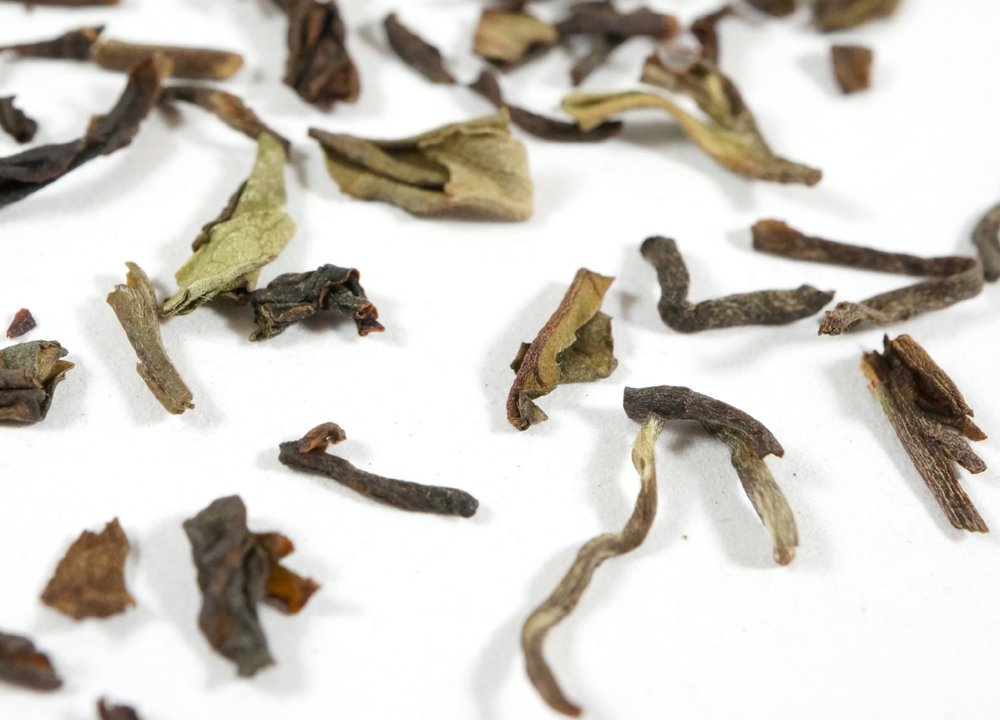


Brews a delicate tending astringent cup with the distinctive ‘Muscatel’ grape character. Hints of currant create an almost wine-like taste. We like it as an afternoon or a after-dinner tea.
Information: The bushes at Margaret’s Hope are almost entirely the Chinese Jat (genus) accounting for the green leafed tippy appearance of the manufactured leaf and the superb fragrance. Because the tea is grown at such high altitudes and in relatively cool weather the bushes do not grow quickly, and as such the production is limited. The best time of the year for quality is during ‘second-flush’ (end May - end June). During this time Darjeelings are incomparable to any other tea in the world. The fragrance and taste is a complex bouquet that reaches right out of the cup. Some would describe the taste as nutty; others find it reminds them of black currants, but most often it is described as similar to the taste and fragrance of muscat grapes.
Country of Origin: India Manufacture Type: Orthodox
Grade: TGFOP (Tippy Golden Flowery Orange Pekoe)
Altitude: 6800 feet above sea level
Infusion: Bright tending light