
Assam, Darjeeling, Ceylon and Kenya: A Simple Guide to Black Tea by Region
Every true black tea comes from the same plant, Camellia sinensis. So why does one cup taste bold and malty, while another is light, flowery and almost grape-like? A big part of the answer is where the tea grows. Altitude, climate, the variety of tea plant and the way each region processes its leaves all leave a mark on the cup. Here's a simple tour of four of the world's great black tea regions, what to expect from each, and how to brew them.
Why Region Matters
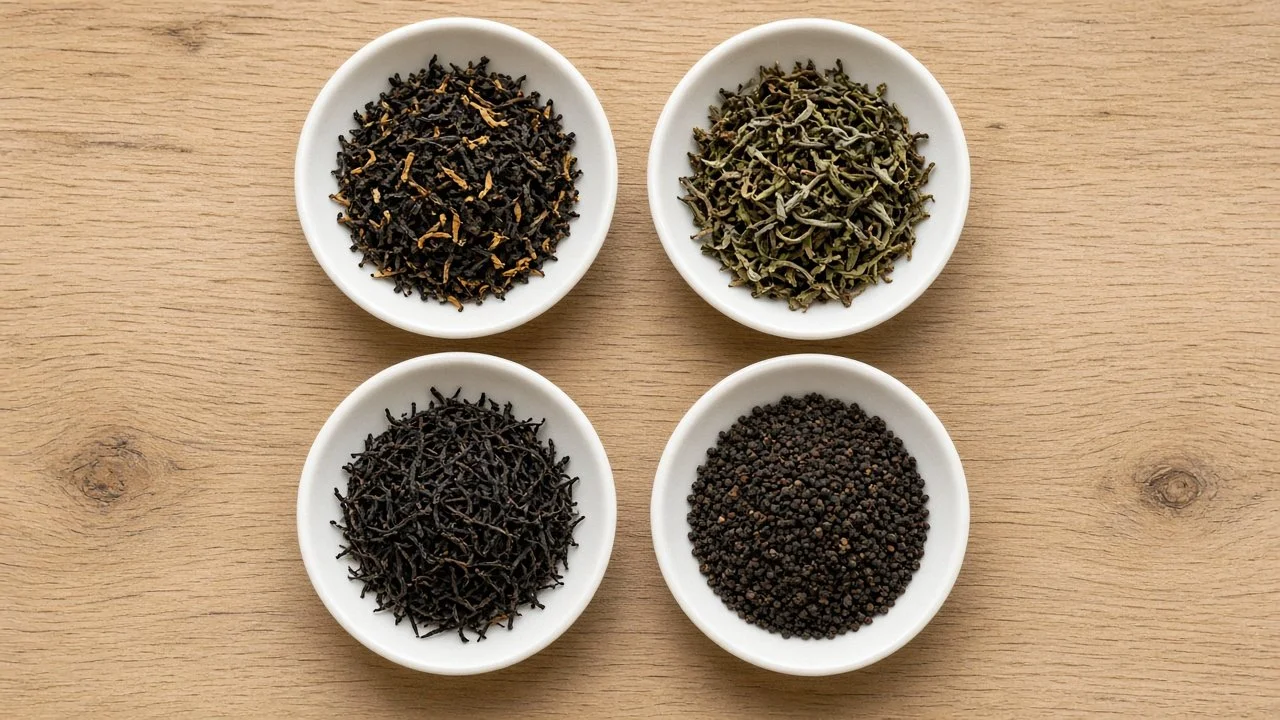
Think of tea regions the way you might think of wine regions. A few things make the biggest difference:
- Altitude: Teas grown high in the mountains grow slowly in cool air. They tend to be lighter, brighter and more aromatic. Lowland teas grown in heat and humidity tend to be fuller and bolder.
- The tea plant: Some regions grow the large-leaf Assam variety (Camellia sinensis var. assamica), known for strength. Others grow the small-leaf China variety, known for delicacy and fragrance.
- Processing: Whole-leaf "orthodox" teas brew a more nuanced cup, while finely cut teas brew quickly and strongly. (Curious about letters like OP and TGFOP on a label? See our guide to black tea grades.)
Assam: Bold, Malty and Made for Milk
Assam, in northeast India, is a lush, low-lying region along the Brahmaputra River. The tea plant was growing wild there, and used by local people, long before the outside world took notice. It was later identified as its own large-leaf variety, and the first Assam tea was auctioned in London in 1839.
What it tastes like: full-bodied, malty and brisk, with a coppery cup. Assam is the backbone of many breakfast blends; our Irish Breakfast, for example, is a blend of Assam and Kenya teas.
Try: Assam Hunwal, a well-balanced orthodox Assam (FBOP grade) with the classic malty character and a softer, more delicate finish than a typical Assam. It's lovely plain or with a few drops of milk.
Darjeeling: Light, Fragrant and Muscatel
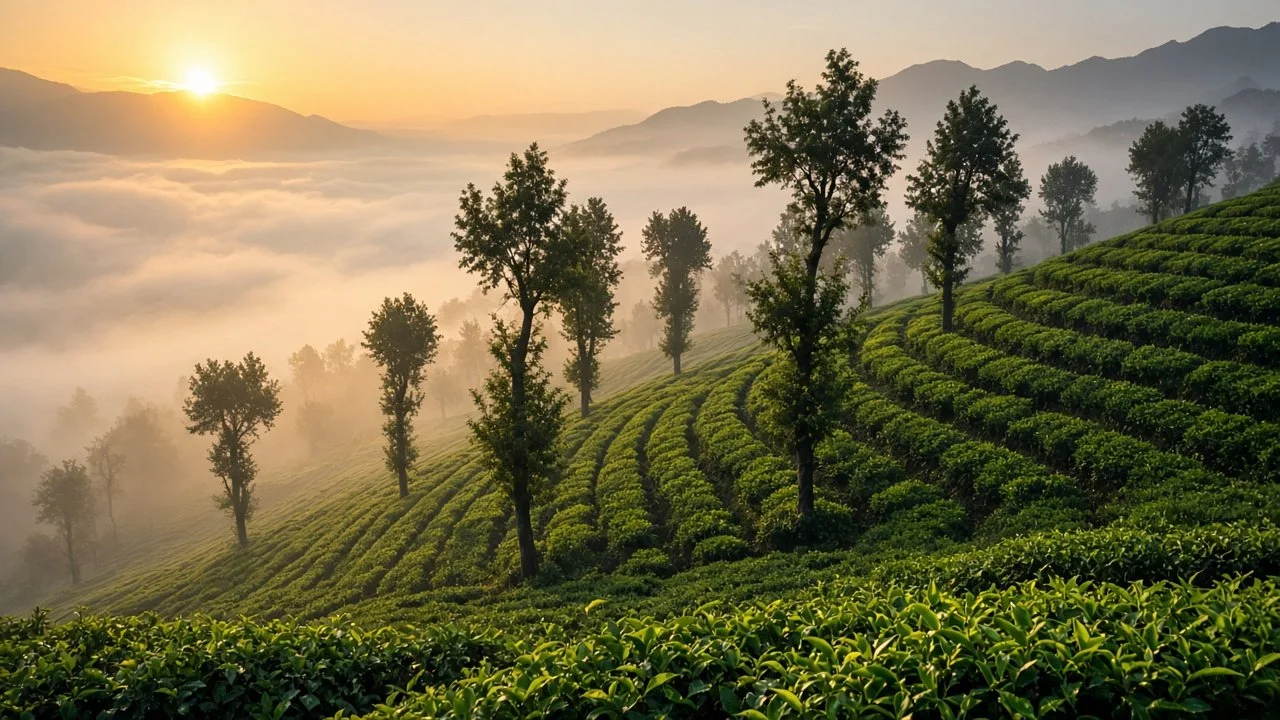
High in the Himalayan foothills of West Bengal, Darjeeling is a very different place. Tea arrived here in 1841, when Dr. Archibald Campbell planted Chinese tea seeds near his home, and the cool mountain climate suited the small-leaf China plant. Many Darjeeling gardens sit at striking heights; our Darjeeling Sungma and Darjeeling Margaret's Hope are both grown at 6,800 feet.
What it tastes like: lighter-bodied and aromatic, often with the famous "muscatel" note that many people compare to muscat grapes. Darjeeling is also known for its harvests, or flushes. Spring teas are light and fresh, and summer second-flush teas are fuller and fruitier. (Our flush guide explains more.)
Try: Darjeeling Sungma, a TGFOP-grade Darjeeling with a muscat grape aroma, a fruity, slightly spicy taste with hints of honey, and a nice sweet finish. We enjoy Darjeeling without milk so its fragrance can shine.
Ceylon: Bright and Lively, Shaped by Altitude
Sri Lanka has been called Sri Lanka since 1972, but its tea is still sold worldwide as "Ceylon." The island was once covered in coffee plantations, until coffee rust destroyed them in the 1870s and planters turned to tea. Scottish planter James Taylor had planted the island's first tea field, near Kandy, in 1867.
Today Sri Lanka recognizes seven tea-growing regions, and altitude is the key to their differences:
- High-grown teas, from up around Nuwara Eliya, are light, bright and floral.
- Medium-grown teas are rounder and smoother, often with a gentle maltiness.
What it tastes like: brisk, clean and lively. Ceylon is a natural match for a slice of lemon, and its bright character makes excellent iced tea.
Try: Ceylon Lover's Leap, a high-grown Orange Pekoe from 6,000 to 8,500 feet, among the highest elevations for Ceylon tea. It brews a bright, coppery cup with lovely floral notes and a lively finish.
Kenya: Full-Bodied and Lively
Kenya is the youngest region on our list and one of the most important. The first tea bushes were planted experimentally at Limuru in 1903, commercial estates followed in the 1920s, and today Kenya is the world's largest exporter of black tea. Its highland gardens sit close to the equator, so tea can be plucked year-round, and most is grown at high elevations, where cool nights help develop flavor.
What it tastes like: rich, bright and brisk, with a coppery cup and plenty of body. Much of Kenya's tea is finely cut for tea bags, but some estates also make whole-leaf orthodox teas.
Try: Kenya Milima, an orthodox GFBOP grown at 6,000 feet. It's malty but lively, with floral notes and real thickness in the cup, and it's wonderful plain or with milk.
How to Brew Black Tea by Region
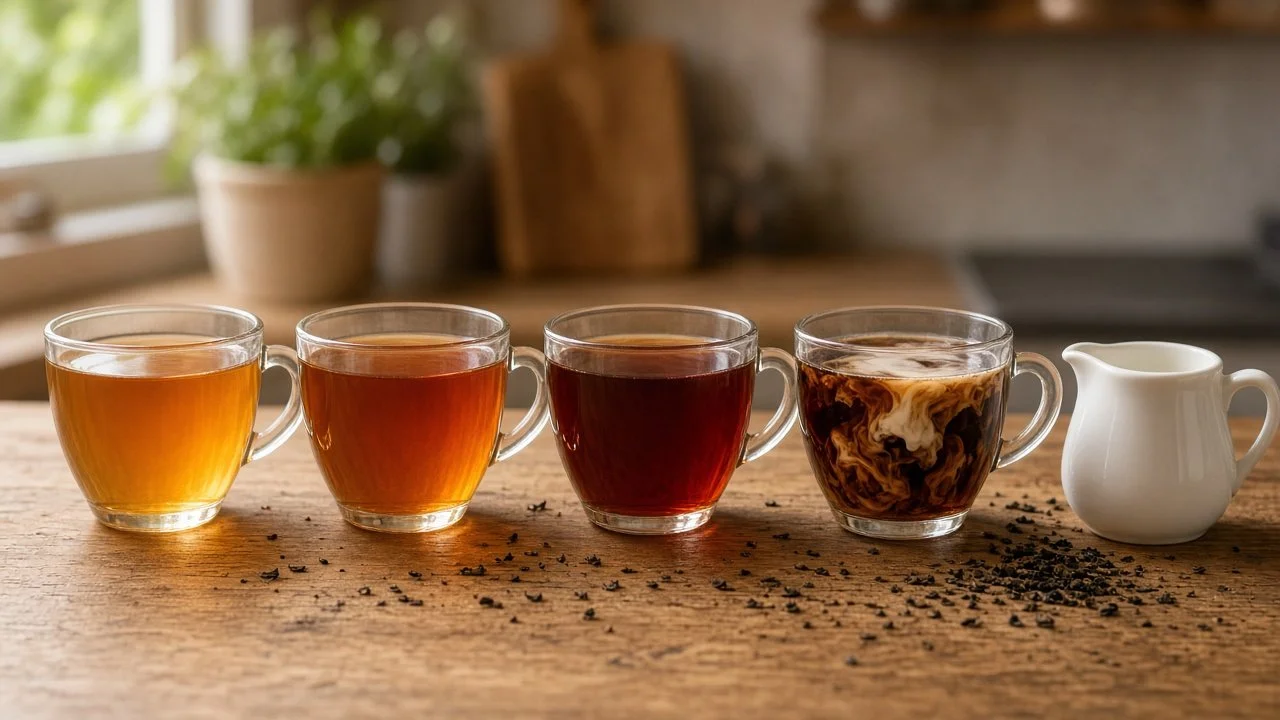
Most black teas love freshly boiled water, but Darjeeling does best a little cooler. As a starting point, per 8 oz of water:
| Region | Tea | Water | Steep time |
|---|---|---|---|
| Assam | 1 rounded teaspoon | 205–212°F | 3–5 minutes |
| Darjeeling | 1 rounded teaspoon | 195–205°F | 3–4 minutes |
| Ceylon | 1 rounded teaspoon | 205–212°F | 3–5 minutes |
| Kenya | 1 rounded teaspoon | 205–212°F | 3–5 minutes |
Taste as you go. A shorter steep keeps a cup smoother, and a longer one adds strength and briskness. If your tea turns harsh, try less time or slightly less leaf. Our brewing guide covers every tea type.
Which Region Should You Try First?
- If you take milk and like a strong cup: start with Assam or Kenya.
- If you like your tea plain, light and fragrant: try Darjeeling.
- If you like a bright cup, with lemon or iced: go for a high-grown Ceylon.
The best way to really taste the difference is side by side. Brew small cups of two or three regions at the same strength, sip them one after another, and notice the body, aroma and finish of each. You may be surprised how much a place can say through a single leaf.