
On a cold late-November evening, it's easy to take the tea in your cup for granted. But for about two centuries after tea reached Europe, nearly all of it came from China, and very few outsiders had ever seen how it was grown or made. One Scottish gardener, Robert Fortune, changed that. His trips into China's tea country in the 1840s and 1850s helped move tea growing to India, and the story still shapes what we drink today.
Double-click to edit...
Who Was Robert Fortune?
Robert Fortune was born in Berwickshire, Scotland, in 1813. He trained as a gardener, worked at the Royal Botanic Garden Edinburgh, and later worked in the Royal Horticultural Society's garden at Chiswick, near London. After the First Opium War ended in 1842, the society sent him to China to collect plants. That first trip began in 1843 and lasted about three years.
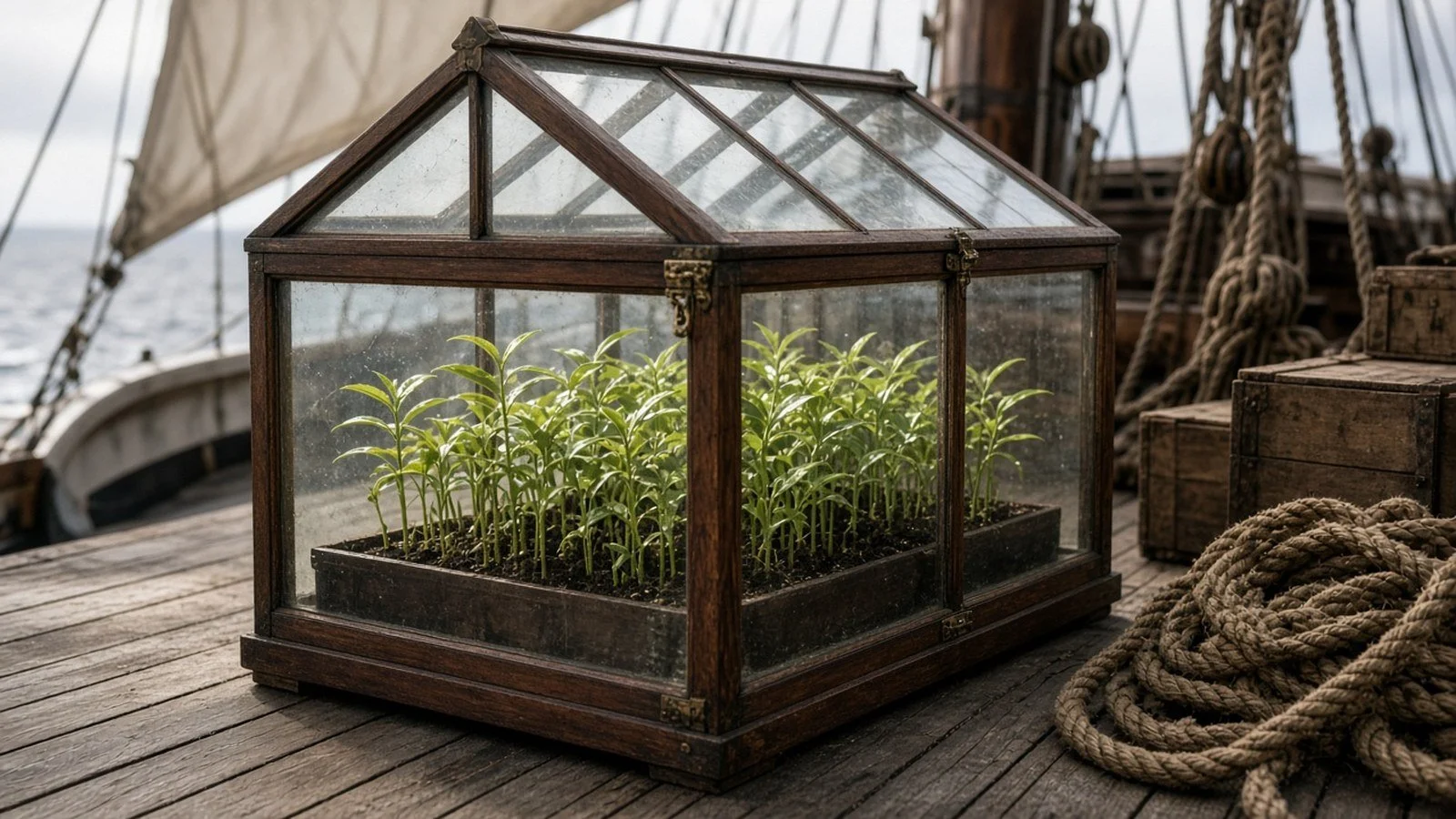
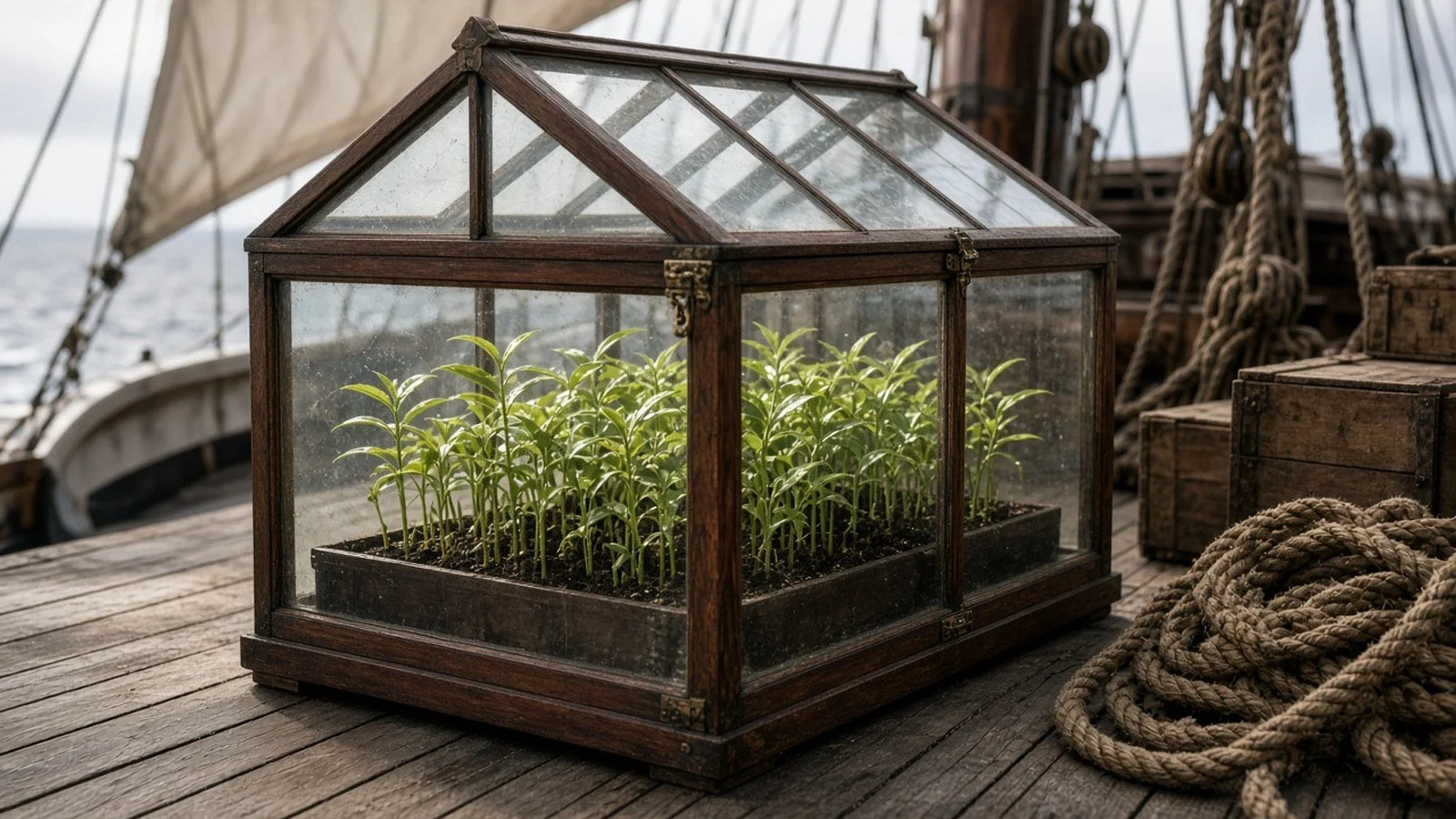
Fortune was a plant hunter first. Many garden plants he brought to Britain are still familiar, including the kumquat, the Japanese anemone and several azaleas and chrysanthemums. He carried them home alive in Wardian cases, sealed glass boxes that worked like small portable greenhouses and kept plants alive on long sea voyages.
Green Tea and Black Tea Come from the Same Plant
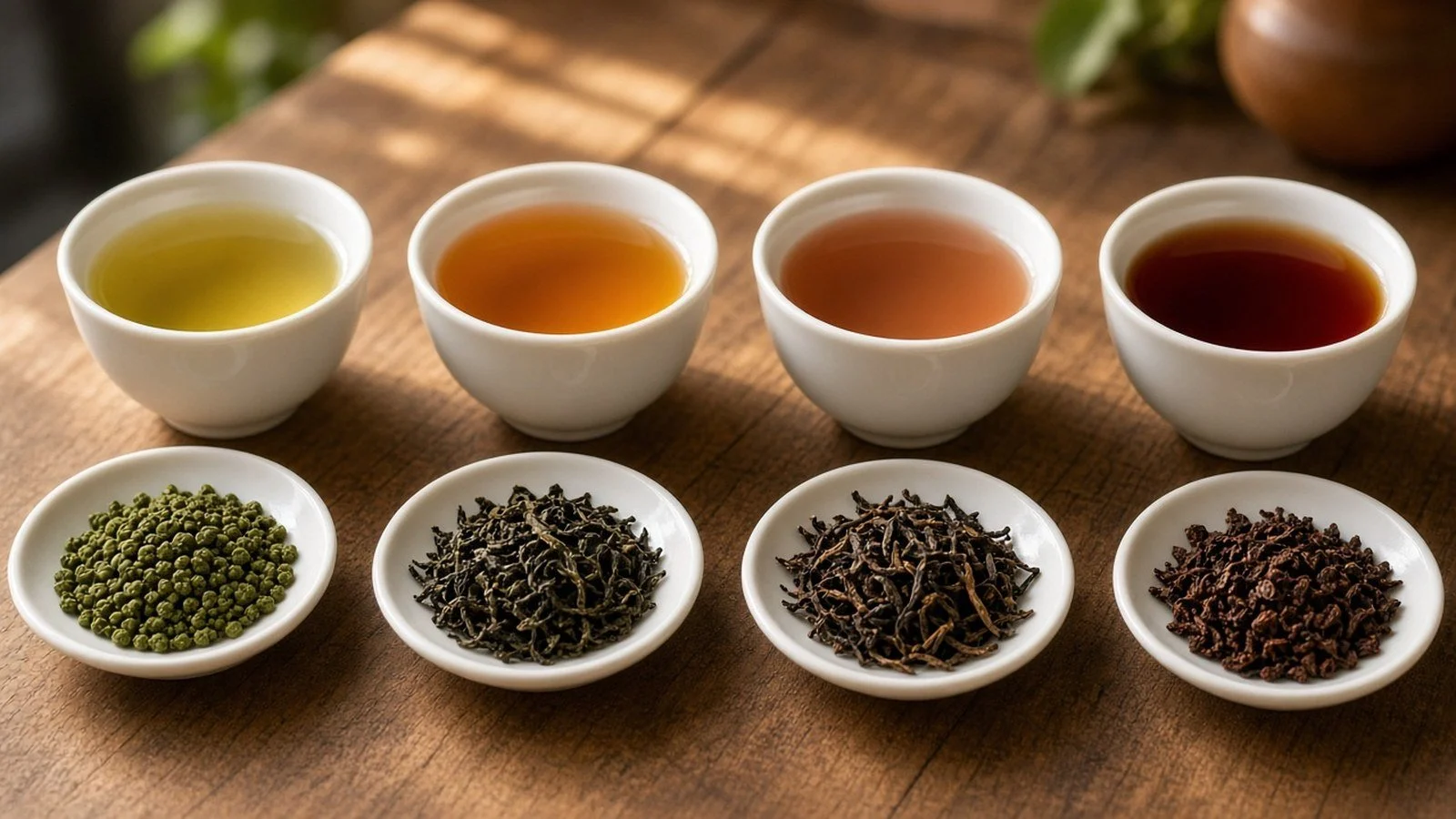
On that first trip, Fortune made a discovery that every tea drinker benefits from today. At the time, many European botanists believed green tea and black tea came from two different plants. Fortune visited gardens that made each kind and found the bushes looked the same. He concluded that the difference came from processing, not from the plant. Black tea leaves are oxidized, and green tea leaves are not.
It took time for his colleagues to accept this, but they did. The tea plant is now known as Camellia sinensis, and every true tea, from a pale green to a dark, malty black, comes from it.
The 1848 Mission for the East India Company
By the 1840s, the British East India Company had lost its monopoly on the China tea trade and was experimenting with tea gardens in India. It needed good plants and people who knew how to make tea. In 1848, the Company hired Fortune to go back to China and collect the finest tea plants and seeds, along with tea makers and their tools, for its gardens in the Himalayas.
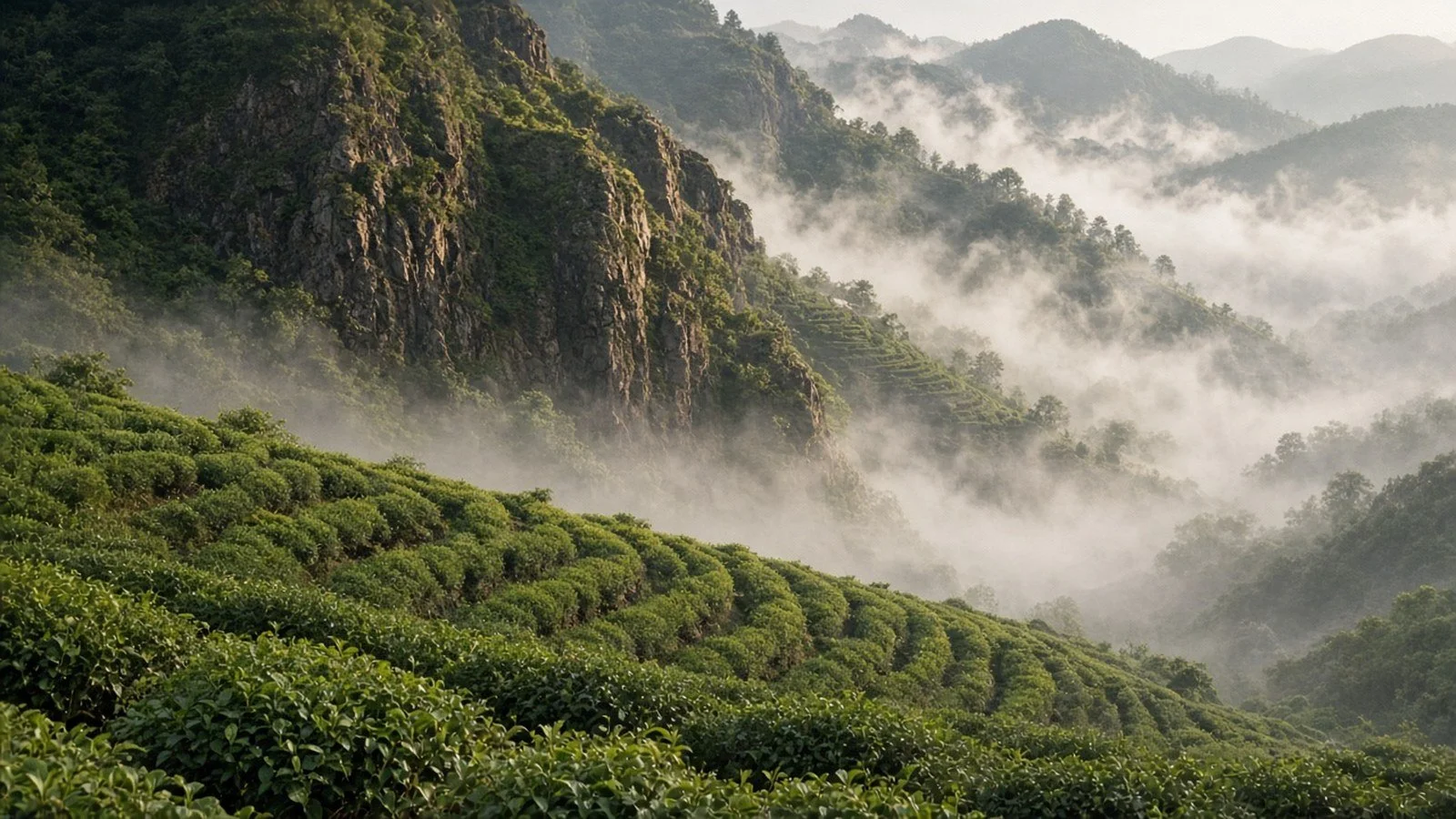
Much of the tea country he wanted to see was off-limits to foreigners. According to Kew Gardens and Sarah Rose's history of the trip, For All the Tea in China, Fortune shaved his head, wore a braided pigtail and dressed in Chinese clothing so he could travel inland. His trips took him to famous tea districts, including the green tea country of Sung-lo and the Bohea hills, the old English name for the Wuyi Mountains of Fujian. Wuyi is still celebrated for its toasty, full-bodied oolongs, like our Wuyi Oolong.
A Surprise in the Green Tea Factory
Fortune also watched closely as tea was made. He described leaves being heated in large iron pans, rolled by hand "like a baker working and rolling his dough," and then fired again. In one green tea factory, he noticed that the workers' hands were blue. As Rose tells it, he found they were coloring tea meant for export with Prussian blue and gypsum, because buyers abroad seemed to want their green tea to look evenly green. The Chinese did not color the tea they drank themselves. Fortune collected samples of the colorings, which Rose says were later shown at London's Great Exhibition of 1851.
Today, a good green tea is never dyed. The color in a classic Chinese green like our Gunpowder Green Tea comes from the leaf itself and from careful pan-firing.
Wardian Cases and Sprouting Seeds
Getting live tea plants to India was the hard part. Tea seeds don't stay alive long, and earlier attempts, including his own, to send them packed in bags, boxes or dry earth had little success. Fortune's answer was simple: sow the seeds in Wardian cases soon after picking them, so they could sprout on the voyage. In his own account, the seeds germinated at sea, and the cases arrived in Calcutta covered with young tea seedlings. To lower the risk of losing everything, he sent the plants on several different ships.
In 1851, Fortune delivered about 2,000 plants and 17,000 sprouting seeds to the Company's North Western Provinces in the Himalayan foothills. In his book A Journey to the Tea Countries of China (1852), he wrote that upwards of twenty thousand tea plants, eight skilled Chinese tea makers and a large supply of tools reached the Himalayas safely.
Did Fortune Make India a Tea Country?
This is where the popular legend gets too simple. Fortune was not the first person to bring Chinese tea plants or seeds to India, and he did not start India's tea industry on his own.
Tea was already growing wild in Assam, where local people, including the Singpho, made a brew from it. British officials confirmed it was a tea plant in 1834. Today we call it Camellia sinensis var. assamica, a large-leaf variety suited to Assam's hot, wet lowlands. The first Assam tea reached London in the late 1830s. Within a few decades, Assam, not the northwestern Himalayan gardens Fortune supplied, became the heart of Indian tea. Our Assam Hunwal is a good example of the bold, malty cup that region is known for.
The smaller-leaf China plant did find a good home in the cool mountains of Darjeeling, where it produces light, aromatic teas like our Darjeeling Castleton. Tea planting in Darjeeling began in 1841, before Fortune's mission, and accounts differ on how much Darjeeling's bushes owe to the seedlings Fortune brought. What is clear is that the Chinese plants, tea makers and methods he gathered gave the young Indian industry a big push.
It's also important to remember the human side of this story. Kew Gardens notes that clearing forest for India's tea plantations cost many lives, and that the profits mostly went to the British. Fortune's mission, often called a heist, was a turning point that ended China's near-monopoly on tea. Some see it as a plant-hunting adventure and others as industrial theft, and both views are part of the history.
Taste the Story at Home
You can trace Fortune's journey in three cups. Brew each one following our tea brewing guide, then taste them side by side:
- A Chinese green tea, like Gunpowder. Use water that is hot but not boiling, and taste unoxidized leaf, the kind Fortune watched being pan-fired.
- A Wuyi oolong from the Bohea hills he visited. Partly oxidized and roasted, it sits between green and black.
- A Darjeeling and an Assam, side by side. Both are fully oxidized black teas, but the Darjeeling comes from the smaller China-type plant and the Assam from the native large-leaf variety. Taste how delicate one is and how bold the other is.
It's a simple way to taste Fortune's big discovery: one plant, many teas. You can explore more in our black tea collection, and our Thankful Cup Sale takes 20% off sitewide through Monday, November 30, applied automatically at checkout.
Happy sipping!