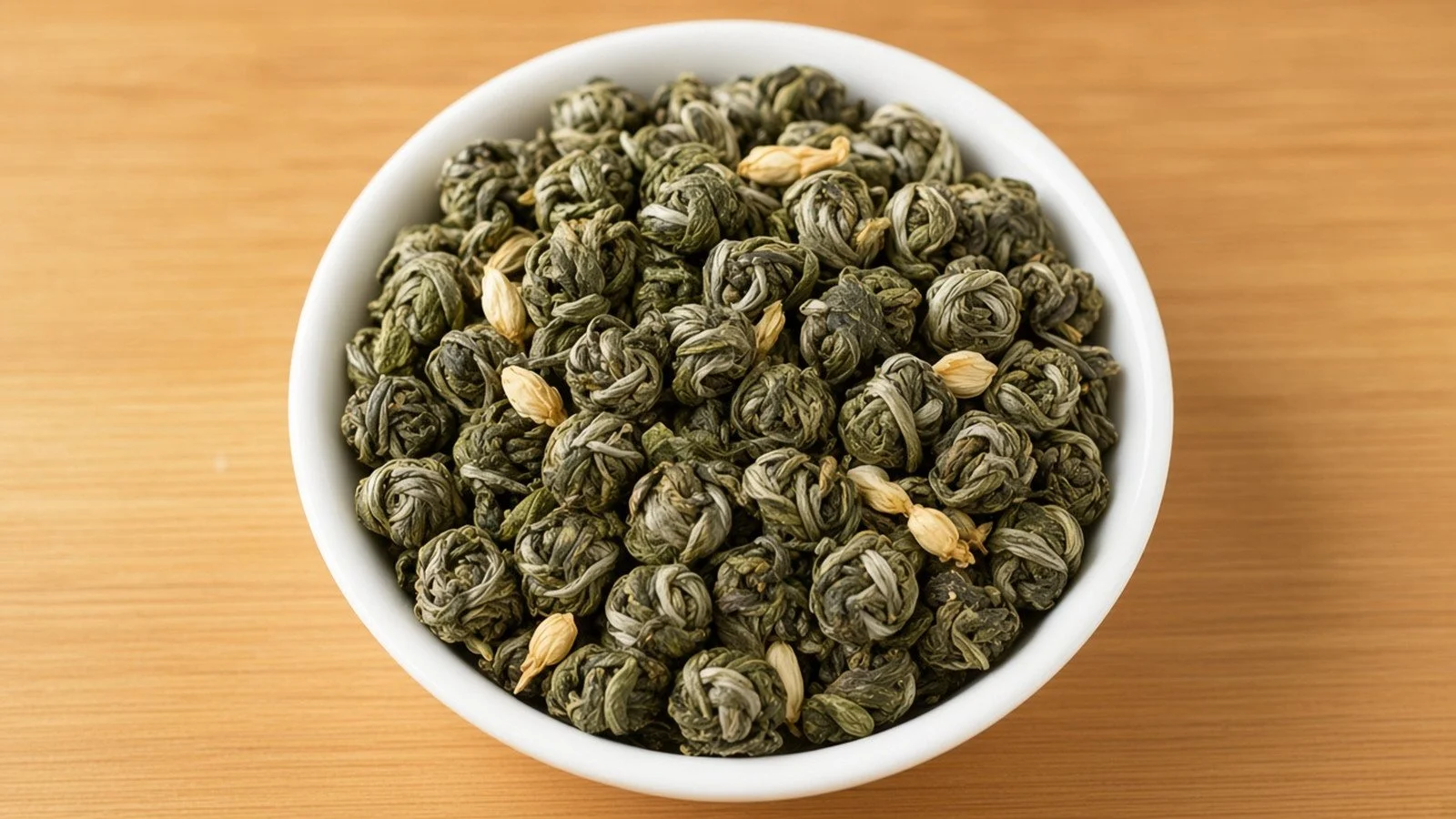
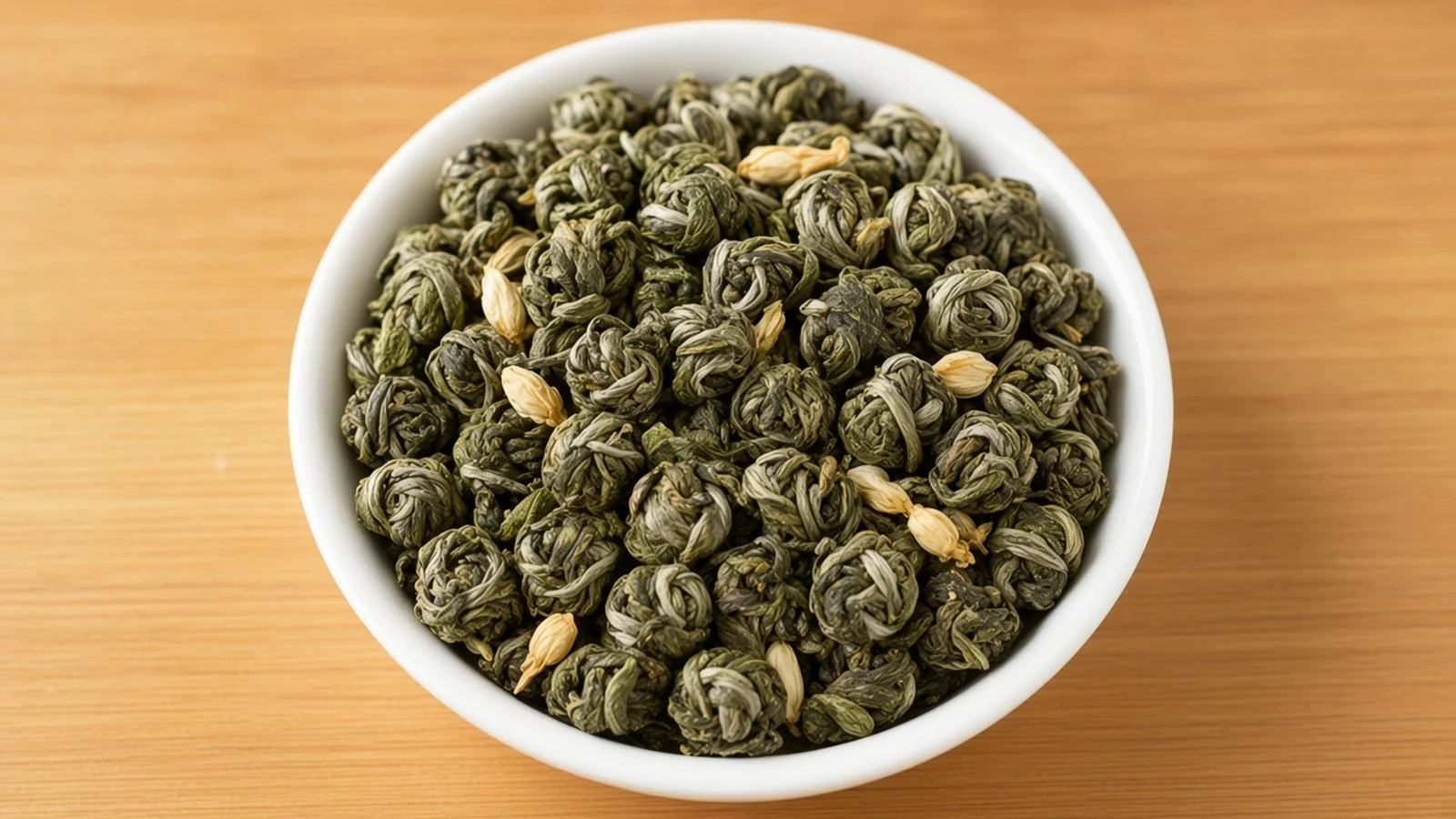
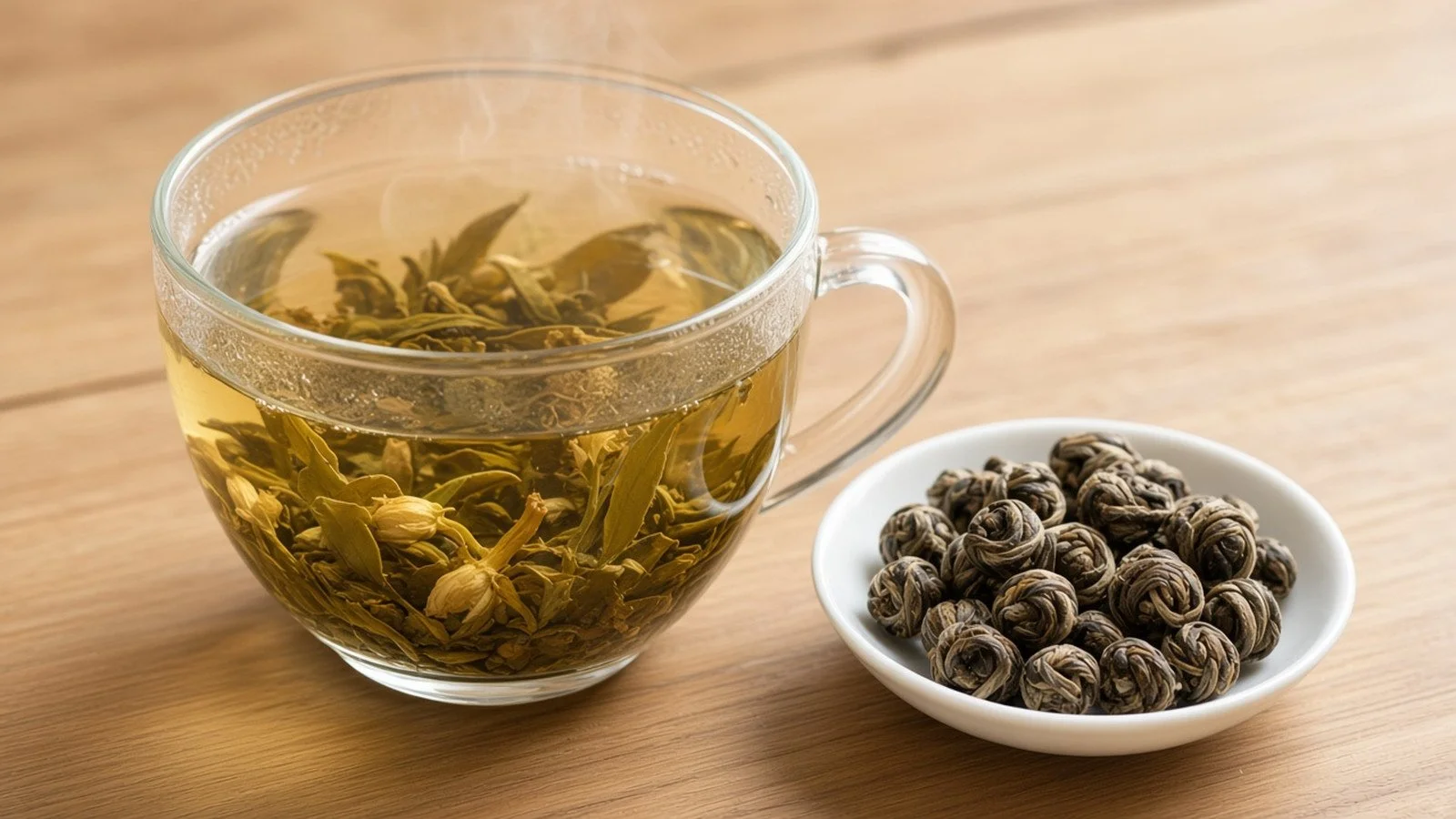
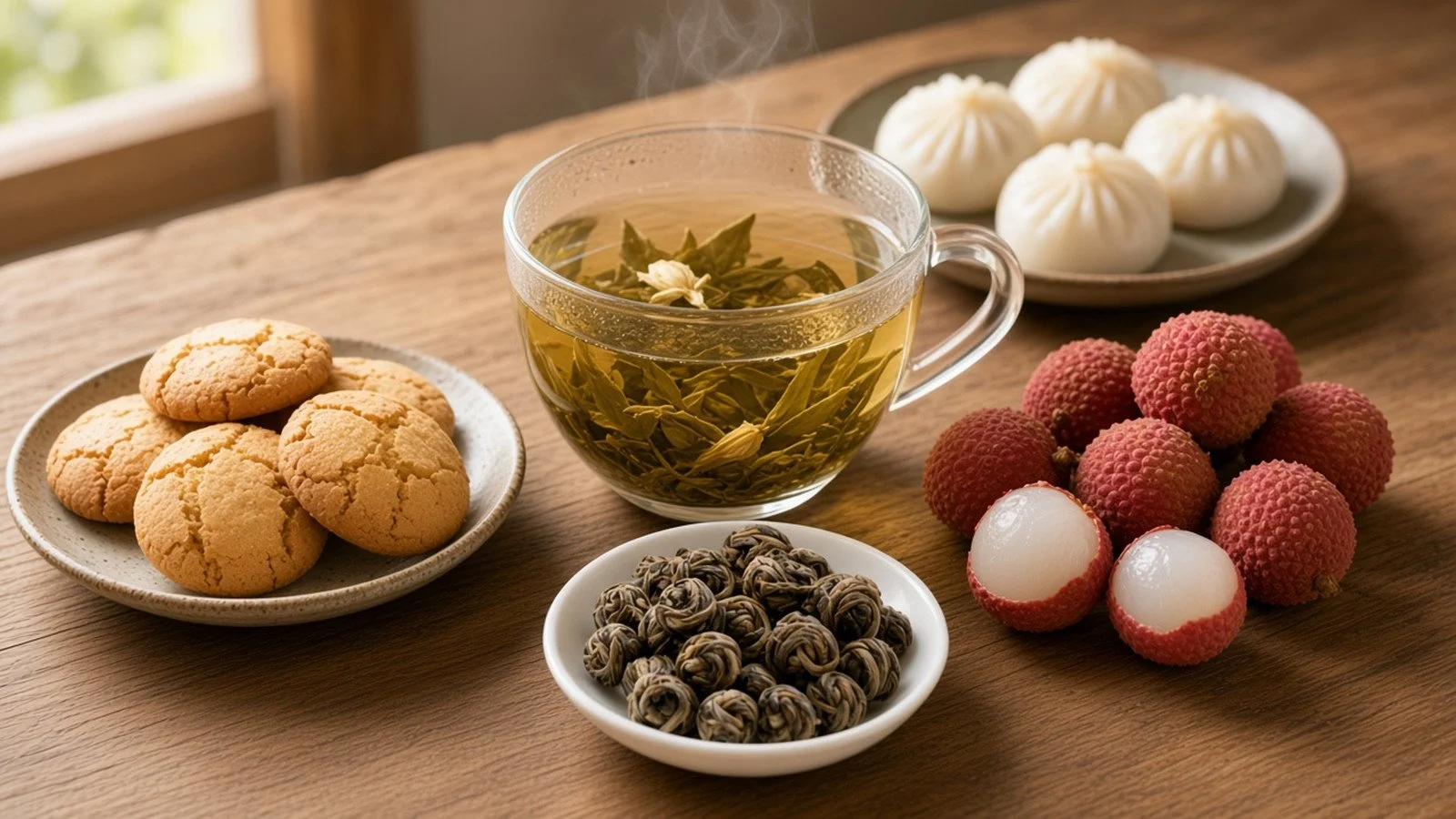
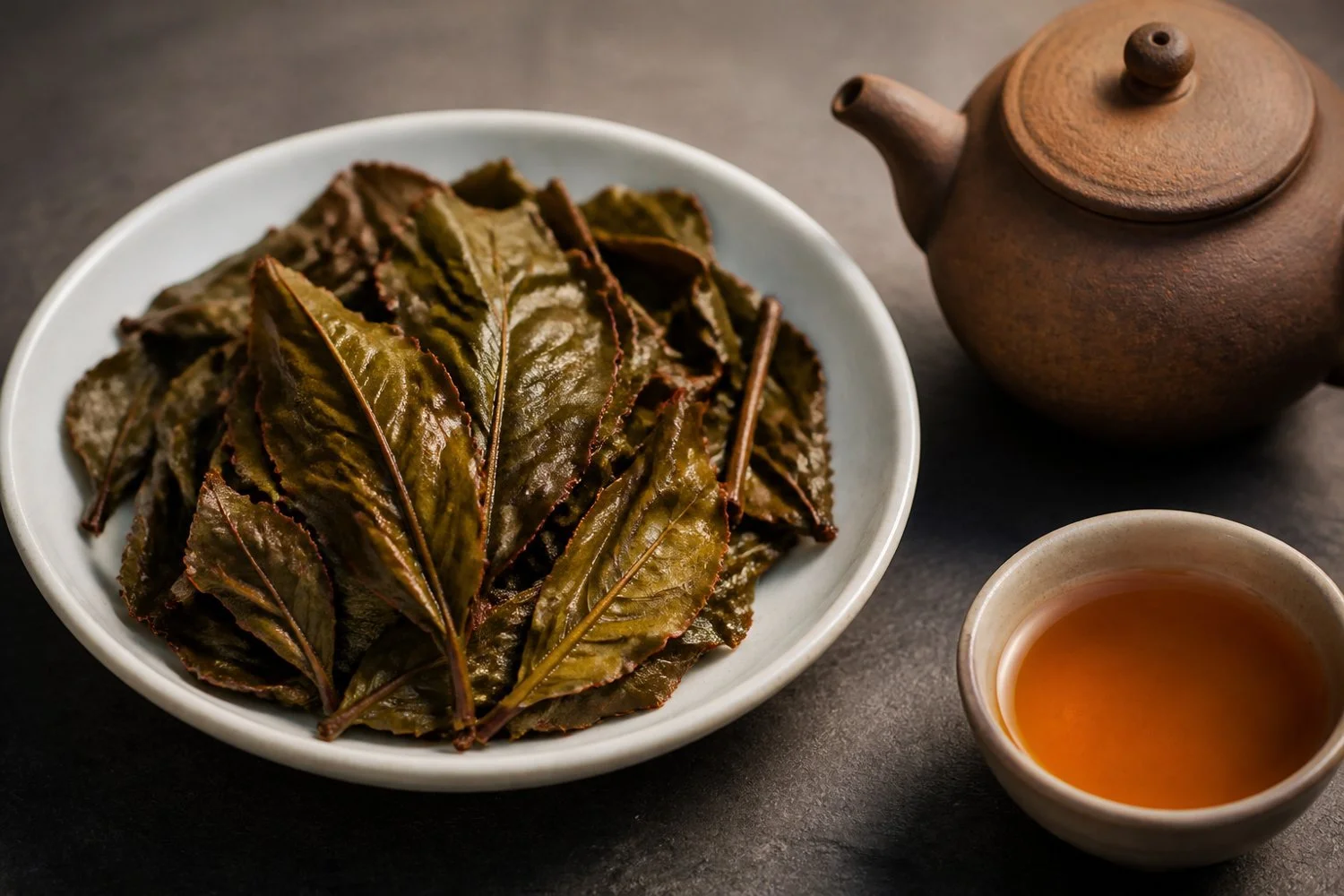
Posts tagged Chinese tea
Bi Luo Chun (Green Snail Spring): A Delicate, Hand-Rolled Green Tea from Lake Tai

Take a close look at a spoonful of Bi Luo Chun and you'll see why it's one of China's most famous green teas. The leaves are hand-rolled into tiny, tight spirals, and many are covered in soft, silvery-white down. Our Bi Luo Chun brews a pale green cup that is fresh and delicate, with floral and nutty notes and a soft, earthy depth. If you enjoy gentle green teas, this one is well worth getting to know. Here's where it comes from, how its name came about, how it tastes and how to brew it well.
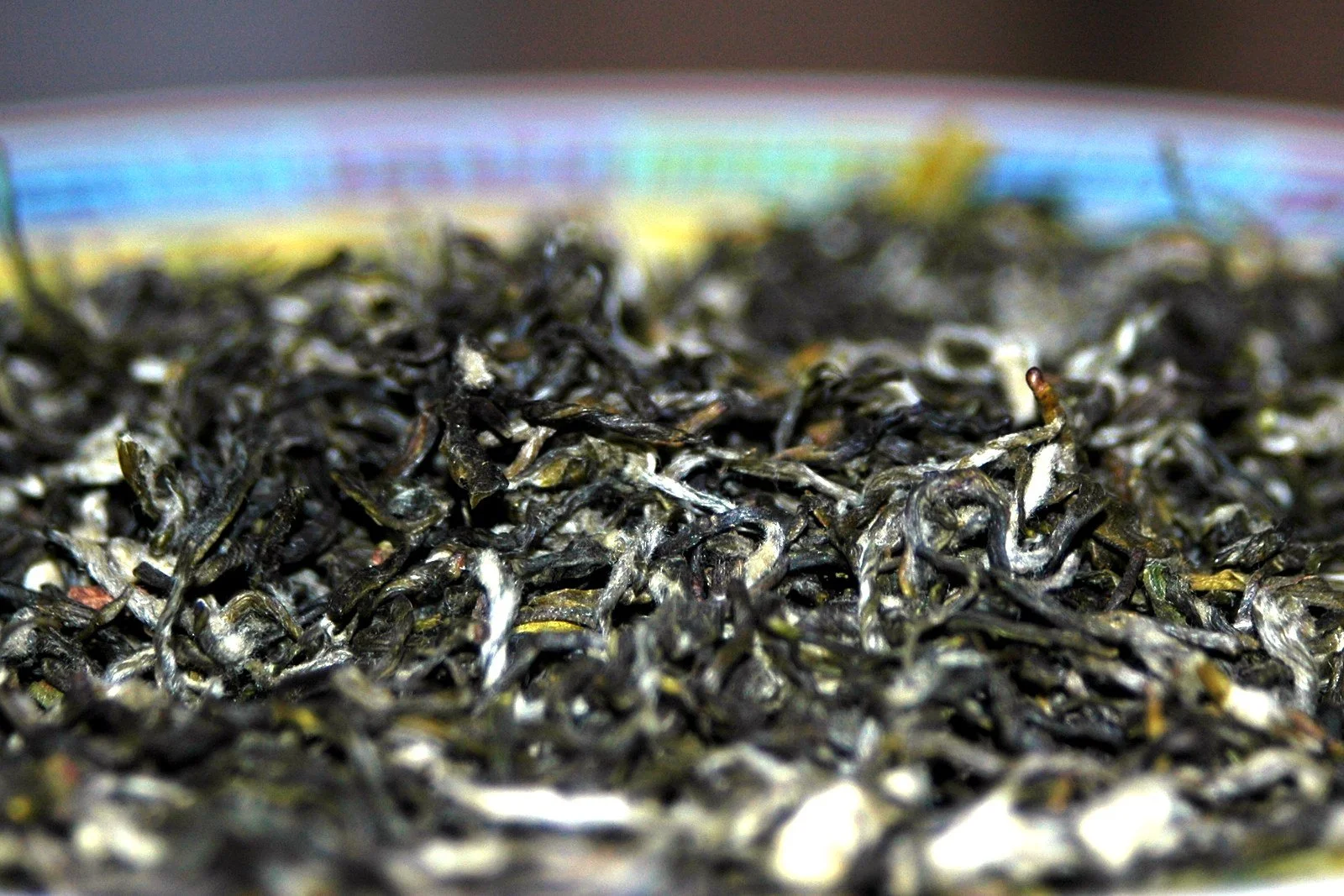
Loose Bi Luo Chun green tea with curled dark green leaves and silvery down on a plate

Where Bi Luo Chun Comes From

Bi Luo Chun comes from the Dongting hills near Lake Tai, in Jiangsu Province in eastern China, not far from the city of Suzhou. The area has two main tea-growing hills, Dong Shan (East Mountain) and Xi Shan (West Mountain), and tea from these hills is traditionally considered the best. Similar teas are also made in other provinces, and in Taiwan, but the Dongting hills are its traditional home.

What Does "Bi Luo Chun" Mean?

The Chinese name bì luó chūn (碧螺春) means "green snail spring." Each part of the name describes the tea itself:

  • Green for the color of the leaves.

  • Snail for the tight spiral the leaves are rolled into, which looks a little like a snail shell.

  • Spring for the early spring harvest.

From "Scary Fragrance" to "Green Snail Spring"

Bi Luo Chun has one of China's best-loved tea stories. Local tradition says the tea was once called xià shà rén xiāng, which means something like "scary fragrance," because its aroma was so surprisingly strong. According to a Qing dynasty account, when the Kangxi Emperor visited the Lake Tai area in 1699, he found that name unbecoming and gave the tea the more elegant name it carries today.
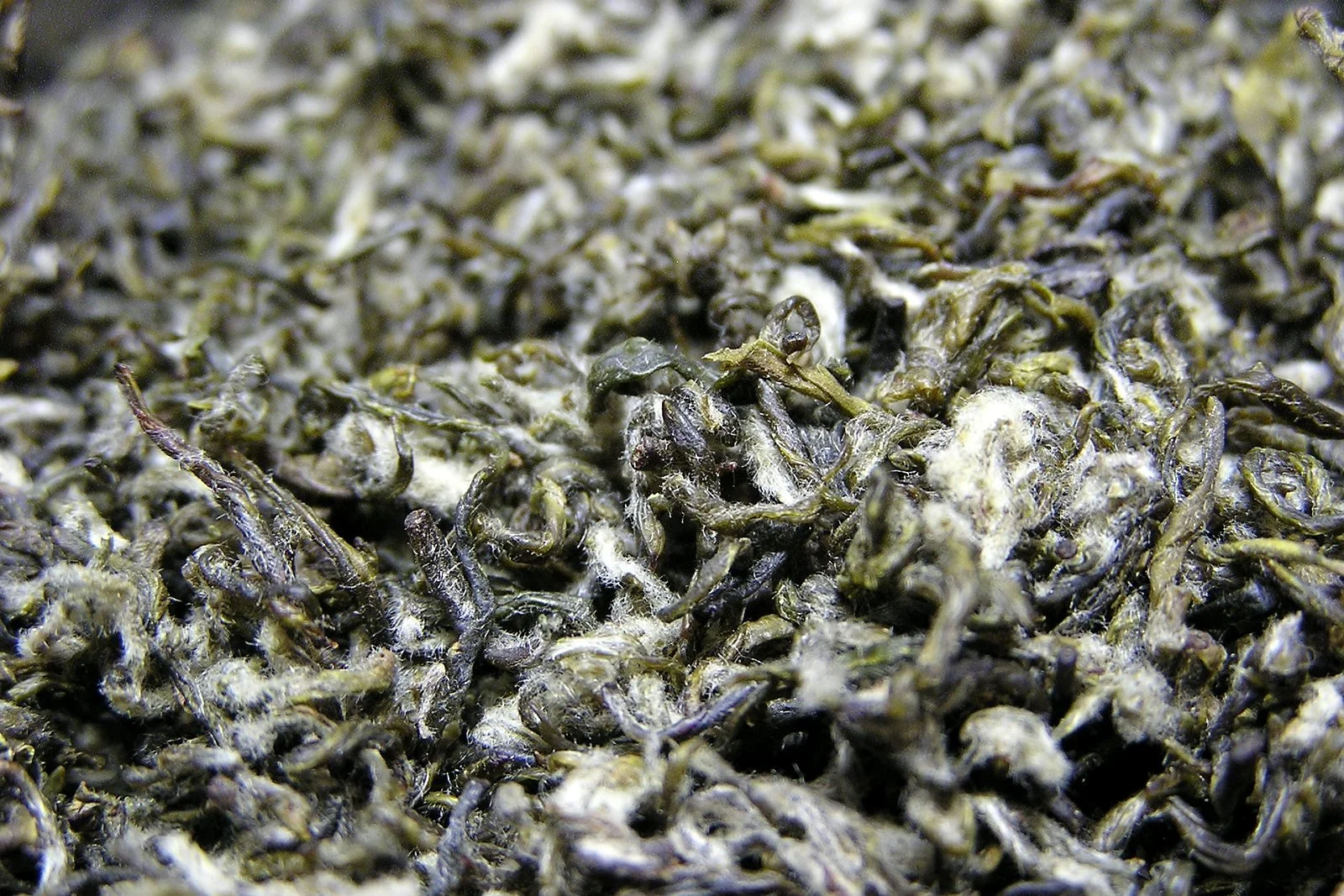
Close-up of Bi Luo Chun green tea showing small curled leaves covered in white down

How Bi Luo Chun Is Made

Like all true teas, Bi Luo Chun comes from the Camellia sinensis plant. It is a green tea, which means the fresh leaves are heated soon after picking to stop oxidation and keep their fresh, green character.

What sets Bi Luo Chun apart is how small and tender the leaves are. Our Bi Luo Chun is made from the finest tender buds, gathered and processed entirely by hand. The picking window is very short, from late March to early April, when the new buds are at their most tender. By one count, a single kilogram of Dongting Bi Luo Chun holds around 14,000 to 15,000 tiny tea shoots. After heating, each leaf is rolled by hand into its signature spiral and then dried.

When you look at the dry leaf, here's what to notice:

  • Tight spirals: the small, curled leaves are the "snail" in the name.

  • Silvery down: fine white hairs cover many of the buds, giving the tea a frosty look.

  • Mixed greens: expect deep green, gray-green and silvery tones together. That's normal for this tea.

What Bi Luo Chun Tastes Like

Bi Luo Chun brews a pale green cup that is fresh and delicate. The flavor is floral and slightly earthy, with gentle nutty notes and a clean, soft finish. Because of all that down, the cup can look a little hazy. That's a natural sign of a downy, bud-rich tea, not a flaw.

Like all true teas, Bi Luo Chun contains natural caffeine. The amount in any cup depends on how much leaf you use and how long you steep it.

How to Brew Bi Luo Chun

Bi Luo Chun is delicate, so cooler water and a short steep bring out its best. Here's our general guideline from the product page:

  • Tea: 1 teaspoon (about 2 to 3 grams) per 8 oz of water.

  • Water: 175 to 185°F. Avoid boiling water, which can make green tea bitter. If you don't have a variable-temperature kettle, let boiled water rest for several minutes before pouring.

  • Time: 2 to 3 minutes, then taste and adjust.

  • Re-steep: the same leaves can usually be steeped again, adding a little time for each cup. Our re-steeping guide has more tips.

Try brewing it in a clear glass cup or a glass teapot so you can watch the tiny spirals open up and drift in the water. A roomy infuser basket or one of our paper filters works well too. If your cup tastes bitter, the water was probably too hot or the tea steeped too long. Our post on why tea turns bitter walks through the easy fixes.

For an iced version, you can also cold brew Bi Luo Chun in the refrigerator. Our cold brew guide explains the steps.
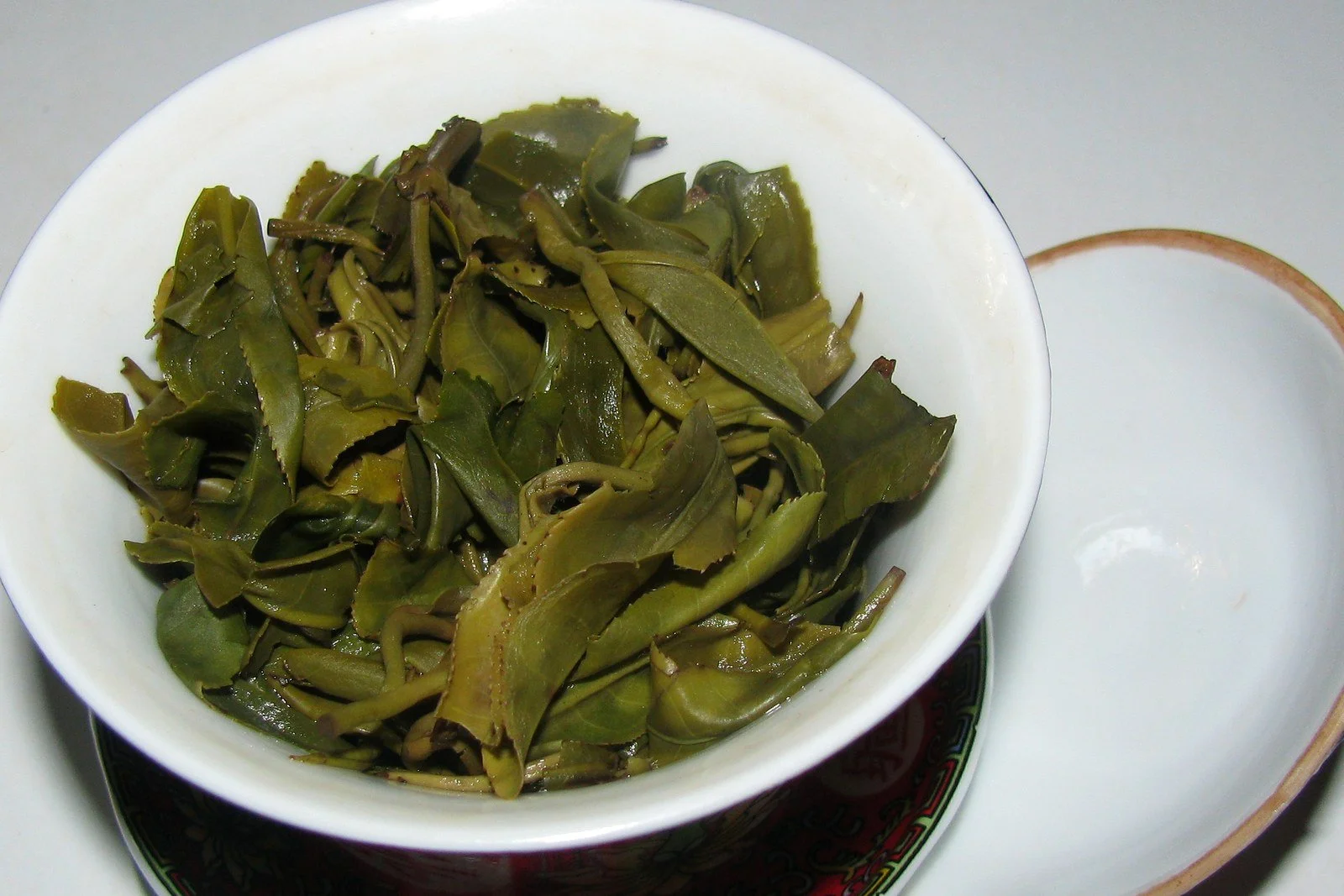
Brewed Bi Luo Chun leaves unfurled in a white gaiwan, with the lid resting beside it

What to Eat with Bi Luo Chun

Bi Luo Chun's delicate flavor shines with light foods that won't overpower it. Try it with:

  • Steamed seafood

  • Fresh vegetables

  • A light fruit dessert

For more ideas by tea type, see our Tea and Food Pairing for Beginners guide.

Who Will Love Bi Luo Chun

  • Fans of gentle green teas: it's soft and delicate, with floral and nutty notes.

  • Curious tea drinkers: watching the downy spirals unfurl in a glass is half the fun.

  • Dragonwell drinkers: if you enjoy Dragonwell's sweet, nutty cup, Bi Luo Chun is a great next step from another famous Chinese tea region.

If You Like Bi Luo Chun, Try These Next

  • Dragonwell Green Tea is pan-fired by hand into flat, glossy leaves near West Lake in Hangzhou. It's sweet and gently toasty. Our Dragonwell post tells its story.

  • Green Curls is a crisp, easygoing rolled green tea from the mountains of Fujian, with a fruity cup and a gentle hint of smoke.

  • Chun Mee Green Tea, whose name means "precious eyebrows," is named for its curved leaves and brews a full-bodied cup with nutty and smoky notes.

You'll find these and more in our Green Tea collection. As tea enthusiasts, we have been sharing quality tea at affordable prices since 2006, and our Bi Luo Chun comes in a sample size (makes 5 cups), 2 oz. (25 cups) and 4 oz. (50 cups), so you can start small or stock up on your favorite. Drop a few of those silvery spirals into a glass, pour the water and enjoy a fresh, delicate cup.

Photos: "Biluochun (medium grade, spring 2007)" by Verylikerice at English Wikipedia (licensed CC BY-SA 3.0), "Hekirashun chakan" by USAGI-WRP (licensed CC BY 3.0) and "Biluochun Gaiwan" by Dark NirK (licensed CC BY-SA 3.0), via Wikimedia Commons. Cropped and color-adjusted; our edited versions of the CC BY-SA photos are shared under the same license.
White Peony (Bai Mu Dan): A Soft, Velvety White Tea with Gentle Fruity Notes

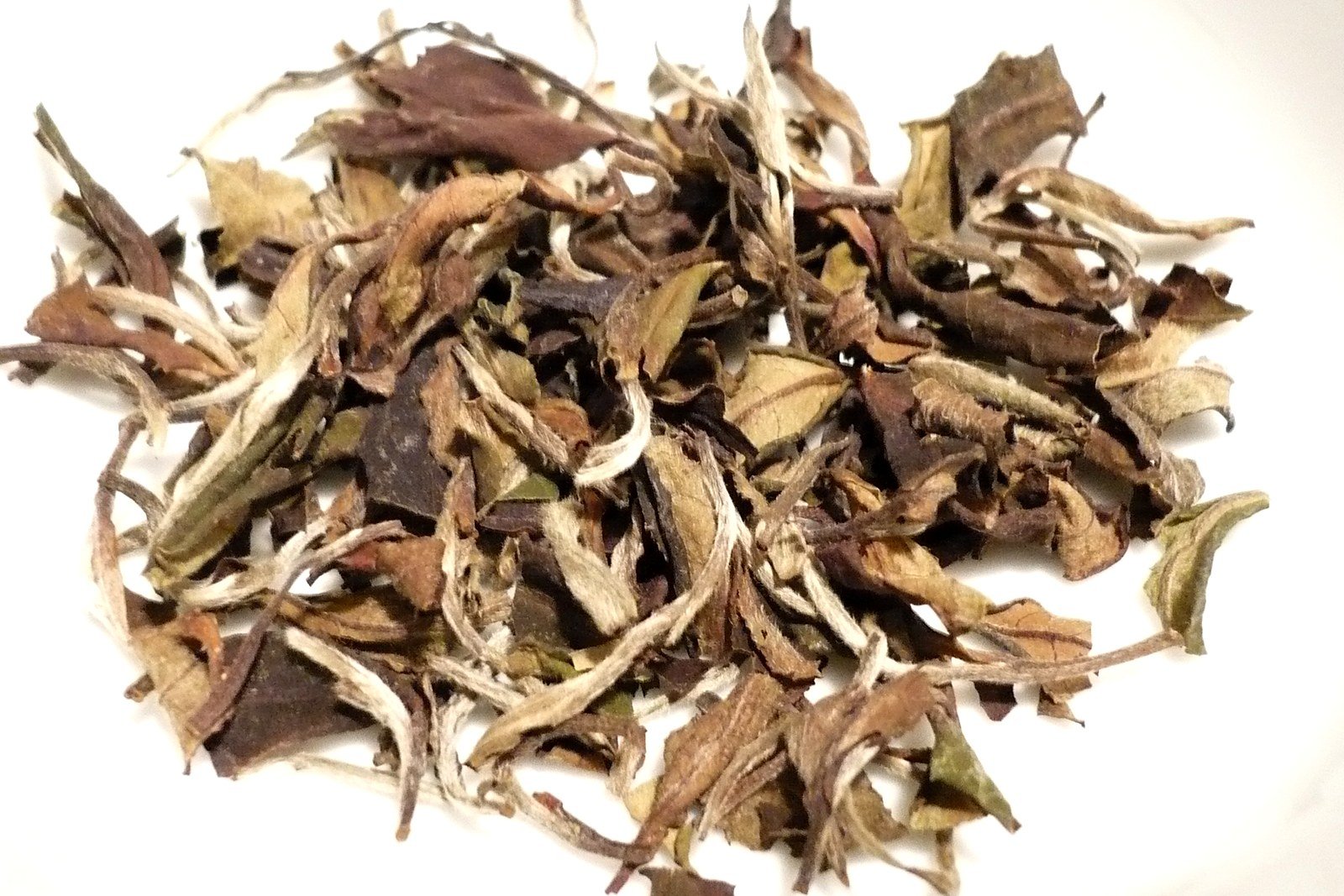
Open a bag of White Peony and the first thing you notice is how different it looks from most teas. There are no tight rolls or dark twists here. Instead you'll find a loose, airy mix of silvery buds and soft leaves in shades of sage, olive and pale brown, many of them covered in fine white down. Our White Peony, known in China as Bai Mu Dan, brews a clear, pale cup with a fresh aroma, a smooth, velvety body and delicate jammy notes. If you've been curious about white tea, this is one of the best places to start. Here's where it comes from, how it's made, how it tastes and how to brew it well.

Loose White Peony tea with silvery downy buds and pale green and brown leaves on white

Double-click to edit...

Where White Peony Comes From

White Peony is a traditional white tea from Fujian Province in southeastern China, the heartland of white tea. It was first developed in the Shuiji area of Jianyang, in northern Fujian, and production expanded into nearby Zhenghe in the early 1920s. Today it is also made in Fuding, on the Fujian coast. The bushes used for white tea are prized for their plump buds, which grow thick with silvery down.

Why Is It Called "White Peony"?

The Chinese name bái mǔdān (白牡丹) means "white peony." It's a poetic name, not an ingredient. There are no flowers in the tea. The name is usually explained by the way the pale buds and leaves open up in the cup, a little like a flower unfolding. The "white" in white tea comes from the fine, silvery-white hairs on the young buds.

Buds and Leaves: How It Differs from Silver Needle

White teas in China are often sorted by how much bud and how much leaf they contain. At the top is Silver Needle, made only from unopened buds. White Peony comes next, made from "two leaves and a bud," meaning the newest bud plus the two young leaves just below it. Further down are leafier styles called Gong Mei and Shou Mei, which have more leaves and fewer buds.

Those extra leaves are what give White Peony its character. Silver Needle is soft and subtle, while White Peony has more body and a fuller, fruitier flavor, yet it is still gentle.

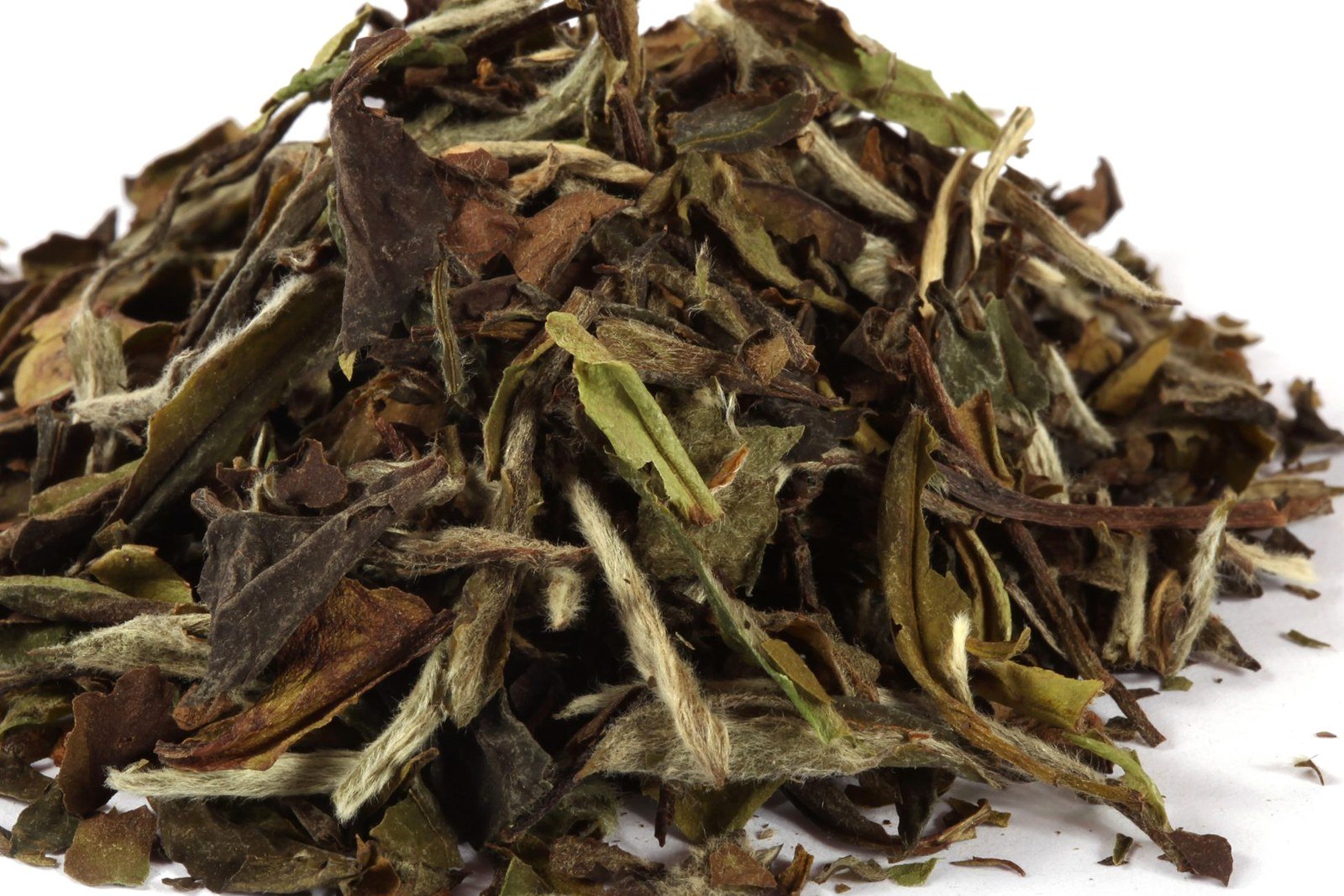
Close-up of a pile of Bai Mu Dan white tea showing fuzzy buds and soft whole leaves

How White Peony Is Made

Like all true teas, White Peony comes from the Camellia sinensis plant. What makes it a white tea is how little is done to it. Green tea is steamed or pan-fired soon after picking, and oolong and black teas are rolled and oxidized. White tea skips all of that.

After plucking, the buds and leaves are simply withered, traditionally in the sun, and then gently dried. Depending on the weather, the withering can last from about 1 to 3 days. The leaves are handled as little as possible, because bruising and breaking would change the flavor. It sounds simple, but it takes skill and good timing, and a sudden rainstorm during withering can spoil a batch.

When you look at the dry leaf, here's what to notice:

  • Silvery buds: the downy buds should stand out among the leaves.

  • Soft, mixed colors: expect light green, gray-green and pale brown leaves together. That natural variety is normal for White Peony.

  • Whole, fluffy leaves: the leaves are not rolled, so the tea looks loose and airy, and a spoonful weighs less than you'd expect.

What White Peony Tastes Like

White Peony brews a clear cup that ranges from pale to warm gold, depending on how long it steeps. The flavor is smooth and velvety, with soft fruit and floral notes and gentle jammy hints that we like to compare to a mild Bordeaux. It's very well balanced, with good body for a white tea and a smooth finish.

Like all true teas, White Peony contains natural caffeine. The amount in any cup depends on how much leaf you use and how long you steep it.

How to Brew White Peony

White tea rewards a gentle touch. Here's our general guideline from the product page:

  • Tea: 2 teaspoons (about 2 to 3 grams) per 8 oz of water. The leaves are fluffy, so a generous spoonful is normal.

  • Water: 170 to 185°F. Hot, but well below boiling. If you don't have a variable-temperature kettle, let boiled water rest for several minutes before pouring.

  • Time: 3 to 5 minutes, then taste and adjust.

  • Re-steep: the same leaves can be steeped again, adding a minute or so each time. Our re-steeping guide has more tips.

Give the big leaves room to open. A roomy infuser basket, a teapot or one of our paper filters works well, and a glass teapot lets you watch the buds and leaves unfurl. If a cup tastes flat, try a little more leaf. If it tastes harsh, the water was probably too hot.

White Peony Iced Tea

White Peony also makes a very refreshing iced tea. For a quick version, brew it double strength (4 teaspoons per 8 oz of water at 170 to 185°F for about 4 minutes), then strain it over a tall glass of ice.

For an even smoother glass, try cold brewing. Put about 8 teaspoons (roughly 10 grams) of White Peony in 32 oz of cold water, cover and refrigerate for 4 to 12 hours, then strain. Cold brewing draws out the tea's soft sweetness with very little bitterness. Our earlier post on cold-brewed white tea has more ideas.

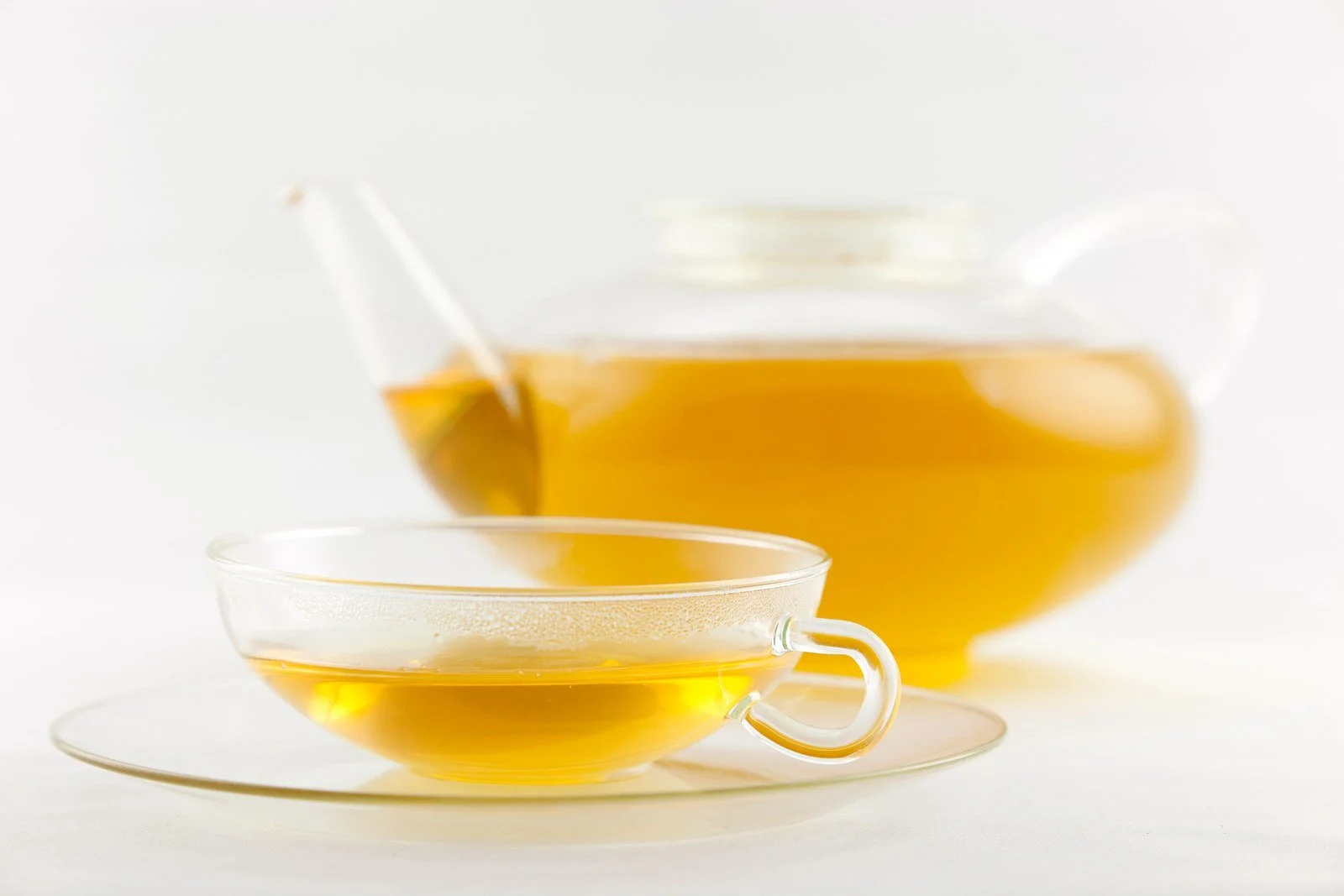
Golden White Peony tea in a clear glass cup and saucer with a glass teapot behind

What to Eat with White Peony

White Peony's delicate flavor shines with light, fresh foods that won't overpower it. Try it with:

  • Fresh peaches or melon

  • Goat cheese

  • Light seafood dishes

For more ideas by tea type, see our Tea and Food Pairing for Beginners guide.

A Tea That Changes with Time

In Fujian, there's an old saying about white tea: "tea in the first year and a treasure after seven." Well-stored white tea slowly mellows as it ages, turning deeper and more honey-like. That makes White Peony one of the few teas that many tea enthusiasts enjoy both young and aged. If that sounds interesting, our earlier post on aged white tea explains more.

Who Will Love White Peony

  • Green tea drinkers: it's soft and smooth, with no grassy edge.

  • Fans of fruity flavors: its gentle fruit and jammy notes come from the leaf itself, with nothing added.

  • Iced tea lovers: it makes a smooth, refreshing glass, hot-brewed or cold-brewed.

If You Like White Peony, Try These Next

  • Silver Needle is made only from downy spring buds. It's lighter and more delicate, with a honey-sweet cup.

  • Aged Silver Needle has been aged for more than five years and brews a warm amber cup that's smooth and honey-like.

  • The White Tea Sampler Pack is an easy way to taste several white teas side by side.

You'll find these and more in our White Tea collection. As tea enthusiasts, we have been sharing quality tea at affordable prices since 2006, and our White Peony comes in sample and larger sizes so you can find your favorite. Scoop up a few of those silvery buds, pour the water and enjoy a soft, velvety cup.

Photos: "Baimudan" by Badagnani (licensed CC BY-SA 3.0), "Bai Mudan" by chaidrakon.ru (licensed CC BY 3.0) and "Frisch aufgebrühter weißer Tee Pai Mu Tan" by soultea.de/André Helbig (licensed CC BY-SA 3.0), via Wikimedia Commons. Cropped and color-adjusted; our edited versions of the CC BY-SA photos are shared under the same license.
Lu Yu and The Classic of Tea: The Story Behind the Oldest Known Book on Tea

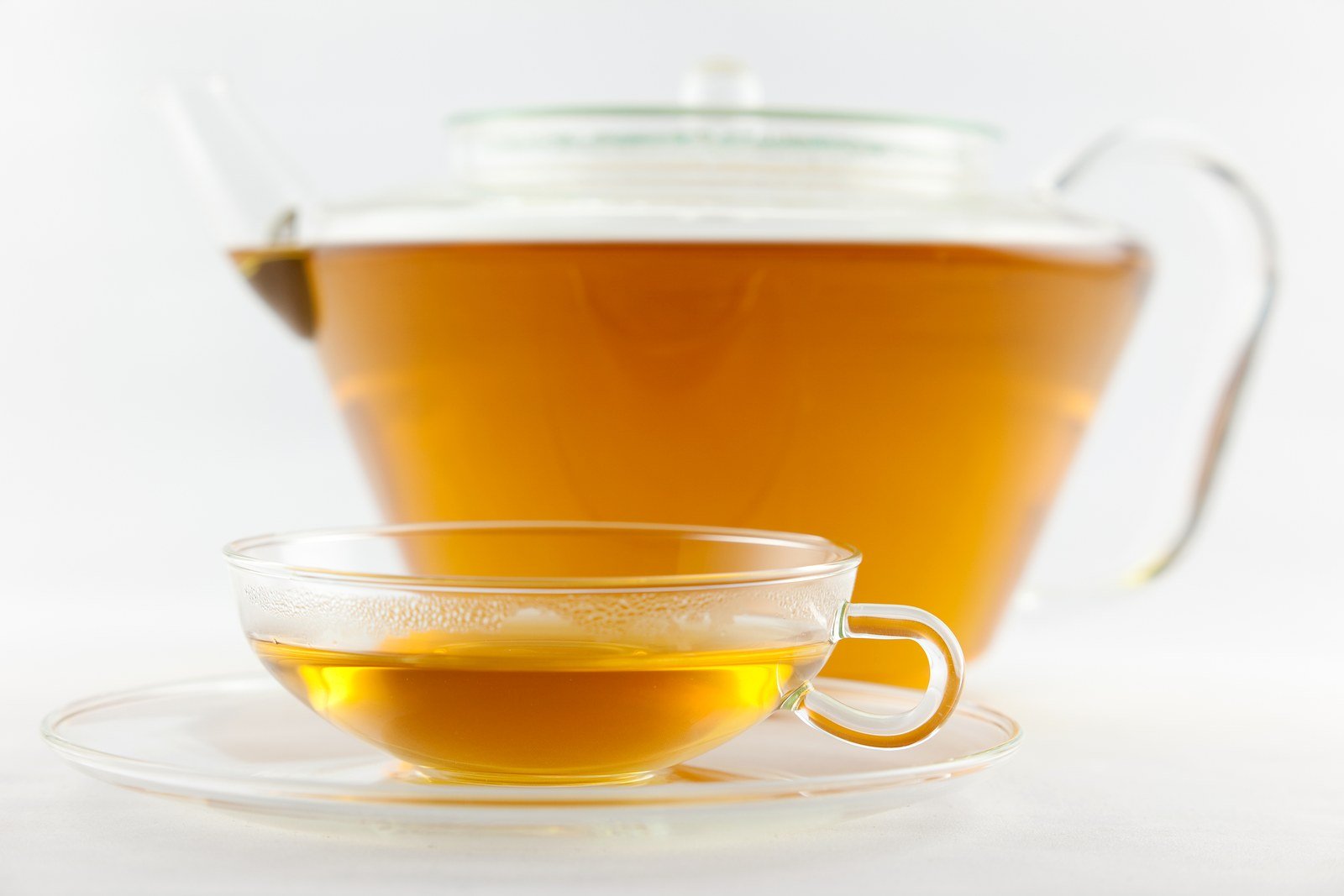
Long before tea blogs, brewing charts or tea shops, one man sat down and wrote an entire book about tea. His name was Lu Yu, and his Cha Jing, usually translated as The Classic of Tea, is the oldest known book devoted entirely to tea. Written in China more than 1,200 years ago, it covers where tea grows, how it was made, which water to use and even which bowl to drink from. Many of his ideas still make sense in the cup today, especially with Chinese green teas like our Dragonwell and Bi Luo Chun. Here's the story of the man known as the "Sage of Tea."

Painted portrait of Lu Yu, the Sage of Tea, seated in robes beside a stand with a jar and ewer

A Foundling Raised in a Monastery

Lu Yu was born in 733, during the Tang dynasty, near Jingling (today's Tianmen, in Hubei Province). Much of what we know about his early years comes from a short autobiography he wrote in 761 and from later Tang histories, so some details have the color of legend. As the story goes, he was an abandoned child raised by a Buddhist monk named Zhiji at the Dragon Cloud Monastery, where one of his chores was preparing tea for the monks.

The boy wanted to study the Confucian classics rather than become a monk, and the monastery put him to work at hard, humble jobs. By his own account, he eventually ran away and joined a troupe of traveling performers, writing comic sketches and playing the clown. A local official, Li Qiwu, noticed the talented young man and helped him get an education.

In 755, the An Lushan Rebellion threw much of northern China into chaos, and Lu Yu moved south to the tea country of Zhejiang. He settled near Huzhou and made friends with poets, monks and scholars, including the poet-monk Jiaoran and the famous calligrapher Yan Zhenqing. Later he was offered posts at the imperial court and turned them down. He began writing his tea book around 760 and kept refining it for years. By about 780, it was circulating widely.

What Is in The Classic of Tea?

The book is short, about 7,000 Chinese characters in three scrolls and ten chapters. It covers tea's origins, how tea was made and with which tools, brewing utensils, boiling and drinking, tea stories from earlier times, the regions where tea grew, and even how to copy the text onto silk scrolls to hang on the wall.

It opens with a line tea lovers still quote: "Tea is a fine tree of the south." Lu Yu then gives growing advice that still sounds familiar. He wrote that the best tea grows in broken, rocky soil, the next best in gravelly soil and the poorest in yellow clay. Wild tea, in his view, beat garden tea, and young leaves that were still curled beat fully opened ones.

How Tea Was Made and Brewed in Lu Yu's Day

Tea in the Tang dynasty didn't look like the loose leaves in your pouch. Lu Yu describes seven steps: pick the leaves, steam them, pound them, pat them into molds, dry them over a fire, string the cakes together and seal them for storage. The result was a pressed tea cake.

To brew it, you toasted a piece of the cake over a fire, ground it into a fine powder and boiled it in a cauldron. Lu Yu was very particular about the water. Mountain water was best, especially from slow-flowing springs and stone pools, river water came next, and well water was the lowest choice. He watched the boil closely, too:

  1. First boil: bubbles like fish eyes, with a faint sound. This was when a little salt was added.

  2. Second boil: bubbles along the edge like a gushing spring or strings of pearls. This was when the powdered tea went in.

  3. Third boil: bubbles that roll like breaking waves. Boil any longer, he warned, and the water becomes "old" and is no longer good for tea.

He also had firm opinions about add-ins. Some people of his day boiled tea with scallions, ginger, jujubes, orange peel, dogwood or mint. Lu Yu called the result no better than water poured into a ditch, though he admitted the custom carried on anyway.

Tang dynasty celadon tea bowl from the Yue kilns with a pale green glaze, in a museum case

Choosing the Right Bowl

Lu Yu even ranked tea bowls by where they were made. His favorite came from the Yue kilns in today's Zhejiang, known for glossy celadon glazes in soft shades of green. Some people preferred the white porcelain of the Xing kilns in the north, but Lu Yu disagreed. If Xing ware was like silver, he wrote, Yue ware was like jade. If Xing was like snow, Yue was like ice. And Xing's white made the tea look reddish, while Yue's green glaze made the tea look green, which is exactly how he wanted it to look.

A Map of Tang Dynasty Tea Country

The eighth chapter is a guide to the tea regions of his time, ranked from best to lesser. His own corner of Zhejiang, around Huzhou, earned top marks. In the same chapter he notes tea from the Tianzhu and Lingyin temples in the hills of Hangzhou, the West Lake area where Dragonwell is grown today. He also mentions tea from the Dongting hills near Suzhou, the home of today's Bi Luo Chun. Lu Yu ranked both of those areas below his favorites, and the famous names Dragonwell and Bi Luo Chun came centuries later. Still, tea was already growing in those very hills when he wrote.

Flat green Dragonwell (Longjing) tea leaves steeping in a white gaiwan on a wooden table

From Tea Cakes to Loose Leaf

Tea kept changing after Lu Yu. In the Song dynasty (960–1279), the fashion shifted to whisking finely powdered tea in a bowl, a style that traveled to Japan and is the ancestor of today's matcha. Then, in 1391, the founding emperor of the Ming dynasty ordered that the elaborate pressed "dragon cake" tribute tea from Fujian be replaced with loose tea buds, partly to ease the heavy work it took to make them. Older habits faded slowly, but over the next two centuries steeping loose leaves became the everyday way to drink tea in China. That's the style behind the pan-fired green teas we enjoy today.

The Sage of Tea

Lu Yu died in 804, and his reputation only grew. According to the New Book of Tang, tea merchants of the time made small pottery figures of him and honored him as a god of tea. Today he is often called Cha Sheng, the "Sage of Tea," and statues of him stand in tea towns across China.

Bring a Little Lu Yu to Your Cup

You don't need a cauldron or a charcoal brazier to put his ideas to work:

  • Start with good water. Lu Yu was right that water matters. Fresh, filtered or spring water makes a cleaner, sweeter cup.

  • Watch the boil. Delicate green teas don't want a full rolling boil. Brew our Dragonwell with water at 160–180°F for 2 to 3 minutes, and our Bi Luo Chun at 175–185°F for 2 to 3 minutes. Our Tea Brewing Guide has temperatures for every type of tea.

  • Pick a pale cup. A white or light green cup, or a clear glass, shows off the color of a green tea the way Lu Yu's beloved Yue bowls did.

  • Skip the salt. Some Tang customs are best left in the history books.

As tea enthusiasts, we have been sharing quality tea at affordable prices since 2006. Dragonwell and Bi Luo Chun both come in sample and larger sizes, and you'll find more classic Chinese greens in our Green Tea collection. Brew a cup and raise it to the Sage of Tea. For another chapter in tea's long story, read about Robert Fortune, the plant hunter who carried tea from China to India.

Images via Wikimedia Commons: portrait of Lu Yu by Haruki Nanmei, 1841 (public domain); "Tang Celadon Bowl, Yue Kiln" by Gary Todd (CC0); "Longjing tea 2" by Gary Stevens (CC BY 2.0). Cropped and lightly adjusted.

Gunpowder Green Tea: China's Rolled 'Pearl Tea' with a Smooth, Toasty Body

Pour a spoonful of Gunpowder green tea into your hand and it looks nothing like a leaf. You'll see a pile of tiny, tightly rolled pellets, dark gray-green with a faint sheen, rattling like little beads. Add hot water and something lovely happens: each pellet slowly opens back into a whole leaf. Gunpowder is one of the most recognizable green teas in the world, and our classic Gunpowder Green Tea brews a smooth, full-bodied cup with a hint of oakiness. Here's where it comes from, how it's made, and how to brew it well.

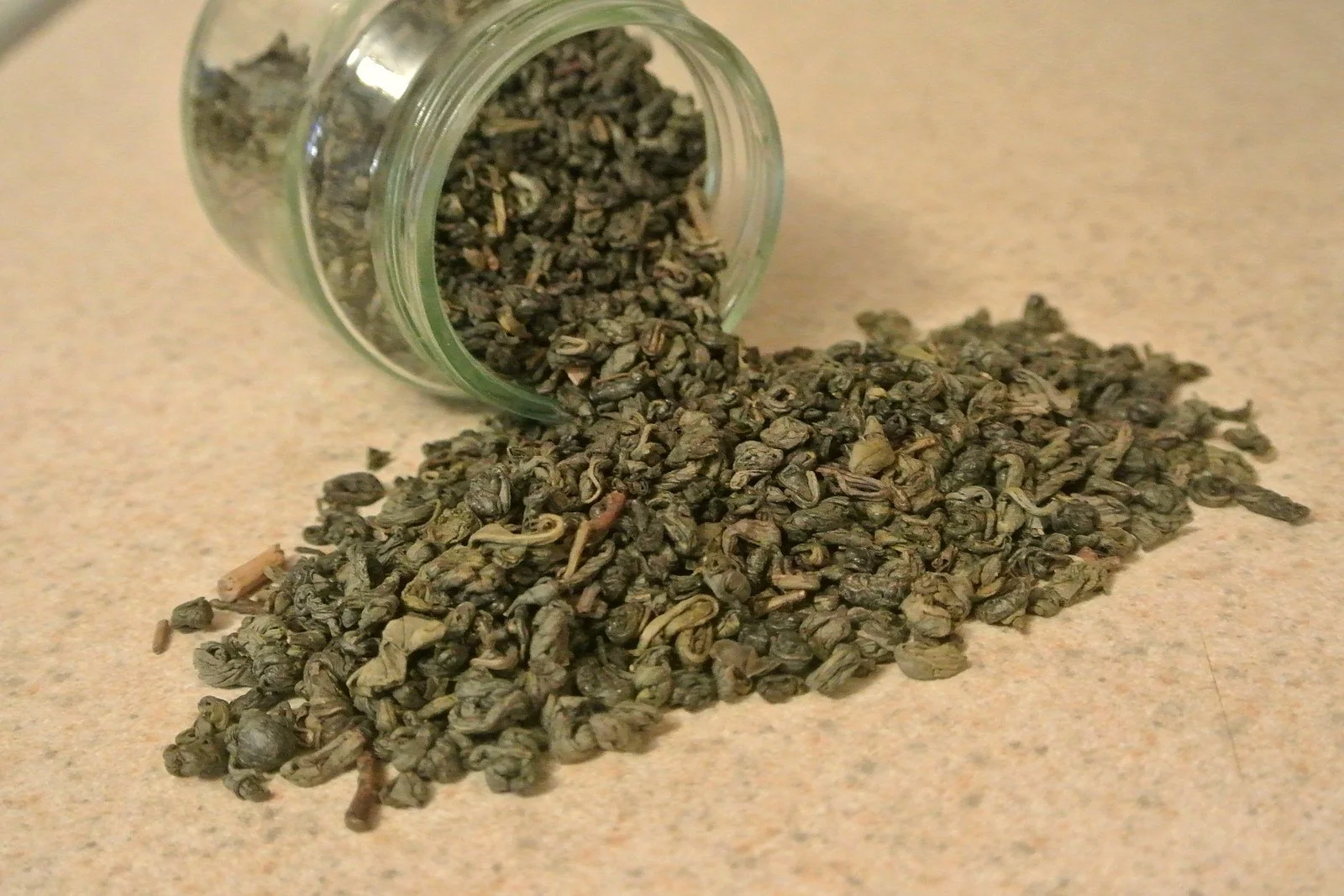
Gunpowder green tea pellets spilling from a small glass jar onto a speckled countertop

Why Is It Called "Gunpowder"?

Don't worry, the name has nothing to do with what's in the cup. In China, this tea is called zhū chá (珠茶), which means "pearl tea" or "bead tea." The English name is usually traced to early Western traders, who thought the small, dark, shiny pellets looked like grains of gunpowder. Another explanation points to the way the pellets "burst" open into long leaves when steeped.

Where Gunpowder Comes From

Gunpowder is produced mainly in the mountainous areas of Zhejiang Province, on China's east coast. The classic origin is Pingshui in Zhejiang, and "Pingshui gunpowder" is still the name for the original style. Zhejiang is also home to West Lake and its famous flat-pressed green tea, which we covered in our post on Dragonwell.

The practice of rolling tea leaves tightly is said to date back to the Tang dynasty (618 to 907). The rolled shape had a practical benefit: compact pellets are less easily crushed than loose, open leaves, which helped the tea stay fresh during long sea voyages. That durability helped make Gunpowder one of China's great export teas, and it became the traditional base of the famous mint tea of North Africa.

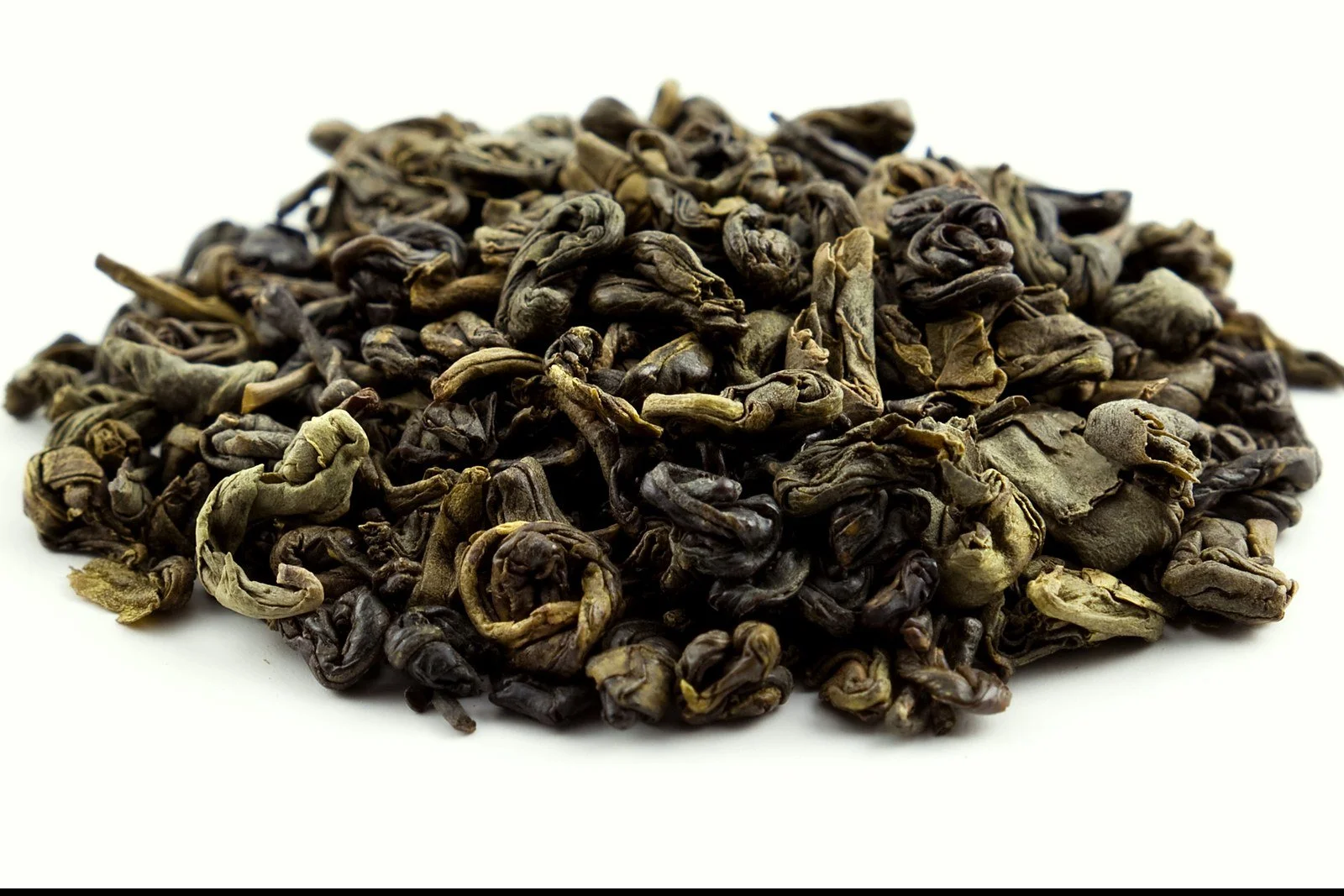
Close-up of tightly rolled gray-green Gunpowder tea pellets in a small pile on white

How Gunpowder Is Made

Like all true teas, Gunpowder comes from the Camellia sinensis plant. As a green tea, it is heated soon after picking to keep the leaves from oxidizing, which is what keeps the color green and the flavor fresh.

What sets Gunpowder apart is the rolling. After plucking, each leaf is rubbed and twisted into a small pellet and then dried by stir-frying in a large pan, sometimes in up to 4 rounds. Today, most Gunpowder is rolled by machine, while the very highest grades may still be rolled by hand. The repeated pan-drying is a big part of the tea's gentle toasty, oaky character.

A few things to look for in the dry leaf:

  • Tight, small pellets: tightly rolled pellets are generally considered a sign of good quality, while large, loose pellets suggest a lower grade.

  • A slight sheen: a little shine on the pellets is often taken as a sign of fresh tea.

  • Even color: expect a dark gray-green, sometimes with lighter olive tones where the leaf edges show.

What Gunpowder Tastes Like

Our Gunpowder is smooth and full-bodied, with a gentle oaky, toasty note. It's sturdier and rounder than delicate, grassy green teas, so it's a nice choice for black tea drinkers exploring green. The infusion is medium green with golden notes, and it's a very nice tea to pick you up in the afternoon. Like all true green teas, it contains natural caffeine, along with the amino acid L-theanine. If you're curious how the two work together, our post on L-theanine and caffeine in tea looks at what the research says.

Double-click to edit...

How to Brew Gunpowder Green Tea

Because the pellets are so dense, a little Gunpowder goes a long way. Here's our general guideline:

  • Tea: 1 teaspoon (about 2 to 3 grams) per 8 oz of water.

  • Water: 175 to 185°F. Hot, but not boiling. If you don't have a variable-temperature kettle, let boiled water rest for a few minutes before pouring.

  • Time: 2 to 3 minutes, then taste and adjust.

  • Re-steep: the pellets keep opening over several infusions, so steep the same leaves again for more cups, adding a little time to each one. Our re-steeping guide has more tips.

Give the leaves plenty of room. A roomy infuser basket, a teapot or one of our paper filters lets the pellets expand fully, and a glass teapot or cup lets you watch them unfold. If a cup ever turns harsh, the usual causes are water that's too hot or a steep that's too long. Our post on why tea turns bitter covers easy fixes.

Gunpowder Iced Tea

Gunpowder also makes a very good iced tea. Brew it double strength (2 teaspoons per 8 oz of water at 175 to 185°F for about 3 minutes), then strain it over a tall glass of ice. A sprig of fresh mint is a natural addition.

Make a North African Style Mint Tea

Gunpowder is the classic base for the mint tea served across North Africa, where it's a well-known symbol of hospitality. Here's a simple version to try at home:

  1. Add 2 teaspoons of Gunpowder to a teapot that holds about 16 oz.

  2. Pour in a splash of hot water, swirl and pour it out. This quick rinse is a traditional step that wakes up the leaves.

  3. Fill the pot with water at 175 to 185°F and add a generous handful of fresh spearmint leaves, the mint traditionally used.

  4. Steep 2 to 3 minutes, then sweeten to taste with sugar, as is traditional, or leave it unsweetened.

  5. Pour into small glasses. Pouring from a little height creates a light foam on top.

Prefer to skip the fresh mint? Our Moroccan Mint is a ready-made blend of Gunpowder green tea, Chun Mee green tea and peppermint, and our earlier post on Moroccan Mint tea has more on how to enjoy it.

Golden green Gunpowder tea in a clear glass cup and saucer with a glass teapot behind

What to Eat with Gunpowder

Gunpowder's toasty, full-bodied character stands up well to savory food. Try it with:

  • Grilled vegetables

  • Couscous

  • Nutty pastries, such as almond cookies or baklava

For more ideas by tea type, see our Tea and Food Pairing for Beginners guide.

Who Will Love Gunpowder

  • Black tea drinkers trying green tea: its body and toasty notes make it an easy first step.

  • Mint tea lovers: it's the traditional base for North African mint tea.

  • Iced tea fans: it holds its flavor beautifully over ice.

If You Like Gunpowder, Try These Next

  • Chun Mee, meaning "precious eyebrows," is named for its curved leaves. It's full-bodied, nutty and lightly smoky, and it's often used alongside Gunpowder in North African mint tea.

  • Dragonwell is Zhejiang's famous flat, pan-fired green tea, with a sweet, nutty flavor. Tasting it next to Gunpowder is a fun way to see how shaping changes a tea from the same province.

  • Moroccan Mint blends Gunpowder and Chun Mee with peppermint for a smooth, cooling cup.

You'll find these and many more in our Green Tea collection. As tea enthusiasts, we have been sharing quality tea at affordable prices since 2006, and our Gunpowder Green Tea comes in sample and larger sizes so you can find your favorite. Measure a teaspoon of those little pearls, pour the water, and watch them open into a smooth, satisfying cup.

Photos: "Gunpowder Green Tea" by Veganlover1993, and "Grüner Tee Gunpowder" and "Frisch aufgebrühter Grüner Tee Gunpowder in Wagenfeld Service" by soultea.de/André Helbig, via Wikimedia Commons, licensed CC BY-SA 3.0. Cropped and color-adjusted; our edited versions are shared under the same license.
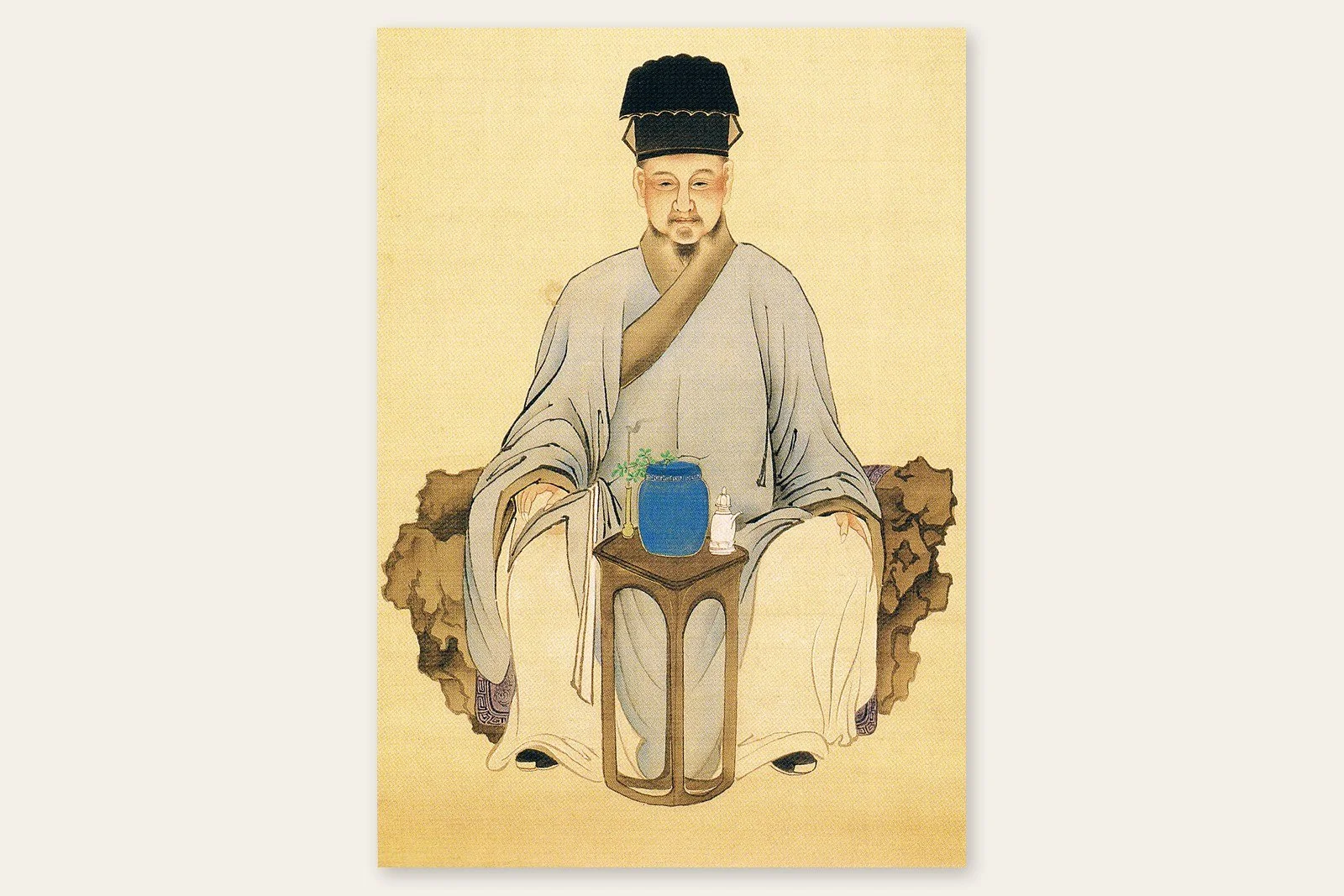
Robert Fortune: How a Scottish Plant Hunter Carried Tea from China to India

On a cold late-November evening, it's easy to take the tea in your cup for granted. But for about two centuries after tea reached Europe, nearly all of it came from China, and very few outsiders had ever seen how it was grown or made. One Scottish gardener, Robert Fortune, changed that. His trips into China's tea country in the 1840s and 1850s helped move tea growing to India, and the story still shapes what we drink today.

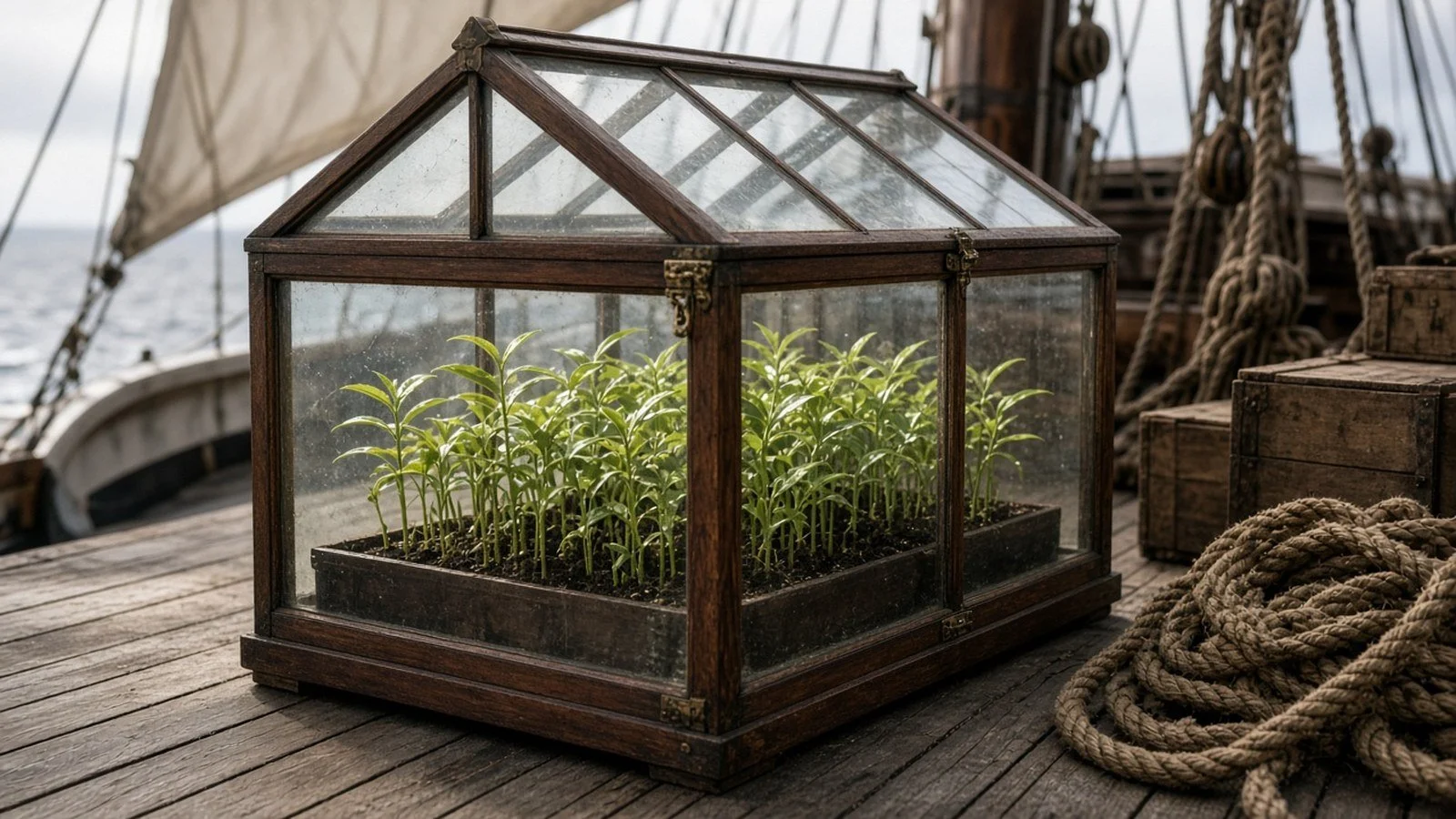
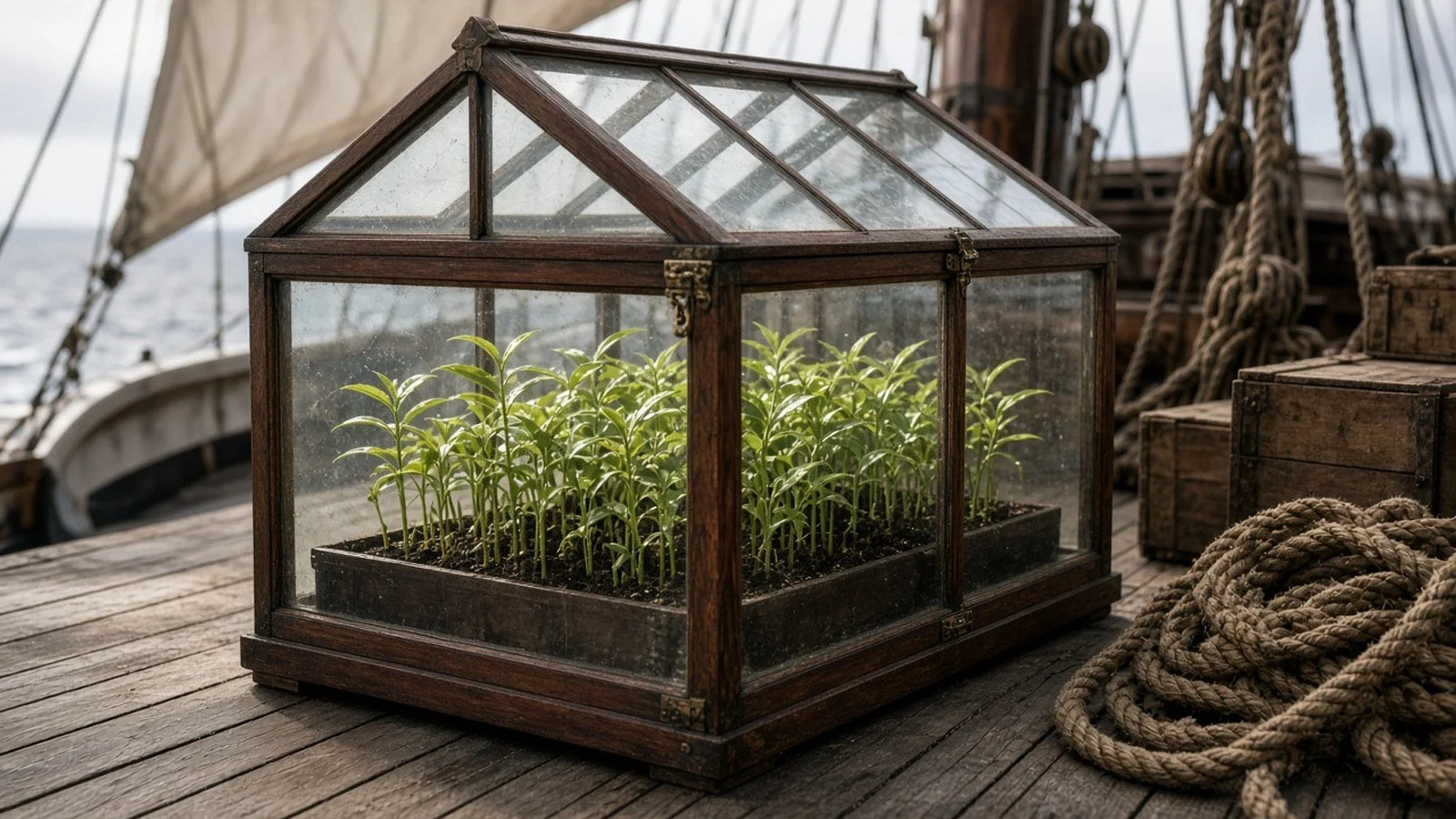
Victorian glass-and-wood Wardian case filled with young tea seedlings on a ship's deck, with wooden crates and rope nearby

Double-click to edit...

Who Was Robert Fortune?

Robert Fortune was born in Berwickshire, Scotland, in 1813. He trained as a gardener, worked at the Royal Botanic Garden Edinburgh, and later worked in the Royal Horticultural Society's garden at Chiswick, near London. After the First Opium War ended in 1842, the society sent him to China to collect plants. That first trip began in 1843 and lasted about three years.

Fortune was a plant hunter first. Many garden plants he brought to Britain are still familiar, including the kumquat, the Japanese anemone and several azaleas and chrysanthemums. He carried them home alive in Wardian cases, sealed glass boxes that worked like small portable greenhouses and kept plants alive on long sea voyages.

Green Tea and Black Tea Come from the Same Plant

On that first trip, Fortune made a discovery that every tea drinker benefits from today. At the time, many European botanists believed green tea and black tea came from two different plants. Fortune visited gardens that made each kind and found the bushes looked the same. He concluded that the difference came from processing, not from the plant. Black tea leaves are oxidized, and green tea leaves are not.

It took time for his colleagues to accept this, but they did. The tea plant is now known as Camellia sinensis, and every true tea, from a pale green to a dark, malty black, comes from it.

The 1848 Mission for the East India Company

By the 1840s, the British East India Company had lost its monopoly on the China tea trade and was experimenting with tea gardens in India. It needed good plants and people who knew how to make tea. In 1848, the Company hired Fortune to go back to China and collect the finest tea plants and seeds, along with tea makers and their tools, for its gardens in the Himalayas.

Much of the tea country he wanted to see was off-limits to foreigners. According to Kew Gardens and Sarah Rose's history of the trip, For All the Tea in China, Fortune shaved his head, wore a braided pigtail and dressed in Chinese clothing so he could travel inland. His trips took him to famous tea districts, including the green tea country of Sung-lo and the Bohea hills, the old English name for the Wuyi Mountains of Fujian. Wuyi is still celebrated for its toasty, full-bodied oolongs, like our Wuyi Oolong.

Misty terraced tea bushes on steep green hills with rocky cliffs in southern China

A Surprise in the Green Tea Factory

Fortune also watched closely as tea was made. He described leaves being heated in large iron pans, rolled by hand "like a baker working and rolling his dough," and then fired again. In one green tea factory, he noticed that the workers' hands were blue. As Rose tells it, he found they were coloring tea meant for export with Prussian blue and gypsum, because buyers abroad seemed to want their green tea to look evenly green. The Chinese did not color the tea they drank themselves. Fortune collected samples of the colorings, which Rose says were later shown at London's Great Exhibition of 1851.

Today, a good green tea is never dyed. The color in a classic Chinese green like our Gunpowder Green Tea comes from the leaf itself and from careful pan-firing.

Wardian Cases and Sprouting Seeds

Getting live tea plants to India was the hard part. Tea seeds don't stay alive long, and earlier attempts, including his own, to send them packed in bags, boxes or dry earth had little success. Fortune's answer was simple: sow the seeds in Wardian cases soon after picking them, so they could sprout on the voyage. In his own account, the seeds germinated at sea, and the cases arrived in Calcutta covered with young tea seedlings. To lower the risk of losing everything, he sent the plants on several different ships.

In 1851, Fortune delivered about 2,000 plants and 17,000 sprouting seeds to the Company's North Western Provinces in the Himalayan foothills. In his book A Journey to the Tea Countries of China (1852), he wrote that upwards of twenty thousand tea plants, eight skilled Chinese tea makers and a large supply of tools reached the Himalayas safely.

Did Fortune Make India a Tea Country?

This is where the popular legend gets too simple. Fortune was not the first person to bring Chinese tea plants or seeds to India, and he did not start India's tea industry on his own.

Tea was already growing wild in Assam, where local people, including the Singpho, made a brew from it. British officials confirmed it was a tea plant in 1834. Today we call it Camellia sinensis var. assamica, a large-leaf variety suited to Assam's hot, wet lowlands. The first Assam tea reached London in the late 1830s. Within a few decades, Assam, not the northwestern Himalayan gardens Fortune supplied, became the heart of Indian tea. Our Assam Hunwal is a good example of the bold, malty cup that region is known for.

The smaller-leaf China plant did find a good home in the cool mountains of Darjeeling, where it produces light, aromatic teas like our Darjeeling Castleton. Tea planting in Darjeeling began in 1841, before Fortune's mission, and accounts differ on how much Darjeeling's bushes owe to the seedlings Fortune brought. What is clear is that the Chinese plants, tea makers and methods he gathered gave the young Indian industry a big push.

It's also important to remember the human side of this story. Kew Gardens notes that clearing forest for India's tea plantations cost many lives, and that the profits mostly went to the British. Fortune's mission, often called a heist, was a turning point that ended China's near-monopoly on tea. Some see it as a plant-hunting adventure and others as industrial theft, and both views are part of the history.

Taste the Story at Home

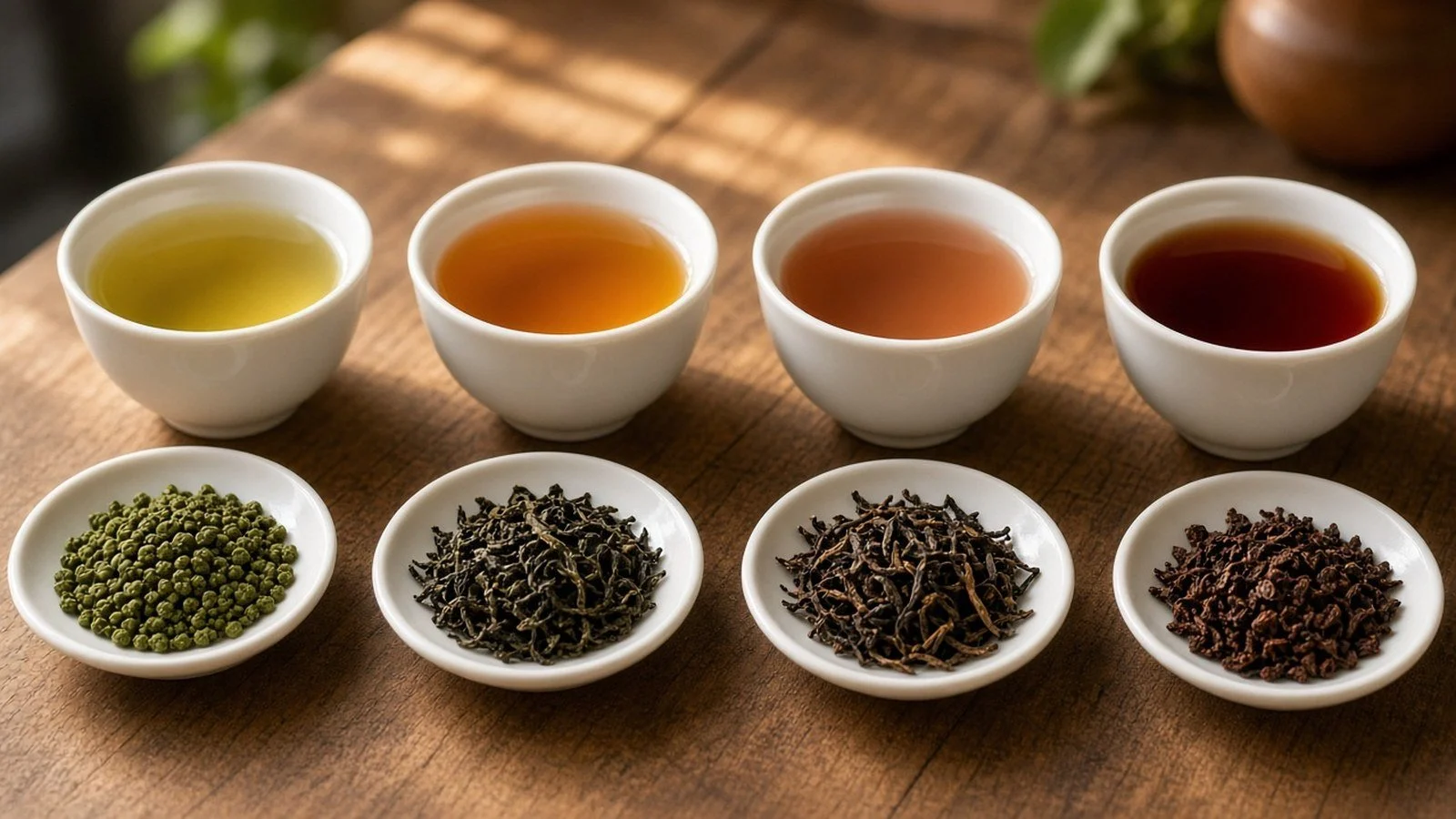
You can trace Fortune's journey in three cups. Brew each one following our tea brewing guide, then taste them side by side:

  1. A Chinese green tea, like Gunpowder. Use water that is hot but not boiling, and taste unoxidized leaf, the kind Fortune watched being pan-fired.
  2. A Wuyi oolong from the Bohea hills he visited. Partly oxidized and roasted, it sits between green and black.
  3. A Darjeeling and an Assam, side by side. Both are fully oxidized black teas, but the Darjeeling comes from the smaller China-type plant and the Assam from the native large-leaf variety. Taste how delicate one is and how bold the other is.

It's a simple way to taste Fortune's big discovery: one plant, many teas. You can explore more in our black tea collection, and our Thankful Cup Sale takes 20% off sitewide through Monday, November 30, applied automatically at checkout.

Four small cups of tea from pale green to amber to dark copper, each with a dish of its dry leaves, on a wooden table

Happy sipping!

Jasmine Dragon Pearls: Hand-Rolled Green Tea Scented with Flowers

If you've never watched a tightly rolled tea pearl open in the cup, Jasmine Dragon Pearls is a lovely place to start. Each small, hand-rolled ball is made from young green tea leaves and a bud, then scented with fresh jasmine blossoms. In the tin, the pearls look like little olive-green and silver knots. In the water, they slowly unfurl into whole leaves, and the cup fills with a sweet floral perfume over a clean green tea base.

White ceramic bowl of tightly rolled Jasmine Dragon Pearls, olive-green and silver, with a few dried jasmine buds, on a light wooden table

Where Jasmine Dragon Pearls Come From

Jasmine tea has a long history in China, and the city of Fuzhou, in Fujian Province, is especially famous for it. Scenting tea with jasmine blossoms there is recorded as far back as the Southern Song dynasty. The craft depends on timing. Jasmine bushes bloom in late spring, and the flowers are gathered during the day while the blossoms are still closed. In the evening, as the flowers open and release their fragrance, they are layered with the tea. After the leaves and blossoms rest together, the spent flowers are removed and the tea is dried. Tea makers often repeat the process over several nights, so the scent settles deeply into the leaf instead of sitting on the surface.

That tradition is what gives Jasmine Dragon Pearls their character. The tea itself is made from the top two leaves and the bud of new-season growth, usually plucked in late March and early April. Those tender leaves are hand-rolled into tight pearls before the jasmine work begins. The rolling isn't just for looks. It helps the leaves stay whole, and it makes the unfurling in the cup part of the pleasure of brewing.

How It Tastes

The dry pearls already smell of sweet jasmine, with a fresh green tea note underneath. Brewed, the liquor is pale gold to light green, silky and smooth, with a delicate, pleasing flavor. The jasmine is present and fragrant, but it doesn't shout over the tea. You still taste a clean, lightly sweet green tea base, then a lingering floral finish.

Look closely as the pearls open and you may see a little silvery down on the bud, a fine fuzz that is a sign of careful plucking and handling. It's one of the prettiest teas to watch brew, which is why a glass cup or teapot is such a good match.

Glass cup of pale gold jasmine tea with unfurled green leaves and jasmine buds, beside a small dish of dry rolled pearls

How to Brew Jasmine Dragon Pearls

Green tea likes water that is hot, but not boiling. Start here, then adjust to your taste:

  • Tea: about 6 to 8 pearls (about 2 to 3 grams) per 8 oz of water

  • Water: 175 to 185°F. If you don't have a thermometer, bring the water to a boil and let it rest a few minutes before pouring.

  • Time: 2 to 3 minutes. Taste at 2 minutes, then steep a little longer if you'd like more body.

The pearls can be infused several times. For later cups, add a little time and notice how the jasmine stays with you while the green tea flavor deepens. A glass teapot is the best way to watch them open. For more on water temperature and steeping times, see our tea brewing guide.

Glass cup of jasmine tea with almond cookies, fresh lychees, steamed buns, and a dish of dry Jasmine Dragon Pearls on a wooden table

What to Pair It With

Jasmine Dragon Pearls are lovely on their own, especially as a quiet afternoon cup. They also sit nicely next to light foods that won't overpower the floral aroma:

  • Dim sum and steamed dumplings

  • Steamed fish or other delicate seafood

  • Almond cookies or a simple butter cookie

  • Fresh lychees, pears or other mild fruit

Skip very spicy dishes and heavy, sugary desserts, which can drown out the jasmine. If you want a broader set of pairing ideas by tea type, see our beginner's guide to tea and food pairing.

More Jasmine Teas to Explore

If you enjoy the floral style but want a slightly different leaf, we carry a few other jasmine greens. Jasmine Needle is made from slender first-flush leaves and buds. It's smooth and subtle, with a gentle jasmine aroma that is present but never overpowering, a good choice if you're new to jasmine tea. Organic Jasmine Green has an abundant jasmine character and is produced without chemical fertilizers, pesticides or herbicides. And Jasmine Green Tea is a pleasant everyday first-grade jasmine, floral and surprisingly full-bodied, with blossoms in the blend and a pale green cup.

You can browse all of them in our Green Tea collection.

Like every tea at Beantown Tea & Spices, Jasmine Dragon Pearls is a quality loose-leaf tea at an affordable price, with sample and larger sizes so you can find your favorite. If you've been meaning to try it, the Thankful Cup Sale is on through Monday, November 30, with 20% off sitewide. The discount applies automatically at checkout. Scoop a few pearls into a glass cup, watch them open, and enjoy one of the most fragrant green teas we carry.

Silver Needle: The Delicate, Honey-Sweet White Tea Made from Spring Buds

If you've only ever tried white tea in a bag, Silver Needle is a lovely surprise. It's made from nothing but slender, downy tea buds that shimmer silver-white in the tin, and it brews a clear, glowing cup that's sweet, mellow and gently fragrant. Known in Chinese as Bai Hao Yin Zhen, or "white hair silver needle," it's the most celebrated of China's white teas, and one of the gentlest ways to enjoy loose-leaf tea.

Slender silvery-white Silver Needle tea buds covered in fine down in a small white porcelain dish on a wooden table

Where Silver Needle Comes From

Silver Needle comes from Fujian Province in southeastern China, the traditional home of white tea. It first appeared in Fuding around 1796, when growers began making tea from the buds of local tea bushes. In the late 1800s, tea makers in Fuding and Zhenghe selected bush varieties with especially large, downy buds, and the modern Silver Needle was born. Those two counties are still its classic homes, and each gives the tea a slightly different character.

Why It's So Special

Silver Needle is the top grade of white tea. It's made in a very short window in early spring, when the young buds are at their best, and it's handled with a light touch. White tea is traditionally made with little more than gentle withering and drying, with no rolling or pan-firing. That simple process keeps the buds whole and preserves the fine silvery down that gives the tea its name.

Look closely at the dry leaf and you'll see plump, needle-shaped buds covered in that soft fuzz, sometimes with a couple of grayish-white leaves alongside. It's one of the prettiest teas to look at before you even add water.

How It Tastes

Brewed, Silver Needle pours a shimmering, pale gold liquor. The flavor is fresh, mellow and sweet, smooth and refreshing, without the grassiness or dryness some people expect from light teas. Tea lovers often describe hints of honey, melon and soft white flowers. It's delicate, but not thin. The sweetness lingers well after the last sip.

Clear glass cup of pale gold Silver Needle white tea with tea buds standing upright in the water

How to Brew Silver Needle

Gentle tea likes gentle brewing. Here's a simple starting point:

  • Tea: 1 to 2 teaspoons (about 2 to 3 grams) per 8 oz of water. The buds are fluffy, so a generous spoonful is normal.
  • Water: 170 to 185°F. Water that's too hot can flatten the delicate sweetness. If you don't have a thermometer, let boiled water rest a few minutes before pouring.
  • Time: 3 to 5 minutes. Taste at 3 minutes, then let it go longer if you'd like more depth.

A glass cup or teapot is a nice choice here, because you can watch the buds slowly drift and stand upright as they soak up water. Silver Needle can also be re-steeped. Add a minute or so to each new infusion and notice how the flavor shifts from cup to cup. For more on brewing times and temperatures, see our tea brewing guide, and for a deeper look at second and third cups, see How Many Times Can You Re-Steep Loose-Leaf Tea?

Cup of pale white tea beside slices of melon and pear, almond cookies and a small dish of fresh goat cheese

What to Pair It With

Silver Needle's quiet sweetness shines next to light foods that won't overpower it:

  • Fresh fruit: melon, pears or peaches.
  • Mild cheeses: fresh goat cheese or ricotta.
  • Light sweets: almond cookies or a plain butter cookie.
  • Delicate seafood: steamed white fish, scallops or shrimp.

Skip heavy spices and very sweet desserts, which can drown out the tea's soft fragrance. For more ideas, see our beginner's guide to tea and food pairing.

More White Teas to Explore

If you enjoy Silver Needle, try Aged Silver Needle, which has been aged for more than five years. It brews a warm amber cup that's more honey-like and less floral than young Silver Needle, smooth and deep. For something a little fuller than Silver Needle, White Peony (Bai Mu Dan) adds young leaves to the buds for a cup with gentle fruity notes. And if you can't decide, the White Tea Sampler Pack is an easy way to taste your way through.

Like every tea at Beantown Tea & Spices, Silver Needle is a quality loose-leaf tea at an affordable price, with sample and larger sizes so you can find your favorite. Brew a cup slowly, watch the buds dance, and enjoy one of the most graceful teas in the world.

What Was in the Boston Tea Party? A Tea Lover's Guide to the Teas Dumped in Boston Harbor

Here in "Beantown," it's hard to go far without bumping into the Boston Tea Party. Most of us learned that on December 16, 1773, colonists threw chests of East India Company tea into Boston Harbor. Few of us learned what was actually in those chests, or whether a tea drinker today would recognize it.

As tea enthusiasts, we couldn't resist digging in. It turns out the shipping paperwork still exists, and it tells a surprisingly detailed tea story.

Wooden 18th-century tea chests on a tall ship's deck at a Boston harbor wharf at dusk


The Tea Act and three ships at Griffin's Wharf

According to the Library of Congress, Parliament passed the Tea Act in 1773 to shore up the financially troubled East India Company. The act didn't add a new tax. The tea duty from the earlier Townshend Acts was already on the books, at three pence per pound. Instead, the act gave the Company a virtual monopoly on selling tea in the colonies. As the John F. Kennedy Presidential Library explains, letting the Company ship straight to colonial ports made its tea cheap enough to undercut the smuggled Dutch tea many colonists were drinking, even with the duty included.

Instead of welcoming cheaper tea, many colonists saw paying the duty as accepting Parliament's right to tax them without representation. According to Britain's National Archives, tea ships sent to Philadelphia and New York were turned back, and in Charleston the tea was left unopened on the docks.

In Boston, the ships Dartmouth, Eleanor and Beaver tied up at Griffin's Wharf. The Massachusetts Historical Society describes weeks of mass meetings at Old South Meeting House and a hard deadline: if the duty on the Dartmouth's tea wasn't paid by December 17, customs officers could seize the cargo. On the evening of December 16, after Governor Thomas Hutchinson refused to let the ships leave without unloading, a group of men disguised as Native Americans boarded the three ships and dumped the tea into the harbor.

How much tea, really?

You'll see different numbers depending on where you look. The Massachusetts Historical Society has used both 342 and 340 chests in different places, and many accounts say "about 92,000 pounds." The most precise record we found is the East India Company's own invoice, sent to the British government in February 1774 with a request for compensation and now held by the National Archives. It lists 340 chests, valued at £9,659, 6 shillings and 4 pence.

Adding up the weights on that invoice gives roughly 92,600 pounds of tea.

The five teas in the chests

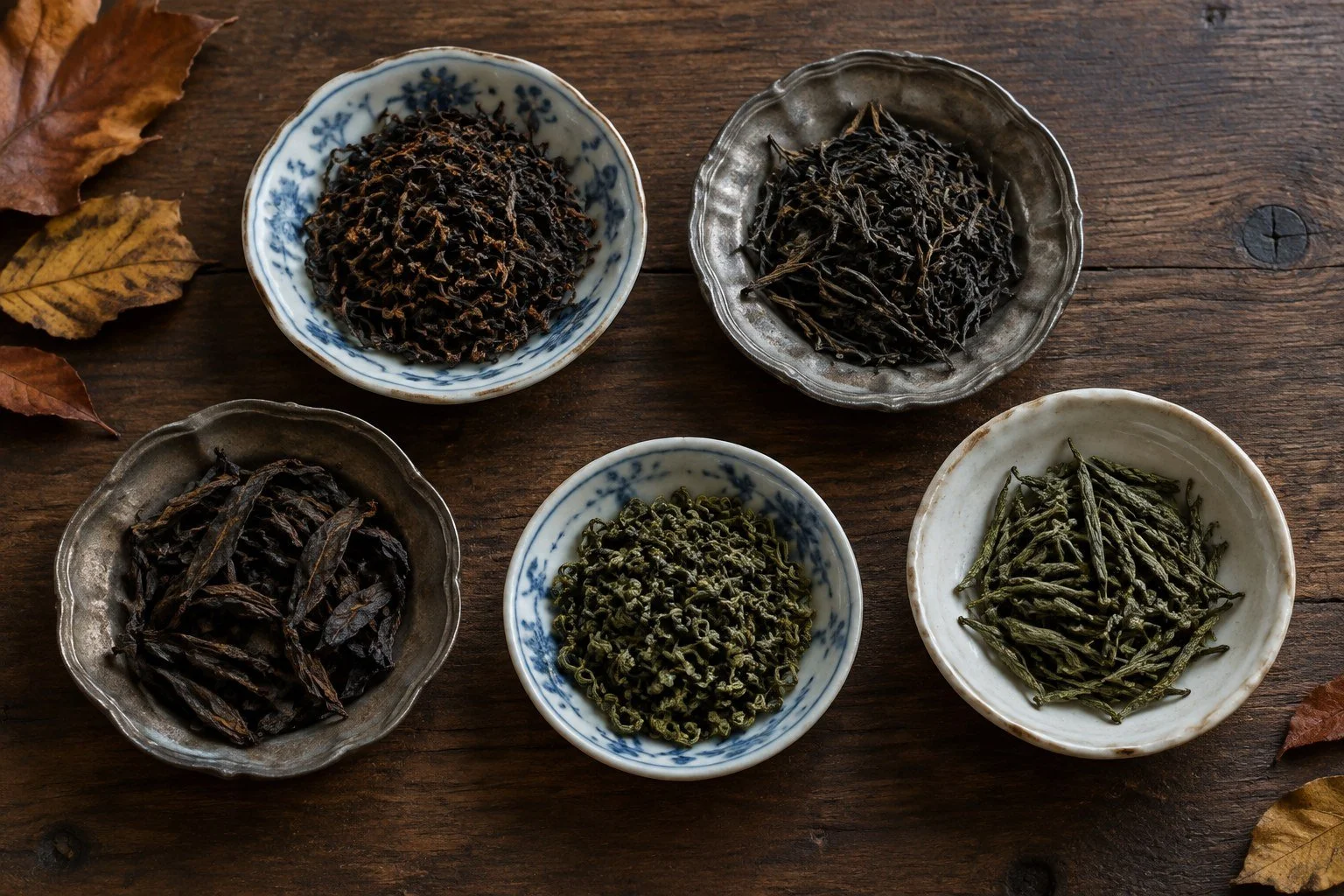
Here's the part we love. The same invoice breaks the cargo down by tea type, chest by chest and ship by ship. There were five teas, and every one of them came from China. As the Boston Tea Party Ships & Museum points out, none of it was from India, because tea wasn't cultivated in India or Sri Lanka until the 19th century.

Bohea (240 chests). This was the everyday black tea of the 18th century, and it filled the great majority of the chests: by the invoice weights, more than nine pounds out of every ten. According to Merriam-Webster, the name comes from the Fujianese pronunciation of the Wuyi hills in Fujian Province, where it was grown. In the tea trade, "Bohea" became shorthand for black tea in general, and even John Adams wrote in his diary the next morning that "3 Cargoes of Bohea Tea were emptied into the Sea." It was also the cheapest tea on board, invoiced at 2 shillings a pound.

Congou (15 chests). A step up from Bohea. Merriam-Webster traces the name to a Chinese (Xiamen) phrase meaning "pains taken," a nod to the extra care in making it. The museum describes Congou as a well-made black tea that brewed a deep, clear red cup.

Souchong (10 chests). Another black tea from the Wuyi Mountains. The museum explains that souchong (xiaozhong) means "small leaf variety," and that the souchong of the colonial era likely carried only a slight smoky note picked up during drying. Today's intentionally pine-smoked version is what we know as Lapsang Souchong.

Singlo (60 chests). A green tea whose name, according to the museum, is an Anglicization of the Songluo (Sunglo) mountains in today's Anhui Province. It was picked later in the season than Hyson, with somewhat larger leaves. The museum says the Company included it partly because it had a lot of stock to sell before it lost its quality.

Hyson (15 chests). The prize of the cargo. The Collins English Dictionary traces "hyson" to a Chinese name meaning "bright spring," and the early-season grade was sold as "young hyson." On the invoice, Hyson cost 5 shillings a pound, more than twice the price of Bohea. The museum notes it was a favorite of both George Washington and Thomas Jefferson.

Five loose-leaf black and green teas in small antique dishes on a wooden table


Was it any good?

Honestly, probably not by today's standards. The black teas, especially Bohea, were the bulk commodity teas of their day. The museum suggests that much of the shipment had already spent a long time in transit and in London warehouses before it ever sailed for Boston, and green tea in particular loses freshness quickly. One old London description quoted by the museum calls Bohea dark, dull and frequently smoky. Historians and tea writers don't fully agree on exactly how each of these 18th-century teas was processed, so it's best to think of them as ancestors of today's teas rather than exact matches.

Some of the leaves did survive, in a way. The Massachusetts Historical Society keeps a small glass bottle of tea leaves said to have been gathered on the shore of Dorchester Neck the morning after the protest. The American Antiquarian Society has a similar bottle, and its curators note that the story of exactly who collected the tea is part lore. And according to the Boston Tea Party Ships & Museum, one wooden half chest, the Robinson Half Chest, is the only known chest from that night still in existence.

Tasting the Boston Tea Party today

You don't need a time machine to taste these teas' descendants. Here's how we'd build a "Tea Party" tasting from our shelves:

  • For Bohea: Our Wuyi Oolong comes from the very same Wuyi Mountains in Fujian that gave Bohea its name. It's toasty, earthy and honeyed. The Boston Tea Party Ships & Museum itself compares the flavor of Bohea to a contemporary oolong.

  • For Congou and Souchong: Our China Black Tea is a classic Chinese black tea, medium to full-bodied, slightly malty and sweet. For something more refined, try Keemun Mao Feng. Keemun came along later, in 1875, when Qimen County in Anhui began making black tea using Fujian methods. Its tightly rolled leaves brew a reddish, winey cup that captures the spirit of a carefully made China black tea.

  • For Singlo and Hyson: Our Chun Mee Green Tea is a traditional pan-fired Chinese green tea whose roots tea historians trace to the green teas of Anhui, the same region as Singlo and Hyson. It's full-bodied, nutty and lightly smoky, with curved "eyebrow" leaves.

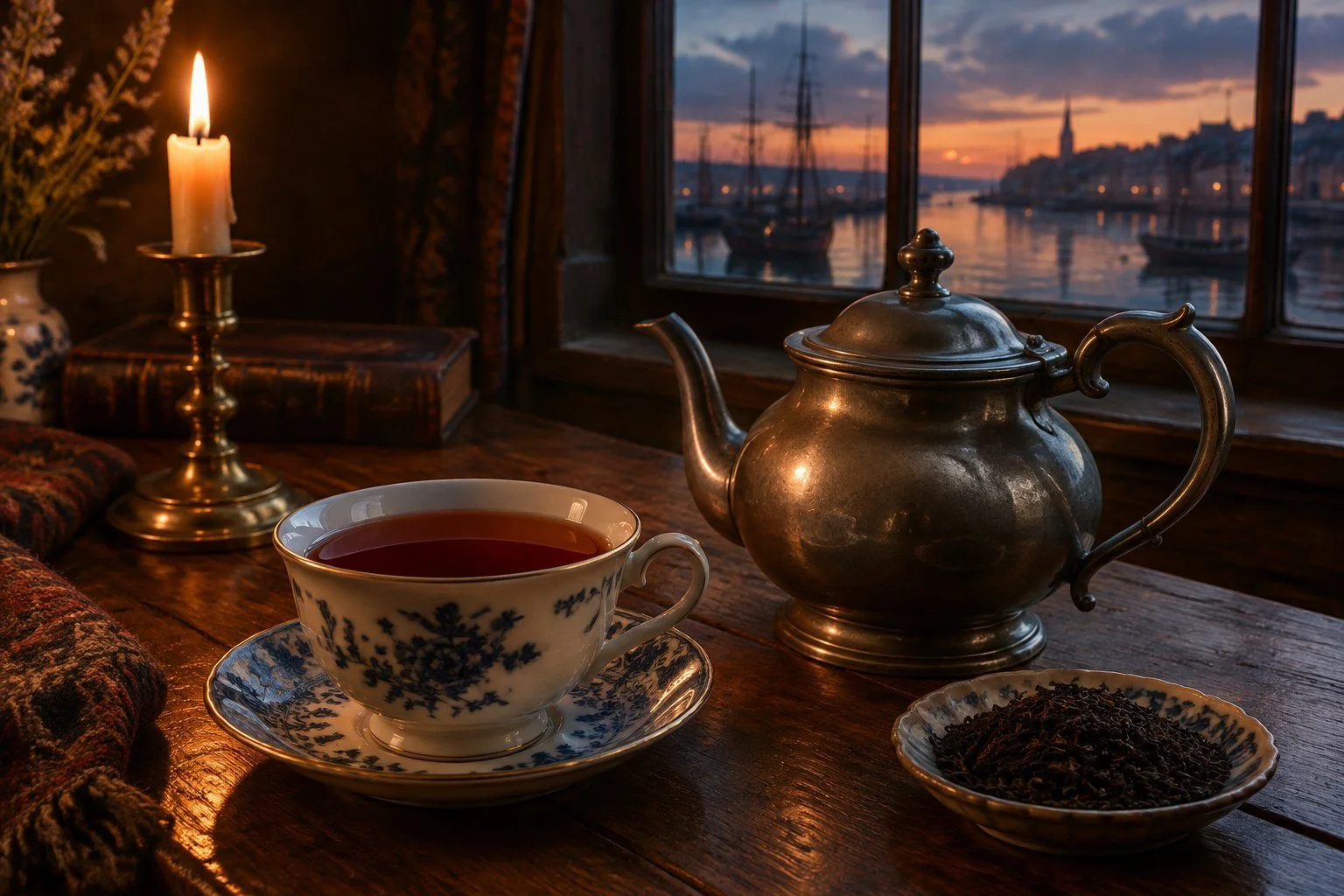
Cup of black tea beside a pewter teapot and loose leaves by candlelight near a harbor


Brew the black teas with freshly boiled water (205 to 212°F) for 3 to 5 minutes, and the Wuyi Oolong at 185 to 205°F for 3 to 5 minutes. Keep the Chun Mee cooler, at 175 to 185°F for 2 to 3 minutes. Then taste them side by side and imagine choosing between 2-shilling Bohea and 5-shilling Hyson in 1773. It's a fun way to spend a chilly evening this Halloween week, with or without a bowl of candy nearby.

A Boston story worth steeping

The Boston Tea Party is remembered as a political protest, and it was. But it was also about real teas from real mountains in Fujian and Anhui that people on both sides of the Atlantic loved to drink. Explore our Black Tea collection and Green Tea collection, brew a cup, and raise it to Boston's most famous tea night. We promise not to throw any of it in the harbor.

The Iron Goddess of Mercy: The Legends and Real History of Tieguanyin Oolong

Few teas carry a name as memorable as Tieguanyin. It translates to "Iron Guanyin," and it is usually rendered in English as "Iron Goddess of Mercy." Guanyin is the bodhisattva of compassion, one of the most beloved figures in Chinese Buddhism. The tea named for her is one of China's best-known oolongs, and it comes from Anxi County in Fujian Province.

Like many famous Chinese teas, Tieguanyin arrives wrapped in legend. This week we're looking at those stories, and at what the historical record actually supports.

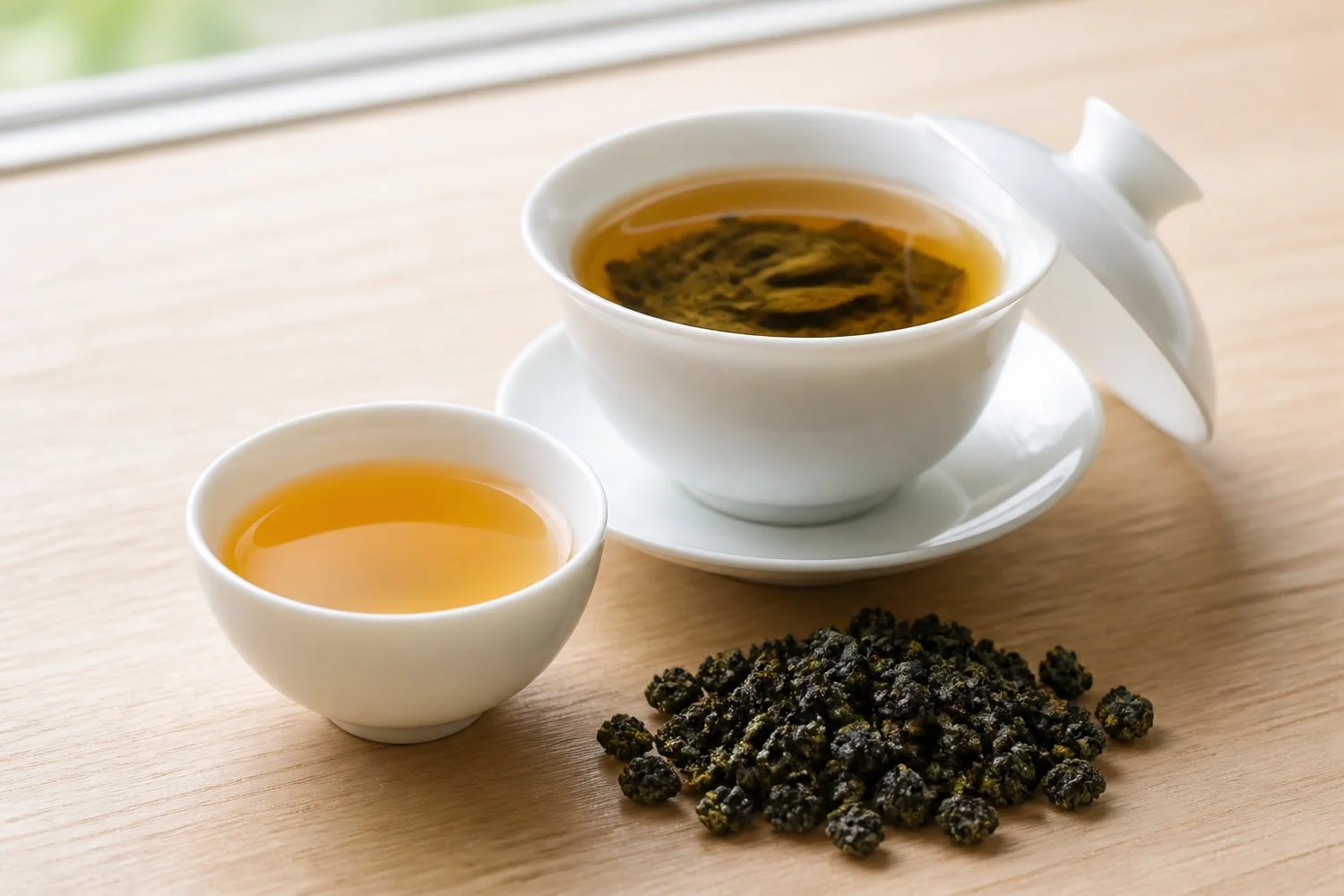
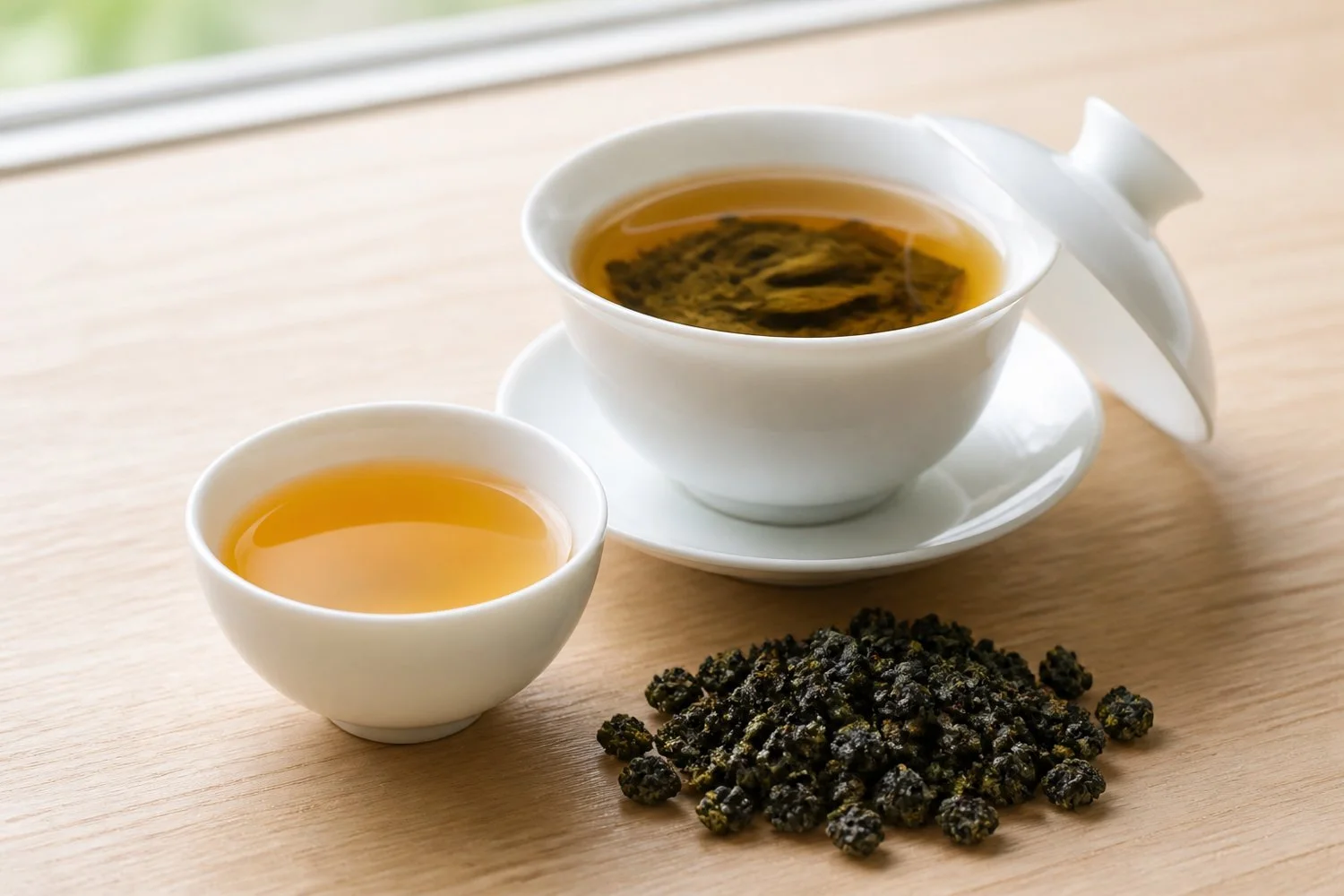
A cup of Tieguanyin oolong tea beside a gaiwan

Two legends, one tea

There are two traditional accounts of how Tieguanyin got its name, known in Chinese as the "Wei telling" and the "Wang telling."

The more famous one centers on Wei Yin, a tea farmer in Xiping, Anxi, who was devoted to Guanyin. According to the version summarized on Wikipedia, which draws on Chinese and Taiwanese sources, Guanyin appeared to Wei in a dream and guided him to an unusual tea plant growing in a crevice among the rocks. He found the plant where the dream had shown him, brought it home, and cultivated it. Because the plant came to him through Guanyin, and because the finished leaves were dark, glossy, and heavy like iron, he named the tea Tieguanyin. Some tellings, as the tea history site Oolong Tea notes, add that he raised the plant in a cracked iron pot.

Western tea sellers often tell a slightly different version, in which a poor farmer named Wei sweeps and tends a run-down temple holding an iron statue of Guanyin, and is rewarded with a tea shoot he shares with all his neighbors. Wikipedia points out that this version circulates among tea merchants in Canada and the UK but has no clear counterpart in China or Taiwan.

The second account swaps the miracle for imperial approval. In this version, a scholar named Wang Shirang found a special tea bush near his study in 1736, the first year of the Qianlong Emperor's reign. A few years later he brought the tea to Beijing as a gift. It passed through a court official to the emperor, who is said to have admired the dark, heavy leaves and named the tea after Guanyin. The UN's Food and Agriculture Organization (FAO) includes this story in its heritage documentation for Anxi, and it is careful to introduce it with "according to the legend."

What history can and can't confirm

So which story is true? Probably neither, at least not literally. Oolong Tea's review of the evidence cites a Chinese-language analysis concluding that both are folk legend, and notes that no document confirms the dream, the crevice, or the emperor's tasting.

What the record does support is still impressive. According to the FAO, tea production in Anxi is believed to date back to the 10th century, and Tieguanyin itself emerged in the 18th century. The FAO also cites county records compiled during Qianlong's reign showing that Anxi tea was already supplying neighboring towns at that time.

There is even a living link to the first legend. According to People's Daily Online, tea maker Wei Yuede of Anxi is the ninth generation of his family in the tea business and traces the tea's story to his ancestor, Wei Yin.

The farming trick that made a single bush famous

A great tea plant is only useful if you can grow more of it, and tea grown from seed doesn't come out exactly like its parent.

According to the FAO, around 1640 Anxi tea farmers noticed that tea branches accidentally buried in soil could take root and sprout. From that, they developed whole-plant layering: pinning a branch to the ground so it roots while still attached to the mother plant. Later generations refined this into cutting methods, including a short-cutting technique developed in Xiping around 1935. The FAO describes Anxi as the birthplace of vegetative propagation of tea trees in China.

That matters for Tieguanyin, because it is both a tea style and a specific tea plant variety. Propagating by layering and cuttings let farmers multiply an outstanding bush with its character intact. Oolong Tea calls this the real mechanism behind the legend: however the first bush was found, cuttings are what turned it into a countywide tea.

From Anxi to Taiwan, and to world heritage

Tieguanyin's reputation eventually crossed the Taiwan Strait. According to the Taipei City Government, tea master Zhang Nai-miao brought Tieguanyin plants from Fujian in 1895 and replanted them in the hills of Muzha, in what is now Taipei. The Maokong area there is still known for its Tieguanyin, and a memorial hall in Zhang's name tells the story.

Back in Anxi, the tea has earned formal recognition. In May 2022, the FAO designated the Anxi Tieguanyin Tea Culture System a Globally Important Agricultural Heritage System, citing local farmers' traditional know-how in managing the land and producing exceptional tea leaves.

Terraced tea fields in the hills of Anxi, Fujian

How the leaf becomes Iron Goddess

Tieguanyin is a semi-oxidized tea, sitting between green and black tea. As our Iron Goddess Oolong product page describes, the leaves are wilted in the sun and then shaken in bamboo baskets to bruise their edges, so the edges oxidize faster than the center. After a period of oxidation, the tea is fired to stop the process. Look closely at the leaves after brewing and you'll often see those slightly brownish edges.

The result is a cup that's nutty and mineral, with a lingering floral, orchid-like finish. It's also a tea that rewards patience: the same leaves can be steeped several times, and each cup shows something a little different.

Unfurled oolong tea leaves beside a clay teapot

Brewing a cup of the Iron Goddess

Our general guideline is 1 to 2 teaspoons (about 3 grams) per 8 ounces of water at 185 to 205°F, steeped 3 to 5 minutes. Then add more hot water to the same leaves and steep again. Pair it with dim sum, roasted nuts, or a fruit plate. As the evenings get cooler, it also makes a calm, warming cup after dinner, and it's a nice treat between handfuls of Halloween candy.

If Tieguanyin's story makes you curious about Fujian's other great oolongs, try our Wuyi Oolong, a "rock tea" from the Wuyi Mountains in the north of the province, with its own famous legend of the Big Red Robe. It's toasty, earthy, and honeyed, a fine contrast to the floral Iron Goddess.

Taste the legend

Whether you believe in Wei Yin's dream or Wang Shirang's trip to the emperor, the tea itself is the best part of the story. Brew a pot of Iron Goddess Oolong, steep it a few times, and see how the cup changes. Then explore the rest of our Oolong Tea collection to find your next favorite.

Jasmine Dragon Pearls: The Hand-Rolled Tea That Blooms in Your Cup

Some teas you simply drink. Jasmine Dragon Pearls is one you watch. Each small, hand-rolled pearl slowly opens in hot water, and the room fills with the sweet scent of jasmine. It is one of our favorite teas for a quiet afternoon, any time of year.

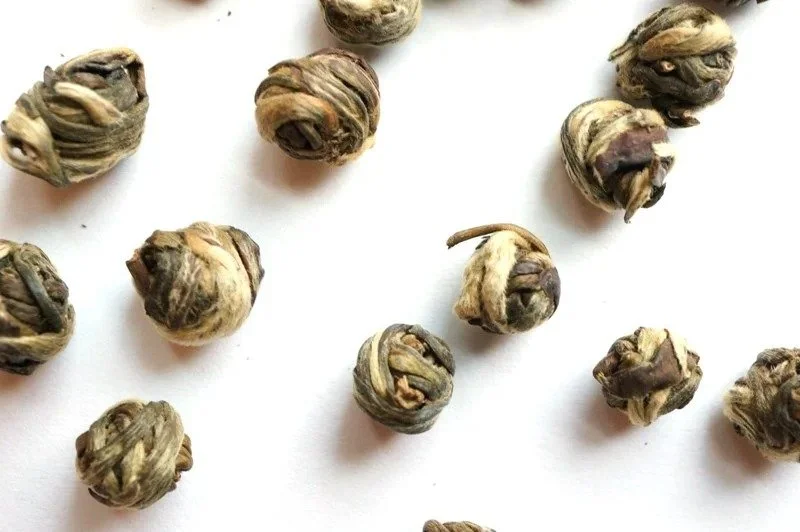
Loose Jasmine Dragon Pearls, small hand-rolled balls of green tea leaves, on a white surface

Where Jasmine Dragon Pearls Come From

Jasmine tea has a long history in China. The city of Fuzhou, in Fujian province, is especially famous for it, and its scenting traditions go back to the Southern Song dynasty.

The pearls are made from the top two leaves and the bud of new spring growth, picked in late March and early April. Each pearl is then rolled by hand.

The jasmine scent comes from real flowers. The blossoms are gathered during the day while they are still closed. In the evening, as the flowers open and release their fragrance, they are layered with the tea. After resting together, the spent flowers are removed and the tea is dried. This process is often repeated several times to give the tea a deeper scent.

What It Tastes Like

Jasmine Dragon Pearls is smooth and silky, with a clean green tea base under a sweet jasmine perfume. It is gentle, never bitter when brewed well, and pleasantly floral.

When the pearls open, look for the two leaves and the bud coming back to life. You may see a little soft "hairy down" on the bud. That is a sign of high quality and careful handling.

It pairs nicely with dim sum, steamed fish, almond cookies or fresh lychees. It is also lovely on its own.

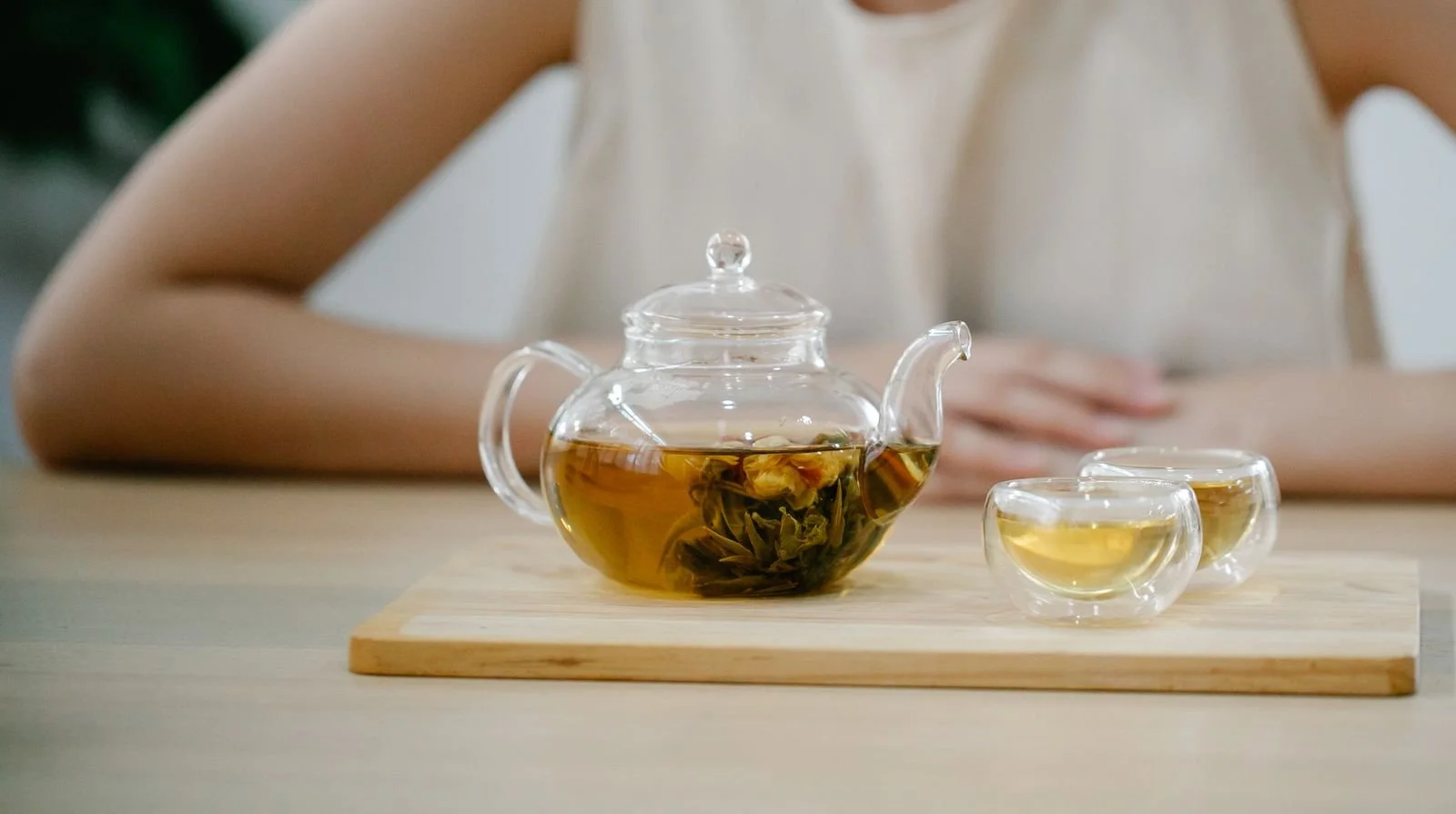
Glass teapot of golden green tea with opened leaves, beside two small glass cups on a wooden tray

How to Brew Jasmine Dragon Pearls

These are the brewing instructions from our product page, per 8 oz. of water:

  • Water temperature: 195°F / 90°C

  • Amount: 2 teaspoons

  • Steep time: 2–3 minutes

Tip: brew it in a glass teapot or a clear mug so you can watch the pearls open. You can steep the same pearls several times.

Sizes

See sizes on the product page

New to this tea? The sample size is an easy way to try it first.

Shop Jasmine Dragon Pearls from our tea shop in Boston, and explore the rest of our green tea collection.