
White Peony (Bai Mu Dan): A Soft, Velvety White Tea with Gentle Fruity Notes
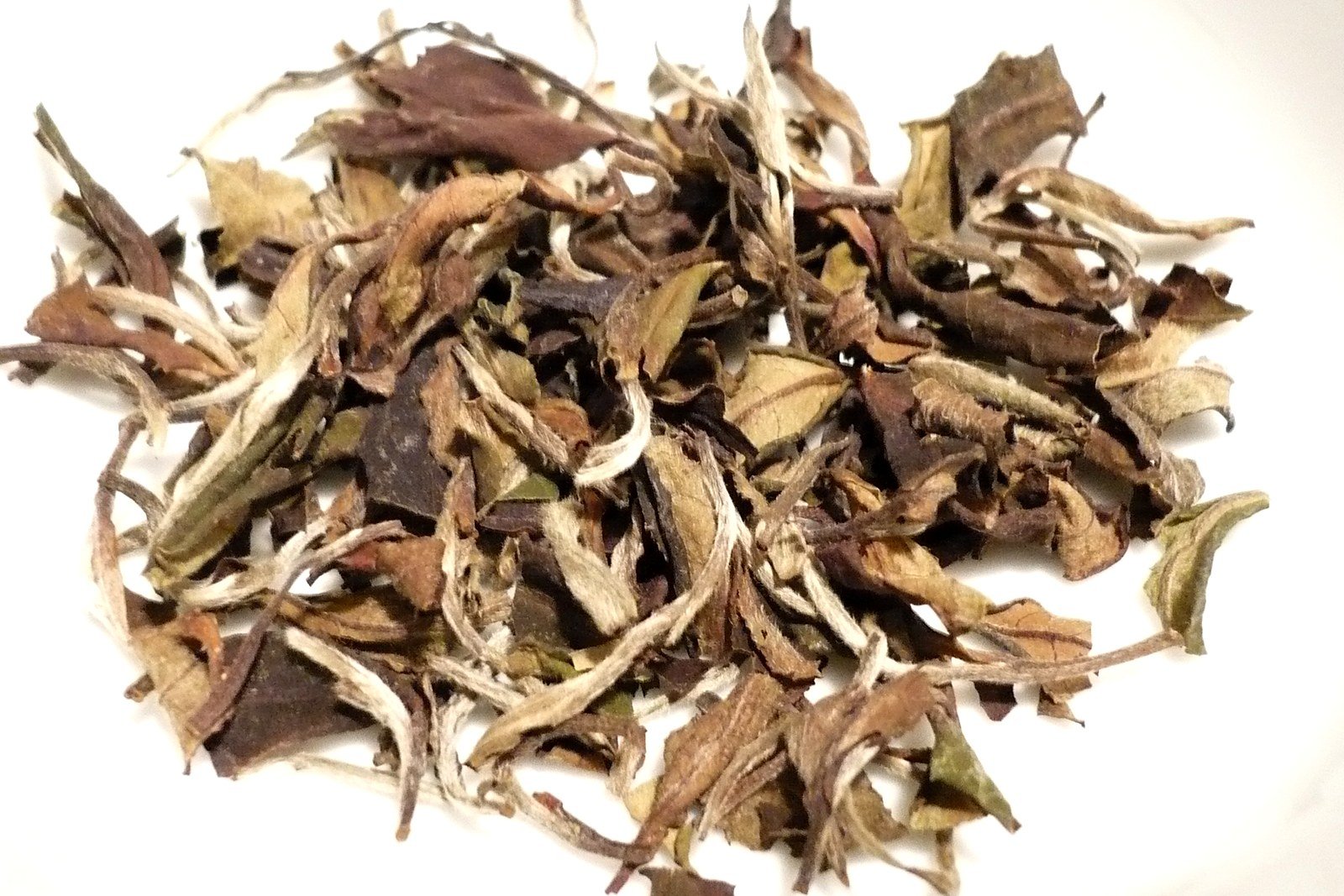
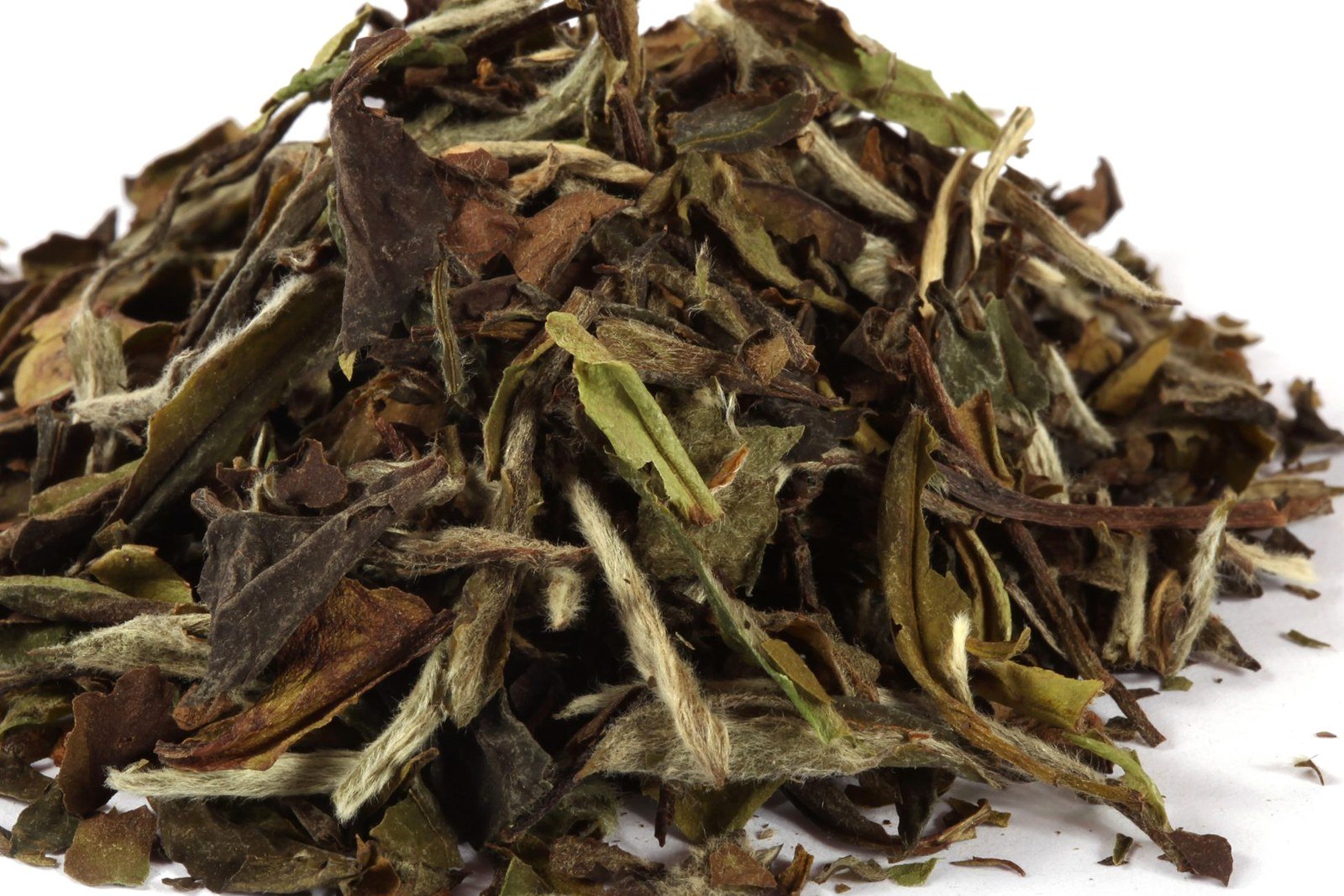
Open a bag of White Peony and the first thing you notice is how different it looks from most teas. There are no tight rolls or dark twists here. Instead you'll find a loose, airy mix of silvery buds and soft leaves in shades of sage, olive and pale brown, many of them covered in fine white down. Our White Peony, known in China as Bai Mu Dan, brews a clear, pale cup with a fresh aroma, a smooth, velvety body and delicate jammy notes. If you've been curious about white tea, this is one of the best places to start. Here's where it comes from, how it's made, how it tastes and how to brew it well.
Double-click to edit...
Where White Peony Comes From
White Peony is a traditional white tea from Fujian Province in southeastern China, the heartland of white tea. It was first developed in the Shuiji area of Jianyang, in northern Fujian, and production expanded into nearby Zhenghe in the early 1920s. Today it is also made in Fuding, on the Fujian coast. The bushes used for white tea are prized for their plump buds, which grow thick with silvery down.
Why Is It Called "White Peony"?
The Chinese name bái mǔdān (白牡丹) means "white peony." It's a poetic name, not an ingredient. There are no flowers in the tea. The name is usually explained by the way the pale buds and leaves open up in the cup, a little like a flower unfolding. The "white" in white tea comes from the fine, silvery-white hairs on the young buds.
Buds and Leaves: How It Differs from Silver Needle
White teas in China are often sorted by how much bud and how much leaf they contain. At the top is Silver Needle, made only from unopened buds. White Peony comes next, made from "two leaves and a bud," meaning the newest bud plus the two young leaves just below it. Further down are leafier styles called Gong Mei and Shou Mei, which have more leaves and fewer buds.
Those extra leaves are what give White Peony its character. Silver Needle is soft and subtle, while White Peony has more body and a fuller, fruitier flavor, yet it is still gentle.
How White Peony Is Made
Like all true teas, White Peony comes from the Camellia sinensis plant. What makes it a white tea is how little is done to it. Green tea is steamed or pan-fired soon after picking, and oolong and black teas are rolled and oxidized. White tea skips all of that.
After plucking, the buds and leaves are simply withered, traditionally in the sun, and then gently dried. Depending on the weather, the withering can last from about 1 to 3 days. The leaves are handled as little as possible, because bruising and breaking would change the flavor. It sounds simple, but it takes skill and good timing, and a sudden rainstorm during withering can spoil a batch.
When you look at the dry leaf, here's what to notice:
Silvery buds: the downy buds should stand out among the leaves.
Soft, mixed colors: expect light green, gray-green and pale brown leaves together. That natural variety is normal for White Peony.
Whole, fluffy leaves: the leaves are not rolled, so the tea looks loose and airy, and a spoonful weighs less than you'd expect.
What White Peony Tastes Like
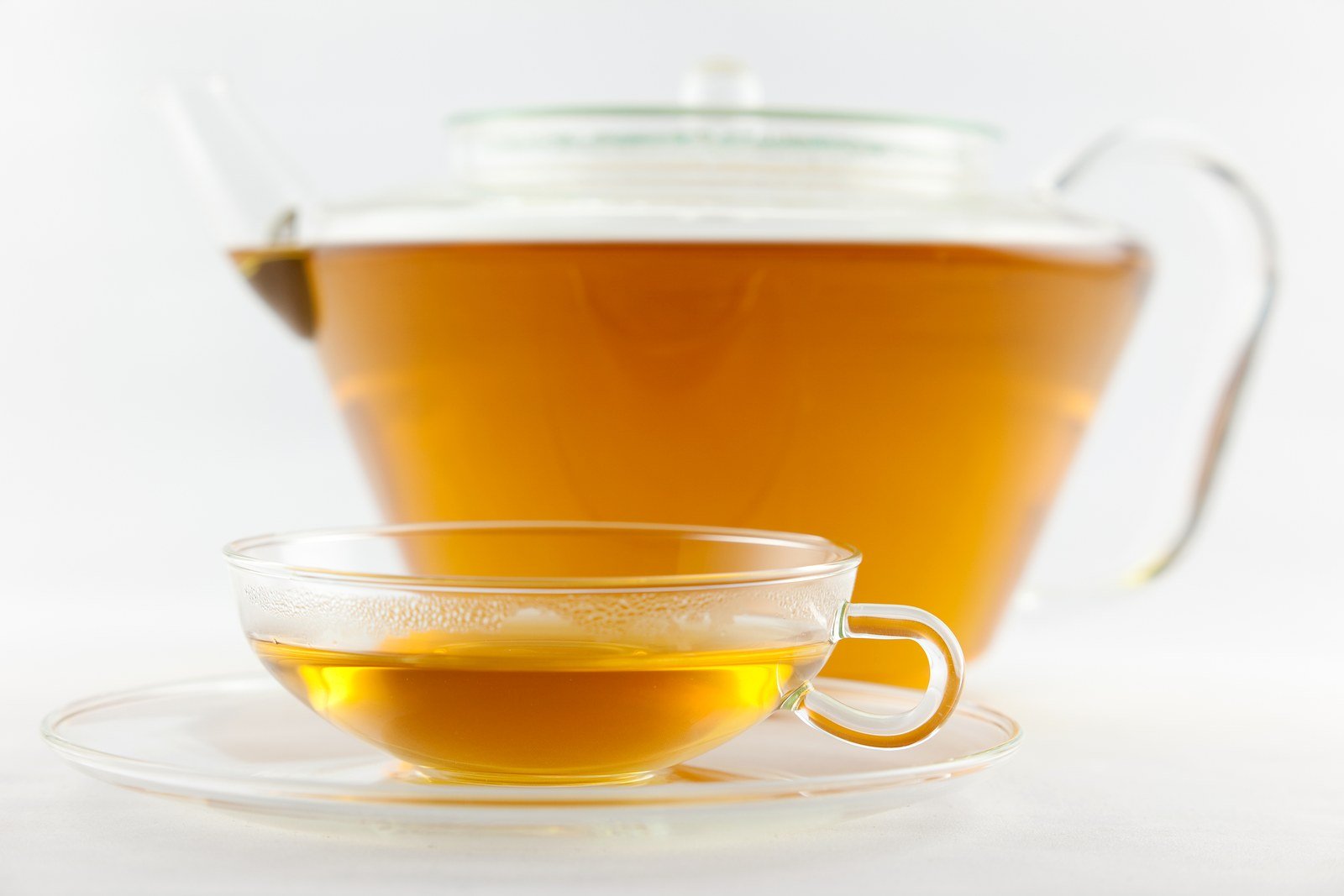
White Peony brews a clear cup that ranges from pale to warm gold, depending on how long it steeps. The flavor is smooth and velvety, with soft fruit and floral notes and gentle jammy hints that we like to compare to a mild Bordeaux. It's very well balanced, with good body for a white tea and a smooth finish.
Like all true teas, White Peony contains natural caffeine. The amount in any cup depends on how much leaf you use and how long you steep it.
How to Brew White Peony
White tea rewards a gentle touch. Here's our general guideline from the product page:
Tea: 2 teaspoons (about 2 to 3 grams) per 8 oz of water. The leaves are fluffy, so a generous spoonful is normal.
Water: 170 to 185°F. Hot, but well below boiling. If you don't have a variable-temperature kettle, let boiled water rest for several minutes before pouring.
Time: 3 to 5 minutes, then taste and adjust.
Re-steep: the same leaves can be steeped again, adding a minute or so each time. Our re-steeping guide has more tips.
Give the big leaves room to open. A roomy infuser basket, a teapot or one of our paper filters works well, and a glass teapot lets you watch the buds and leaves unfurl. If a cup tastes flat, try a little more leaf. If it tastes harsh, the water was probably too hot.
White Peony Iced Tea
White Peony also makes a very refreshing iced tea. For a quick version, brew it double strength (4 teaspoons per 8 oz of water at 170 to 185°F for about 4 minutes), then strain it over a tall glass of ice.
For an even smoother glass, try cold brewing. Put about 8 teaspoons (roughly 10 grams) of White Peony in 32 oz of cold water, cover and refrigerate for 4 to 12 hours, then strain. Cold brewing draws out the tea's soft sweetness with very little bitterness. Our earlier post on cold-brewed white tea has more ideas.
What to Eat with White Peony
White Peony's delicate flavor shines with light, fresh foods that won't overpower it. Try it with:
Fresh peaches or melon
Goat cheese
Light seafood dishes
For more ideas by tea type, see our Tea and Food Pairing for Beginners guide.
A Tea That Changes with Time
In Fujian, there's an old saying about white tea: "tea in the first year and a treasure after seven." Well-stored white tea slowly mellows as it ages, turning deeper and more honey-like. That makes White Peony one of the few teas that many tea enthusiasts enjoy both young and aged. If that sounds interesting, our earlier post on aged white tea explains more.
Who Will Love White Peony
Green tea drinkers: it's soft and smooth, with no grassy edge.
Fans of fruity flavors: its gentle fruit and jammy notes come from the leaf itself, with nothing added.
Iced tea lovers: it makes a smooth, refreshing glass, hot-brewed or cold-brewed.
If You Like White Peony, Try These Next
Silver Needle is made only from downy spring buds. It's lighter and more delicate, with a honey-sweet cup.
Aged Silver Needle has been aged for more than five years and brews a warm amber cup that's smooth and honey-like.
The White Tea Sampler Pack is an easy way to taste several white teas side by side.
You'll find these and more in our White Tea collection. As tea enthusiasts, we have been sharing quality tea at affordable prices since 2006, and our White Peony comes in sample and larger sizes so you can find your favorite. Scoop up a few of those silvery buds, pour the water and enjoy a soft, velvety cup.
Photos: "Baimudan" by Badagnani (licensed CC BY-SA 3.0), "Bai Mudan" by chaidrakon.ru (licensed CC BY 3.0) and "Frisch aufgebrühter weißer Tee Pai Mu Tan" by soultea.de/André Helbig (licensed CC BY-SA 3.0), via Wikimedia Commons. Cropped and color-adjusted; our edited versions of the CC BY-SA photos are shared under the same license.