
How Many Times Can You Re-Steep Loose-Leaf Tea? A Simple Guide by Tea Type
You've just finished a lovely cup of loose-leaf tea, and there's a scoop of damp leaves still sitting in your pot or infuser. Before you toss them, try pouring more hot water over them. With many teas, the second cup is just as good as the first, and sometimes it's even better.
So how many times can you re-steep loose-leaf tea? The honest answer is that it depends on the tea, the leaf and the way you brew. Here's a simple guide to getting the most out of every scoop.
Why Loose-Leaf Tea Can Be Re-Steeped
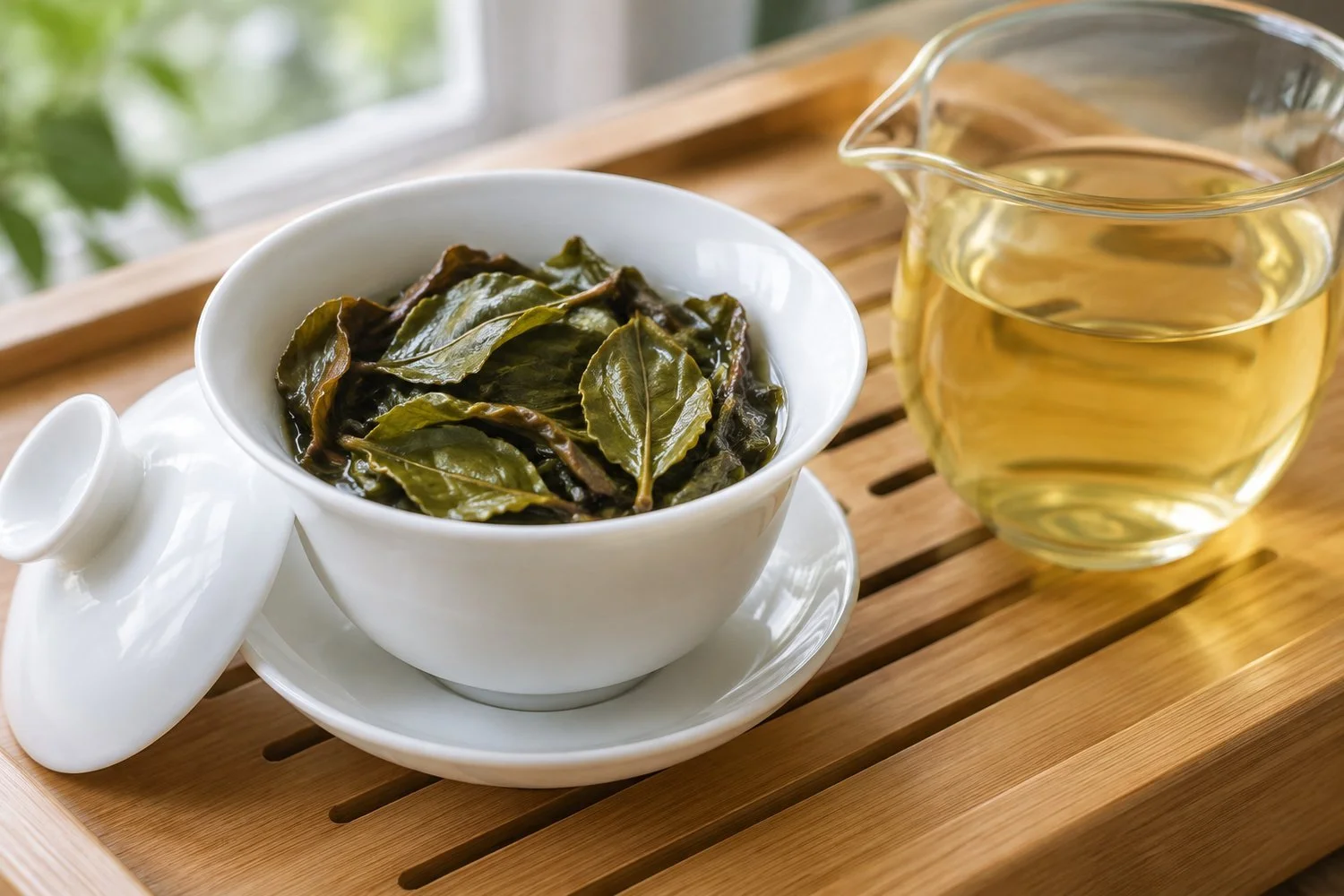
Whole and large-leaf teas release their flavor gradually. In the first steep, the leaves are still curled, rolled or twisted, so only part of their surface meets the water. As they soak and open up, more of the leaf is exposed, and the next infusion draws out flavors the first one didn't reach.
Tea bags usually hold small, finely cut pieces that give up nearly everything in one go. That's why a bag is usually done after one cup, while a good loose-leaf tea often has more to give.
How Many Infusions by Tea Type
These are general guidelines for Western-style brewing (a teaspoon or two of leaf in a mug or teapot, steeped for a few minutes). Every tea is a little different, so let your taste be the final judge.
Oolong: about 3 to 5 steeps. Oolongs are the champions of re-steeping. Tightly rolled teas like our Ali Shan Oolong and Iron Goddess (Ti Kuan Yin) Oolong open slowly, and each cup reveals new notes, from floral and orchid-like to nutty and mineral.
Green tea: about 2 to 3 steeps. Whole-leaf greens hold up well. Our Dragonwell Green Tea, with its flat, pan-fired leaves, is good for multiple infusions. Finely cut or broken greens tend to fade faster.
White tea: about 2 to 3 steeps. Gentle white teas like our White Peony brew a soft, fruity second cup that's often just as pleasant as the first.
Black tea: about 2 steeps. Whole-leaf black teas like our Golden Yunnan can give a good second cup, though it will be lighter than the first. Broken-leaf and CTC black teas, such as many breakfast blends, give up most of their flavor in the first steep.
Herbal, rooibos and flavored blends: usually 1 to 2 steeps. Rooibos often has a pleasant second cup in it, but most herbal and fruit blends, and teas flavored with fruit pieces or flowers, are at their best in the first steep.
Adjusting Time and Temperature on Later Steeps
The main rule is simple: steep a little longer each time. Because the leaves have already given up some of their flavor, add about 30 seconds to 1 minute for each new infusion. For example, if your first steep of an oolong was 3 minutes, try 3½ to 4 minutes for the second.
Keep the water temperature the same as the first steep, or raise it slightly for oolong and black tea if later cups taste thin. For delicate greens and whites, keep the water on the cooler side every time, since hotter water can turn them bitter. If you need a refresher, our post on brewing temperature by tea type covers the basics.
Western Style vs. Gongfu-Style Short Steeps
Everything above applies to Western-style brewing. There's another approach, called gongfu style, that gets even more infusions from the same leaves.
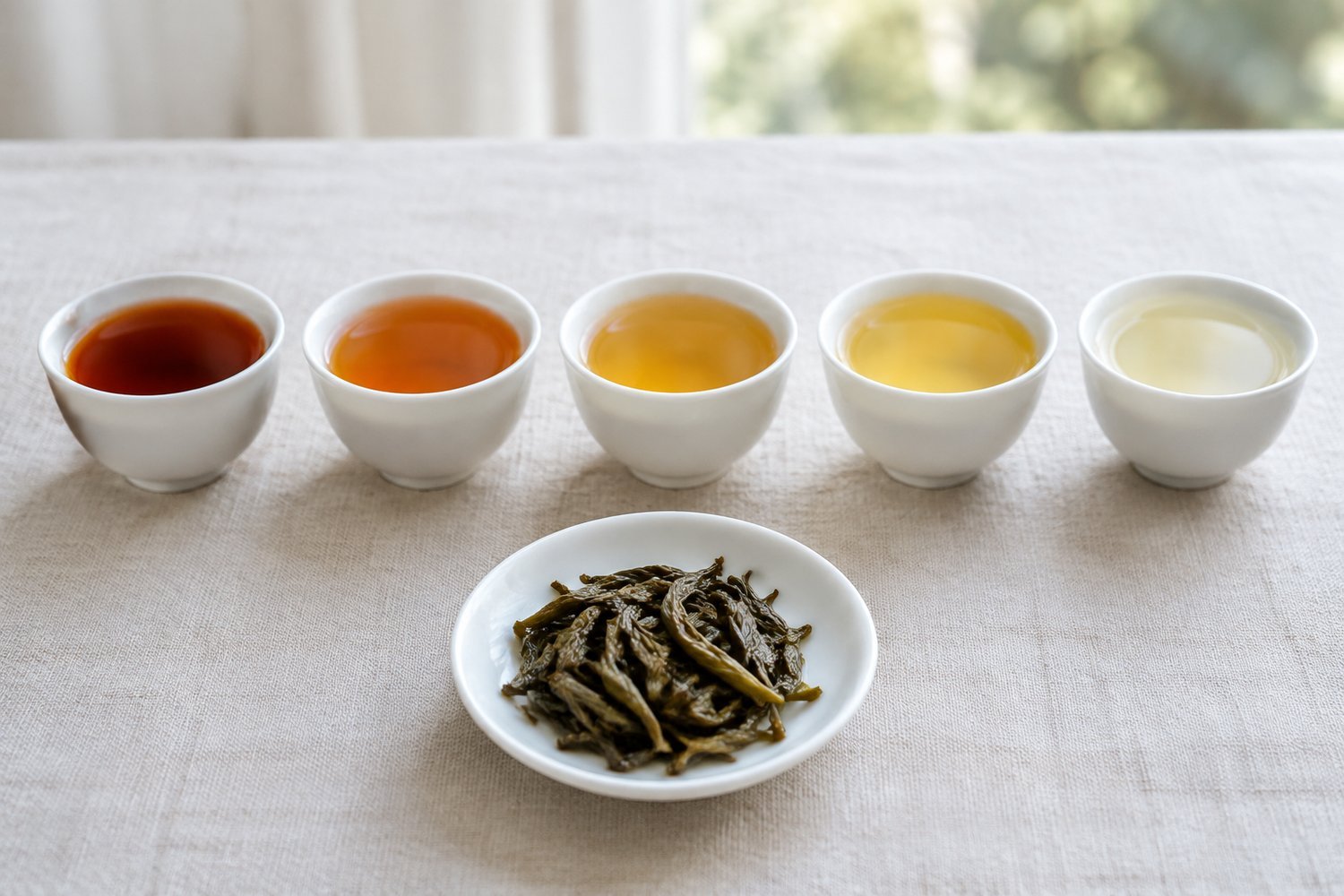
In gongfu brewing, you use more leaf in a small vessel, such as a gaiwan (a lidded cup) or a small teapot, and steep for just 15 to 30 seconds at a time. Each pour gives a small, concentrated cup, and you simply add a few seconds to each round. Because each steep is so short, oolongs brewed this way can often go 6 to 8 rounds or more, and you can taste how the flavor changes from one cup to the next.
Gongfu style works best with oolongs and other whole-leaf teas. If you're curious why oolong behaves so differently from green or black tea, our post on how one tea plant makes four kinds of tea explains how processing shapes each style.
Saving Used Leaves Between Steeps
You don't have to brew every infusion back to back. If you'd like a second cup later in the day, that's fine. A few tips:
Drain the leaves well after each steep so they don't keep soaking and turn bitter.
Leave the lid off or set the infuser on a saucer so the leaves can breathe.
Plan to finish your re-steeps the same day. Wet tea leaves left out overnight can spoil and grow mold, so compost them at the end of the day and start fresh tomorrow.
Signs Your Leaves Are Spent
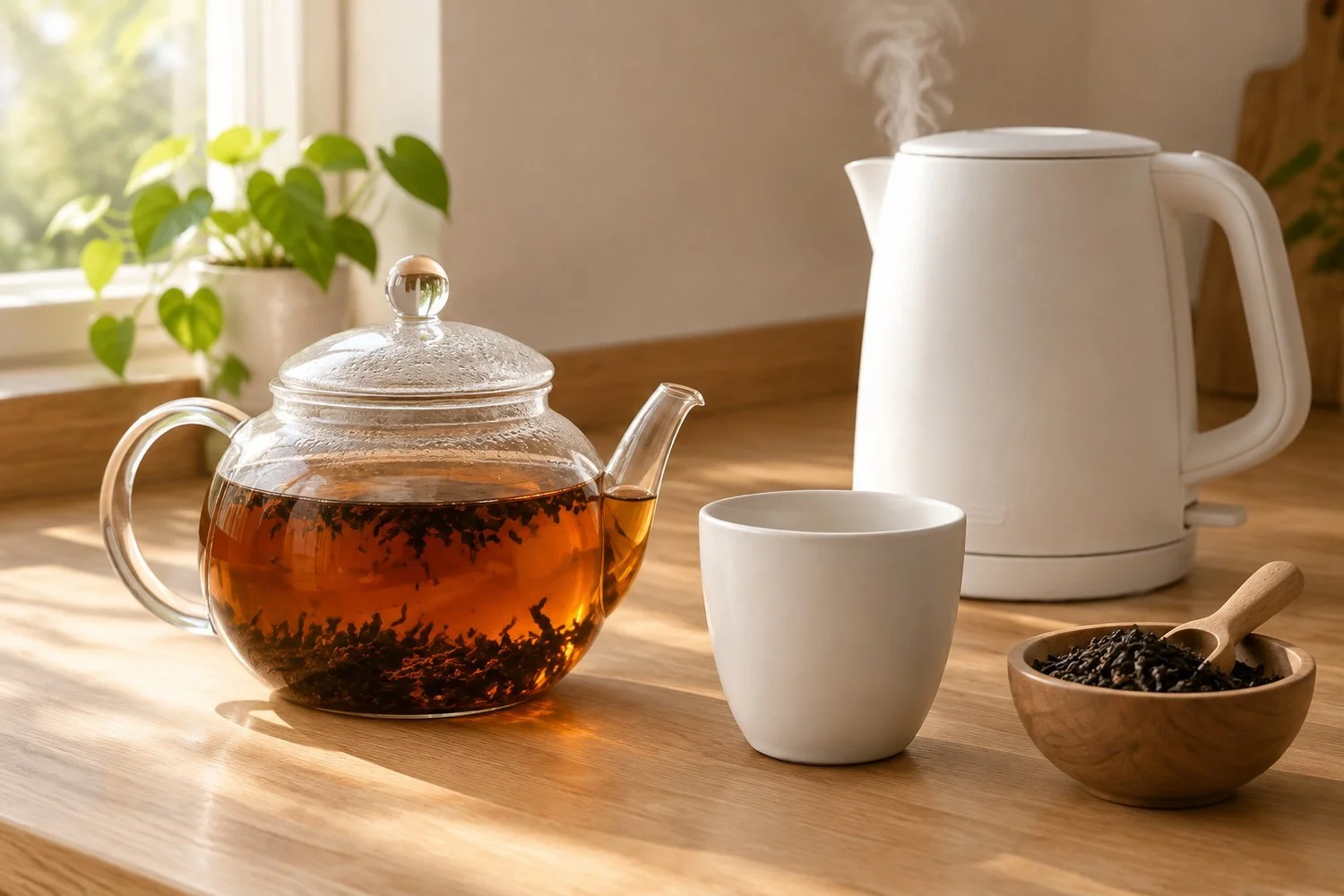
Your tea will tell you when it's done. Watch for these signs:
The brewed tea is very pale, even after a longer steep.
The aroma is faint, and the flavor tastes thin, flat or watery.
The leaves are fully opened and limp, with nothing left to unfurl.
A longer steep only adds bitterness, not flavor.
When you notice these, it's time for a fresh scoop. The used leaves make a nice addition to a compost pile or garden soil.
Get More from Every Scoop
Re-steeping is one of the simple pleasures of loose-leaf tea. It lets you taste how a tea changes from cup to cup, and it stretches each scoop a little further. The best way to learn is to experiment: brew an oolong three or four times and note what you taste in each cup. On a cool autumn afternoon, there's no better excuse to keep the kettle going.
As tea enthusiasts, we have been sharing quality tea at affordable prices since 2006, and many of our teas come in a sample size, so it's easy to try a few. Explore our Oolong Tea collection to find a favorite for your next round of re-steeping.
Happy steeping!