
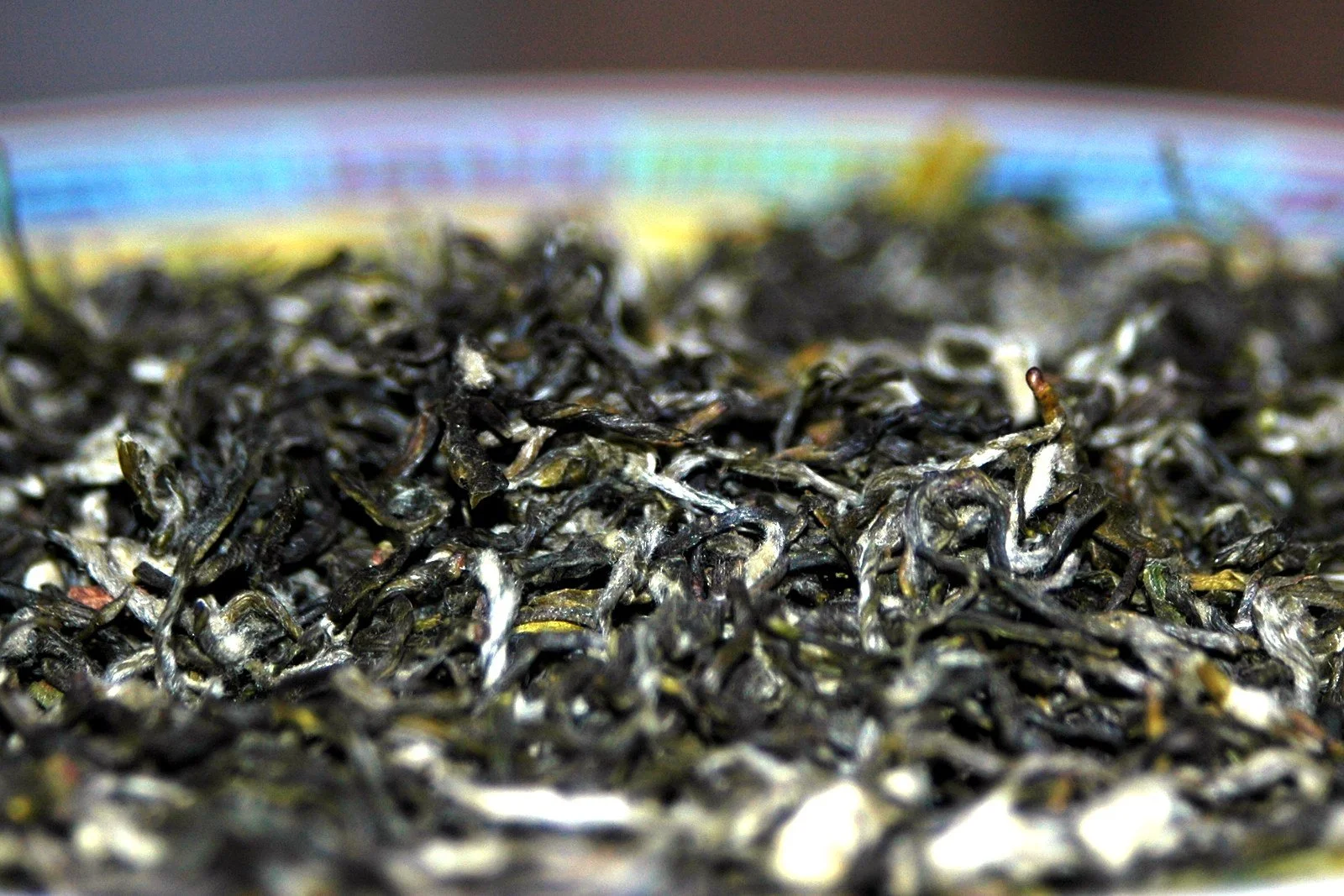
Take a close look at a spoonful of Bi Luo Chun and you'll see why it's one of China's most famous green teas. The leaves are hand-rolled into tiny, tight spirals, and many are covered in soft, silvery-white down. Our Bi Luo Chun brews a pale green cup that is fresh and delicate, with floral and nutty notes and a soft, earthy depth. If you enjoy gentle green teas, this one is well worth getting to know. Here's where it comes from, how its name came about, how it tastes and how to brew it well.
Where Bi Luo Chun Comes From
Bi Luo Chun comes from the Dongting hills near Lake Tai, in Jiangsu Province in eastern China, not far from the city of Suzhou. The area has two main tea-growing hills, Dong Shan (East Mountain) and Xi Shan (West Mountain), and tea from these hills is traditionally considered the best. Similar teas are also made in other provinces, and in Taiwan, but the Dongting hills are its traditional home.
What Does "Bi Luo Chun" Mean?
The Chinese name bì luó chūn (碧螺春) means "green snail spring." Each part of the name describes the tea itself:
Green for the color of the leaves.
Snail for the tight spiral the leaves are rolled into, which looks a little like a snail shell.
Spring for the early spring harvest.
From "Scary Fragrance" to "Green Snail Spring"
Bi Luo Chun has one of China's best-loved tea stories. Local tradition says the tea was once called xià shà rén xiāng, which means something like "scary fragrance," because its aroma was so surprisingly strong. According to a Qing dynasty account, when the Kangxi Emperor visited the Lake Tai area in 1699, he found that name unbecoming and gave the tea the more elegant name it carries today.
How Bi Luo Chun Is Made
Like all true teas, Bi Luo Chun comes from the Camellia sinensis plant. It is a green tea, which means the fresh leaves are heated soon after picking to stop oxidation and keep their fresh, green character.
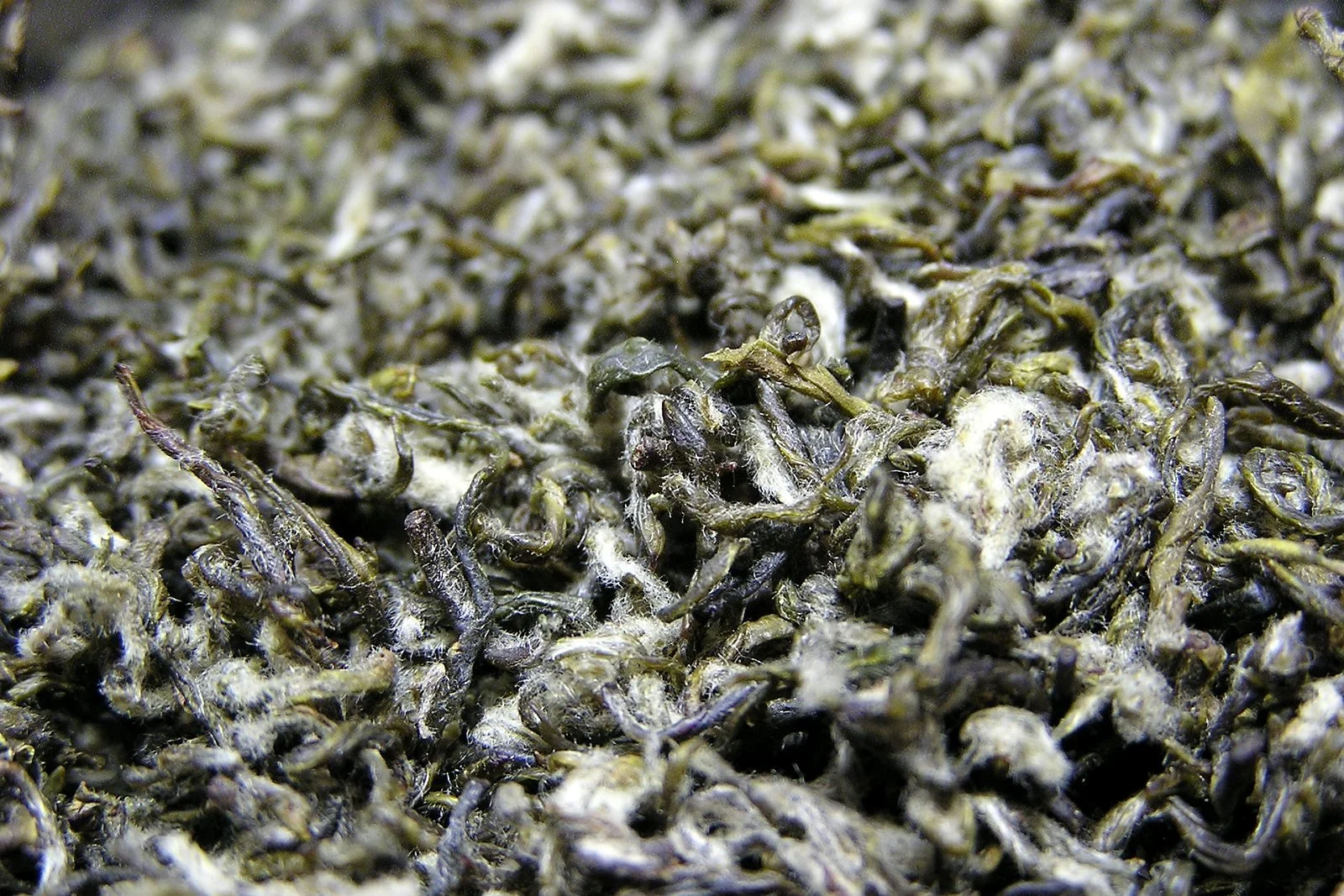
What sets Bi Luo Chun apart is how small and tender the leaves are. Our Bi Luo Chun is made from the finest tender buds, gathered and processed entirely by hand. The picking window is very short, from late March to early April, when the new buds are at their most tender. By one count, a single kilogram of Dongting Bi Luo Chun holds around 14,000 to 15,000 tiny tea shoots. After heating, each leaf is rolled by hand into its signature spiral and then dried.
When you look at the dry leaf, here's what to notice:
Tight spirals: the small, curled leaves are the "snail" in the name.
Silvery down: fine white hairs cover many of the buds, giving the tea a frosty look.
Mixed greens: expect deep green, gray-green and silvery tones together. That's normal for this tea.
What Bi Luo Chun Tastes Like
Bi Luo Chun brews a pale green cup that is fresh and delicate. The flavor is floral and slightly earthy, with gentle nutty notes and a clean, soft finish. Because of all that down, the cup can look a little hazy. That's a natural sign of a downy, bud-rich tea, not a flaw.
Like all true teas, Bi Luo Chun contains natural caffeine. The amount in any cup depends on how much leaf you use and how long you steep it.
How to Brew Bi Luo Chun
Bi Luo Chun is delicate, so cooler water and a short steep bring out its best. Here's our general guideline from the product page:
Tea: 1 teaspoon (about 2 to 3 grams) per 8 oz of water.
Water: 175 to 185°F. Avoid boiling water, which can make green tea bitter. If you don't have a variable-temperature kettle, let boiled water rest for several minutes before pouring.
Time: 2 to 3 minutes, then taste and adjust.
Re-steep: the same leaves can usually be steeped again, adding a little time for each cup. Our re-steeping guide has more tips.
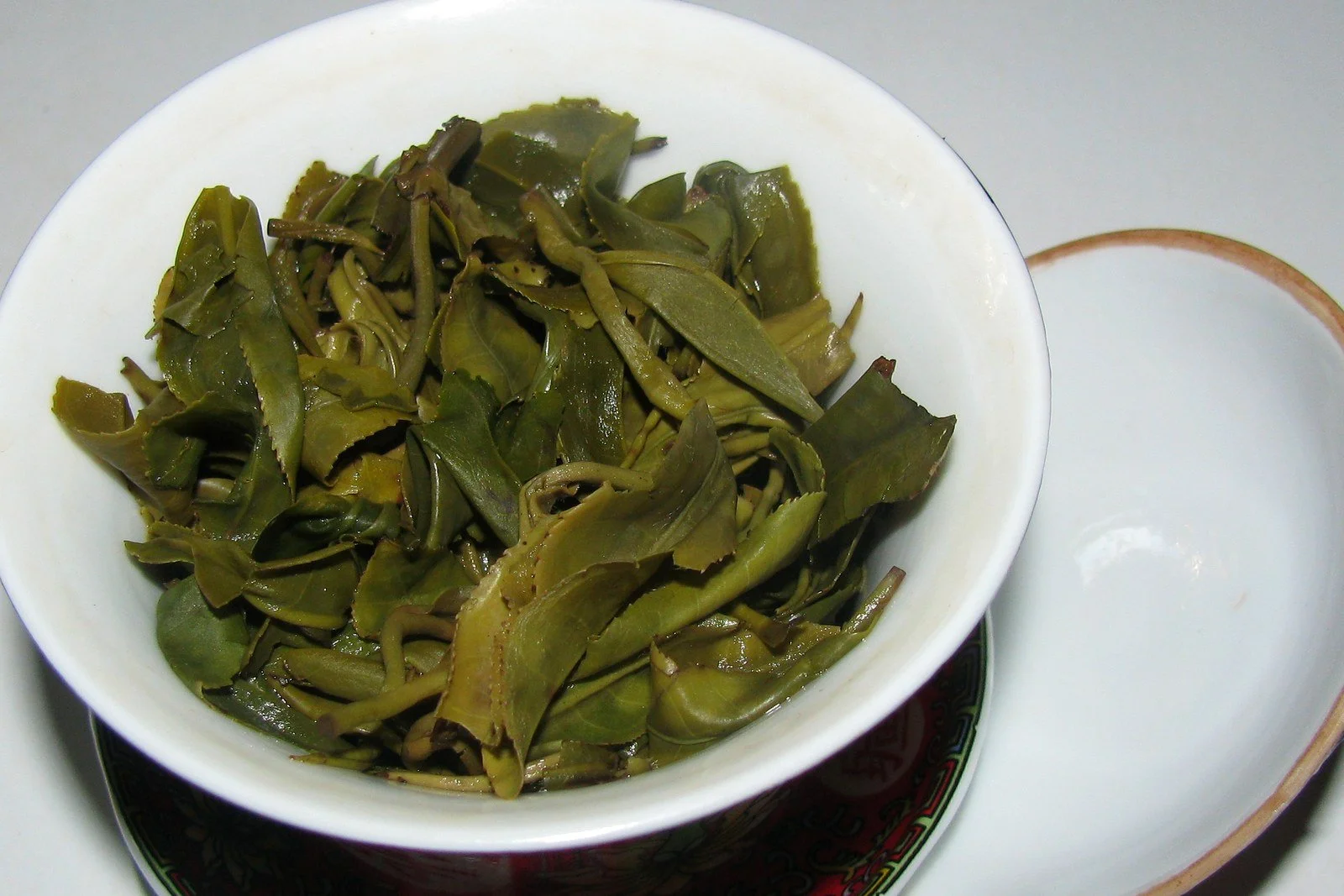
Try brewing it in a clear glass cup or a glass teapot so you can watch the tiny spirals open up and drift in the water. A roomy infuser basket or one of our paper filters works well too. If your cup tastes bitter, the water was probably too hot or the tea steeped too long. Our post on why tea turns bitter walks through the easy fixes.
For an iced version, you can also cold brew Bi Luo Chun in the refrigerator. Our cold brew guide explains the steps.
What to Eat with Bi Luo Chun
Bi Luo Chun's delicate flavor shines with light foods that won't overpower it. Try it with:
Steamed seafood
Fresh vegetables
A light fruit dessert
For more ideas by tea type, see our Tea and Food Pairing for Beginners guide.
Who Will Love Bi Luo Chun
Fans of gentle green teas: it's soft and delicate, with floral and nutty notes.
Curious tea drinkers: watching the downy spirals unfurl in a glass is half the fun.
Dragonwell drinkers: if you enjoy Dragonwell's sweet, nutty cup, Bi Luo Chun is a great next step from another famous Chinese tea region.
If You Like Bi Luo Chun, Try These Next
Dragonwell Green Tea is pan-fired by hand into flat, glossy leaves near West Lake in Hangzhou. It's sweet and gently toasty. Our Dragonwell post tells its story.
Green Curls is a crisp, easygoing rolled green tea from the mountains of Fujian, with a fruity cup and a gentle hint of smoke.
Chun Mee Green Tea, whose name means "precious eyebrows," is named for its curved leaves and brews a full-bodied cup with nutty and smoky notes.
You'll find these and more in our Green Tea collection. As tea enthusiasts, we have been sharing quality tea at affordable prices since 2006, and our Bi Luo Chun comes in a sample size (makes 5 cups), 2 oz. (25 cups) and 4 oz. (50 cups), so you can start small or stock up on your favorite. Drop a few of those silvery spirals into a glass, pour the water and enjoy a fresh, delicate cup.
Photos: "Biluochun (medium grade, spring 2007)" by Verylikerice at English Wikipedia (licensed CC BY-SA 3.0), "Hekirashun chakan" by USAGI-WRP (licensed CC BY 3.0) and "Biluochun Gaiwan" by Dark NirK (licensed CC BY-SA 3.0), via Wikimedia Commons. Cropped and color-adjusted; our edited versions of the CC BY-SA photos are shared under the same license.