
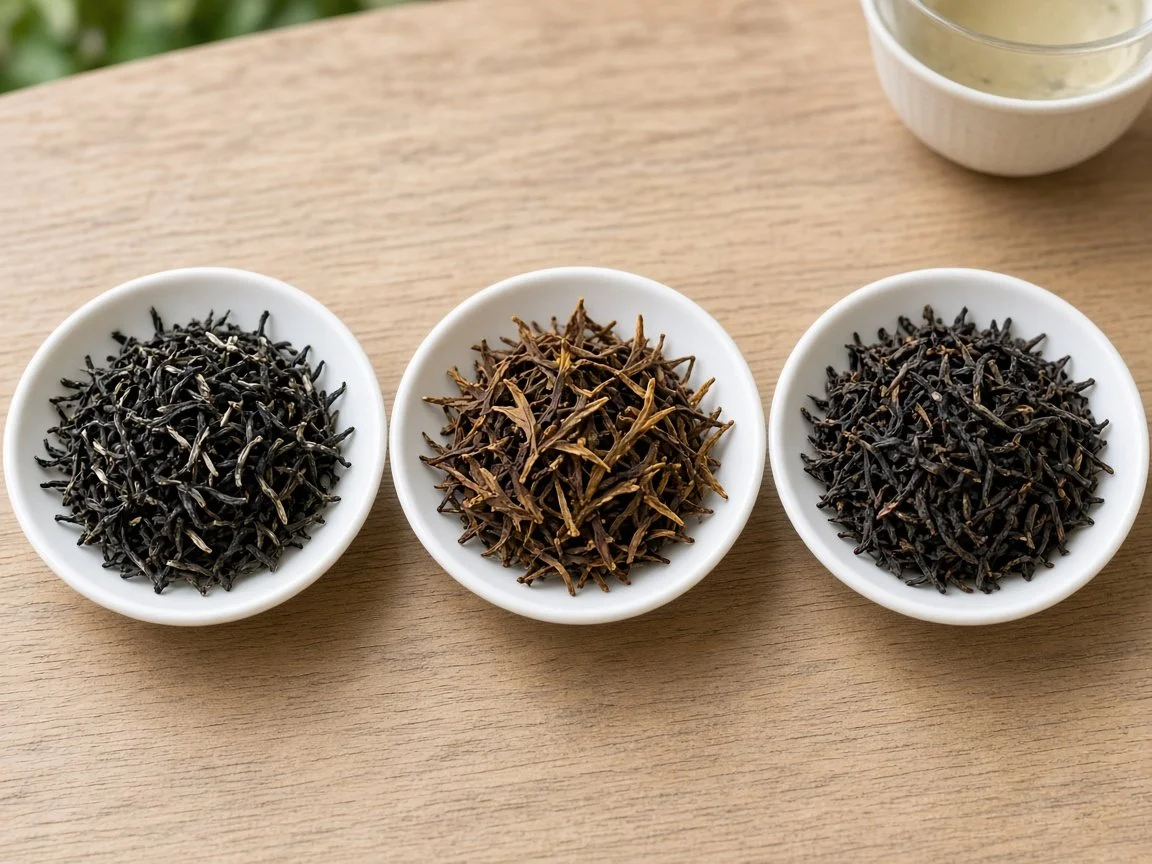
If you’ve shopped for Darjeeling or other fine black teas, you’ve probably seen the word flush on a label: first flush, second flush, autumnal flush. It sounds technical, but the idea is simple. A flush is a harvest season. The same tea garden can pick leaf several times a year, and each pick tastes different because the weather, the plant’s growth and the leaf itself have changed.
Here’s what the main flushes mean, how they show up in the cup, and a few teas from our shelves that make the idea easy to taste for yourself.
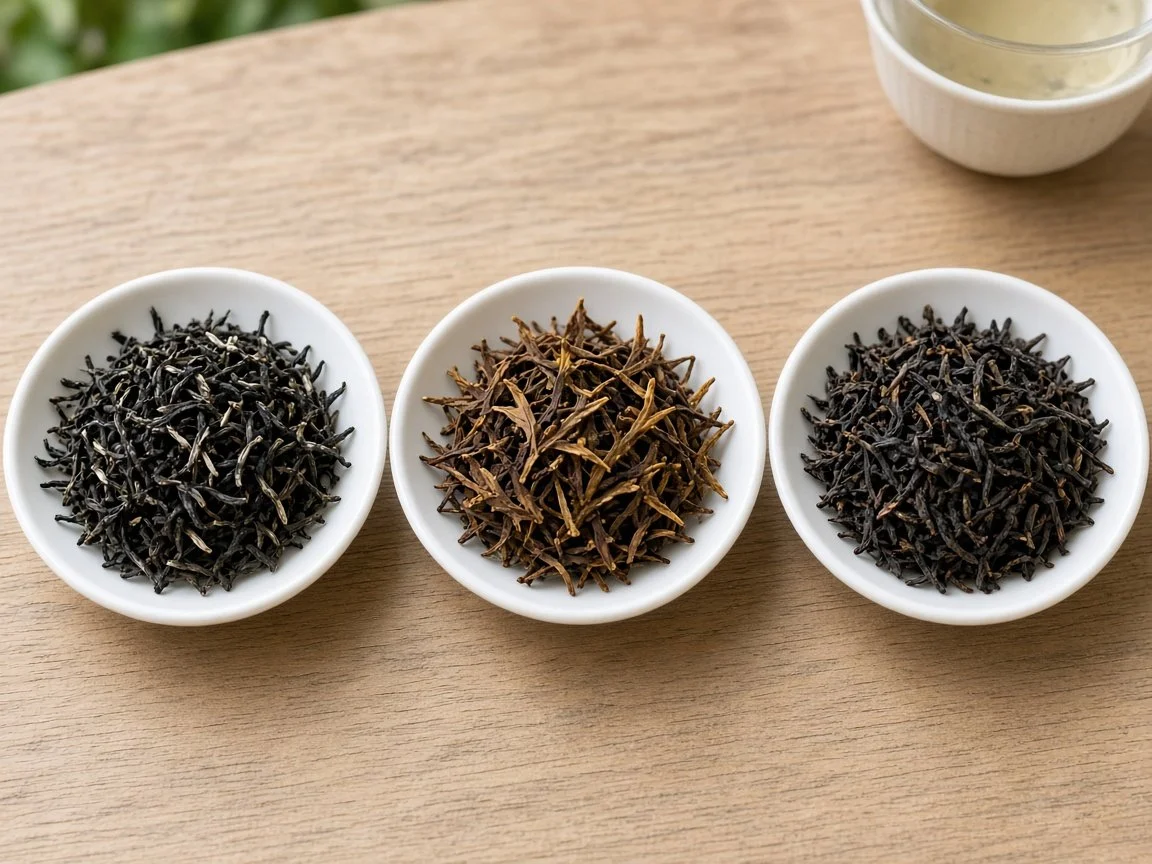
What “Flush” Actually Means
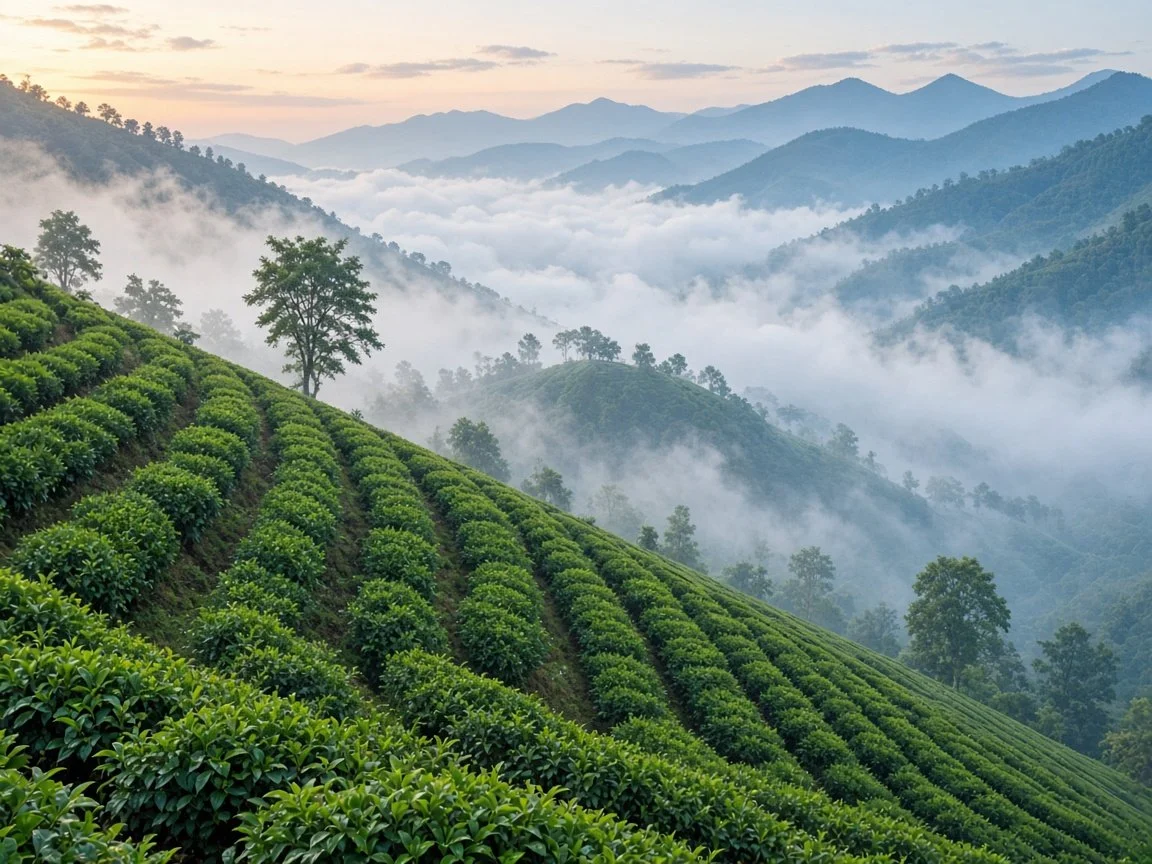
Tea comes from the evergreen plant Camellia sinensis. In many growing regions, especially in the Himalayan foothills of India, the bush grows in pulses through the year rather than one continuous harvest. Each pulse of new growth is called a flush.
Growers pick the tender new leaves and buds during those windows, then process them into green, oolong, white or black tea. So “first flush Darjeeling” isn’t a different plant from “second flush Darjeeling.” It’s leaf from the same kind of garden, picked at a different time of year.
Not every tea region uses the word the same way. Darjeeling made the flush language famous. Assam talks about flushes too. Chinese and Japanese teas more often name a season (spring, summer) or a style (like shade-grown Gyokuro) instead of saying “flush” on the bag.
First Flush: Bright, Fresh and Delicate
First flush is the spring pick, usually starting in late February or March in Darjeeling once the winter rest ends and the first new buds push out. The leaf is young and tender. The cup tends to be lighter in color, fragrant and lively, with a fresh, sometimes floral or grassy edge rather than deep malt.
Think of it as the "early garden" cup: bright and nuanced more than bold. First flush teas are often lovely on their own, without milk, so the delicate aromatics stay clear.
White teas built from early spring buds, such as Silver Needle, sit in a similar seasonal spirit even when the label doesn't say "flush."
Second Flush: The Classic Muscatel Cup
Second flush comes in late spring to early summer, after the first pick and a short rest. By then the leaf has more substance. In Darjeeling, this is the flush famous for muscatel character: a ripe, grape-like fragrance that tea lovers chase.
Our Castleton Darjeeling is a second-flush tea from the Castleton Estate, with a delicate, fragrant cup and those classic muscatel highlights. Darjeeling Margaret's Hope also shows that muscatel grape character with hints of currant, and Darjeeling Sungma leans aromatic with a golden cup and prominent muscat notes.
Second flush is still elegant, but it usually has more body and color than first flush. It's a wonderful afternoon tea, plain or with a light snack.
Autumnal (and Later) Flushes: Fuller and Cozier
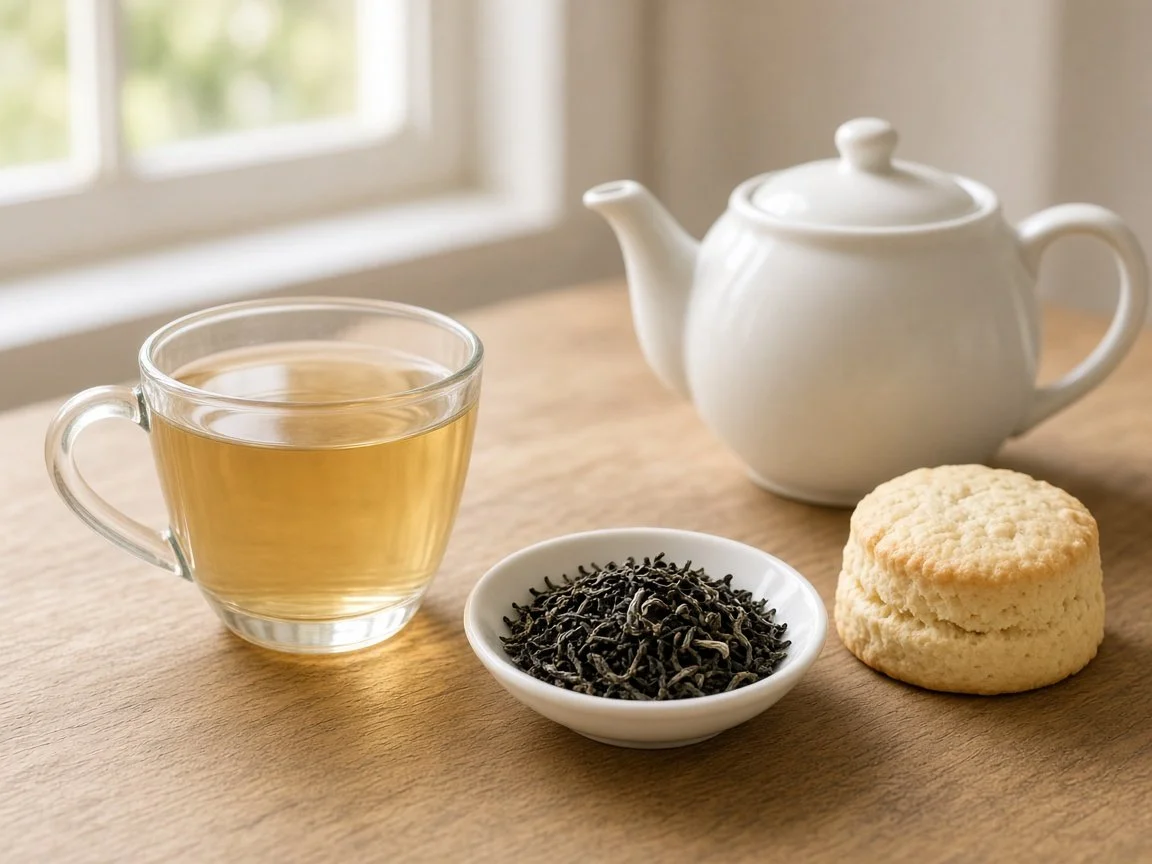
After the monsoon, many gardens pick again in autumn. Autumnal flush teas are often deeper, smoother and a bit more mellow than the spring picks. They can feel "rounder" in the mouth, with less of the sparkling high notes of first flush and more gentle depth.
Later-season leaf is also what many bold breakfast-style teas draw on in spirit: fuller cups meant for mornings. A malty Assam such as Assam Behora or the balanced Assam Hunwal shows that fuller, comforting side of Indian black tea. Outside India, a lively cup like Kenya Milima or a tippy Chinese black such as Golden Yunnan offers its own seasonal richness without using Darjeeling flush names.
How to Taste the Difference at Home
You don't need special gear. Brew two teas side by side with the same water and timing, and the flush differences become obvious.
- Use fresh water just off the boil for black teas, about 200 to 212°F.
- Measure about 1 teaspoon of leaf per 8 oz of water (a little more for very large, fluffy leaves).
- Steep 3 to 5 minutes, then remove the leaves so the cup doesn't keep getting stronger.
- Taste plain first. Notice color, aroma and whether the finish feels bright, grapey, malty or soft.
A fill-your-own paper filter or a reusable cotton tea bag makes side-by-side cups easy.
A Quick Flush Cheat Sheet
- First flush: spring pick; lighter liquor, fresh and delicate aromatics.
- Second flush: early summer pick; more body, classic Darjeeling muscatel.
- Autumnal flush: fall pick; deeper, mellower, cozy cups.
- Same garden, different season: the plant is the same; the weather and the leaf stage change the tea.
Where to Start
If you want to taste flush character clearly, begin with a Darjeeling such as Castleton or Margaret's Hope, then compare it with a fuller Assam like Assam Behora. Browse more options in our black tea collection, or explore delicate spring-style cups among our white teas.
Once you know what "flush" means, those little words on the label stop being jargon and start being a useful map of the cup you're about to brew.
Happy sipping!