
Milk Oolong: The Creamy Taiwanese Oolong with No Milk at All
The first question almost everyone asks about Milk Oolong is simple: is there milk in it? There isn't. Milk Oolong is pure tea leaf, with no milk, cream or dairy of any kind. The name comes from the way it tastes: naturally creamy and buttery, with a smooth, round feel that reminds people of a splash of milk in the cup.
Here's where this Taiwanese oolong comes from, what makes it taste the way it does, and how to brew it so you get the most out of every leaf.
A Tea from Taiwan's High Mountains
Taiwan, once known to the West as Formosa, became famous for oolong in the 19th century. Tea plants and tea-making know-how came across the strait from Fujian, China, and in the 1860s a British merchant named John Dodd began financing local farmers and processing their tea. In 1869 he shipped Taiwanese tea directly to the United States, and "Formosa Oolong" soon became a name tea drinkers looked for.
Milk Oolong is a much newer chapter in that story. It's made from a tea cultivar called Jin Xuan, bred at Taiwan's tea research station by Wu Zhenduo and officially released in 1981. Growers liked it, and drinkers loved its naturally creamy character, so it quickly became one of the island's most popular teas. Ours is grown in Taiwan's high mountains and produced in small batches.
How It's Made
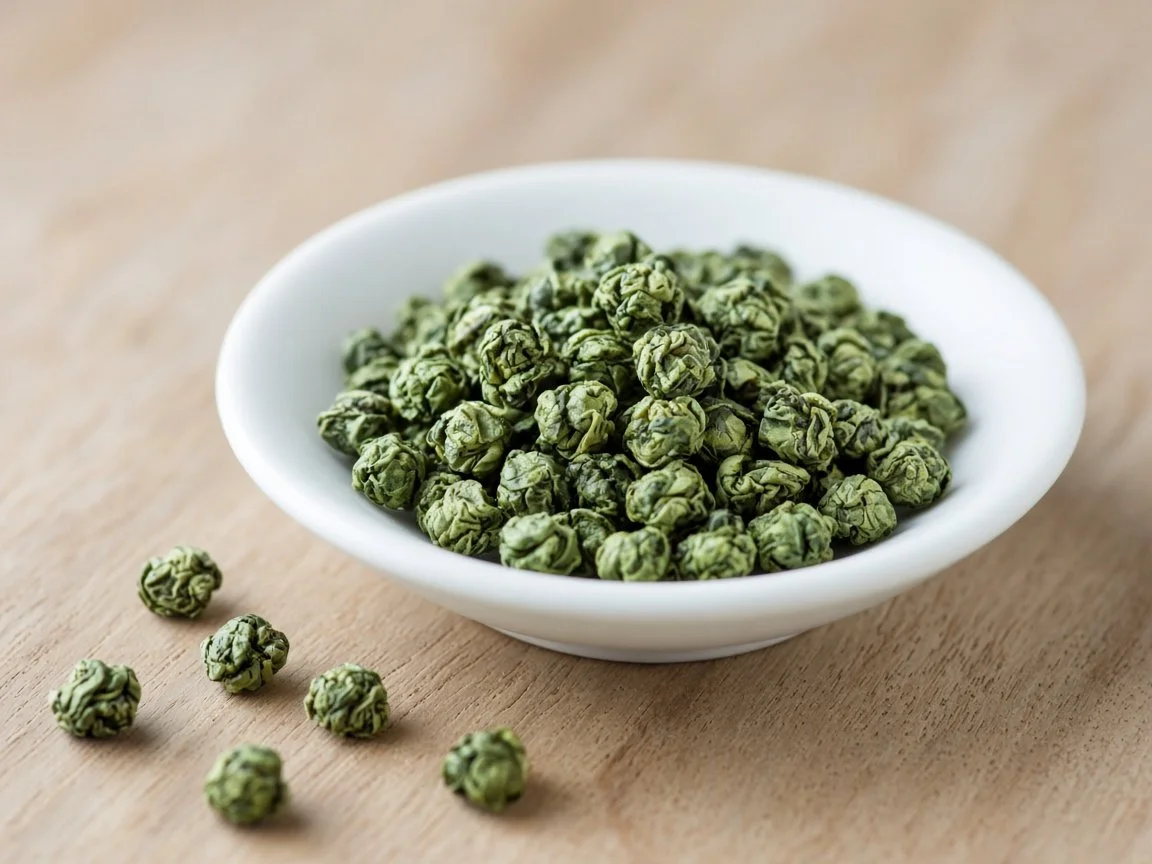
Milk Oolong is made much like other greener Taiwanese oolongs, such as Ali Shan Oolong and Tung Ting. The leaves are semi-oxidized, which puts oolong somewhere between green and black tea. Then they're lightly roasted and rolled into tight little pellets. Those pellets are why a small scoop goes a long way: once hot water hits them, they slowly open back up into full leaves.
What Milk Oolong Tastes Like
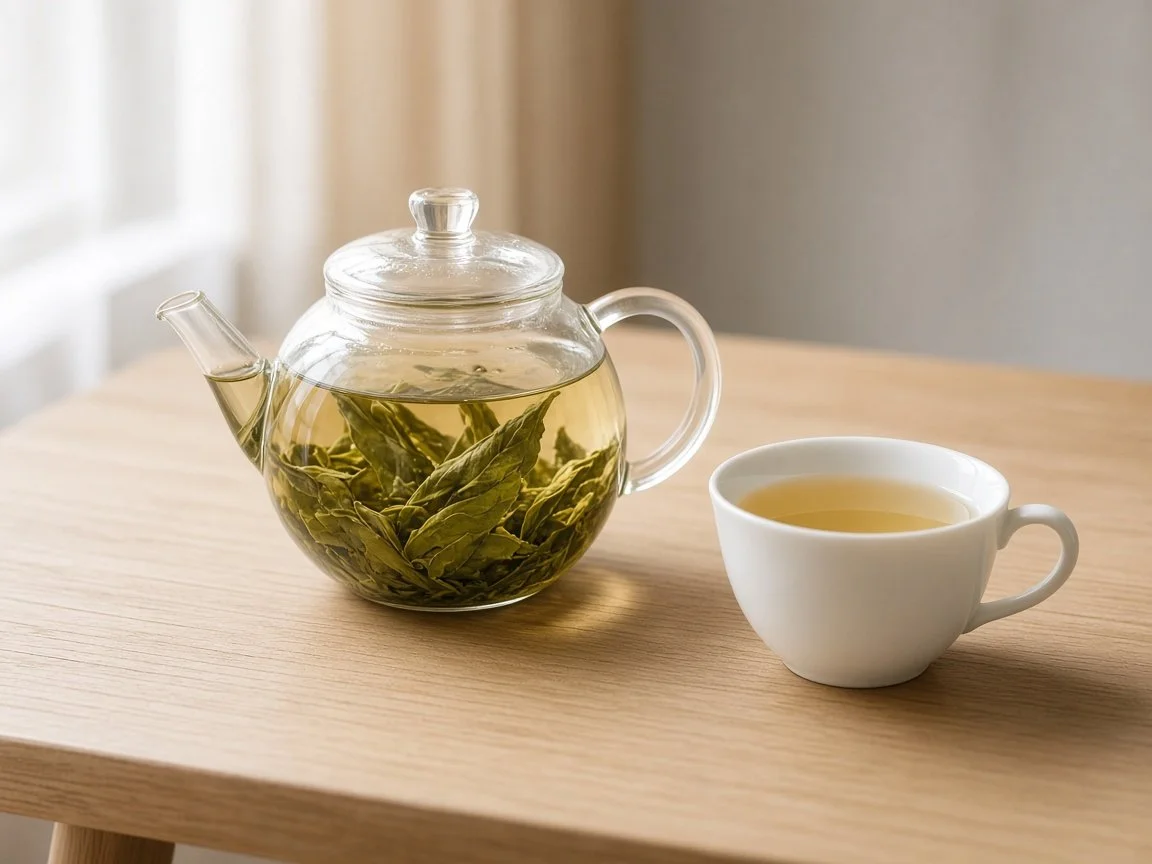
The cup is pale gold and very smooth. The first thing you'll notice is the creamy, buttery taste. Under that are light notes of orchid and toasty nuts. It's light-bodied and gentle, with none of the briskness of a black tea or the grassy edge some green teas have.
If you already enjoy lighter, greener oolongs, this one is a must-try. If you're new to oolong, it's also one of the friendliest places to start, because the flavor is soft and easy to like from the first sip.
How to Brew Milk Oolong
As a general guideline:
- Tea: 1 to 2 teaspoons (about 3 grams) per 8 oz of water.
- Water: 185 to 205°F. Hot, but just off a full boil.
- Time: 3 to 5 minutes for the first cup.
- Re-steep: use the same leaves several more times. Each cup brings out something a little different as the pellets keep opening.
Give the leaves room to unfurl. A roomy infuser basket, a small teapot, or our reusable cotton tea bags all work better than a tight tea ball. If the tea tastes too light, add a bit more leaf rather than steeping much longer. Then adjust to your own taste.
What to Pair with It
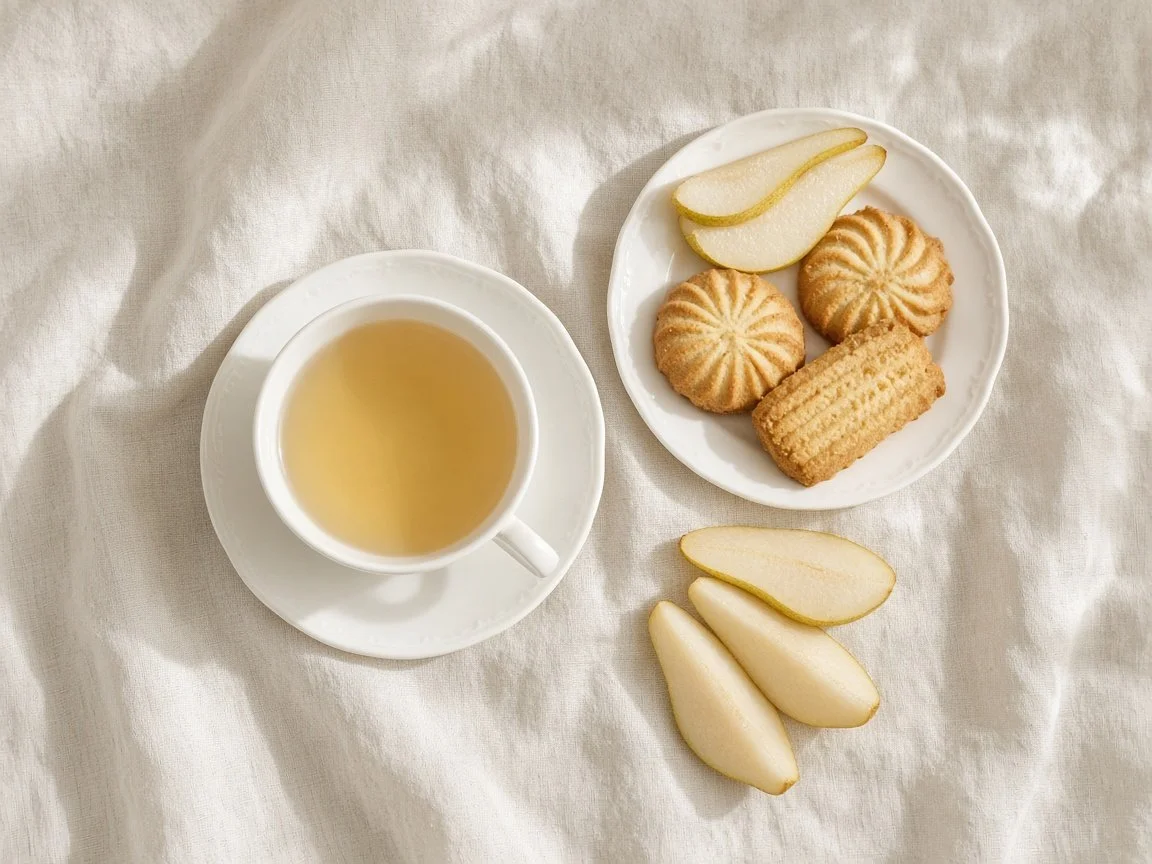
Because Milk Oolong is gentle and creamy, it shines next to simple foods that won't overpower it. Butter cookies and shortbread echo its buttery side. Flaky pastries are a natural match too. For something lighter, try fresh fruit like pear, apple or melon, which bring out the floral notes.
More Oolongs to Explore
If Milk Oolong becomes a favorite, a few others on our shelves are worth a try next:
Ali Shan Oolong is another high mountain Taiwanese oolong, clean and floral with notes of orchid and honey.
Jade Oolong is handmade in Taiwan, with a fragrant cup balanced between green and black tea.
Roasted Tung Ting Oolong leans toastier, if you like a warmer, roasted flavor.
Like every tea at Beantown Tea & Spices, our Milk Oolong is quality loose-leaf tea at an affordable price, with sample and larger sizes so you can find your favorite. Browse the full oolong tea collection, and pick up any brewing gear you need in our tea accessories.