
Matcha
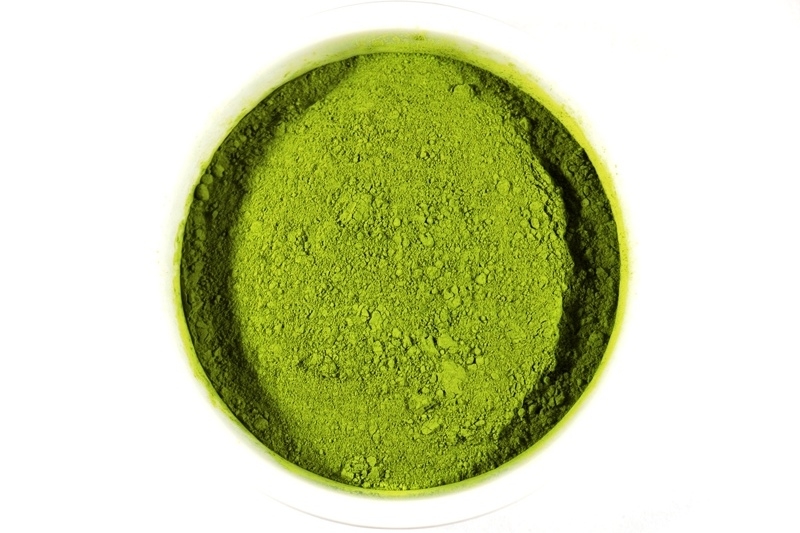
Vivid, sweet and rich, this excellent matcha from Uji, Kyoto, is a premium first-harvest spring tea. The tea leaves are of the Samidori cultivar.
History & Heritage
Matcha's roots reach back to Song dynasty China, where tea was ground to powder and whisked in bowls. The Zen monk Eisai is traditionally credited with bringing tea seeds and the practice of powdered tea to Japan around 1191. Over the following centuries, matcha became the heart of the Japanese tea ceremony, which was refined in the 16th century by the tea master Sen no Rikyu. Growers in Uji, near Kyoto, developed the technique of shading tea plants before harvest, which produces the vivid green, sweet and savory leaves ground into fine matcha.
Interesting Facts
Uji has been one of Japan's most celebrated tea regions for centuries.
Quality matcha is made from shaded leaves. Tea plants are covered beneath special shades for about 3 weeks before plucking, which deepens their green color and sweetness.
Matcha has broken from tradition and is now enjoyed cold, in lattes and smoothies, and in ice creams and baked goods.
Tasting Notes & Pairings
It brews a rich, vegetal cup with sweet notes from full-flavored spring leaves, smooth and lingering. Enjoy it whisked on its own, with a traditional Japanese sweet, or as a luxurious matcha latte. It also pairs beautifully with white chocolate and fresh strawberries.
Brewing tips (general guideline): sift about 1 teaspoon (1–2 g) of matcha into a bowl, add a few drops of hot water and whisk into a paste, then add 6–8 oz of water at 160–175°F and whisk briskly in a zigzag motion until frothy. Adjust to taste.
Like every tea at Beantown Tea & Spices, Matcha Samidori is a quality loose-leaf tea offered at an affordable price, with sample and larger sizes so you can find your favorite. Explore more in our Matcha collection, or pair it with our Bamboo Matcha Whisk.
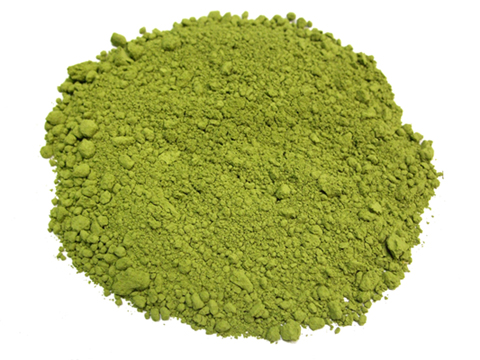
Bright and versatile, this is a quality all-purpose matcha grown in Japan. The tea has a pale emerald green color, and when whisked on its own, it has an almost jammy smoothness with a pleasantly sweet astringency.
History & Heritage
Matcha's roots reach back to Song dynasty China, where tea was ground to powder and whisked in bowls. The Zen monk Eisai is traditionally credited with bringing tea seeds and the practice of powdered tea to Japan around 1191. Over the following centuries, matcha became the heart of the Japanese tea ceremony, which was refined in the 16th century by the tea master Sen no Rikyu. Growers in Uji, near Kyoto, developed the technique of shading tea plants before harvest, which produces the vivid green, sweet and savory leaves ground into fine matcha.
Interesting Facts
In matcha, you consume the whole ground leaf rather than an infusion.
This matcha is made using shaded leaves of the type used for Gyokuro, grown beneath shades for about 3 weeks before plucking.
Matcha is now a favorite ingredient for lattes, smoothies, ice cream and baked goods, as well as a traditional bowl of tea.
Tasting Notes & Pairings
Smooth and gently sweet with a lively green finish, it is equally good whisked straight or blended with milk. Try it with mochi, shortbread, or a fruit smoothie.
Brewing tips (general guideline): sift about 1 teaspoon (1–2 g) of matcha into a bowl, add a few drops of hot water and whisk into a paste, then add 6–8 oz of water at 160–175°F and whisk briskly in a zigzag motion until frothy. Adjust to taste.
Like every tea at Beantown Tea & Spices, Matcha Green is a quality loose-leaf tea offered at an affordable price, with sample and larger sizes so you can find your favorite. Explore more in our Matcha collection, or pair it with our Bamboo Matcha Whisk.
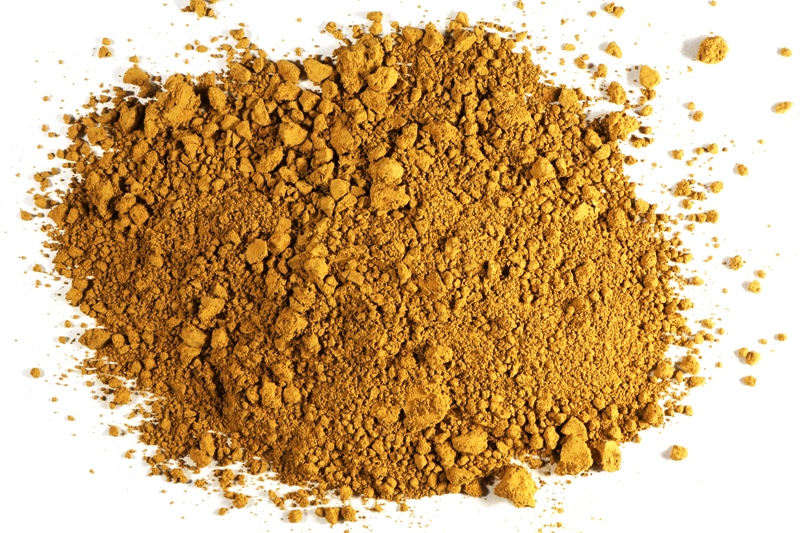
Malty, smooth and unexpected, this is an exceptional black tea matcha from the Nandi Highlands of Kenya. It brews a well-balanced cup with just the right astringency.
History & Heritage
Kenya's tea industry began in 1903 with an experimental planting at Limuru, and the country has since become the world's largest exporter of black tea. Its highland gardens lie near the equator, where tea can be plucked year-round. Grinding tea into a fine powder is an idea borrowed from Japan, where matcha has been made on stone mills for centuries. In Japan, the shaded leaves called Tencha are ground on stone mills to make traditional matcha. Applying that technique to Kenyan black tea produces something entirely new.
Interesting Facts
This special matcha is made by grinding a rich, full-leaf Kenyan black tea using a Japanese-style matcha mill.
It is craft-ground in small quantities only.
The Nandi Hills are one of Kenya's notable tea-growing areas.
Kenya is the world's largest exporter of black tea, and its tea grows mainly in the highlands at about 1,500 to 2,700 meters.
Tasting Notes & Pairings
Kenya black matcha offers smooth, malty notes balanced by a pleasingly smooth astringency. When brewing, we encourage you to experiment with the amount, water temperature and whisking time until you find the strength that's perfect for you. It makes a wonderful latte with steamed milk and pairs well with banana bread, oatmeal cookies, or a chai-spiced dessert.
Brewing tips (general guideline): whisk about 1 teaspoon (1–2 g) with 6–8 oz of hot water, around 175–195°F, until smooth and frothy. Adjust to taste.
Like every tea at Beantown Tea & Spices, Matcha Kenya Highlands is a quality loose-leaf tea offered at an affordable price, with sample and larger sizes so you can find your favorite. Explore more in our Matcha collection, or pair it with our Bamboo Matcha Whisk.
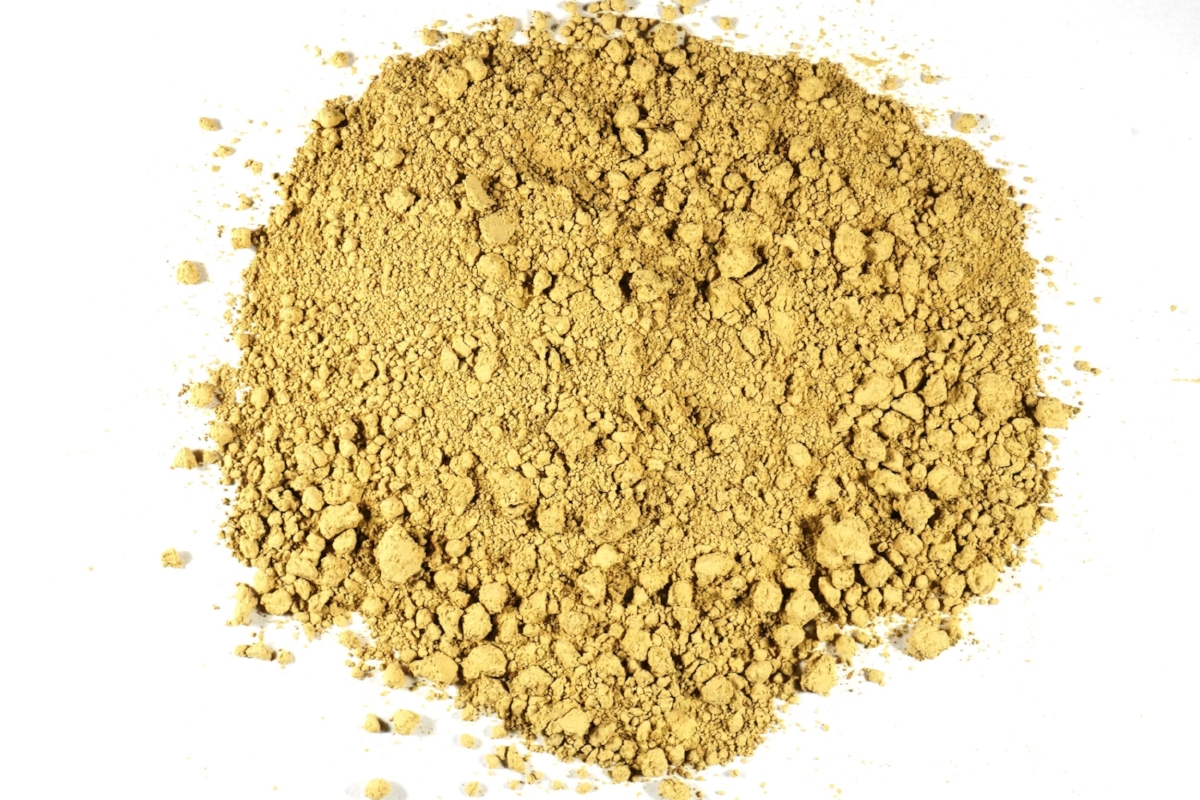
Crisp, flavorful and smooth, this is a unique Kenyan matcha made from a blend of white and green teas. It brews a wonderfully vegetal cup with light floral undertones reminiscent of oolong.
History & Heritage
Kenya's tea industry began in 1903 with an experimental planting at Limuru, and the country has since become the world's largest exporter of black tea. Its highland gardens lie near the equator, where tea can be plucked year-round. Grinding tea into a fine powder is an idea borrowed from Japan, where matcha has been made on stone mills for centuries. Bringing that craft to Kenyan white and green teas creates a matcha with its own crisp, sunny character.
Interesting Facts
The white and green teas used for this matcha are grown at high altitude under bright sun.
Only the youngest leaves are plucked, processed and carefully ground with a traditional Japanese-style stone mill until exceptionally smooth.
Kenya's equatorial highland gardens allow tea to be plucked year-round.
Grinding the whole leaf means you enjoy all of it, not just an infusion.
Tasting Notes & Pairings
Fresh, green and floral with a clean, crisp finish. A fabulous choice for anyone looking for an interesting, out-of-the-ordinary brew. Enjoy it whisked on its own, over ice, or in a smoothie, and pair it with fresh fruit, yogurt, or lemon cookies.
Brewing tips (general guideline): sift about 1 teaspoon (1–2 g) of matcha into a bowl, add a few drops of hot water and whisk into a paste, then add 6–8 oz of water at 160–175°F and whisk briskly in a zigzag motion until frothy. Adjust to taste.
Like every tea at Beantown Tea & Spices, Matcha Kenya Superior is a quality loose-leaf tea offered at an affordable price, with sample and larger sizes so you can find your favorite. Explore more in our Matcha collection, or pair it with our Bamboo Matcha Whisk.
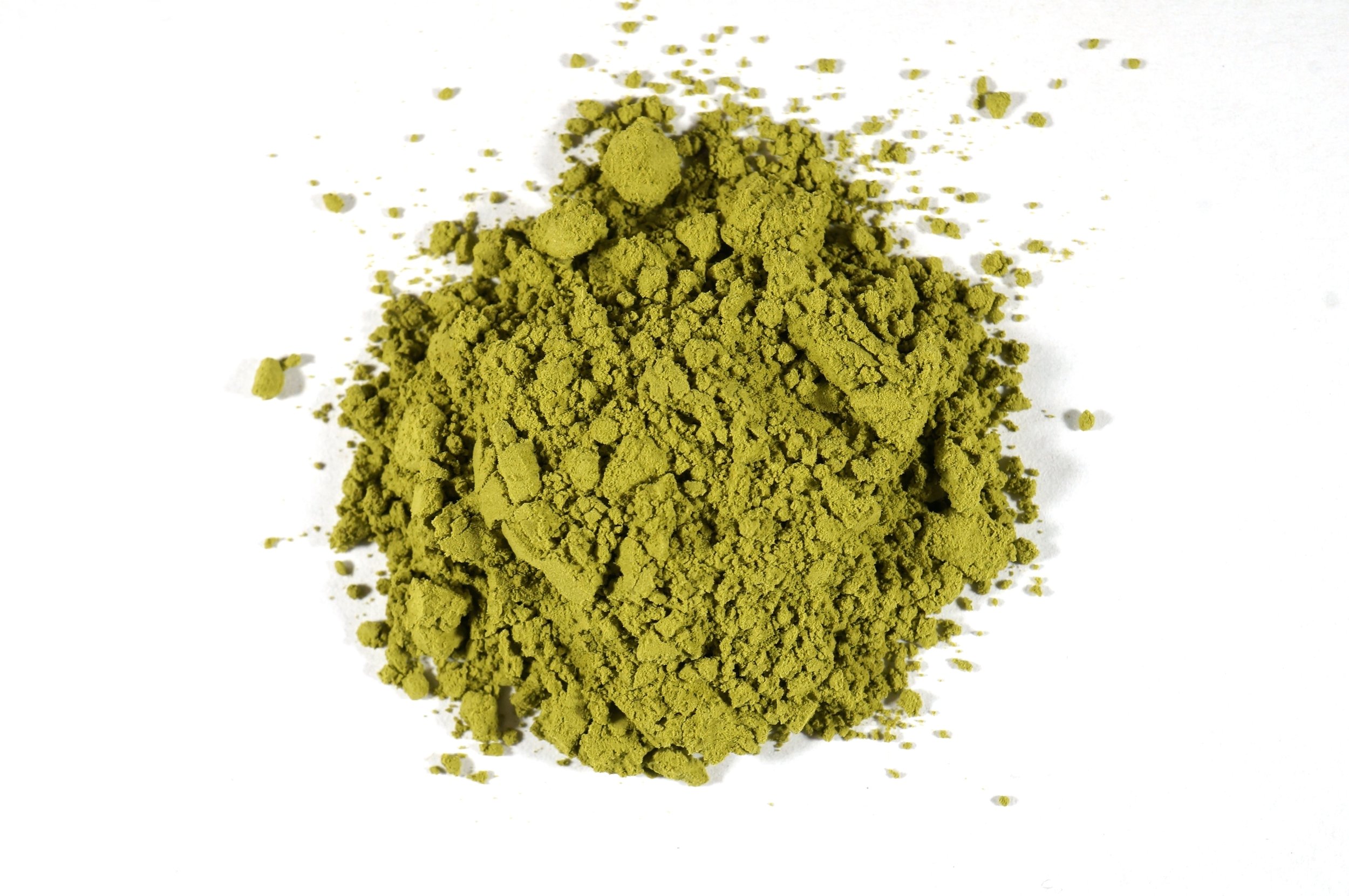
Everyday, versatile and made for mixing, this is a culinary-grade matcha from Taiwan. It is a very good tea for everyday mixing and drinking, and perfect as an ingredient for baking and cooking.
History & Heritage
Matcha began as whisked powdered tea in Song dynasty China and was carried to Japan around 1191, traditionally credited to the monk Eisai, where it became the center of the tea ceremony. In modern times matcha has broken from tradition and found its way into lattes, smoothies, ice cream and baked goods. Culinary matcha is made for exactly these uses.
Interesting Facts
Compared with our Matcha Green and Matcha Samidori, this culinary grade has more astringency and a paler green color.
Once sweetener or dairy is added, the difference in taste between the three becomes less noticeable.
Grade: culinary powdered green tea with a Sencha base.
Tasting Notes & Pairings
Bold and green, with enough astringency to stand up to milk, sugar and baking. We recommend it for lattes, smoothies, cookies, cakes and ice cream.
Brewing tips (general guideline): for a latte, whisk 1–2 teaspoons with 2 oz of water at 160–175°F, then add 6 oz of steamed milk and sweetener to taste. For baking, follow your recipe.
Like every tea at Beantown Tea & Spices, Culinary Matcha is a quality loose-leaf tea offered at an affordable price. Explore more in our Matcha collection, or pair it with our Bamboo Matcha Whisk.
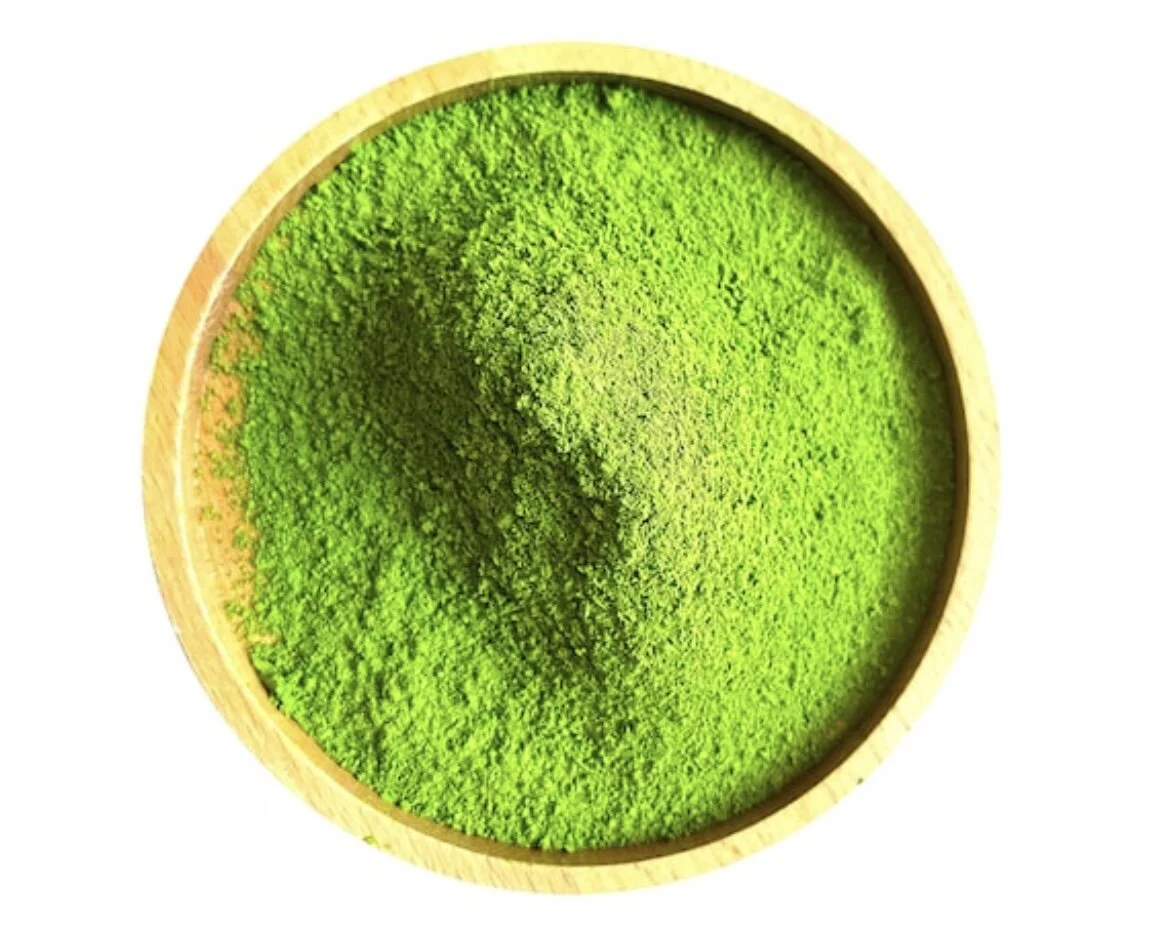
Bright, smooth and pure, this is an organic premium matcha powder green tea from Japan, steamed and stone-ground.
History & Heritage
Matcha's roots reach back to Song dynasty China, where tea was ground to powder and whisked in bowls. The Zen monk Eisai is traditionally credited with bringing tea seeds and the practice of powdered tea to Japan around 1191. Over the following centuries, matcha became the heart of the Japanese tea ceremony, which was refined in the 16th century by the tea master Sen no Rikyu. Growers in Uji, near Kyoto, developed the technique of shading tea plants before harvest, which produces the vivid green, sweet and savory leaves ground into fine matcha.
Interesting Facts
The traditional method is to make a paste first: add matcha to a bowl, whisk it with a few drops of hot water, then add the rest of the water.
Grade: Gyokuro. Production method: steamed green tea, stone-ground.
Matcha is now also enjoyed cold and in ice creams and baked goods.
Tasting Notes & Pairings
Fresh, sweet and gently vegetal, with a creamy froth when whisked. Enjoy it straight, as a latte, or blended into smoothies. Pair it with Japanese sweets, white chocolate, or fresh berries. For the most traditional experience, whisk it in a wide bowl and sip it slowly.
Brewing tips (general guideline): sift about 1 teaspoon (1–2 g) of matcha into a bowl, add a few drops of hot water and whisk into a paste, then add 6–8 oz of water at 160–175°F and whisk briskly in a zigzag motion until frothy. Adjust to taste.
Like every tea at Beantown Tea & Spices, Organic Matcha is a quality loose-leaf tea offered at an affordable price, with sample and larger sizes so you can find your favorite. Explore more in our Matcha collection, or pair it with our Bamboo Matcha Whisk.

This 8 oz. ceramic matcha bowl has a wide opening that is perfect for matcha whisking.
A bit of history
Matcha has been whisked in bowls since powdered tea was brought from China to Japan, traditionally credited to the monk Eisai around 1191. In the Japanese tea ceremony, refined by the tea master Sen no Rikyu in the 16th century, a bowl, a bamboo whisk and a scoop are the essential tools.
Good to know
8 oz. ceramic bowl.
The wide shape gives the whisk plenty of room to create a light froth.
How to use
Sift matcha into the bowl, add a little hot water and whisk into a paste, then add more water (about 160–175°F as a general guideline) and whisk briskly in a zigzag motion until frothy.
At Beantown Tea & Spices, we focus on quality tea and tea essentials at affordable prices. Explore more in our Tea Accessories collection, or browse our Matcha collection.

This is a traditional bamboo matcha whisk, or chasen. With the proper tools, making matcha is easy.
A bit of history
Matcha has been whisked in bowls since powdered tea was brought from China to Japan, traditionally credited to the monk Eisai around 1191. In the Japanese tea ceremony, refined by the tea master Sen no Rikyu in the 16th century, a bowl, a bamboo whisk and a scoop are the essential tools. The town of Takayama, in Nara, has been the principal home of Japanese chasen making since the Muromachi period.
Good to know
Carved from a single piece of bamboo into fine tines.
The tines create the light froth that is the hallmark of a well-made bowl.
How to use
Soak the whisk briefly in warm water before use. Whisk matcha with water in a brisk zigzag motion until frothy. Rinse with warm water and let dry upright.
At Beantown Tea & Spices, we focus on quality tea and tea essentials at affordable prices. Explore more in our Tea Accessories collection, or browse our Matcha collection.
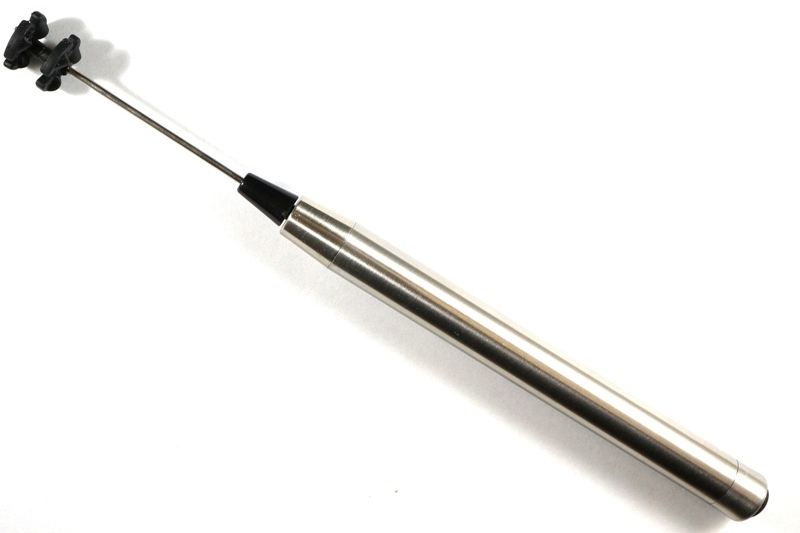
This electric matcha whisk is made of food-grade 18/8 stainless steel and food-grade rubber. With the proper tools, making matcha is easy.
A bit of history
Matcha has been whisked in bowls since powdered tea was brought from China to Japan, traditionally credited to the monk Eisai around 1191. In the Japanese tea ceremony, refined by the tea master Sen no Rikyu in the 16th century, a bowl, a bamboo whisk and a scoop are the essential tools. This electric whisk is a convenient modern option, especially for lattes.
Good to know
Operated by an electric motor (AAA batteries not included).
Food-grade 18/8 stainless steel and rubber.
How to use
Whisk matcha with a little water into a smooth paste, then add more water or milk and whisk until frothy.
At Beantown Tea & Spices, we focus on quality tea and tea essentials at affordable prices. Explore more in our Tea Accessories collection, or browse our Matcha collection.
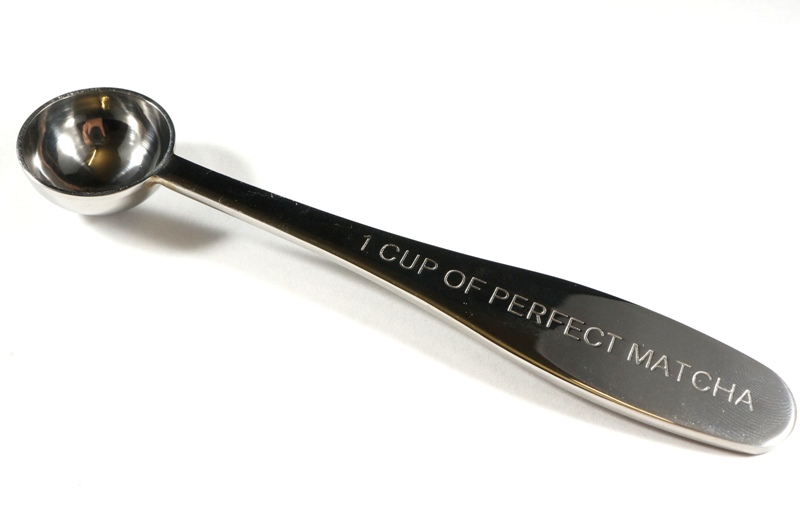
This stainless steel measuring spoon makes matcha making easier.
A bit of history
Matcha has been whisked in bowls since powdered tea was brought from China to Japan, traditionally credited to the monk Eisai around 1191. In the Japanese tea ceremony, refined by the tea master Sen no Rikyu in the 16th century, a bowl, a bamboo whisk and a scoop are the essential tools.
Good to know
Use one spoon of matcha per 8 oz of water.
Made of food-grade stainless steel.
A consistent measure helps you get the same strength bowl every time.
How to use
Scoop one level spoon into your bowl, add hot water (about 160–175°F as a general guideline) and whisk until frothy. For a stronger, thicker bowl, use a little less water. A sifter helps prevent lumps.
At Beantown Tea & Spices, we focus on quality tea and tea essentials at affordable prices. Explore more in our Tea Accessories collection, or browse our Matcha collection.
Try all of our matchas in one sampler pack at a discounted price. This sampler includes 5 of our matchas: Matcha Samidori, Matcha Green, Matcha Kenya Highlands, Matcha Kenya Superior and Culinary Matcha. Each sample makes 3 to 5 servings.
History & Heritage
Matcha began as whisked powdered tea in Song dynasty China and was carried to Japan around 1191, where it became the heart of the tea ceremony. This sampler spans that tradition, from Japanese Uji matcha to innovative Kenyan matchas made with a Japanese-style mill.
Interesting Facts
The pack lets you compare a premium Uji matcha, an all-purpose matcha, a black tea matcha, a white and green tea matcha and a culinary matcha.
Tasting Notes & Pairings
Expect a range from sweet and vegetal to malty and bold. Taste them side by side, then try your favorite in a latte.
Brewing tips (general guideline): sift about 1 teaspoon (1–2 g) of matcha into a bowl, add a few drops of hot water and whisk into a paste, then add 6–8 oz of water at 160–175°F and whisk briskly in a zigzag motion until frothy. Adjust to taste.
Like every tea at Beantown Tea & Spices, the Matcha Sampler Pack is a collection of quality matcha teas offered at an affordable price. Explore more in our Matcha collection, or pair it with our Bamboo Matcha Whisk.