Black Tea
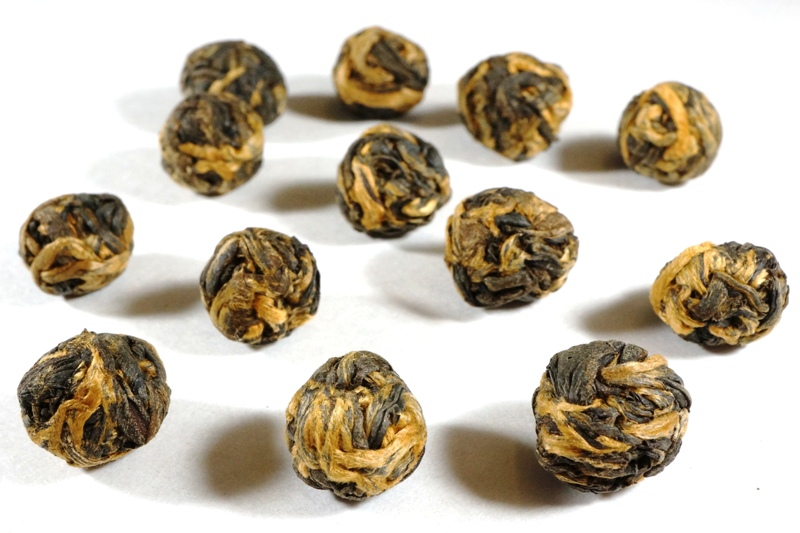
Each little pearl is a hand-rolled bundle of tea waiting to unfurl. Our Black Dragon Pearls are a hand-rolled, small-batch production from Yunnan, China, made using only the highest quality leaves and buds.
History & Heritage
Yunnan's black tea, known in China as Dian Hong, has a surprisingly modern story. In the autumn of 1938, with China's traditional eastern tea regions cut off by war, tea specialist Feng Shaoqiu traveled to Shunning (today's Fengqing) and found large tea trees with plump, downy buds. His trial black tea impressed buyers, and in 1939 a new factory produced Yunnan's first export batch. The name Dian Hong means "red tea of Dian," after an ancient name for Yunnan. In China, what the West calls black tea is called red tea, after the color of the brewed cup. Fengqing is still celebrated in China as the homeland of Dian Hong, and its large-leaf tea trees remain the source of the province's most admired black teas.
Interesting Facts
Before 1939, Yunnan produced mainly green-style tea and had no black tea tradition.
Rolling tea into pearls takes skilled handwork, and the shape protects the leaf until it opens in hot water.
Tasting Notes & Pairings
The pearls brew a rich cup with the signature Yunnan sweetness and hints of jammy flavor, with just the right amount of astringency and a touch of earthiness. Watching them slowly open is half the fun. Try it with dark chocolate, roasted nuts, or a slice of spiced cake. A splash of milk is optional, but the pearls are lovely on their own.
Brewing tips (general guideline): we recommend 2–3 pearls per 8 oz cup of water at 212°F, steeped 3–5 minutes. Adjust to taste.
Like every tea at Beantown Tea & Spices, Black Dragon Pearls is a quality loose-leaf tea offered at an affordable price, with sample and larger sizes so you can find your favorite. Explore more in our Black Tea collection, or pair it with our tea accessories.
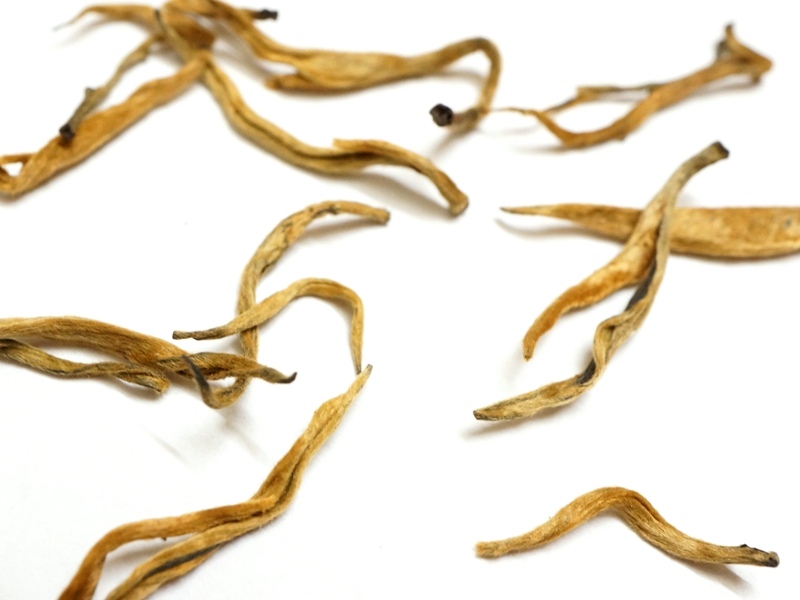
Open a tin of Golden Yunnan and you'll see why tea lovers prize it: a glowing mass of mostly golden tips with a fine aroma. This rare tea is one of the top qualities available from Yunnan Province.
History & Heritage
Black tea is a newcomer in Yunnan. In 1938, during wartime, tea expert Feng Shaoqiu was sent to find new sources of export tea and arrived in Shunning, today's Fengqing. He was struck by the local large-leaf tea trees, whose buds were thick with fine down. His first trial black tea showed a tray full of golden tips, and in 1939 a new factory there produced Yunnan's first batch for export. Feng is remembered in China as the founder of Dian Hong, the name for Yunnan black tea.
Interesting Facts
Golden Yunnan is made only in the last two weeks of March and the first two weeks of April, when the new growth flushes in a way that yields a high share of golden tips.
Our Golden Yunnan is graded Special Golden Tippy Orange Pekoe and made in the orthodox style.
"Dian" is an ancient name for Yunnan, so Dian Hong simply means "Yunnan red tea," the Chinese term for black tea.
Tasting Notes & Pairings
It brews an exceptional cup that is malty and full-bodied with a rich peppery finish. This well-rounded tea will not disappoint. It is lovely in the afternoon or after dinner, alongside sweet potato pie, honey cake, or aged cheddar.
Brewing tips (general guideline): use 1 rounded teaspoon (about 2–3 g) per 8 oz of freshly boiled water (205–212°F), steeped 3–5 minutes. Adjust to taste.
Like every tea at Beantown Tea & Spices, Golden Yunnan is a quality loose-leaf tea offered at an affordable price, with sample and larger sizes so you can find your favorite. Explore more in our Black Tea collection, or pair it with our tea accessories.
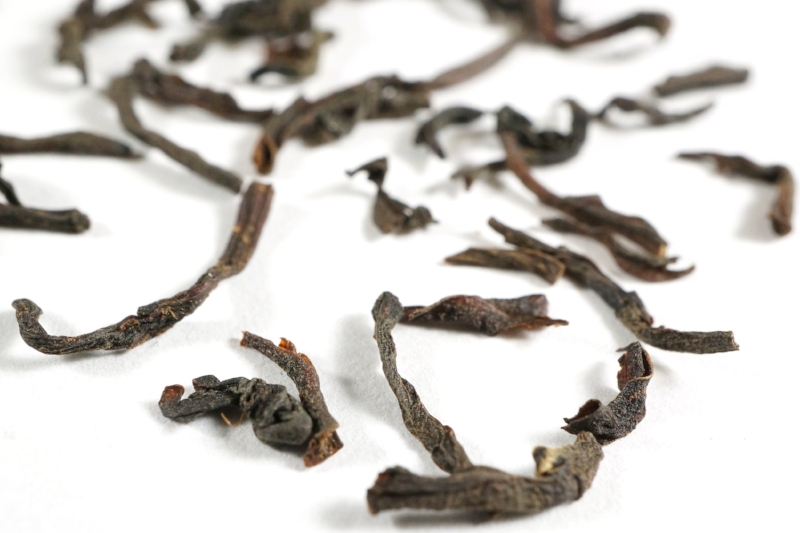
Strong, smooth and full of life, Ceylon Kenilworth is a tea that has earned its worldwide reputation. Kenilworth is known around the world for its full-bodied, strong liquors and is considered the hallmark of Ceylon's medium-grown teas.
History & Heritage
Sri Lanka, then called Ceylon, was once a coffee island. In the late 1860s and 1870s a fungal disease known as coffee rust devastated the plantations, and planters turned to tea. The Scottish planter James Taylor had planted the island's first tea field at Loolecondera, near Kandy, in 1867, and within decades tea had become Ceylon's great crop. The Kenilworth estate was established by British planters in 1880 and named after Kenilworth Castle in England.
Interesting Facts
The Kenilworth estate receives an average of 190 inches of rain a year, and it is unusual in getting rain from both the South West and North East monsoons.
Its Orange Pekoe grades are among the most sought after from any medium-grown garden. Ours is an OP grade grown at about 3,000 feet.
The first shipment of Ceylon tea to reach London, in 1873, weighed only about 23 pounds.
Tasting Notes & Pairings
Our Ceylon Kenilworth brews a malty cup that is lively and very smooth, with an infusion described as noire tending coppery. It is a fine tea after dinner or in the afternoon. Pair it with buttered toast, ginger cookies, or a hearty breakfast.
Brewing tips (general guideline): use 1 rounded teaspoon (about 2–3 g) per 8 oz of freshly boiled water (205–212°F), steeped 3–5 minutes. Adjust to taste.
Like every tea at Beantown Tea & Spices, Ceylon Kenilworth is a quality loose-leaf tea offered at an affordable price, with sample and larger sizes so you can find your favorite. Explore more in our Black Tea collection, or pair it with our tea accessories.
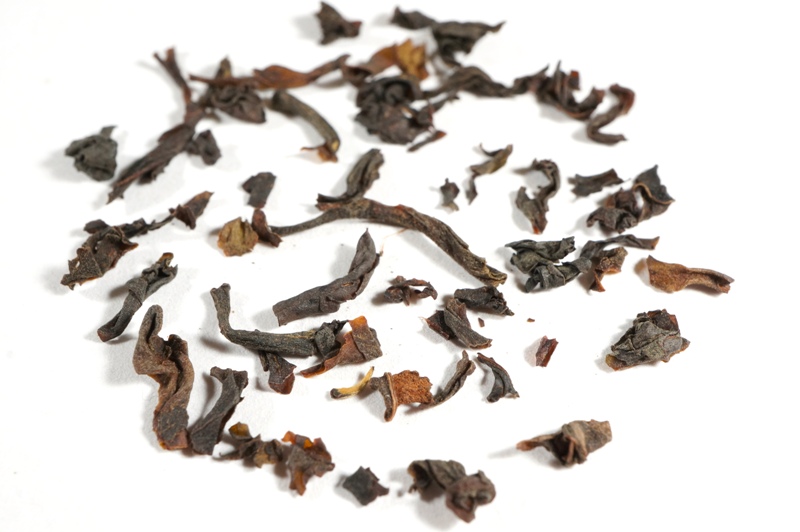
Start the morning the classic way. Our English Breakfast is a blend of Ceylon, Kenya and India black teas that brews a cup with excellent body and full flavor, ready to get the day started.
History & Heritage
For a tea so closely tied to Britain, English Breakfast has a surprisingly debated past. The earliest known use of the name points to New York, where an English-born tea merchant named Richard Davies is said to have sold a China black tea blend as "English Breakfast Tea" in 1843. A later Scottish story credits an Edinburgh tea master, Robert Drysdale, with a breakfast blend in 1892. Legend adds that Queen Victoria enjoyed it at Balmoral and carried the fashion back to London, though that tale is hard to prove. Over time the blend shifted from China teas toward the bolder teas of India, Ceylon and Africa.
Interesting Facts
There is no single official recipe; each tea house creates its own balance.
Our blend is a Flowery Pekoe grade made in the orthodox style, with a bright coppery infusion.
Tasting Notes & Pairings
Full-bodied and full-flavored, this tea takes milk very well. Serve it with eggs and bacon, buttered toast and marmalade, or a warm muffin. A little sugar is traditional for some, but the cup is satisfying on its own, too. It is also a reliable choice for an afternoon pick-me-up when you want a strong, comforting cup.
Brewing tips (general guideline): use 1 rounded teaspoon (about 2–3 g) per 8 oz of freshly boiled water (205–212°F), steeped 3–5 minutes. Adjust to taste.
Like every tea at Beantown Tea & Spices, English Breakfast is a quality loose-leaf tea offered at an affordable price, with sample and larger sizes so you can find your favorite. Explore more in our Black Tea collection, or pair it with our tea accessories.
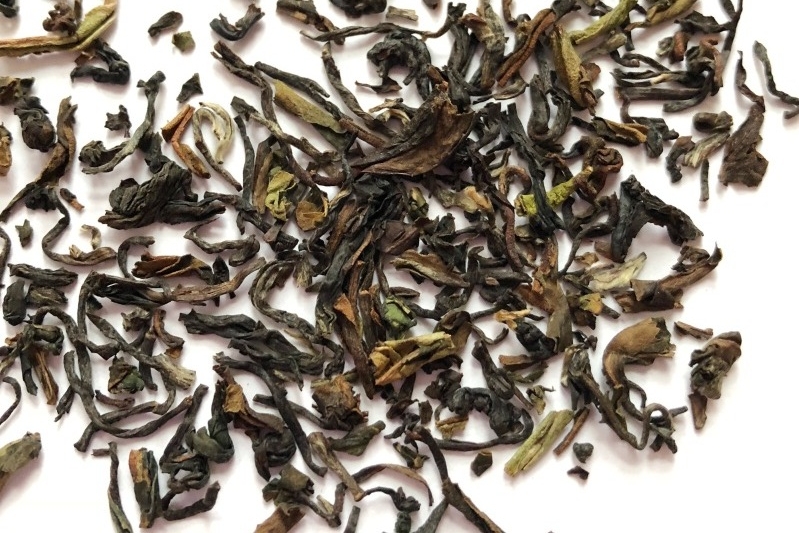
Summer in the Himalayan foothills produces some of the world's most aromatic teas. This excellent summer-harvest Darjeeling from Sungma Estate has a very prominent muscat grape aroma and taste, and it brews a golden, aromatic cup.
History & Heritage
Darjeeling's tea story began in 1841, when Dr. Archibald Campbell planted Chinese tea seeds near his home at Beechwood. By 1847 the government had established tea nurseries, and the first commercial gardens appeared in the 1850s. Tea makers found that the cool, high-altitude climate suited the small-leaf China tea plant, producing a lighter, more aromatic cup than the broad-leaf teas of Assam. That aromatic quality, often called "muscatel" for its resemblance to muscat grapes, became Darjeeling's signature. Darjeeling's teas grew so distinctive that they are often nicknamed the champagne of teas.
Interesting Facts
Darjeeling teas are often grouped by "flush," or harvest. The summer second flush is known for fuller, fruitier character than the light spring teas.
By 1874, Darjeeling had more than a hundred tea gardens.
Our Sungma is a TGFOP grade grown at 6,800 feet.
Tasting Notes & Pairings
The taste is fruity and slightly spicy with hints of honey and squash. It is pleasantly astringent with a nice sweet finish, making it an excellent afternoon tea for new and experienced tea drinkers alike. Try it with scones and fruit preserves, almond biscotti, or a mild curry.
Brewing tips (general guideline): use 1 rounded teaspoon (about 2–3 g) per 8 oz of water just off the boil (195–205°F), steeped 3–4 minutes. A shorter steep keeps the cup delicate. Adjust to taste.
Like every tea at Beantown Tea & Spices, Darjeeling Sungma is a quality loose-leaf tea offered at an affordable price, with sample and larger sizes so you can find your favorite. Explore more in our Black Tea collection, or pair it with our tea accessories.
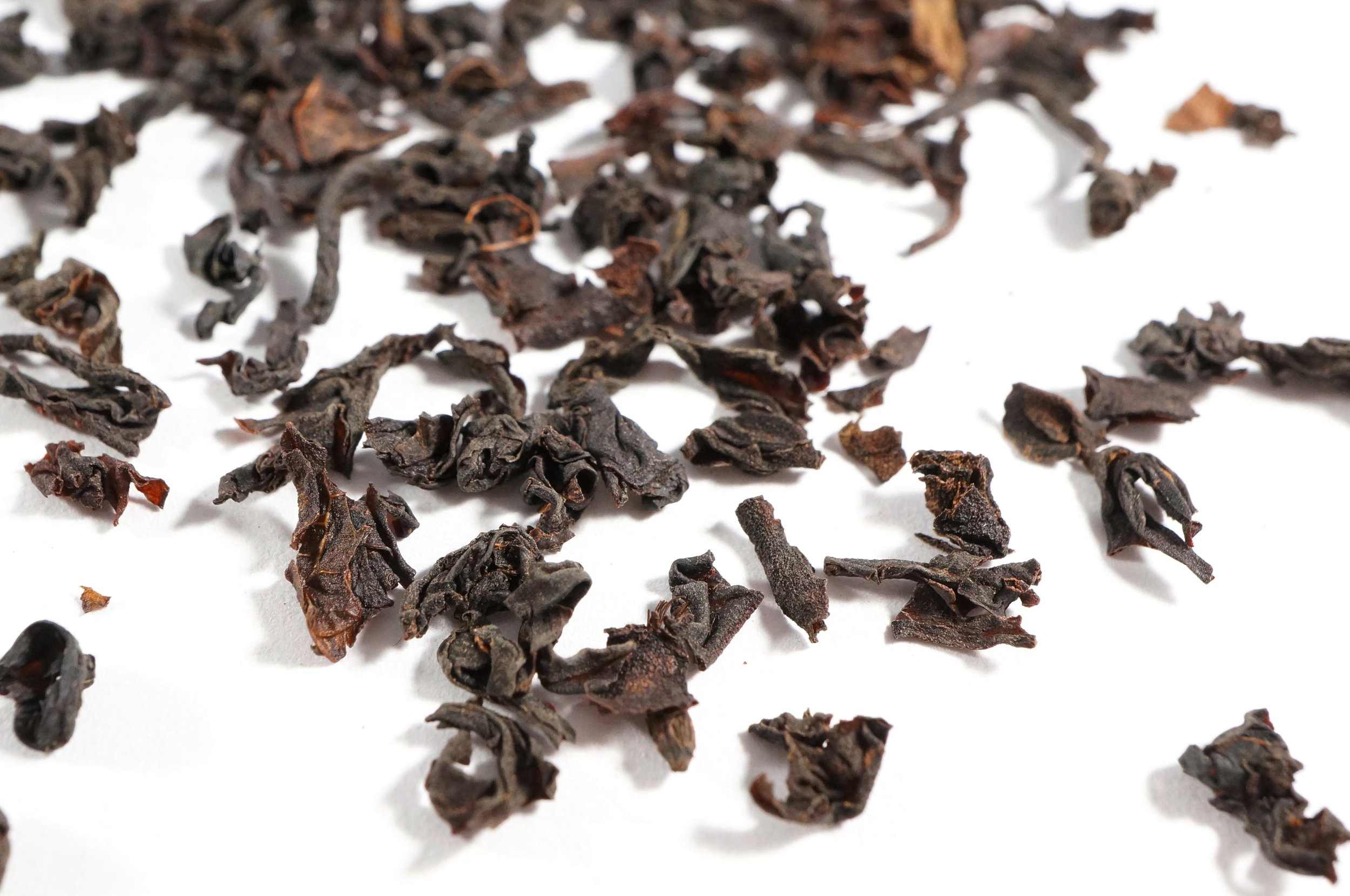
Light, bright and gently floral, this is a classic Ceylon tea. It has light liquoring with hints of delicate floral notes, and dashes of astringency reminiscent of plum run throughout the cup.
History & Heritage
Ceylon tea was born from disaster. In the 1870s, coffee rust destroyed the coffee plantations that had been the island's main crop, and planters switched to tea. The pioneer was a Scottish planter named James Taylor, who planted the island's first tea field, about 19 acres known as Field No. 7, on the Loolecondera estate near Kandy in 1867. Today Sri Lanka recognizes seven distinct tea-growing regions, each with its own character. Taylor's first shipment of Ceylon tea to reach London, in 1873, was only about 23 pounds, a humble beginning for what became one of the world's great tea origins.
Interesting Facts
The country is now called Sri Lanka, but its tea is still sold around the world as "Ceylon tea."
Our Organic Ceylon is a Pekoe grade grown above 6,000 feet and certified organic by Pro-Cert Organic Systems Ltd.
Sri Lanka's seven tea regions are Nuwara Eliya, Dimbula, Uda Pussellawa, Uva, Kandy, Sabaragamuwa and Ruhuna.
Tasting Notes & Pairings
The infusion is bright tending yellow, with a clean, floral flavor and a touch of plum. It is lovely plain or with lemon, and it also makes a refreshing iced tea. Pair it with lemon bars, fruit salad, or light sandwiches.
Brewing tips (general guideline): use 1 rounded teaspoon (about 2–3 g) per 8 oz of freshly boiled water (205–212°F), steeped 3–5 minutes. Adjust to taste.
Like every tea at Beantown Tea & Spices, Organic Ceylon Black Tea is a quality loose-leaf tea offered at an affordable price, with sample and larger sizes so you can find your favorite. Explore more in our Black Tea collection, or pair it with our tea accessories.
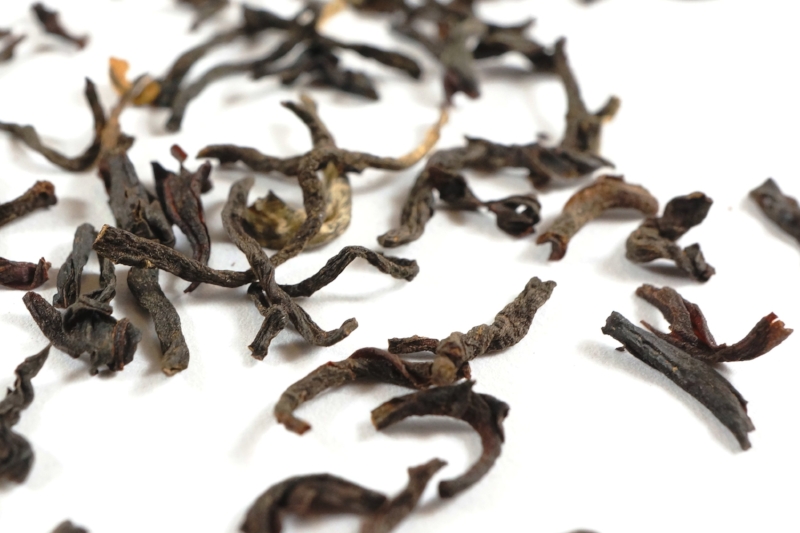
Bold, malty and strong, Assam Behora is a classic Indian Assam black tea from the Behora Estate, and a classic example of a top Assam tea.
History & Heritage
Assam's tea was growing wild long before the tea trade noticed it. In 1823, a Scottish trader named Robert Bruce was introduced, through the Assamese nobleman Maniram Dewan, to a Singpho chief who showed him the tea plants local people used. Bruce died the next year, but his brother Charles continued the work. The plant turned out to be a large-leaf variety, Camellia sinensis var. assamica, different from the China tea plant. On January 10, 1839, the first Assam tea was auctioned in London, launching India's tea industry. The Assam Company, India's first tea company, was formed that same year.
Interesting Facts
Assam is the largest tea-growing region in the world by volume.
Maniram Dewan, who helped make that first introduction, later became one of the first Indian tea planters.
Our Behora is a TGFOP grade made in the orthodox style, with a bright, coppery infusion.
Early London buyers found the first Assam tea less fragrant than China tea, but its strength soon won the market.
Tasting Notes & Pairings
It brews a full-bodied cup with bold malty flavor, strength and just the right amount of astringency. It stands up beautifully to milk and sugar. Enjoy it with a full breakfast, oatmeal with brown sugar, or a piece of rich chocolate cake.
Brewing tips (general guideline): use 1 rounded teaspoon (about 2–3 g) per 8 oz of freshly boiled water (205–212°F), steeped 3–5 minutes. Adjust to taste.
Like every tea at Beantown Tea & Spices, Assam Behora is a quality loose-leaf tea offered at an affordable price, with sample and larger sizes so you can find your favorite. Explore more in our Black Tea collection, or pair it with our tea accessories.
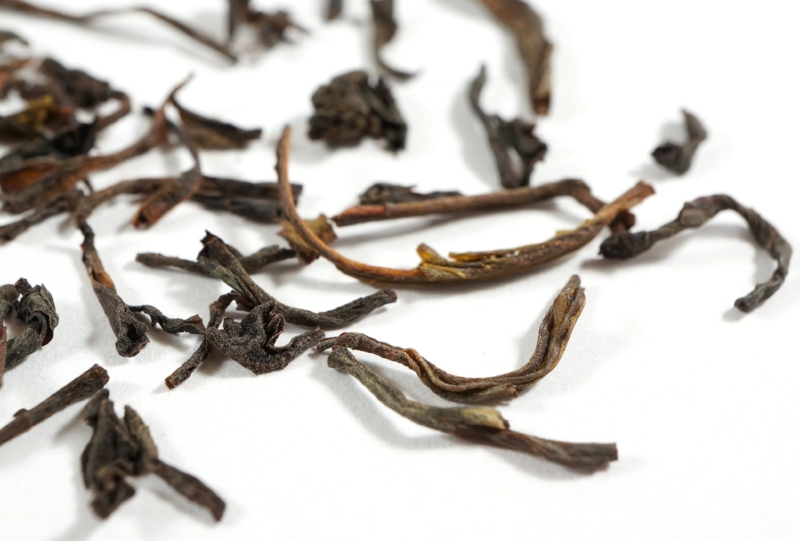
Bright, lively and floral, Ceylon Lover's Leap comes from one of the best tea gardens in Sri Lanka, and its name comes with a romantic legend.
History & Heritage
Lover's Leap is a division of the Pedro estate near Nuwara Eliya, in Sri Lanka's high hill country. It takes its name from a nearby waterfall. Legend has it that a young prince fell in love with a village girl, and when their romance was forbidden, the couple leapt together from the top of the falls rather than be parted. The story has been told for generations and gives this tea one of the most memorable names in Ceylon. Tea itself came to the island's hills in the late 1800s, after coffee rust wiped out the coffee plantations and planters turned to tea.
Interesting Facts
Our Lover's Leap is an OP (Orange Pekoe) grade grown at 6,000 to 8,500 feet, among the highest elevations for Ceylon tea.
It is produced during peak season.
Ceylon tea is still the name used worldwide, even though the island has been called Sri Lanka since 1972.
Tasting Notes & Pairings
Lover's Leap brews a medium to light-bodied cup that is bright, with excellent floral notes and a delightful flavor that is astringent and lively. The infusion is bright and coppery. Enjoy it plain or with lemon, alongside cucumber sandwiches, lemon cake, or fresh berries. Its brisk character also makes a beautiful iced tea on a warm afternoon.
Brewing tips (general guideline): use 1 rounded teaspoon (about 2–3 g) per 8 oz of freshly boiled water (205–212°F), steeped 3–5 minutes. Adjust to taste.
Like every tea at Beantown Tea & Spices, Ceylon Lover's Leap is a quality loose-leaf tea offered at an affordable price, with sample and larger sizes so you can find your favorite. Explore more in our Black Tea collection, or pair it with our tea accessories.
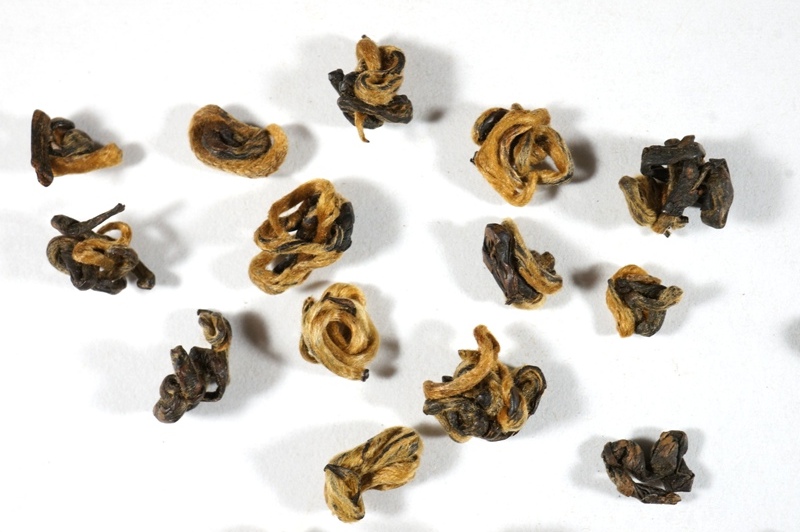
Twisted into graceful golden spirals, this handmade black tea is as beautiful in the tin as it is in the cup. Golden Spiral brews a rich, flavorful cup with hints of honey and spice.
History & Heritage
Golden Spiral comes from Yunnan, the mountainous Chinese province often called the birthplace of tea. Its geography, soil and climate make it an ideal tea-growing region. Yunnan's black tea, called Dian Hong, dates to 1938 and 1939, when tea specialist Feng Shaoqiu, searching for new export teas during wartime, made trial black teas from the region's large-leaf trees and helped open its first black tea factory. Those early teas were admired for their abundance of golden tips, a hallmark of fine Yunnan black tea to this day.
Interesting Facts
In China, black tea is called "red tea" (hong cha) after the color of the brewed cup.
The spiral shape is formed by hand, which takes skill and patience.
Yunnan's first export black tea, made in 1939, was shipped through Hong Kong on its way to Britain.
Tasting Notes & Pairings
Golden Spiral shares many of the qualities of other premium Yunnan teas. It is well balanced and complex, sweet, and astringent only to a point, so it never gets too bitter. A classic example of high-quality Yunnan black tea. Try it with honey cake, roasted pears, or a plate of dried fruit and nuts.
Brewing tips (general guideline): use 1 rounded teaspoon (about 2–3 g) per 8 oz of freshly boiled water (205–212°F), steeped 3–5 minutes. Adjust to taste.
Like every tea at Beantown Tea & Spices, Golden Spiral is a quality loose-leaf tea offered at an affordable price, with sample and larger sizes so you can find your favorite. Explore more in our Black Tea collection, or pair it with our tea accessories.
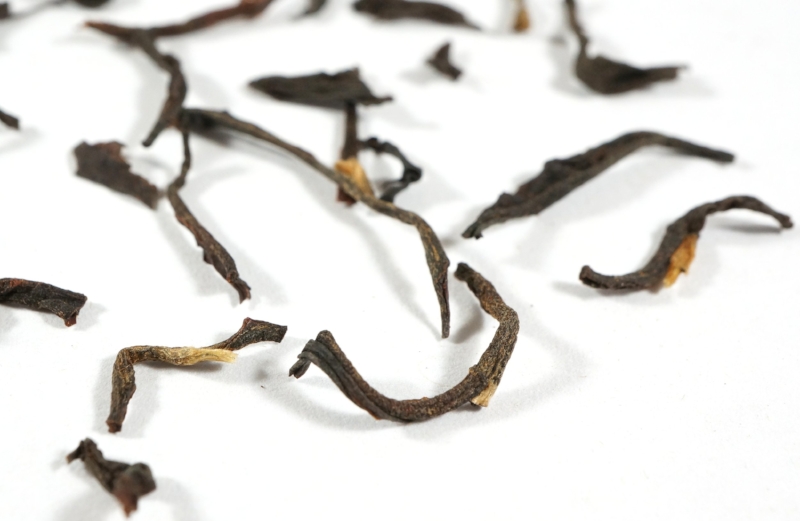
Rich, full-bodied and lively, Kenya Milima is a tea for any hour of the day. It has floral-like flavor notes and a cup with real thickness.
History & Heritage
Kenya's tea story is just over a century old. The first tea bushes were planted experimentally at Limuru in 1903, and commercial estates followed in the 1920s. Today Kenya is the world's largest exporter of black tea. Its highland gardens sit close to the equator, which allows tea to be plucked year-round, and most of the country's tea is grown at high elevations, where cool nights help develop flavor. The experimental planting at Limuru is credited to early settlers, and from those few bushes grew one of the most important tea industries in the world.
Interesting Facts
Kenya grows most of its tea at around 1,500 to 2,700 meters above sea level.
Milima is known for orthodox black tea, and ours is the best grade the estate produces: GFBOP (Golden Flowery Broken Orange Pekoe), grown at 6,000 feet.
Kenya's equatorial location means there is no single harvest season.
Tasting Notes & Pairings
The cup has a malty but lively character and a bright, coppery orange infusion. It is a perfect all-day tea, wonderful plain or with milk. Pair it with pancakes, shortbread, or a ham and cheese sandwich. It also takes milk and sugar well for a comforting breakfast cup.
Brewing tips (general guideline): use 1 rounded teaspoon (about 2–3 g) per 8 oz of freshly boiled water (205–212°F), steeped 3–5 minutes. Adjust to taste.
Like every tea at Beantown Tea & Spices, Kenya Milima is a quality loose-leaf tea offered at an affordable price, with sample and larger sizes so you can find your favorite. Explore more in our Black Tea collection, or pair it with our tea accessories.
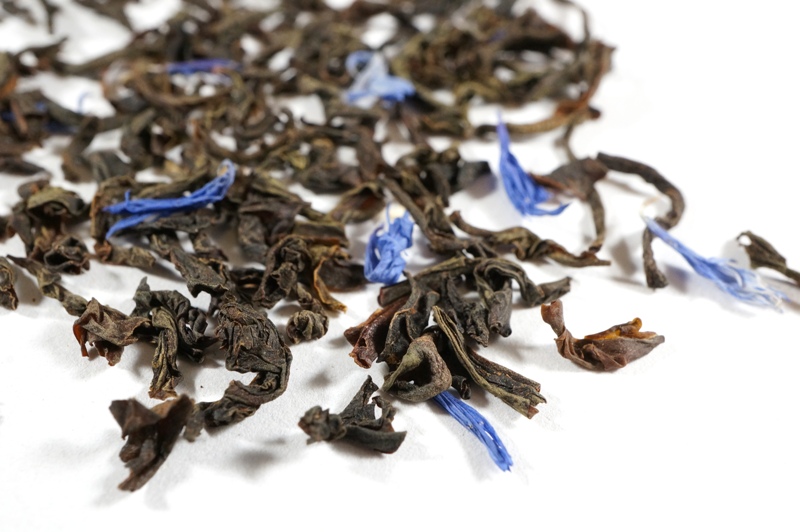
If you're a fan of Earl Grey and haven't tried Cream Earl Grey (Earl Grey de la Crème), you're in for a treat. Its smooth vanilla overtones stand out above the premium bergamot flavor, giving the classic a soft, creamy mellowness.
History & Heritage
Earl Grey takes its name from Charles Grey, the 2nd Earl Grey and British Prime Minister in the 1830s, though historians treat the popular story of a grateful Chinese mandarin as legend. Bergamot-scented tea was being sold in England by the 1820s. Because the name was never trademarked, tea makers have created many variations over the years, and Cream Earl Grey, with its smooth vanilla note, is one of the most loved.
Interesting Facts
Our Cream Earl Grey uses Ceylon black tea, an OP (Orange Pekoe) grade grown at 4,800 to 7,600 feet.
Ingredients: Ceylon black tea, cornflower petals, natural flavors.
Tasting Notes & Pairings
An exquisite Earl Grey character mellowed with soft hints of cream, with a bright, coppery infusion. It complements a meal or any special occasion. Try it with vanilla cake, madeleines, or as a London Fog latte with steamed milk.
Brewing tips (general guideline): use 1 rounded teaspoon (about 2–3 g) per 8 oz of freshly boiled water (205–212°F), steeped 3–5 minutes. Adjust to taste.
Like every tea at Beantown Tea & Spices, Cream Earl Grey is a quality loose-leaf tea offered at an affordable price, with sample and larger sizes so you can find your favorite. Explore more in our Black Tea collection, or pair it with our tea accessories.
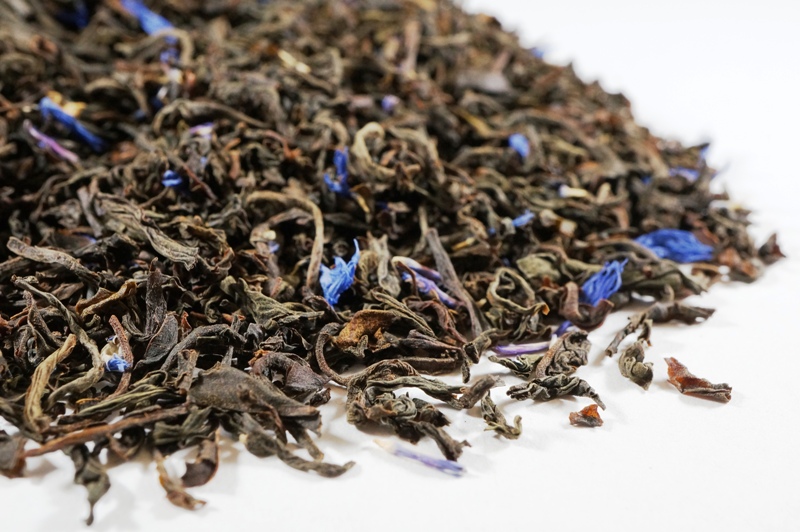
All the creamy, citrusy pleasure of our Cream Earl Grey, with the caffeine removed. This decaf version has the same great flavor and is excellent both hot and iced.
History & Heritage
Earl Grey is black tea scented with bergamot, a fragrant citrus, and is named after Charles Grey, the 2nd Earl Grey and British Prime Minister in the 1830s. The well-known story of a Chinese mandarin's gift is generally treated as legend. Cream Earl Grey adds smooth vanilla overtones to the classic. This version is decaffeinated using a natural CO2 process, which uses pressurized carbon dioxide to draw caffeine out of the leaves while letting them keep their shape and flavor.
Interesting Facts
In CO2 decaffeination, the carbon dioxide is recycled and reused after the caffeine is separated out.
Ingredients: Ceylon black tea, cornflower petals, natural flavors. The tea is an OP grade grown at 4,800 to 7,600 feet.
Tasting Notes & Pairings
Smooth, with vanilla overtones above premium bergamot and a bright, coppery infusion. Perfect for an evening cup with shortbread or a slice of lemon pound cake.
Brewing tips (general guideline): use 1 rounded teaspoon (about 2–3 g) per 8 oz of freshly boiled water (205–212°F), steeped 3–5 minutes. Adjust to taste.
Like every tea at Beantown Tea & Spices, Decaf Cream Earl Grey is a quality loose-leaf tea offered at an affordable price, with sample and larger sizes so you can find your favorite. Explore more in our Black Tea collection, or pair it with our tea accessories.

Sweet, floral and fragrant, this lychee black tea is infused with the natural flavor of sweet lychee. It is excellent both hot and iced.
History & Heritage
Scented teas have been made for a long time, following old recipes. Before essential oils were available, one of the easiest scents to capture was lychee, a fruit that plays an important part in Chinese life. Plantations would squeeze lychee fruits picked from nearby trees to scent the tea, creating a delicate, finely flavored cup. Today, essential oils are used to meet demand, but the idea remains the same. Lychee tea has a long history and was one of the first flavored teas introduced to the Western world. The fruit itself has its own legend: in the Tang dynasty, couriers are said to have raced fresh lychees from the south to the capital for the imperial consort Yang Guifei.
Interesting Facts
In China's Guangdong province, lychee-scented black tea has long been a regional specialty.
Tasting Notes & Pairings
Expect a smooth black tea base with a sweet, perfumed lychee note. Serve it with dim sum, fresh fruit, or coconut desserts, or pour it over ice.
Brewing tips (general guideline): use 1 rounded teaspoon (about 2–3 g) per 8 oz of freshly boiled water (205–212°F), steeped 3–5 minutes. Adjust to taste.
Like every tea at Beantown Tea & Spices, Lychee Black Tea is a quality loose-leaf tea offered at an affordable price, with sample and larger sizes so you can find your favorite. Explore more in our Black Tea collection, or pair it with our tea accessories.

This warm and welcoming Pumpkin Spice is the perfect tea for fall and winter. Premium Ceylon black tea is blended with cinnamon, ginger, cloves, cardamom, marigold flowers and natural pumpkin flavor.
History & Heritage
The base of this blend is Ceylon tea, from the island now called Sri Lanka. Tea became the island's main crop after coffee rust destroyed its coffee plantations in the 1870s, following the pioneering work of Scottish planter James Taylor, who planted the first tea field at Loolecondera in 1867. Ceylon's bright, brisk character makes it a natural partner for warm spices.
Interesting Facts
Ingredients: black tea, cinnamon, ginger, cloves, cardamom, marigold flowers and natural pumpkin flavor.
Tasting Notes & Pairings
Warm, spiced and comforting. Get your fall and winter days started with a pumpkin spice tea latte in the morning. It pairs well with apple crisp, gingerbread, or a cinnamon roll.
Brewing tips (general guideline): use 1 rounded teaspoon (about 2–3 g) per 8 oz of freshly boiled water (205–212°F), steeped 3–5 minutes. Adjust to taste.
Like every tea at Beantown Tea & Spices, Pumpkin Spiced Tea is a quality loose-leaf tea offered at an affordable price. Explore more in our Black Tea collection, or pair it with our tea accessories.
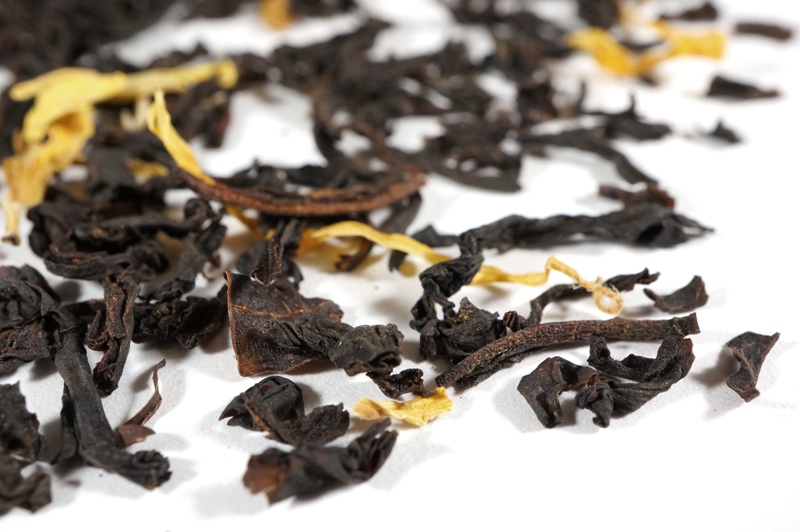
Smooth, fragrant and a little mysterious, Monk's Blend is medium-bodied and flavorful with piquant Ceylon character. Natural flavor oils of vanilla and grenadine give it a smooth and unique, heavenly flavor.
History & Heritage
The heart of this blend is Ceylon black tea. Sri Lanka's tea industry began in 1867, when Scottish planter James Taylor planted the island's first tea field at the Loolecondera estate near Kandy. When coffee rust destroyed Ceylon's coffee plantations in the following years, planters turned to tea, and Ceylon became famous for bright, brisk black teas that blend beautifully with flavors.
Interesting Facts
Ingredients: black tea, calendula petals, white daisy, marigold petals and natural flavors.
The base tea is an OP (Orange Pekoe) grade from Sri Lanka, grown at 4,800 to 7,600 feet and made in the orthodox style.
Tasting Notes & Pairings
Expect a soft vanilla sweetness with a fruity grenadine lift over a lively black tea. Enjoy it with a splash of milk, alongside vanilla cookies, fruit tarts, or crêpes.
Brewing tips (general guideline): use 1 rounded teaspoon (about 2–3 g) per 8 oz of freshly boiled water (205–212°F), steeped 3–5 minutes. Adjust to taste.
Like every tea at Beantown Tea & Spices, Monk's Blend is a quality loose-leaf tea offered at an affordable price, with sample and larger sizes so you can find your favorite. Explore more in our Black Tea collection, or pair it with our tea accessories.
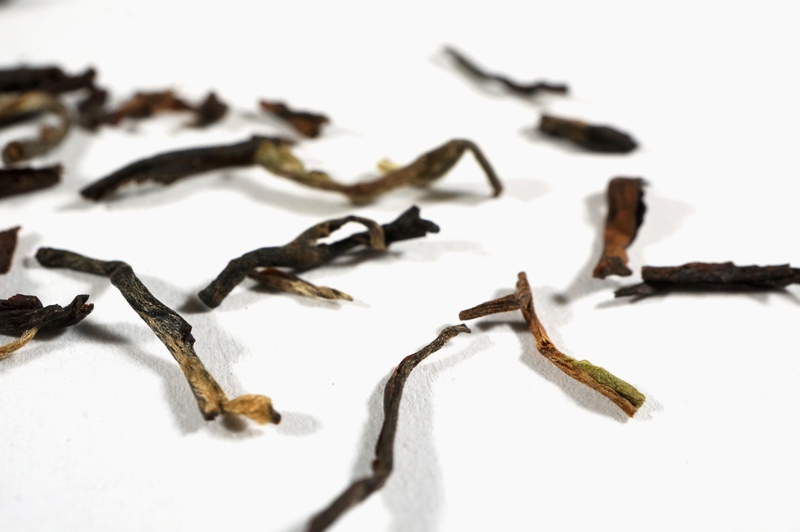
Delicate, fragrant and refined, Darjeeling Castleton is an exceptional second-flush tea from the Castleton Estate, in the Himalayan region of Darjeeling, India. It brews a delicate cup with wonderful muscatel highlights.
History & Heritage
Tea came to Darjeeling in 1841, when Dr. Archibald Campbell planted Chinese tea seeds near his home at Beechwood. The cool mountain climate suited the small-leaf China tea plant, and Darjeeling teas became prized for their light, aromatic character. Among Darjeeling's gardens, Castleton has a special reputation for its muscatel second-flush teas. In 1992, a batch of Castleton muscatel set a record price at auction in Calcutta. Castleton is one of several well-known Darjeeling gardens owned today by the Goodricke Group, alongside Margaret's Hope.
Interesting Facts
"Second flush" refers to the summer harvest, prized for fuller, fruitier flavor than the light spring teas.
Our batch is graded FTGFOP (Finest Tippy Golden Flowery Orange Pekoe) and is in the upper 10 percent of Castleton's quality.
The estate lies at 3,500 to 7,000 feet above sea level.
Darjeeling's first commercial tea gardens date to the early 1850s.
Tasting Notes & Pairings
The cup is light, with subtle astringency and the classic muscatel character that Darjeeling lovers seek. Enjoy it without milk to appreciate its nuance. Pair it with scones and clotted cream, fresh peaches, or mild cheeses. Its gentle character also suits a quiet afternoon break.
Brewing tips (general guideline): use 1 rounded teaspoon (about 2–3 g) per 8 oz of water just off the boil (195–205°F), steeped 3–4 minutes. A shorter steep keeps the cup delicate. Adjust to taste.
Like every tea at Beantown Tea & Spices, Darjeeling Castleton is a quality loose-leaf tea offered at an affordable price, with sample and larger sizes so you can find your favorite. Explore more in our Black Tea collection, or pair it with our tea accessories.
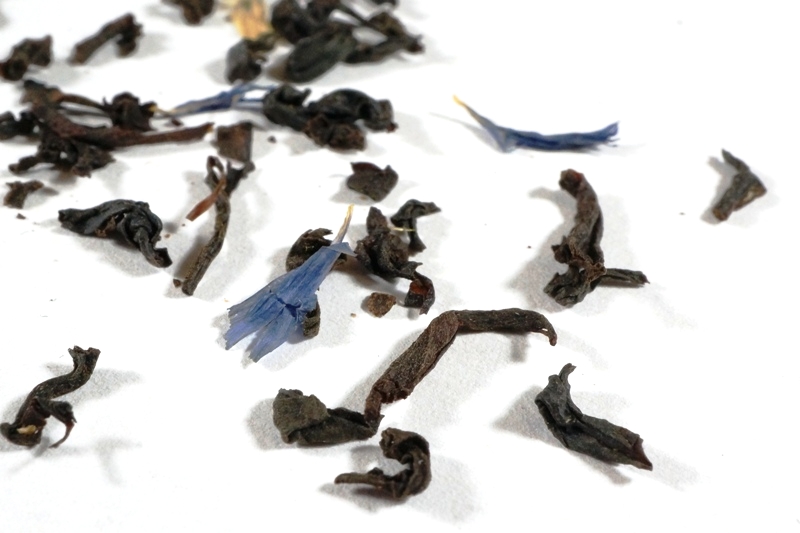
Our Earl Grey has an unbelievable aroma that portends an unbelievable taste. A correct balance of flavoring results in a piquant and refreshing true Earl Grey taste that goes well with pastries and cakes. The true taste from the bergamot oil creates an Earl Grey that calls you back for more. No wonder it is the most consumed afternoon tea. Ingredients: Premium black tea, Bergamot oil, Blue flowers (Cornflower petals), Citrus peels. Like every tea at Beantown Tea & Spices, Earl Grey is a quality loose-leaf tea offered at an affordable price, with sample and larger sizes so you can find your favorite. Brewing tips (general guideline): use 1 rounded teaspoon (about 2–3 g) per 8 oz of freshly boiled water (205–212°F), steeped 3–5 minutes. Adjust to taste. Explore more in our Black Tea collection, or pair it with our tea accessories.
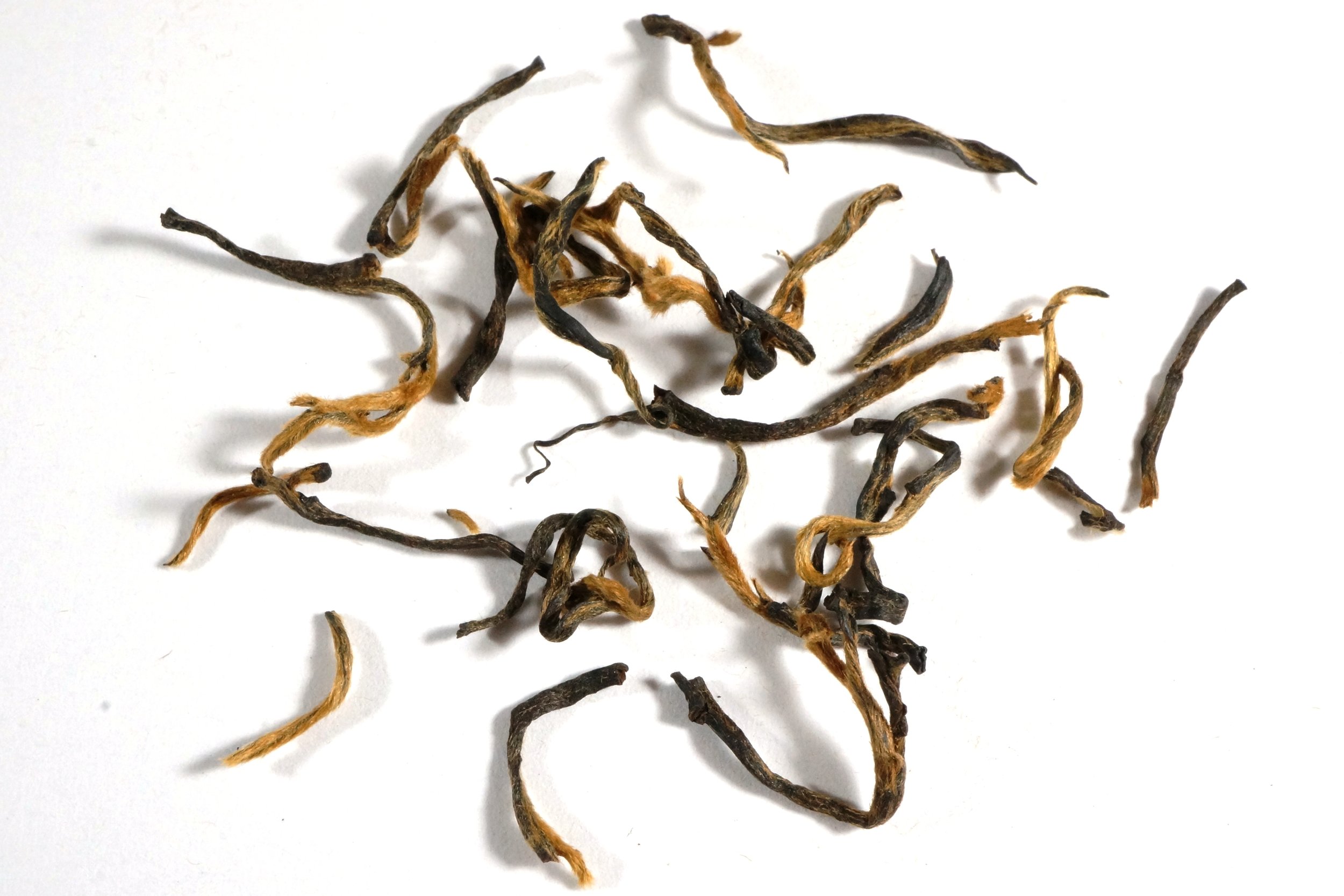
Golden, downy and beautifully twisted, the famous spring Golden Monkey from Fujian, China is a tea to savor. It is noted for its rich aroma, sweet taste, golden color and well-twisted, tippy leaf.
History & Heritage
Fujian Province has a deep black tea heritage. It is home to the Wuyi Mountains, where many historians place the birth of black tea centuries ago. Golden Monkey belongs to this tradition. Its name is usually explained by its appearance: the golden, downy tips and curled leaves are said to look like a monkey's paws. Some tellers connect the name instead to the legendary Monkey King of Chinese folklore. Either way, the name captures the tea's golden, lively character. Fujian is also where the famous Lapsang Souchong originated, and its tea makers' skill with black tea later inspired the creation of Keemun in neighboring Anhui.
Interesting Facts
The leaves are harvested in spring and, after a labor-intensive production, hand-sorted to ensure a beautiful leaf appearance.
Our Golden Monkey is a S.T.O.P. (Special Tippy Orange Pekoe) grade from about 4,800 feet.
This exceptional tea can be infused multiple times.
Tasting Notes & Pairings
A full-bodied tea with an exotic character and the satisfying "mouth-feel" that tea tasters prize. The infusion is very bright with a golden coppery color. Pair it with sweet potato dishes, roasted chestnuts, or a honey-glazed pastry. It is satisfying plain and has no need for milk, though a splash is fine if you prefer.
Brewing tips (general guideline): use 1 rounded teaspoon (about 2–3 g) per 8 oz of water at 195–205°F, steeped 3–4 minutes. Re-steep the leaves for additional cups. Adjust to taste.
Like every tea at Beantown Tea & Spices, Golden Monkey is a quality loose-leaf tea offered at an affordable price, with sample and larger sizes so you can find your favorite. Explore more in our Black Tea collection, or pair it with our tea accessories.
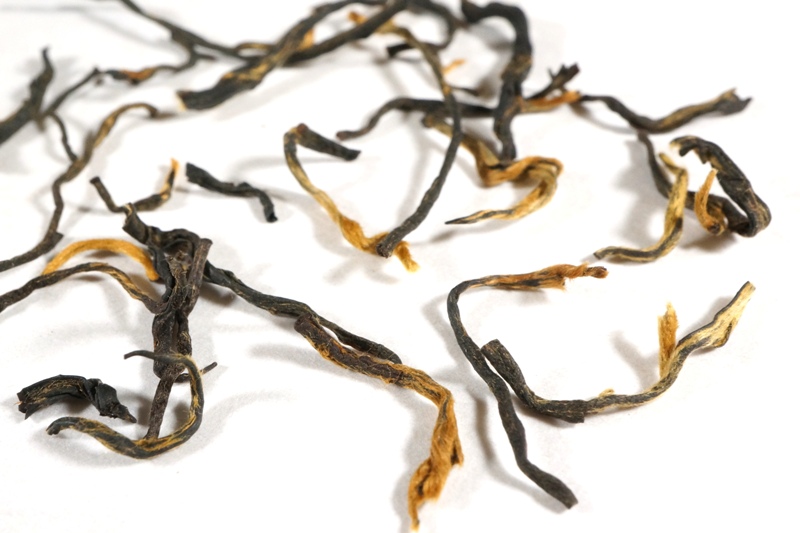
Rich, fragrant and elegant, this Keemun from China is a fine example of a winey Keemun, often called the "Bordeaux or Burgundy of tea." Its infusion carries an orchid-like fragrance that some say is enhanced with milk.
History & Heritage
Keemun has a precise birthday. Qimen County in Anhui Province had made green tea for centuries, but in 1875 a former official named Yu Ganchen returned home from Fujian, where black tea was profitable, and began making black tea using Fujian methods. Around the same time, local tea maker Hu Yuanlong also turned his factory to black tea, so both men are remembered as founders. Keemun quickly won fans in the West and became a component of classic blends.
Interesting Facts
"Keemun" is an older Western spelling of Qimen, pronounced roughly "chee-mun."
Its distinctive aroma is known in China as "Qimen fragrance."
This is the third-highest grade of Keemun available, made only in March and April. The two top grades are Hoa Ya A and Hoa Ya B.
Tasting Notes & Pairings
This grade has tightly rolled leaves that give a deep, rich, concentrated flavor, and when properly stored it takes on a deeper, winey and mellow character. The liquor is reasonably thick and reddish, winey and juicy, with a very clean cup that has depth and character. Pair it with dark chocolate, roast duck, or a fruit and nut bread.
Brewing tips (general guideline): use 1 rounded teaspoon (about 2–3 g) per 8 oz of freshly boiled water (205–212°F), steeped 3–5 minutes. Adjust to taste.
Like every tea at Beantown Tea & Spices, Keemun Mao Feng is a quality loose-leaf tea offered at an affordable price, with sample and larger sizes so you can find your favorite. Explore more in our Black Tea collection, or pair it with our tea accessories.

Sweet peach meets the gentle tingle of ginger. In blending our Ginger Peach tea, we have combined the "queen of spices" with delicious sweet peach for a tea that is fruity with mild spiciness.
History & Heritage
This blend starts with Ceylon black tea. Sri Lanka's tea industry began in 1867, when Scottish planter James Taylor planted the island's first tea field at Loolecondera near Kandy. After coffee rust destroyed the island's coffee crop, tea took over the hill country, and Ceylon became known for bright black teas that carry fruit and spice flavors beautifully.
Interesting Facts
The base tea is a Pekoe grade from Sri Lanka, grown at 4,800 to 7,600 feet and made in the orthodox style.
Tasting Notes & Pairings
The ginger highlights the taste, while the sweet peach mellows its piquant, spicy character for a well-balanced cup. A perfect mid-morning tea, and it makes an exceptional iced tea. Pair it with peach cobbler, grilled chicken, or a summer salad.
Brewing tips (general guideline): use 1 rounded teaspoon (about 2–3 g) per 8 oz of freshly boiled water (205–212°F), steeped 3–5 minutes. Adjust to taste.
Like every tea at Beantown Tea & Spices, Ginger Peach Black Tea is a quality loose-leaf tea offered at an affordable price, with sample and larger sizes so you can find your favorite. Explore more in our Black Tea collection, or pair it with our tea accessories.
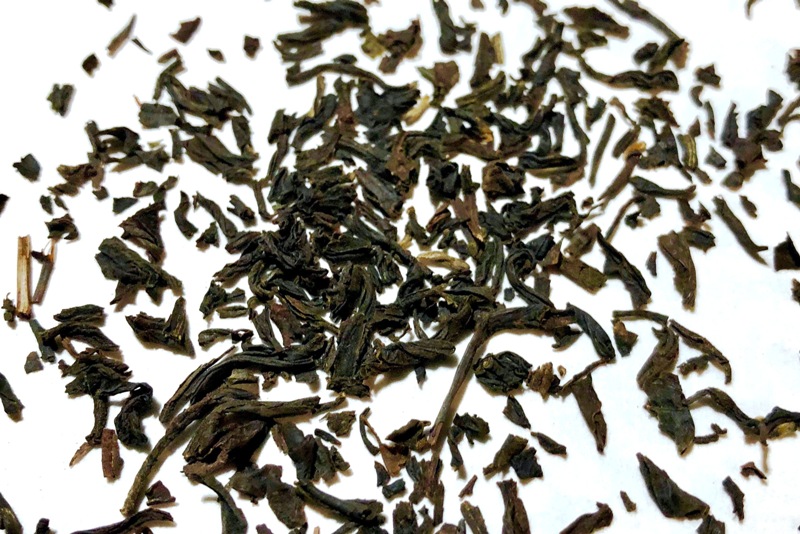
Classic, versatile and easy to love, our China Black Tea brews a medium to full-bodied cup that is flavorful, slightly malty, sweet and with reasonable depth.
History & Heritage
Black tea was born in China. Many historians trace it to the Wuyi Mountains of Fujian in the late Ming dynasty. Legend has it that soldiers passing through a tea village camped on piles of freshly picked leaves, and by the time they left, the leaves had darkened. Unwilling to waste their harvest, the farmers dried the leaves over pine fires, creating a new kind of tea that found eager buyers. In China, this style is still called "red tea" (hong cha), after the reddish color of the brewed cup. That smoky original from the Wuyi Mountains is known in the West as Lapsang Souchong, and from it grew a whole family of Chinese black teas.
Interesting Facts
The English term "black tea" refers to the dark color of the dry leaves, while the Chinese name describes the color of the liquor.
Our China Black Tea is an FOP (Flowery Orange Pekoe) grade.
Tasting Notes & Pairings
A very well-rounded black tea and an excellent everyday tea, enjoyed both hot and iced. If you are looking for a quality black tea at a very reasonable price, look no further. Pair it with stir-fries, dumplings, or simple butter cookies.
Brewing tips (general guideline): use 1 rounded teaspoon (about 2–3 g) per 8 oz of freshly boiled water (205–212°F), steeped 3–5 minutes. Adjust to taste.
Like every tea at Beantown Tea & Spices, China Black Tea is a quality loose-leaf tea offered at an affordable price, with sample and larger sizes so you can find your favorite. Explore more in our Black Tea collection, or pair it with our tea accessories.
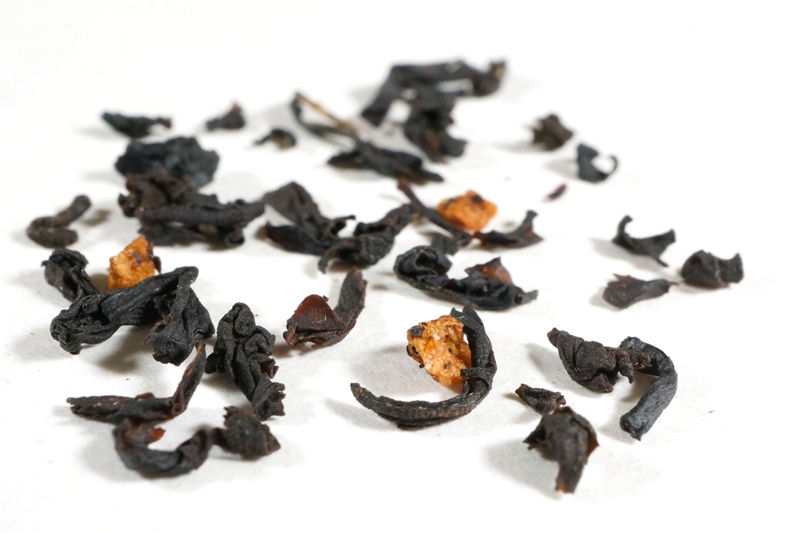
Sweet, fragrant and summery, our Strawberry Black Tea is premium Ceylon tea blended with natural flavors of sweet strawberries.
History & Heritage
The base of this blend is Ceylon tea from Sri Lanka, where the first tea field was planted by Scottish planter James Taylor in 1867. When coffee rust devastated the island's coffee plantations, planters turned to tea, and Ceylon's bright, brisk black teas became famous worldwide. Their lively character is a natural match for fruit flavors.
Interesting Facts
The base tea is a Pekoe grade grown at 4,800 to 7,600 feet and made in the orthodox style.
Tasting Notes & Pairings
With just the right amount of natural flavoring, this tea brews an aromatic strawberry cup that is excellent both hot and iced. A drop of milk and a dash of sugar can bring out more of the wonderful strawberry flavor. Pair it with shortcake, chocolate desserts, or a brunch spread.
Brewing tips (general guideline): use 1 rounded teaspoon (about 2–3 g) per 8 oz of freshly boiled water (205–212°F), steeped 3–5 minutes. Adjust to taste.
Like every tea at Beantown Tea & Spices, Strawberry Black Tea is a quality loose-leaf tea offered at an affordable price, with sample and larger sizes so you can find your favorite. Explore more in our Black Tea collection, or pair it with our tea accessories.
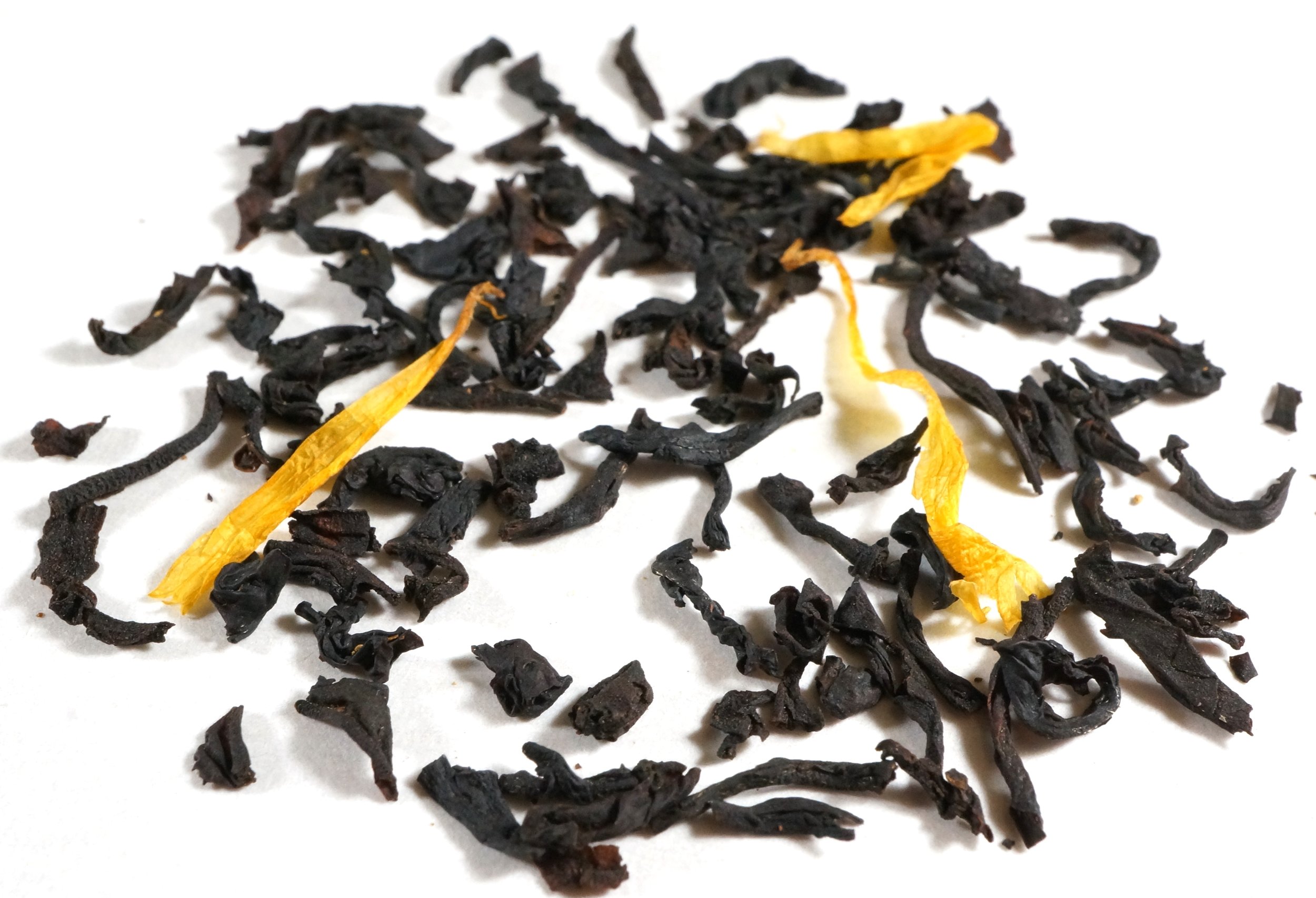
A taste of sunshine in every cup. Our Mango Black Tea is a premium Ceylon tea blended with natural flavors of ripe tropical mango.
History & Heritage
This blend is built on Ceylon black tea from Sri Lanka. The island's tea story began in 1867, when Scottish planter James Taylor planted its first tea field at Loolecondera, near Kandy. After coffee rust destroyed the coffee plantations, tea spread across the hill country, and Ceylon became known for bright black teas that blend well with fruit.
Interesting Facts
The base tea is a Pekoe grade grown at 4,800 to 7,600 feet and made in the orthodox style.
Tasting Notes & Pairings
Mango tea has a wonderful sweetness that complements the tea rather than overpowering it, and it will remind you of sunny summer days. It is excellent hot or iced, with or without milk. Pair it with spicy dishes, grilled shrimp, or coconut cake.
Brewing tips (general guideline): use 1 rounded teaspoon (about 2–3 g) per 8 oz of freshly boiled water (205–212°F), steeped 3–5 minutes. Adjust to taste.
Like every tea at Beantown Tea & Spices, Mango Black Tea is a quality loose-leaf tea offered at an affordable price, with sample and larger sizes so you can find your favorite. Explore more in our Black Tea collection, or pair it with our tea accessories.

Juicy, sweet and aromatic, our Peach Black Tea is a premium Ceylon tea blended with natural flavors of sweet peaches.
History & Heritage
The base of this blend is Ceylon black tea. Sri Lanka's first tea field was planted in 1867 by Scottish planter James Taylor at the Loolecondera estate near Kandy. When coffee rust wiped out the island's coffee plantations, tea took its place, and Ceylon's bright, lively teas became a favorite base for fruit blends.
Interesting Facts
Ingredients: black tea, natural peach flavor, apricots, marigold flowers and apple pieces.
The base tea is a Pekoe grade grown at 4,800 to 7,600 feet.
Tasting Notes & Pairings
It brews a wonderful cup that is peachy, slightly sweet and aromatic, and it is excellent both hot and iced. Pair it with peach pie, grilled pork, or a cheese and fruit plate.
Brewing tips (general guideline): use 1 rounded teaspoon (about 2–3 g) per 8 oz of freshly boiled water (205–212°F), steeped 3–5 minutes. Adjust to taste.
Like every tea at Beantown Tea & Spices, Peach Black Tea is a quality loose-leaf tea offered at an affordable price, with sample and larger sizes so you can find your favorite. Explore more in our Black Tea collection, or pair it with our tea accessories.
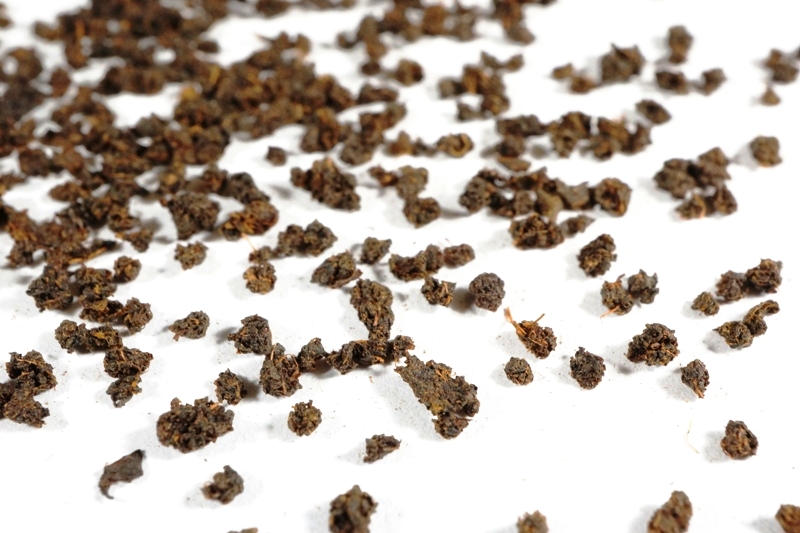
Strong, malty and ready for anything, our Irish Breakfast is a robust blend of Assam and Kenya black teas that makes a very full-bodied cup.
History & Heritage
Both halves of this blend have remarkable stories. Assam's native tea plant was brought to the attention of the British in 1823, when trader Robert Bruce was shown wild tea by a Singpho chief, and the first Assam tea sold at auction in London in 1839. Kenya's first tea was planted experimentally at Limuru in 1903, and Kenya has since become the world's largest exporter of black tea. Our Irish Breakfast is a CTC tea, a method first used in Assam in 1930 by Sir William McKercher.
Interesting Facts
CTC stands for "cut, tear and curl." The leaves are cut, torn and curled into tiny pellets, so CTC teas brew stronger and with more strength.
The strength and deeply malty flavor of a classic second-flush Assam is combined here with rich, flavorful Kenya tea.
Grades: BOP (Broken Orange Pekoe) and BP1 (Broken Pekoe #1).
Tasting Notes & Pairings
This tea is best enjoyed with milk, which softens the bitterness of strong teas. It is a lovely cup to cheer up your morning. Serve it with soda bread, eggs and sausages, or porridge. A strong cup of breakfast tea with milk is a daily ritual for many, and this blend is made for exactly that.
Brewing tips (general guideline): use 1 rounded teaspoon (about 2–3 g) per 8 oz of freshly boiled water (205–212°F), steeped 3–5 minutes. Adjust to taste.
Like every tea at Beantown Tea & Spices, Irish Breakfast is a quality loose-leaf tea offered at an affordable price, with sample and larger sizes so you can find your favorite. Explore more in our Black Tea collection, or pair it with our tea accessories.

Smooth, malty and toasty, Kenya Kosabei is a TGFOP grade black tea from Kenya's highlands. Along with Milima, it is regarded as one of the finest teas from Kenya.
History & Heritage
Kenya's tea history began in 1903, when the first tea bushes were planted experimentally at Limuru, and commercial estates followed in the 1920s. In just over a century, Kenya has become the world's largest exporter of black tea. Its highland gardens lie close to the equator, so tea can be plucked throughout the year, and the high elevations give the leaves time to develop rich flavor. The experimental bushes at Limuru were planted by early settlers, and from that modest start Kenya's tea gardens spread across the highlands.
Interesting Facts
Most Kenyan tea grows at around 1,500 to 2,700 meters above sea level. Kosabei grows at 5,000 to 6,000 feet.
Most Kenyan tea is made by the CTC method for tea bags, so fine orthodox leaf teas like Kosabei are less common.
Kenya is the world's largest exporter of black tea.
Tasting Notes & Pairings
Kosabei brews a rich, smooth cup that is deliciously malty, with hints of buttered toast and notes of currant. The infusion is bright and coppery. Although it takes milk very well, it is perfect just as it is, without milk or sugar. Pair it with toast and jam, scones, or a cheddar sandwich. It is a satisfying cup any time of day.
Brewing tips (general guideline): use 1 rounded teaspoon (about 2–3 g) per 8 oz of freshly boiled water (205–212°F), steeped 3–5 minutes. Adjust to taste.
Like every tea at Beantown Tea & Spices, Kenya Kosabei is a quality loose-leaf tea offered at an affordable price, with sample and larger sizes so you can find your favorite. Explore more in our Black Tea collection, or pair it with our tea accessories.
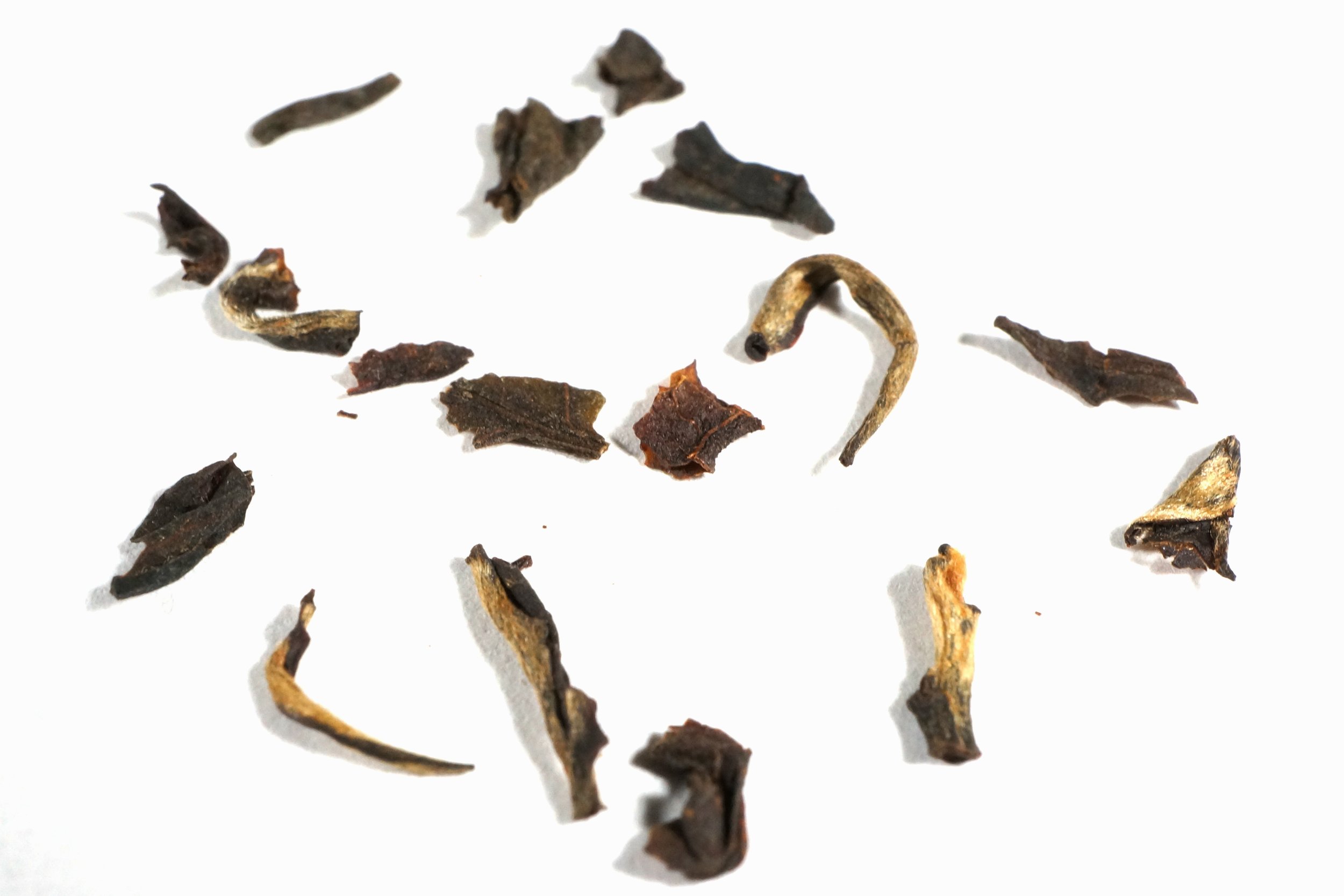
Full-bodied yet refined, Assam Hunwal is a very well-balanced Assam tea. It has the classic Assam character with a more delicate finish.
History & Heritage
Assam's tea plant was growing wild in the Brahmaputra valley, and used by local people, long before the outside world took notice. In 1823 a Scottish trader, Robert Bruce, was introduced to the plant by a Singpho chief through the Assamese nobleman Maniram Dewan. It was later identified as a distinct large-leaf variety, Camellia sinensis var. assamica. The first Assam tea was auctioned in London on January 10, 1839, and Assam went on to become the largest tea-growing region in the world by volume. The Assam Company, India's first tea company, was formed in London that same year. Decades later, in 1930, the CTC method of processing was invented in Assam, making its teas a mainstay of tea bags around the world.
Interesting Facts
The astringency of Hunwal is slightly less prominent than a typical Assam because of the tippy leaves in the tea.
Our Hunwal is an FBOP (Flowery Broken Orange Pekoe) grade made in the orthodox style.
Tasting Notes & Pairings
It is full-bodied, malty and smooth, with a bright, coppery infusion. The result is a well-balanced tea that is good on its own or with a few drops of milk. Pair it with a cooked breakfast, banana bread, or spiced cookies.
Brewing tips (general guideline): use 1 rounded teaspoon (about 2–3 g) per 8 oz of freshly boiled water (205–212°F), steeped 3–5 minutes. Adjust to taste.
Like every tea at Beantown Tea & Spices, Assam Hunwal is a quality loose-leaf tea offered at an affordable price, with sample and larger sizes so you can find your favorite. Explore more in our Black Tea collection, or pair it with our tea accessories.
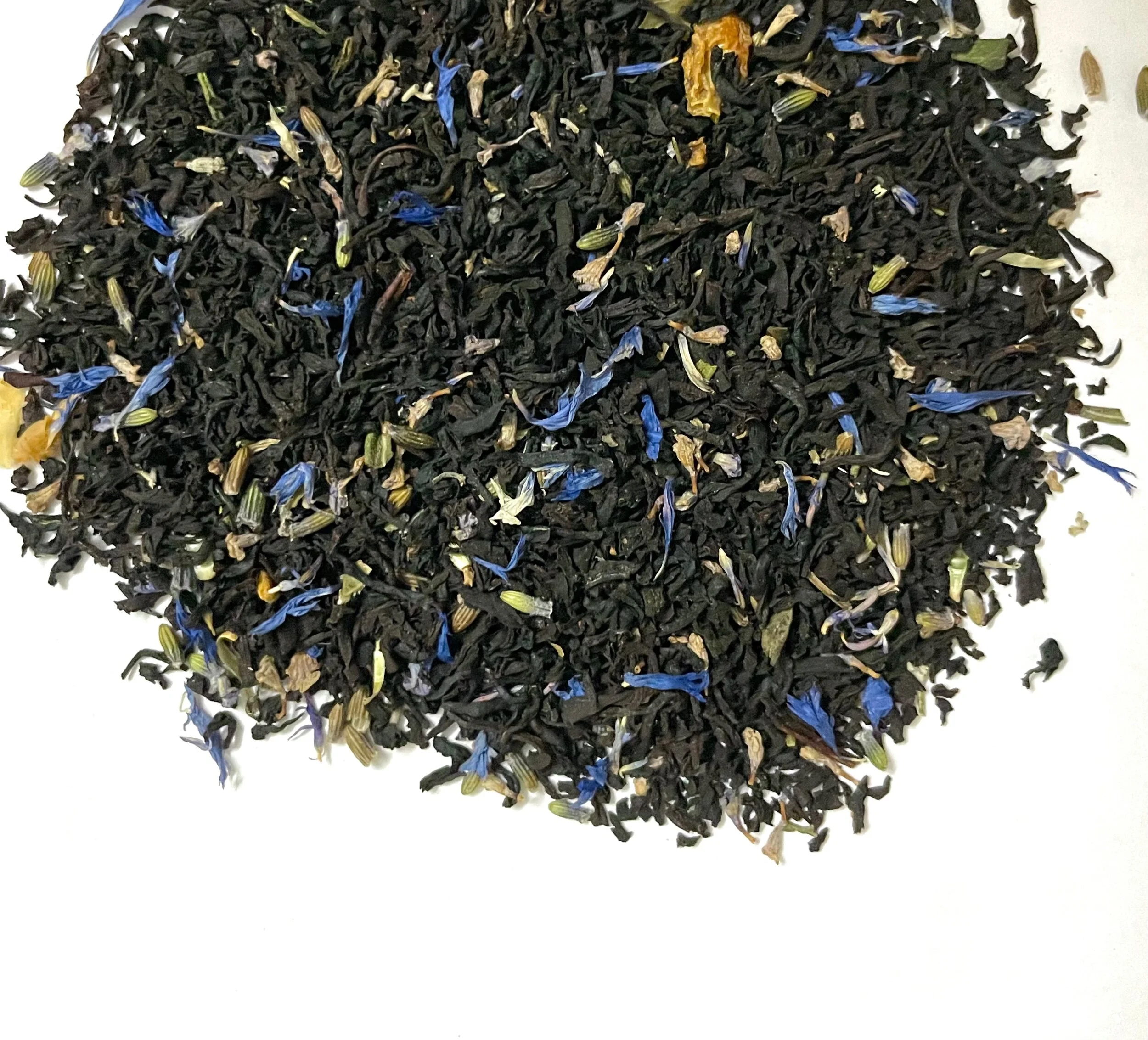
Earl Grey meets fragrant blue lavender. This delicious tea is citrusy, floral, slightly sweet and creamy.
History & Heritage
Earl Grey, black tea scented with citrusy bergamot, is named after Charles Grey, the 2nd Earl Grey and British Prime Minister in the 1830s. The popular story of a Chinese mandarin's gift is generally regarded as legend, and bergamot-scented tea was already sold in England by the 1820s. Because the name was never trademarked, blenders have created many variations. Here, we have combined our classic Earl Grey tea with versatile, floral lavender flowers.
Interesting Facts
Our classic Earl Grey uses a Sri Lankan black tea scented with bergamot oil.
Tasting Notes & Pairings
The result is a soothing, floral and mellow Earl Grey. Enjoy it plain or as a lavender London Fog with steamed milk and a touch of honey. Pair it with lemon shortbread, blueberry scones, or vanilla cake.
Brewing tips (general guideline): use 1 rounded teaspoon (about 2–3 g) per 8 oz of freshly boiled water (205–212°F), steeped 3–5 minutes. Adjust to taste.
Like every tea at Beantown Tea & Spices, Lavender Earl Grey is a quality loose-leaf tea offered at an affordable price, with sample and larger sizes so you can find your favorite. Explore more in our Black Tea collection, or pair it with our tea accessories.
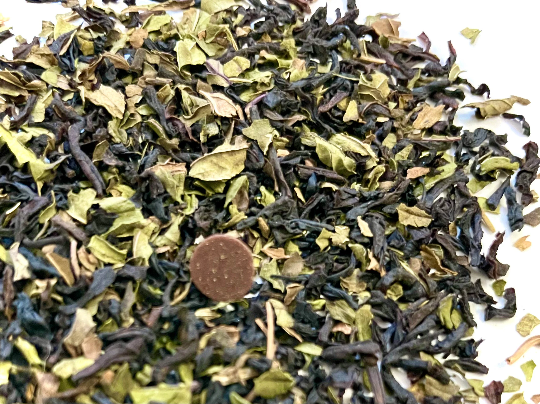
Craving chocolate mint? This Chocolate Mint Black Tea is for you. Full-bodied black tea is combined with chocolate and peppermint to create a delicious, dessert-like cup.
History & Heritage
Black tea was first made in China, and many historians trace it to Fujian's Wuyi Mountains in the late Ming dynasty, where leaves were left to oxidize fully before drying. Its bold, robust flavor makes black tea a natural partner for rich ingredients like chocolate and cool peppermint.
Interesting Facts
Ingredients: black tea, peppermint, dark chocolate chips and cocoa nibs, natural chocolate flavor.
Tasting Notes & Pairings
Expect a cool peppermint lift over a smooth, chocolatey black tea. It is wonderful with a splash of milk and a little sugar for a treat, and it pairs well with brownies, vanilla ice cream, or an after-dinner cookie.
Brewing tips (general guideline): use 1 rounded teaspoon (about 2–3 g) per 8 oz of freshly boiled water (205–212°F), steeped 3–5 minutes. Adjust to taste.
Like every tea at Beantown Tea & Spices, Chocolate Mint Black Tea is a quality loose-leaf tea offered at an affordable price, with sample and larger sizes so you can find your favorite. Explore more in our Black Tea collection, or pair it with our tea accessories.
Some teas come with a story as memorable as their flavor. Darjeeling Margaret's Hope brews a delicate cup with the distinctive "muscatel" grape character, and hints of currant give it an almost wine-like taste. We like it as an afternoon or after-dinner tea.
History & Heritage
Tea came to Darjeeling in 1841, when Dr. Archibald Campbell planted Chinese tea seeds beside his home at Beechwood, and commercial gardens followed in the 1850s. Margaret's Hope, in the Kurseong area sometimes called the "Land of White Orchids," began producing commercially in 1864 under the name Bara Ringtong. Its current name comes from a story told for generations. Legend has it that Margaret, the young daughter of the estate's manager, fell in love with the garden on a visit and promised to return, but she fell ill and died on the voyage home to England. Her grieving father renamed the estate in her memory, and local tales say her spirit still visits the manager's bungalow.
Interesting Facts
Darjeeling's cool, high climate favors the small-leaf China tea plant, and the bushes at Margaret's Hope are almost entirely of the Chinese type.
Because the bushes grow slowly at such heights, production is limited.
Our Margaret's Hope is a TGFOP grade grown at 6,800 feet.
Tasting Notes & Pairings
The best quality comes in the second flush, from late May to late June, when the fragrance seems to reach right out of the cup. Some taste nuttiness, others black currant, but most compare it to muscat grapes. The infusion is bright tending light. Enjoy it plain with scones and jam, fruit tarts, or a cheese plate after dinner.
Brewing tips (general guideline): use 1 rounded teaspoon (about 2–3 g) per 8 oz of water just off the boil (195–205°F), steeped 3–4 minutes. A shorter steep keeps the cup delicate. Adjust to taste.
Like every tea at Beantown Tea & Spices, Margaret's Hope is a quality loose-leaf tea offered at an affordable price, with sample and larger sizes so you can find your favorite. Explore more in our Black Tea collection, or pair it with our tea accessories.