Posts tagged Health Research
Hibiscus Tea and Blood Pressure: What the Research Really Says

Hibiscus tea is hard to miss. It brews up a deep ruby red and tastes bright and tart, a little like cranberry. It also has a reputation as a tea that may be good for blood pressure. Is that reputation backed by real research? We read the human studies and reviews ourselves and pulled together an honest, plain-English look at what's known, what isn't, and how to enjoy a caffeine-free cup of hibiscus.
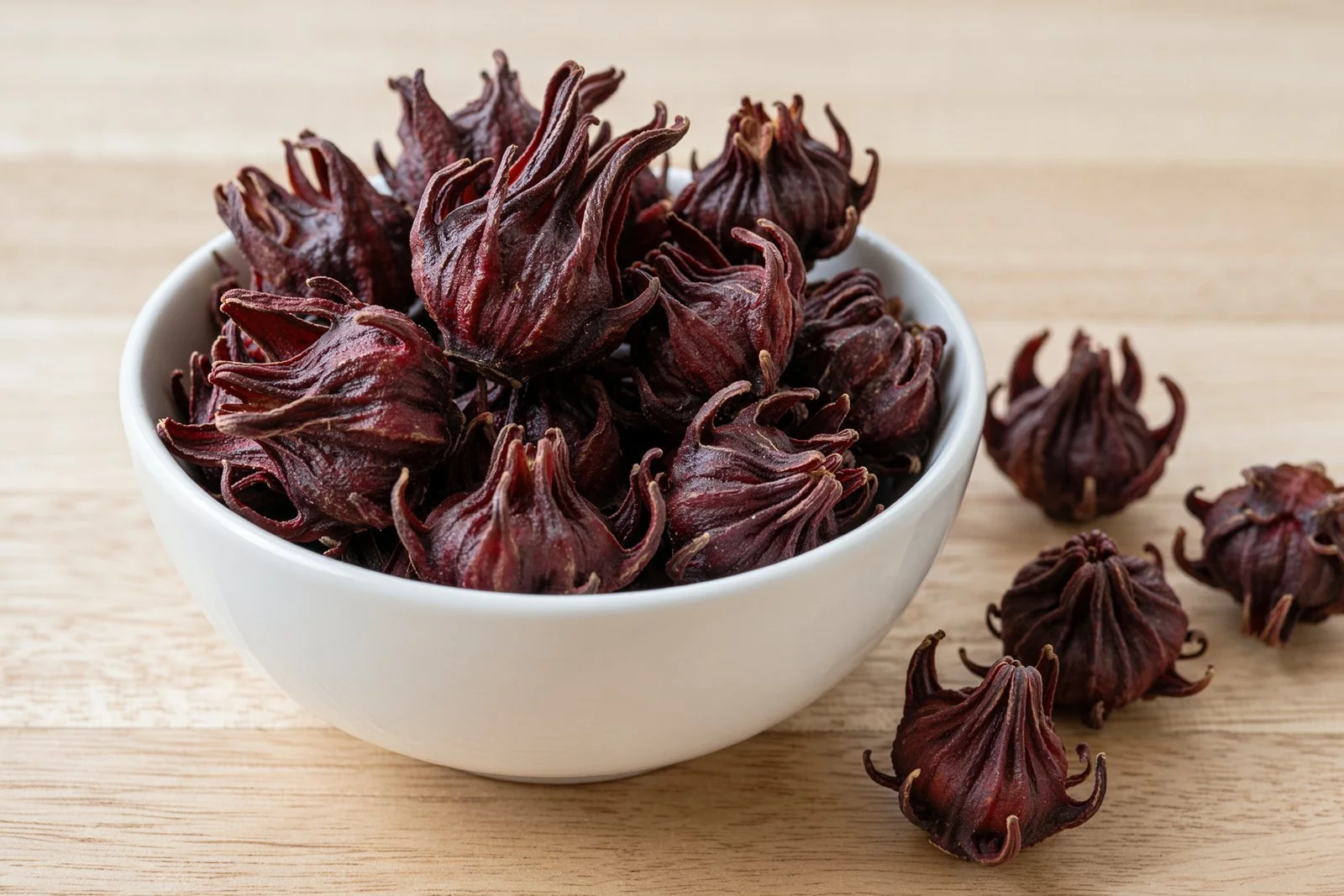
White bowl of whole dried deep-red hibiscus calyces on a light wooden table

What Is Hibiscus Tea?

The hibiscus used for tea is Hibiscus sabdariffa, also called roselle or sour tea. The part that gets dried and brewed isn't the showy petals. It's the calyx, the fleshy red cup that wraps around the base of the flower. Dried calyces brew into tart red drinks enjoyed around the world, such as sorrel in the Caribbean and agua de Jamaica in Mexico.

Like chamomile and rooibos, hibiscus is a tisane, an herbal tea made without the tea plant, so it's naturally caffeine free. (New to the term? Our guide to herbal tea vs. true tea explains the difference.)

Why might hibiscus affect blood pressure? It's rich in plant compounds such as polyphenols and anthocyanins, the pigments behind its red color (Serban et al., 2015). Researchers have also identified hibiscus as an ACE inhibitor, meaning it may act on the same enzyme targeted by a common type of blood pressure medicine (Ellis et al., 2022). Those are interesting leads, but the real test is what happens when people actually drink it.
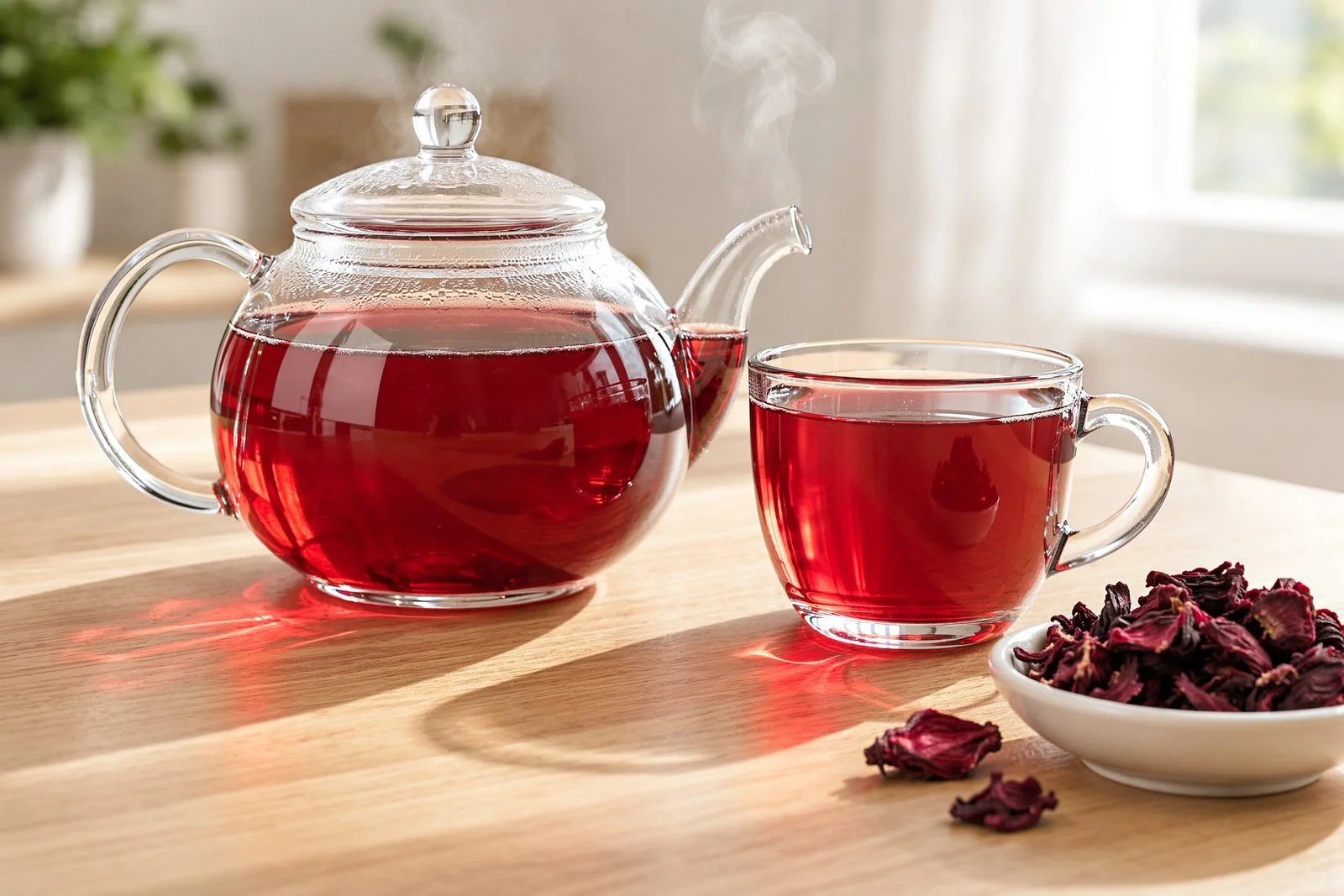
Glass teapot and cup of ruby-red hibiscus tea beside a small dish of dried hibiscus

What the Human Studies Found

A hibiscus tea trial right here in Boston. Researchers at the Jean Mayer USDA Human Nutrition Research Center on Aging at Tufts University ran a randomized, double-blind, placebo-controlled trial with 65 adults aged 30 to 70. Their blood pressure was slightly to mildly raised, and none were taking blood pressure medicine. For six weeks, one group drank three 240 mL (about 8 oz) cups of brewed hibiscus tea a day, each made with 1.25 grams of dried hibiscus steeped for 6 minutes. The other group drank a red, fruit-flavored placebo drink. After six weeks, systolic blood pressure (the top number) fell by an average of 7.2 mmHg in the hibiscus group, compared with 1.3 mmHg in the placebo group. Diastolic pressure (the bottom number) also dipped, but that change wasn't significantly different from placebo. People who started with higher readings tended to see bigger drops (McKay et al., 2010). One detail worth knowing: the study was funded in part by a tea company, which also supplied the hibiscus.

A 2015 meta-analysis. Researchers pooled five randomized controlled trials with 390 participants in total. Hibiscus was linked with an average drop of 7.58 mmHg in systolic and 3.53 mmHg in diastolic blood pressure, and again the effect was larger in people who started with higher readings. The authors still called for more well-designed trials (Serban et al., 2015).

A larger 2022 review. A team at the University of Leeds reviewed 17 trials. Compared with placebo, hibiscus lowered systolic blood pressure by about 7.1 mmHg on average, with the biggest effects in people whose blood pressure was raised to begin with. Hibiscus was also linked with a small drop in LDL ("bad") cholesterol. Results varied a lot from trial to trial, though, and the authors said more studies are needed to work out the best amount and how long to drink it (Ellis et al., 2022).

A stricter Cochrane review. Cochrane reviews use especially strict rules about which trials count. When Cochrane reviewers looked only at trials comparing hibiscus with a placebo or no treatment in adults with high blood pressure, just one small study of 60 people (all with type 2 diabetes) qualified, and it used hibiscus extract capsules, not tea. The reviewers concluded the evidence is currently insufficient to say whether hibiscus lowers blood pressure in people with hypertension (Pattanittum et al., 2021).

The Honest Bottom Line

Put simply, several small trials link regular hibiscus drinking with modest drops in blood pressure, mostly the top number, and mostly in people whose readings were slightly raised. The U.S. National Center for Complementary and Integrative Health (NCCIH) lists hibiscus among foods and supplements that may help reduce blood pressure, but adds that the evidence is limited, the effects are small, and no dietary supplement has been shown to work as well as blood pressure medicine (NCCIH).

A few limitations are worth keeping in mind:

  • The trials are small and short. Most ran for weeks, not years.

  • Not every study used tea. Some used concentrated extracts or capsules, and doses varied, so results don't translate neatly to one home-brewed cup.

  • Results vary. The reviews found big differences from one trial to the next, and the strict Cochrane review found too little evidence to draw a firm conclusion.

Our take: hibiscus tea isn't a treatment for high blood pressure, and it shouldn't replace one. It's a delicious, naturally caffeine-free drink, and the research suggests it may be a small plus alongside the healthy habits your doctor recommends.

A Few Safety Notes

In the trials pooled in the 2022 review, hibiscus was generally well tolerated. One study reported mild stomach symptoms that passed within a week. The same reviewers noted that possible interactions with blood pressure medicines, such as diuretics and ACE inhibitors, still need more research (Ellis et al., 2022).

NCCIH advises that if you have high blood pressure, you should follow the treatment plan your health care provider prescribed and not swap it for an unproven product. It also notes that some herbs, including licorice root, may raise blood pressure (NCCIH). That's worth knowing because some herbal blends, including our Throat Soother, contain licorice root alongside hibiscus.

If you take blood pressure medicine or other medications, are pregnant or breastfeeding, or are managing a health condition, please talk with your doctor before making hibiscus tea a daily habit.
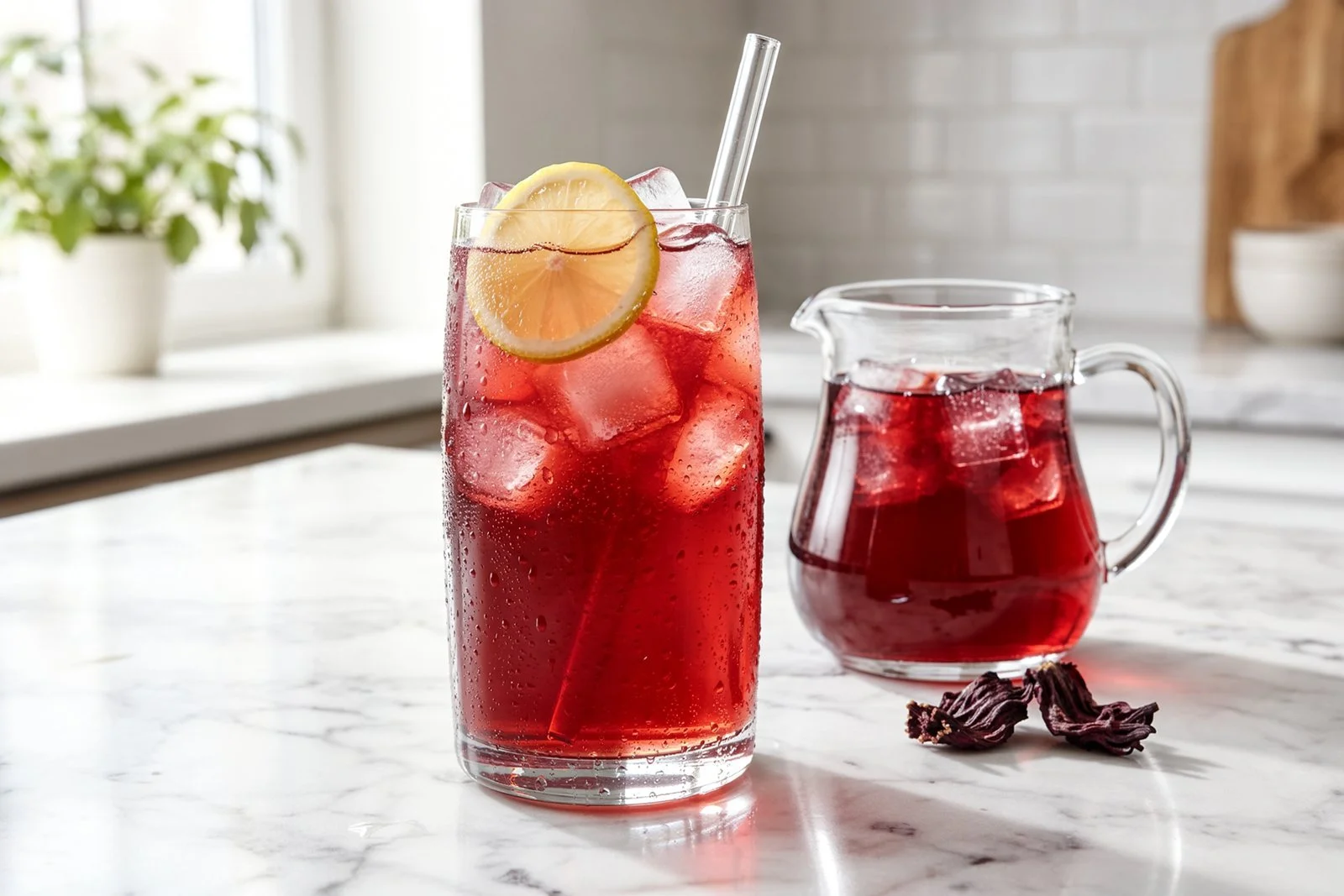
Tall glass of iced hibiscus tea with lemon beside a small pitcher on a marble counter

Enjoying a Cup of Hibiscus

If you'd like to try hibiscus, our fruit blends are a tasty place to start. Hibiscus is one of the main ingredients in each of these, alongside fruit and other botanicals:

  • Red Orange: our best-selling fruit blend, with orange peel, hibiscus, apple and rose hip for a tangy citrus cup.

  • Very Berry: rose hips, hibiscus, cranberries and blueberries, bright and juicy.

  • Yummy Fruitea: strawberry, hibiscus, blackberry and elderberry, with tart sour cherry notes.

  • Apple Strawberry: rose hips, hibiscus, apple and strawberry, with a natural fruity sweetness.

Since these are blends, keep in mind that the studies above looked at hibiscus on its own, so a cup of a blend won't match the amounts used in the research.

A few tips for a great cup:

  • Brew it fully. Use about 2 teaspoons per cup of freshly boiled water and steep 5 to 10 minutes. Longer steeping gives a deeper color and a tarter taste.

  • Try it iced. Brew it strong and pour it over ice for a refreshing ruby-red drink.

  • Go easy on the sugar. Our blends have no added sugar or sweeteners. If you like it sweeter, a little honey goes a long way.

  • Explore other caffeine-free cups. If you enjoy herbal teas, our post on chamomile and sleep takes the same honest look at another favorite.

You'll find these and more in our Herbal Tea collection. Like everything at Beantown Tea & Spices, they're quality loose-leaf teas at affordable prices, with sample sizes that make it easy to find your favorite.

Sources

  1. McKay DL, Chen CY, Saltzman E, Blumberg JB. Hibiscus sabdariffa L. tea (tisane) lowers blood pressure in prehypertensive and mildly hypertensive adults. Journal of Nutrition. 2010;140(2):298-303. doi:10.3945/jn.109.115097 (PubMed 20018807)

  2. Serban C, Sahebkar A, Ursoniu S, Andrica F, Banach M. Effect of sour tea (Hibiscus sabdariffa L.) on arterial hypertension: a systematic review and meta-analysis of randomized controlled trials. Journal of Hypertension. 2015;33(6):1119-1127. doi:10.1097/HJH.0000000000000585 (PubMed 25875025)

  3. Ellis LR, Zulfiqar S, Holmes M, Marshall L, Dye L, Boesch C. A systematic review and meta-analysis of the effects of Hibiscus sabdariffa on blood pressure and cardiometabolic markers. Nutrition Reviews. 2022;80(6):1723-1737. doi:10.1093/nutrit/nuab104 (PubMed 34927694)

  4. Pattanittum P, Ngamjarus C, Buttramee F, Somboonporn C. Roselle for hypertension in adults. Cochrane Database of Systematic Reviews. 2021;11(11):CD007894. doi:10.1002/14651858.CD007894.pub3 (PubMed 34837382)

  5. National Center for Complementary and Integrative Health. High Blood Pressure (Hypertension) and Complementary Health Approaches. nccih.nih.gov/health/hypertension-high-blood-pressure
Chamomile and Sleep: What the Research Really Says

When the November evenings close in before dinner, a warm cup of chamomile is one of the oldest wind-down rituals around. Chamomile has a big reputation as a "sleepy tea," but what does the research actually say? We dug into the published studies, read the abstracts and reviews ourselves, and pulled together an honest, plain-English look at what's known, what isn't, and how to enjoy a calming caffeine-free cup at the end of the day.

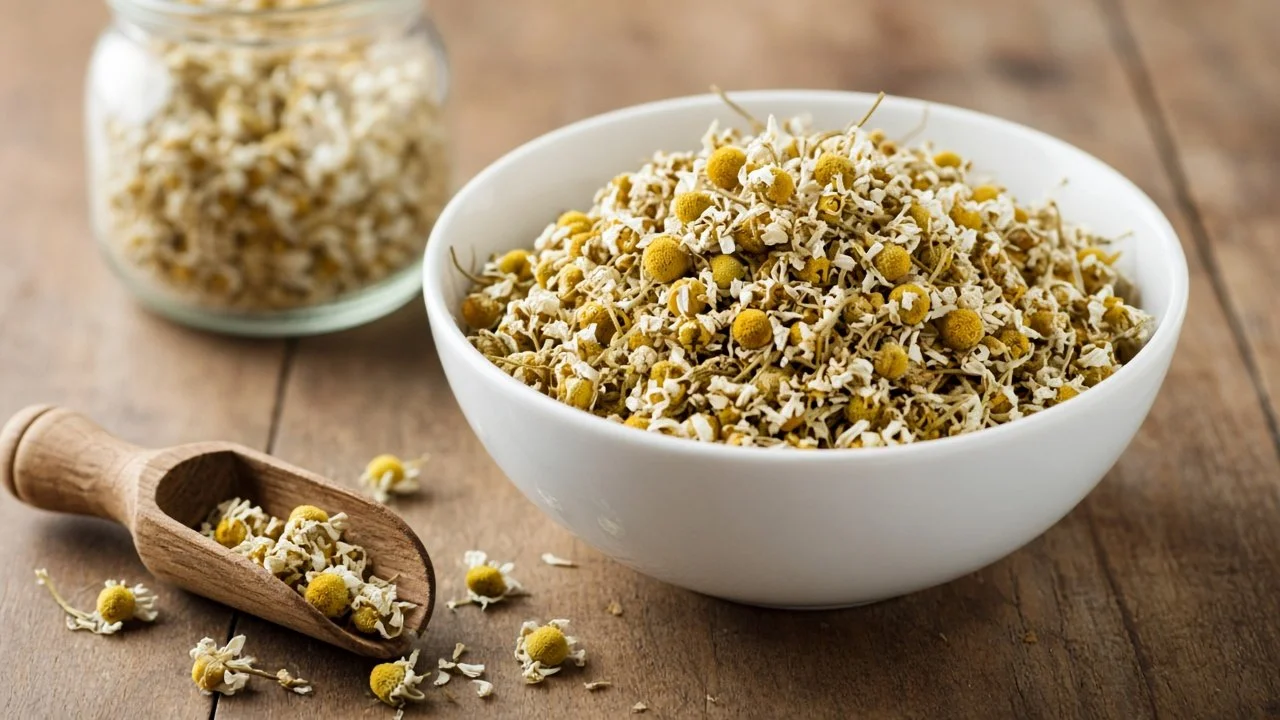
White ceramic bowl of dried chamomile flowers on a wooden table with a scoop and glass jar

Why Chamomile Has a Reputation for Sleep

Chamomile is a daisy-like flower from the Asteraceae (Compositae) family, and people have been brewing it for a very long time. There are two common types, German chamomile and Roman chamomile.

A widely cited review from researchers at Case Western Reserve University describes chamomile as one of the most ancient medicinal herbs known, with chamomile tea consumed at a rate of more than one million cups per day. Traditionally, chamomile tea has been used to help with sleeplessness and to calm nerves (Srivastava et al., 2010).

Why might it work? The same review explains that chamomile's calming effect may come from apigenin, a flavonoid in the flowers that binds to benzodiazepine receptors in the brain. That's an interesting lead, but most of that evidence comes from lab and animal studies. At the time of that review, the authors noted that clinical trials in people were "notable for their absence." Since then, a handful of human studies have been published, and they are where things get more interesting.

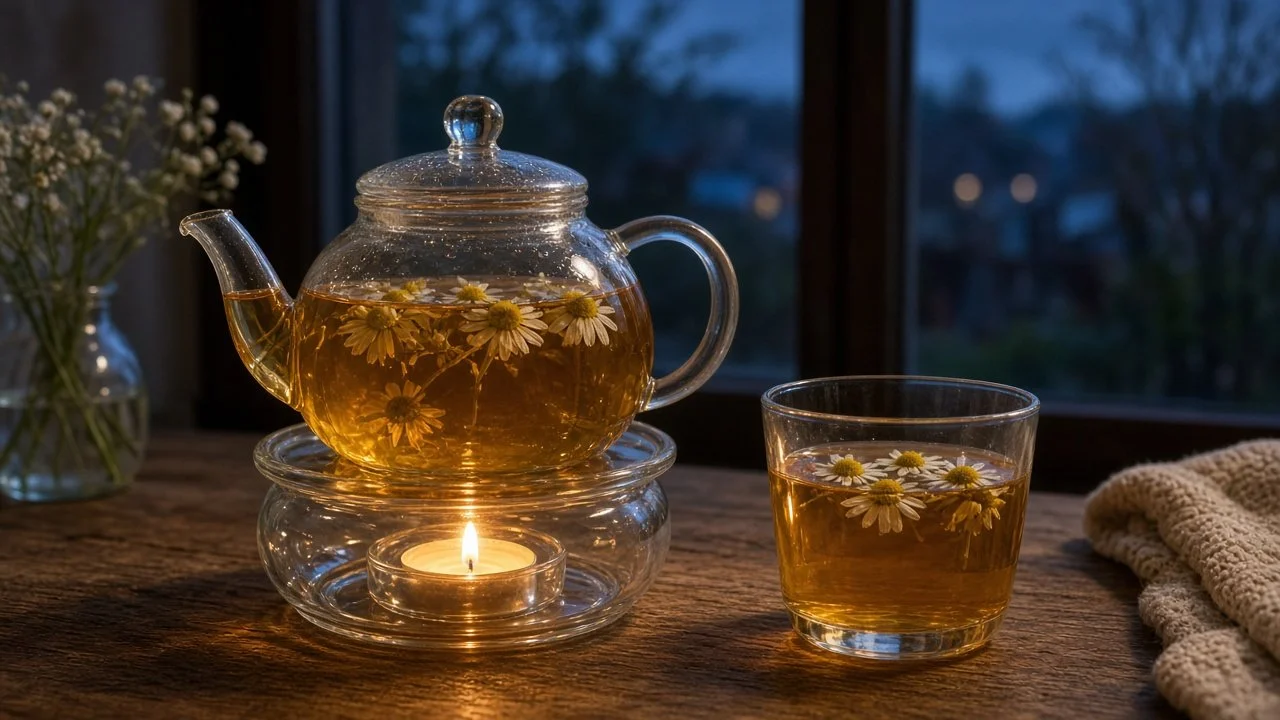
Glass teapot of golden chamomile tea on a candle warmer beside a glass cup at dusk

What the Human Studies Found

A chamomile tea study in new mothers. In a randomized controlled trial from Taiwan, 80 postnatal women with poor sleep quality were split into two groups of 40. One group drank chamomile tea for two weeks, and the other received regular postpartum care only. After two weeks, the tea group had lower scores for physical symptoms linked to poor sleep and fewer symptoms of depression. But by the four-week check, two weeks after the tea stopped, the groups looked similar again, so the benefit seemed to last only while the women were drinking it (Chang & Chen, 2016). This one is notable because it used actual brewed tea, not a capsule. It wasn't blinded or placebo-controlled, though, since the comparison group drank no tea at all.

Chamomile extract in older adults. In a single-blind trial in Iran, 60 adults aged 60 or older living at a day care nursing home took either 200 mg chamomile extract capsules or placebo capsules (made with wheat flour) twice a day for 28 days. Sleep quality, measured with the Pittsburgh Sleep Quality Index, was significantly better in the chamomile group after the intervention (Adib-Hajbaghery & Mousavi, 2017).

Chamomile extract for chronic insomnia. A small pilot study at the University of Michigan tested 270 mg of chamomile extract twice a day against a placebo for 28 days in 34 adults with chronic primary insomnia. This time the results were mixed. There were no significant differences between the groups in sleep diary measures such as total sleep time, time to fall asleep, night awakenings or sleep quality. Chamomile showed a modest advantage on daytime functioning, but that didn't reach statistical significance either (Zick et al., 2011).

Putting the studies together. A 2019 systematic review and meta-analysis gathered 12 randomized trials of chamomile for anxiety and sleep. Pooling the sleep-quality studies, the authors found a significant improvement in sleep quality with chamomile. For insomnia itself, they found only one trial, and it showed no significant change in insomnia severity. They concluded that larger trials are needed (Hieu et al., 2019).

The Honest Bottom Line

Put simply, small studies suggest chamomile is linked with better sleep quality, especially for people who already sleep poorly, like new mothers and older adults. It hasn't been shown to treat insomnia, the medical sleep disorder.

A few limitations are worth keeping in mind:

  • The studies are small. We're talking about 34 to 80 people per trial.

  • Most used extracts, not tea. Two of the three trials above used concentrated capsules, so it's hard to know how much chamomile is in an ordinary home-brewed cup by comparison.

  • Benefits may be short-lived. In the tea study, the improvement faded once people stopped drinking it.

  • Some studies weren't fully blinded, and people often feel better simply from a relaxing routine.

Our take: chamomile isn't a sleeping pill, and it doesn't need to be. A warm, caffeine-free cup is a lovely signal to your body and mind that the day is winding down, and the research suggests it may help a little too.

A Few Safety Notes

The U.S. National Center for Complementary and Integrative Health (NCCIH) says chamomile is likely safe in the amounts commonly found in teas. Allergic reactions are uncommon but can happen, and they're more likely if you're allergic to related plants like ragweed, chrysanthemums, marigolds or daisies. NCCIH also notes reported interactions with warfarin (a blood thinner) and some drugs processed by the liver, possible interactions with sedatives, and that chamomile might reduce the effect of birth control pills. Little is known about its safety during pregnancy or breastfeeding (NCCIH).

If you're pregnant or breastfeeding, take medications, or are managing a health condition, please talk with your doctor before making chamomile a nightly habit. And if poor sleep is sticking around, that's worth a conversation with your doctor too.

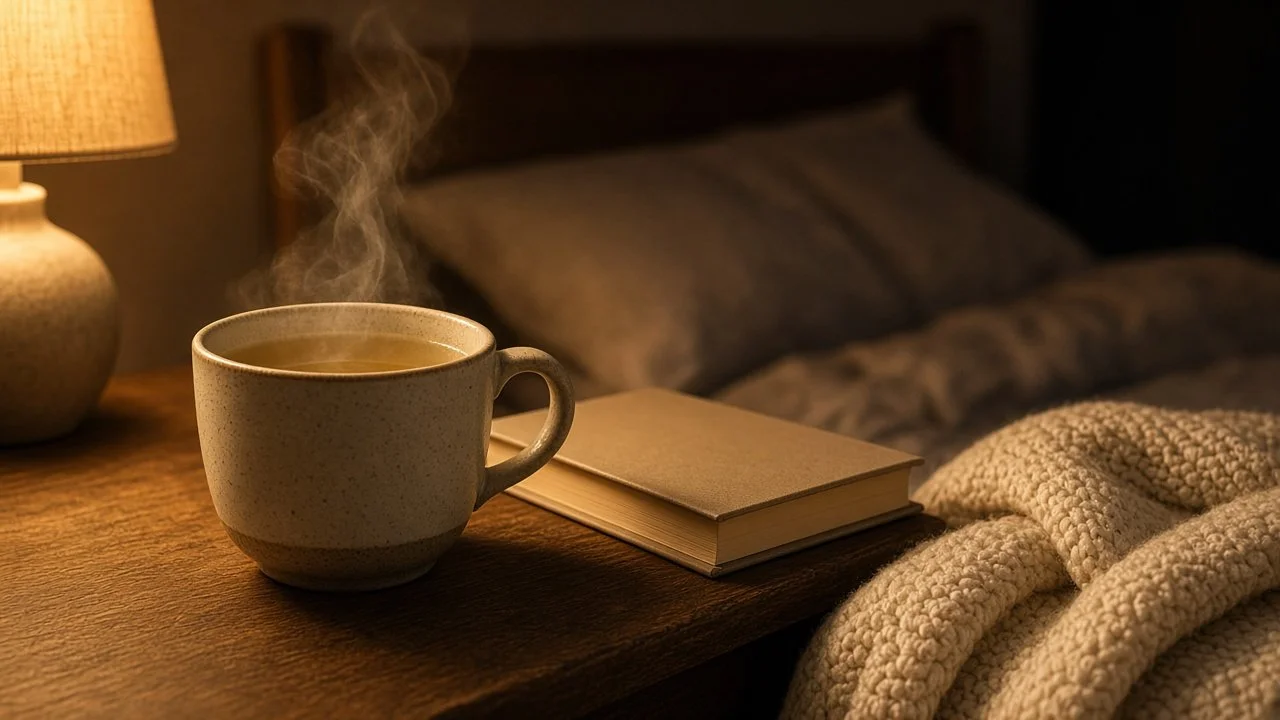
Steaming mug of herbal tea on a bedside table with a book and knit blanket in lamplight

Making Chamomile Part of Your Evening

If you'd like to give chamomile a try, our Sleep Well herbal blend is a gentle place to start. It's our own caffeine-free blend of chamomile, peppermint, lemongrass and green rooibos: soft, floral and lightly minty, with a lemony lift. (Since it's a blend, keep in mind that the studies above looked at chamomile alone, not this exact recipe.)

A few tips for a calming cup:

  • Brew it fully. Use 1 to 2 teaspoons per 8 oz of freshly boiled water and steep 5 to 7 minutes. Cover your cup while it steeps to keep the aroma in.

  • Make it a ritual. Brew your cup about an hour before bed, dim the lights, and put the phone down while you sip.

  • Watch the afternoon caffeine. Green, black and oolong teas all contain caffeine. Our post on L-theanine and caffeine in tea explains how that works, and switching to herbal tea later in the day is an easy swap.

  • Rotate your caffeine-free favorites. If chamomile isn't your thing, our Peppermint, Organic Rooibos and Vanilla Rooibos are all naturally caffeine free. For more ideas, see our list of caffeine-free teas for cozy nights.

You'll find all of these in our Herbal Tea collection. Like everything at Beantown Tea & Spices, they're quality loose-leaf teas at affordable prices, with sample sizes that make it easy to find your favorite evening cup. Sweet dreams!

Sources

  1. Srivastava JK, Shankar E, Gupta S. Chamomile: A herbal medicine of the past with bright future. Molecular Medicine Reports. 2010;3(6):895-901. doi:10.3892/mmr.2010.377 (PubMed 21132119)

  2. Chang SM, Chen CH. Effects of an intervention with drinking chamomile tea on sleep quality and depression in sleep disturbed postnatal women: a randomized controlled trial. Journal of Advanced Nursing. 2016;72(2):306-315. doi:10.1111/jan.12836 (PubMed 26483209)

  3. Adib-Hajbaghery M, Mousavi SN. The effects of chamomile extract on sleep quality among elderly people: A clinical trial. Complementary Therapies in Medicine. 2017;35:109-114. doi:10.1016/j.ctim.2017.09.010 (PubMed 29154054)

  4. Zick SM, Wright BD, Sen A, Arnedt JT. Preliminary examination of the efficacy and safety of a standardized chamomile extract for chronic primary insomnia: a randomized placebo-controlled pilot study. BMC Complementary and Alternative Medicine. 2011;11:78. doi:10.1186/1472-6882-11-78 (PubMed 21939549)

  5. Hieu TH, Dibas M, Surya Dila KA, et al. Therapeutic efficacy and safety of chamomile for state anxiety, generalized anxiety disorder, insomnia, and sleep quality: A systematic review and meta-analysis of randomized trials and quasi-randomized trials. Phytotherapy Research. 2019;33(6):1604-1615. doi:10.1002/ptr.6349 (PubMed 31006899)

  6. National Center for Complementary and Integrative Health. Chamomile. nccih.nih.gov/health/chamomile

Does Tea Count Toward Your Daily Fluids? What Hydration Research Says

You've probably heard it: "Tea doesn't count toward your water for the day, because the caffeine dries you out." It's one of the most repeated bits of tea advice out there. But is it true?

Researchers have tested this in controlled studies, and the answer is reassuring for tea lovers. Here's what they found, how much caffeine is involved, and where the evidence has gaps. With the heat on indoors, cooler days make it easy to forget to drink, so it's a good week to look at what's in your mug.


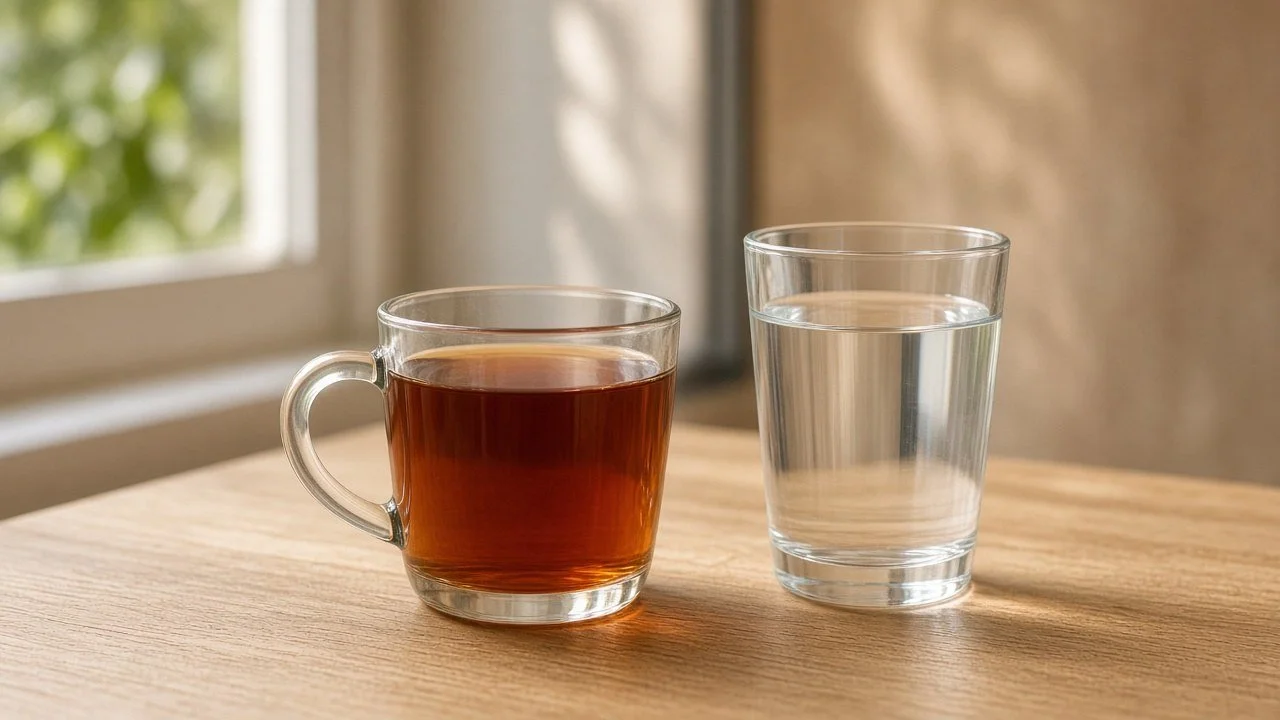
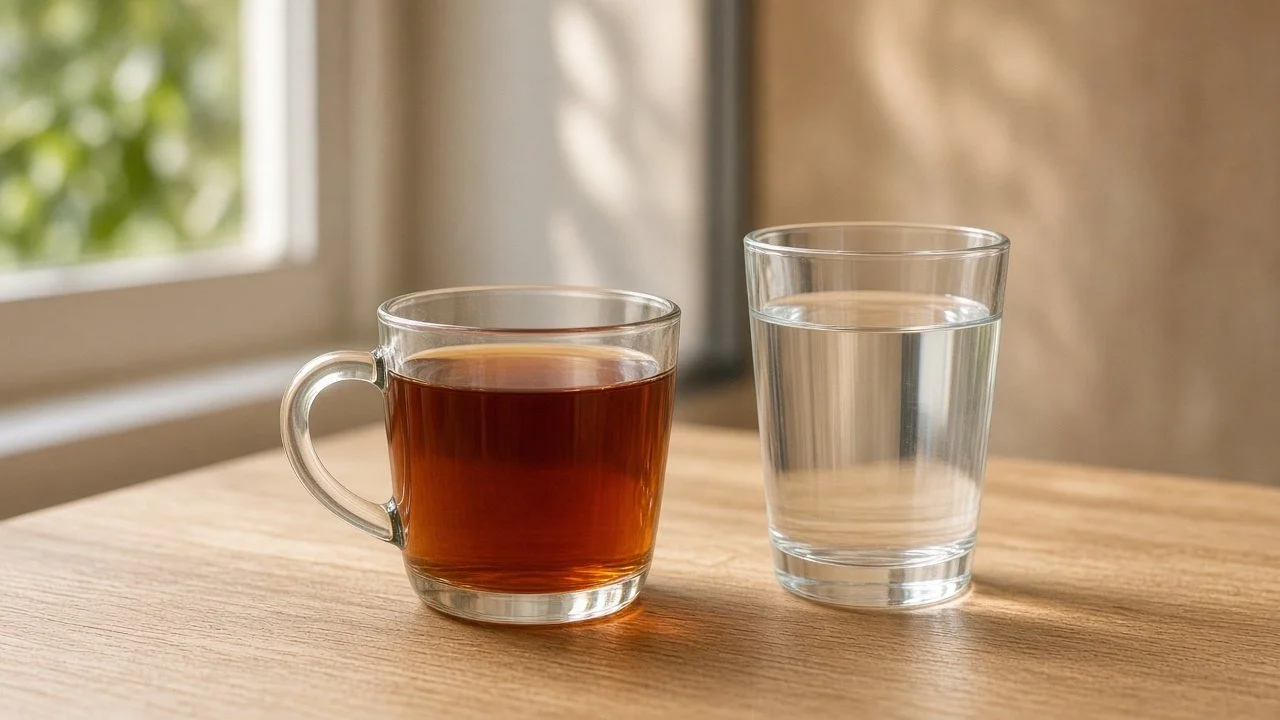
A glass mug of hot black tea next to a clear glass of water on a sunny wooden table

Where the "Tea Dehydrates You" Idea Comes From

The myth has a grain of truth. Caffeine has a mild diuretic effect, meaning it can make your kidneys produce a bit more urine. The real question is whether that outweighs all the water in the cup, and brewed tea is almost entirely water.

A 2004 report from the U.S. National Academies said about 80 percent of the water people take in comes from drinking water and beverages, "including caffeinated beverages," with the rest coming from food. It added that most healthy people meet their needs by letting thirst guide them. Mayo Clinic's current guidance agrees: tea, coffee and milk help keep you hydrated and count toward your daily fluids.

What the Research Says

1. Black tea vs. water, cup for cup

Journal: British Journal of Nutrition, 2011 (randomized controlled crossover trial)

UK researchers had 21 healthy men spend four separate 12-hour days in a lab. On different days they drank four or six mugs (240 ml each) of black tea with a splash of milk, or the same amounts of boiled water. Four mugs provided 168 mg of caffeine; six provided 252 mg. Food was controlled and the men stayed at rest. Across a long list of blood and urine hydration markers, including 24-hour urine volume, there were no significant differences between tea and water. The authors concluded that black tea, in these amounts, hydrated much like water.

Limits: A small study of men only. Participants weren't blinded, and drinks after the lab session weren't controlled. It was funded by the Tea Advisory Panel, which is supported by the UK Tea Council, the trade association for the UK tea industry.

Read the study

2. Ranking 13 drinks with a "Beverage Hydration Index"

Journal: American Journal of Clinical Nutrition, 2016 (randomized trial)

Scientists at three UK universities had 72 men drink 1 liter of water or one of several common drinks over 30 minutes, then collected their urine for four hours. Hot and iced black tea were tested alongside coffee, cola, juice, milk and others; the tea had 179 mg of caffeine per liter. Urine output after hot or iced tea was no different from water. Milk and an oral rehydration solution were retained a bit longer than water, likely thanks to their electrolytes. The authors saw no measurable effect of moderate caffeine (96 to 212 mg) on fluid balance.

Limits: Men only, over just four hours. Downing a liter of hot tea in 30 minutes isn't how anyone sips tea, and six volunteers dropped out because drinking that much hot tea so quickly made them sick. The study was funded by the European Hydration Institute, and the lead author chaired that institute's scientific advisory board.

Read the study

3. A look at coffee, tea's stronger cousin

Journal: PLoS One, 2014 (counterbalanced crossover study)

Coffee has the same "dehydrating" reputation, so it's useful context. University of Birmingham researchers had 50 male coffee drinkers spend three days drinking four 200 ml cups of coffee a day, and three days drinking the same amount of water. Total body water, blood markers and 24-hour urine volume showed no significant differences between the two.

Limits: Participants were men who already drank 3 to 6 cups a day, so results may not apply to people who rarely have caffeine. One author was employed by PepsiCo at the time of publication.

Read the study

4. The review that put caffeine dose in context

Journal: Journal of Human Nutrition and Dietetics, 2003 (literature review)

This review pulled together decades of caffeine research. A short-term rise in urine output showed up mainly with large doses, at least 250 to 300 mg at once (about 2 to 3 cups of coffee or 5 to 8 cups of tea), and mostly in people who had gone without caffeine for days or weeks. Regular drinkers build a strong tolerance, and standard servings of tea and coffee appeared to have no diuretic effect.

Limits: A narrative review, not a new experiment, covering studies only through early 2002.

Read the study


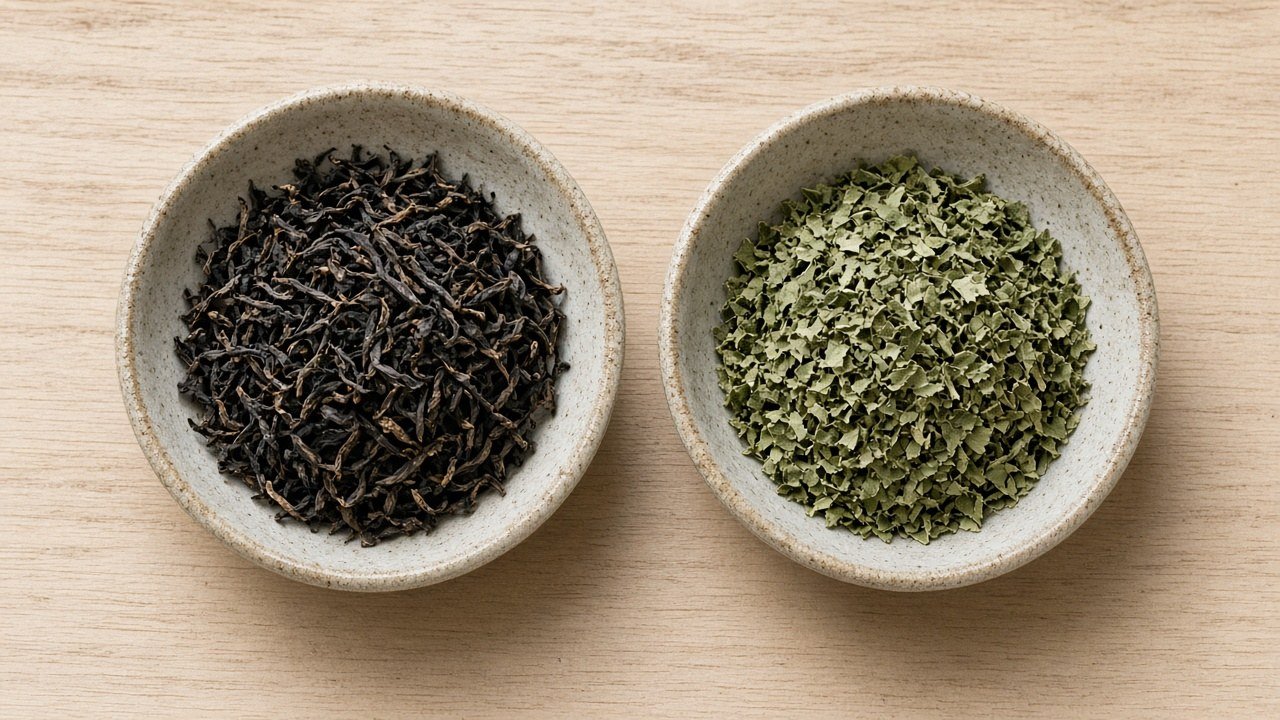
Small ceramic dishes of loose-leaf black tea and dried peppermint leaves side by side on a light wooden surface.

How Much Caffeine Is in Your Cup?

Caffeine varies with the tea and steep time, so treat these Mayo Clinic figures for an 8 oz cup as rough guides:

  • Brewed coffee: 96 mg

  • Brewed black tea: 48 mg

  • Brewed green tea: 29 mg

  • Brewed decaf black tea: 2 mg

  • Herbal teas like peppermint, rooibos and fruit blends: naturally caffeine free

By those numbers, 250 to 300 mg is roughly five or six cups of black tea at once, far more than most people drink in one sitting. The FDA cites 400 mg a day as an amount not generally linked with negative effects for most adults, but sensitivity varies a lot from person to person. (Tea's other well-known compound, L-theanine, was the subject of an earlier post.)

What About Herbal Teas?

Herbal teas like peppermint, rooibos and fruit blends are brewed like tea but contain no caffeine, so the diuretic question doesn't really come up. They count toward your fluids like any unsweetened drink, and they're an easy warm cup for evenings. Just go easy on the honey or sugar.


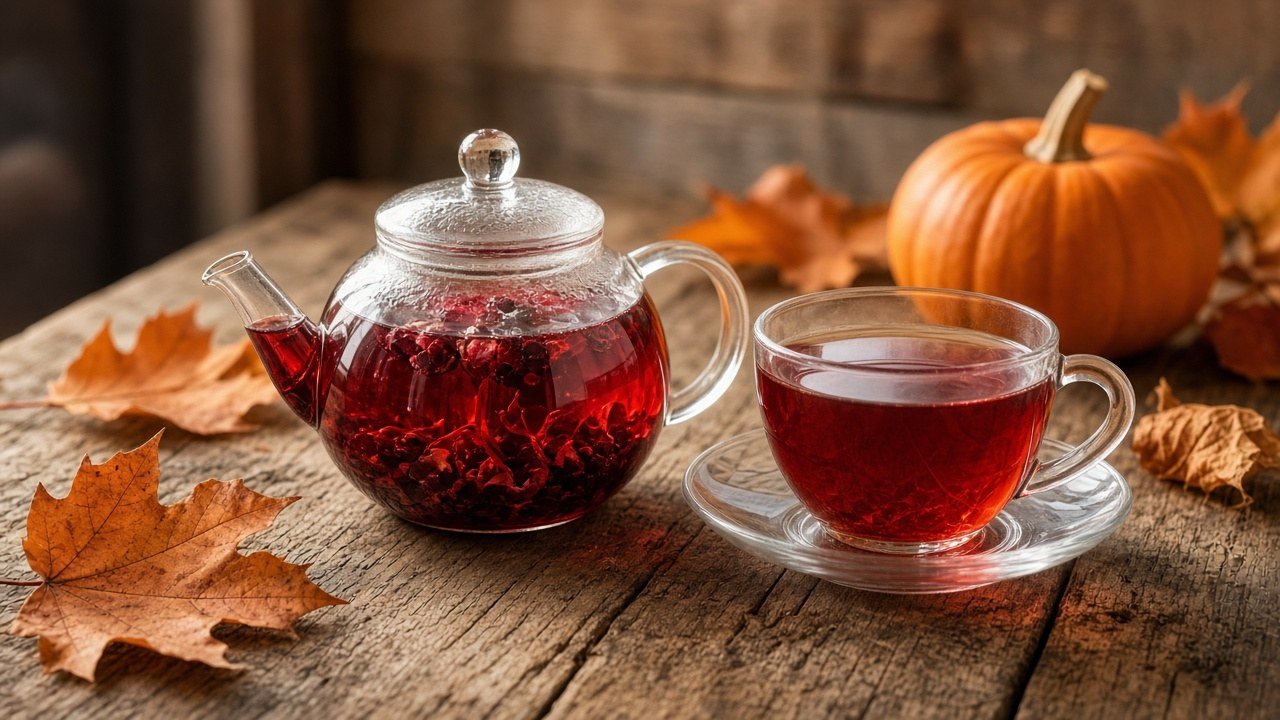
A glass teapot of ruby-red caffeine-free berry herbal tea with a filled cup, a few autumn leaves and a small pumpkin on a wooden table.

The Bottom Line

  • Tea counts. Research suggests that moderate amounts of black tea hydrate about as well as water in healthy adults.

  • Dose matters. Caffeine's small diuretic effect shows up mainly at large single doses (250 to 300 mg or more) and fades in regular drinkers.

  • Herbal teas are an easy add. Caffeine-free blends count as fluids and work well later in the day.

  • The evidence has gaps. Key studies are small, in men, and partly industry-funded.

Easy Ways to Sip More This Week

  • Brew a full pot instead of a single cup, and refill through the day.

  • Switch to a caffeine-free herbal tea in the afternoon and evening.

  • Make a pitcher of iced herbal tea and keep it in the fridge.

  • Let thirst be your guide, and drink more when you're active or sweating.

Teas to Try This Week

A few of our teas to keep your mug full, with tips from each product page:

  • English Breakfast: a full-bodied blend of Ceylon, Kenya and India black teas that takes milk very well. Use 1 rounded teaspoon (about 2 to 3 g) per 8 oz of freshly boiled water (205 to 212°F) and steep 3 to 5 minutes.

  • Irish Breakfast: a strong, malty Assam and Kenya blend, best with milk. Use 1 rounded teaspoon (about 2 to 3 g) per 8 oz of freshly boiled water (205 to 212°F) and steep 3 to 5 minutes.

  • Peppermint: cool, clean and naturally caffeine free. Use 1 to 2 teaspoons per 8 oz of freshly boiled water (212°F) and steep 5 to 7 minutes. For iced peppermint, brew it double strength and pour over ice.

  • Organic Rooibos: naturally sweet, smooth and caffeine free, a popular evening drink. Use 1 to 2 teaspoons per 8 oz of freshly boiled water (212°F) and steep 5 to 7 minutes.

  • Very Berry: a bright, tart fruit blend of rose hips, hibiscus, cranberries and blueberries, naturally caffeine free with no added sugar. Use 2 teaspoons per cup of freshly boiled water and steep 5 to 10 minutes.

This post is for general information only and is not medical advice. If you have a medical condition (for example, one that limits how much fluid you should drink), are pregnant or breastfeeding, take medication, or are sensitive to caffeine, please talk with your health care provider about what's right for you.

Calm Focus in a Cup: What Research Says About L-Theanine and Caffeine in Tea

Ask a group of tea drinkers how a cup of tea makes them feel, and many will say the same thing: awake, but in a gentler way than coffee. Some people call it "calm focus." Is there something real behind that feeling, or is it just the cozy ritual of brewing a cup?

Researchers have been testing this for years, mostly by looking at two natural compounds in tea leaves: caffeine and an amino acid called L-theanine. Here's what the studies found, what they didn't, and how much caffeine different teas contain. With darker afternoons and a busy Halloween week ahead, it's a good time to think about what's in your mug.

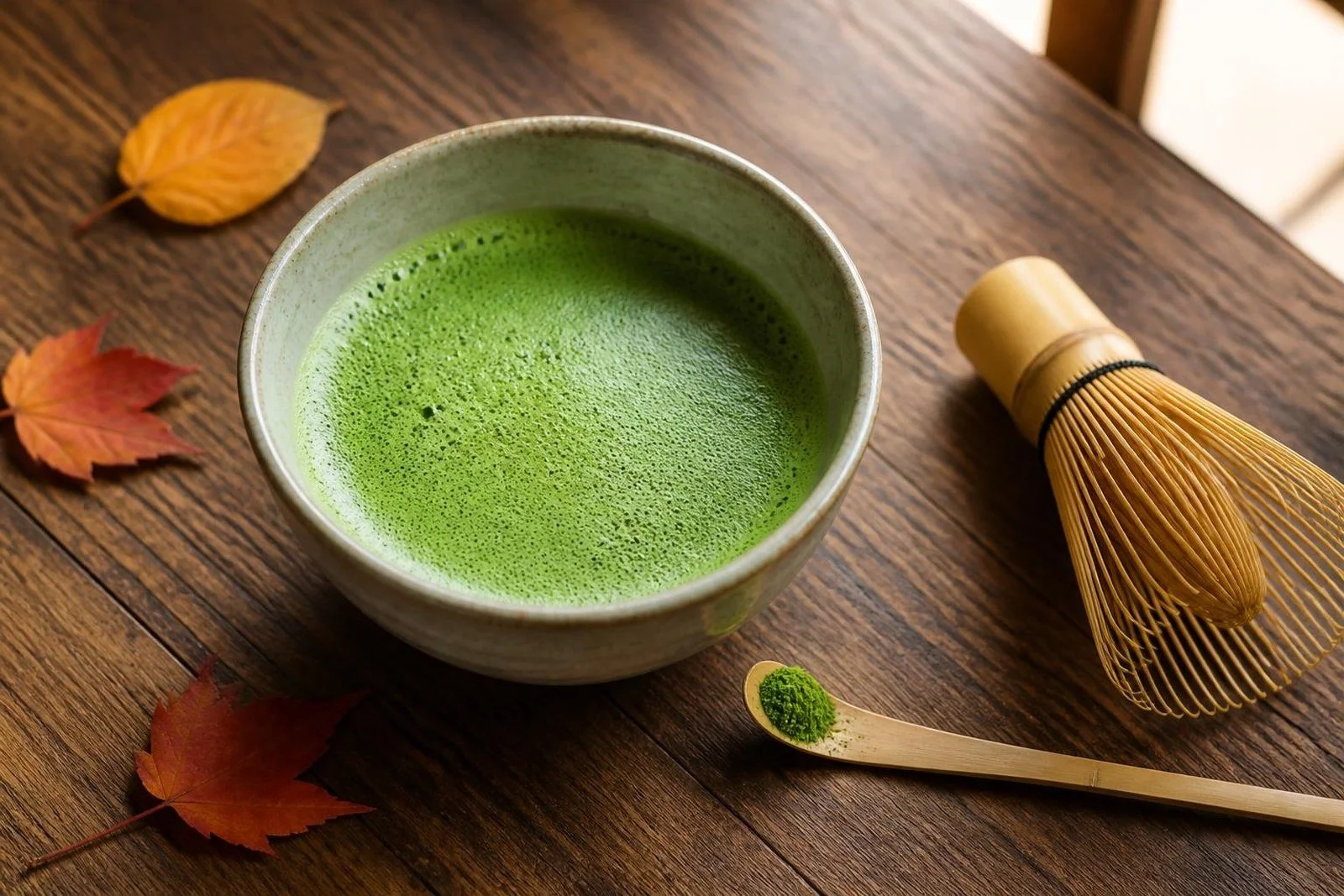
A ceramic bowl of frothy whisked matcha green tea beside a bamboo whisk and a bamboo scoop of matcha powder on a wooden table with a few autumn leaves

What Is L-Theanine?

L-theanine (often just called theanine) is an amino acid found naturally in tea. Coffee doesn't contain it. That simple difference is one reason scientists wonder whether theanine helps explain why tea and coffee can feel so different, even though both contain caffeine.

One thing to keep in mind: many studies test theanine and caffeine as measured ingredients, not as brewed tea, and often in larger amounts than one cup provides.

What the Research Says

1. The big picture: a 2025 review of 50 trials

Journal: Nutrition Reviews, 2025 (systematic review and meta-analysis)

A team at the University of Aberdeen in the UK gathered 50 randomized controlled trials in healthy people that tested tea, theanine alone, or theanine plus caffeine. Fifteen of those trials had data that could be combined. Compared with a placebo, theanine plus caffeine was linked with small-to-moderate improvements on attention tasks, such as accuracy when switching between tasks and accuracy on a test of staying alert. These effects showed up mainly in the first two hours. Theanine alone was linked with faster reaction times in the first hour. The evidence on sleep was inconclusive.

Limits: The authors say the size, and sometimes even the direction, of these effects is uncertain. Most studies took place in a lab, and few used real tea or tea-sized amounts. The lowest theanine dose in the theanine-alone analyses was 50 mg, which the authors note is about two cups of black tea. The review was partly funded by Lipton Teas and Infusions, and two co-authors work for Lipton or Unilever.

Read the study

2. A moderate dose: 97 mg theanine plus 40 mg caffeine

Journal: Nutritional Neuroscience, 2010 (placebo-controlled study)

Researchers gave 44 young adults either a placebo or a combination of 97 mg of theanine and 40 mg of caffeine. That much caffeine is in the range of a cup of tea (see the chart below). They tested people 20 and 70 minutes later. The combination improved accuracy on a task-switching test and raised how alert people said they felt, while lowering how tired they felt.

Limits: There was no effect on other tests, like visual search, choice reaction time, or mental rotation. It was a small study of a single dose, with more theanine than a typical cup provides. The lead researcher worked for Unilever, which makes and sells tea.

Read the study

3. Tea vs. coffee: does theanine take the edge off caffeine?

Journal: Psychopharmacology, 2008 (randomized, double-blind, placebo-controlled trial)

Scientists at the University of Bristol in the UK asked why tea often feels less stimulating than coffee. They gave 48 healthy adults 250 mg of caffeine, 200 mg of theanine, both, or neither. Caffeine raised alertness, jitteriness and blood pressure. Theanine countered caffeine's rise in blood pressure, but it did not significantly change jitteriness, alertness or mood. The authors concluded that it is unclear how theanine's effects might explain the different feel of tea and coffee.

Limits: These were large single doses, not brewed drinks. 250 mg of caffeine is roughly what you'd get from five cups of black tea. The study measured short-term effects only.

Read the study

4. Testing matcha itself

Journal: Food Research International, 2017 (randomized, placebo-controlled, single-blind study)

A team at Wageningen University in the Netherlands tested matcha directly. Twenty-three people tried a matcha drink, a matcha snack bar (each with 4 g of matcha powder), and placebo versions of each, one per session. One hour later, the matcha products mainly improved scores on basic attention and reaction-speed tasks. There were barely any effects on the other thinking tests and no changes in mood. The matcha drink did better than the bar on most measures.

Limits: The study was small and single-blind rather than double-blind. Each product was tested only once. The authors describe the effects as "slight." The 4 g dose is also more than the 1 to 2 g in our usual matcha brewing guide.

Read the study

A glass cup of brewed green tea next to an open blank notebook and pencil, with a small glass teapot of loose tea leaves on a sunny wooden desk

How Much Caffeine Is in Tea?

Caffeine varies with how the tea is grown and how long you steep it, so treat these Mayo Clinic figures for an 8 oz cup as rough guides:

  • Brewed coffee: 96 mg

  • Brewed black tea: 48 mg

  • Brewed green tea: 29 mg

  • Brewed decaf black tea: 2 mg

What about matcha? With matcha you drink the whole powdered leaf, so a serving can contain more caffeine than a cup of brewed green tea. In a 2024 trial in Japan (Nutrients), a 2.7 g daily serving of matcha contained 71.5 mg of caffeine and 50.3 mg of theanine. That study was sponsored by a matcha producer, and amounts vary from one matcha to another. Our brewing guide uses about 1 to 2 g per bowl, so a typical bowl may contain less. (Read the study)

The FDA says 400 mg of caffeine a day is not generally linked with negative effects for most healthy adults, but people differ a lot in how sensitive they are. If you're pregnant, breastfeeding, taking medication, or brewing for kids, it's worth checking with a health care provider. Caffeine-free herbal teas are an easy swap for little ones and for late evenings.

What This Means for Your Cup

  • The effects are real but modest. Across studies, tea's theanine-and-caffeine pairing was linked with small, short-term boosts in attention, mostly within two hours.

  • A cup is not a lab dose. Many trials used more theanine than a typical cup of tea contains, so results may not carry over to everyday drinking.

  • Theanine doesn't cancel caffeine. In the tea-versus-coffee study, theanine did not reduce caffeine's jittery feeling. If caffeine bothers you, choose a lower-caffeine tea or enjoy your caffeinated cups earlier in the day.

  • The pause counts, too. Waiting for the leaves to steep is a small, welcome break in a busy day.

Close-up of thin, needle-shaped loose-leaf sencha green tea leaves in a handmade ceramic dish on a light wooden surface

Teas to Try This Week

A few of our green teas to brew this week, with tips from each product page:

  • Matcha Samidori: a premium first-harvest spring matcha from Uji, Kyoto, where you drink the whole leaf. Sift about 1 teaspoon (1 to 2 g) into a bowl, whisk it into a paste with a few drops of hot water, then add 6 to 8 oz of water at 160 to 175°F and whisk briskly until frothy.

  • Sencha: a classic steamed green tea from Japan's Kagoshima Prefecture, slightly sweet and vegetal. Use 1 heaping teaspoon (about 2 to 3 g) per 8 oz of water at 160 to 175°F and steep 1 to 2 minutes. Don't over-brew.

  • Jasmine Dragon Pearls: hand-rolled green tea pearls with a soft jasmine scent. Use about 6 to 8 pearls (about 2 to 3 g) per 8 oz of water at 175 to 185°F and steep 2 to 3 minutes. The pearls can be infused several times.

  • Hojicha: a toasty roasted green tea from Japan. Roasting significantly reduces its caffeine, so it's a nice choice for later in the day. Use 1 to 2 heaping teaspoons (about 3 g) per 8 oz of water at 195 to 212°F and steep 30 seconds to 2 minutes.

This post is for general information only and is not medical advice. Please talk with your doctor before making changes to your diet or health routine, especially if you take medication or are sensitive to caffeine.

What New Research Says About Tea and Your Health (2025–2026)

Here in Boston, we drink tea mostly because it tastes good and slows the day down. Researchers keep studying what else it might do. Below are four studies published between July 2025 and October 2026, explained in plain language. Each one shows a link between tea and a health result. None of them proves that tea causes that result, and we point out the limits of each one.

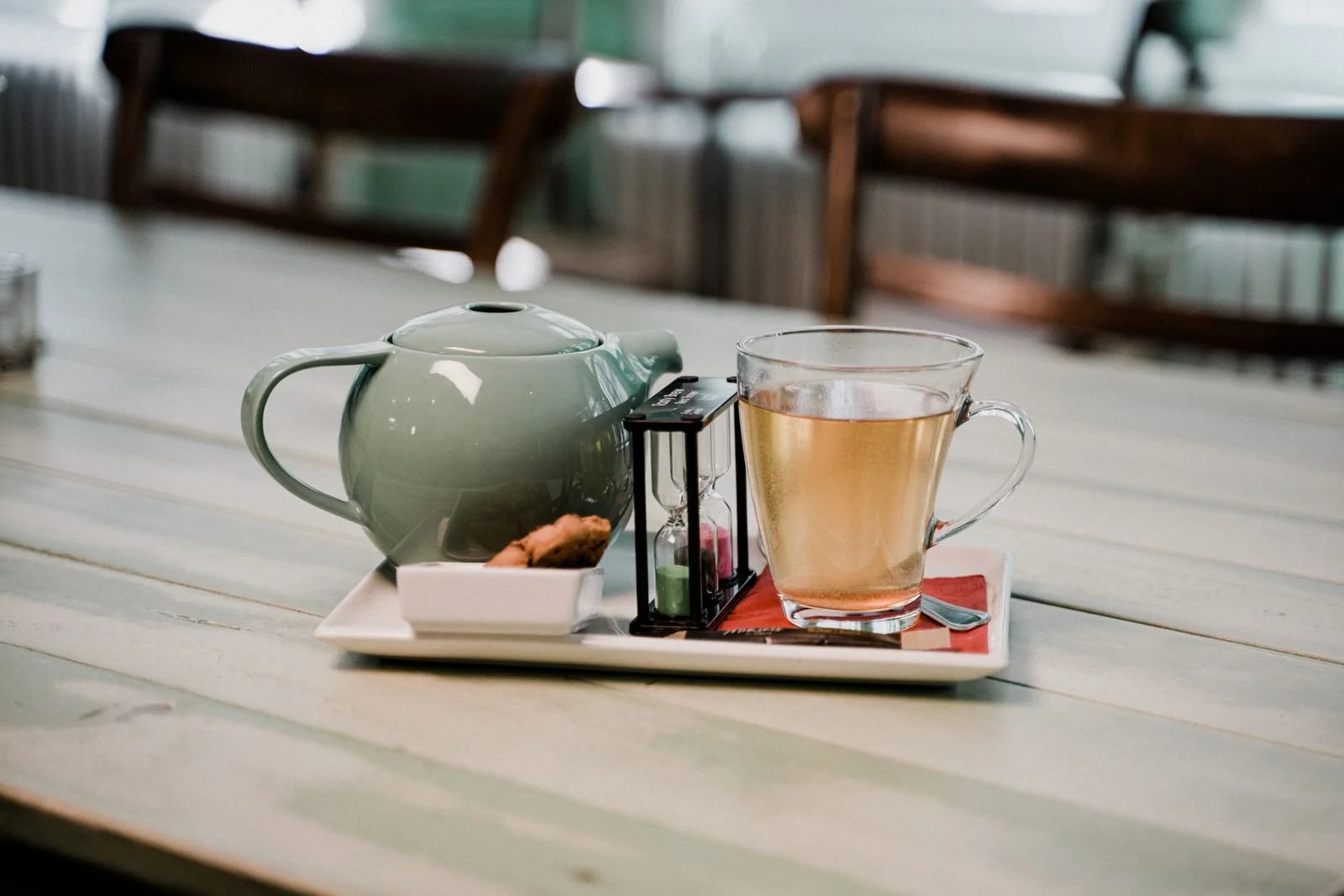
A green ceramic teapot next to a glass cup of tea on a wooden table.

Photo: Bert Christiaens / Pexels


1. Tea and blood pressure

Journal: Frontiers in Nutrition, August 2026 (systematic review and meta-analysis)

Researchers combined 20 observational studies with about 320,000 adults in total. In the four studies that followed people over time, regular tea drinkers were about 13% less likely to develop high blood pressure than people who did not drink tea. The link was strongest at lower intakes and leveled off at higher intakes, so more cups did not keep adding benefit. In the subgroup analyses, the link was stronger among black tea drinkers.

Limits: All of the studies were observational, and their results varied a lot. The authors write that a clear protective effect "cannot be confirmed."

Read the study

2. Tea and bone strength over 13 years

Journal: The American Journal of Clinical Nutrition, October 2026 (prospective cohort study)

A team in Guangzhou, China, measured bone mineral density in 1,708 adults four times over 13 years. People who drank tea at a moderate frequency generally had the highest bone density scores across the whole body, lower spine and hip. People with higher blood levels of certain tea catechins (EGCG and ECG) also tended to have better bone measurements.

Limits: The differences were small, and the blood-marker results did not rise in a straight line. The study was done in one region of China, and as an observational study it cannot show cause and effect.

Read the study

3. Unsweetened tea and longer life

Journal: Frontiers in Nutrition, July 2025 (prospective cohort study)

Using data from 195,361 UK Biobank participants followed for a median of 13.6 years, researchers compared people who drank no tea with people who drank tea unsweetened, with sugar, or with artificial sweeteners. People who drank about 3.5 to 4.5 cups of unsweetened tea a day had a 20% lower risk of dying from any cause during the study, plus lower risks of dying from heart disease and cancer. Tea with sugar or artificial sweeteners showed no consistent link with lower risk.

Limits: Tea intake came from short dietary recalls, and tea drinkers may differ from non-drinkers in other ways. The link was U-shaped, so the lowest risk sat at a moderate intake, not at the highest one.

Read the study

4. Green tea catechins, exercise and leg strength

Journal: Archives of Gerontology and Geriatrics, August 2026 (randomized, placebo-controlled trial)

In Japan, 78 adults aged 60 and older who felt they were getting weaker or slower all took part in group exercise classes for 24 weeks. Half also drank a catechin-enriched green tea each day (613 mg of catechins), and the rest drank a placebo drink. The green tea group gained more knee-extension (thigh) strength.

Limits: There was no difference between the groups in overall physical performance tests or muscle mass. Only 51 people completed the trial. The tea used was specially enriched with catechins, more than a typical cup provides, and the study was partly funded by a tea company whose employees were co-authors.

Read the study

What this means for your cup

  • Moderate and regular seems to be the pattern. In three of these studies, the best results came at moderate intake, not the highest.

  • Try it plain. The UK Biobank study linked lower risk with unsweetened tea only. A naturally flavorful tea makes skipping the sugar easy.

  • Tea works alongside a healthy lifestyle. In the strength trial, everyone exercised, and the tea was an addition.

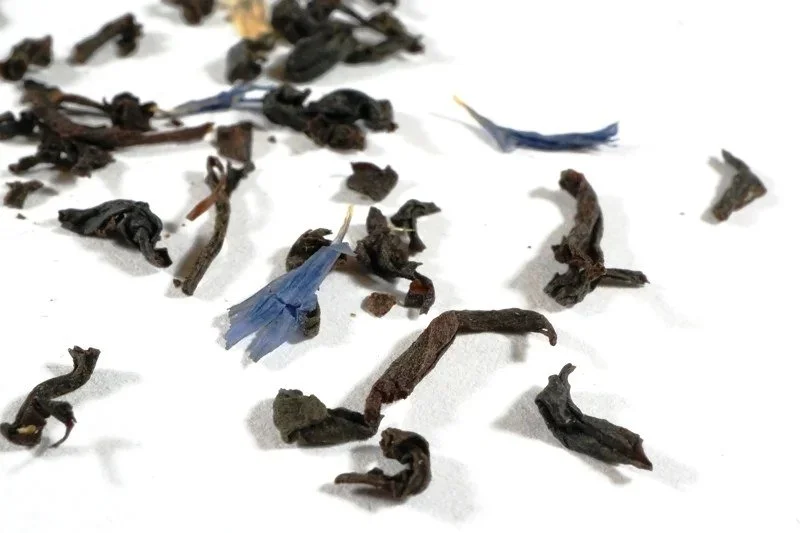
Loose-leaf Earl Grey black tea from Beantown Tea & Spices.


A few teas from our shop to brew this week:

  • Earl Grey: a classic black tea with bergamot, bright enough to enjoy without sugar.

  • Jasmine Dragon Pearls: hand-rolled green tea with a natural floral sweetness.

  • Matcha Samidori: powdered green tea, where you drink the whole leaf.

This post is for general information only and is not medical advice. Please talk with your doctor before making changes to your diet or health routine, especially if you take medication or are sensitive to caffeine.