Matcha Oatmeal: An Easy Green Tea Breakfast Recipe

Looking for an easy breakfast with a little green tea in it? Matcha oatmeal takes just a few minutes and one extra step: whisk some matcha and stir it into your oats. You get a creamy, bright green bowl with matcha's gentle, grassy sweetness and a little natural caffeine to start your morning.

IMG_0939.JPG

Pictured above is a bowl of matcha oatmeal made with almond milk and topped with pine nuts, chopped almonds and sweet red beans. Here's how to make it.

What you'll need

  • Your usual oatmeal (rolled oats or quick oats), for one serving

  • Milk for cooking: we like almond milk, but regular milk, coconut milk or rice milk all work

  • 1 teaspoon matcha, such as our Culinary Matcha

  • 1 to 2 oz hot water, around 160–175°F

  • Toppings of your choice: nuts, fruit, sweet red beans, or a drizzle of honey

How to make matcha oatmeal

  1. Cook the oatmeal the way you normally would, using milk or a mix of milk and water.

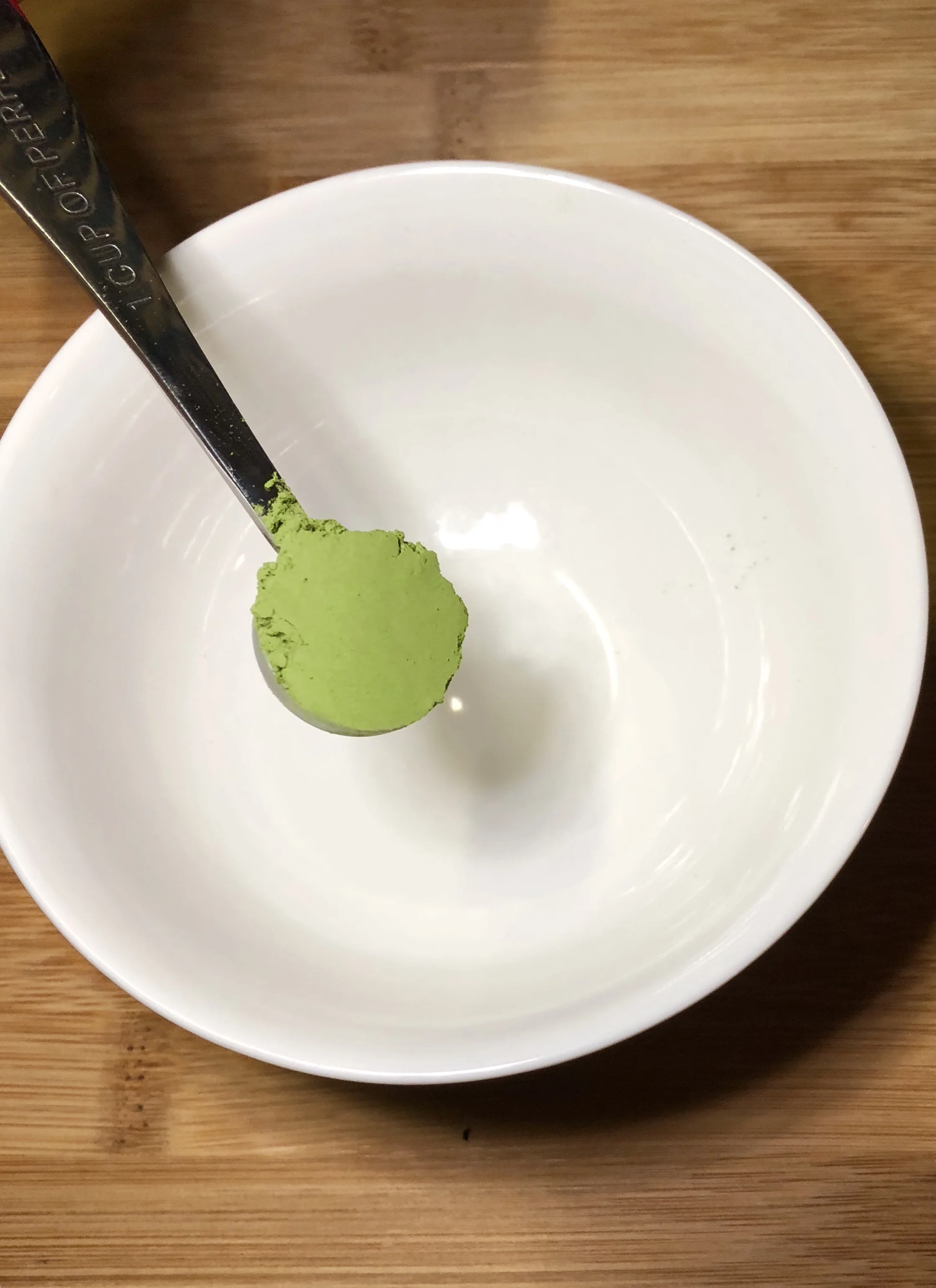
  2. Whisk the matcha. Sift 1 teaspoon of matcha into a small bowl or cup, add 1 to 2 oz of hot (not boiling) water, and whisk until smooth, thick and lump-free.

  3. Stir it in. Take the oatmeal off the heat and stir in the matcha until the color is even. Adding it at the end keeps the flavor fresh and the color bright.

  4. Top and enjoy. Add nuts and fruit to taste. We like pine nuts, chopped almonds and sweet red beans.

Tips

  • Don't skip the whisking. Matcha powder clumps if you sprinkle it straight into oatmeal. Making a smooth paste first gives you an even, green bowl.

  • Adjust the strength. Start with 1 teaspoon. Use a little less for a milder bowl, or a little more if you love matcha's flavor.

  • Try it as overnight oats. Stir the whisked matcha into oats and cold milk, refrigerate overnight, and add toppings in the morning.

Which matcha should I use?

Culinary Matcha is made for mixing. It's bold and green, with enough astringency to stand up to milk and sweet toppings, so it's our pick for oatmeal, lattes, smoothies and baking. For a smoother, gently sweet bowl, try Matcha Green, a versatile all-purpose matcha from Japan.

Want more ways to enjoy it? Try our matcha latte recipe, learn the traditional method in our matcha brewing guide, or explore our full matcha selection.

Jasmine Green Tea: Floral, Smooth, and How to Brew It Hot or Iced

Jasmine Green Tea is a classic Chinese green tea scented with real jasmine blossoms. Ours is a first-grade jasmine with surprising body and a captivating floral taste, and it's just as good iced as it is hot.

 Click “Here” to view product.
 

Click “Here” to view product.

Pictured above is our Jasmine Green Tea. Open the bag and the floral bouquet wakes up your senses before you've even brewed a cup.

How jasmine tea is made

Jasmine tea has a long history in China, and the city of Fuzhou in Fujian is especially famous for it, with scenting traditions recorded as far back as the Southern Song dynasty. The craft is all about timing. Jasmine blossoms are picked during the day while they're still closed, then layered with green tea in the evening as the flowers open and release their fragrance. After the tea and flowers rest together, the spent blossoms are removed and the tea is dried. The process is often repeated several times for a deeper scent.

Our Jasmine Green Tea is a pan-fired green tea from China, grown at about 1,500 feet. It brews a pale green cup.

What it tastes like

Sweet, floral and smooth, with more body than you might expect from a green tea and a lovely lingering finish. There are many grades of jasmine tea. This one sits just below the exotic, top-tier jasmines: it has all the flavor, aroma and good green tea qualities, without the exorbitant price. That makes it an easy everyday cup.

How to brew Jasmine Green Tea

  • Tea: 1 teaspoon (about 2 to 3 g) per 8 oz of water

  • Water: 175 to 185°F. Avoid boiling water, which can make green tea bitter.

  • Time: 2 to 3 minutes, then adjust to taste

No thermometer? Let boiled water sit a few minutes before pouring. Our guide to tea brewing temperatures has more tips.

Making iced jasmine tea

Brew the tea at double strength (2 teaspoons per 8 oz of water, same temperature and time), then pour it over a full glass of ice. The ice chills and dilutes it to just the right strength, and the floral notes stay bright. Add a little honey while the tea is still warm if you like it sweet.

What to pair it with

Jasmine tea pairs naturally with Chinese food, spring rolls, steamed rice dishes and light desserts.

Sizes and more jasmine teas

Jasmine Green Tea comes in a sample size (makes 5 cups) plus 4 oz, 8 oz and 1 lb bags, so you can try it before you stock up. If you love it, explore our other jasmine teas: Jasmine Dragon Pearls, Jasmine Needle and Organic Jasmine Green, or browse our full green tea collection.

Black Dragon Pearls: Hand-Rolled Yunnan Black Tea and How to Brew It

Our Black Dragon Pearls, also called Yunnan Black Pearls, are a hand-rolled, small-batch black tea from Yunnan, China. Each little pearl is a bundle of tea leaves and buds that slowly unfurls in your cup.

The pearls are rolled by hand using only the highest quality leaves and buds. Rolling tea into pearls takes skilled handwork, and the tight shape protects the leaf until it opens in hot water. Watching them unfurl is half the fun.

A Dian Hong black tea from Yunnan

Black Dragon Pearls belong to the Dian Hong family of Yunnan black teas. The name means "red tea of Dian," after an ancient name for Yunnan. In China, what the West calls black tea is called red tea, after the color of the brewed cup.

Yunnan black tea has a surprisingly modern story. Before 1939, the province mainly made green-style tea and had no black tea tradition. In the autumn of 1938, with China's traditional eastern tea regions cut off by war, tea specialist Feng Shaoqiu traveled to Shunning (today's Fengqing) and found large tea trees with plump, downy buds. His trial black tea impressed buyers, and in 1939 a new factory produced Yunnan's first export batch. Fengqing is still celebrated as the homeland of Dian Hong.

What it tastes like

The pearls brew a rich, mellow cup with Yunnan's signature sweetness, hints of jammy flavor and a touch of earthiness. It's complex but gentle, with just the right amount of astringency. It's also a forgiving tea: if you lose track of time and it steeps a little long, it still tastes good. That makes it a lovely all-day black tea.

How to brew Black Dragon Pearls

  • Tea: 2 to 3 pearls per 8 oz cup of water

  • Water: 212°F (a full boil)

  • Time: 3 to 5 minutes, then adjust to taste

A splash of milk is optional, but the pearls are lovely on their own. For more black tea tips, see how to brew the perfect cup of black tea.

What to pair it with

Try it with dark chocolate, roasted nuts or a slice of spiced cake.

Sizes and more Yunnan teas

Black Dragon Pearls come in a sample size (makes 5 cups) plus 2 oz, 4 oz and 8 oz bags. If you enjoy them, try more Yunnan black teas like Golden Yunnan and Golden Spiral, or browse our full black tea collection.

IMG_1524.JPG
Indian Chai Spice Mix: A Caffeine-Free Chai and How to Make It Your Own

Our Indian Chai Spice Mix is a warming blend of classic chai spices. It brews a full-bodied cup with just the right amount of spice, and it’s naturally caffeine free because there’s no tea in it at all.

What’s in it

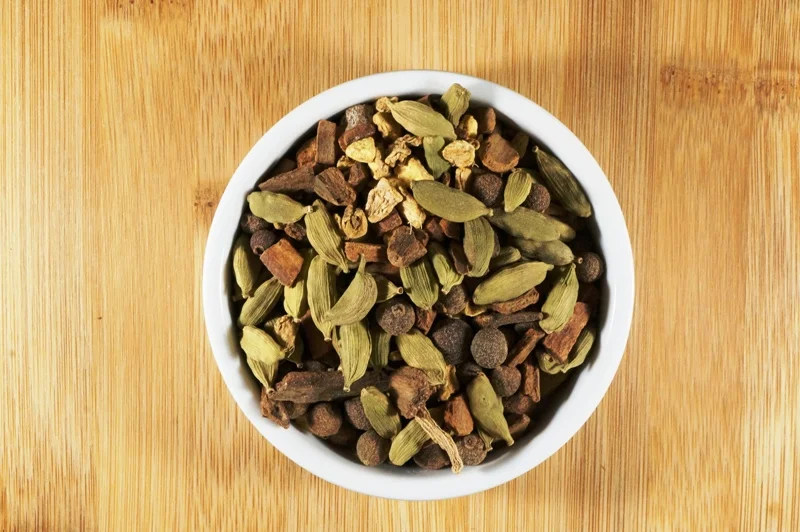
Cinnamon, ginger, green cardamom pods, allspice, cloves and black pepper.

Three ways to enjoy it

  • As a caffeine-free chai: perfect in the evening or for anyone cutting back on caffeine.

  • As your own custom chai: add your favorite black tea, green tea or even coffee to the spices. A malty Assam makes a classic, bold chai.

  • Hot or iced: make a hot chai to warm up on cold winter days, or brew it strong and pour it over ice in summer.

How to brew it

  • Use 1 teaspoon per 8 oz of boiling water (212°F) and steep for 5 minutes.

  • For a creamy, chai-stall style cup, simmer the spices in a mix of water and milk for about 5 minutes, then strain.

  • Adding tea? Add 1 teaspoon of black tea along with the spices.

  • Sweeten with honey or sugar to taste.

In India, “chai” simply means tea, and masala chai means “spiced tea.” This mix lets you make it just the way you like.

Prefer a chai with tea already blended in? Try our Masala Chai or Vanilla Chai , or browse our full Chai collection.

IMG_1324.JPG
Kenya Highlands Black Tea Matcha: A Malty, Smooth Twist on Matcha

Kenya's highlands are one of the best places in the world to grow tea. The altitude, rich soil and steady climate near the equator let tea be plucked year-round, and Kenya has become the world's largest exporter of black tea.

Kenyan tea farms are also quick to try new ideas, and our Kenya Highlands Black Tea Matcha is a great example. It takes a full-leaf Kenyan black tea and grinds it into a fine powder, the way Japanese matcha has been made on stone mills for centuries. It's craft-ground in small batches.

Shop Matcha Kenya Highlands (Black Tea Matcha)

IMG_0903.JPG

What it tastes like

This black tea matcha brews a well-balanced cup that's smooth and malty with a gentle astringency. It's less vegetal than green matcha, so if you find green matcha too grassy, it's a nice alternative. It pairs beautifully with milk or cream.

How to whisk it

  • Whisk about 1 teaspoon (1–2 g) with 6–8 oz of hot water, around 175–195°F, until smooth and frothy.
  • For a latte, whisk it with a little hot water, then top with steamed milk.
  • Experiment with the amount, water temperature and whisking time until you find the strength that's perfect for you.

Why you'll like it

Because you drink the whole ground leaf, matcha gives you more of the tea in every cup. It's also a fun way to enjoy black tea: try it with banana bread, oatmeal cookies or a chai-spiced dessert.

Want to learn more? Browse our full Matcha collection or visit our Tea Info page.

What Is Bruising in Tea Making? How It Shapes Oolong and Black Tea

Bruising is a tea-making step that breaks down the cell structure of the leaves so they can oxidize. Once the cell walls are damaged, the leaf's natural enzymes meet the air and oxidation begins. It's a key step in making both oolong and black tea.

Bruising in oolong tea

For oolong tea, the leaves are usually tossed or tumbled in baskets or rolling drums. This bruises the edges of the leaves, and oxidation starts there.

Tea makers then decide how far to let oxidation go. Some oolongs are only lightly oxidized, while others are taken much further, which is why oolongs can taste so different from one another:

  • Lightly oxidized oolongs tend to taste floral and fresh, with a gentle green note.
  • Darker, more oxidized oolongs have a fuller body with earthy, nutty and sometimes toasty notes.
Pictured here is the infused leaves of the lightly oxidized Jade Oolong tea. It is noticeable that the edges of the leaves are bruised while the overall appearance of the leaves remained green. 

The infused leaves of our lightly oxidized Jade Oolong. The edges are bruised, while most of the leaf stays green.

Shop Jade Oolong

Bruising in black tea

For black tea, the leaves are rolled and bruised more thoroughly, then left to oxidize fully. Because nearly the whole leaf is oxidized, black teas brew a full-bodied cup with rich, malty notes and little to no vegetal taste.

IMG_0154.JPG

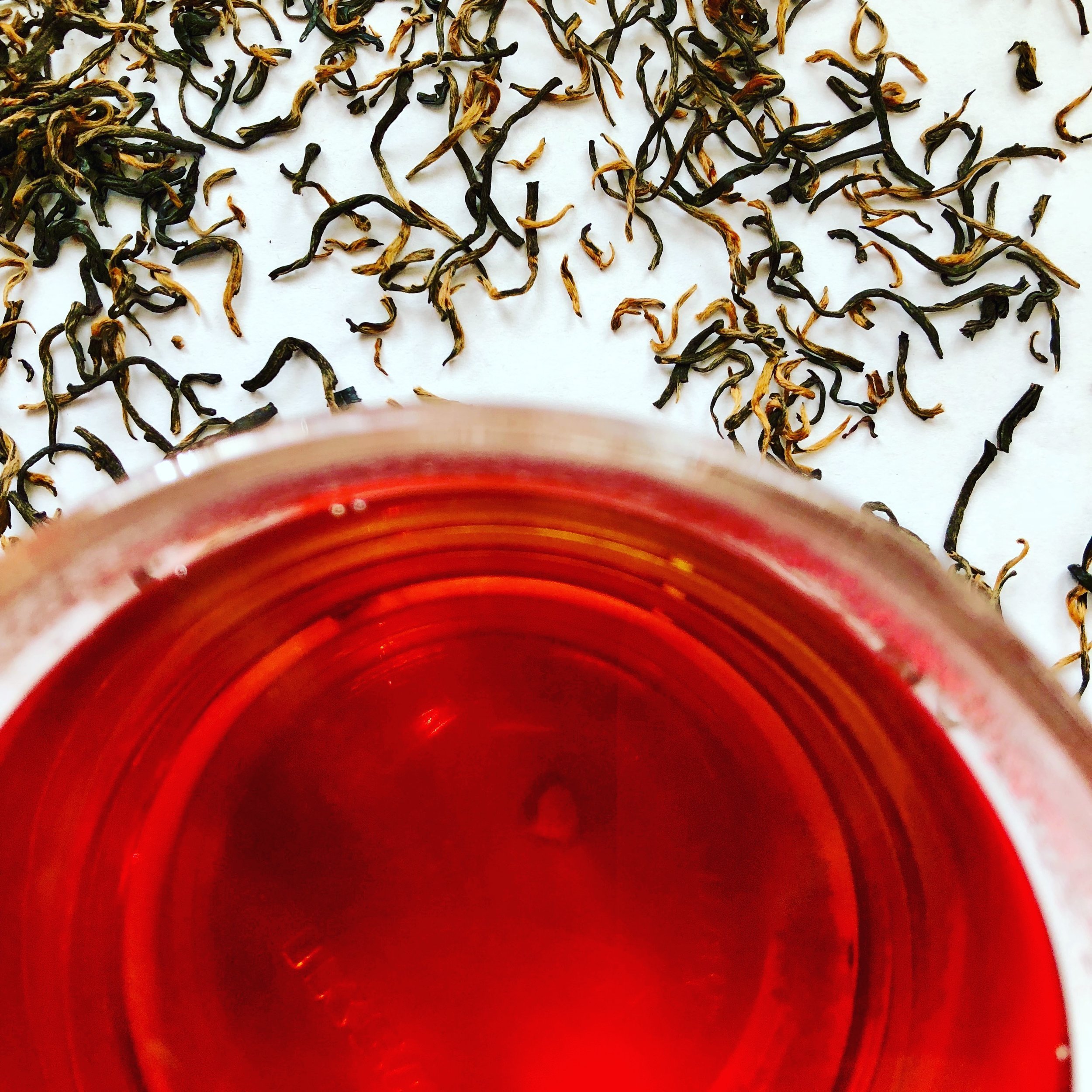
Pictured above: a brewed cup of our Golden Monkey black tea.

Taste the difference

The best way to understand bruising and oxidation is to taste it. Brew a light oolong and a black tea side by side and notice how the color, aroma and flavor change.

Explore our Oolong Tea selection and Black Tea selection, or visit our Tea Info page for more.

Very Berry Fruit Tea: A Caffeine-Free Berry Blend for Hot or Iced Tea

If you love a bright, fruity cup with no caffeine, our Very Berry blend is one to try. The name says it all: it tastes tart, juicy and full of berries, a lot like a homemade fruit punch.

Shop Very Berry Fruit Tea

FullSizeRender.jpg

What's in it

Very Berry is a blend of rose hips, hibiscus, cranberries, blueberries and natural forest berries flavor. Hibiscus gives the cup its ruby-red color and tangy bite, while the rose hips and berries round it out. It's naturally caffeine-free, with no added sugar or sweeteners.

How to brew it

  • Hot: Use 2 teaspoons of the fruit blend per 8 oz cup of freshly boiled water and steep 5–10 minutes. Strain as you pour.
  • Iced: Brew it strong (use a little extra fruit), then pour over ice.
  • Sweeten if you like: A spoonful of honey or sugar brings out the berry flavor.

Why families love it

Because it's caffeine-free and tastes like fruit punch, Very Berry is a favorite with kids, and with any grown-up craving a berry drink in the evening. Make a big pitcher of iced Very Berry for a summer barbecue, or enjoy a hot cup with cheesecake or waffles.

Looking for more caffeine-free options? Browse our full Herbal & Fruit Tea collection.

Green Curls Green Tea: A Crisp, Lightly Smoky Green Tea from Fujian

Green Curls is a crisp, easygoing green tea grown high in the mountains of Fujian province in China. It has all the classic green tea character you'd hope for, with more depth than you might expect.

Shop Green Curls Green Tea

Green Curls make a perfect afternoon tea.  

Green Curls make a perfect afternoon tea.  

Where it comes from

Fujian is one of China's great tea provinces, known for white teas, oolongs and jasmine teas, as well as fine green teas from its mountain gardens. Our Green Curls is grown at about 3,000 feet. After picking, the fresh leaves are heated to stop oxidation, then rolled tightly into small green curls before drying.

What it tastes like

The cup is bright green, clean and crisp, with a fruity note and a gentle hint of smoke. There's little to no grassiness, so it's a great choice if you're new to green tea or find some green teas too vegetal. The light smokiness is similar to Gunpowder green tea, just softer.

How to brew it

  • Use 1 teaspoon (about 2–3 g) per 8 oz of water.
  • Heat the water to 175–185°F. Avoid boiling water, which can make green tea bitter.
  • Steep 2–3 minutes, then adjust to taste.
  • For iced tea, brew it a little stronger and pour over ice.

Green Curls makes a lovely afternoon cup and pairs well with grilled vegetables, noodle dishes or fresh fruit. Explore more in our Green Tea collection.

Pouchong Oolong: Taiwan's Lightest, Most Floral Oolong Tea

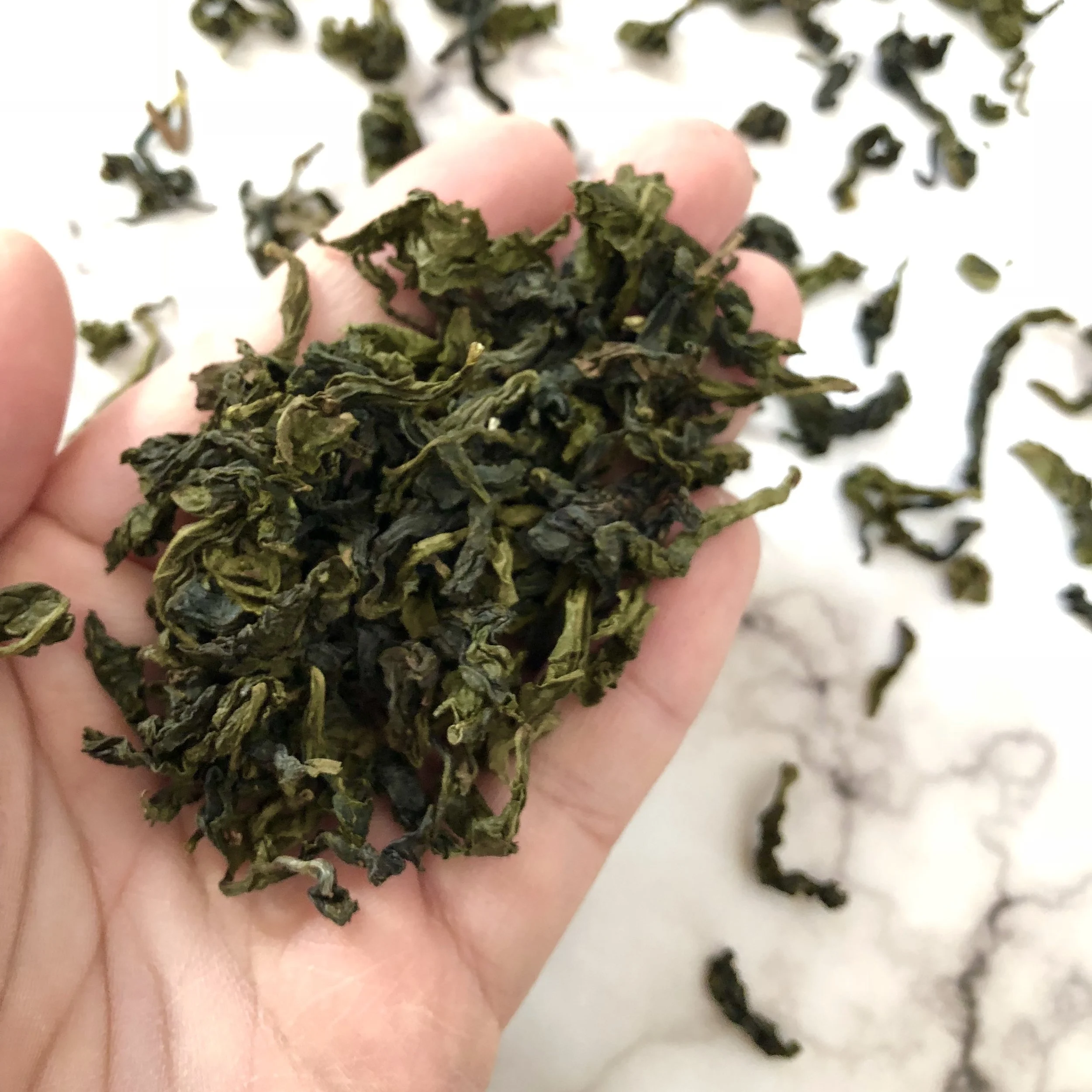
Pouchong (also spelled Baozhong) is a lightly oxidized oolong from northern Taiwan. Its long, twisted leaves stay green and wavy, and many tea lovers call it the greenest oolong of all.

The leaf appearance of Pouchong is green and wavy. Click here to view this product.

Pouchong’s green, wavy leaves.

What it tastes like

Pouchong brews a pale golden-green cup with a bright floral aroma and a soft, melon-like sweetness. It shares the freshness of a green tea but without the sharp, vegetal notes, so it’s smooth and easy to sip, cup after cup.

Where the name comes from

In Chinese, “Pouchong” means “the wrapped kind.” Tea makers once wrapped the finished leaves in paper packets while they dried and rested. Modern processing has mostly replaced the paper, but the name stuck. The style is closely tied to the Wenshan area near Taipei, where it’s still made today.

How to brew it

  • Use about 1 tablespoon of the long, open leaves (about 3 g) per 8 oz of water.

  • Heat the water to 185–195°F, just below boiling.

  • Steep 2–3 minutes, then taste. The leaves can be steeped again two or three more times.

FullSizeRender.jpg

Brewed Pouchong. 

Love light, floral oolongs? Explore our full oolong tea selection, including our handmade Taiwanese Jade Oolong.

Japanese Tencha: The Tea Base for Making Matcha
FullSizeRender.jpg

What is Tencha?

Tencha is a special Japanese green tea made for one main purpose: to be ground into matcha. In short, matcha is simply Tencha that has been stone-ground into a fine, bright green powder. Because almost all Tencha goes to matcha production, the loose leaf is hard to find on its own.

Like Gyokuro, one of Japan’s most prized teas, Tencha is shade-grown. The tea bushes are covered for several weeks before harvest, which boosts the leaves’ sweetness, savory umami and deep green color.

FullSizeRender.jpg

How Tencha differs from Gyokuro

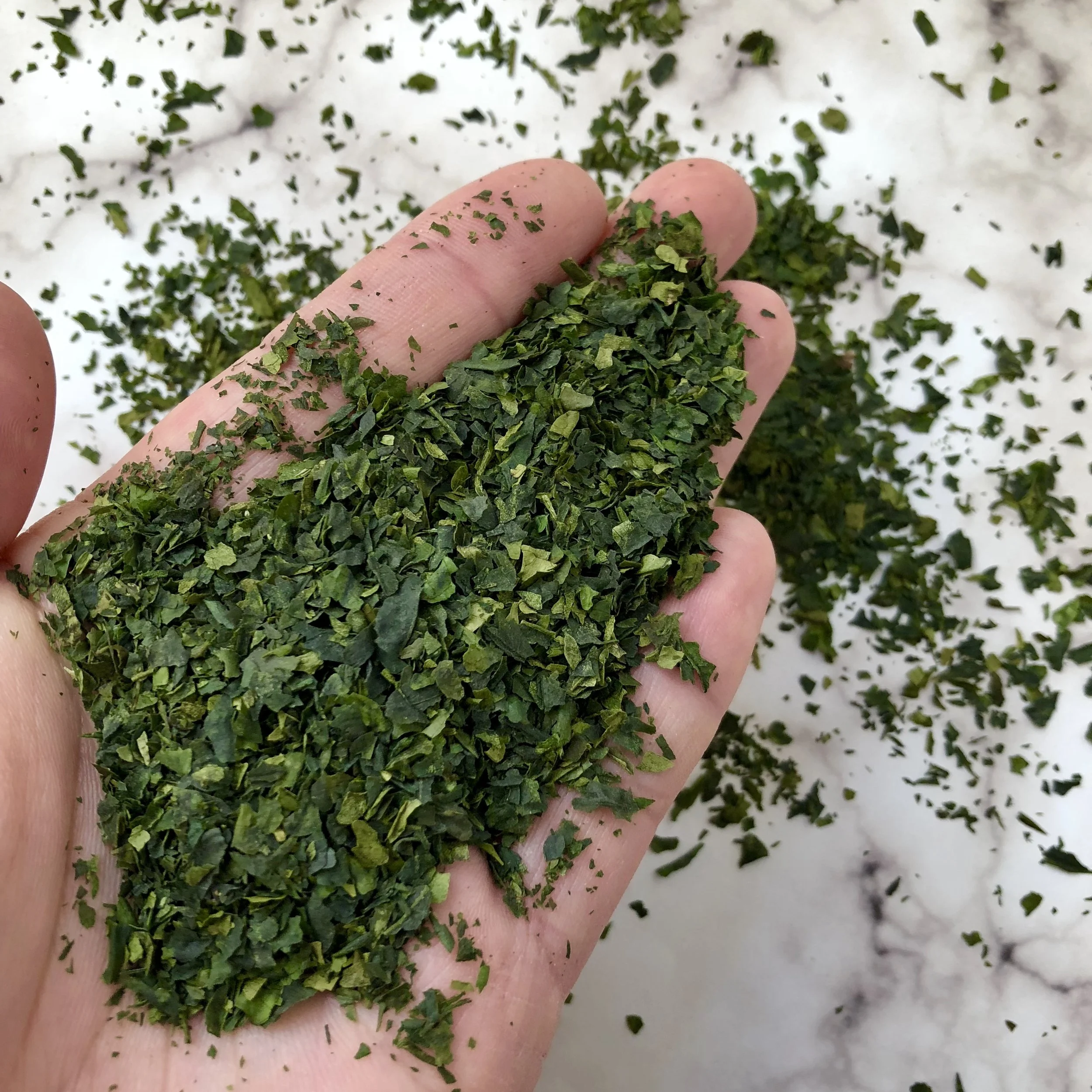
The big difference is in the processing. After steaming, Gyokuro leaves are rolled into fine, needle-like shapes. Tencha leaves are never rolled. They are dried flat, and then the stems and veins are removed, leaving only the tender leaf. Stems and veins can add bitterness, so stripping them out gives a smoother, sweeter matcha.

FullSizeRender.jpg

What does it taste like?

Brewed as a loose-leaf tea, Tencha tastes much like Gyokuro: sweet, mellow and rich in umami, with a fuller body and less bitterness than most green teas.

How to brew it

  • Use about 1 tablespoon of the light, flaky leaves (about 3 g) per 8 oz of water.

  • Use cooler water, around 160–175°F, to keep it sweet.

  • Steep 1–2 minutes.

If you enjoy Japanese green teas like Gyokuro, Sencha and matcha, Tencha is well worth a try. Explore our Gyokuro and our matcha selection.

Matcha Salt: An Easy Green Tea Seasoning for Steak, Seafood and More

Matcha salt is one of the easiest ways to cook with matcha. It takes two ingredients and a minute of mixing, and it brings out the umami (the Japanese word for savory flavor) in meat and seafood.

As a seasoning, matcha adds a vegetal, almost seaweed-like flavor with a touch of natural sweetness. It isn't overpowering. Instead, it complements your food, and paired with a good salt it adds depth and makes a simple dish more interesting.

How to make matcha salt

  1. Choose your salt. We recommend sea salt or rock salt.
  2. Measure. Start with about 5 parts salt to 1 part matcha, then adjust to your liking. More matcha gives a greener color and a stronger tea flavor.
  3. Mix well until the green is evenly spread through the salt.
  4. Use it as a rub for meat before cooking.
  5. Sprinkle it on seafood and steak just before serving.
Matcha being added.

Matcha being added.

FullSizeRender.jpg

We like to mix our matcha with pink salt.

We sprinkle Matcha salt on pan seared scallops.  

Matcha salt sprinkled on pan-seared scallops.

Which matcha to use

For a steak rub, a culinary-grade matcha such as our Culinary Matcha works well. It's made for cooking and baking. For a finishing salt, where the matcha flavor really shows, we recommend Matcha Green or Matcha Samidori.

Have fun cooking!

Hojicha and Kukicha Mix: A Toasty, Nutty Japanese Green Tea Blend
50/50 blend of Japanese Hojicha and Kukicha

50/50 blend of Japanese Hojicha and Kukicha

Hojicha is a classic roasted green tea from Japan. It's low in caffeine and has a clean, toasty, slightly sweet taste.

Kukicha, also called stem or twig tea, is another traditional Japanese green tea. It brews a light, nutty cup with a slightly creamy finish, and it's very low in caffeine too.

We first made this blend at a customer's request. Since we love both teas, we kept some for ourselves, and when we tried it we were surprised at how good, and how different, the two taste together.

IMG_0099.JPG

What does it taste like?

The Hojicha and Kukicha mix is crisp, toasty and slightly sweet, with clear notes of honey and walnut. It isn't astringent at all. That smooth, mellow profile also makes it a great choice for cold brewing.

How to make it at home

  • Mix equal parts Hojicha and Kukicha.
  • Use about 1 heaping teaspoon (about 3 g) per 8 oz of water.
  • Hojicha likes hotter water than Kukicha, so meet in the middle at around 185°F and steep 1–2 minutes. Adjust to taste.
  • To cold brew, steep the leaves in cold water in the fridge for a few hours, then strain.

If you're a fan of Japanese green tea, give it a try, and browse the rest of our green tea collection while you're at it.

Cheers!

Moroccan Mint Tea: What Goes Into Our Gunpowder Green and Peppermint Blend
FullSizeRender.jpg

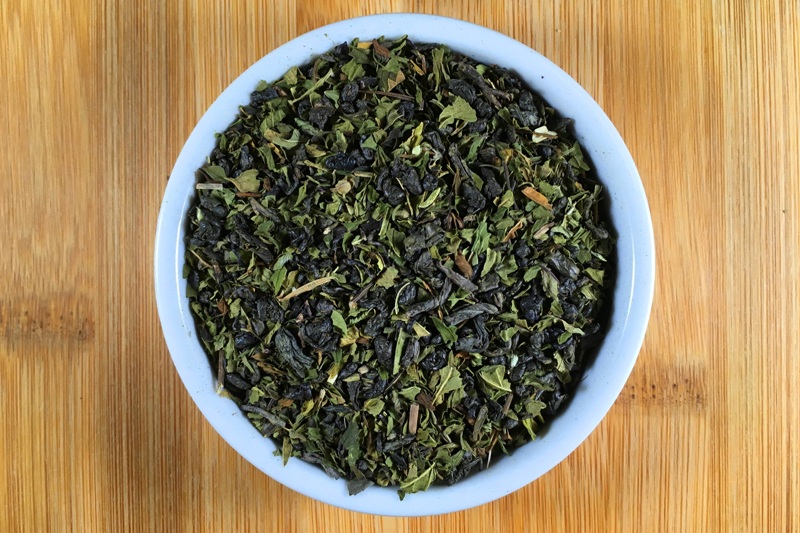
We just blended a fresh batch of Moroccan Mint Tea, and you can see the quality of the ingredients just by looking at it.

What's in our Moroccan Mint

  • Gunpowder green tea is the classic base for Moroccan mint tea. Its leaves are rolled into tight little pellets that open up as they steep and give the cup a full, slightly toasty body.
  • Chun Mee green tea adds a brighter, smooth green tea flavor that rounds out the blend.
  • US-grown peppermint brings the cool, sweet aroma and a clean, refreshing finish.

Together they make a smooth, cooling cup that holds its flavor hot or iced.

How to brew it

Use about 1 teaspoon (2 to 3 g) per 8 oz of water at 175 to 185°F, and steep for 2 to 3 minutes. Skip boiling water, which can make green tea taste bitter. For a traditional touch, add a little sugar.

Find more blends like this one in our Green Tea collection.

Cheers!

What Is Moroccan Mint Tea? Flavor, Ingredients and How to Brew It

Moroccan Mint Tea is a green tea blended with mint. In North Africa, mint tea is a symbol of hospitality: green tea is brewed with fresh mint and sugar and poured from a height to create a light foam.

Our version follows the classic recipe. We start with full-bodied Chinese green teas, Gunpowder and Chun Mee, and blend them with top-quality peppermint. Gunpowder gets its English name from its tightly rolled, pellet-like leaves.

IMG_0438.JPG

How it tastes

The brewed cup is minty, cool and refreshing, with a smooth green tea body that holds up well to the peppermint. It's excellent hot or iced, and you can enjoy it as is or with a dash of sugar. It goes nicely with couscous, tagines, almond pastries or dates.

How to brew Moroccan Mint Tea

  1. Use about 1 teaspoon (2 to 3 g) of tea per 8 oz of water.
  2. Heat the water to 175 to 185°F. Avoid boiling water, which can make green tea bitter.
  3. Steep for 2 to 3 minutes, then adjust to taste.
  4. For iced tea, brew it a little stronger and pour it over ice.

For sizes, from a sample to a full pound, visit the Moroccan Mint product page.

Darjeeling Margaret's Hope: A Classic Second Flush Black Tea with Muscatel Notes

Darjeeling Margaret's Hope is a second flush TGFOP black tea from one of Darjeeling's best-known gardens, and a true classic. It has a medium body with just the right amount of astringency, and its signature muscatel grape notes come through clearly.

It goes well with desserts and snacks, and it's a good, affordable first pick for anyone new to Darjeeling tea and curious about the region's great teas.

IMG_0378.JPG

About the garden

The bushes at Margaret's Hope are almost entirely of the small-leaf China type, which gives the finished leaf its tippy look and its superb fragrance. Our Margaret's Hope is grown at about 6,800 feet. At that height and in the cool mountain weather, the bushes grow slowly, so production is limited.

Why the second flush matters

The best quality comes in the second flush, from late May to late June. This is when Darjeeling teas develop their fullest character: a complex bouquet that reaches right out of the cup. Some taste nuttiness, others black currant, but most people compare it to muscat grapes.

IMG_0379.JPG

How to brew Darjeeling Margaret's Hope

  1. Use 1 rounded teaspoon (about 2 to 3 g) of tea per 8 oz of water.
  2. Heat the water to just off the boil, 195 to 205°F.
  3. Steep for 3 to 4 minutes. A shorter steep keeps the cup more delicate.
  4. Enjoy it plain. It pairs well with scones and jam, fruit tarts or a cheese plate after dinner.

Click here to view the product, available from a sample size up to a full pound, or explore more in our Black Tea collection.

Tea Sampler Value Pack: 30 Loose Leaf Tea Samplers and 100 Tea Filters

Our Tea Sampler Value Pack puts thirty teas in one box. It includes 30 gourmet loose leaf tea samplers and 100 easy-to-use paper tea filters, so you can start brewing right away.

What's inside

The samplers are picked from our best-seller list and include green teas, black teas, flavored teas, chai and herbal teas. Each sampler makes 3 to 5 servings, enough to brew a tea a few times and decide whether it's a new favorite.

The fill-your-own paper filters are made of 100% biodegradable wood or pulp fiber. They're taste-neutral and leave plenty of room for the leaves to infuse and expand.

Why start with samplers?

Sampling is the easiest way to explore loose leaf tea. A sampler pack lets you try everything from Chinese green teas and Indian black teas to herbal and fruit blends before choosing a larger size of the ones you love.

How to use the filters

Fill a filter with tea from a sampler, fold it over the edge of your cup or teapot, and steep according to the tea type.

Click here to view the Sampler Value Pack, or explore more in our Sets & Gifts collection.

Golden Monkey Tea: A Sweet, Golden-Tipped Black Tea from Fujian

Golden Monkey is a spring black tea from Fujian, China, made from golden, downy young leaves. It brews a medium- to full-bodied cup with a bright, coppery color and notes of dates and honey.

It's a perfect afternoon tea, lovely on its own or alongside snacks, scones and desserts.

IMG_0154.JPG

Why it's called Golden Monkey

The name usually comes from the leaf itself: the golden, downy tips and curled leaves are said to look like a monkey's paws. Fujian has a deep black tea heritage, and Golden Monkey is part of that tradition.

About our Golden Monkey

Our Golden Monkey is a S.T.O.P. (Special Tippy Orange Pekoe) grade grown at about 4,800 feet. The leaves are picked in spring and hand-sorted after a labor-intensive production, which gives them their beautiful, well-twisted look. The leaves can be steeped more than once.

How to brew Golden Monkey

  1. Use 1 rounded teaspoon (about 2 to 3 g) of tea per 8 oz of water.
  2. Heat the water to 195 to 205°F.
  3. Steep for 3 to 4 minutes.
  4. Re-steep the same leaves for another cup or two.

It needs no milk, though a splash is fine if you like. Try it with a honey-glazed pastry, roasted chestnuts or sweet potato dishes.

Click here to view the product, or explore more in our Black Tea collection.

15 Tea Samplers and Filter Pack: An Easy Way to Explore Loose Leaf Tea

Want to try different teas without spending much on full bags? Our 15 Gourmet Samplers & 100 Filters Pack is an easy way to explore. It also makes a thoughtful gift for any tea lover.

What's inside

The pack comes with 15 premium loose leaf tea samplers and 100 make-your-own paper tea filters. Each sampler makes about 3 to 5 cups.

The samplers are:

  • Jasmine Pearls Green Tea
  • Silver Needle White Tea
  • Golden Yunnan Black Tea
  • Jade Oolong
  • Cream Earl Grey
  • Darjeeling Margaret's Hope
  • Bi Luo Chun Green Tea
  • Blueberry White Tea
  • Vanilla Chai
  • Moroccan Mint
  • English Breakfast
  • Sencha Green Tea
  • Sleep Well Herbal Tea
  • Cherry Blossom Green Tea
  • Very Berry Fruit Tea

About the paper filters

The fill-your-own filters are made of 100% biodegradable wood pulp fiber. They're taste neutral and leave plenty of room for the leaves to unfurl and infuse.

How to use them

  1. Fill a paper filter with tea from one of the samplers.
  2. Fold the top over the edge of your cup or teapot.
  3. Pour in hot water and steep according to the tea type.
  4. Lift out the filter and enjoy.

Sampling is the best way to find your favorites before picking a larger size. Click here to view the product, or browse our Sets & Gifts collection, including the larger Sampler Value Pack with 30 samplers.

Free Samplers (Weekly Special Offer)

This week's free sampler pack special ($9 value) includes Jasmine Pearls Green Tea, Sencha Mint Green Tea, Snowbud White Tea, Blueberry White Tea, and Earl Grey Black Tea.

No kidding, it is free, tell your friends! We are confident that once you have tried our teas you will come back for more. This is a weekly special. Each week we offer limited quantities of sampler packs for free.

Hurry up while stocks last! No purchase necessary. Limited to ONE per customer. Discount will be applied at checkout page.

Beantown Tea
Earl Grey

The perfect late morning and afternoon tea.  

FullSizeRender.jpg

Our Earl Grey has an unbelievable aroma that portends an unbelievable taste. A correct balance of flavoring results in a piquant and refreshing true Earl Grey taste that goes well with pastries and cakes. The true taste from the bergamot oil creates an Earl Grey that calls you back for more. No wonder it is the most consumed afternoon tea.