The tea making process of Bruising

Bruising is a Tea making technique that breaks down the structures of leaf cells in order to promote oxidation of the tea leaves. It is a very important step in the making of oolong tea and black tea as the bruising allow for oxidative enzymes to work. 

In the making of oolong tea, the bruising is done by tossing or tumbling the tea leaves in containers. After the tossing and/or tumbling  the edges of tea leaves are bruised and the oxidation starts. 

Depending on the desired level of oxidation, some oolong teas are just lightly oxidized, while some other oolong teas are further oxidized. Taste of oolong teas can vary largely due to different degrees of oxidation. The less oxidized oolong teas usually taste more floral and vetegtal. The darker, more oxidized oolong teas take on a fuller taste profile that is earthy, nutty, and sometimes toasty.

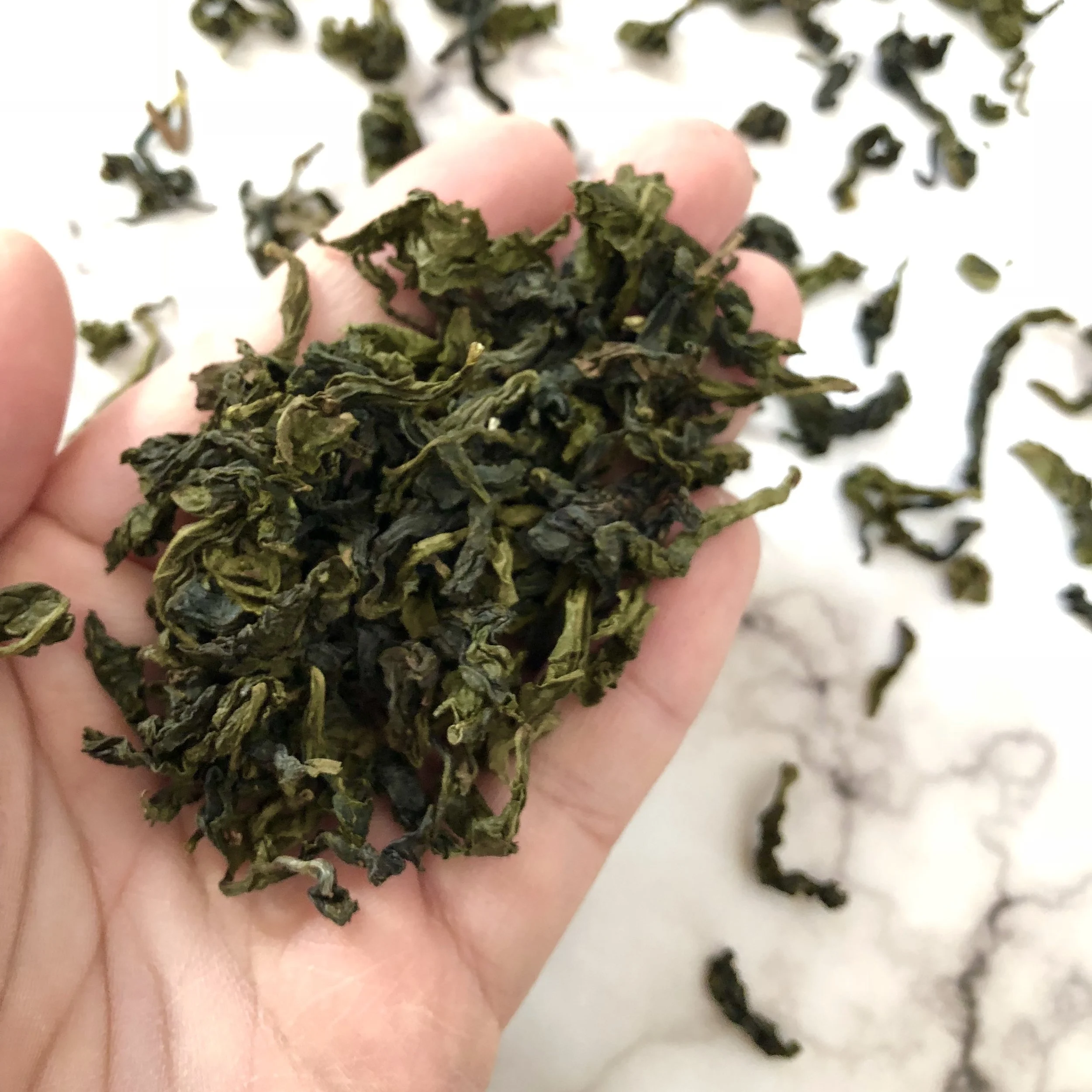
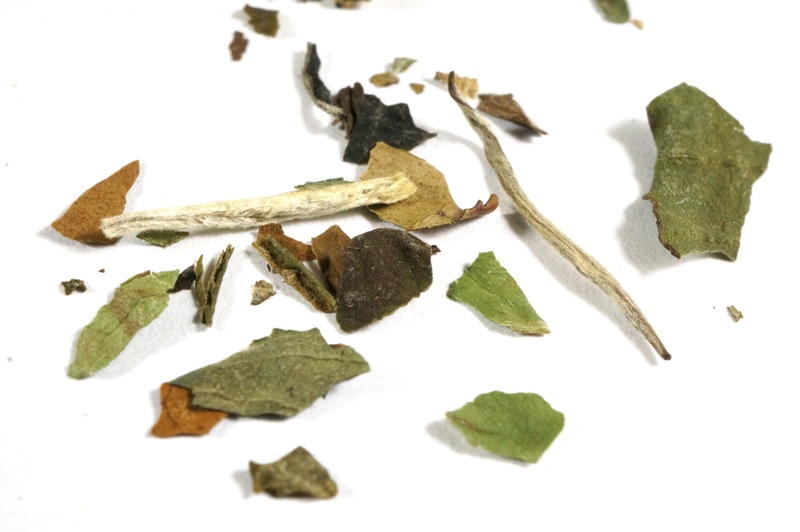
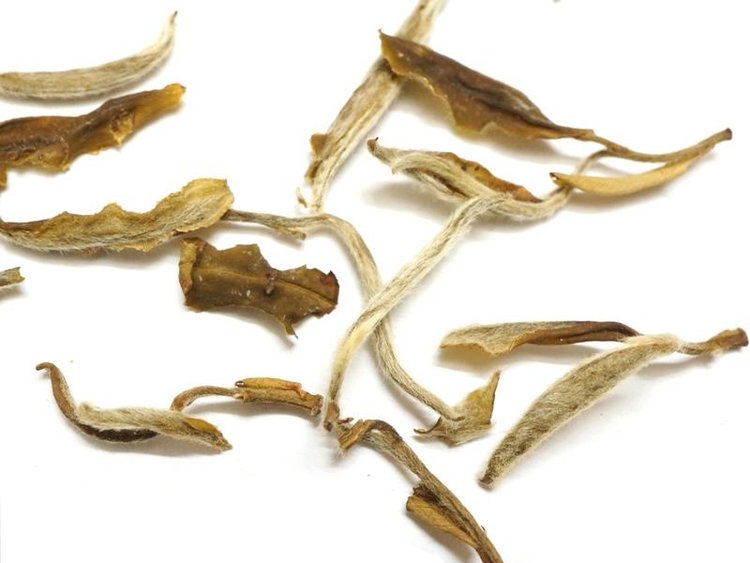
Pictured here is the infused leaves of the lightly oxidized Jade Oolong tea. It is noticeable that the edges of the leaves are bruised while the overall appearance of the leaves remained green. 

Pictured here is the infused leaves of the lightly oxidized Jade Oolong tea. It is noticeable that the edges of the leaves are bruised while the overall appearance of the leaves remained green. 

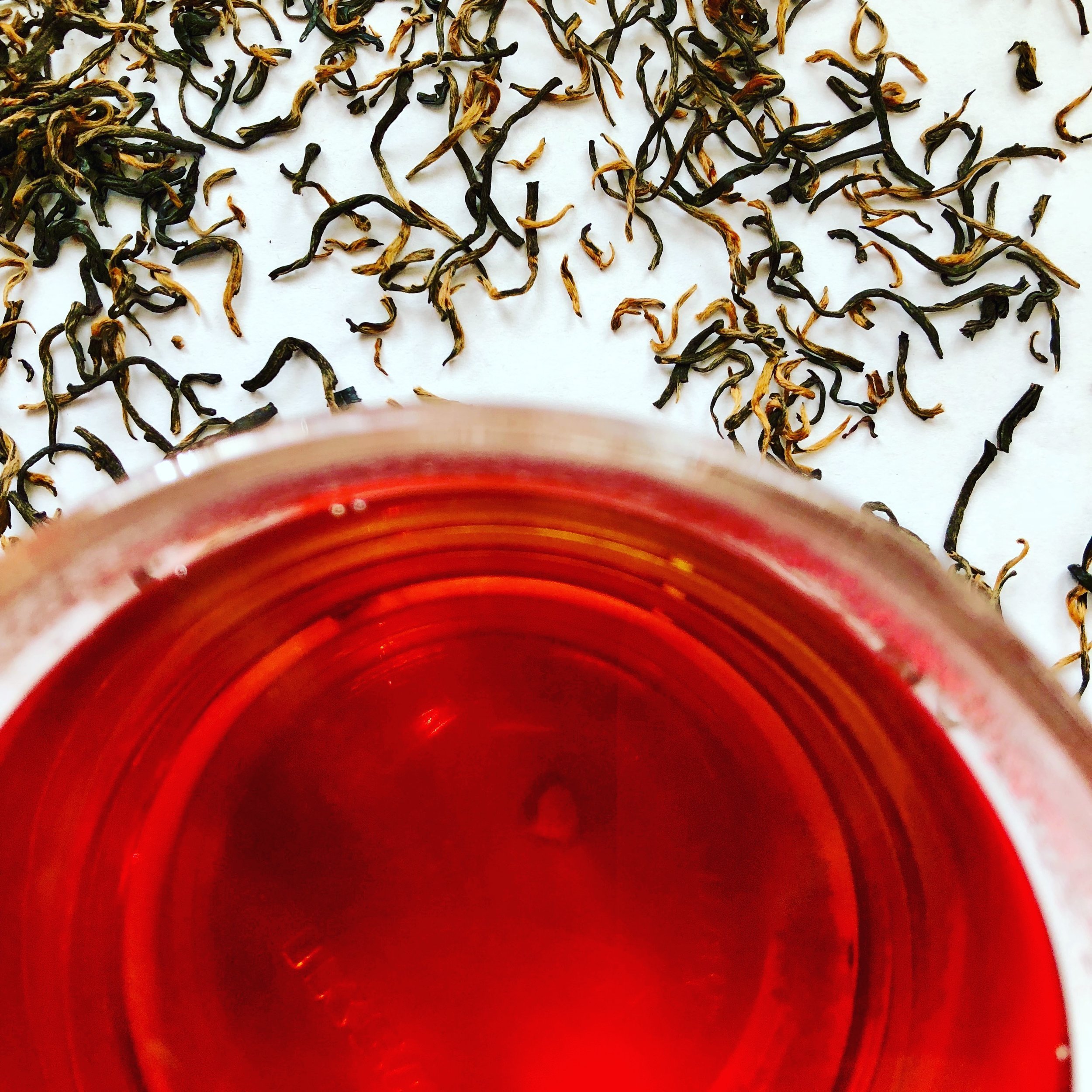
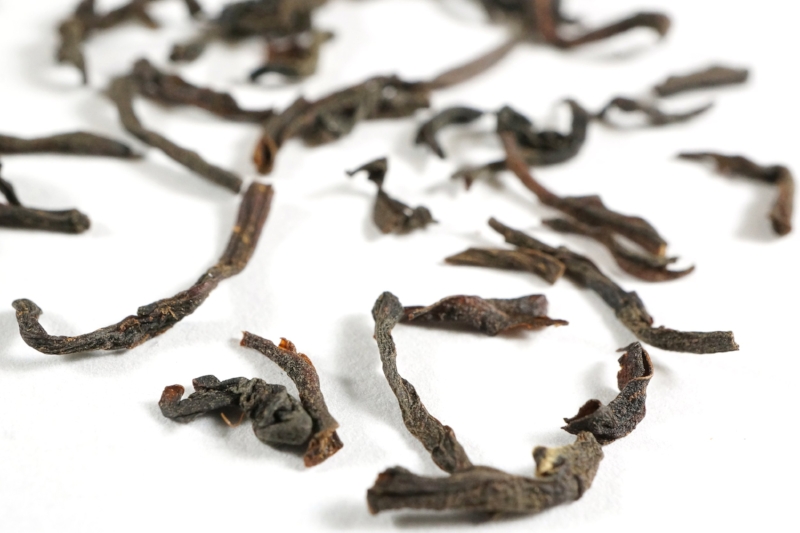
Black tea on the other hand, after the bruising, usually goes through the oxidation process completely. This means most black teas are fully oxidized. And as a result, they have a full bodied profile with little to no vegetal taste.  

IMG_0154.JPG

Pictured above is a brewed cup of Golden Monkey black tea.  

Want more information? Visit our other blog posts and the information page on our website.

Very Berry Fruit Blend

If you like an all natural antioxidants filled caffeine free fruit blend, you should definitely try the Very Berry blend. 

FullSizeRender.jpg

We blended delicious and nutritious fruits and herbs to make this tea. The ingredients are black currants, raspberries, elderberries, bilberries, hibiscus flowers and rose hips. 

Very Berry makes excellent iced tea. When garnished with some honey,  kids will sure love this fruit punch like healthy tea.

Visit this link to view product  https://www.beantowntea.com/herbal-tea/very-berry

Green Curls Green Tea

A high altitude grown crisp green tea with depths and classic green tea characters. 

Green Curls make a perfect afternoon tea.  

Green Curls make a perfect afternoon tea.  

Green Curls are grown in the mountainous area of Fujian province. The leaves are tigltly rolled and green in appearance. The cup is crisp and complex with little to no vegetal grassiness. It is slightly smokey and pleasantly refreshing. Excellent both hot and iced. 

If you would like more information, click “here” to visit the product page  

Pouchong Oolong

Pouchong Oolong is a very green (slightly oxidized) Oolong from Taiwan.  

The leaf appearance of Pouchong is green and wavy. Click here to view this product.

The leaf appearance of Pouchong is green and wavy. Click here to view this product.

It is arguably the greenest Oolong of all. Pouchong brews a very floral cup with melon like fragrance.  It has a lot of the green tea characteristics but does not have the sharp green tea vegetal notes. Its name in Chinese, literally "the wrapped kind", refers to a practice of wrapping the leaves in paper during the drying process that has largely been discontinued due to advancement in tea processing. At its best, Pouchong gives a floral and melon fragrance and has a rich, mild taste.

FullSizeRender.jpg

Brewed Pouchong. 

Japanes Tencha The Tea Base For Making Matcha
FullSizeRender.jpg

So what is Tencha? Tencha is a unique kind of green tea from Japan. It is a green tea of the Gyokuro variety. In the past, it was used almost solely as a the base for Matcha. In short, Matcha is a finely ground version of Tencha.

Since Tencha is a Gyokuro variety, some would wonder what the differences are between Tencha and the famouse Gyokuro.

FullSizeRender.jpg

Firstly, it is harvested a little differently than Gyokuro. tencha leaves plucking is “three leaves and a bud”, while the Gyokuro plucking is “two leaves and a bud” on a tea branch. In layman’s term, when compared, the Tencha making calls for leaves that are slightly older. This is necessary, because Tencha needs to have a fuller flavor in order to produce a good Matcha. 

​

Secondly, Tencha is flat, while the Gyokuro is rolled to needle like shape after the steaming processe. The reason for Tencha leaves being flat is that staying flat makes it easier to strip of the stems and veins. Stems and veins will bring bitterness and undesired flavor to Matcha. 

​

So who does it taste? The taste profile of Tencha is similar to Gyokuro. However, because the leaves are little bit older and stems are striped, Tencha has a fuller body and taste sweeter.

FullSizeRender.jpg

Availabilty of Tencha is more limited due to the fact that it is produced mainly for Matcha production.  

If you are a fan of Japanese teas such as Gyokuro, Sencha and Matcha, you should definitely give Tencha a try.

Matcha Salt

Matcha Salt is a great seasoning salt. Matcha salt is a simple and easy to make. It brings out the “umami” (Japanese for savory flavor) of meat and seafood. Matcha is uniquely flavorful. As a seasoning ingredient, it adds a vegetal and almost seeweed like flavor and natural sweetness to food. It is also not overpowering, it rather compliments your food. Combined with a quality salt, it can really add more depths and make your dish more interesting. 

Here are some things we would like to highlight: 

1. Use a Matcha to salt ratio of 5:1 or a ratio of your liking. 

2. We recommend Using sea salt or rock salt. 

3. Mix them well. 

4. Use Matcha salt as a rub for meat. 

5. Sprinkle Matcha salt on seafood and steak when serving.

Matcha being added.

Matcha being added.

FullSizeRender.jpg

We use pink salt to mix with Matcha

We sprinkle Matcha salt on pan seared scallops.  

We sprinkle Matcha salt on pan seared scallops.  

We recommend using our culinary grade matcha when making steak rub Matcha salt. And when used as seasoning salt. We recommend the Matcha Green and Matcha Samidori 

Have fun cooking! 

Hojicha & Kukicha Mix
50/50 blend of Japanese Hojicha and Kukicha

50/50 blend of Japanese Hojicha and Kukicha

Hojicha is a classic roasted green tea from Japan. It is low in caffeine and has a clean toasty and slightly sweet taste.  

Kukicha is also a traditional green tea from Japan. It is uniquely flavorful. It brews a light cup of tea that is nutty with a  slightly creamy finish. It is very rich in antioxidants and low in caffeine as well. 

We made this blend at the request of a customer. And since we love both teas, we thought we should at keep some for ourselves. When we first tried it, we were surprised at how good and different it tasted. We loved it so much that we decided to add this blend to our roster. It should become available very soon.

IMG_0099.JPG

So what does the blend of Hojicha and Kukicha taste like? It is very crisp, toasty and slightly sweet. Notes of honey and walnuts are very noticeable. It does not taste astringent at all. This blend is perfect for cold brewing, because of its taste profile.  

If you are a fan of Japanese green tea you should definitely give it a try. 

Cheers! 

Moroccan Mint Tea

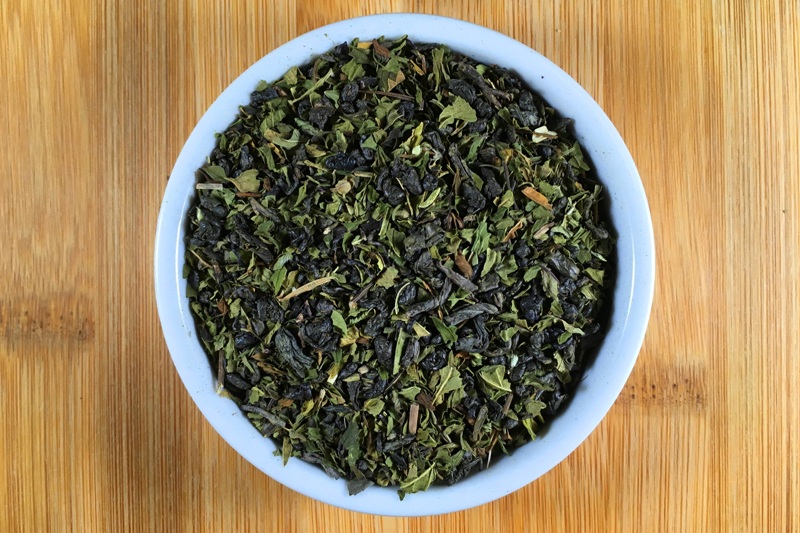
Moroccan Mint Tea is a blended Green Tea. Our Moroccan Mint is blended with the classic quality ingredients.​ We use the full body Chinese green teas as its base and blended them with top quality peppermint. 

IMG_0438.JPG

The brewed cup is minty, refreshing and emergizing. Excellent both hot and iced. It can be enjoyed as is or with a dash of sugar.

For more information, please click here to visit the product page. 

Darjeeling Margaret’s Hope Estate

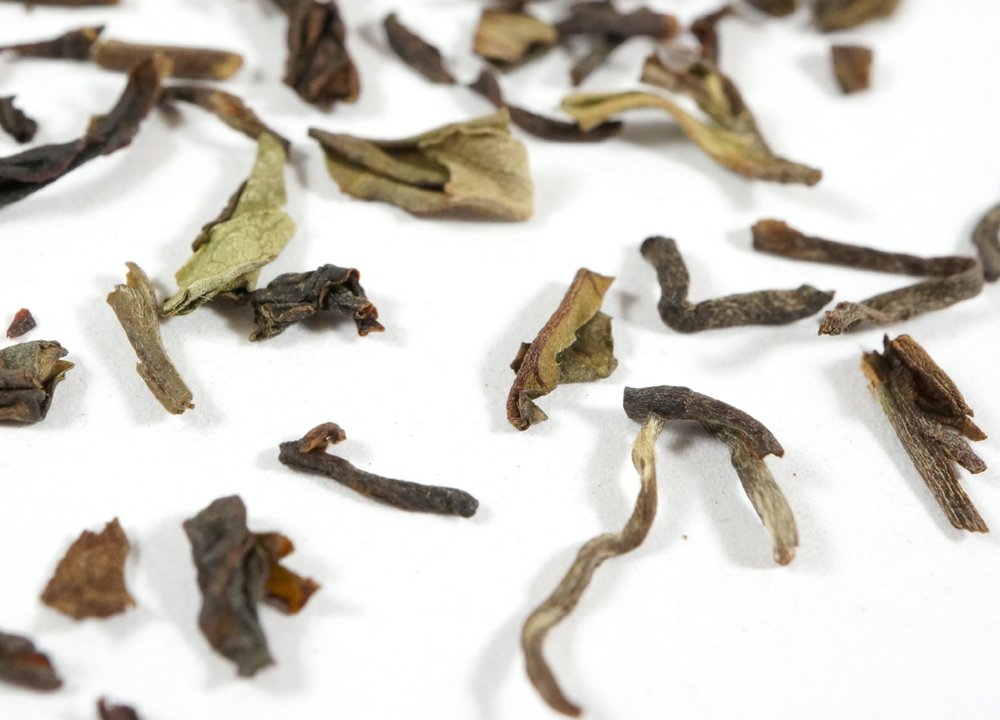
Darjeeling Margaret’s Hope estate 2nd flush TGFOP. This stable Darjeeling tea is such a classic. Medium body with right amount of astringency. The signature Muscatel grape notes are prominent. It compliments desserts and snacks very well. For someone who is new to Darjeeling Tea, this is a relatively inexpensive easy pick as an introduction to the regions great teas.

IMG_0378.JPG

More information: The bushes at Margaret’s Hope are almost entirely the Chinese Jat (genus) accounting for the green leafed tippy appearance of the manufactured leaf and the superb fragrance. Because the tea is grown at such high altitudes and in relatively cool weather the bushes do not grow quickly, and as such the production is limited. The best time of the year for quality is during ‘second-flush’ (end May - end June). During this time Darjeelings are incomparable to any other tea in the world. The fragrance and taste is a complex bouquet that reaches right out of the cup. Some would describe the taste as nutty; others find it reminds them of black currants, but most often it is described as similar to the taste and fragrance of muscat grapes.

IMG_0379.JPG
Tea Sampler Value Pack.

Now available for fall and holiday is our new tea sampler value pack. For $29.99, you will get 30 gourmet loose leaf tea samplers and 100 easy to use tea filters. Tea samplers include our popular Green, Black, White, Herbal and fruit teas. 

 Tea samplers include: Jasmine Pearls Green Tea, Silver Needle White Tea, Golden Yunnan Black Tea, Oriental Beauty Oolong, Bi Luo Chun Green Tea, English Breakfast Tea, Irish Breakfast Tea, Darjeeling Margaret's Hope Estate Black Tea, Ceylon Kenilworth Estate, Assam Behora Estate, Kenya Milima Estate, Moroccan Mint Green Tea, Japanese Sencha,a Genmaicha, Peony White Tea, Sleep Well Herbal, Cream Earl Grey, Earl Grey, Vanilla Chai, Rooibos Chai, Blueberry White Tea, Strawberry Black Tea, Lychee Black Tea, Jade Oolong, Formosa Oolong, Cherry Blossom Green Tea, Mango Green Tea, Sencha Mint, Chun Mee Green Tea, Very Berry Fruit Blend, and Chamomile.

Each sampler makes 3-5 servings. The make your own paper tea filters/bags are made of 100% biodegradable wood or pulp fiber. They are taste neutral and allow ample room for the tea leaves to infuse and expend. Making tea is simple and easy with these filters.

Click here to see details

Tea Samples and filter pack

Wanna sample different teas without spending too much? This sampler pack is a great option. It is also great as gift for loved ones and makes excellent stocking stuffers.

link: https://www.beantowntea.com/sets-gifts/15-samplers-filters-pack


Come in a package are 15 premium gourmet loose leaf tea samplers and 100 papaer make your own filters.


Tea samplers include: Jasmine Pearls Green Tea, Silver Needle White Tea, Golden Yunnan Black Tea, Jade Oolong, Cream Earl Grey, Darjeeling Margaret's Hope Estate Black Tea, Bi Luo Chun Green Tea, Blueberry White Tea, Vanilla Chai, Moroccan Mint Tea, English Breakfast Tea, Sencha Green Tea, Sleep Well Herbal Tea, Cherry Blossom Green Tea, and Very Berry Fruit Blend.

Each sampler makes 3-5 servings. The make your own paper tea filters/bags are made of 100% biodegradable wood or pulp fiber. They are taste neutral and allow ample room for the tea leaves to infuse and expend. Making tea is simple and easy with these filters.

Free Samplers (Weekly Special Offer)

This week's free sampler pack special ($9 value) includes Jasmine Pearls Green Tea, Sencha Mint Green Tea, Snowbud White Tea, Blueberry White Tea, and Earl Grey Black Tea.

No kidding, it is free, tell your friends! We are confident that once you have tried our teas you will come back for more. This is a weekly special. Each week we offer limited quantities of sampler packs for free.

Hurry up while stocks last! No purchase necessary. Limited to ONE per customer. Discount will be applied at checkout page.

Beantown Tea
Earl Grey

The perfect late morning and afternoon tea.  

FullSizeRender.jpg

Our Earl Grey has an unbelievable aroma that portends an unbelievable taste. A correct balance of flavoring results in a piquant and refreshing true Earl Grey taste that goes well with pastries and cakes. The true taste from the bergamot oil creates an Earl Grey that calls you back for more. No wonder it is the most consumed afternoon tea.


How to make Chai
FullSizeRender.jpg

The traditional method of making Chai

  1. Put 3 teaspoons of Chai into a cooking pot.

  2. Add 1 cup (8 oz) of water and 2 cups (16 oz) of milk. Stir and bring it to a boil.

  3. When boiled reduce heat and simmer for 3-5 minutes. *Watch carefully, it can foam up very quickly.

  4. Then turn off the heat and stir in some sugar/honey to taste. Strain the leaves and pour chai into cups.

For a thinner brew, use 2 cups of water and 2 cups of milk instead.

Picture above shows how to brew Masala Chai in a traditional way. Click to view product.

Picture above shows how to brew Masala Chai in a traditional way. Click to view product.

Modern Hot Chai brewing method

Bring freshly drawn cold water to a rolling boil. Place 1 heaping teaspoon of tea for each cup into the teapot. Pour the boiling water into the teapot. Cover and let steep for 5-10 minutes. While the tea is brewing prepare your cup to receive the chai – put 2 teaspoons of sugar in the cup and add milk (about 20%) of the cup’s volume. You can also use steamed milk to get a richer taste. When the chai is ready – pour into your cup.


Iced Chai brewing method:

To make 1 liter/quart, place 6 teaspoons of tea into a teapot or heat resistant pitcher. Pour 1 1/4 cups of freshly boiled water over the tea. Steep for 5 minutes. Quarter fill a serving pitcher with cold water. Pour the tea into your serving pitcher straining the leaves. Add ice, milk and top-up the pitcher with cold water. Garnish and sweeten to taste. (A rule of thumb when preparing fresh brewed iced tea is to double the strength of hot tea since it will be poured over ice and diluted with cold water)

Green Tea vs. Black Tea

What are the differences between Green and Black teas?

This is a 2 parts question. First is how are Green and Black teas compared to each other from a production stand point? Second is what and how are they different as end products? Now lets expend on them and discuss further.

Firstly, lets take a look at how Green and Black teas are produced. Green and Black teas are both produced from the same plant which is called Camellia Sinensis. The sub cultivars of each tea maybe different, but they all belong to the Camellia Sinensis family.

The oxidation process is what sets Green and Black teas apart. Green tea is very lightly oxidized (less than 1%-15%), where as Black tea is fully oxidized. The oxidation is a process which the chlorophyll in the tea leaves is enzymatically broken down. Tannins are also released during the oxidation. This oxidation process is often times referred to as "fermentation" in the tea industry.

Green and Black teas got their name from the colors of the produced tea leaves. Because most of the chlorophyll is preserved, Green tea still retain the green appearance of the plant. Black tea appear black because the chlorophyll is broken down.

Ceylon Kenilworth
Quick View
Ceylon Kenilworth
from $2.95

Strong, smooth and full of life, Ceylon Kenilworth is a tea that has earned its worldwide reputation. Kenilworth is known around the world for its full-bodied, strong liquors and is considered the hallmark of Ceylon's medium-grown teas.

History & Heritage

Sri Lanka, then called Ceylon, was once a coffee island. In the late 1860s and 1870s a fungal disease known as coffee rust devastated the plantations, and planters turned to tea. The Scottish planter James Taylor had planted the island's first tea field at Loolecondera, near Kandy, in 1867, and within decades tea had become Ceylon's great crop. The Kenilworth estate was established by British planters in 1880 and named after Kenilworth Castle in England.

Interesting Facts

  • The Kenilworth estate receives an average of 190 inches of rain a year, and it is unusual in getting rain from both the South West and North East monsoons.

  • Its Orange Pekoe grades are among the most sought after from any medium-grown garden. Ours is an OP grade grown at about 3,000 feet.

  • The first shipment of Ceylon tea to reach London, in 1873, weighed only about 23 pounds.

Tasting Notes & Pairings

Our Ceylon Kenilworth brews a malty cup that is lively and very smooth, with an infusion described as noire tending coppery. It is a fine tea after dinner or in the afternoon. Pair it with buttered toast, ginger cookies, or a hearty breakfast.

Brewing tips (general guideline): use 1 rounded teaspoon (about 2–3 g) per 8 oz of freshly boiled water (205–212°F), steeped 3–5 minutes. Adjust to taste.

Like every tea at Beantown Tea & Spices, Ceylon Kenilworth is a quality loose-leaf tea offered at an affordable price, with sample and larger sizes so you can find your favorite. Explore more in our Black Tea collection, or pair it with our tea accessories.

Secondly, lets look at the differences between them as final products. Although both types of tea are rich in antioxidants, Green tea is richer in antioxidants than Black tea due to a lower oxidation level.

Studies have found that Both Green and Black tea may help boosting our energy and keeping us alert. Black tea has more caffeine than Green tea. 1 g of black tea has 22 to 28 mg of caffeine, while 1 g of green tea has 11to 20 mg of caffeine. The energizing effect is why Black tea is a stable breakfast drink in many parts of the world.

Some long term studies have shown that Black tea is beneficial to our cardiovascular system. This means regular and long term consumption may help in maintaining a healthier heart.

For Green tea, researches show that the catechins and other nutrients in Green tea may help lowering the blood sugars. Drinking 2 to 3 cups of Green tea is also believe to be very beneficial in weight control.

The conclusion

In conclusion, both Green and Black tea are healthy and can be very beneficial to our health. However, in order to reap the benefits of tea, we need to establish a habit of consuming 2-3 cups of tea a day every day. So the key here is to find the teas that we love to enjoy. Because if we enjoy the experience of drinking tea, it is then very naturalto establish a long term and consistent consumption of this healthy beverage.

So if you are already a regular tea drinker, stick to your favorite teas. If you are new to tea, try different types of teas and find some that you love to enjoy! Cheers


Matcha whisking

Whisking up our Matcha Samidori in a casual way. Matcha, bamboo whisk and water is all we need to make a nutritiousand delicious tea. Cheers!

Japanese Genmaicha Green Tea
IMG_6161.JPG

Genmaicha is a specialty Japanese green tea that is blended with fire-toasted rice. A good grade Japanese sencha is blended with the toasted rice. The fresh vegetative character of the green tea is imparted on the cup but it is tempered with the bakey-like character of the rice. There is a natural sweetness and almost chewy character to the finish of this tea. During the firing of the rice, it is common for rice to ‘pop’ like popcorn, hence the name "popcorn-tea"

Country of Origin: Japan

Grade: Sencha Genmaicha

Manufacture Type: Steamed green tea

Cup Characteristics: Light brownish yellow liquor with toasty flavor, tending sweet.

What Is White Tea
 
Aged Snowbud White Tea. Click to view product.

Aged Snowbud White Tea. Click to view product.

What is White Tea

To describe very briefly, White Tea is a kind of tea that has not undergone any oxidation (fermentation) process. When infused, white tea makes a pale yellow to light amber color cup of tea with delicate, floral and fresh flavor.

Production

Take the most common white tea, White Peony (Pai Mu Tan), as an example. Tea leaves are plucked from a special varietal tea bush called Narcissus or chaicha bushes. Secondly the leaves are not steamed or pan-fired (the process used in green teas). The leaves are naturally withered and dried in the sun. If mechanical drying is required it is a baking process at temperatures less that 40’C. Thirdly only special ‘two leaves and a bud’ are selected. These leaves must show a very light green almost gray white color and be covered with velvet peach fuzz down. White teas that are withered in conditions that are too hot with become reddish and in conditions that are too cold they will become blackish.

Health Benefits

Researchers at the Linus Pauling Institute in Oregon tested white teas on selected rats to test for the ability of white teas to inhibit natural mutations in bacteria and to protect the rats from colon cancer. Interestingly, white teas were found to be more effective than green tea in inhibiting the early stages of cancer but researchers were quick to point out that their study was on rats and the effects should not be extrapolated to humans. The researchers also discovered that white tea contains higher levels of caffeine compared to green tea brewed under the same conditions. They suggested that this could occur because white tea oxidizes during withering whereas in green tea the oxidation process is stopped early in the tea making process by steaming or panfiring.

 
White Tea Sampler Pack
$12.95

Can't decide? Sample a variety of our white teas. The pack includes samplers of Silver Needle, White Peony, Peach White Tea and Blueberry White Tea, and each sampler makes 3 to 5 cups.

History & Heritage

White tea is one of the most delicate styles of tea, traditionally made in Fujian Province, China, with little more than gentle withering and drying. Silver Needle, made from downy spring buds, first appeared in Fuding around 1796, and White Peony, which includes buds and young leaves, was developed in the Jianyang and Zhenghe areas.

Interesting Facts

  • This sampler lets you taste the difference between an all-bud tea (Silver Needle), a bud-and-leaf tea (White Peony) and two fruit-flavored white teas.

Tasting Notes & Pairings

Expect a journey from honeyed and mellow to velvety and fruity. Try them side by side with fresh fruit and mild cheeses.

Brewing tips (general guideline): use 1–2 teaspoons (about 2–3 g) per 8 oz of water at 170–185°F, steeped 3–5 minutes. Adjust to taste.

Like every tea at Beantown Tea & Spices, the White Tea Sampler Pack is a collection of quality loose-leaf teas offered at an affordable price. Explore more in our White Tea collection, or pair it with our tea accessories.


The western cosmetic industry also has recently discovered the benefits of white tea. In addition to its anticancer properties, tea has a calming and detoxifying effect on the skin. White tea is especially potent in that it is has three times as many antioxidant polyphenols as green or black tea and has been shown to be 100% more effective in mopping up free radicals that cause skin to sag. Some of the world’s top cosmetic companies are becoming very interested in white tea for skin creams and the result is that high grade white tea is becoming even rarer than before.