What New Research Says About Tea and Your Health (2025–2026)

Here in Boston, we drink tea mostly because it tastes good and slows the day down. Researchers keep studying what else it might do. Below are four studies published between July 2025 and October 2026, explained in plain language. Each one shows a link between tea and a health result. None of them proves that tea causes that result, and we point out the limits of each one.
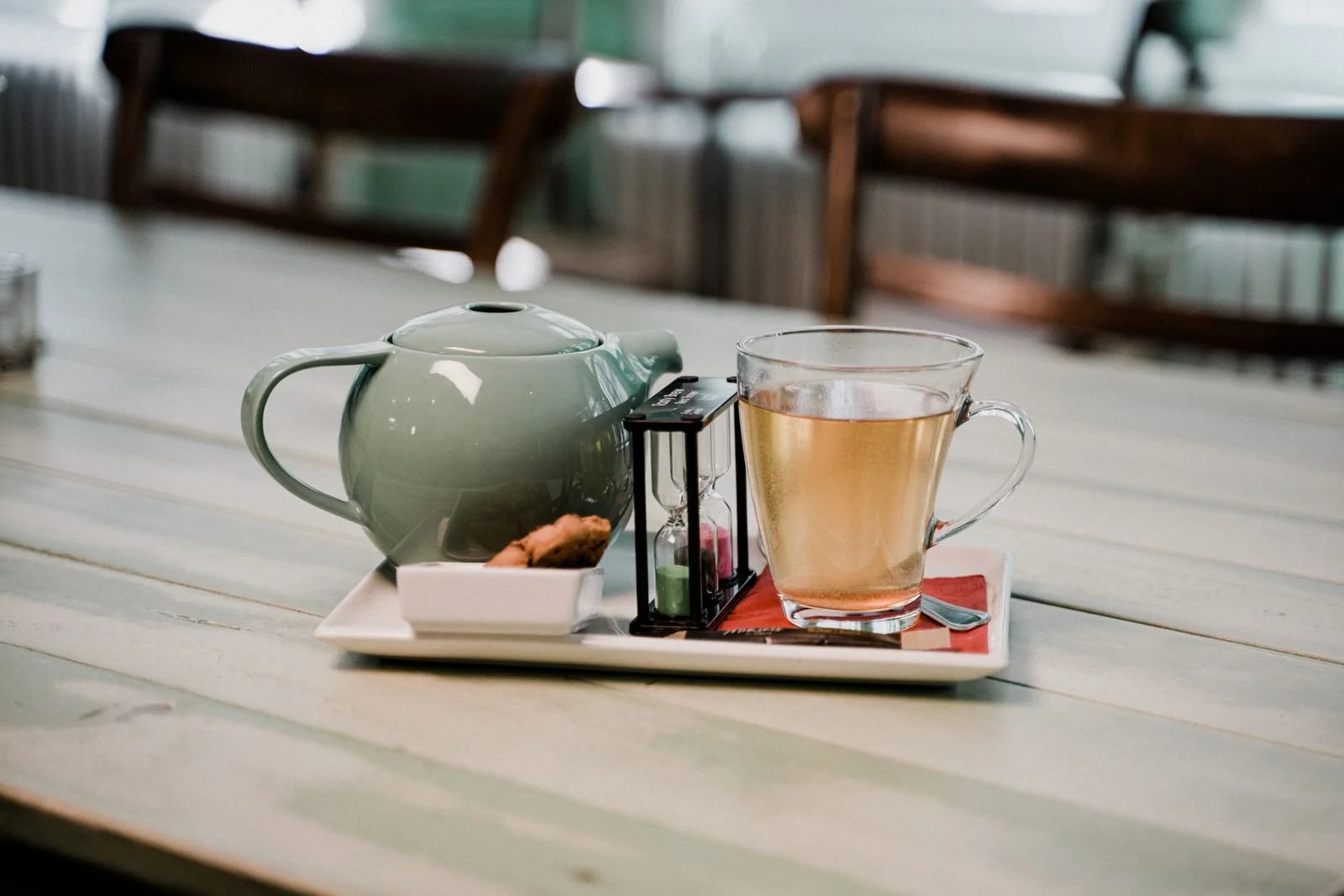
A green ceramic teapot next to a glass cup of tea on a wooden table.

Photo: Bert Christiaens / Pexels


1. Tea and blood pressure

Journal: Frontiers in Nutrition, August 2026 (systematic review and meta-analysis)

Researchers combined 20 observational studies with about 320,000 adults in total. In the four studies that followed people over time, regular tea drinkers were about 13% less likely to develop high blood pressure than people who did not drink tea. The link was strongest at lower intakes and leveled off at higher intakes, so more cups did not keep adding benefit. In the subgroup analyses, the link was stronger among black tea drinkers.

Limits: All of the studies were observational, and their results varied a lot. The authors write that a clear protective effect "cannot be confirmed."

Read the study

2. Tea and bone strength over 13 years

Journal: The American Journal of Clinical Nutrition, October 2026 (prospective cohort study)

A team in Guangzhou, China, measured bone mineral density in 1,708 adults four times over 13 years. People who drank tea at a moderate frequency generally had the highest bone density scores across the whole body, lower spine and hip. People with higher blood levels of certain tea catechins (EGCG and ECG) also tended to have better bone measurements.

Limits: The differences were small, and the blood-marker results did not rise in a straight line. The study was done in one region of China, and as an observational study it cannot show cause and effect.

Read the study

3. Unsweetened tea and longer life

Journal: Frontiers in Nutrition, July 2025 (prospective cohort study)

Using data from 195,361 UK Biobank participants followed for a median of 13.6 years, researchers compared people who drank no tea with people who drank tea unsweetened, with sugar, or with artificial sweeteners. People who drank about 3.5 to 4.5 cups of unsweetened tea a day had a 20% lower risk of dying from any cause during the study, plus lower risks of dying from heart disease and cancer. Tea with sugar or artificial sweeteners showed no consistent link with lower risk.

Limits: Tea intake came from short dietary recalls, and tea drinkers may differ from non-drinkers in other ways. The link was U-shaped, so the lowest risk sat at a moderate intake, not at the highest one.

Read the study

4. Green tea catechins, exercise and leg strength

Journal: Archives of Gerontology and Geriatrics, August 2026 (randomized, placebo-controlled trial)

In Japan, 78 adults aged 60 and older who felt they were getting weaker or slower all took part in group exercise classes for 24 weeks. Half also drank a catechin-enriched green tea each day (613 mg of catechins), and the rest drank a placebo drink. The green tea group gained more knee-extension (thigh) strength.

Limits: There was no difference between the groups in overall physical performance tests or muscle mass. Only 51 people completed the trial. The tea used was specially enriched with catechins, more than a typical cup provides, and the study was partly funded by a tea company whose employees were co-authors.

Read the study

What this means for your cup

  • Moderate and regular seems to be the pattern. In three of these studies, the best results came at moderate intake, not the highest.

  • Try it plain. The UK Biobank study linked lower risk with unsweetened tea only. A naturally flavorful tea makes skipping the sugar easy.

  • Tea works alongside a healthy lifestyle. In the strength trial, everyone exercised, and the tea was an addition.
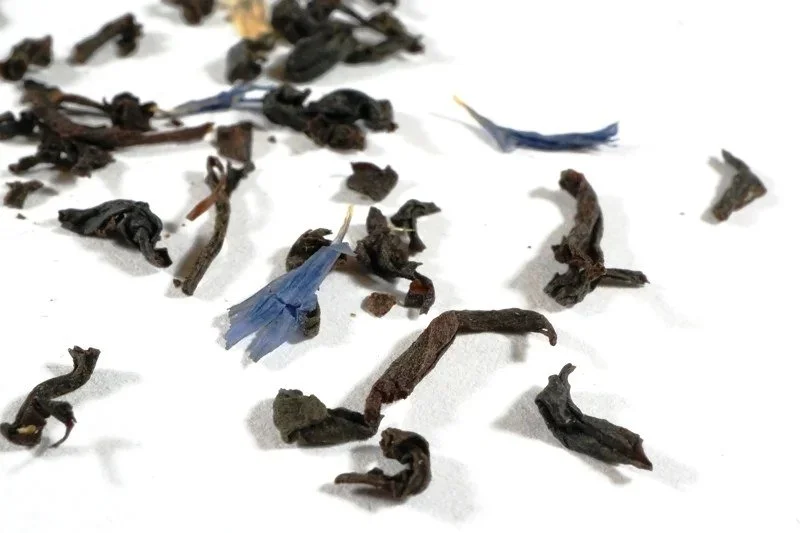
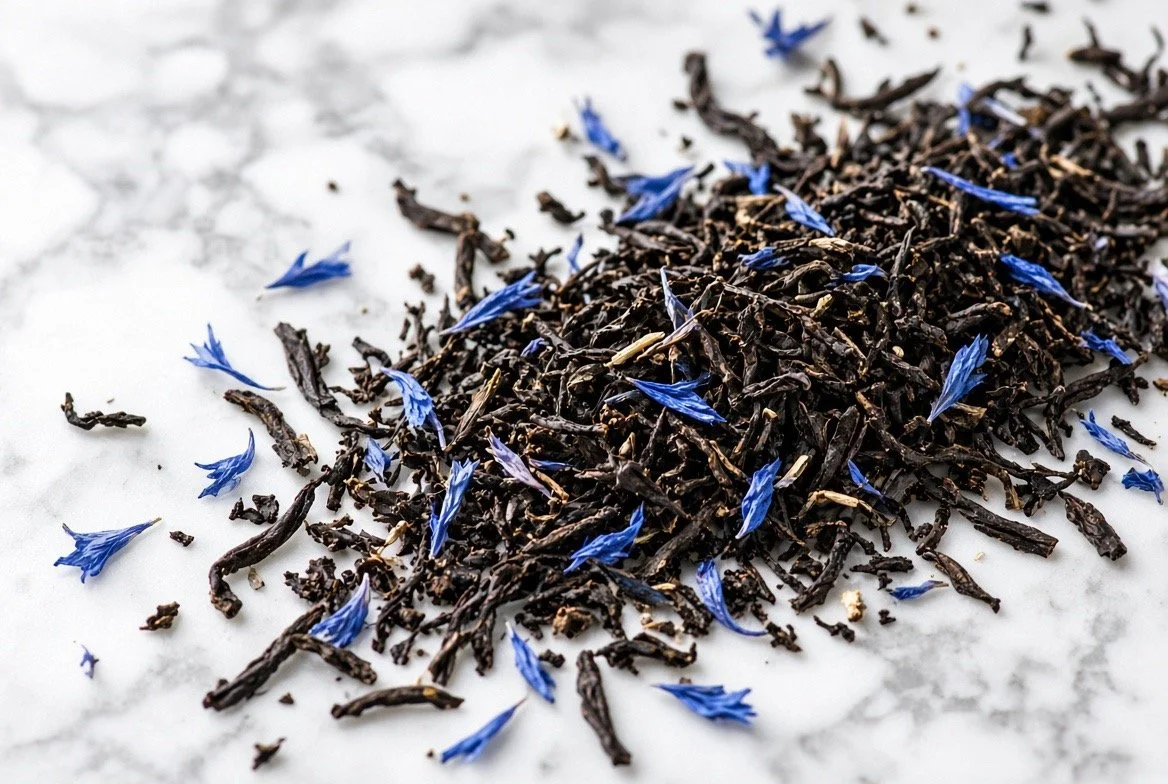
Loose-leaf Earl Grey black tea from Beantown Tea & Spices.


A few teas from our shop to brew this week:

  • Earl Grey: a classic black tea with bergamot, bright enough to enjoy without sugar.

  • Jasmine Dragon Pearls: hand-rolled green tea with a natural floral sweetness.

  • Matcha Samidori: powdered green tea, where you drink the whole leaf.

This post is for general information only and is not medical advice. Please talk with your doctor before making changes to your diet or health routine, especially if you take medication or are sensitive to caffeine.
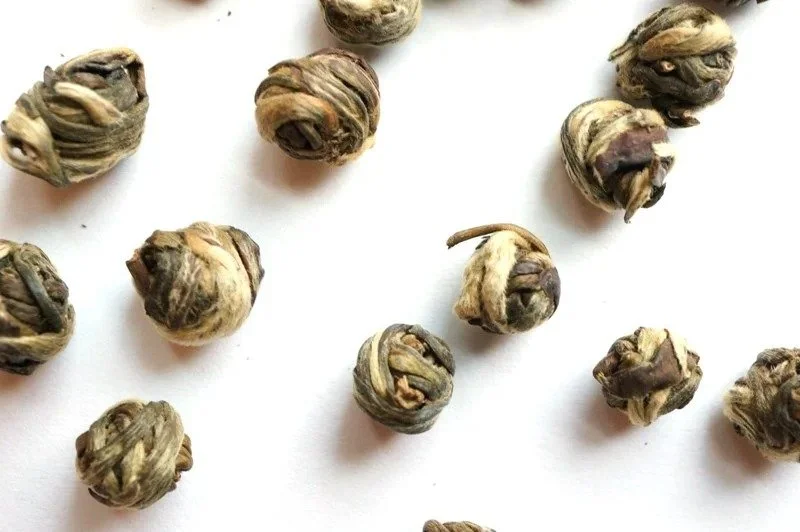
Jasmine Dragon Pearls: The Hand-Rolled Tea That Blooms in Your Cup

Some teas you simply drink. Jasmine Dragon Pearls is one you watch. Each small, hand-rolled pearl slowly opens in hot water, and the room fills with the sweet scent of jasmine. It is one of our favorite teas for a quiet afternoon, any time of year.

Loose Jasmine Dragon Pearls, small hand-rolled balls of green tea leaves, on a white surface

Where Jasmine Dragon Pearls Come From

Jasmine tea has a long history in China. The city of Fuzhou, in Fujian province, is especially famous for it, and its scenting traditions go back to the Southern Song dynasty.

The pearls are made from the top two leaves and the bud of new spring growth, picked in late March and early April. Each pearl is then rolled by hand.

The jasmine scent comes from real flowers. The blossoms are gathered during the day while they are still closed. In the evening, as the flowers open and release their fragrance, they are layered with the tea. After resting together, the spent flowers are removed and the tea is dried. This process is often repeated several times to give the tea a deeper scent.

What It Tastes Like

Jasmine Dragon Pearls is smooth and silky, with a clean green tea base under a sweet jasmine perfume. It is gentle, never bitter when brewed well, and pleasantly floral.

When the pearls open, look for the two leaves and the bud coming back to life. You may see a little soft "hairy down" on the bud. That is a sign of high quality and careful handling.

It pairs nicely with dim sum, steamed fish, almond cookies or fresh lychees. It is also lovely on its own.

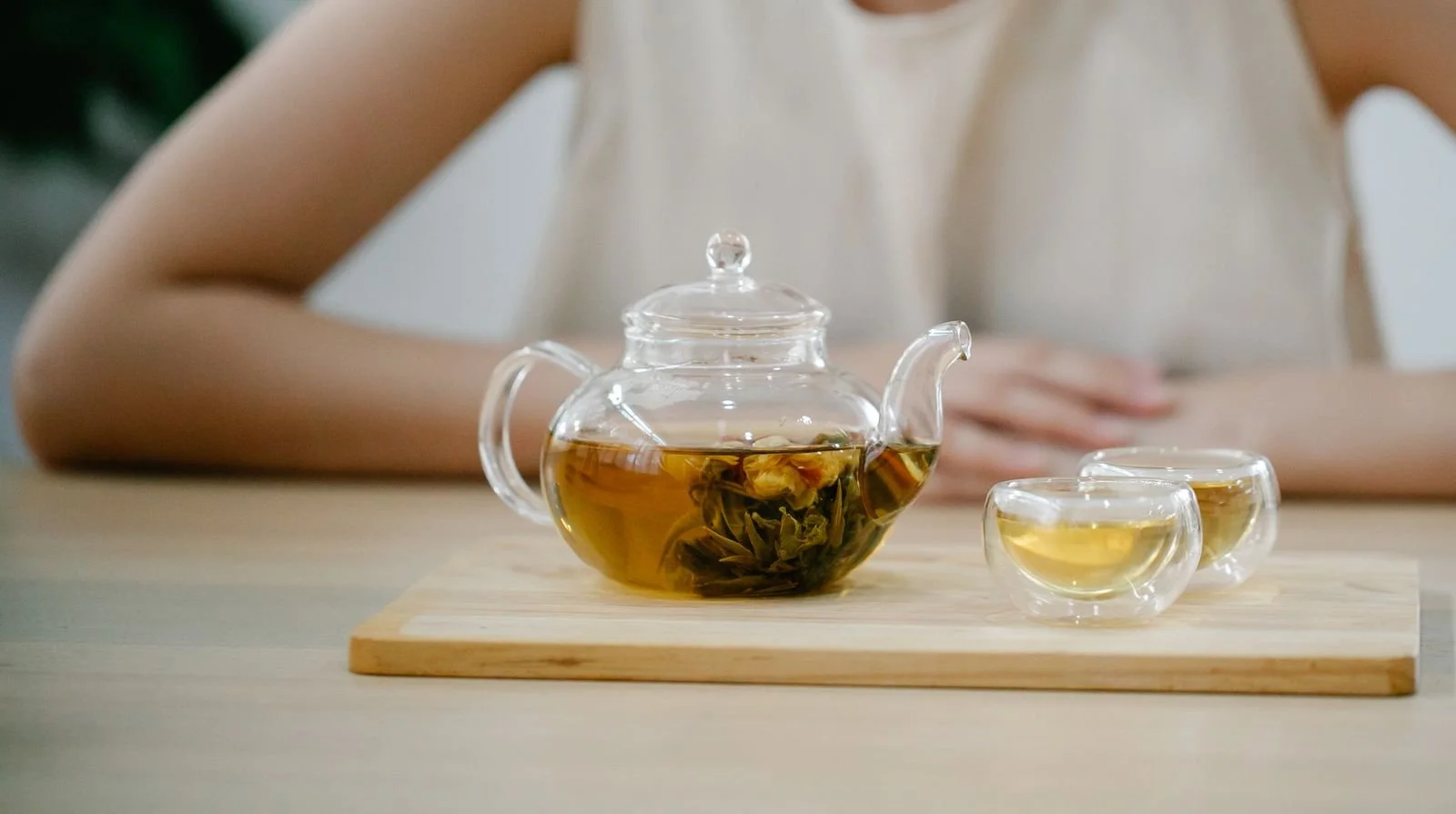
Glass teapot of golden green tea with opened leaves, beside two small glass cups on a wooden tray

How to Brew Jasmine Dragon Pearls

These are the brewing instructions from our product page, per 8 oz. of water:

  • Water temperature: 195°F / 90°C

  • Amount: 2 teaspoons

  • Steep time: 2–3 minutes

Tip: brew it in a glass teapot or a clear mug so you can watch the pearls open. You can steep the same pearls several times.

Sizes

See sizes on the product page

New to this tea? The sample size is an easy way to try it first.

Shop Jasmine Dragon Pearls from our tea shop in Boston, and explore the rest of our green tea collection.

Which Tea Goes With Your Halloween Candy?

Halloween candy is glorious, and a little overwhelming. After a night of chocolate bars, caramel chews, and whatever glow-in-the-dark mystery piece ended up in the bowl, a good cup of tea does more than warm your hands. It resets the palate, cuts the sweetness, and turns the candy pile into an actual tasting night instead of a sugar fog.

Here is how we pair our loose-leaf teas with common Halloween treats. No fancy equipment. Just a kettle, a mug, and whatever made it home in the bag.

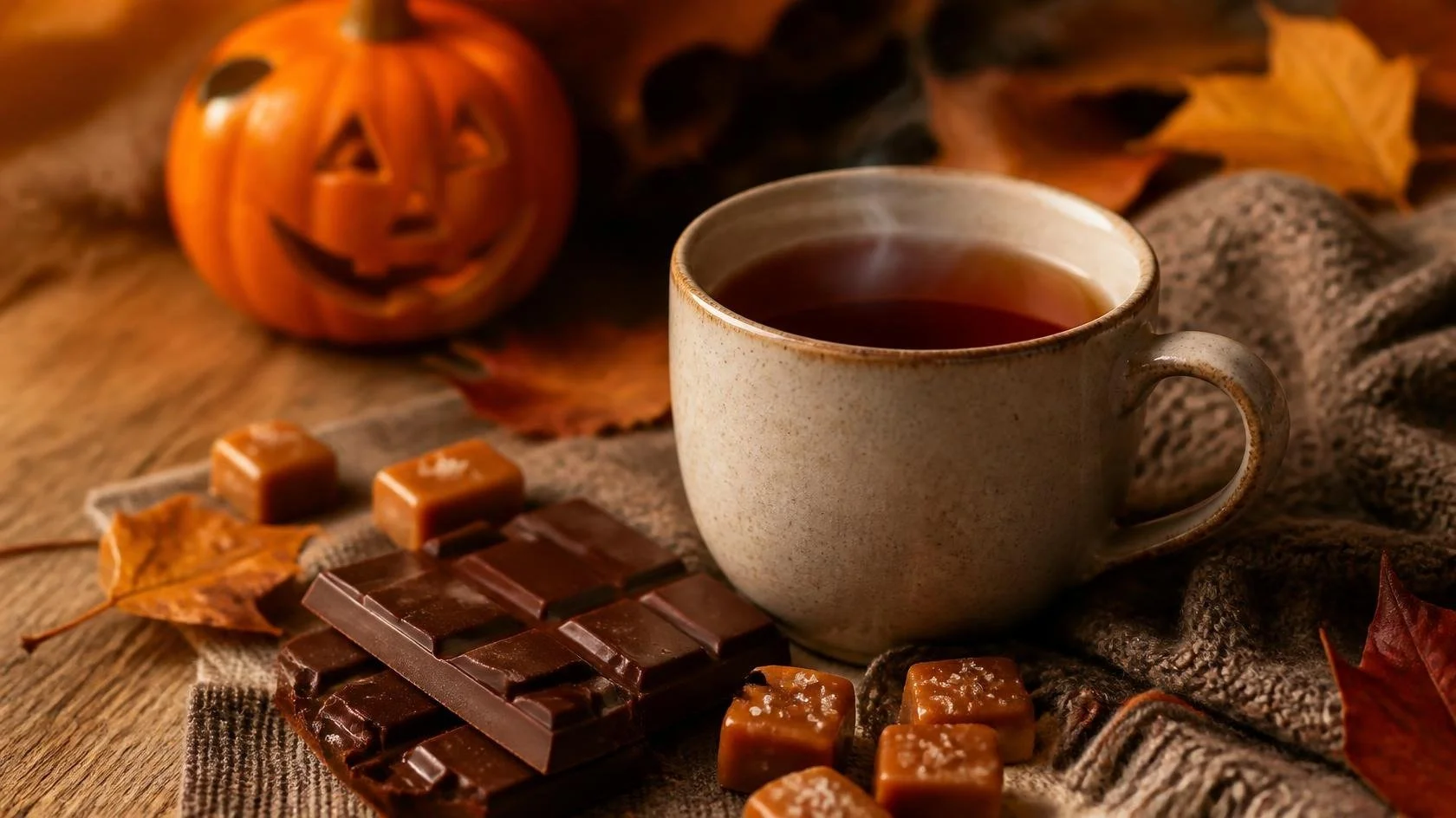
Mug of tea with Halloween chocolate and caramel

Chocolate bars and Cream Earl Grey

Milk chocolate and dark chocolate both love bergamot. Our Cream Earl Grey is Ceylon black tea with classic bergamot, rounded out by vanilla and a soft cream note, plus those blue cornflower petals. The citrus lifts the cocoa, and the vanilla echoes the sweetness without fighting it.

Brew it strong enough to stand up to the chocolate: 1 teaspoon per 8 oz of freshly boiled water, steeped 3–5 minutes. Sip between bites of a plain chocolate bar or a peanut-butter cup. Samples are available if you want to try it before you stock up.

Caramel, toffee, and Pumpkin Spiced Tea

Anything sticky and caramel-forward belongs with spice. Pumpkin Spiced Tea is premium Ceylon black tea blended with cinnamon, ginger, cloves, cardamom, marigold flowers, and natural pumpkin flavor. It tastes like October in a mug, and it handles candy corn, soft caramels, and toffee without tasting fake.

Use 1 heaping teaspoon per cup, boiling water, 3–5 minutes. Add a splash of milk if the candy was especially rich. Bags are available.

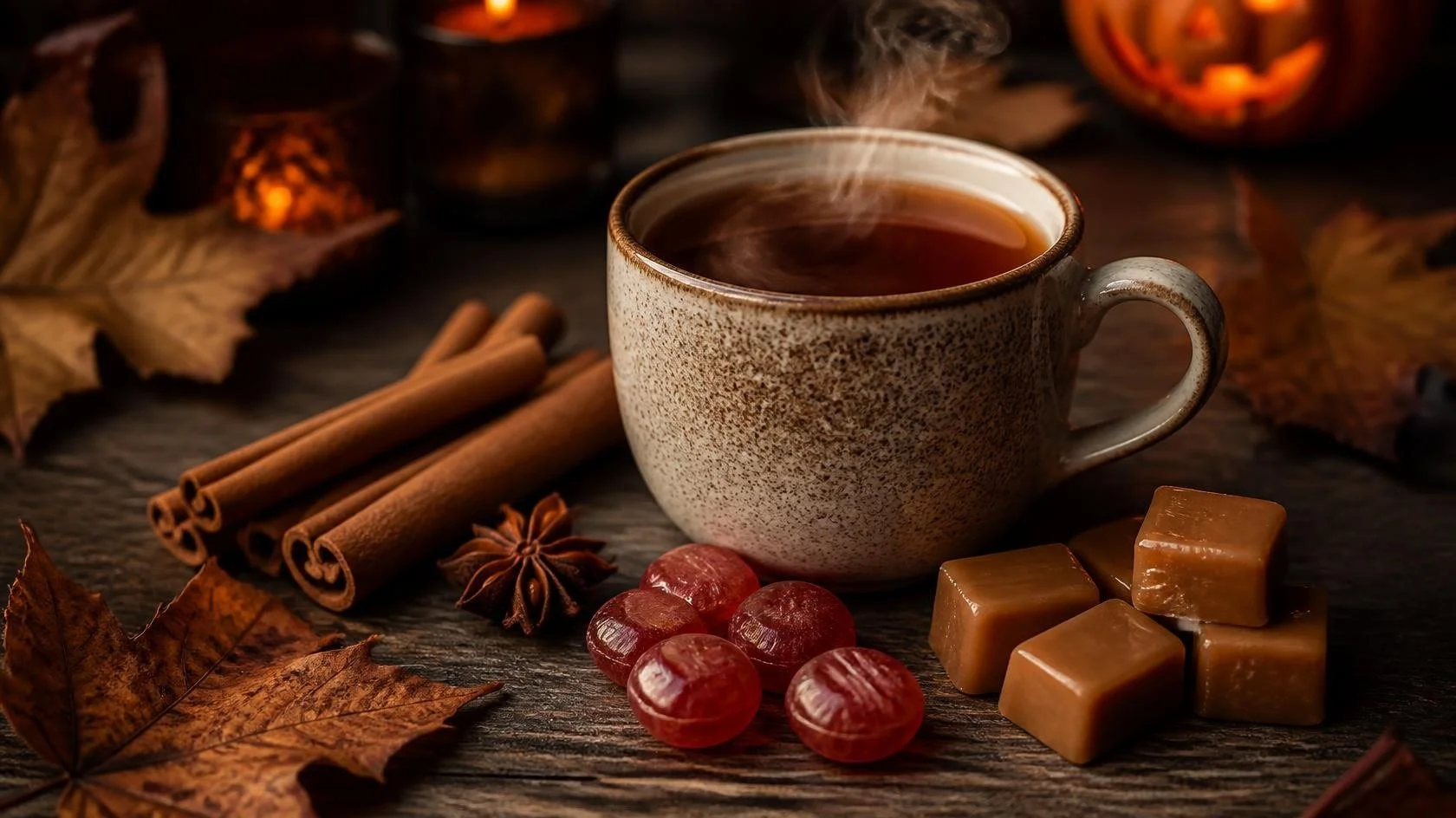
Spiced chai with cinnamon candies

Spicy cinnamon candy and Masala Chai

Hot cinnamon fireballs and red cinnamon chews need a partner that already speaks spice. Masala Chai is a full-bodied black tea with South Indian masala spices: ginger, cardamom, coriander, cinnamon, cloves, and black pepper. The ginger-cardamom finish matches that candy heat instead of getting steamrolled by it.

Turn the bag upside down a few times first (the powdered spices settle). Use 1 heaping teaspoon per cup, steep 5–10 minutes, then add warm milk and a touch of sugar. Samples are available.

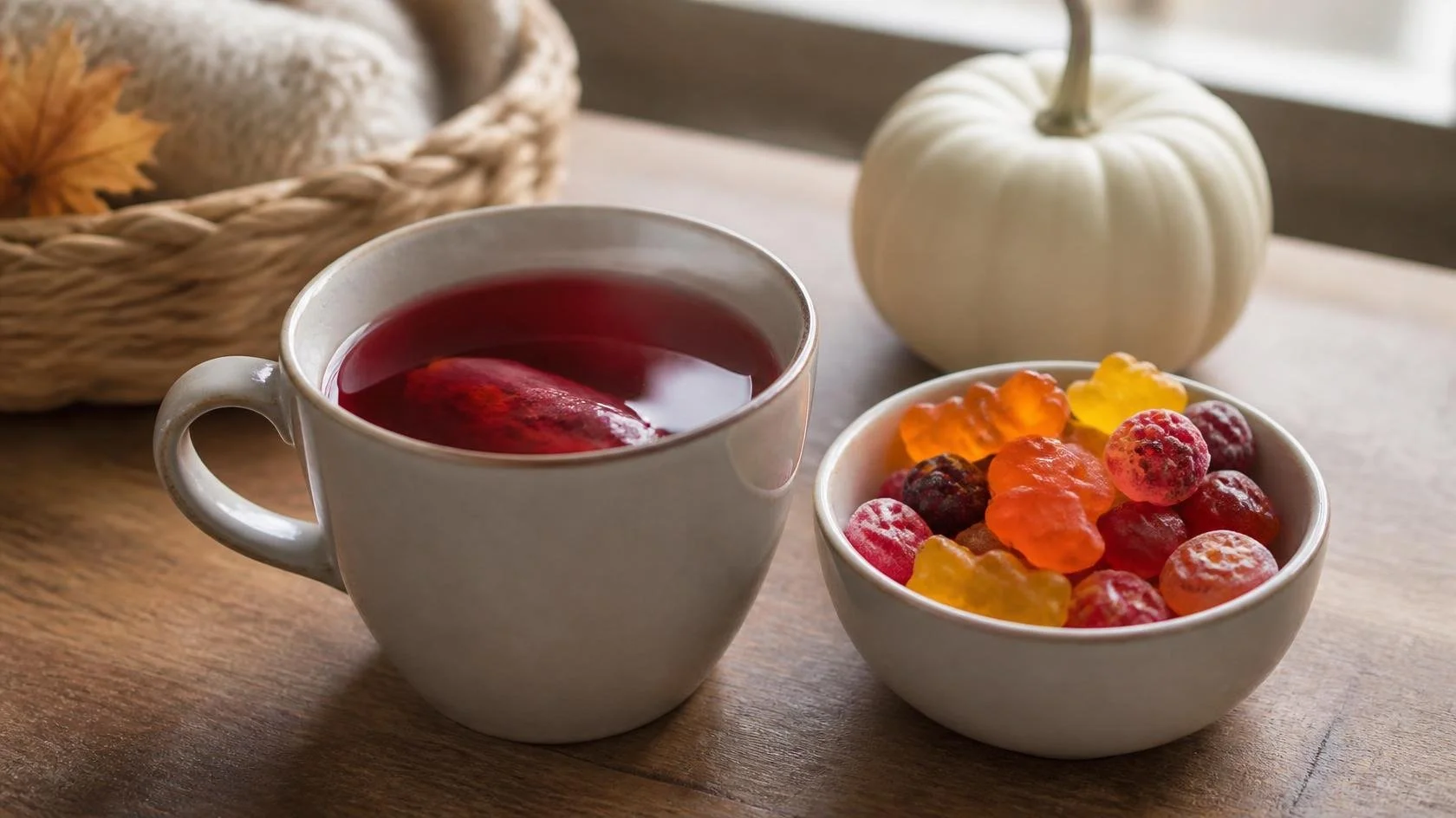
Berry tea with fruit candies

Fruity chews and Very Berry

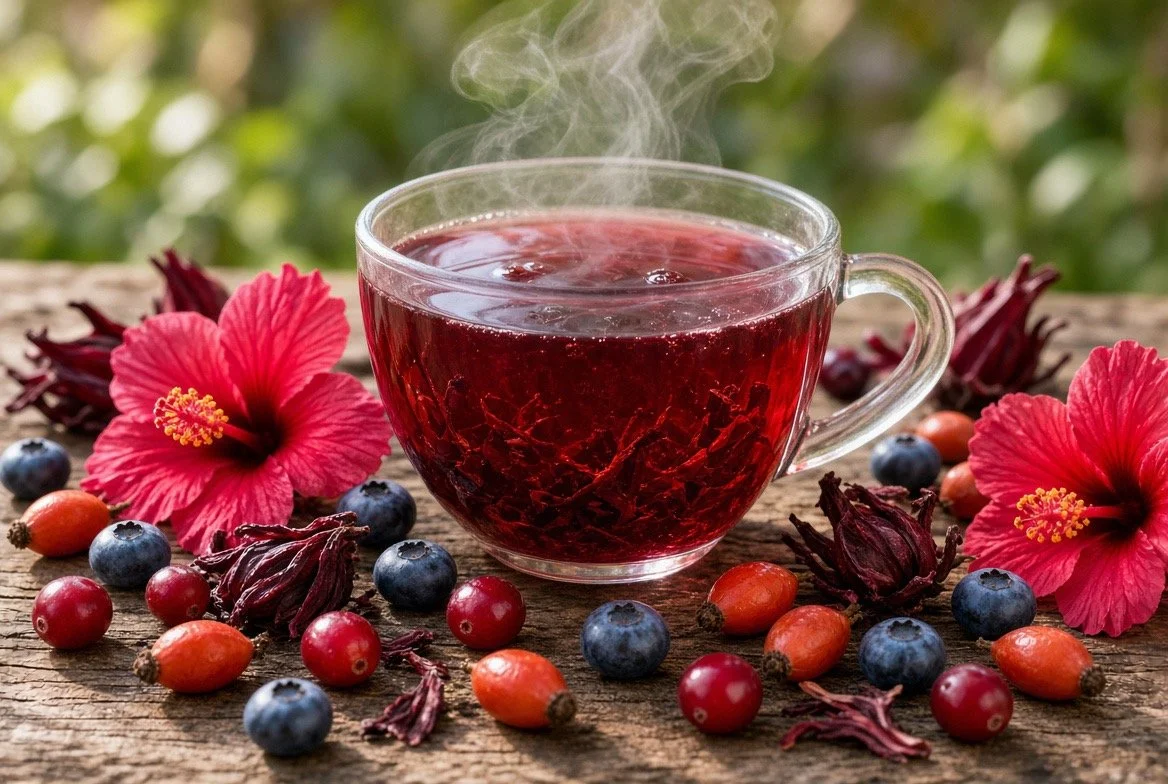
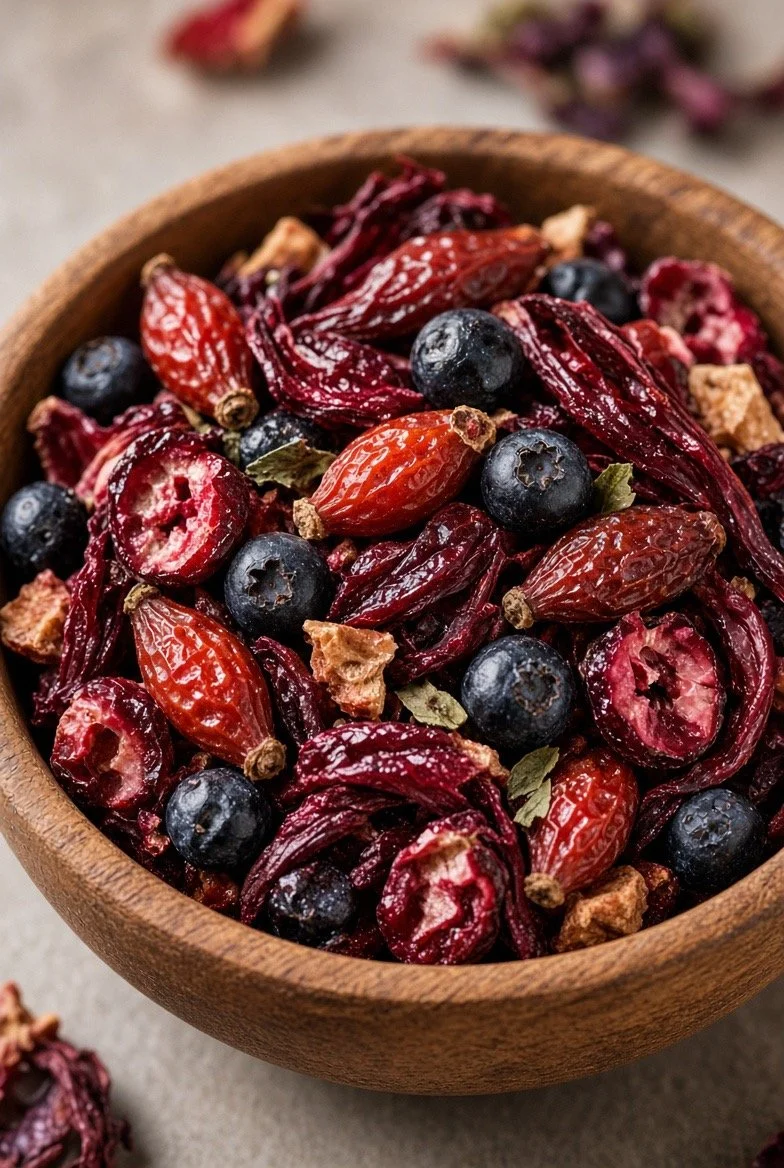
Gummy bears, fruit snacks, and berry hard candies can taste thin next to black tea. Reach for Very Berry instead: rose hips, hibiscus, cranberries, blueberries, and natural forest-berry flavor. It is naturally caffeine-free, with no added sugar, and it brews into a deep red cup that tastes like fruit punch.

Use 2 teaspoons per cup, boiling water, steep 5–10 minutes. Kids can join this round. Samples are available, and it makes a great iced pitcher if you are hosting.

After the sugar rush: Sleep Well

When the porch light is off and the leftover candy is in a sealed container (yes, hide it from yourself), wind down with Sleep Well. It is our own caffeine-free blend of chamomile, peppermint, lemongrass, and green rooibos. Soft, floral, lightly minty, with a gentle lemon lift.

Use 1–2 teaspoons per 8 oz of boiling water, steep 5–7 minutes. A drop of honey is optional. Samples are available.

A few pairing tips that always help

  • Brew a little stronger than usual when you are eating sweet candy. Sugar softens the tea.

  • Alternate sip and bite. Let the tea clear the palate before the next piece.

  • Keep caffeine earlier in the evening if the kids (or you) still need to sleep.

  • Store opened candy airtight, and keep tea in an airtight tin away from light, air, moisture, and heat so both stay tasting like themselves.

Quality loose leaf at everyday prices has been our approach since 2006, from our Tea Zone days in Boston to our shop in Somerville. Whether your bowl is mostly chocolate or mostly mystery fruit, there is a cup that makes the haul more fun.

Happy Halloween, and happy steeping from all of us at Beantown Tea & Spices.

Tea Leaves and Barmbrack: How Tea Became Part of Halloween Fortune-Telling

Long before trick-or-treating caught on, Halloween was a night for parties, autumn treats, and trying to peek into the future. And in many homes across Ireland, Britain, and America, the most important prop for that fortune-telling was something already on the table: a pot of tea.

This week, as the leaves turn and jack-o'-lanterns start appearing on Boston stoops, we're looking back at three old traditions that tie tea to Halloween night.

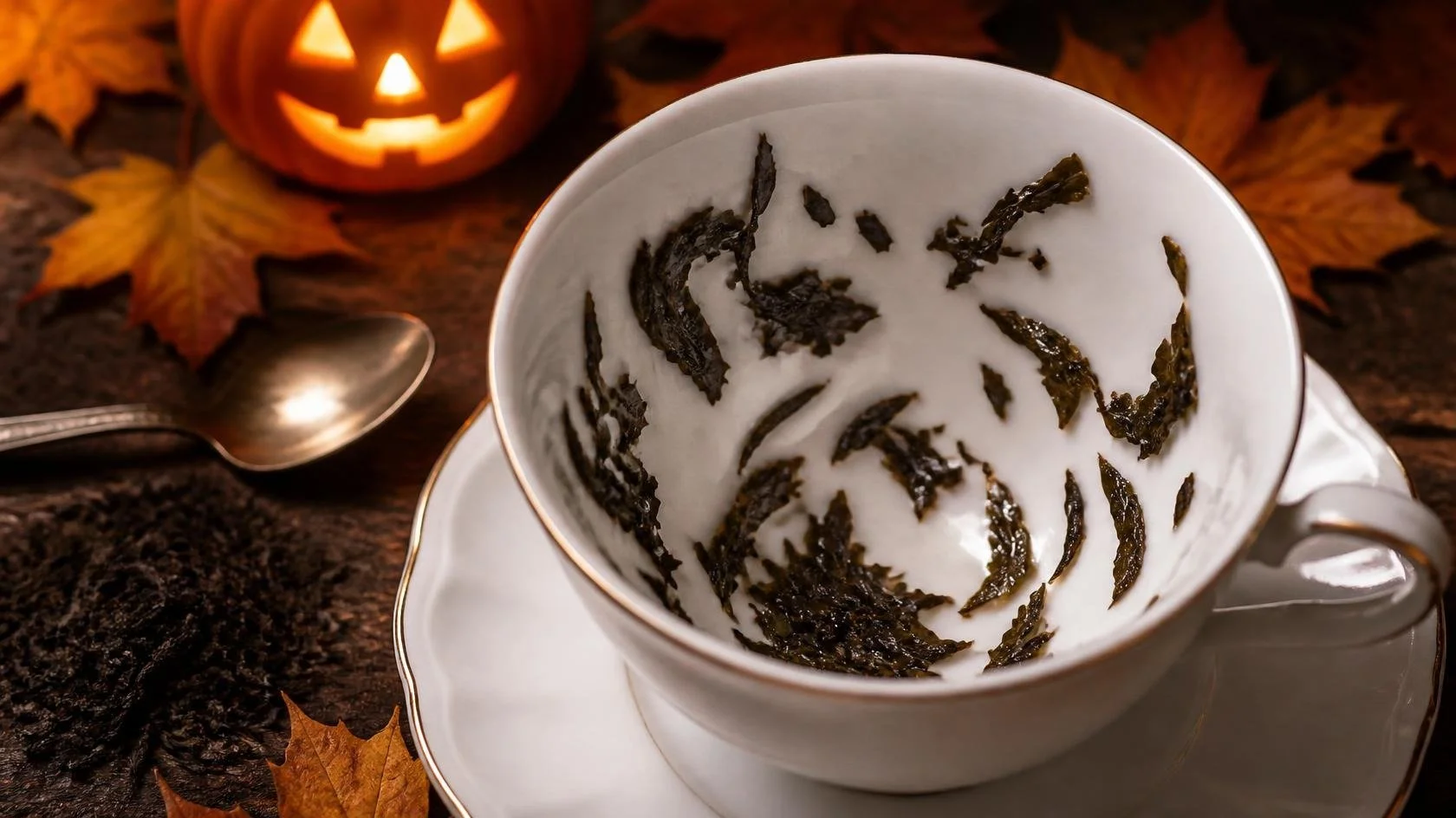
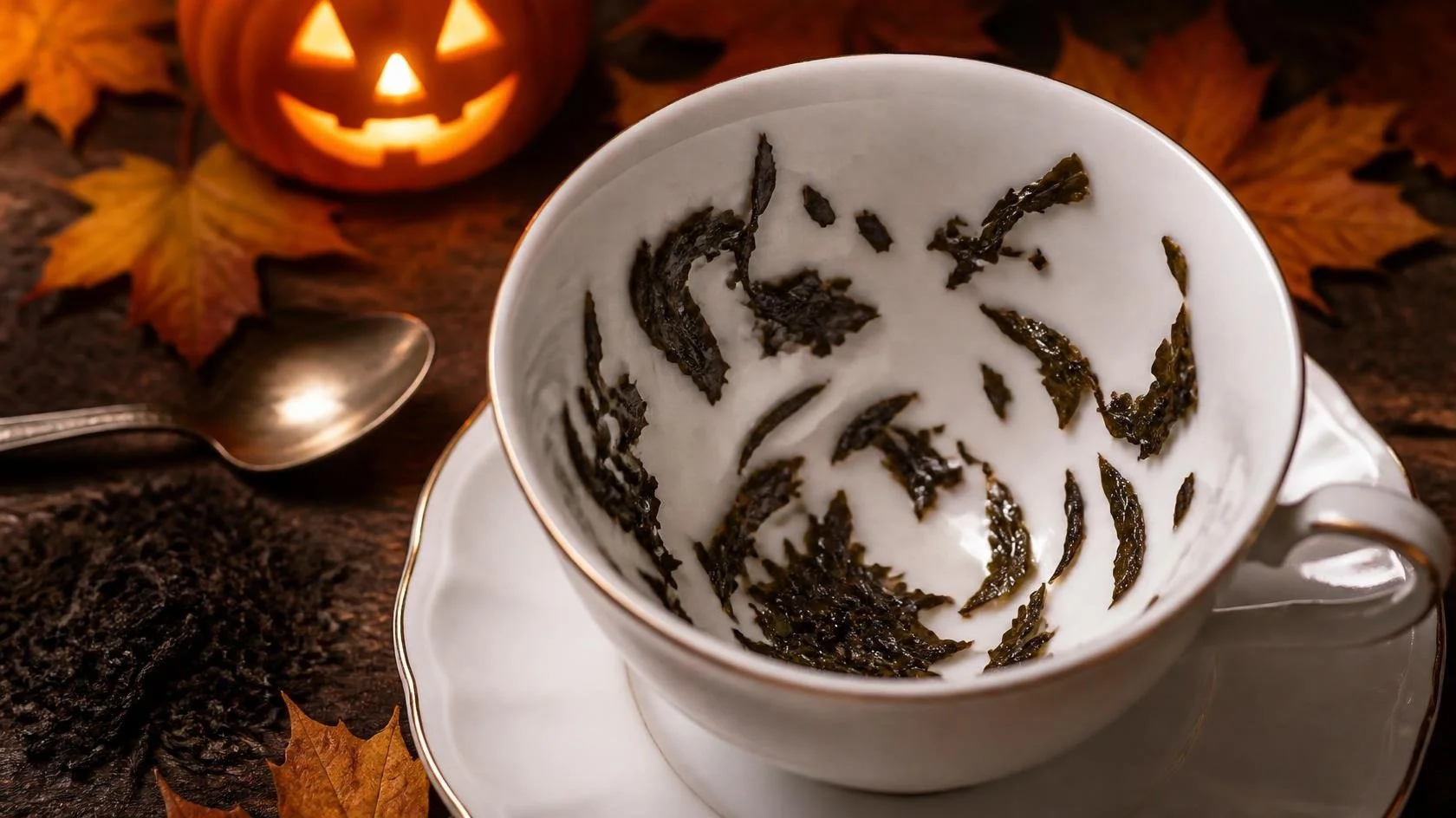
Teacup with loose tea leaves left inside for tea-leaf reading, beside a glowing jack-o'-lantern


Reading the leaves: a brief history of tasseography

Tea arrived in Britain from China in the mid-1600s as an expensive luxury. As trade grew and prices fell, it became an everyday drink for ordinary households, and the leftover leaves at the bottom of the cup took on a new life. Reading the shapes those leaves formed, a practice called tasseography, became a popular way to tell fortunes. According to NPR's history of the practice, it offered a much simpler alternative to older divination methods that involved molten lead or hot wax.

The oldest English-language book on the subject, Reading Tea Leaves by a writer calling themselves "a Highland Seer," described generations of Scottish "spae wives" (from an old Norse word for prophecy) peering into teacups to see what was coming. The Victorian era was the practice's real heyday. A reader would have the drinker swirl the last bit of tea three times, turn the cup upside down on the saucer to drain, and then study the leaves left clinging inside. Leaves near the rim were said to point to the near future, and those near the bottom to events further off.

By the early 1900s, porcelain makers in England and the United States were even selling "fortune-telling cups," painted inside with zodiac signs, playing cards, or symbols, so that anyone could read a fortune by noting where the leaves landed. Atlas Obscura notes that in the 1920s, fortune-telling tearooms offering leaf readings sprang up in cities.

The Halloween tea party

In the late 1800s, Halloween in America was mostly a holiday for parties, often for adults, filled with fall foods and games meant to forecast the future, especially romance. The New-York Historical Society notes that reading tea leaves was a favorite at Halloween parties of that era, alongside games like peeling apples and dropping melted lead into water (a game we strongly suggest you skip).

Some hostesses built a whole evening around it. In 1898, the Western Mail described a "candlelight tea" for sixteen young women, with a parlor decorated in autumn leaves, fruit, nuts, ears of corn, and jack-o'-lanterns lined along the mantel. Guests found hand-painted fortune cards at each place setting. One popular tea game of the time: balance a dry spoon on the rim of your cup, then drip tea into it from a second spoon until it tips. Each drop was said to stand for one year until your wedding.

Barmbrack: Ireland's tea-soaked Halloween bread

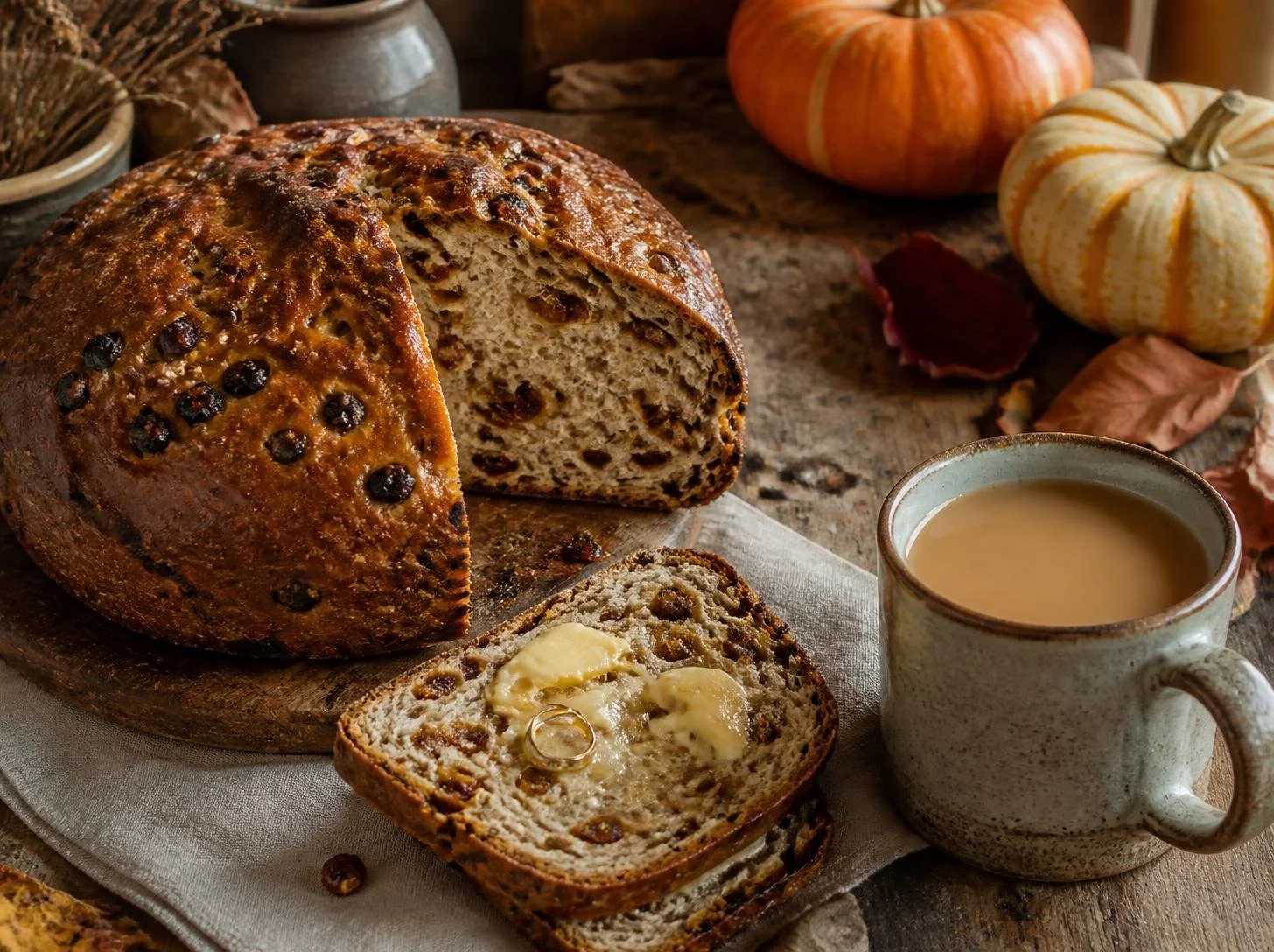
In Ireland, the fortune-telling happened in a slice of bread. Báirín breac, usually called barmbrack, is a sweet loaf studded with dried fruit; the name means "speckled loaf." Irish families have baked it on the eve of Samhain, October 31, for generations, and the fruit is traditionally soaked in strong tea (and sometimes a splash of whiskey) before baking.

The fun was in what was hidden inside. According to the National Museum of Ireland and Ireland's official tourism sites, a barmbrack might hold several small charms, each with a meaning for whoever found it in their slice:

  • A ring meant you would marry within the year.

  • A coin meant wealth and good fortune.

  • A pea meant no wedding that year.

  • A bean meant good fortune, but without riches.

  • A rag meant hard times or bad luck.

  • A stick meant a quarrelsome marriage.

Today, most shop-bought barmbracks hold just a ring, but plenty of families still bake the full set at home. And if you've ever had a slice, you know it's best served toasted, buttered, and with a strong cup of tea alongside.

Brew your own Halloween traditions

You don't need a crystal ball to bring a little of this history to your table this October. A few of our teas fit right in:

  • Irish Breakfast: Our robust blend of Assam and Kenya black teas is strong enough to stand up to milk and sugar, which makes it a natural partner for a buttered slice of barmbrack. Brew a strong pot and use the leftovers to soak your dried fruit, the way Irish home bakers have done for generations.

  • China Black Tea: Want to try reading the leaves? Brew a loose-leaf tea right in the cup without a strainer, then leave a little liquid at the bottom, swirl, and turn the cup over. This smooth, slightly malty classic is a pleasant cup to linger over while you wait to see what shapes appear.

  • Pumpkin Spiced Tea: Ceylon black tea with cinnamon, ginger, cloves, and cardamom tastes just like the autumn parlors those Victorian hostesses decorated.

  • Apricot Cinnamon: A caffeine-free choice so the whole family can join in on Halloween night.

Hosting friends this month? Our Autumn Harvest Tea Box brings together a selection of fall favorites, perfect for setting out at your own candlelight tea.

Whatever you find at the bottom of your cup this Halloween, we hope it's a cozy evening and a good brew. Happy Halloween from all of us at Beantown Tea & Spices!

Sources

Spiced Chai for Crisp October Nights

Halloween week always sneaks up on me. One minute the leaves are just starting to turn, and the next I'm looking for a mug that feels a little warmer, a little spicier, and still easy on the wallet.

That's when I reach for our Spiced Chai.

Steaming mug of spiced chai with autumn leaves

What makes this blend different

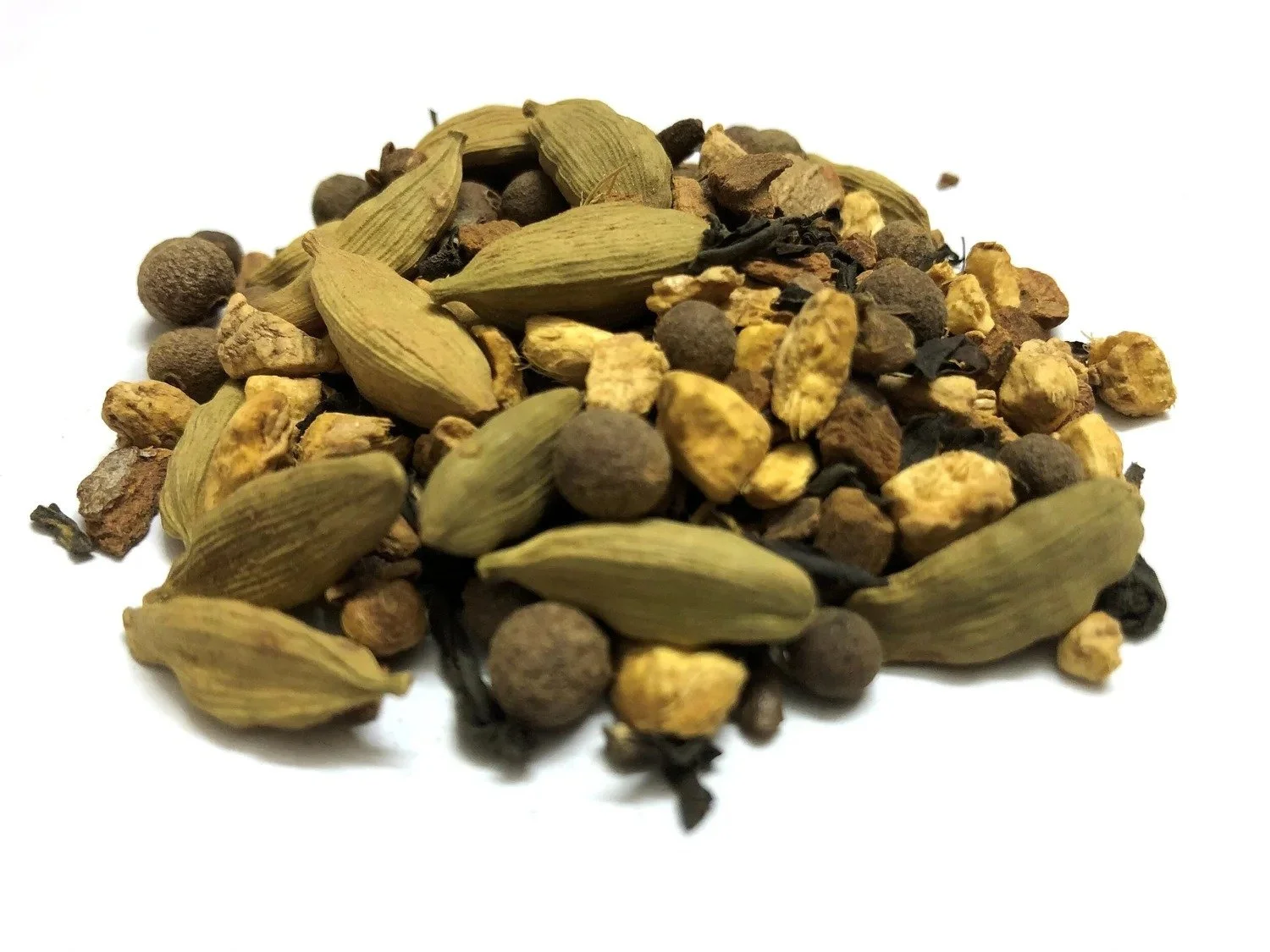
This is a full-bodied black tea blended with seven classic spices: cinnamon, ginger, green cardamom pods, allspice, cloves, and black pepper. It brews into a warm cup with a gentle peppery kick, aromatic without tasting artificial.

If Masala Chai is the one you already know from our shop, Spiced Chai sits right beside it with a little more allspice and that black-pepper finish. Excellent hot, and it holds up iced if a warm October afternoon shows up again.

Samples start at $2.95, so you can try it before you commit to a bigger bag. Same idea we've always had: quality loose leaf at prices that make sense for everyday drinking.

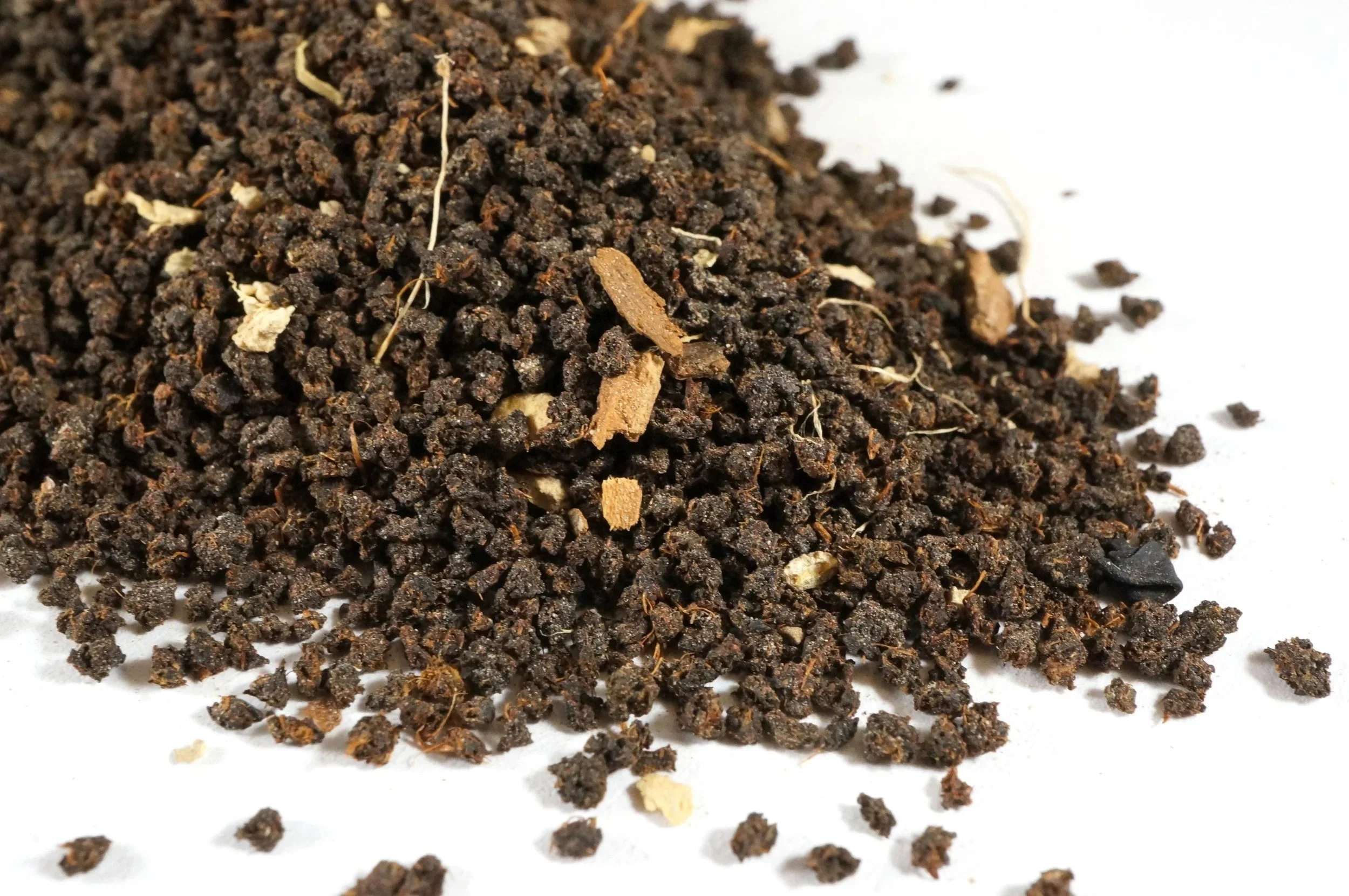
Spiced Chai loose leaf blend of cardamom pods, black tea, cinnamon, ginger, and allspice

How we brew it at home

Turn the bag upside down a few times first. The powdered spices like to settle at the bottom.

For each 8 oz cup:

  • Use 1 heaping teaspoon of Spiced Chai

  • Pour freshly boiled water (212°F / 100°C) over the leaves

  • Steep 4–5 minutes (go longer if you want more spice)

  • Add warm milk and a touch of honey or sugar to taste

Pair it with oatmeal cookies, apple pie, or just a quiet porch minute while the kids are out trick-or-treating. Around here that counts as a solid October plan.

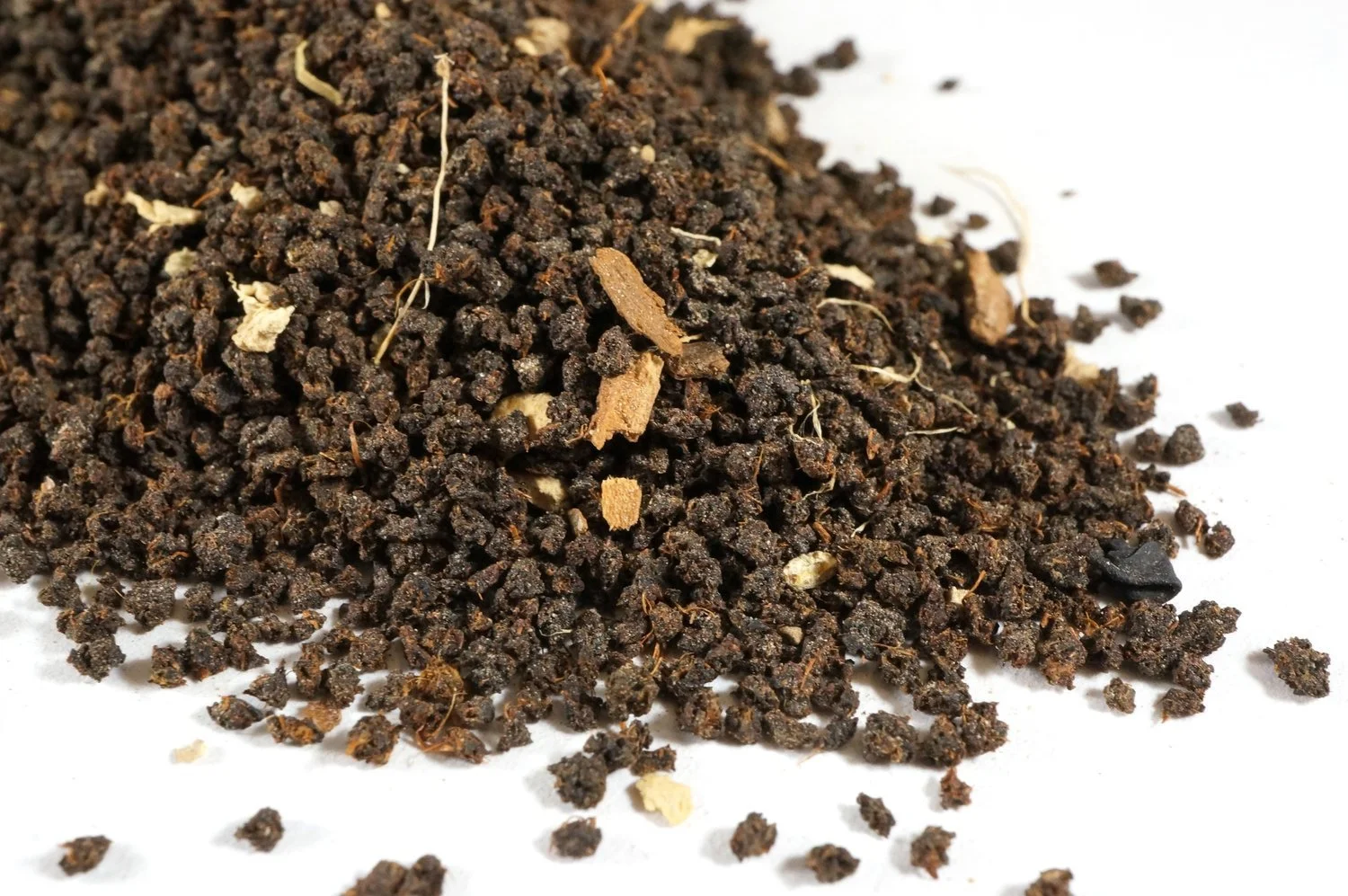
Masala Chai loose leaf black tea blend with warming spices

More cozy chai if you want options

Browse the full chai selection for Masala Chai, Vanilla Chai, and the rest of the lineup. Grab Spiced Chai when you want that peppery fall cup ready for the kettle.

Happy steeping from all of us at Beantown Tea & Spices.

Three Cozy Fall Tea Lattes You Can Make at Home

Mornings get crisp fast now, and the evenings come earlier every day. A homemade tea latte is about the easiest comfort I know of, and you can pour one for yourself.

We are picky tea drinkers here, and we care about good leaf that doesn't cost a fortune. These are three latte recipes we reach for all autumn. You don't need a café line for any of them, just loose leaf, hot water, and the milk you like.


1. Pumpkin Spice Tea Latte

Start with our Pumpkin Spiced Tea: premium Ceylon black tea with cinnamon, ginger, cloves, cardamom, marigold flowers, and natural pumpkin flavor. It is the first blend I grab once the leaves start turning.

For each cup:

  • Use 1 heaping teaspoon of loose leaf

  • Pour freshly boiled water (212°F / 100°C) over the leaves

  • Steep 3–5 minutes, then strain

  • Froth or warm about ½–¾ cup milk (dairy or plant-based) and pour it over the tea

  • Sweeten lightly with maple syrup or honey, and dust with cinnamon if you like

If you want the spice to hold its own against the milk, brew it a touch stronger. It is just as good in the afternoon, honestly.

2. Classic Masala Chai Latte

Our Masala Chai is a full-bodied black tea with South Indian masala spices (ginger, cardamom, coriander, cinnamon, cloves, and black pepper). You can taste the ginger and cardamom right at the finish.

Hot chai method (from how we brew it in-house):

  • Bring fresh water to a rolling boil

  • Use 1 heaping teaspoon of chai per cup

  • Steep 5–10 minutes (at least 7 for a true chai taste)

  • Prepare your cup with a little sugar and about 20% milk by volume, then pour in the strained chai

Like it creamier? Brew the chai as usual and top it with steamed milk, just like a latte. Craving vanilla with the same spice? Try our Vanilla Chai the same way. Browse the full chai selection if you are hunting for a new favorite.

3. Homemade London Fog

A London Fog is really just Earl Grey with steamed milk and a hint of vanilla sweetness. Our Cream Earl Grey (also known as Earl Grey de la Crème) was made for exactly this. It is Ceylon black tea with bergamot, rounded out by smooth vanilla and soft cream, with blue cornflower petals.

Per 8 oz cup:

  • Use 1 teaspoon of Cream Earl Grey

  • Steep in freshly boiled water for 3–5 minutes

  • Strain into your mug

  • Add steamed milk and a small splash of vanilla syrup or a drop of vanilla extract with a touch of honey

The vanilla is already in the leaf, so you won't need much sweetener. It makes a quiet, elegant cup for slow mornings or a late-afternoon reset.

A few latte tips that always help

  • Brew a little stronger than you would for black tea, since milk mellows the cup.

  • Fresh water matters. Reboiled water can taste flat.

  • Keep loose leaf in an airtight container, away from light, air, moisture, and heat, so the flavors stay bright.

  • Want to try a blend first? Samples start at just $2.95, well before you commit to a larger bag.

Pumpkin-spiced, classic chai, or London Fog, it's all quality tea at prices that won't make you wince. That's the same approach we've followed since our Tea Zone days in Boston.

Warm up the milk, pick your favorite, and let the season feel a little cozier. See you in the next post, and happy steeping from all of us at Beantown Tea & Spices!

Cream Earl Grey: A Smooth, Vanilla-Kissed Classic

If you love traditional Earl Grey but sometimes wish it were a little softer and more indulgent, our Cream Earl Grey (also known as Earl Grey de la Crème) is the blend you’ve been waiting for.

This is classic Earl Grey with a softer side. Premium Ceylon black tea gets bright, aromatic bergamot, then a gentle rounding of smooth vanilla and soft cream. You still get the citrus you love, with a velvety, dessert-like finish. Those blue cornflower petals are a nice touch in every scoop.

What you’ll taste

The vanilla comes through first, sitting right above the bergamot, with just a hint of cream underneath. It is a smooth, refined cup that goes nicely with breakfast or a few quiet minutes to yourself.

The details

•  Origin: Sri Lanka

•  Grade: OP (Orange Pekoe)

•  Altitude: 4,800–7,600 ft

•  Infusion: Bright and coppery

•  Ingredients: Ceylon black tea, cornflower petals, natural flavors

How to brew it at home

Per 8 oz of water:

Use 1 teaspoon of loose leaf and bring fresh water to a full boil (212°F / 100°C). Pour it over the leaves and steep 3–5 minutes. Go shorter for a lighter cup, or longer if you like more body.

It is lovely black, with a splash of milk, or turned into a homemade London Fog. It is also great iced on warmer days.

Sizes run from a $2.95 sampler (about 5 cups) up to 1 lb (200 cups). Whether you’re restocking your favorite or trying it for the first time, this is one of our most-loved flavored black teas.

Shop Cream Earl Grey now → beantowntea.com/black-tea-products/cream-earl-grey

Browse more of our Black Teas or explore the full collection at Beantown Tea & Spices.

Pour yourself a cup that feels classic and a little luxurious, or pass one along to someone you love. Happy steeping from all of us at Beantown Tea & Spices!

Beantown Tea
Why Pumpkin Spiced Tea Belongs in Your Autumn Ritual

The first real chill in the air sends me straight to the kettle, and a steaming mug suddenly feels like a hug.

Around here, October is when we start reaching for bold, warming blends that cut through crisp mornings and early evenings, whether you live in Greater Boston or somewhere far from it.

At Beantown Tea & Spices, we want quality teas at the right prices, carefully sourced and, in many cases, blended by us. Today I'm talking about one of our favorite fall standouts: Pumpkin Spiced Tea.

Why This Blend Shines in Fall

This is a cup built for fall and winter. The base is premium Ceylon black tea, and then we blend in classic pumpkin spices (cinnamon, ginger, cloves, and cardamom), along with marigold flowers and natural pumpkin flavor.

What you get is smooth and aromatic, comforting without being overly sweet or artificial. Think of it as autumn in a mug: spicy, a little sweet, and satisfying.

Start a crisp fall or winter morning with a pumpkin spice tea latte, or enjoy it black or with a splash of milk in the afternoon. It's one of those blends that still feels special each time you brew it.

Ingredients: black tea, cinnamon, ginger, cloves, cardamom, marigold flowers, and natural pumpkin flavor.

loose leaf

How We Like to Drink It

• Straight-up: 1 heaping teaspoon per cup, freshly boiled water, 3–5 minutes. It shines all on its own.

• As a latte: Brew it a bit stronger, then add steamed milk (dairy or plant-based) and a touch of maple or honey. Dust with cinnamon if you're feeling fancy.

• Iced: It works beautifully over ice, which comes in handy on those warm October afternoons that still sneak in.

Because it's loose-leaf and 100% natural, you decide how strong it gets. No artificial flavors, no filler. Just good tea.

Want It in Your Routine?

Pick up our Pumpkin Spiced Tea here:

Pumpkin Spiced Tea (from $10.95)

We're picky about tea ourselves, and this is a blend we keep coming back to every autumn. Grab a bag, brew a cup, and let the season settle in.

Until next time,

The Beantown Tea team

Beantown Tea
Bursting with Berry Goodness: Meet Our Very Berry Fruit Blend

Want a caffeine-free tea that tastes like pure fruit punch? Meet our Very Berry herbal blend does exactly that. It is bright, refreshing, and rich in antioxidants, and kids and adults both love it. Make it your everyday favorite, whether you sip it hot on a crisp fall morning or pour it over ice on a sunny afternoon.

What Makes Very Berry Special?

Very Berry is a fruit-and-herb tisane, so there are no tea leaves in it. It is made with rose hips, hibiscus, cranberries, blueberries, and natural forest berries flavor. There is no caffeine and no added sugar or sweeteners, just straight berry taste. It is naturally rich in vitamins and antioxidants, which makes it a wholesome swap for sugary drinks.

The name says it all: bold, juicy, and “very berry.” Pour a cup and you will get a deep red, burgundy-colored brew that balances sweet and tart nicely. It tastes like a fresh berry fruit punch, and it is great hot or iced.

How to Brew It Perfectly

Hot method (per 8 oz cup):

For an 8 oz cup, use 2 teaspoons of the fruit mix. Pour boiling water over it, steep 5–10 minutes, and strain. Drink it as is, or stir in a touch of honey or sugar if you like it sweeter.

Iced method (for 1 liter / 1 quart):

For a 1 liter (quart) batch, use 10–12 teaspoons of tea. Pour 1¼ cups of freshly boiled water over the leaves and steep 5–10 minutes. Strain into a pitcher that is already a quarter full of cold water, add ice, top with more cold water, and garnish. Sweeten to taste. It makes a great fridge staple for the whole family.

Iced Very Berry fruit tea

Why You’ll Love It

• Naturally caffeine-free, so it works any time of day or evening

• A fruit-punch taste the kids will love, without the sugar crash

• Makes excellent iced tea that stays refreshing in the fridge

• All-natural ingredients that bring vitamins and antioxidants

• Starts at just $2.95, so it is easy on the wallet

Shop Very Berry here → Very Berry Fruit Blend

Whether you need a caffeine-free after-school drink for the kids, a calm evening sip, or a colorful pitcher for guests, Very Berry has you covered. Stock up now and keep that berry goodness going all season long.

Visit beantowntea.com for our full range of herbal and fruit blends. Grabbing a sampler pack with Very Berry in it is an easy way to try it alongside our other favorites.

Do you like Very Berry hot with honey or iced with a squeeze of lemon? Share your favorite way to enjoy it with us on Instagram @beantownteaspices!

Happy steeping!

Beantown Tea
Cozy Up This Fall: Why Masala Chai (and a Strong Irish Breakfast) Belong in Your Autumn Ritual

The first real chill of the season makes me reach for the kettle, and a hot mug suddenly feels like a hug. Around here, October is when we start craving bold, warm blends that cut through the crisp mornings and early evenings, whether you live in Greater Boston or somewhere else. At Beantown Tea & Spices, we want quality teas at the right prices, carefully sourced and, in many cases, blended by us. Today’s daily tea note is about leaning into the season with two of our standouts: classic Masala Chai and robust Irish Breakfast.

Why Chai Shines in Fall

Masala Chai is one of our bestsellers, and once you taste it, the reason is obvious. It’s a full-bodied black tea base layered with South Indian masala spices: ginger, cardamom, coriander, cinnamon, cloves, and black pepper. Lively ginger and cardamom notes come through on the finish. Brew it traditionally with milk (or add warm milk after steeping) and a bit of sweetener, and you get a thick, aromatic, comforting cup that tastes like the season itself.

We also offer Vanilla Chai (creamy Madagascar vanilla that dances with those same Malabar Coast spices), Spiced Chai, a caffeine-free Rooibos Chai, and a pure Indian Chai Spice Mix you can blend with your favorite tea or even coffee. Every one of these is a proprietary or carefully chosen blend we stand behind, since our team is full of picky tea drinkers who sample everything more than once.

Quick brewing tip for true chai flavor:

Use 1 heaping teaspoon per cup and boiling water, then steep 5–10 minutes (at least 7 for the real deal). Prepare your cup with sugar and about 20% milk by volume, then pour the chai in. It also makes excellent iced chai when the Indian summer days hang on.

Start the Day Strong with Irish Breakfast

For those cooler mornings when you need something malty and robust to get going, reach for our Irish Breakfast. It’s a CTC (cut, tear, curl) blend of Assam and Kenya black teas: full-bodied and deeply malty from the Assam, with rich flavor from the Kenya leaf. CTC processing creates tiny pellets that deliver more strength and a bolder cup, which is why it shines with milk (the casein softens the tannins). A perfect “cheer-you-up” tea.

Country of origin: India and Kenya. Grade: BOP/BP1. Enjoy it with milk, the way a classic Irish breakfast tea should be.

A Few Seasonal Pairing Ideas

• Morning ritual: Irish Breakfast with a splash of milk, alongside a simple breakfast.

• Afternoon wind-down: Masala or Vanilla Chai, perhaps with a cookie or a square of dark chocolate.

• Evening option: Swap in one of our herbal blends (Sleep Well, Vanilla Rooibos, or Throat Soother) to keep the cozy feeling without the caffeine.

• Gift or share: Grab a sampler pack or the Holiday Tea Lover’s Box. They are a great way to introduce friends to the green, black, white, chai, and herbal teas we carry.

Keep any tea tasting its best by storing it in an airtight container away from light, air, moisture, and heat. Freshness matters, and we source and taste-test carefully so what you receive is ready to shine.
Whether you remember us from the old Tea Zone days in Boston or you’re just finding us now, these fall cups are what we love sharing: the calm, harmonious feeling of a really good tea at an everyday price.

Ready to stock up? Browse our chai selection, black teas, and sampler packs at beantowntea.com. Tag us in your autumn tea pics on Instagram @beantownteaspices. We love seeing how you enjoy them.

Until next time,

The Beantown Tea & Spices Team

Green Tea and Anti-Aging: What EGCG Actually Does

Spring days finally feel real again, and once the weather warms up we drink a lot more tea just to stay hydrated. Customers ask us all the time what tea is actually good for, and green tea comes up more than anything else. Here is the version we share in the shop about green tea and aging — clear, careful, and without the fluff.

A note before we go further: tea is a food and a beverage, not a treatment. Nothing in this post is medical advice, a diagnosis, or a substitute for care from a qualified clinician. The information here is for general education only. Always talk with a healthcare provider about your own health questions, and never delay medical care because of something you read about tea. Tea is not intended to diagnose, treat, cure, or prevent any disease.

Antioxidants, free radicals, and why green tea shows up in this conversation

Antioxidants are compounds that help neutralize free radicals — unstable molecules that can damage cells when they build up faster than the body can handle. That imbalance is often called oxidative stress, and it is one of the processes researchers study when they talk about cellular aging.

Green tea is rich in plant compounds called polyphenols, especially a family of them known as catechins. The best-studied catechin in green tea is EGCG (epigallocatechin-3-gallate). EGCG is a big reason green tea keeps appearing in research on inflammation, oxidative stress, and cellular health.

Green tea is especially interesting here because the leaves are heated soon after harvest to stop heavy oxidation. That keeps more of the natural catechins intact compared with fully oxidized black tea.

What research suggests (and what it does not prove)

Scientists have looked at green tea catechins for decades. The areas that come up most often in conversation about aging include:

  • Inflammation: Some studies suggest green tea polyphenols may help lower markers of inflammation. Chronic, low-grade inflammation is one of the themes that shows up in aging research, which is why people connect the dots — carefully.

  • Oxidative stress: Catechins can help mop up free radicals in lab work and in some human studies. That is the core antioxidant story behind many "anti-aging" headlines.

  • Cellular and DNA research: Early and ongoing work explores whether green tea compounds support the body's own repair systems and help protect cells from certain kinds of damage. This area is interesting, but it is not the same as proving tea prevents disease.

You will also see green tea extract in some skincare products. Drinking tea and applying extract to skin are different uses, so do not treat them as interchangeable. Lab or topical findings do not automatically mean a cup of tea will do the same thing.

What we do not claim: green tea stops aging, erases wrinkles, cures disease, or replaces healthy sleep, food, movement, and medical care. Some population studies report associations between regular green tea drinking and better health markers. An association is not proof that tea causes those outcomes, and results vary from study to study.

People also ask about metabolism, heart health, and weight. Catechins and caffeine together may give a modest metabolic nudge in some research, and observational studies have linked green tea habits with better cholesterol and cardiovascular markers. Lifestyle always matters too, and no cup is a shortcut.

How to brew green tea so you actually enjoy it

If the goal is a good daily habit, brewing matters more than chasing miracle claims. Bitter, astringent green tea usually means the water was too hot or the steep ran too long.

A practical starting point (per 8 oz):

  • Use about 1 teaspoon of loose leaf

  • Water around 160–180°F (70–80°C), depending on the tea — Japanese greens often prefer the cooler end

  • Steep 2–3 minutes, then taste and adjust

  • Store tea airtight, away from light, air, moisture, and heat

Nutty, sweet, grassy, or vegetal notes should lead — not bitterness.

Greens we like to put in the cup

If you want to explore our shelf:

  • Sencha: a classic everyday Japanese green

  • Dragonwell (Long Jing): a smooth Chinese green with a gentle chestnut note

  • Genmaicha: green tea with toasted brown rice for a nutty, approachable cup

Browse the full green tea selection to compare styles and find what you like.

The short version: a lot of the interest in green tea and aging comes back to antioxidants — especially EGCG — and how they relate to inflammation and oxidative stress. Brew a cup you actually enjoy, drink it regularly if you like it, and treat the health headlines with a little calm. Happy steeping from all of us at Beantown Tea & Spices.

Beantown Tea
Genmaicha: Japanese Green Tea with Toasted Rice

If you want a green tea that does not taste like every other green tea on the shelf, start with Genmaicha. It is a traditional Japanese blend of green tea leaves and fire-toasted brown rice, and the cup comes out nutty, aromatic, and genuinely satisfying.

At Beantown Tea & Spices, Genmaicha is one of those everyday greens people finish faster than they expect. Here is what it is, where it comes from, and how we like to brew it.

What Genmaicha is

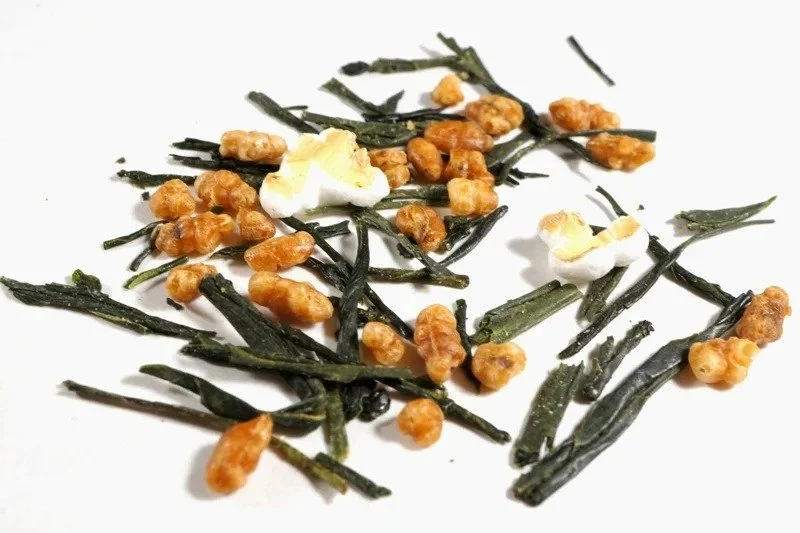
Genmaicha (玄米茶) pairs Japanese green tea with roasted brown rice (genmai). Scoop it and you will see the story in the tin: green leaves mixed with small pieces of toasted rice, some of which pop during firing like tiny popcorn kernels — which is why you will sometimes hear it nicknamed "popcorn tea."

Our Genmaicha uses a high-grade Sencha and Gyokuro green tea base from Shizuoka Prefecture. The leaf keeps the fresh, vegetal character of Japanese green tea; the rice softens the edges and adds warmth.

A thrifty blend that earned its place

Genmaicha is often described as the tea of thrifty households. A widely told account says Japanese families added toasted rice to stretch their tea further when leaf was expensive, and the combination became a beloved drink in its own right — especially through the early twentieth century.

A popular folk legend tells a different story: a servant named Genmai accidentally dropped rice into his master's tea and gave the drink its name. The legend is charming but undocumented. Either way, what began as a practical blend is now enjoyed on its own merits, not as a compromise.

What it tastes like

The roasted rice does a lot of the personality work. It brings a nutty flavor, a bakey warmth, and a hint of natural sweetness. That is why Genmaicha works so well for people who find plain green tea a little sharp or grassy.

In the cup you should get a light golden liquor with:

  • Toasty, nutty aroma

  • Soft green-tea freshness underneath

  • A gentle, almost chewy finish from the rice

  • A little umami complexity from the Gyokuro in our blend

It is a natural partner for Japanese meals — miso soup, onigiri, tempura, or ramen — and a mellow after-dinner tea. It is also a friendly introduction to Japanese green tea if you prefer a warm, savory cup to a bright grassy one.

How to brew Genmaicha

Keep the water below a full boil so the leaf stays sweet instead of bitter.

Per 8 oz of water:

  • Amount: 1 heaping teaspoon (about 3 g)

  • Temperature: about 180°F (175–185°F / 80–85°C)

  • Steep time: 2–3 minutes

Adjust to taste. If the cup feels sharp, cool the water a little or shorten the steep. If you want more body, add a touch more leaf.

Shop Genmaicha

Ready to try it? Visit our Genmaicha product page, or browse the full green tea selection if you want to compare Japanese greens side by side.

Whether you drink it with dinner or as a quiet afternoon cup, Genmaicha is one of those teas that earns a permanent spot by the kettle. Happy steeping from all of us at Beantown Tea & Spices.

Very Berry Fruit Tea

If fruit teas are your thing, you're going to like this one. Our Very Berry Fruit Tea is naturally caffeine free, and it's built from real berries, hibiscus, and other fruits. Open the bag and you'll smell it right away.

What I love most is the balance. Plenty of fruit teas go all sugar or all sour. This one gets it right: the berries bring a natural sweetness, the tartness comes in just behind it, and the cup ends up satisfying without getting heavy.

It also works hot or iced, so it never really goes out of season around here. A mug of it on a cold afternoon is lovely, and a pitcher in the fridge in July is even better. Since it's made from all-natural ingredients, it's a nice swap for the sugary drinks a lot of us grab without thinking.

So if you've been looking for a fruit tea that actually tastes like fruit, give our Very Berry a try. It has a way of becoming the tin you reach for first.

Blueberry White Tea

Our Blueberry White Tea is one of the gentler teas we carry, and that's exactly why people come back for it. It's a premium loose-leaf blend of quality white tea leaves and natural blueberries, delicate and fruity, and easy to drink at any hour.

The white tea at the heart of this blend is very high quality. It's harvested and processed in a way that keeps its natural sweetness and aroma intact. White tea is naturally soft and subtle, and the blueberry flavoring leans into that sweetness instead of covering it up. The two just get along.

Scoop some out and take a look. The leaves are a pretty mix of green and silver, with dried blueberries tucked in here and there. They feel fresh and almost velvety. The blueberry scent is there when you open the bag, but it doesn't shout.

You can brew it hot or chill it, so it works in January and in August. It's also low in caffeine, which makes it a good pick when you want something lighter than a black tea.

If you like your tea delicate with a little fruit, this is one to try. Good leaves, a balanced flavor, and a clean, refreshing finish. It's a quiet favorite on our shelf.

Beantown Tea
How to Make Delicious Iced Tea.

Once the weather turns warm, a tall glass of iced tea is about the best thing going. Making it is easy, but a few small habits make the difference between a glass that’s just cold and one that actually tastes good. Here’s how we make ours.

Step 1: Choose Your Tea. Start with good leaf. We carry a wide variety of high-quality loose-leaf teas that make great iced tea. For the classic glass, I’d reach for a black tea like our Assam or Ceylon. If you want something milder, green tea or white tea work nicely too.

Step 2: Brew Your Tea. Bring your water to a boil and steep the leaves. Our usual guide is 1 tablespoon of tea per 8 ounces of water. For iced tea, double it. So if you’d normally use 1 tablespoon for 8 ounces, use 2 tablespoons for 8 ounces when you’re making it to pour over ice.

Once the water boils, give it a few minutes to cool before the tea goes in. Steep for 3-5 minutes depending on the type of tea, and check the specific instructions for whichever tea you picked.

Step 3: Sweeten Your Tea (Optional). If you like it sweet, add sugar or another sweetener now, while the tea is still warm. We offer natural sweeteners like honey and agave nectar if you want just a touch.

Step 4: Chill Your Tea. Now cool it down. Pour it over ice, or put it in the refrigerator. Either way, give it enough time to chill all the way through before you serve it.

Step 5: Serve and Enjoy! Pour it into a tall glass over ice and add a slice of lemon or a sprig of mint. That little extra makes it feel like summer.

That’s really all there is to it: pick the right tea, brew it properly, sweeten if you like, and chill it. Grab a bag of Beantown Tea and make yourself a glass.

Why Cold Brew Tea?

Cold brew tea has been showing up everywhere lately, and I get why. It tastes clean and refreshing, and there's a health angle too. So let's talk about what's actually in the glass: the health benefits of cold brew tea, how it's different from a regular hot-brewed cup, and why the brewing process and temperature matter so much.

Most of the good stuff in tea comes from its antioxidants and phytonutrients. The big three are catechins, theaflavins, and thearubigens. These compounds are behind benefits like better cognitive function and help with weight management.

Polyphenols are one of the most important antioxidants in tea, and they carry a lot of health benefits. Here's where cold brew gets interesting. It ends up with more polyphenols than hot tea, simply because of how it's made. Cold brew steeps at low temperatures with little to no heat. Hot tea steeps in hot water, and that heat can bring the polyphenol level down. Polyphenols have been found to have some real potential benefits, like reducing inflammation, preventing damage to DNA, and lowering the risk of cancer and cardiovascular disease.

Catechins are another antioxidant in tea with plenty of benefits, but they're a little fragile. Heat them and they can break down, which means you get less out of them. That's the catch with hot-brewed tea. Cold brew stays at a low temperature, so the catechins stay intact. Studies have shown the catechins in cold brew tea can reduce the risk of heart disease, improve cholesterol levels, and lower blood pressure.

Then there are theaflavins, a third antioxidant tied to a whole range of health benefits. Studies have shown they can reduce inflammation and oxidative stress, both of which can lead to chronic disease. They've also been found to reduce the risk of cancer and improve liver health. Because cold brew is made at a lower temperature, you get more theaflavins than you would from hot tea, and more of the benefits that come with them.

Thearubigens round out the list. Like theaflavins, they've been shown in studies to reduce inflammation and oxidative stress. They also have antiviral activity and can improve blood pressure. And once again, there are more of them in cold brewed tea than in hot, thanks to that lower brewing temperature.

So that's the case for cold brew. It's an excellent source of polyphenols, catechins, theaflavins, and thearubigens, all antioxidants linked to a long list of health benefits. Since the water never gets hot, those compounds are less likely to break down, and more of the good stuff makes it into your glass. Honestly, it's one of the best ways I know to get the health benefits of tea.

What Is Chai Tea? History, Spices, and How We Brew It

When someone says "chai tea," they usually mean a warm, spiced cup of black tea with milk and a little sweetness. In Hindi and several other languages across South Asia, chai simply means tea. What most of us are talking about is masala chai: tea simmered with aromatic spices.

At Beantown Tea & Spices, chai is one of the blends we get asked about most, especially once the weather turns cool. Here is a clear look at what it is, where it comes from, and how we like to brew it.

Beantown Tea Masala Chai loose-leaf blend with black tea and whole spices

What goes into a classic chai

A traditional masala chai starts with a full-bodied black tea base, then builds flavor with spices. The ones you will taste most often are:

  • Ginger

  • Cardamom

  • Cinnamon

  • Cloves

  • Black pepper

Coriander shows up in some blends too, including our Masala Chai. Milk and a touch of sugar or honey round out the cup. The result should taste bold and aromatic, not dusty or artificial.

A short history (without the myths)

Spiced tea drinks have deep roots in South Asian food traditions. The everyday street-style masala chai many people know today, though, took off in a big way in the early twentieth century. Tea stalls, railway vendors, and chaiwalas helped make strong black tea with milk, sugar, and spices an ordinary daily drink across India.

That history matters for one common mix-up: turmeric is wonderful in its own right, but it is not a standard spice in classic masala chai. Golden milk and turmeric lattes are a different (and delicious) tradition. Our chai blends stick to the spice profile that makes masala chai taste like masala chai.

Today you will find chai everywhere from home kitchens to coffee shops. The good news for tea drinkers is that a great cup still starts with good leaf and real spices.

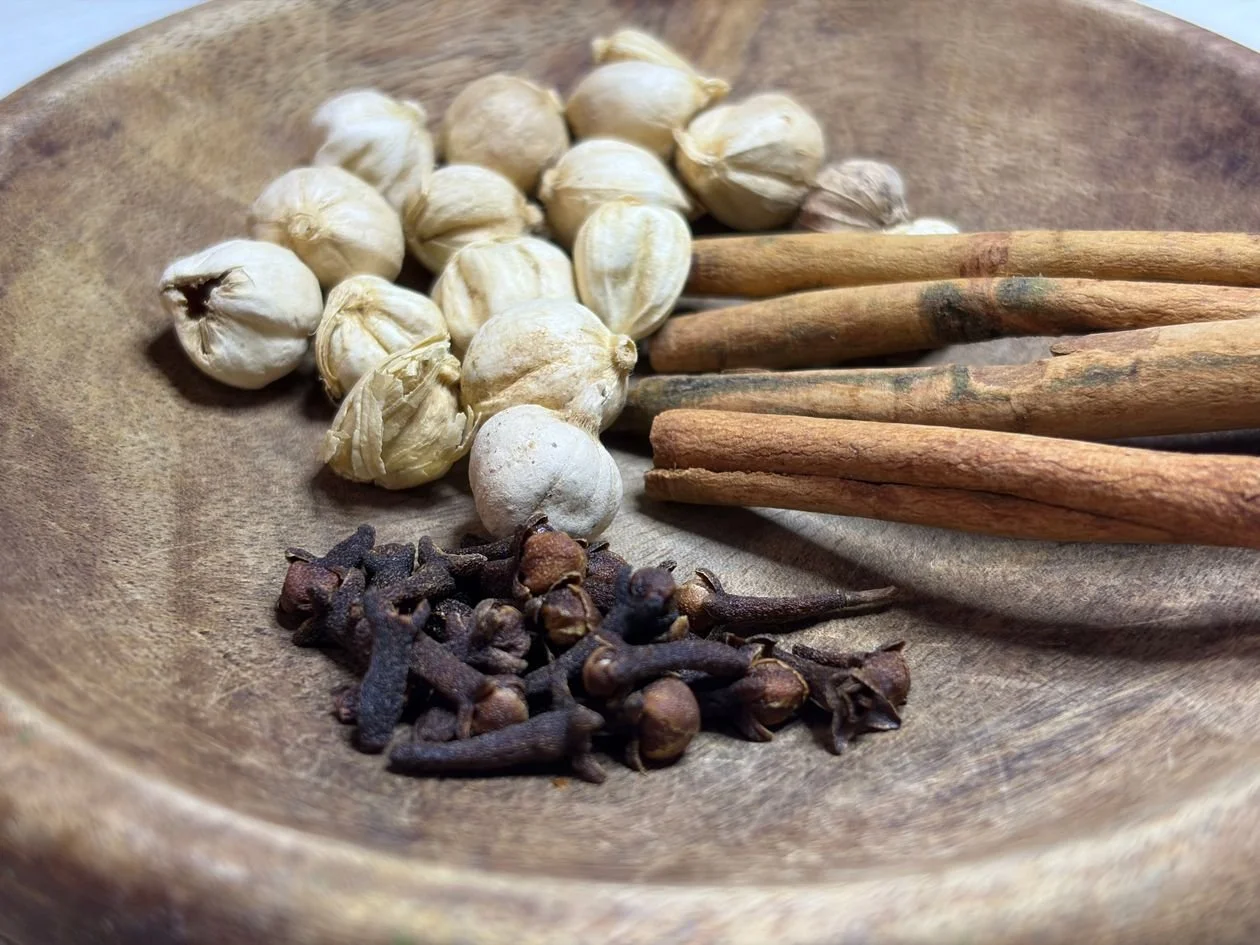
Whole chai spices including cinnamon sticks, cardamom pods and cloves

How the spices earn their keep

People often ask what the spices are "good for." We keep the answer practical and honest. Ginger is the classic comfort spice people reach for when their stomach feels off. Cinnamon and cardamom bring warmth and aroma. Black pepper sharpens the finish. Black tea itself brings caffeine and the polyphenols that come with a proper brew.

Tea is not medicine, and no cup replaces care from a clinician. What chai is good at is being a satisfying, warming everyday drink you can make at home for a few dollars a tin.

Freshly brewed masala chai with milk in a cup

How we brew chai at Beantown Tea

Turn the bag upside down a few times first. Powdered spices like to settle at the bottom.

Everyday cup method (per 8 oz):

  • Use 1 heaping teaspoon of chai

  • Pour freshly boiled water (212°F / 100°C) over the leaves

  • Steep 5–10 minutes (at least 7 if you want a true chai punch)

  • Add warm milk and sweetener to taste

A simple shop tip we use: prepare the cup with a little sugar and about 20% milk by volume, then pour in the strained chai.

Creamier latte style: Brew the chai a bit stronger, then top it with steamed milk.

Traditional simmer method: Some households simmer the spices and tea directly in a mix of water and milk. Watch the pot carefully; milk foams up fast.

Our chai lineup

If you are shopping our shelf, start here:

  • Masala Chai: full-bodied black tea with South Indian masala spices and a ginger-cardamom finish

  • Vanilla Chai: the same spiced backbone with creamy Madagascar vanilla

  • Spiced Chai: a peppery, aromatic take for crisp evenings

  • Indian Chai Spice Mix: caffeine-free spices you can drink on their own or blend with your favorite tea (or even coffee)

Browse the full chai selection if you want to compare. Samples start at $2.95, so you can try a blend before you commit to a bigger bag.

Whether you take it milky and sweet or bold and black, chai is one of those cups that earns a permanent spot by the kettle. Happy steeping from all of us at Beantown Tea & Spices.

Beantown Tea
Green Tea and Antioxidants: What the Catechins Actually Do

Green tea shows up in almost every conversation we have about tea and wellness. People want to know what is actually in the cup, what "antioxidants" means in plain language, and whether the research is worth paying attention to. Here is the version we share in the shop, without the hype.

First, a disclaimer we always give: tea is a food and a beverage, not a treatment. Nothing in this post is medical advice. If you have a health condition or take medication, talk with a qualified clinician before changing your routine.

Close-up of loose-leaf green tea leaves

What people mean by antioxidants in green tea

Antioxidants are compounds that help neutralize free radicals, unstable molecules that can damage cells when they build up faster than the body can handle. Plants make many of these compounds. In green tea, the stars of the show are a group of polyphenols called catechins.

The best-studied catechin in green tea is EGCG (epigallocatechin-3-gallate). Two close relatives, ECG (epicatechin gallate) and other catechins, also contribute. Together they are a big reason green tea has a reputation for being "good for you."

Green tea is especially interesting here because the leaves are heated soon after harvest to stop heavy oxidation. That keeps more of the natural catechins intact compared with fully oxidized black tea.

What research tends to look at

Scientists have studied green tea catechins for decades. The areas that come up most often include:

  • Oxidative stress: Catechins can help mop up free radicals in lab and some human studies, which is the core antioxidant story.

  • Inflammation: Some research links green tea polyphenols with lower markers of inflammation.

  • Heart health: Observational studies have associated regular green tea drinking with better cholesterol patterns and cardiovascular markers. Results vary, and lifestyle always matters too.

  • Metabolism: Green tea is often discussed in weight-management research because catechins and caffeine together may give a modest metabolic nudge. It is not a shortcut, and the effect size in studies is usually small.

  • Brain and aging research: Early work explores whether green tea compounds support cognitive health over time. This area is promising but still developing.

You will also see green tea extract used in some skincare products. Drinking tea and putting extract on skin are different uses, so do not treat them as interchangeable.

What we do not claim: green tea cures cancer, dementia, or any disease. Some population studies report associations with lower risk of certain conditions; that is not the same as proof that tea prevents or treats illness.

A cup of freshly brewed green tea

How to get the benefits in a real cup

If the goal is a good daily habit, brewing matters more than chasing miracle claims.

  • Use fresh water just off the boil, then cool it a bit for green tea (often around 160–180°F / 70–80°C, depending on the tea)

  • Start with about 1 teaspoon of loose leaf per 8 oz

  • Steep 2–3 minutes for most Japanese greens; adjust to taste

  • Store tea airtight, away from light, air, moisture, and heat

Astringency usually means the water was too hot or the steep too long. Nutty, sweet, or grassy notes should lead, not bitterness.

Greens we like for everyday drinking

If you want to explore our shelf:

Beantown Tea Genmaicha green tea with toasted brown rice

Browse the full green tea collection to find what you like. Samples start at $2.95 if you want to taste before you stock up.

The short version: green tea is rich in catechins, especially EGCG, and that is why it keeps showing up in antioxidant research. Brew a cup you actually enjoy, drink it regularly if you like it, and treat the health headlines with a little calm. Happy steeping from all of us at Beantown Tea & Spices.

Beantown Tea
How to Brew the Perfect Cup of Black Tea: 6 Simple Tips

A great cup of black tea doesn't take special equipment or a lot of time. It comes down to a few simple habits: good leaf, properly hot water, the right amount of tea, and a steep that's long enough but not too long. Get those right and the difference between an okay cup and a really good one is easy to taste.

Here's how we brew black tea at Beantown Tea & Spices.

1. Start with good loose-leaf tea

Whole and large-leaf teas give you a fuller, smoother cup. Very fine, dusty pieces release their flavor fast and tend to turn harsh and bitter. That's one reason a loose-leaf tea usually tastes better than the dust in an ordinary tea bag.

Which black tea to choose is up to you. For a strong, malty morning cup, try an Assam like our Assam Hunwal or a classic blend like English Breakfast. For something fragrant, Earl Grey is a favorite. You can browse them all in our Black Tea collection.

2. Use fresh water, heated to a full boil

Black tea likes hot water, about 205–212°F, which is right at or just off the boil. Start with fresh, cold water (filtered if your tap water has a strong taste), since water that's been boiled over and over can make the tea taste flat.

Other teas need cooler water. Our guide to brewing temperatures by tea type covers green, white, and oolong too.

3. Warm your teapot or mug

While the water heats, pour a little hot water into your teapot or mug, swirl it around, and pour it out. A warm vessel keeps the brewing temperature steady, so the leaves give up their full flavor.

4. Measure the tea

Use about 1 rounded teaspoon of loose tea (about 2–3 grams) for every 8 ounces of water. Put the leaves in an infuser, a paper tea filter, or straight into the pot if you'll strain it afterward. If you like your tea stronger, add more leaf rather than steeping longer.

5. Steep for 3 to 5 minutes

Pour the hot water over the leaves, cover the pot or mug to hold in the heat, and steep for 3 to 5 minutes. Three minutes gives a lighter, brighter cup. Five minutes gives a bolder one that holds up to milk. Much longer than that and the tea pulls out more tannins and starts to taste bitter and drying.

When time is up, remove the infuser or strain out the leaves so the tea stops brewing.

6. Add milk, sugar, or lemon if you like

Strong black teas like Assam and breakfast blends take milk beautifully. A spoonful of honey or sugar softens the edges, and a slice of lemon brightens a lighter tea like Ceylon. There's no wrong answer, so taste the cup plain first and then adjust.

Quick tips for better black tea

  • Bitter cup? Shorten the steep or use a little less tea.

  • Weak cup? Add more leaf instead of steeping longer.

  • Store loose tea in an airtight container away from light, heat, moisture, and strong smells so it stays fresh.

  • Keep a timer handy. A minute or two too long makes a real difference.

Enjoy your cup

That's really all there is to it. With good leaf, hot water, and a watchful eye on the clock, you can make a great cup of black tea any day of the week. If you need an infuser or filters, take a look at our tea accessories.

Beantown Tea
How Oolong Tea Is Made: From Fresh Leaf to Your Cup

Oolong sits right between green tea and black tea. It's made from the same plant, Camellia sinensis, but the leaves are only partially oxidized. That in-between step is what gives oolong its huge range, from light, floral, almost green-tasting cups to dark, toasty, roasted ones.

Oolong comes from China's Fujian Province, where tea makers perfected the craft centuries ago, and from Taiwan, which became famous for its oolongs in the 1800s. Here's how a fresh tea leaf becomes oolong, and how to brew it at home.

How oolong tea is made

Every tea maker has their own touch, and oolong is one of the most hands-on teas there is. Most oolongs go through the same basic steps.

1. Plucking

Oolong is usually made from more mature leaves than many green teas. Pickers typically take a bud with two or three leaves, or a few open leaves, which hold up well to the handling that comes next.

2. Withering in the sun

The fresh leaves are spread out on bamboo trays or cloths, often in the sun and then indoors, so they lose some moisture and soften. Soft leaves can be handled without breaking.

3. Bruising and partial oxidation

This is the step that makes oolong, oolong. The leaves are gently tossed or shaken in bamboo baskets, which bruises their edges. The bruised edges react with air and oxidize faster than the center of the leaf. Tea makers repeat this tossing and resting several times, watching and smelling the leaves until they reach the right level of oxidation. Some oolongs are lightly oxidized, around 15–30%, while darker styles go much further.

4. Firing to stop oxidation

Once the leaves are where the tea maker wants them, they're heated in a hot pan or drum. This "kill green" step stops oxidation and locks in the flavor.

5. Rolling and shaping

Next the leaves are rolled. Some oolongs, like many from Taiwan and Iron Goddess from Anxi, are rolled into tight little balls that slowly unfurl in hot water. Others, like Wuyi rock oolongs, are twisted into long, dark strips.

6. Drying and roasting

Finally the leaves are dried. Many oolongs are also roasted, sometimes over charcoal, which adds warm, toasty, nutty notes. A lightly roasted oolong stays fresh and floral; a heavily roasted one tastes deeper and more caramel-like.

What oolong tastes like

Because oxidation and roasting can be dialed up or down, oolong covers a lot of ground:

  • Light and floral: our Ali Shan Oolong is clean, with notes of orchid and honey, and our Milk Oolong is naturally creamy (no dairy involved).

  • Balanced and nutty: Iron Goddess (Ti Kuan Yin) brews a nutty, mineral cup with a lingering orchid finish, and Formosa Oolong is a smooth, easy introduction to oolong.

  • Dark and toasty: Wuyi Oolong is full-bodied and earthy with a honeyed, floral aftertaste.

How to brew oolong tea

Oolong likes water that's hot but not quite boiling. As a general guideline:

  • Use 1–2 teaspoons of loose leaf (about 3 grams) per 8 ounces of water.

  • Heat the water to 185–205°F. Use the lower end for light, floral oolongs and the higher end for darker, roasted ones.

  • Steep for 3–5 minutes, then taste and adjust.

  • Don't throw the leaves out after one cup. Good oolong can be steeped several times, and each cup brings out new notes.

A teapot, a gaiwan, or a simple infuser all work well. Just give tightly rolled leaves room to open up.

Is oolong good for you?

Like green and black tea, oolong contains natural antioxidants called polyphenols, and it has a moderate amount of caffeine, usually somewhere between green and black tea. Researchers have studied tea's polyphenols for their possible effects on metabolism and heart health, but the research is still developing, so we think of oolong first as a delicious, calorie-free cup rather than a cure for anything.

The bottom line

Oolong is a tea of craft. Plucking, withering, bruising, partial oxidation, firing, rolling, and roasting each shape the final cup, which is why no two oolongs taste quite the same. The best way to find your favorite is to try a few, from light and floral to dark and toasty. You can explore them all in our oolong tea selection.