
Green tea is woven into daily life in Japan, from a quick cup of sencha at the office to the slow, careful ritual of the tea ceremony. But tea isn't native to Japan. It arrived from China more than 1,200 years ago, and Japanese growers and tea masters spent centuries turning it into something all their own.
Here's a short history of how that happened, and what it means for the tea in your cup today.

Tea arrives from China (800s)
Tea first came to Japan with Buddhist monks who had studied in Tang-dynasty China. The earliest written record dates to 815, when the monk Eichū is said to have served tea to Emperor Saga. For a while tea was enjoyed at court and in temples, but it was rare and expensive, and interest faded once official ties with China cooled.
Eisai and the Zen connection (1100s)
Tea made its real comeback in 1191, when the Zen monk Eisai returned from Song-dynasty China with tea seeds and a new way of drinking it: leaves ground to a fine powder and whisked with hot water. That's the ancestor of today's matcha. Eisai also wrote one of Japan's first books on tea, Kissa Yōjōki ("Drinking Tea for Health"), and Zen monks drank tea to stay alert through long hours of meditation.
Tea gardens soon spread around Kyoto, and the nearby town of Uji became famous for high-quality tea, a reputation it still holds.
The tea ceremony takes shape (1400s–1500s)
Over the next few centuries, drinking powdered tea grew from a temple habit into an art. Tea masters such as Murata Jukō and, most famously, Sen no Rikyū shaped what we now call the Japanese tea ceremony, known as chanoyu or chadō ("the way of tea"). Rikyū favored simple, rustic tea rooms and humble utensils, and his ideas of harmony, respect, purity, and tranquility still guide the ceremony today.
In a traditional ceremony, the host heats water in an iron kettle called a kama, measures matcha into a bowl with a bamboo scoop, and whisks it with a bamboo whisk (chasen) before serving each guest. A formal gathering may also include a light meal and sweets. Every movement is deliberate, and the point is less about the tea itself than about being fully present with your guests.
Sencha becomes the everyday tea (1700s)
Matcha was the tea of temples and the elite, but most people wanted something simpler. In 1738, a tea farmer named Nagatani Sōen in Ujitawara, near Kyoto, developed a method of steaming fresh leaves and then rolling and drying them. The result was a bright green, fresh-tasting tea that you could simply steep in a pot. That tea was sencha, and it soon became the everyday tea of Japan. Steaming, instead of the pan-firing common in China, is still the hallmark of Japanese green tea.
In the 1800s, growers near Uji also began shading their tea plants for several weeks before harvest. The extra shade makes the leaves sweeter and richer in umami, and it gave rise to gyokuro, one of Japan's most prized teas.
Japanese tea today
Today sencha is by far the most popular tea in Japan, and the biggest growing regions are Shizuoka and Kagoshima, on the southern island of Kyushu. Japan also produces a whole family of green teas, each with its own character:
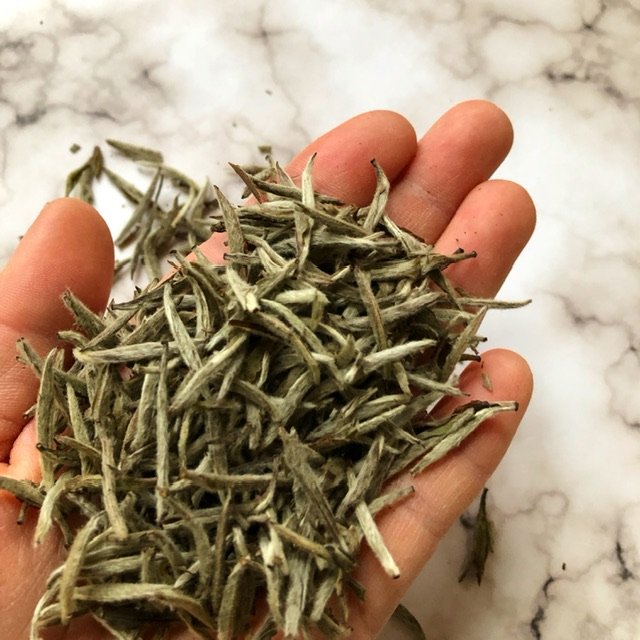
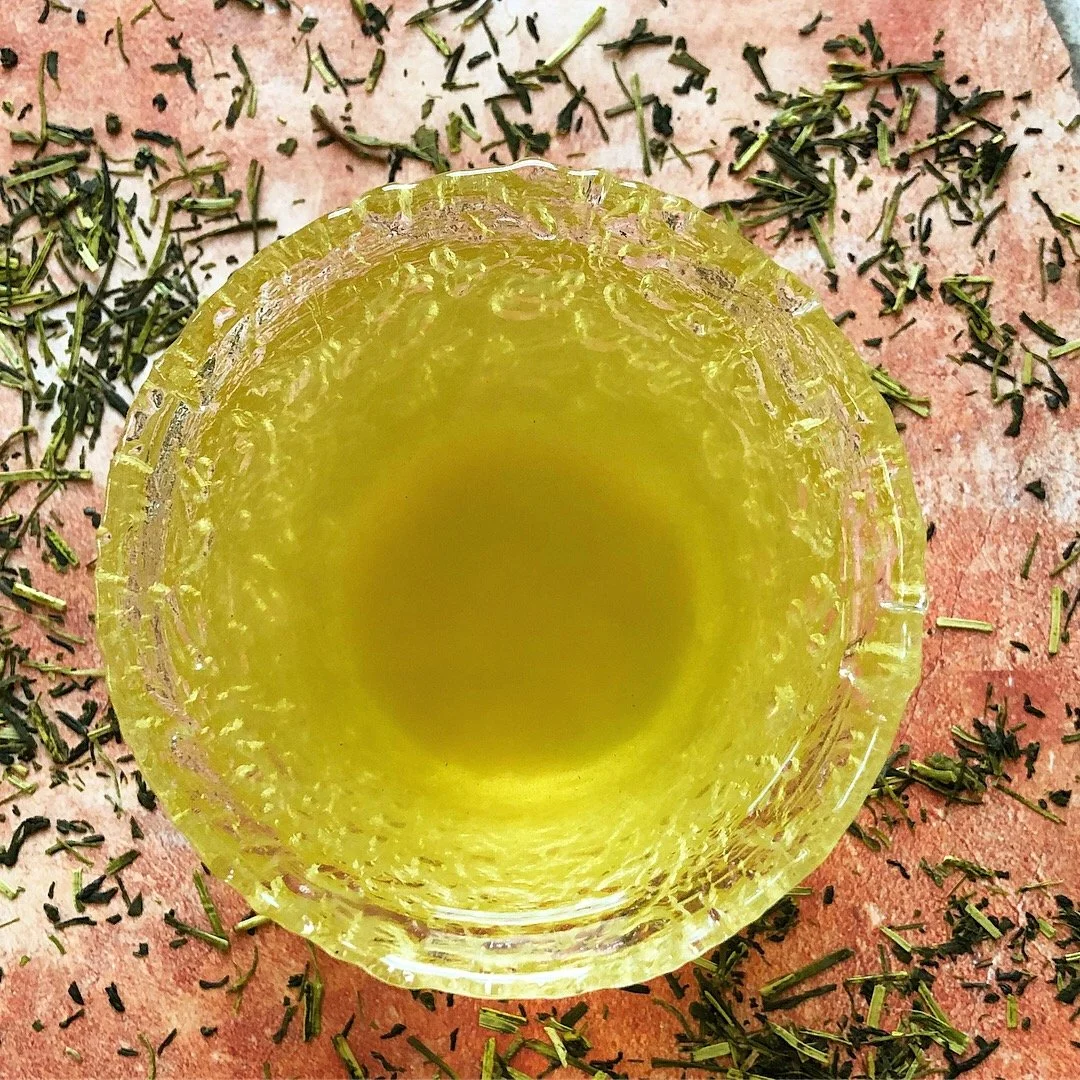
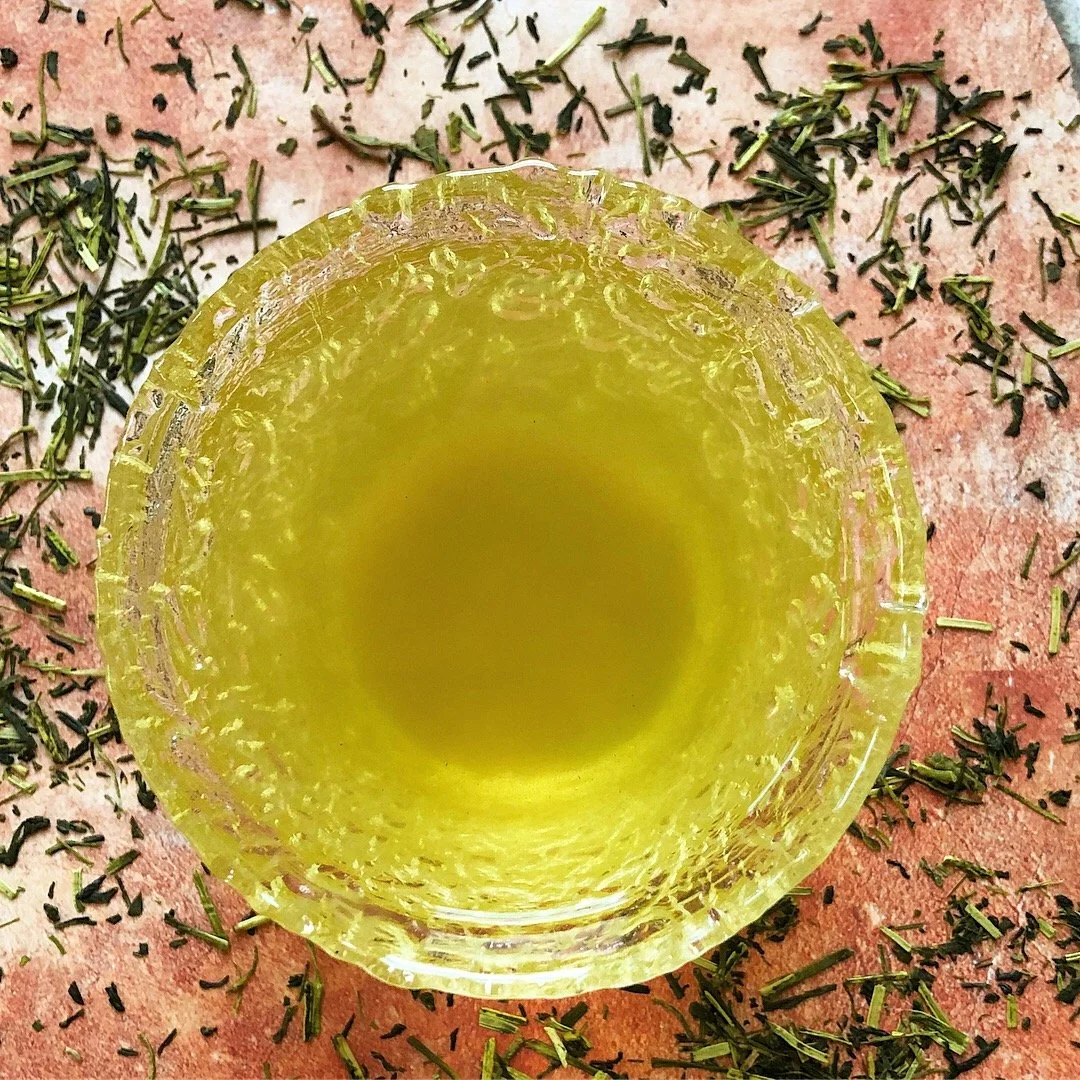
Sencha: the classic steamed green tea, slightly sweet and vegetal. Ours comes from Kagoshima.
Gyokuro: shade-grown, smooth, and deeply savory.
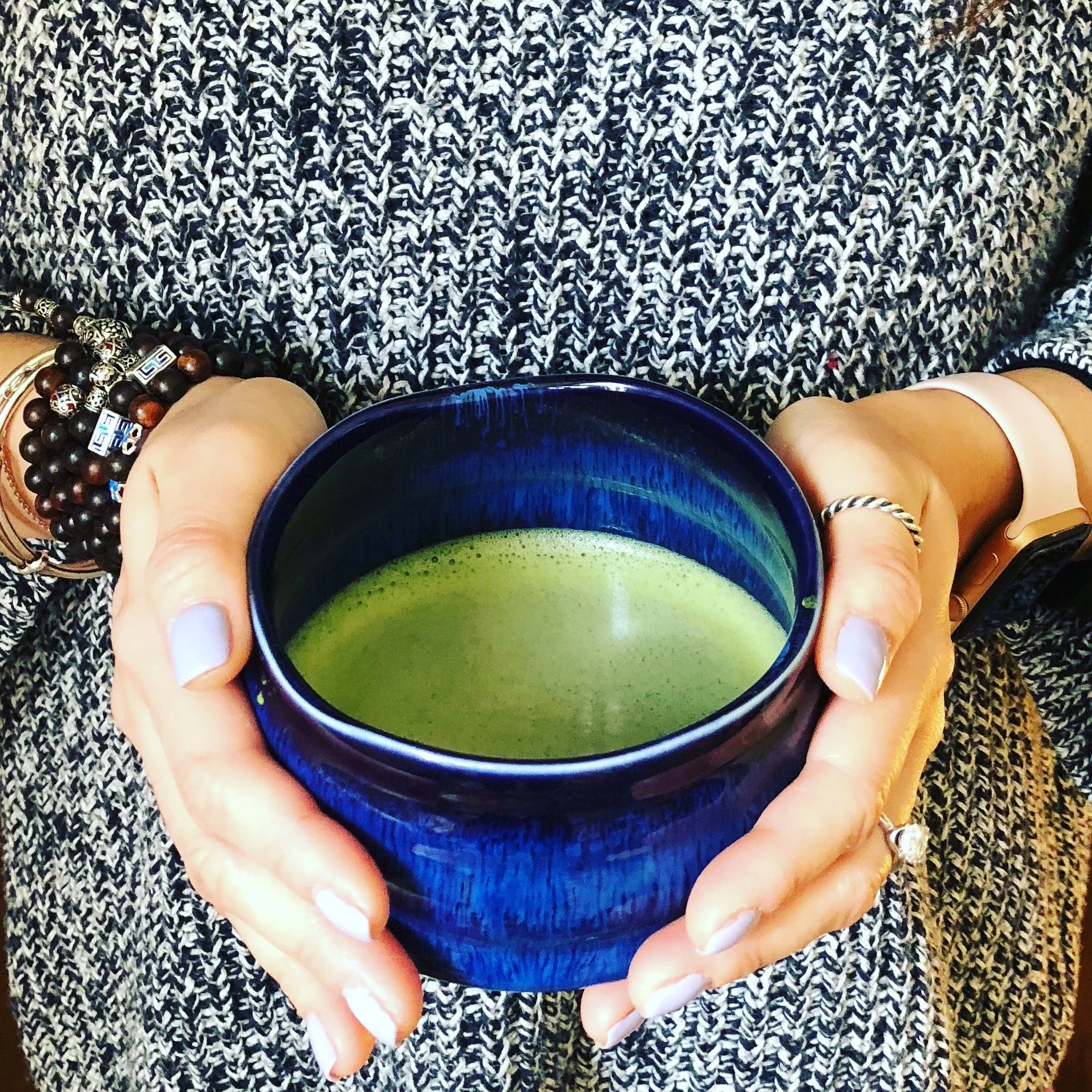
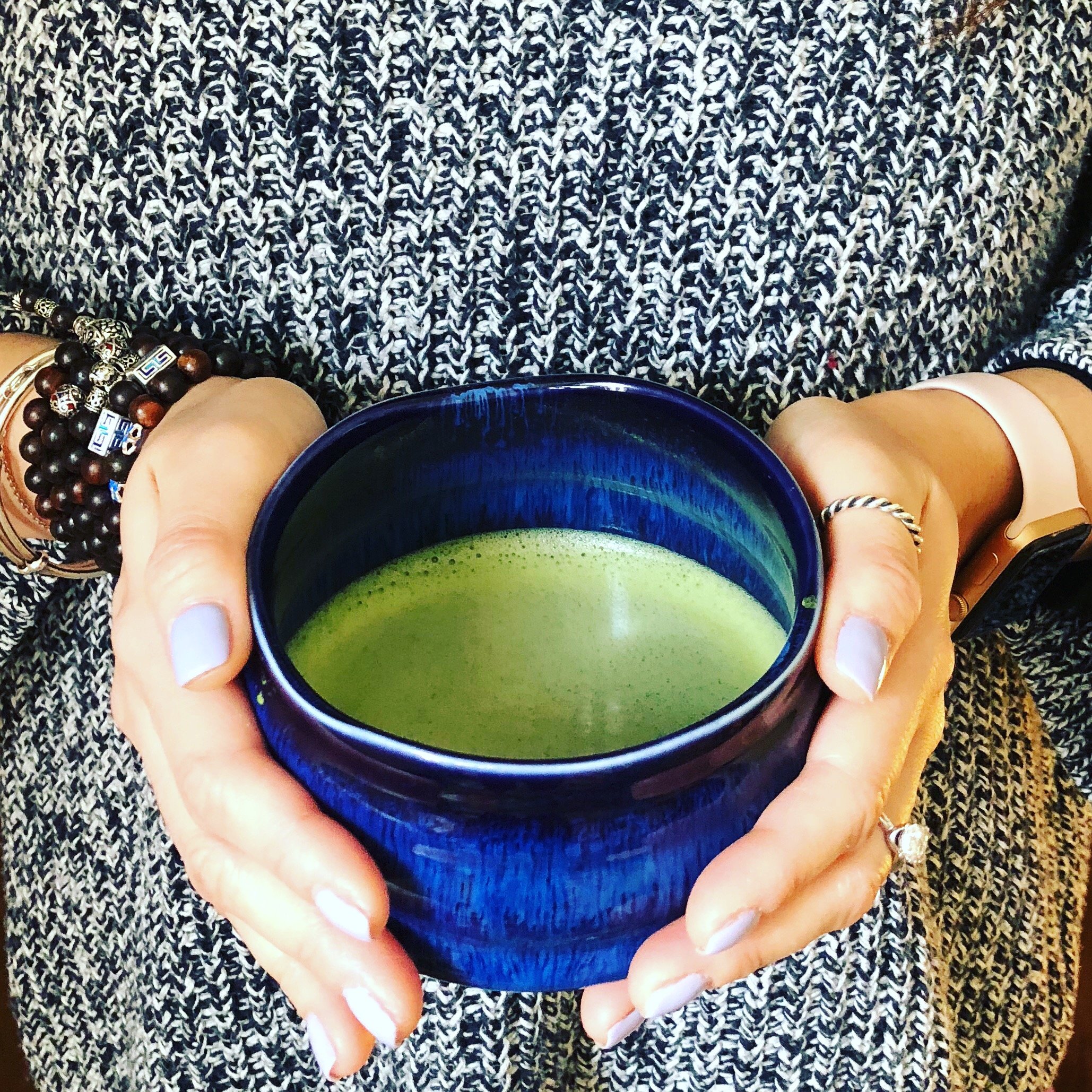
Matcha: shade-grown leaves stone-ground into a fine powder and whisked, the tea of the tea ceremony.
Genmaicha: green tea blended with toasted brown rice for a warm, nutty cup.
Hojicha: green tea roasted to a toasty brown, naturally low in bitterness.
Kukicha: a mellow "twig tea" made from the stems of the tea plant.
Bringing a bit of that history home
You don't need a tea room or a full ceremony to enjoy Japanese tea. Most Japanese green teas like water that's hot but not boiling, so let your kettle cool for a few minutes after it boils and keep steeps short. Each product page has the exact brewing steps for that tea. If you're new to Japanese tea, sencha is a great place to start, and our green tea selection has the rest of the family when you're ready to explore.Tea arrives from China (800s)
Tea first came to Japan with Buddhist monks who had studied in Tang-dynasty China. The earliest written record dates to 815, when the monk Eichū is said to have served tea to Emperor Saga. For a while tea was enjoyed at court and in temples, but it was rare and expensive, and interest faded once official ties with China cooled.
Eisai and the Zen connection (1100s)
Tea made its real comeback in 1191, when the Zen monk Eisai returned from Song-dynasty China with tea seeds and a new way of drinking it: leaves ground to a fine powder and whisked with hot water. That's the ancestor of today's matcha. Eisai also wrote one of Japan's first books on tea, Kissa Yōjōki ("Drinking Tea for Health"), and Zen monks drank tea to stay alert through long hours of meditation.
Tea gardens soon spread around Kyoto, and the nearby town of Uji became famous for high-quality tea, a reputation it still holds.
The tea ceremony takes shape (1400s–1500s)
Over the next few centuries, drinking powdered tea grew from a temple habit into an art. Tea masters such as Murata Jukō and, most famously, Sen no Rikyū shaped what we now call the Japanese tea ceremony, known as chanoyu or chadō ("the way of tea"). Rikyū favored simple, rustic tea rooms and humble utensils, and his ideas of harmony, respect, purity, and tranquility still guide the ceremony today.
In a traditional ceremony, the host heats water in an iron kettle called a kama, measures matcha into a bowl with a bamboo scoop, and whisks it with a bamboo whisk (chasen) before serving each guest. A formal gathering may also include a light meal and sweets. Every movement is deliberate, and the point is less about the tea itself than about being fully present with your guests.
Sencha becomes the everyday tea (1700s)
Matcha was the tea of temples and the elite, but most people wanted something simpler. In 1738, a tea farmer named Nagatani Sōen in Ujitawara, near Kyoto, developed a method of steaming fresh leaves and then rolling and drying them. The result was a bright green, fresh-tasting tea that you could simply steep in a pot. That tea was sencha, and it soon became the everyday tea of Japan. Steaming, instead of the pan-firing common in China, is still the hallmark of Japanese green tea.
In the 1800s, growers near Uji also began shading their tea plants for several weeks before harvest. The extra shade makes the leaves sweeter and richer in umami, and it gave rise to gyokuro, one of Japan's most prized teas.
Japanese tea today
Today sencha is by far the most popular tea in Japan, and the biggest growing regions are Shizuoka and Kagoshima, on the southern island of Kyushu. Japan also produces a whole family of green teas, each with its own character:
Sencha: the classic steamed green tea, slightly sweet and vegetal. Ours comes from Kagoshima.
Gyokuro: shade-grown, smooth, and deeply savory.
Matcha: shade-grown leaves stone-ground into a fine powder and whisked, the tea of the tea ceremony.
Genmaicha: green tea blended with toasted brown rice for a warm, nutty cup.
Hojicha: green tea roasted to a toasty brown, naturally low in bitterness.
Kukicha: a mellow "twig tea" made from the stems of the tea plant.
Bringing a bit of that history home
You don't need a tea room or a full ceremony to enjoy Japanese tea. Most Japanese green teas like water that's hot but not boiling, so let your kettle cool for a few minutes after it boils and keep steeps short. Each product page has the exact brewing steps for that tea. If you're new to Japanese tea, sencha is a great place to start, and our green tea selection has the rest of the family when you're ready to explore.
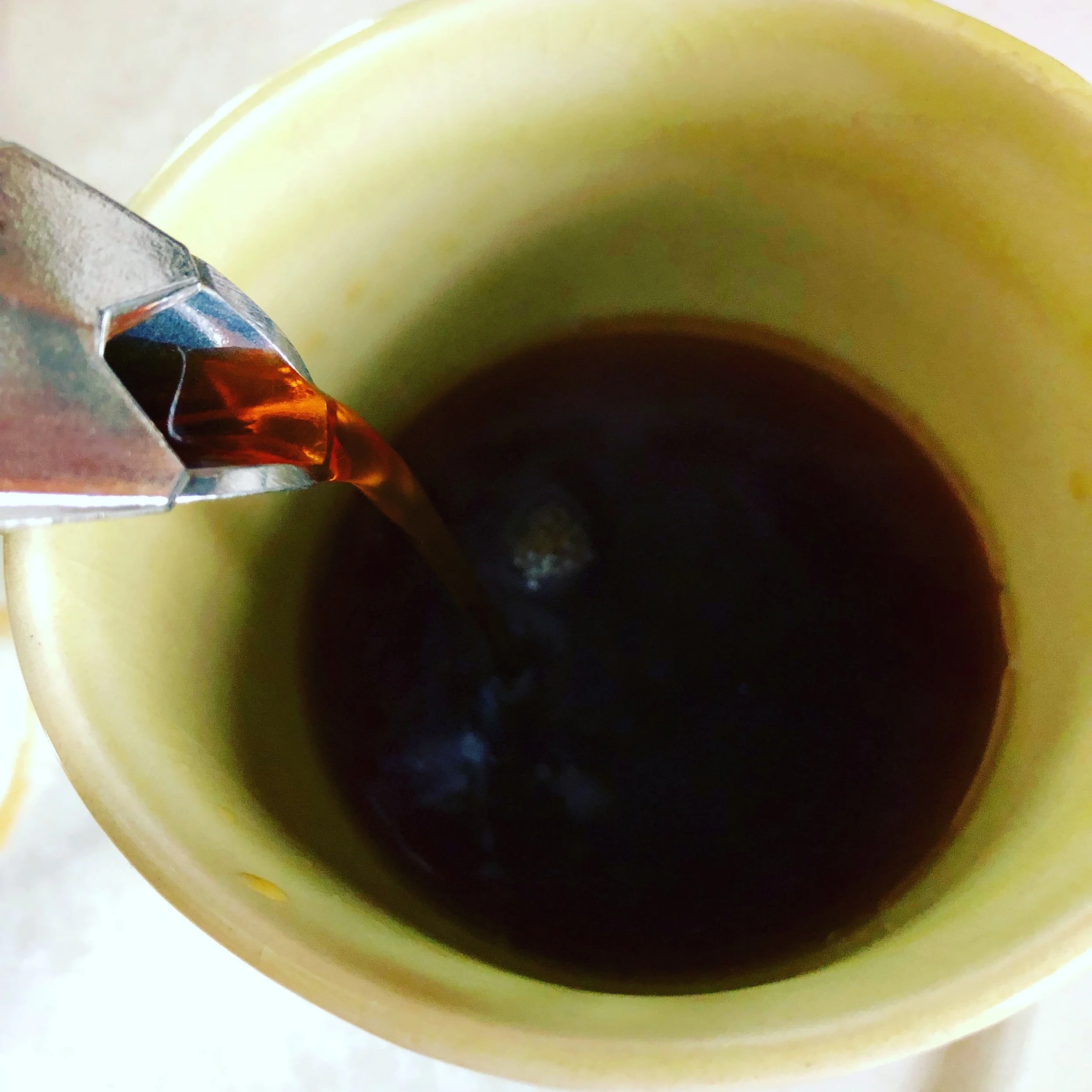
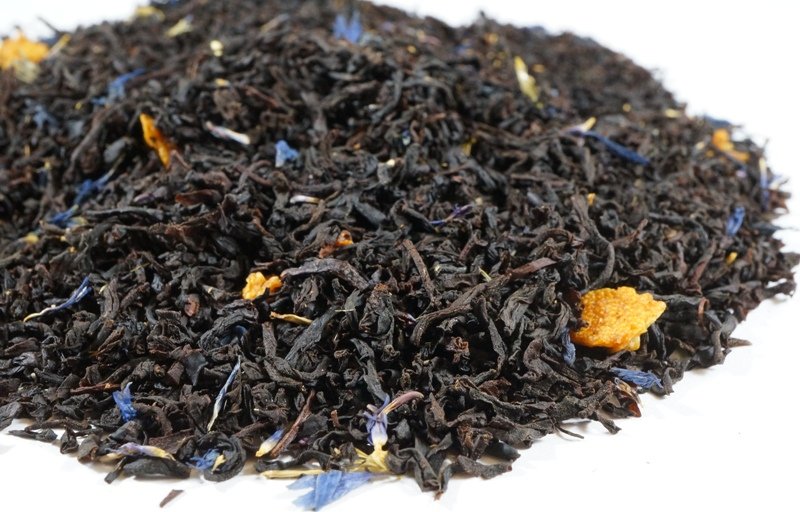
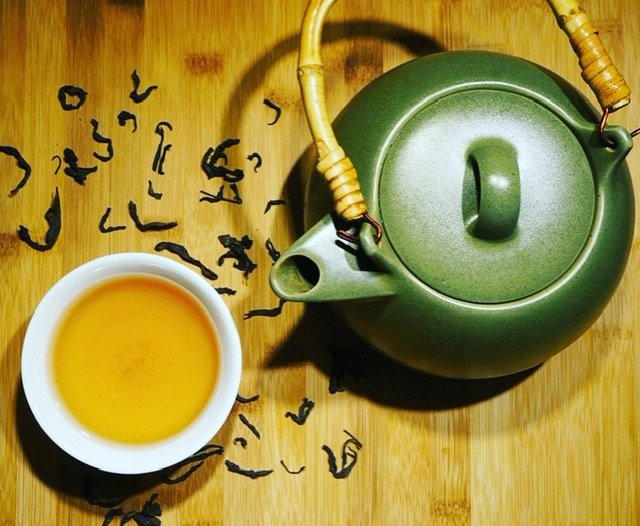

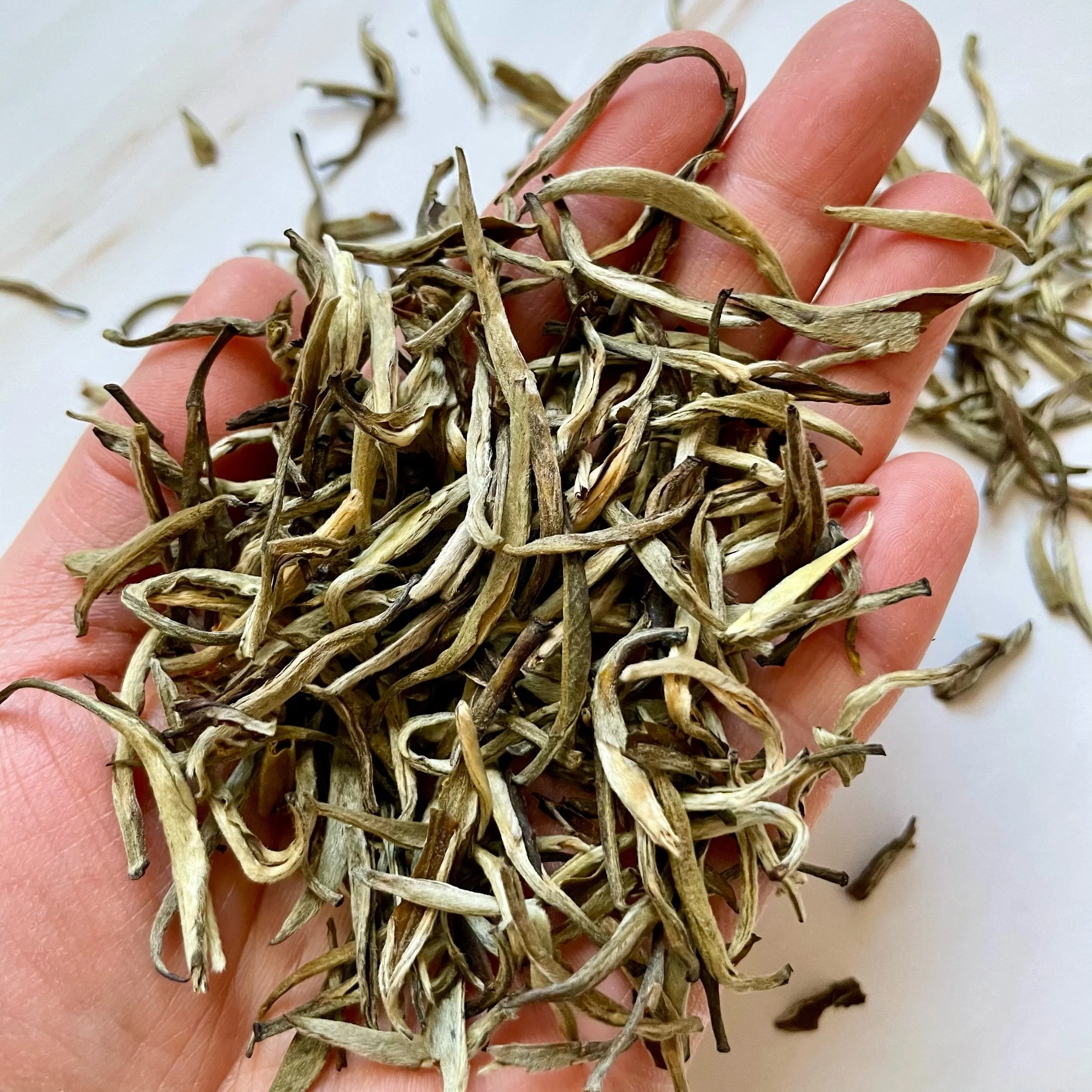

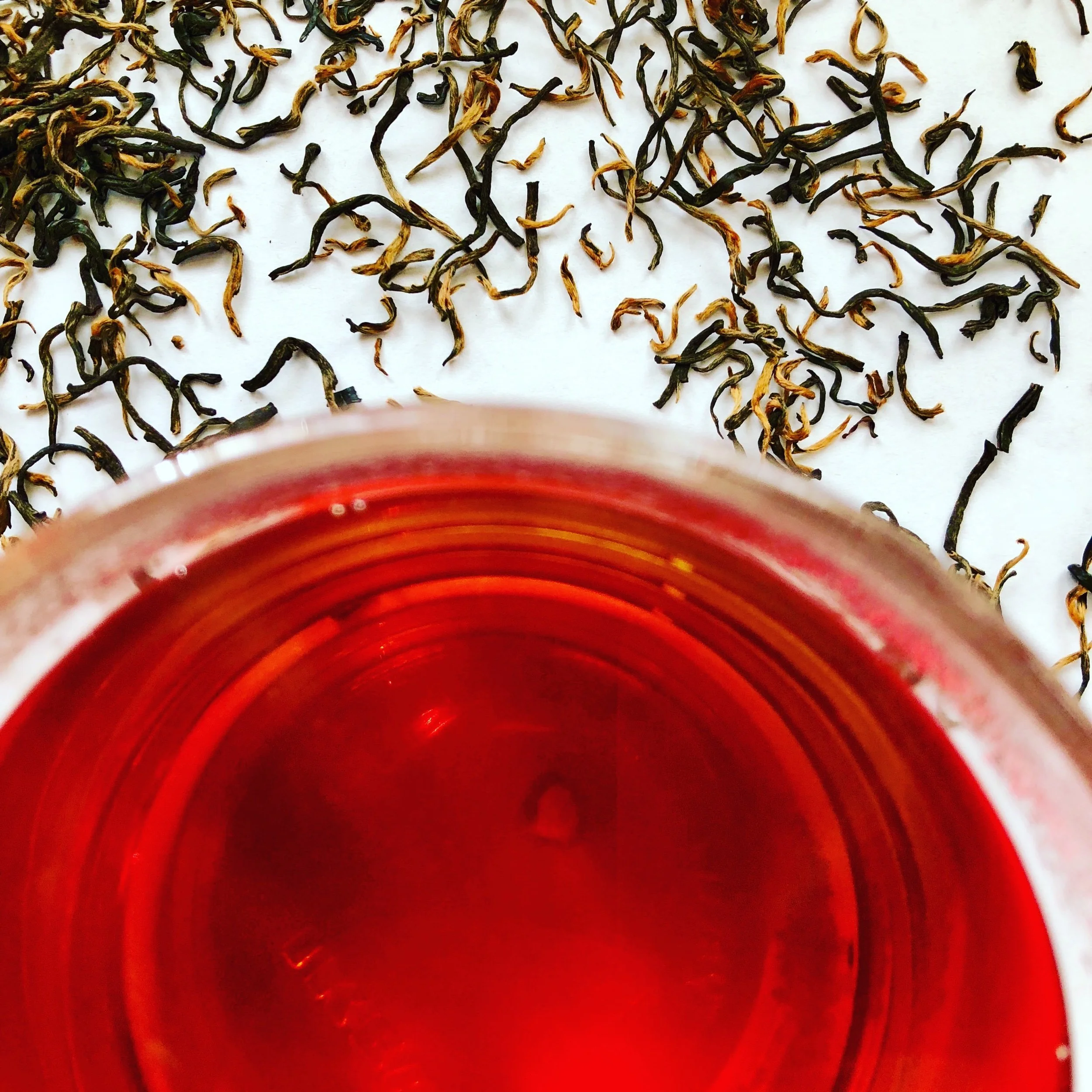
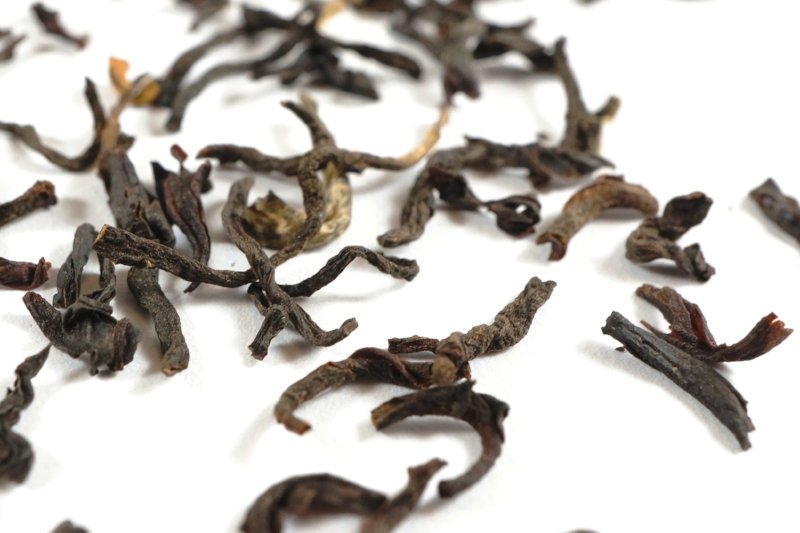







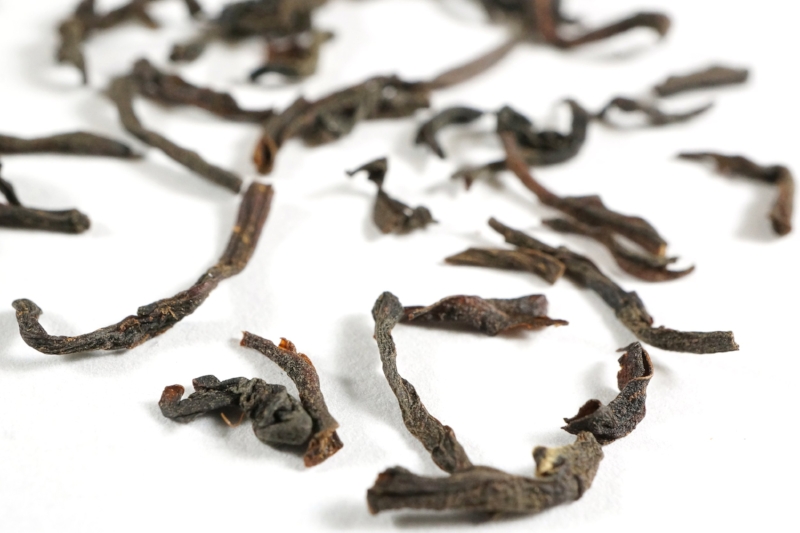
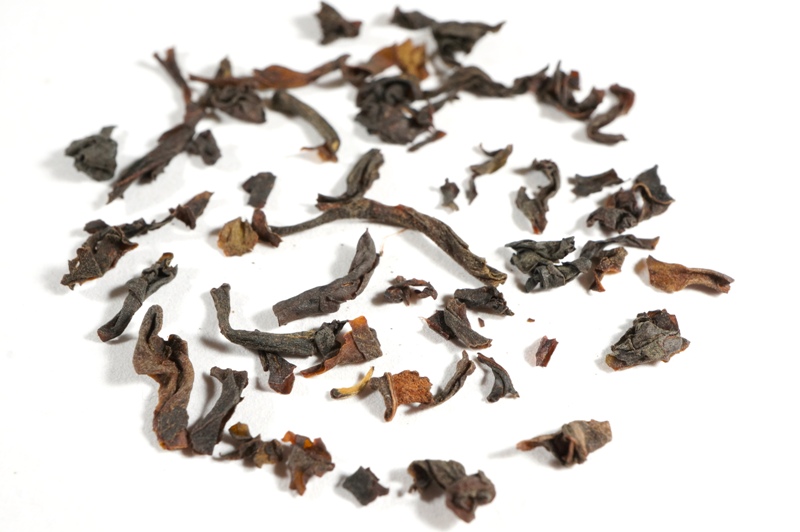
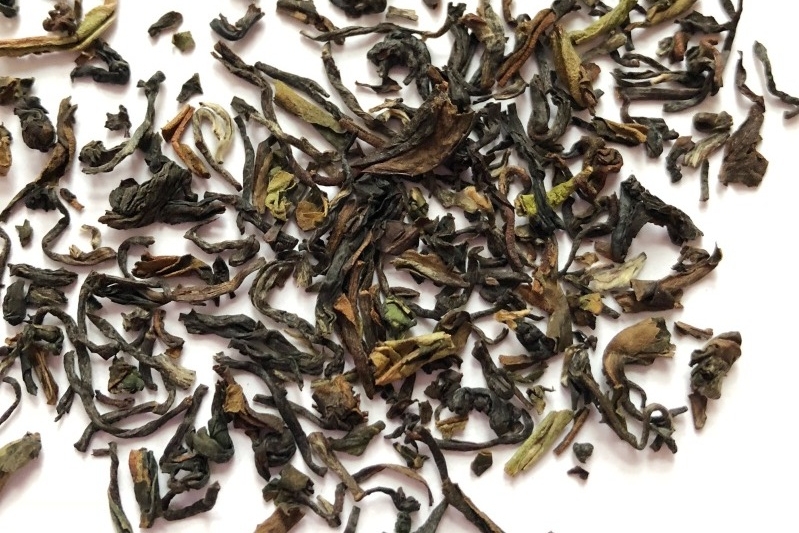
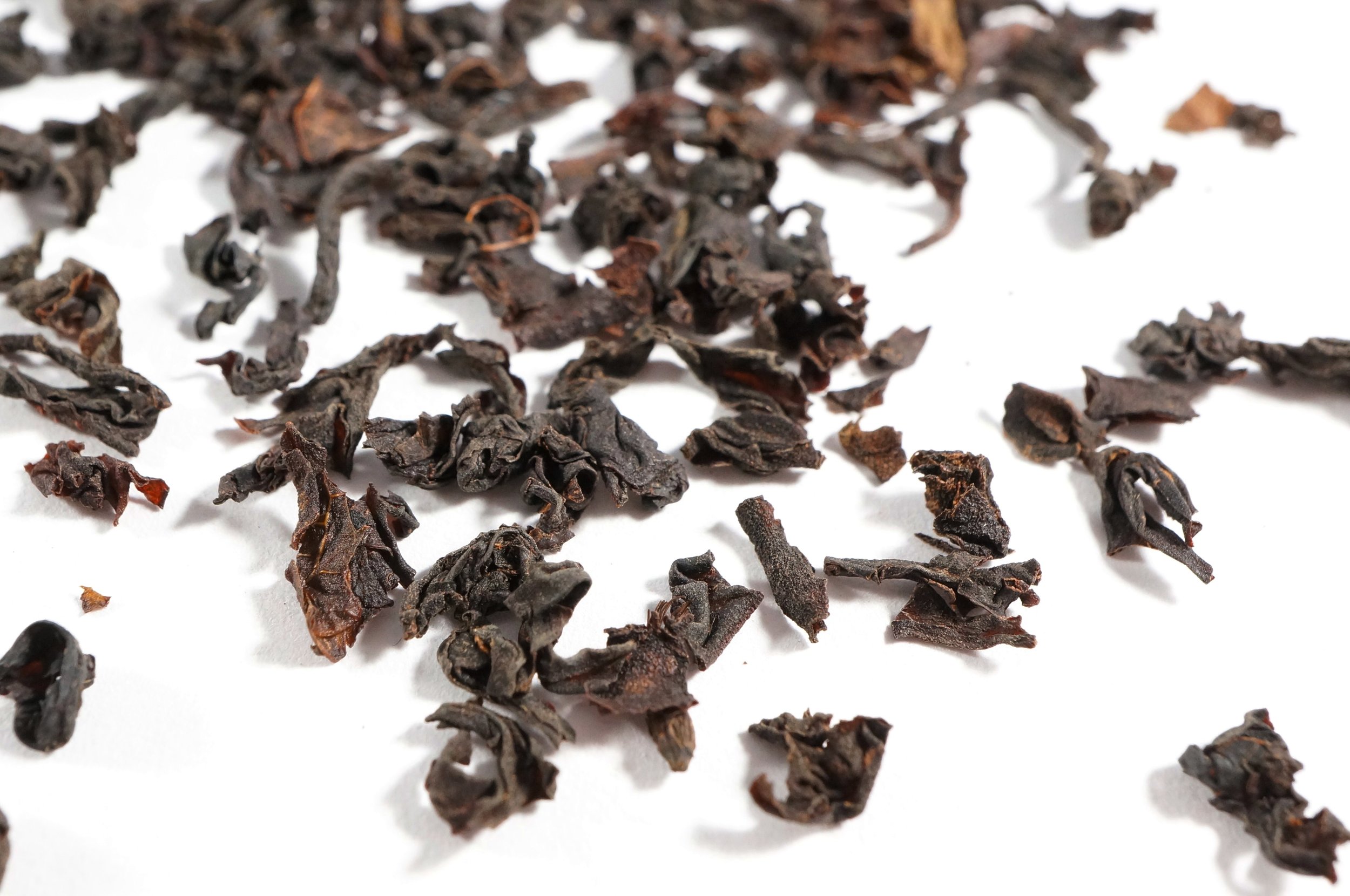
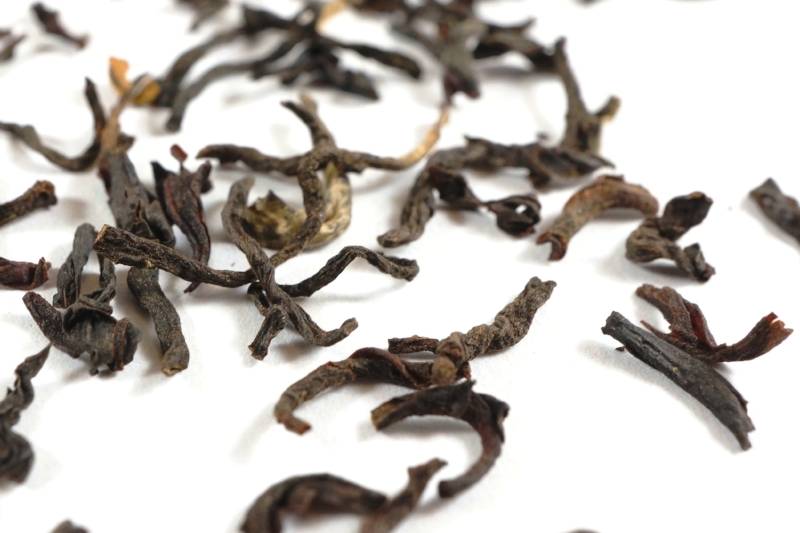
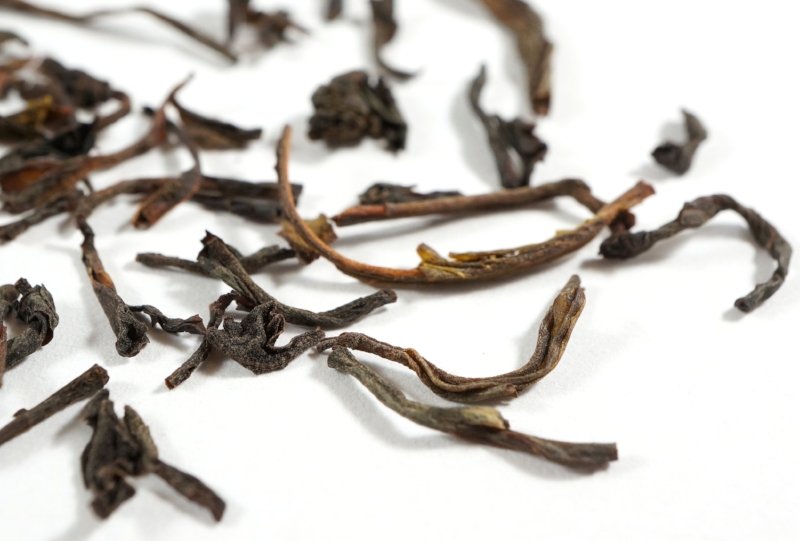
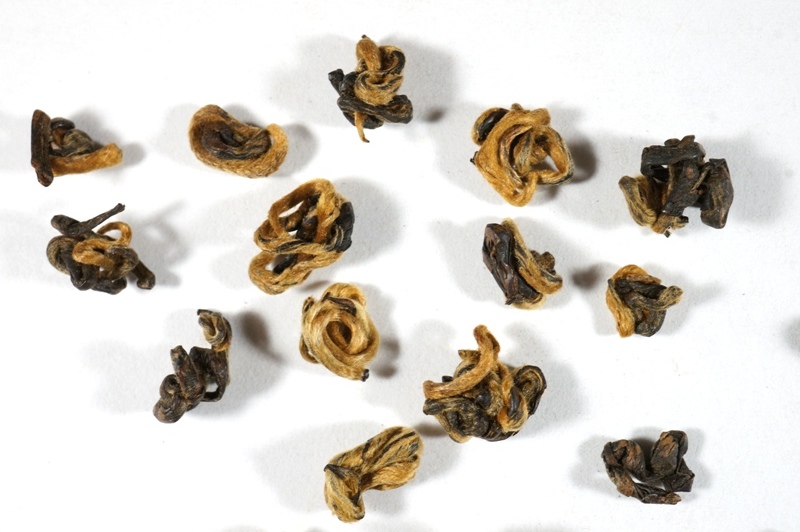
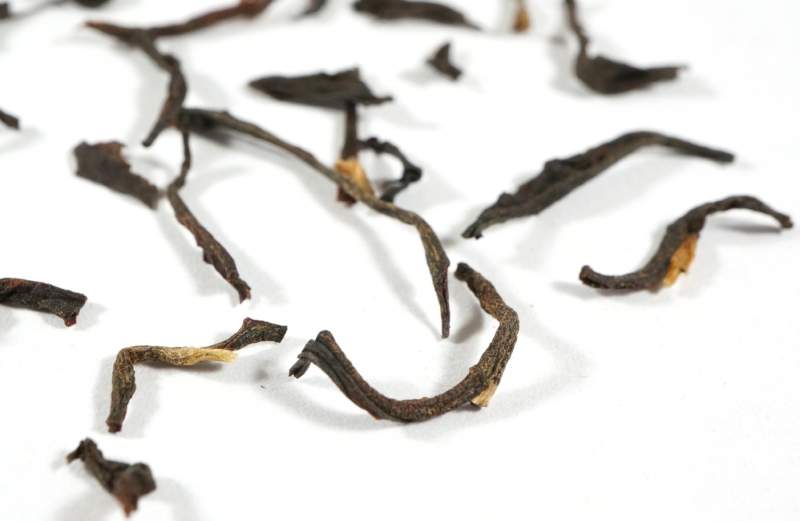
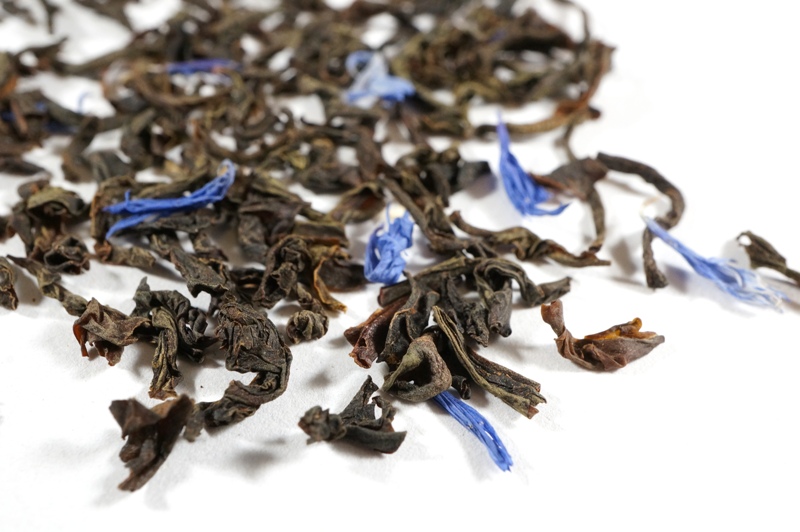
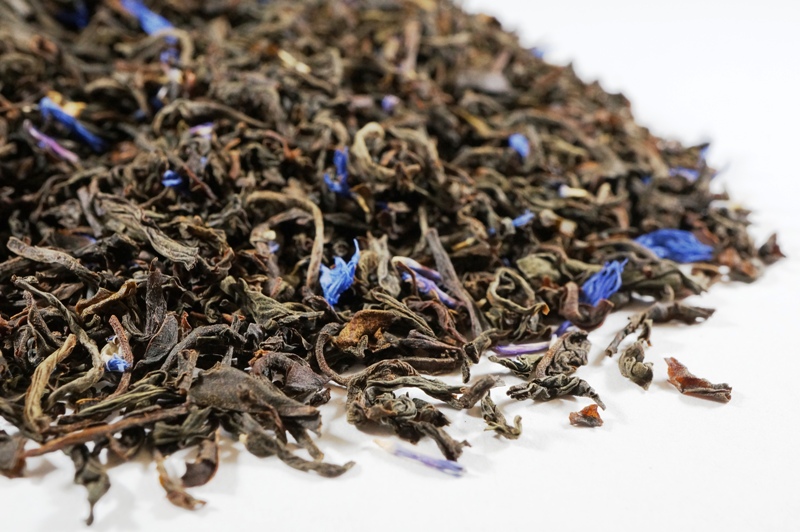


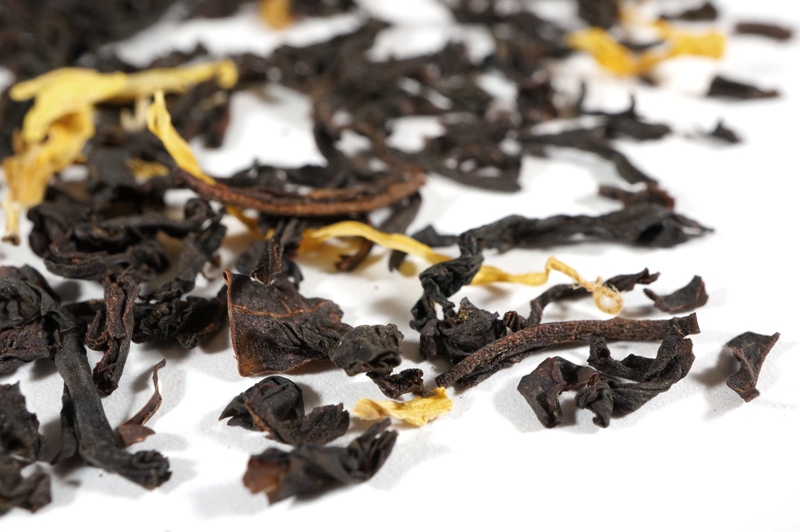
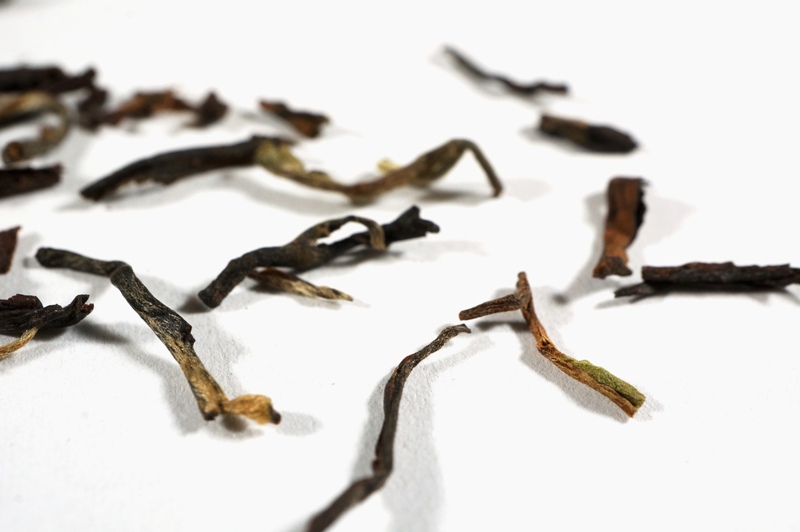

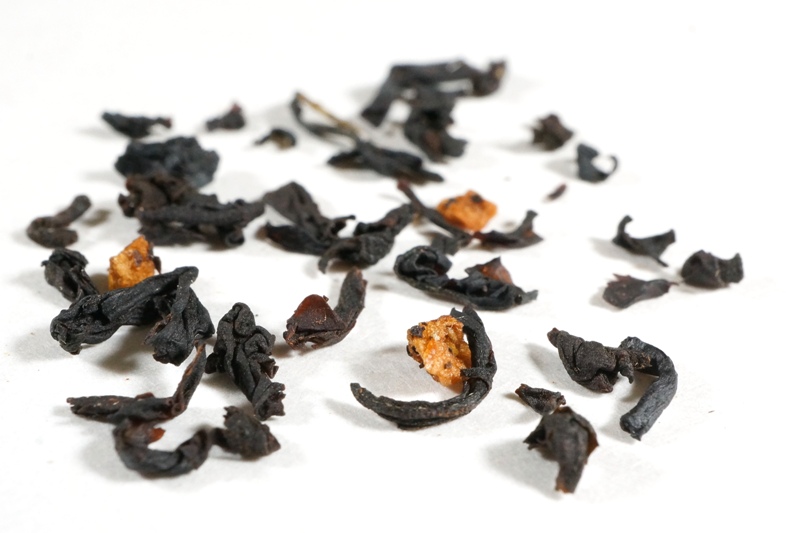
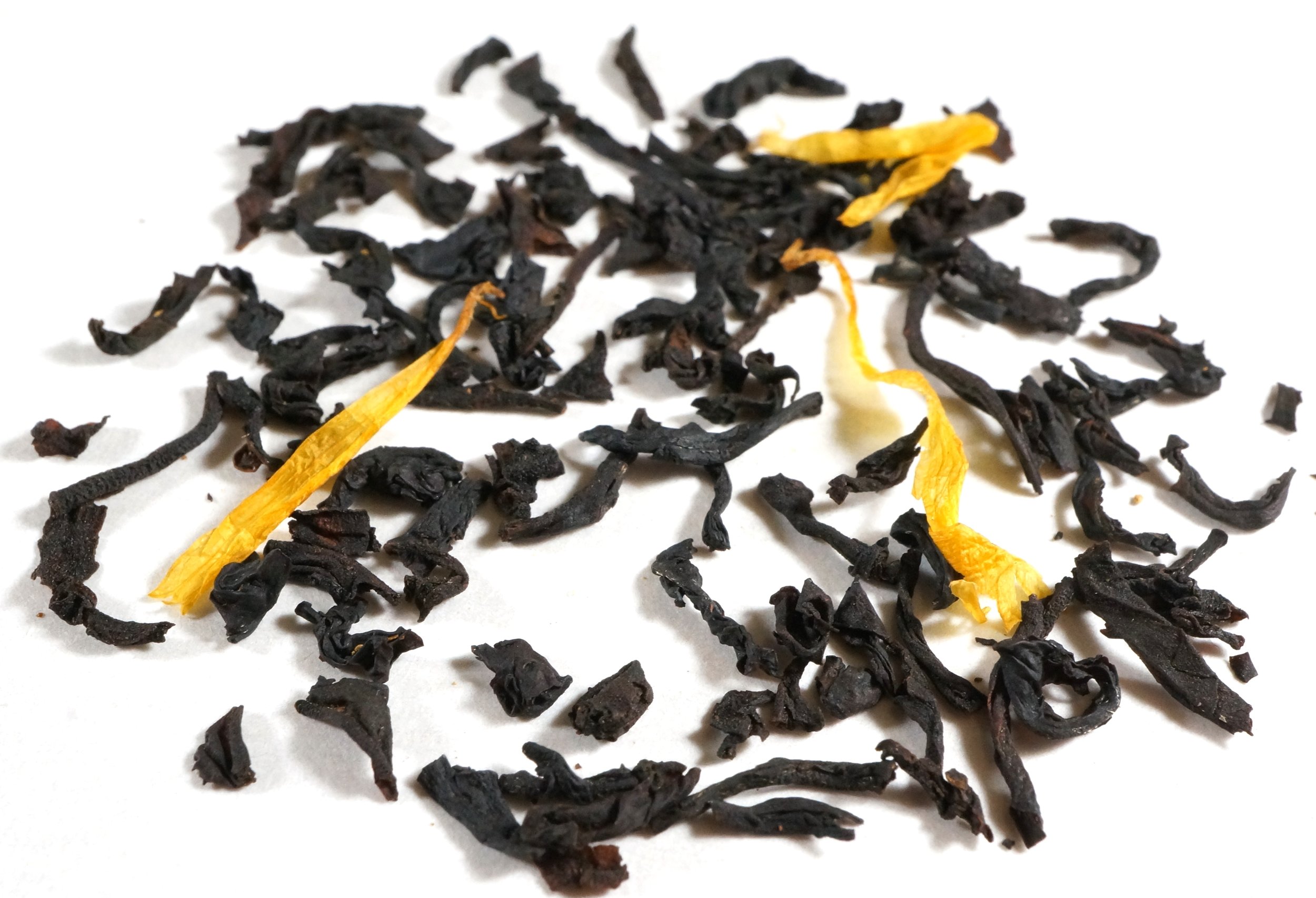

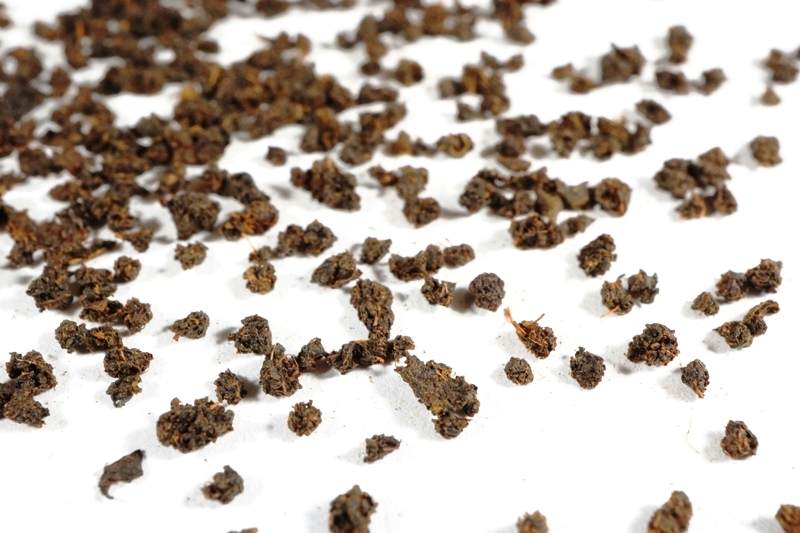

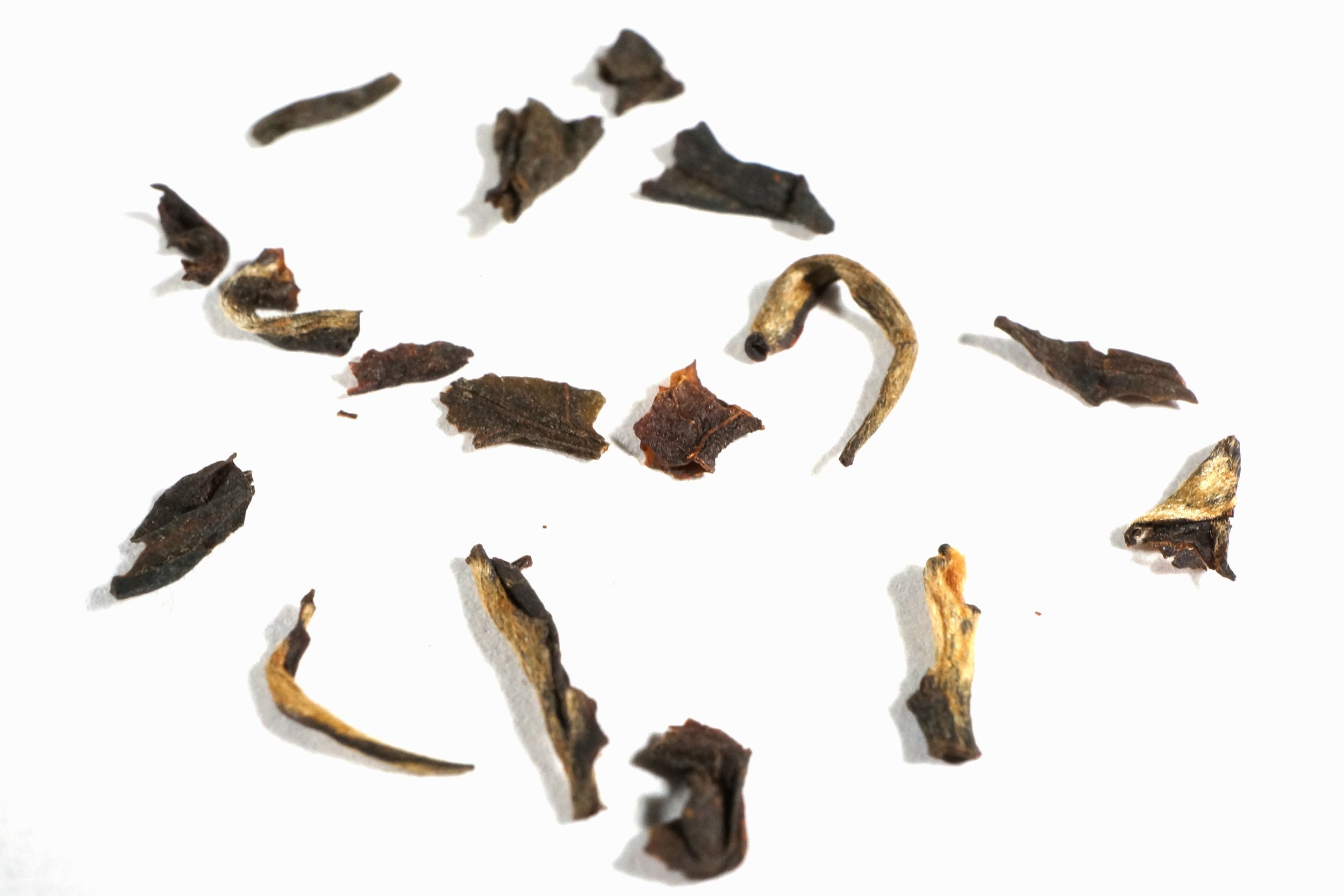
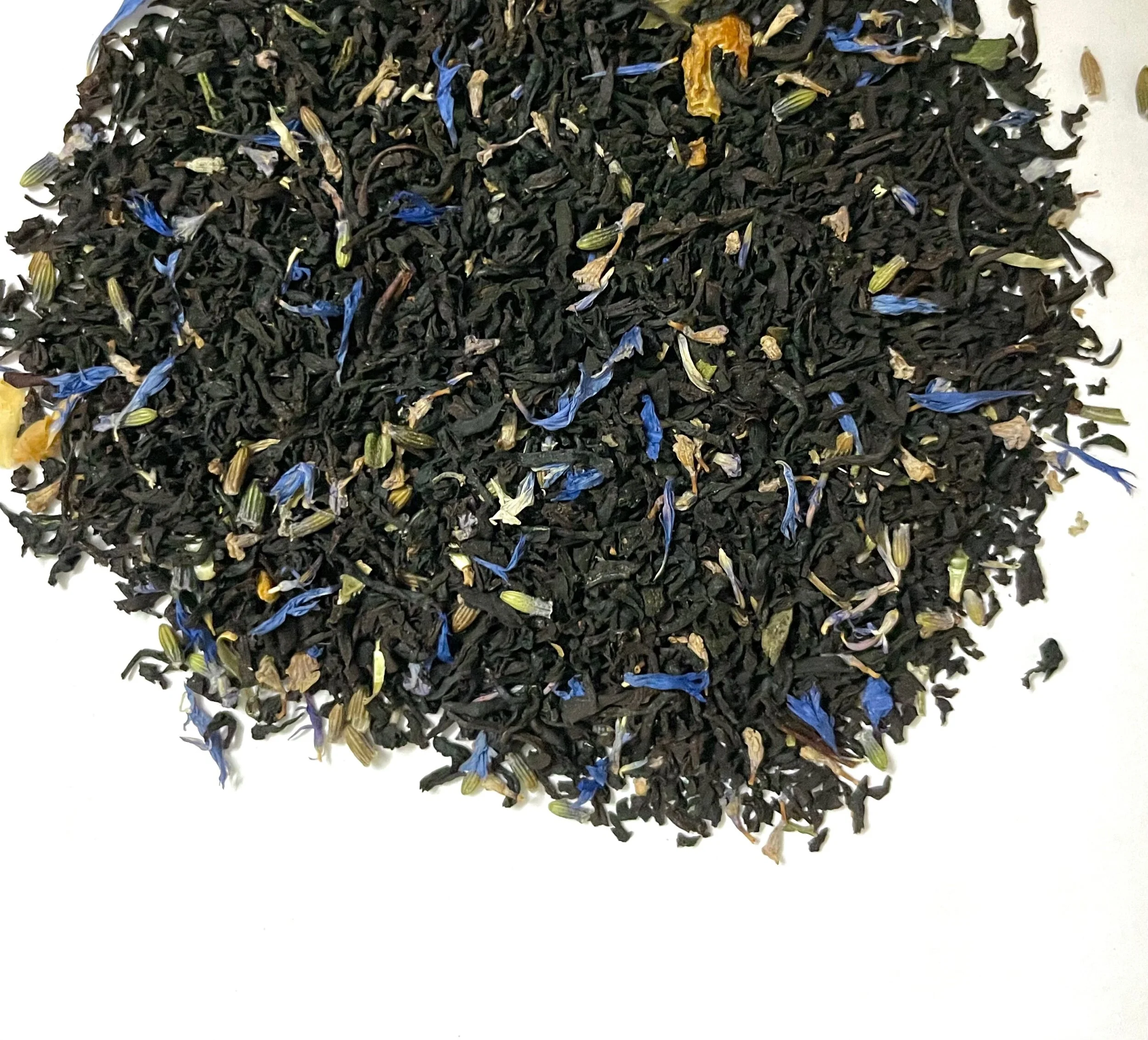
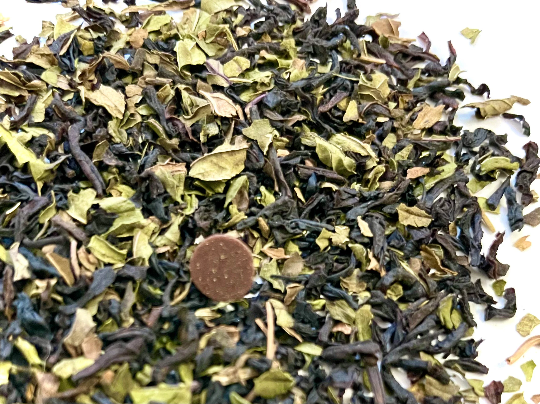



Some teas come with a story as memorable as their flavor. Darjeeling Margaret's Hope brews a delicate cup with the distinctive "muscatel" grape character, and hints of currant give it an almost wine-like taste. We like it as an afternoon or after-dinner tea.
History & Heritage
Tea came to Darjeeling in 1841, when Dr. Archibald Campbell planted Chinese tea seeds beside his home at Beechwood, and commercial gardens followed in the 1850s. Margaret's Hope, in the Kurseong area sometimes called the "Land of White Orchids," began producing commercially in 1864 under the name Bara Ringtong. Its current name comes from a story told for generations. Legend has it that Margaret, the young daughter of the estate's manager, fell in love with the garden on a visit and promised to return, but she fell ill and died on the voyage home to England. Her grieving father renamed the estate in her memory, and local tales say her spirit still visits the manager's bungalow.
Interesting Facts
Darjeeling's cool, high climate favors the small-leaf China tea plant, and the bushes at Margaret's Hope are almost entirely of the Chinese type.
Because the bushes grow slowly at such heights, production is limited.
Our Margaret's Hope is a TGFOP grade grown at 6,800 feet.
Tasting Notes & Pairings
The best quality comes in the second flush, from late May to late June, when the fragrance seems to reach right out of the cup. Some taste nuttiness, others black currant, but most compare it to muscat grapes. The infusion is bright tending light. Enjoy it plain with scones and jam, fruit tarts, or a cheese plate after dinner.
Brewing tips (general guideline): use 1 rounded teaspoon (about 2–3 g) per 8 oz of water just off the boil (195–205°F), steeped 3–4 minutes. A shorter steep keeps the cup delicate. Adjust to taste.
Like every tea at Beantown Tea & Spices, Margaret's Hope is a quality loose-leaf tea offered at an affordable price, with sample and larger sizes so you can find your favorite. Explore more in our Black Tea collection, or pair it with our tea accessories.