Blueberry White Tea

Our Blueberry White Tea is one of the gentler teas we carry, and that's exactly why people come back for it. It's a premium loose-leaf blend of quality white tea leaves and natural blueberries, delicate and fruity, and easy to drink at any hour.

The white tea at the heart of this blend is very high quality. It's harvested and processed in a way that keeps its natural sweetness and aroma intact. White tea is naturally soft and subtle, and the blueberry flavoring leans into that sweetness instead of covering it up. The two just get along.

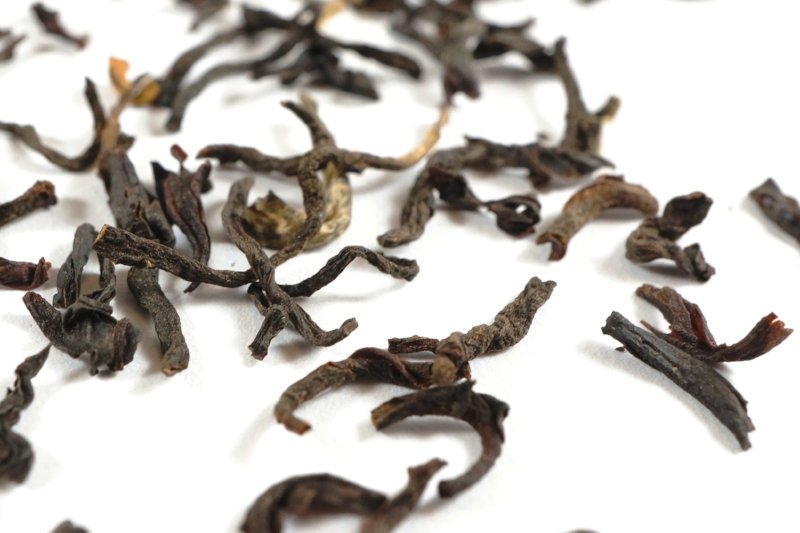
Scoop some out and take a look. The leaves are a pretty mix of green and silver, with dried blueberries tucked in here and there. They feel fresh and almost velvety. The blueberry scent is there when you open the bag, but it doesn't shout.

You can brew it hot or chill it, so it works in January and in August. It's also low in caffeine, which makes it a good pick when you want something lighter than a black tea.

If you like your tea delicate with a little fruit, this is one to try. Good leaves, a balanced flavor, and a clean, refreshing finish. It's a quiet favorite on our shelf.

Beantown Tea
How to Make Delicious Iced Tea.

Once the weather turns warm, a tall glass of iced tea is about the best thing going. Making it is easy, but a few small habits make the difference between a glass that’s just cold and one that actually tastes good. Here’s how we make ours.

Step 1: Choose Your Tea. Start with good leaf. We carry a wide variety of high-quality loose-leaf teas that make great iced tea. For the classic glass, I’d reach for a black tea like our Assam or Ceylon. If you want something milder, green tea or white tea work nicely too.

Step 2: Brew Your Tea. Bring your water to a boil and steep the leaves. Our usual guide is 1 tablespoon of tea per 8 ounces of water. For iced tea, double it. So if you’d normally use 1 tablespoon for 8 ounces, use 2 tablespoons for 8 ounces when you’re making it to pour over ice.

Once the water boils, give it a few minutes to cool before the tea goes in. Steep for 3-5 minutes depending on the type of tea, and check the specific instructions for whichever tea you picked.

Step 3: Sweeten Your Tea (Optional). If you like it sweet, add sugar or another sweetener now, while the tea is still warm. We offer natural sweeteners like honey and agave nectar if you want just a touch.

Step 4: Chill Your Tea. Now cool it down. Pour it over ice, or put it in the refrigerator. Either way, give it enough time to chill all the way through before you serve it.

Step 5: Serve and Enjoy! Pour it into a tall glass over ice and add a slice of lemon or a sprig of mint. That little extra makes it feel like summer.

That’s really all there is to it: pick the right tea, brew it properly, sweeten if you like, and chill it. Grab a bag of Beantown Tea and make yourself a glass.

Why Cold Brew Tea?

Cold brew tea has been showing up everywhere lately, and I get why. It tastes clean and refreshing, and there's a health angle too. So let's talk about what's actually in the glass: the health benefits of cold brew tea, how it's different from a regular hot-brewed cup, and why the brewing process and temperature matter so much.

Most of the good stuff in tea comes from its antioxidants and phytonutrients. The big three are catechins, theaflavins, and thearubigens. These compounds are behind benefits like better cognitive function and help with weight management.

Polyphenols are one of the most important antioxidants in tea, and they carry a lot of health benefits. Here's where cold brew gets interesting. It ends up with more polyphenols than hot tea, simply because of how it's made. Cold brew steeps at low temperatures with little to no heat. Hot tea steeps in hot water, and that heat can bring the polyphenol level down. Polyphenols have been found to have some real potential benefits, like reducing inflammation, preventing damage to DNA, and lowering the risk of cancer and cardiovascular disease.

Catechins are another antioxidant in tea with plenty of benefits, but they're a little fragile. Heat them and they can break down, which means you get less out of them. That's the catch with hot-brewed tea. Cold brew stays at a low temperature, so the catechins stay intact. Studies have shown the catechins in cold brew tea can reduce the risk of heart disease, improve cholesterol levels, and lower blood pressure.

Then there are theaflavins, a third antioxidant tied to a whole range of health benefits. Studies have shown they can reduce inflammation and oxidative stress, both of which can lead to chronic disease. They've also been found to reduce the risk of cancer and improve liver health. Because cold brew is made at a lower temperature, you get more theaflavins than you would from hot tea, and more of the benefits that come with them.

Thearubigens round out the list. Like theaflavins, they've been shown in studies to reduce inflammation and oxidative stress. They also have antiviral activity and can improve blood pressure. And once again, there are more of them in cold brewed tea than in hot, thanks to that lower brewing temperature.

So that's the case for cold brew. It's an excellent source of polyphenols, catechins, theaflavins, and thearubigens, all antioxidants linked to a long list of health benefits. Since the water never gets hot, those compounds are less likely to break down, and more of the good stuff makes it into your glass. Honestly, it's one of the best ways I know to get the health benefits of tea.

What Is Chai Tea? History, Spices, and How We Brew It

When someone says "chai tea," they usually mean a warm, spiced cup of black tea with milk and a little sweetness. In Hindi and several other languages across South Asia, chai simply means tea. What most of us are talking about is masala chai: tea simmered with aromatic spices.

At Beantown Tea & Spices, chai is one of the blends we get asked about most, especially once the weather turns cool. Here is a clear look at what it is, where it comes from, and how we like to brew it.

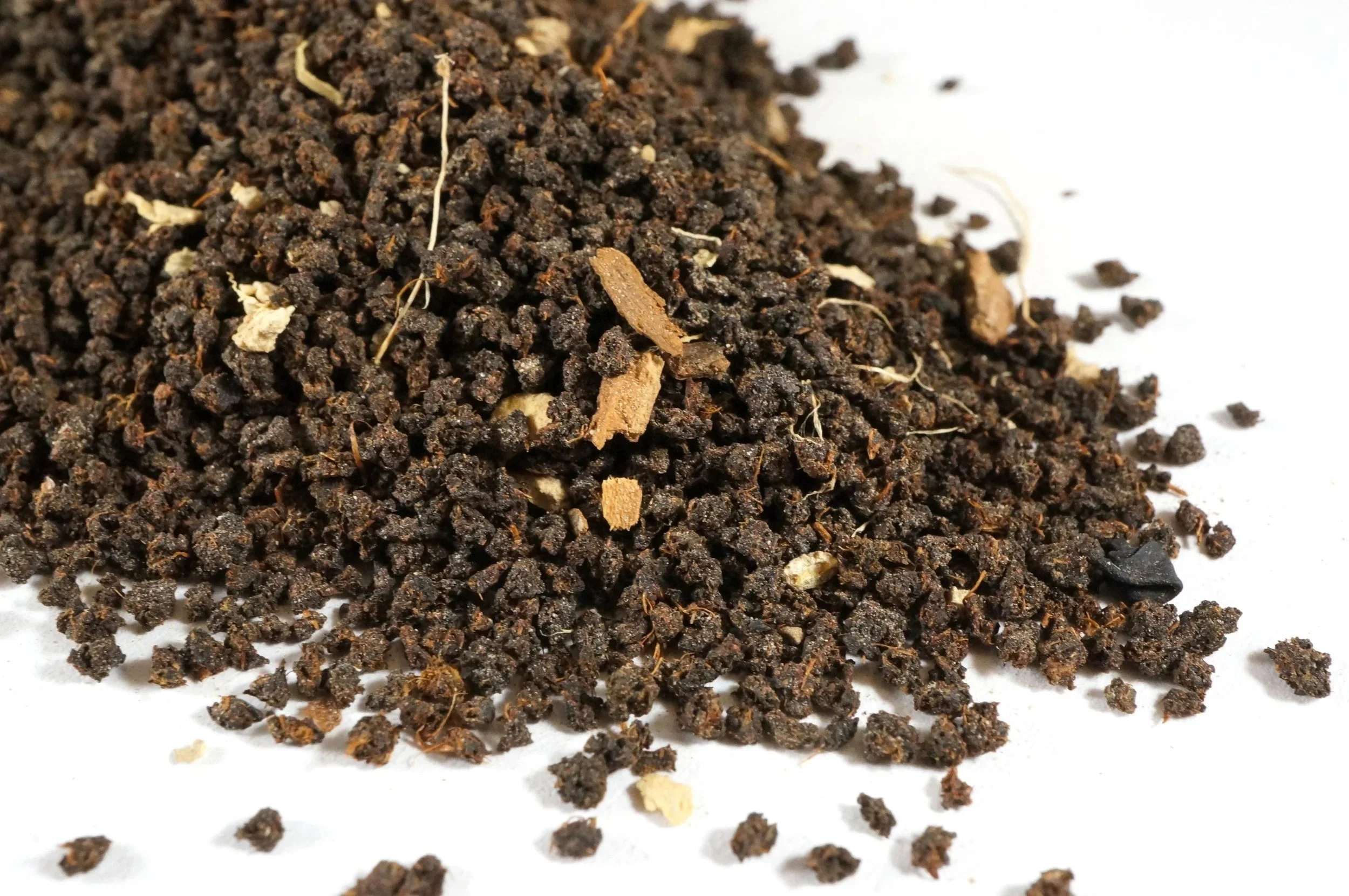
Beantown Tea Masala Chai loose-leaf blend with black tea and whole spices

What goes into a classic chai

A traditional masala chai starts with a full-bodied black tea base, then builds flavor with spices. The ones you will taste most often are:

  • Ginger

  • Cardamom

  • Cinnamon

  • Cloves

  • Black pepper

Coriander shows up in some blends too, including our Masala Chai. Milk and a touch of sugar or honey round out the cup. The result should taste bold and aromatic, not dusty or artificial.

A short history (without the myths)

Spiced tea drinks have deep roots in South Asian food traditions. The everyday street-style masala chai many people know today, though, took off in a big way in the early twentieth century. Tea stalls, railway vendors, and chaiwalas helped make strong black tea with milk, sugar, and spices an ordinary daily drink across India.

That history matters for one common mix-up: turmeric is wonderful in its own right, but it is not a standard spice in classic masala chai. Golden milk and turmeric lattes are a different (and delicious) tradition. Our chai blends stick to the spice profile that makes masala chai taste like masala chai.

Today you will find chai everywhere from home kitchens to coffee shops. The good news for tea drinkers is that a great cup still starts with good leaf and real spices.

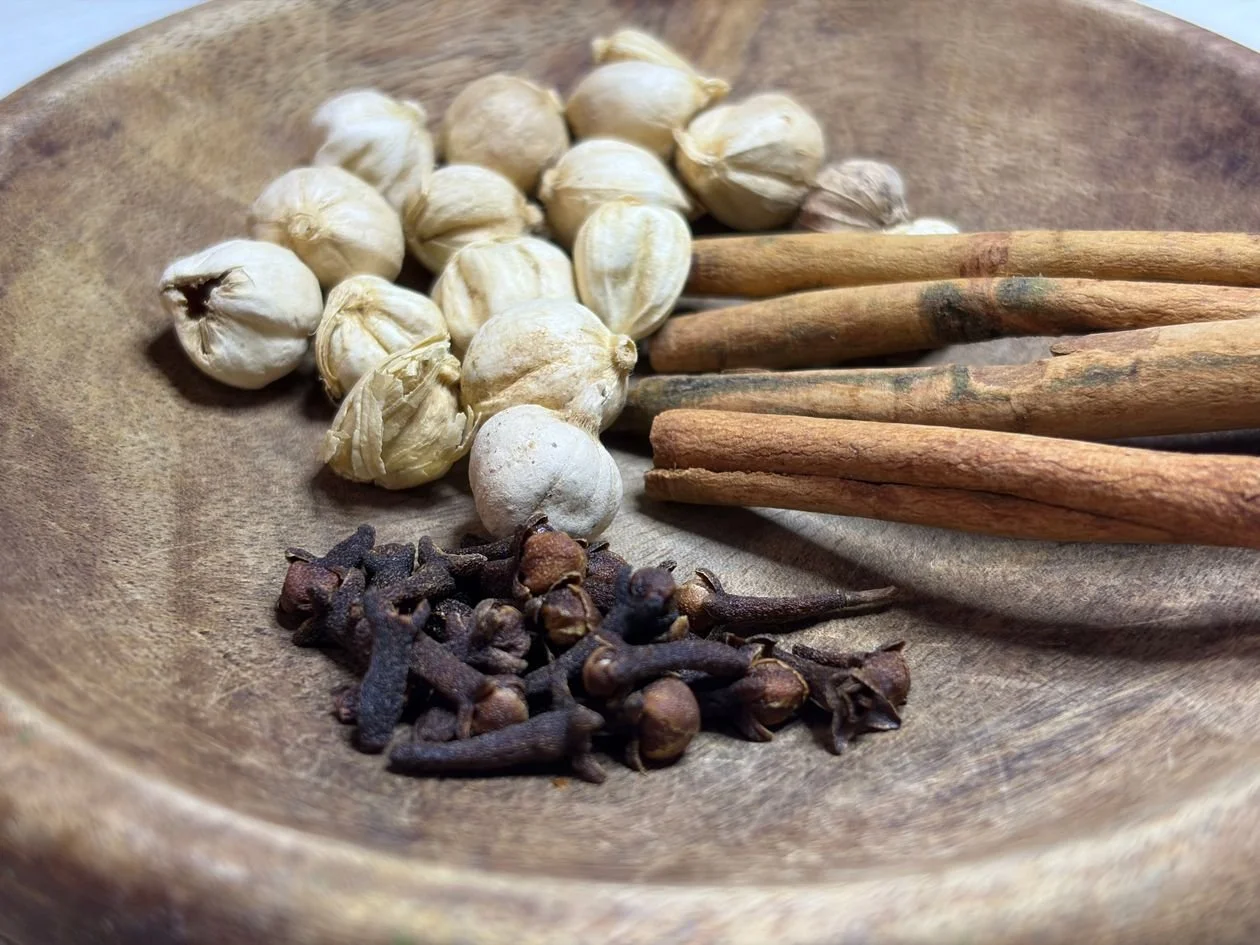
Whole chai spices including cinnamon sticks, cardamom pods and cloves

How the spices earn their keep

People often ask what the spices are "good for." We keep the answer practical and honest. Ginger is the classic comfort spice people reach for when their stomach feels off. Cinnamon and cardamom bring warmth and aroma. Black pepper sharpens the finish. Black tea itself brings caffeine and the polyphenols that come with a proper brew.

Tea is not medicine, and no cup replaces care from a clinician. What chai is good at is being a satisfying, warming everyday drink you can make at home for a few dollars a tin.

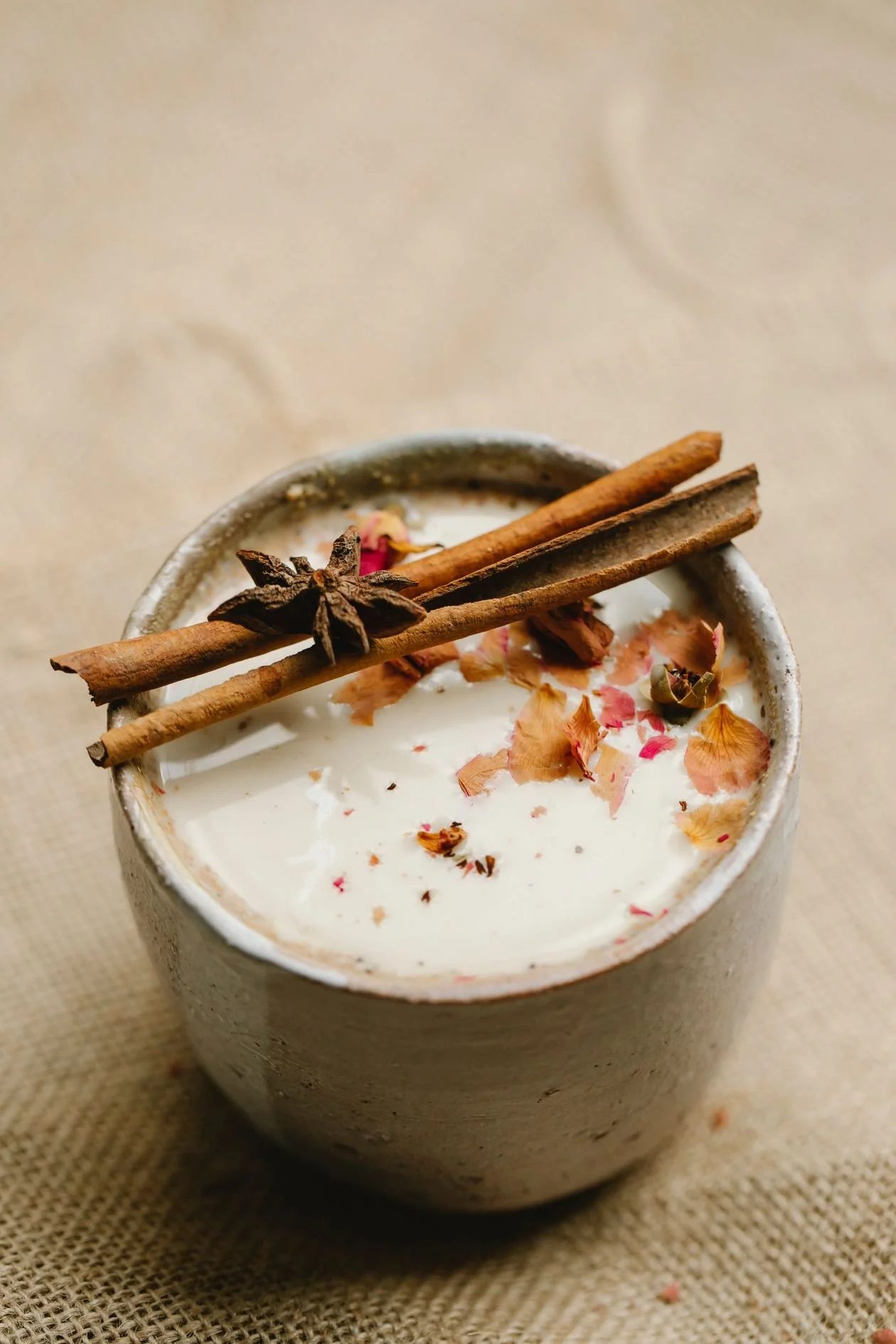
Freshly brewed masala chai with milk in a cup

How we brew chai at Beantown Tea

Turn the bag upside down a few times first. Powdered spices like to settle at the bottom.

Everyday cup method (per 8 oz):

  • Use 1 heaping teaspoon of chai

  • Pour freshly boiled water (212°F / 100°C) over the leaves

  • Steep 5–10 minutes (at least 7 if you want a true chai punch)

  • Add warm milk and sweetener to taste

A simple shop tip we use: prepare the cup with a little sugar and about 20% milk by volume, then pour in the strained chai.

Creamier latte style: Brew the chai a bit stronger, then top it with steamed milk.

Traditional simmer method: Some households simmer the spices and tea directly in a mix of water and milk. Watch the pot carefully; milk foams up fast.

Our chai lineup

If you are shopping our shelf, start here:

  • Masala Chai: full-bodied black tea with South Indian masala spices and a ginger-cardamom finish

  • Vanilla Chai: the same spiced backbone with creamy Madagascar vanilla

  • Spiced Chai: a peppery, aromatic take for crisp evenings

  • Indian Chai Spice Mix: caffeine-free spices you can drink on their own or blend with your favorite tea (or even coffee)

Browse the full chai selection if you want to compare. Samples start at $2.95, so you can try a blend before you commit to a bigger bag.

Whether you take it milky and sweet or bold and black, chai is one of those cups that earns a permanent spot by the kettle. Happy steeping from all of us at Beantown Tea & Spices.

Beantown Tea
Green Tea and Antioxidants: What the Catechins Actually Do

Green tea shows up in almost every conversation we have about tea and wellness. People want to know what is actually in the cup, what "antioxidants" means in plain language, and whether the research is worth paying attention to. Here is the version we share in the shop, without the hype.

First, a disclaimer we always give: tea is a food and a beverage, not a treatment. Nothing in this post is medical advice. If you have a health condition or take medication, talk with a qualified clinician before changing your routine.

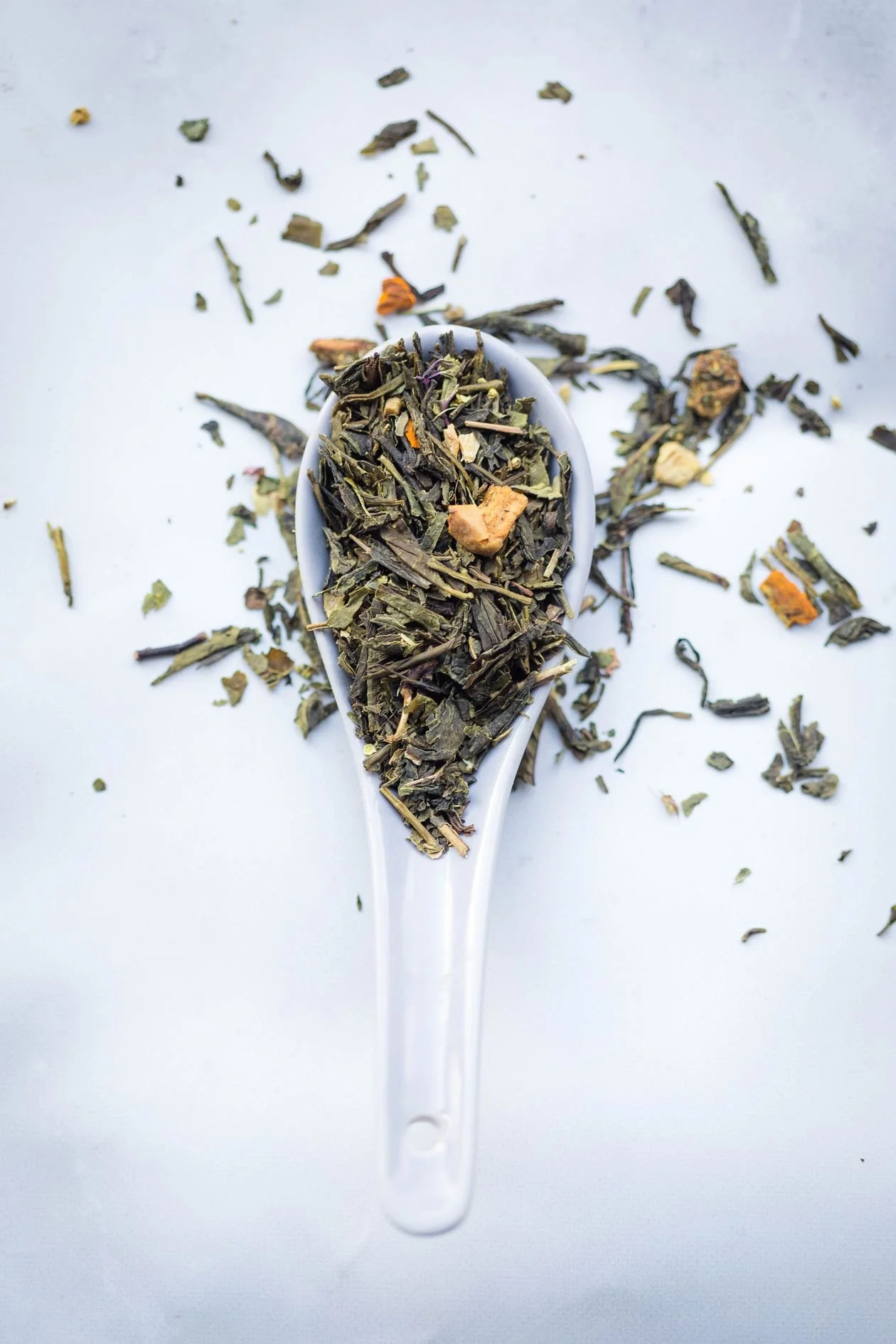
Close-up of loose-leaf green tea leaves

What people mean by antioxidants in green tea

Antioxidants are compounds that help neutralize free radicals, unstable molecules that can damage cells when they build up faster than the body can handle. Plants make many of these compounds. In green tea, the stars of the show are a group of polyphenols called catechins.

The best-studied catechin in green tea is EGCG (epigallocatechin-3-gallate). Two close relatives, ECG (epicatechin gallate) and other catechins, also contribute. Together they are a big reason green tea has a reputation for being "good for you."

Green tea is especially interesting here because the leaves are heated soon after harvest to stop heavy oxidation. That keeps more of the natural catechins intact compared with fully oxidized black tea.

What research tends to look at

Scientists have studied green tea catechins for decades. The areas that come up most often include:

  • Oxidative stress: Catechins can help mop up free radicals in lab and some human studies, which is the core antioxidant story.

  • Inflammation: Some research links green tea polyphenols with lower markers of inflammation.

  • Heart health: Observational studies have associated regular green tea drinking with better cholesterol patterns and cardiovascular markers. Results vary, and lifestyle always matters too.

  • Metabolism: Green tea is often discussed in weight-management research because catechins and caffeine together may give a modest metabolic nudge. It is not a shortcut, and the effect size in studies is usually small.

  • Brain and aging research: Early work explores whether green tea compounds support cognitive health over time. This area is promising but still developing.

You will also see green tea extract used in some skincare products. Drinking tea and putting extract on skin are different uses, so do not treat them as interchangeable.

What we do not claim: green tea cures cancer, dementia, or any disease. Some population studies report associations with lower risk of certain conditions; that is not the same as proof that tea prevents or treats illness.

A cup of freshly brewed green tea

How to get the benefits in a real cup

If the goal is a good daily habit, brewing matters more than chasing miracle claims.

  • Use fresh water just off the boil, then cool it a bit for green tea (often around 160–180°F / 70–80°C, depending on the tea)

  • Start with about 1 teaspoon of loose leaf per 8 oz

  • Steep 2–3 minutes for most Japanese greens; adjust to taste

  • Store tea airtight, away from light, air, moisture, and heat

Astringency usually means the water was too hot or the steep too long. Nutty, sweet, or grassy notes should lead, not bitterness.

Greens we like for everyday drinking

If you want to explore our shelf:

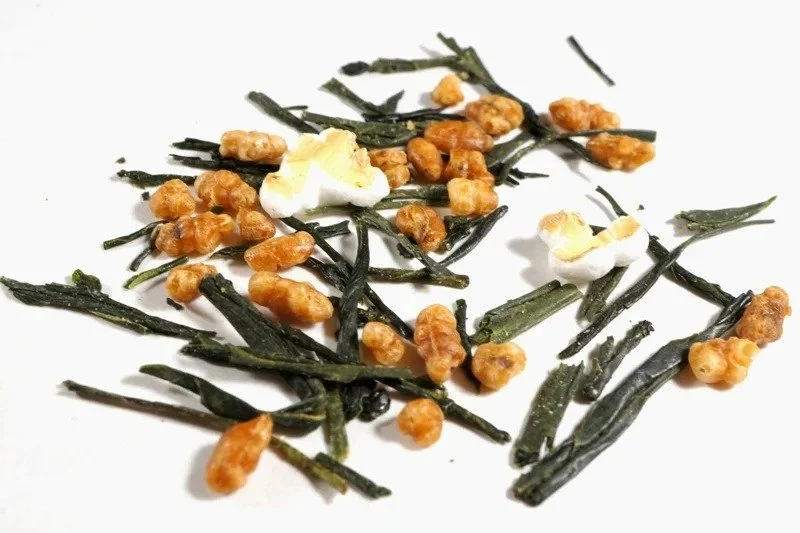
Beantown Tea Genmaicha green tea with toasted brown rice

Browse the full green tea collection to find what you like. Samples start at $2.95 if you want to taste before you stock up.

The short version: green tea is rich in catechins, especially EGCG, and that is why it keeps showing up in antioxidant research. Brew a cup you actually enjoy, drink it regularly if you like it, and treat the health headlines with a little calm. Happy steeping from all of us at Beantown Tea & Spices.

Beantown Tea
How to Brew the Perfect Cup of Black Tea: 6 Simple Tips

A great cup of black tea doesn't take special equipment or a lot of time. It comes down to a few simple habits: good leaf, properly hot water, the right amount of tea, and a steep that's long enough but not too long. Get those right and the difference between an okay cup and a really good one is easy to taste.

Here's how we brew black tea at Beantown Tea & Spices.

1. Start with good loose-leaf tea

Whole and large-leaf teas give you a fuller, smoother cup. Very fine, dusty pieces release their flavor fast and tend to turn harsh and bitter. That's one reason a loose-leaf tea usually tastes better than the dust in an ordinary tea bag.

Which black tea to choose is up to you. For a strong, malty morning cup, try an Assam like our Assam Hunwal or a classic blend like English Breakfast. For something fragrant, Earl Grey is a favorite. You can browse them all in our Black Tea collection.

2. Use fresh water, heated to a full boil

Black tea likes hot water, about 205–212°F, which is right at or just off the boil. Start with fresh, cold water (filtered if your tap water has a strong taste), since water that's been boiled over and over can make the tea taste flat.

Other teas need cooler water. Our guide to brewing temperatures by tea type covers green, white, and oolong too.

3. Warm your teapot or mug

While the water heats, pour a little hot water into your teapot or mug, swirl it around, and pour it out. A warm vessel keeps the brewing temperature steady, so the leaves give up their full flavor.

4. Measure the tea

Use about 1 rounded teaspoon of loose tea (about 2–3 grams) for every 8 ounces of water. Put the leaves in an infuser, a paper tea filter, or straight into the pot if you'll strain it afterward. If you like your tea stronger, add more leaf rather than steeping longer.

5. Steep for 3 to 5 minutes

Pour the hot water over the leaves, cover the pot or mug to hold in the heat, and steep for 3 to 5 minutes. Three minutes gives a lighter, brighter cup. Five minutes gives a bolder one that holds up to milk. Much longer than that and the tea pulls out more tannins and starts to taste bitter and drying.

When time is up, remove the infuser or strain out the leaves so the tea stops brewing.

6. Add milk, sugar, or lemon if you like

Strong black teas like Assam and breakfast blends take milk beautifully. A spoonful of honey or sugar softens the edges, and a slice of lemon brightens a lighter tea like Ceylon. There's no wrong answer, so taste the cup plain first and then adjust.

Quick tips for better black tea

  • Bitter cup? Shorten the steep or use a little less tea.

  • Weak cup? Add more leaf instead of steeping longer.

  • Store loose tea in an airtight container away from light, heat, moisture, and strong smells so it stays fresh.

  • Keep a timer handy. A minute or two too long makes a real difference.

Enjoy your cup

That's really all there is to it. With good leaf, hot water, and a watchful eye on the clock, you can make a great cup of black tea any day of the week. If you need an infuser or filters, take a look at our tea accessories.

Beantown Tea
How Oolong Tea Is Made: From Fresh Leaf to Your Cup

Oolong sits right between green tea and black tea. It's made from the same plant, Camellia sinensis, but the leaves are only partially oxidized. That in-between step is what gives oolong its huge range, from light, floral, almost green-tasting cups to dark, toasty, roasted ones.

Oolong comes from China's Fujian Province, where tea makers perfected the craft centuries ago, and from Taiwan, which became famous for its oolongs in the 1800s. Here's how a fresh tea leaf becomes oolong, and how to brew it at home.

How oolong tea is made

Every tea maker has their own touch, and oolong is one of the most hands-on teas there is. Most oolongs go through the same basic steps.

1. Plucking

Oolong is usually made from more mature leaves than many green teas. Pickers typically take a bud with two or three leaves, or a few open leaves, which hold up well to the handling that comes next.

2. Withering in the sun

The fresh leaves are spread out on bamboo trays or cloths, often in the sun and then indoors, so they lose some moisture and soften. Soft leaves can be handled without breaking.

3. Bruising and partial oxidation

This is the step that makes oolong, oolong. The leaves are gently tossed or shaken in bamboo baskets, which bruises their edges. The bruised edges react with air and oxidize faster than the center of the leaf. Tea makers repeat this tossing and resting several times, watching and smelling the leaves until they reach the right level of oxidation. Some oolongs are lightly oxidized, around 15–30%, while darker styles go much further.

4. Firing to stop oxidation

Once the leaves are where the tea maker wants them, they're heated in a hot pan or drum. This "kill green" step stops oxidation and locks in the flavor.

5. Rolling and shaping

Next the leaves are rolled. Some oolongs, like many from Taiwan and Iron Goddess from Anxi, are rolled into tight little balls that slowly unfurl in hot water. Others, like Wuyi rock oolongs, are twisted into long, dark strips.

6. Drying and roasting

Finally the leaves are dried. Many oolongs are also roasted, sometimes over charcoal, which adds warm, toasty, nutty notes. A lightly roasted oolong stays fresh and floral; a heavily roasted one tastes deeper and more caramel-like.

What oolong tastes like

Because oxidation and roasting can be dialed up or down, oolong covers a lot of ground:

  • Light and floral: our Ali Shan Oolong is clean, with notes of orchid and honey, and our Milk Oolong is naturally creamy (no dairy involved).

  • Balanced and nutty: Iron Goddess (Ti Kuan Yin) brews a nutty, mineral cup with a lingering orchid finish, and Formosa Oolong is a smooth, easy introduction to oolong.

  • Dark and toasty: Wuyi Oolong is full-bodied and earthy with a honeyed, floral aftertaste.

How to brew oolong tea

Oolong likes water that's hot but not quite boiling. As a general guideline:

  • Use 1–2 teaspoons of loose leaf (about 3 grams) per 8 ounces of water.

  • Heat the water to 185–205°F. Use the lower end for light, floral oolongs and the higher end for darker, roasted ones.

  • Steep for 3–5 minutes, then taste and adjust.

  • Don't throw the leaves out after one cup. Good oolong can be steeped several times, and each cup brings out new notes.

A teapot, a gaiwan, or a simple infuser all work well. Just give tightly rolled leaves room to open up.

Is oolong good for you?

Like green and black tea, oolong contains natural antioxidants called polyphenols, and it has a moderate amount of caffeine, usually somewhere between green and black tea. Researchers have studied tea's polyphenols for their possible effects on metabolism and heart health, but the research is still developing, so we think of oolong first as a delicious, calorie-free cup rather than a cure for anything.

The bottom line

Oolong is a tea of craft. Plucking, withering, bruising, partial oxidation, firing, rolling, and roasting each shape the final cup, which is why no two oolongs taste quite the same. The best way to find your favorite is to try a few, from light and floral to dark and toasty. You can explore them all in our oolong tea selection.

A Short History of Japanese Tea: From Zen Monks to Sencha

Green tea is woven into daily life in Japan, from a quick cup of sencha at the office to the slow, careful ritual of the tea ceremony. But tea isn't native to Japan. It arrived from China more than 1,200 years ago, and Japanese growers and tea masters spent centuries turning it into something all their own.

Here's a short history of how that happened, and what it means for the tea in your cup today.

Tea arrives from China (800s)

Tea first came to Japan with Buddhist monks who had studied in Tang-dynasty China. The earliest written record dates to 815, when the monk Eichū is said to have served tea to Emperor Saga. For a while tea was enjoyed at court and in temples, but it was rare and expensive, and interest faded once official ties with China cooled.

Eisai and the Zen connection (1100s)

Tea made its real comeback in 1191, when the Zen monk Eisai returned from Song-dynasty China with tea seeds and a new way of drinking it: leaves ground to a fine powder and whisked with hot water. That's the ancestor of today's matcha. Eisai also wrote one of Japan's first books on tea, Kissa Yōjōki ("Drinking Tea for Health"), and Zen monks drank tea to stay alert through long hours of meditation.

Tea gardens soon spread around Kyoto, and the nearby town of Uji became famous for high-quality tea, a reputation it still holds.

The tea ceremony takes shape (1400s–1500s)

Over the next few centuries, drinking powdered tea grew from a temple habit into an art. Tea masters such as Murata Jukō and, most famously, Sen no Rikyū shaped what we now call the Japanese tea ceremony, known as chanoyu or chadō ("the way of tea"). Rikyū favored simple, rustic tea rooms and humble utensils, and his ideas of harmony, respect, purity, and tranquility still guide the ceremony today.

In a traditional ceremony, the host heats water in an iron kettle called a kama, measures matcha into a bowl with a bamboo scoop, and whisks it with a bamboo whisk (chasen) before serving each guest. A formal gathering may also include a light meal and sweets. Every movement is deliberate, and the point is less about the tea itself than about being fully present with your guests.

Sencha becomes the everyday tea (1700s)

Matcha was the tea of temples and the elite, but most people wanted something simpler. In 1738, a tea farmer named Nagatani Sōen in Ujitawara, near Kyoto, developed a method of steaming fresh leaves and then rolling and drying them. The result was a bright green, fresh-tasting tea that you could simply steep in a pot. That tea was sencha, and it soon became the everyday tea of Japan. Steaming, instead of the pan-firing common in China, is still the hallmark of Japanese green tea.

In the 1800s, growers near Uji also began shading their tea plants for several weeks before harvest. The extra shade makes the leaves sweeter and richer in umami, and it gave rise to gyokuro, one of Japan's most prized teas.

Japanese tea today

Today sencha is by far the most popular tea in Japan, and the biggest growing regions are Shizuoka and Kagoshima, on the southern island of Kyushu. Japan also produces a whole family of green teas, each with its own character:

  • Sencha: the classic steamed green tea, slightly sweet and vegetal. Ours comes from Kagoshima.

  • Gyokuro: shade-grown, smooth, and deeply savory.

  • Matcha: shade-grown leaves stone-ground into a fine powder and whisked, the tea of the tea ceremony.

  • Genmaicha: green tea blended with toasted brown rice for a warm, nutty cup.

  • Hojicha: green tea roasted to a toasty brown, naturally low in bitterness.

  • Kukicha: a mellow "twig tea" made from the stems of the tea plant.

Bringing a bit of that history home

You don't need a tea room or a full ceremony to enjoy Japanese tea. Most Japanese green teas like water that's hot but not boiling, so let your kettle cool for a few minutes after it boils and keep steeps short. Each product page has the exact brewing steps for that tea. If you're new to Japanese tea, sencha is a great place to start, and our green tea selection has the rest of the family when you're ready to explore.Tea arrives from China (800s)

Tea first came to Japan with Buddhist monks who had studied in Tang-dynasty China. The earliest written record dates to 815, when the monk Eichū is said to have served tea to Emperor Saga. For a while tea was enjoyed at court and in temples, but it was rare and expensive, and interest faded once official ties with China cooled.

Eisai and the Zen connection (1100s)

Tea made its real comeback in 1191, when the Zen monk Eisai returned from Song-dynasty China with tea seeds and a new way of drinking it: leaves ground to a fine powder and whisked with hot water. That's the ancestor of today's matcha. Eisai also wrote one of Japan's first books on tea, Kissa Yōjōki ("Drinking Tea for Health"), and Zen monks drank tea to stay alert through long hours of meditation.

Tea gardens soon spread around Kyoto, and the nearby town of Uji became famous for high-quality tea, a reputation it still holds.

The tea ceremony takes shape (1400s–1500s)

Over the next few centuries, drinking powdered tea grew from a temple habit into an art. Tea masters such as Murata Jukō and, most famously, Sen no Rikyū shaped what we now call the Japanese tea ceremony, known as chanoyu or chadō ("the way of tea"). Rikyū favored simple, rustic tea rooms and humble utensils, and his ideas of harmony, respect, purity, and tranquility still guide the ceremony today.

In a traditional ceremony, the host heats water in an iron kettle called a kama, measures matcha into a bowl with a bamboo scoop, and whisks it with a bamboo whisk (chasen) before serving each guest. A formal gathering may also include a light meal and sweets. Every movement is deliberate, and the point is less about the tea itself than about being fully present with your guests.

Sencha becomes the everyday tea (1700s)

Matcha was the tea of temples and the elite, but most people wanted something simpler. In 1738, a tea farmer named Nagatani Sōen in Ujitawara, near Kyoto, developed a method of steaming fresh leaves and then rolling and drying them. The result was a bright green, fresh-tasting tea that you could simply steep in a pot. That tea was sencha, and it soon became the everyday tea of Japan. Steaming, instead of the pan-firing common in China, is still the hallmark of Japanese green tea.

In the 1800s, growers near Uji also began shading their tea plants for several weeks before harvest. The extra shade makes the leaves sweeter and richer in umami, and it gave rise to gyokuro, one of Japan's most prized teas.

Japanese tea today

Today sencha is by far the most popular tea in Japan, and the biggest growing regions are Shizuoka and Kagoshima, on the southern island of Kyushu. Japan also produces a whole family of green teas, each with its own character:

  • Sencha: the classic steamed green tea, slightly sweet and vegetal. Ours comes from Kagoshima.

  • Gyokuro: shade-grown, smooth, and deeply savory.

  • Matcha: shade-grown leaves stone-ground into a fine powder and whisked, the tea of the tea ceremony.

  • Genmaicha: green tea blended with toasted brown rice for a warm, nutty cup.

  • Hojicha: green tea roasted to a toasty brown, naturally low in bitterness.

  • Kukicha: a mellow "twig tea" made from the stems of the tea plant.

Bringing a bit of that history home

You don't need a tea room or a full ceremony to enjoy Japanese tea. Most Japanese green teas like water that's hot but not boiling, so let your kettle cool for a few minutes after it boils and keep steeps short. Each product page has the exact brewing steps for that tea. If you're new to Japanese tea, sencha is a great place to start, and our green tea selection has the rest of the family when you're ready to explore.

The History of Earl Grey Tea: The Prime Minister, the Legends, and the Bergamot

Earl Grey is one of the most recognizable teas in the world. One sip and you know it: a black tea scented with oil of bergamot, a citrus fruit that tastes somewhere between a lemon, an orange, and a grapefruit, with a bright, floral edge.

It's also one of the most-searched teas on our site, so it seemed right to tell its story. The short version: the name comes from a real British prime minister, but much of the rest is legend.

Who was Earl Grey?

The tea is named after Charles Grey, the 2nd Earl Grey, who served as Britain's prime minister from 1830 to 1834. He's best remembered for the Reform Act of 1832, which overhauled Britain's voting system, and for the abolition of slavery across most of the British Empire during his time in office.

The legends

There are a few popular stories about how a prime minister ended up with a tea named after him.

  • The grateful mandarin. The most famous tale says a Chinese official sent the earl a gift of bergamot-scented tea after one of Grey's men saved the official's son. It's a nice story, but there's no evidence for it, and Grey never traveled to China.

  • The hard water. Another story says a Chinese tea master blended the tea for the Grey family home, Howick Hall in Northumberland, using bergamot to balance the taste of the local water. The family's guests loved it, and Lady Grey served it in London society.

Several British tea merchants have claimed to have the original recipe over the years, and nobody has been able to prove it.

What the record actually shows

Tea flavored with bergamot was already being sold in Britain by the 1820s, sometimes to make lower-grade tea taste like a more expensive one. But the name "Earl Grey" doesn't show up in print until the 1880s, decades after the earl's death in 1845. So the honest answer is that bergamot tea came first, and the famous name got attached to it later, probably as clever marketing.

What is bergamot?

Bergamot is a small, fragrant citrus fruit grown mostly along the coast of Calabria, in southern Italy. The fruit is too sour to eat out of hand, but the oil pressed from its peel is wonderfully aromatic. It's used in perfume as well as in tea, which is why a good Earl Grey smells so lovely the moment you open the bag.

Earl Grey today

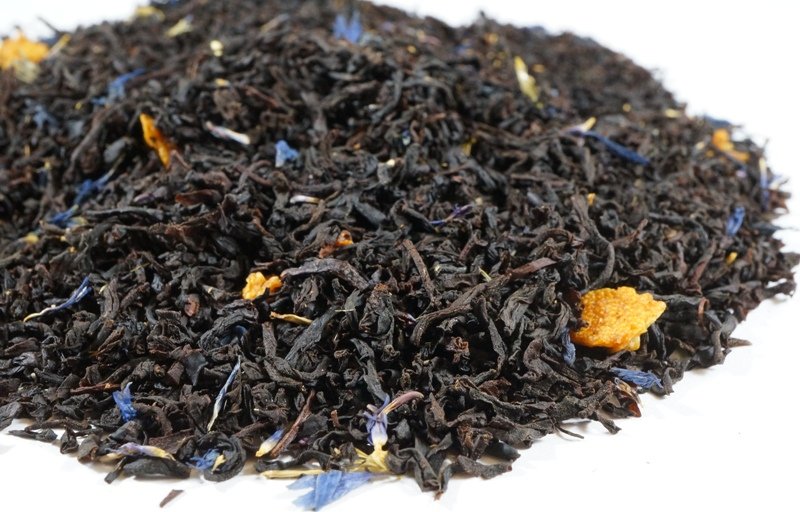
Modern Earl Grey is almost always made with black tea, though you'll also find green tea and rooibos versions. Our classic Earl Grey blends premium black tea with bergamot oil, citrus peels, and blue cornflower petals. It's bright and refreshing, and it's lovely with pastries and cake. It comes in a sample size (about 5 cups) as well as 4 oz, 8 oz, and 1 lb bags.

If you like the classic, try one of its cousins:

How to brew Earl Grey

  • Use 1 rounded teaspoon of loose leaf (about 2–3 grams) per 8 ounces of water.

  • Pour freshly boiled water (205–212°F) over the leaves.

  • Steep for 3–5 minutes, then taste and adjust.

Earl Grey is great on its own, with a slice of lemon, or with a splash of milk. For iced Earl Grey and a homemade London Fog latte, see our guide on how to brew Earl Grey three ways.

Two centuries after Charles Grey left office, nobody can say for sure how his name ended up on a tin of tea. But it's easy to see why the tea itself stuck around.

Tea and Inflammation: What Green, Black, and Oolong Teas Contain

Inflammation is one of the body's everyday tools. It's how you heal a scraped knee or fight off a cold. The trouble starts when it lingers at a low level for a long time, which researchers have linked to many long-term health problems.

Tea comes up a lot in that conversation, because the leaf is packed with plant compounds called polyphenols. Here's what each of the main tea types contains, and what the research does and doesn't show so far.

Green tea: catechins and EGCG

Green tea is steamed or pan-fired soon after picking, so its leaves keep most of their natural catechins. The best known is EGCG (epigallocatechin gallate). In lab and animal studies, EGCG and related catechins calm several of the chemical signals the body uses to drive inflammation, which is why green tea gets so much attention.

A good everyday green to start with is Sencha. If you'd like more of the whole leaf in your cup, matcha is powdered green tea that you whisk and drink entirely. For more on these compounds, see our post on green tea and antioxidants.

Black tea: theaflavins and thearubigins

Black tea is fully oxidized. During that step, many of the catechins join together into new compounds called theaflavins and thearubigins, which give black tea its deep color and brisk taste. These compounds have shown anti-inflammatory activity in lab research too, so a cup of black tea isn't just green tea with the benefits cooked out.

Try a bold Assam Hunwal or a classic English Breakfast.

Oolong: a little of both

Oolong is partially oxidized, anywhere from lightly to heavily, so it holds a mix of catechins and the compounds found in black tea. Lighter oolongs like Ali Shan lean toward green tea's profile, while darker, roasted styles like Wuyi Oolong lean toward black. Learn more in how oolong tea is made.

What the research really says

Most of the strongest results come from test tubes and animals, often at doses far higher than a few cups a day. Studies in people are more mixed. Some find that regular tea drinkers have lower levels of certain inflammation markers, but those studies can't fully separate tea from the rest of a healthy lifestyle.

So the honest takeaway is this: tea is a delicious, polyphenol-rich drink that fits well into a balanced diet, but it isn't a treatment for any condition. If you're dealing with ongoing inflammation, talk with your doctor. For a roundup of newer studies, see what new research says about tea and your health.

Getting the most from your cup

  • Brew green tea with water around 175°F for 2–3 minutes. Boiling water makes it bitter.

  • Brew black tea with freshly boiled water for 3–5 minutes.

  • Re-steep good loose leaf oolong and green tea. Each infusion brings out more flavor.

  • Enjoy it plain or lightly sweetened, and make it a steady habit rather than a quick fix.

Whichever tea you reach for, the best reason to drink it is that you enjoy it. Browse our green, black, and oolong teas to find your favorite.

Beantown Tea
Caffeine in Tea vs. Coffee: How Much Is in Your Cup?

Tea and coffee are the world's two favorite ways to get a gentle lift, and both owe it to the same natural stimulant: caffeine. Caffeine is the same molecule whether it comes from a tea leaf or a coffee bean, but the amount that ends up in your cup, and how it feels, can be quite different.

Here's how the two compare, and how to pick a tea that matches the kind of energy you want.

Caffein found in tea is different than that in coffee.

How much caffeine is in a cup?

According to the Mayo Clinic's caffeine chart, typical amounts per 8-ounce cup look like this:

  • Brewed coffee: about 95 mg

  • Black tea: about 47 mg

  • Green tea: about 28 mg

These are averages, and real cups vary a lot. Still, a cup of tea usually has roughly half the caffeine of a cup of coffee, or less.

Wait, don't tea leaves have more caffeine?

By weight, dry tea leaves can actually contain more caffeine than coffee beans. The difference is how much you use. A cup of tea takes about 2–3 grams of leaf, while a cup of coffee takes roughly twice that or more in ground beans. Coffee is also brewed in a way that pulls out more of its caffeine, so the cup ends up stronger.

What changes the caffeine in your tea

  • Steep time. The longer the leaves sit, the more caffeine comes out.

  • Water temperature. Hotter water extracts caffeine faster, which is one reason green tea, brewed cooler, often ends up lower.

  • Amount of leaf. More tea means more caffeine.

  • Leaf size. Broken leaves release caffeine faster than whole leaves.

  • Re-steeping. The first infusion carries the most caffeine, and each one after that carries less.

  • Matcha. Because you whisk and drink the whole powdered leaf, matcha tends to be on the higher end for tea.

The color of the tea isn't a reliable guide on its own. Some green and white teas made from young buds can be fairly high in caffeine, while some black teas are mild.

Why tea feels different

Tea also contains L-theanine, an amino acid found almost only in the tea plant. Research suggests that L-theanine and caffeine together support a calm, focused kind of alertness, which may be why many people find tea gives them a smoother lift than coffee. We dig into that research in calm focus in a cup.

Teas for every energy level

How much is too much?

The U.S. Food and Drug Administration says up to 400 mg of caffeine a day is generally fine for most healthy adults. That's several cups of tea. If you're pregnant, sensitive to caffeine, or taking medication, check with your doctor about what's right for you.

Coffee and tea both have their place. If you'd like a gentler, steadier lift with a lot of flavor to explore, tea is a wonderful choice.

What Is White Tea? How It's Made, How It Tastes, and How to Brew It

White tea is the most lightly handled of all teas. It comes from the same plant as green, oolong, and black tea, Camellia sinensis, but the leaves are simply withered and dried. There's no rolling, no pan-firing, and no steaming, which is why the cup tastes so soft, clean, and naturally sweet.

Here's what makes white tea different, the main styles to know, and how to brew it well.

How white tea is made

White tea traditionally comes from Fujian Province in China. Growers pick the unopened buds, sometimes with one or two young leaves, in early spring. The fresh leaves are then spread out to wither slowly, losing moisture and oxidizing just a little, before they're dried. Because the leaves are never rolled or broken, they stay whole, and many of the buds keep the fine silvery down that gives white tea its name.

The main styles of white tea

  • Silver Needle (Bai Hao Yin Zhen). Made only from downy buds, this is the most celebrated white tea. Our Silver Needle brews a clear, glowing cup with a delicate fragrance.

  • White Peony (Bai Mu Dan). Made from a bud and two young leaves, it's a little fuller and fruitier. Our White Peony is soft and velvety with gentle jammy notes.

  • Bud-and-leaf teas like Snowbud. Snowbud is bright, crisp, and mellow with floral hints.

  • Aged white teas. Some white teas are stored for years and grow deeper and honeyed. Try Aged Silver Needle.

  • Flavored white teas. White tea's light base pairs well with fruit, as in Peach White Tea and Blueberry White Tea.

What does white tea taste like?

Expect a pale gold cup that's light, smooth, and lightly sweet, with notes that can run from fresh hay and melon to honey and flowers. It's rarely bitter, which makes it a lovely tea for people who usually find green tea too grassy.

Does white tea have caffeine?

Yes. All true teas contain caffeine, white tea included. It's often said to be the lowest, but that isn't always so. Bud-heavy teas like Silver Needle can hold about as much as some green teas. How you brew matters more: cooler water and shorter steeps keep the caffeine on the gentle side. If you want no caffeine at all, an herbal or fruit tea is the way to go.

White tea and your health

Because it's so lightly processed, white tea keeps plenty of the plant's natural polyphenols, including catechins, the same antioxidant family found in green tea. Researchers are interested in these compounds, but most of the evidence so far comes from lab and animal studies, so it's best to enjoy white tea for its flavor and treat any health perks as a bonus, not a treatment.

How to brew white tea

Our product pages suggest this general guideline for Silver Needle and White Peony:

  • Use 1–2 teaspoons (about 2–3 g) of leaf per 8 oz of water.

  • Heat the water to 170–185°F, well below boiling.

  • Steep 3–5 minutes, then adjust to taste.

The fluffy leaves are bulky, so don't be shy with the scoop. Good white tea can be steeped two or three times. It also makes a beautiful iced tea, and you can try it cold brewed. For water temperatures across every tea type, see our brewing temperature guide.

Find your white tea

Every white tea we carry comes in a sample size plus larger sizes, so it's easy to taste a few before you pick a favorite. Browse them all in our white tea collection, or start with the White Tea Sampler Pack.

Tea Brewing Temperatures: The Right Water for Green, White, Oolong, and Black Tea
Water temperature is very crucial in making the perfect cup of tea.

Water temperature is the easiest way to make your tea taste better. Too hot, and delicate greens and whites turn bitter. Too cool, and a black tea or oolong comes out thin and flat. Match the water to the leaf and the same tea suddenly tastes the way it should.

Here's a quick guide to water temperature for each type of tea, based on the brewing tips on our product pages. Treat these as starting points and adjust to taste.

Water temperature at a glance

  • Japanese green tea (like Sencha): 160–175°F, 1–2 minutes

  • Gyokuro: 120–140°F, about 2 minutes

  • Most other green teas: 175–185°F, 2–3 minutes

  • White tea: 170–185°F, 3–5 minutes

  • Oolong tea: 185–205°F, 3–5 minutes

  • Black tea: freshly boiled, 205–212°F, 3–5 minutes

  • Herbal and fruit teas: freshly boiled water, 5–10 minutes

Green tea: keep it cool

Green tea is heated soon after picking to stop oxidation, so it keeps a fresh, vegetal flavor. Very hot water pulls out its bitter compounds quickly. Steamed Japanese greens like Sencha do best around 160–175°F for just a minute or two. Shaded Gyokuro goes even cooler, 120–140°F, which brings out its sweetness and savory umami. Most other green teas are happy at 175–185°F.

White tea: warm, not hot

White tea is only withered and dried, so the leaves are delicate. Water at 170–185°F and a 3–5 minute steep bring out its soft, honeyed sweetness without any harshness. Try it with Silver Needle or White Peony, and learn more in what is white tea.

Oolong tea: hotter water, many steeps

Oolongs are partly oxidized and often tightly rolled, so they need hotter water, 185–205°F, to open up. Lighter, greener oolongs like Iron Goddess (Ti Kuan Yin) sit at the lower end, while darker, roasted styles can take the top of the range. The same leaves can be steeped several times, and each cup tastes a little different. Read more in how oolong tea is made.

Black tea: just off the boil

Black tea is fully oxidized and sturdy, so it wants freshly boiled water, 205–212°F, to draw out its full body. A classic like English Breakfast takes 3–5 minutes. Some lighter black teas are nicer at 195–205°F with a shorter steep. For more, see our tips for brewing black tea.

Herbal and fruit teas: boiling is fine

Herbal and fruit blends aren't made from the tea plant, so there's no bitterness to worry about. Use freshly boiled water and give them time. A fruit blend like Red Orange takes 5–10 minutes to get its full flavor.

How to get the temperature right without a thermometer

  • Use a variable-temperature kettle if you have one. It takes all the guesswork out.

  • Bring water to a boil, then let it rest with the lid off. After a few minutes it drops into green and white tea range.

  • Add a splash of cool water to boiled water to bring the temperature down quickly.

  • Watch the bubbles. Tiny bubbles on the bottom of the pot mean the water is still well below boiling, and a rolling boil means it's ready for black or herbal tea.

Every tea page on our site lists its own brewing tips, so check there for the best starting point. Find your next favorite in our green, white, oolong, black, and herbal and fruit tea collections.

Green Tea for Energy: Why It Gives a Calmer Lift Than Coffee

If coffee feels like too much and you still want a lift, green tea is worth a try. It comes from the same plant as black and oolong tea, Camellia sinensis, and people in China and Japan have been drinking it to stay alert for well over a thousand years.

Green tea doesn't contain any special energy ingredient. What makes it feel different is the mix of a moderate amount of caffeine with an amino acid called L-theanine. Here's how that works, and how to brew a cup that keeps you going.

How much caffeine is in green tea?

According to the Mayo Clinic, an 8 oz cup of brewed green tea has about 28 mg of caffeine, while the same amount of brewed coffee has about 95 mg. The exact number depends on the tea, how much leaf you use, the water temperature, and how long you steep it. So green tea gives you a real lift, just a smaller one than coffee.

Why the lift feels calmer

Tea leaves contain L-theanine, an amino acid that's found in very few other foods. Several small studies have found that L-theanine and caffeine taken together can improve attention and focus on lab tasks more than caffeine alone, and many people describe the feeling as alert but relaxed. The research is still limited, so think of it as a likely reason tea feels gentler, not a guarantee.

Green tea is also rich in catechins, a type of polyphenol antioxidant, with EGCG the best known. They're a big part of green tea's grassy, slightly bitter taste. They don't give you energy the way caffeine does, but they're one more reason green tea makes a good everyday habit.

Green teas to try for a steady boost

  • Sencha is Japan's everyday green tea. It's fresh, slightly sweet, and vegetal, a classic morning cup.

  • Dragonwell is a pan-fired Chinese green tea with a sweet, slightly nutty taste. It holds up well to several infusions, so one spoonful can carry you through the morning.

  • Genmaicha blends green tea with toasted brown rice for a toasty, comforting cup that's a little lighter on caffeine.

  • Matcha is powdered green tea that you whisk and drink whole, so it usually gives a stronger lift than steeped leaves.

Want to keep things easy in the evening? Hojicha, a roasted Japanese green tea, is low in caffeine and has a warm, toasty flavor.

How to brew green tea for the best cup

The biggest mistake with green tea is water that's too hot. Boiling water and long steeps pull out extra bitterness, so keep it gentle. As a general guideline from our product pages:

  • Sencha: 1 heaping teaspoon (about 2 to 3 g) per 8 oz of water at 160 to 175°F, steeped 1 to 2 minutes.

  • Dragonwell: 1 teaspoon (about 2 g) per 8 oz of water at 160 to 180°F, steeped 2 to 3 minutes, and good for multiple infusions.

  • Genmaicha: 1 heaping teaspoon (about 3 g) per 8 oz of water at 175 to 185°F, steeped 2 to 3 minutes.

No thermometer? Let boiled water sit for a few minutes before you pour. Adjust to taste, and try it iced on warm days.

The bottom line

Green tea gives a gentle, steady lift thanks to its moderate caffeine and L-theanine. It won't hit as hard as a big mug of coffee, and for many people that's the point. If you're sensitive to caffeine, pregnant, or taking medication, check with your doctor about how much is right for you. Then pick a tea, brew it a little cooler than you think, and enjoy. Browse our full green tea selection to find your favorite.

Matcha and Focus: What Caffeine and L-Theanine Do for Your Brain

Matcha is finely stone-ground green tea that you whisk into water and drink whole. It's been part of Japanese tea culture for centuries, and many people now reach for it as a calmer alternative to coffee when they need to concentrate.

So can matcha actually help your brain? Here's what's in it, what the research does and doesn't show, and how to make a good bowl at home.

What makes matcha different

Matcha comes from tea plants that are shaded for several weeks before harvest. Shading boosts chlorophyll, which gives matcha its vivid green color, and L-theanine, the amino acid behind its smooth, savory taste. The leaves are then steamed, dried, and ground into powder.

Because you drink the whole leaf instead of steeping and removing it, a bowl of matcha usually delivers more caffeine, L-theanine, and catechins than a cup of regular steeped green tea. How much depends on how much powder you use.

Caffeine and L-theanine: the focus pair

Caffeine is the main reason matcha makes you feel more alert. It blocks adenosine, a brain chemical that builds up during the day and makes you feel tired.

L-theanine is the other half of the story. Several small human studies have found that L-theanine and caffeine taken together improve attention and accuracy on demanding tasks more than caffeine alone. A few studies of matcha itself have found modest improvements in attention, too. Many people describe the effect as calm focus, without the jittery peak some feel from coffee. Keep in mind that most of these studies are short and small, so the effects are real but modest.

What about long-term brain health?

You may have read that matcha prevents memory loss or diseases like Alzheimer's. The honest answer is that this hasn't been shown. Some studies of large groups of people link regular green tea drinking with better brain health as people age, and the catechins in tea, especially EGCG, are being studied in the lab. But that research can't prove matcha protects the brain. Enjoy matcha for its flavor and its gentle lift, not as a treatment.

How to whisk matcha

As a general guideline from our product pages:

  1. Sift about 1 teaspoon (1 to 2 g) of matcha into a bowl.

  2. Add a few drops of hot water and whisk into a smooth paste.

  3. Add 6 to 8 oz of water at 160 to 175°F.

  4. Whisk briskly in a zigzag motion until frothy, then adjust to taste.

Start with about a teaspoon and see how you feel before using more. A bamboo matcha whisk makes the froth much easier, and a matcha bowl gives you room to work.

Which matcha to choose

  • Matcha Samidori is a premium first-harvest matcha from Uji, Kyoto, rich and sweet enough to drink on its own.

  • Organic Matcha is smooth and pure, a great everyday bowl.

  • Matcha Green is a versatile all-purpose matcha for drinking straight or in lattes.

  • Culinary Matcha is made for lattes, smoothies, and baking.

The bottom line

Matcha's mix of caffeine and L-theanine can give you a calm, focused lift, and that's backed by a modest amount of research. Claims that it prevents brain disease go beyond the evidence. If you're sensitive to caffeine, pregnant, or taking medication, check with your doctor. Otherwise, whisk up a bowl and enjoy one of the most rewarding ways to drink tea. Explore our full matcha selection.

Black Tea and Heart Health: What the Research Shows

Black tea is the most popular tea in the United States, and it's natural to wonder whether that daily cup does anything for your heart. Researchers have been asking the same question for decades. Here's what's actually in black tea, what the studies do and don't show, and how to brew a cup worth drinking every day.

What's in a cup of black tea

Black tea comes from the same plant as green tea, Camellia sinensis. The difference is oxidation: black tea leaves are rolled and left to oxidize fully, which turns them dark and gives the cup its rich, malty flavor. During oxidation, some of the leaf's catechins turn into theaflavins and thearubigins. These compounds, all part of the larger flavonoid family, give black tea its color and briskness, and they're the main reason scientists study it for heart health.

What the research suggests

Large studies that follow people for many years have found that regular tea drinkers tend to have lower rates of heart disease and stroke. One of the biggest, a 2022 study of nearly 500,000 adults in the UK Biobank published in the Annals of Internal Medicine, found that people who drank two or more cups of black tea a day had a modestly lower risk of death over about 11 years than people who drank none.

Smaller controlled trials point to a few ways tea might help. In one six-month trial, drinking three cups of black tea a day lowered blood pressure by a couple of points compared with a placebo drink. Other short studies have found that tea can help blood vessels relax and widen more easily. Results for cholesterol are mixed, with some studies finding a small drop in LDL and others finding no real change.

What it doesn't show

Most of this evidence comes from observational studies, which can find a link but can't prove that tea is the cause. Tea drinkers may differ from non-drinkers in other ways that matter for heart health. The effects seen in trials are also small. Black tea is a pleasant, healthy everyday drink, but it isn't a treatment for high blood pressure or high cholesterol, and it doesn't replace anything your doctor recommends.

One simple tip: the benefits seen in studies come from tea itself, so go easy on sugar. A splash of milk is fine for most people, though some research suggests milk may slightly blunt tea's effect on blood vessels.

How to brew a great cup of black tea

As a general guideline from our product pages:

  1. Use 1 rounded teaspoon (about 2 to 3 g) of loose-leaf black tea per 8 oz of water.

  2. Heat fresh water to a full boil, about 205 to 212°F.

  3. Steep 3 to 5 minutes, then remove the leaves.

  4. Taste and adjust the amount of tea or the steeping time next time.

Black teas to try

  • English Breakfast is a blend of Ceylon, Kenya and India black teas with excellent body and full flavor.

  • Assam Hunwal is full-bodied yet refined, with the classic malty Assam character and a delicate finish.

  • Ceylon Kenilworth is strong and smooth, the hallmark of Ceylon's medium-grown teas.

  • Earl Grey pairs premium black tea with fragrant bergamot.

Each comes in a sample size and in 4 oz, 8 oz and 1 lb bags, so you can try a few before picking a favorite. You'll find them all in our Black Tea collection.

The bottom line

A few cups of black tea a day fits well into a heart-healthy routine, and the research behind it is encouraging, if modest. Enjoy it for its flavor and its gentle lift, keep the sugar light, and talk with your doctor about anything specific to your own heart health.

Cherry Blossom Green Tea: Sweet Cherry and Rose, Hot or Iced

Cherry Blossom Green Tea is one of our longtime favorites. It brews a fresh, smooth cup with reasonable depth and body, where sweet cherry flavor meets a subtle hint of rose. It's lovely hot, and it makes an excellent iced tea.

Where it comes from

This blend is built on Chinese green tea. China has the world's oldest green tea tradition, and green tea is still the most widely produced type of tea there. To make green tea, fresh leaves are quickly heated to stop oxidation, which keeps their color and fresh flavor. We blend that green tea with rose petals, cherries and natural flavors. Cherry blossoms are a celebrated symbol of spring across East Asia, which gives this tea its cheerful character any time of year.

How it tastes, and what to pair it with

The green tea base is fresh and smooth, the cherry adds a gentle sweetness, and the rose petals bring a soft floral finish. Try it with shortbread, fresh berries, or a light salad.

How to brew it

As a general guideline from our product page:

  1. Use 1 teaspoon (about 2 to 3 g) of tea per 8 oz of water.

  2. Heat the water to 175 to 185°F. Avoid boiling water, which can make green tea bitter.

  3. Steep 2 to 3 minutes, then remove the leaves and adjust to taste.

For iced tea, brew it a little stronger, let it cool, and pour it over plenty of ice.

Sizes

Cherry Blossom Green Tea comes in a sample size (makes about 5 cups), 4 oz (about 50 cups), 8 oz (about 100 cups) and 1 lb (about 200 cups). Find it on the Cherry Blossom Green Tea page, or explore more in our Green Tea collection.

Beantown Tea
How to Make Tea Espresso and a Tea Cappuccino with Your Espresso Machine

If you love espresso drinks, here's a fun experiment: run tea through your espresso machine instead of coffee. The method is almost the same as pulling a coffee shot, and the result is a strong, concentrated tea you can sip straight, stretch with hot water, or turn into a tea cappuccino or latte. A few simple choices make the difference between a harsh shot and a delicious one, so let's go through them.

Pictured above is a tea cappuccino made using our Malawi Chisunga.

A tea cappuccino made with CTC black tea.

Choose a black tea

Black tea is the best fit for espresso. It's fully oxidized, so it has a fuller, more robust flavor that holds up to the very hot water and pressure of an espresso machine, and to milk afterward. Green and white teas are unoxidized or only lightly processed, and their delicate flavors tend to turn grassy or bitter under those conditions, so save them for gentle steeping in a cup or teapot.

Malawi Chisunga CTC Tea Grounds after brewing. 

CTC black tea grounds after brewing.

Use a CTC tea for the best extraction

We recommend a CTC black tea. CTC stands for "cut, tear, curl" (you'll also see "crush, tear, curl"), a machine method that turns tea leaves into tiny, uniform pellets. Because the pieces are so small, water pulls flavor out of them quickly, which is exactly what you want in the short time a shot takes. They also pack into a portafilter much like ground coffee, while big, fluffy whole leaves don't.

Our Irish Breakfast is a CTC blend of Assam and Kenya black teas with a strong, malty flavor that loves milk, so it's a great place to start.

CTC tea in the porta-filter.

CTC tea in the porta-filter.

Fill and tamp the portafilter

Fill and tamp the portafilter the way you normally would for coffee, but don't overfill it. Then pull your shot.

Adjust to taste

If the shot is too strong to enjoy on its own, top it up with hot water, much like an Americano. For a tea cappuccino or latte, add steamed milk and foam, and play with the ratio until it tastes right to you. A little honey or sugar is lovely, too.

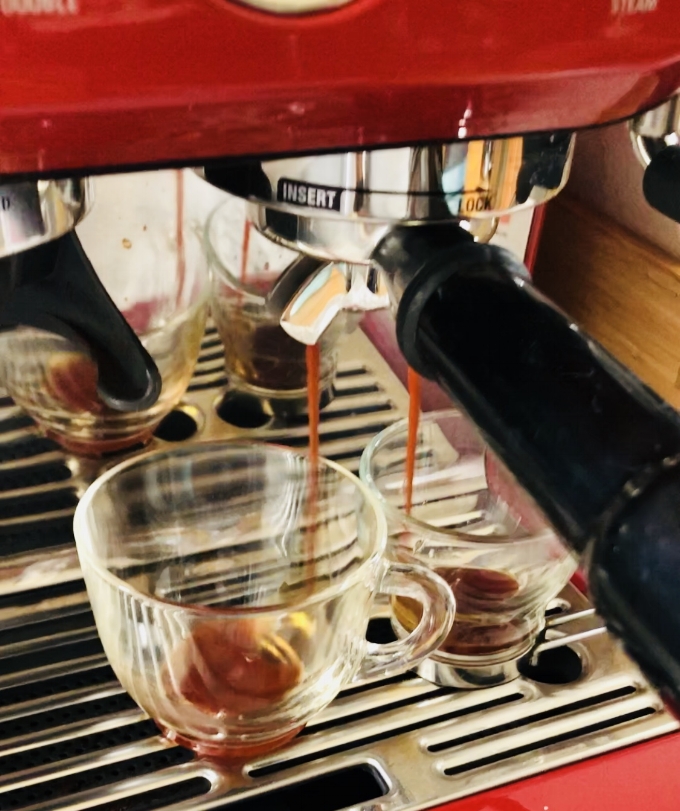
Tea espresso dripping out into the cups.

Tea espresso dripping out into the cups.

Now turn on the machine and enjoy your first tea espresso! For more ways to brew, read our guide on how to brew the perfect cup of black tea, or browse our Black Tea collection.

Peppermint Tea: Flavor, History, and How to Brew It Hot or Iced
FullSizeRender.jpg

Peppermint is one of the most popular herbal teas in the world, and one sip explains why. It's cool, clean, and intensely aromatic, with a sweet finish that lingers. It's also naturally caffeine free, so you can enjoy a cup any time of day.

What is peppermint?

Peppermint (Mentha × piperita) is a natural hybrid of spearmint and watermint. Its leaves are rich in aromatic oils, especially menthol, which gives peppermint its signature cooling taste. Peppermint tea is simply the dried leaves steeped in hot water.

A little history

Peppermint has a long history as a cultivated herb. In England, the village of Mitcham in Surrey was famous for growing it commercially from around 1750. Mitcham peppermint plants later crossed the Atlantic, reaching Michigan by the 1880s, and in the early 20th century peppermint farming spread to Oregon and Washington. The Pacific Northwest is still one of the great mint-growing regions today.

A classic after-dinner cup

Peppermint tea is a traditional after-meal drink, and many people find a warm cup soothing after a big dinner. Researchers have studied peppermint oil, mostly in coated capsules, for digestive complaints like irritable bowel syndrome, with encouraging results. A cup of tea holds far less oil than those capsules, though, so think of peppermint tea as a comforting ritual rather than a treatment. Peppermint can make heartburn worse for some people, so if you have reflux, check with your doctor.

Tasting notes and pairings

Bright and bold, with a cooling, sweet finish. Peppermint pairs beautifully with chocolate desserts, brownies, and fresh fruit, and a pinch blended with green tea makes a refreshing combination.

Peppermint
from $2.95

Cool, clean and intensely aromatic, our Peppermint is a classic herbal infusion, naturally caffeine free and refreshing hot or iced.

History & Heritage

Peppermint has a rich history as a cultivated herb. In England, the village of Mitcham in Surrey was famous for commercial peppermint from around 1750, and by the end of the 18th century its fields covered about 100 acres. Mitcham peppermint plants later crossed the Atlantic, and in the early 20th century peppermint farming spread to Oregon and Washington, which became major mint-growing regions. Oregon's commercial mint growing began near Eugene around 1908, and Washington's expanded after 1917, especially in the Yakima area.

Interesting Facts

  • The best peppermint comes from the northwestern United States.

  • The pure, moist mountain air of the spring and early summer growing season gives this peppermint some of the highest volatile oil counts of any member of the mint family.

  • Black Mitcham peppermint plants reached Michigan by the 1880s.

Tasting Notes & Pairings

Bright and bold, with a cooling, sweet finish that lingers. Peppermint is traditionally enjoyed after meals, and it is equally delicious iced on a summer day. It pairs beautifully with chocolate desserts, brownies, and fresh fruit, and a sprig of it blends nicely with green tea. An interesting and tingling idea: a handful of peppermint leaves in a warm bath makes a refreshing, aromatic soak after a hot summer's day.

Brewing tips (general guideline): use 1–2 teaspoons per 8 oz of freshly boiled water (212°F), steeped 5–7 minutes. For iced peppermint, brew it double strength and pour over ice.

Like everything at Beantown Tea & Spices, Peppermint is a quality blend offered at an affordable price, with sample and larger sizes so you can find your favorite. Explore more in our Herbal & Fruit Tea collection, or pair it with our tea accessories.

How to brew peppermint tea

Hot: As a general guideline from our product page, use 1 to 2 teaspoons per 8 oz of freshly boiled water (212°F) and steep 5 to 7 minutes. A longer steep gives a stronger, mintier cup. Peppermint is usually enjoyed plain, without milk.

Iced: Brew it double strength and pour it over plenty of ice. To make about a quart, steep 6 teaspoons in 1¼ cups of freshly boiled water for 5 minutes. Strain it into a pitcher that's a quarter full of cold water, add ice, and top it up with cold water. Garnish and sweeten to taste.

Sizes

Our Peppermint comes in a sample size (makes about 5 cups), 4 oz (about 50 cups), 8 oz (about 100 cups) and 1 lb (about 200 cups). Find it on our Peppermint page, or explore more caffeine-free options in our Herbal & Fruit Tea collection.

FullSizeRender.jpg
How to Brew Tea in a Moka Pot: A Bold Cup of Black Tea, Step by Step
FullSizeRender.jpg

Want a bold, full-bodied cup of tea with real strength behind it? If you have a stovetop moka pot at home, try brewing tea in it. A moka pot pushes hot water up through the leaves under gentle pressure, and the result is a rich, concentrated brew that's wonderful on its own or as the base for a black tea latte.

What kind of tea works best in a moka pot?

In our experience, black tea is the best fit. It's fully oxidized, so it holds up to the high heat and pressure of a moka pot and still tastes smooth and malty. Green and white teas are much more delicate; at these temperatures they tend to turn bitter or grassy, so save them for gentle steeping in a cup or teapot.

Small, broken-leaf black teas are especially good here because they release their flavor quickly. Our Irish Breakfast is a CTC tea (cut, tear and curl) made from Assam and Kenya teas, and its tiny pellets pack evenly into the moka pot basket. English Breakfast and Assam Hunwal are also great choices if you love a malty, robust cup with milk.

FullSizeRender.jpg

How to brew tea in a moka pot

  1. Fill the base with hot water. Starting with hot water shortens the time the leaves sit over the heat. Fill only to just below the safety valve.

  2. Add the tea to the filter basket. Fill the basket with tea leaves and level them off with a spoon. Don't press or tamp the leaves down, and don't overfill the basket.

  3. Assemble the pot. Screw the top section on firmly (use a towel, since the base will be hot) and set the pot on the stove.

  4. Heat over medium. Keep the flame or burner at medium, and make sure it doesn't reach up around the handle.

  5. Watch for the first trickle. Take the pot off the heat as soon as tea starts dribbling out of the spout. The remaining heat will push the rest of the tea through.

  6. Pour and enjoy. Moka pot tea is strong and concentrated, so you can drink it as is, top it up with a little hot water, or add steamed milk for a creamy tea latte.

Tips for the best moka pot tea

  • Adjust the strength. If the tea is too strong, use a little less tea in the basket next time rather than packing it tighter.

  • Keep it clean. Rinse the basket and gasket well after each brew so tea residue doesn't build up or flavor your coffee.

  • Sweeten to taste. A spoonful of honey or sugar goes well with the bold, malty flavor, especially in a latte.

Prefer a more traditional cup? See our tips for brewing the perfect cup of black tea, or try making a tea espresso and cappuccino with your espresso machine. You can find all of our loose-leaf black teas here.

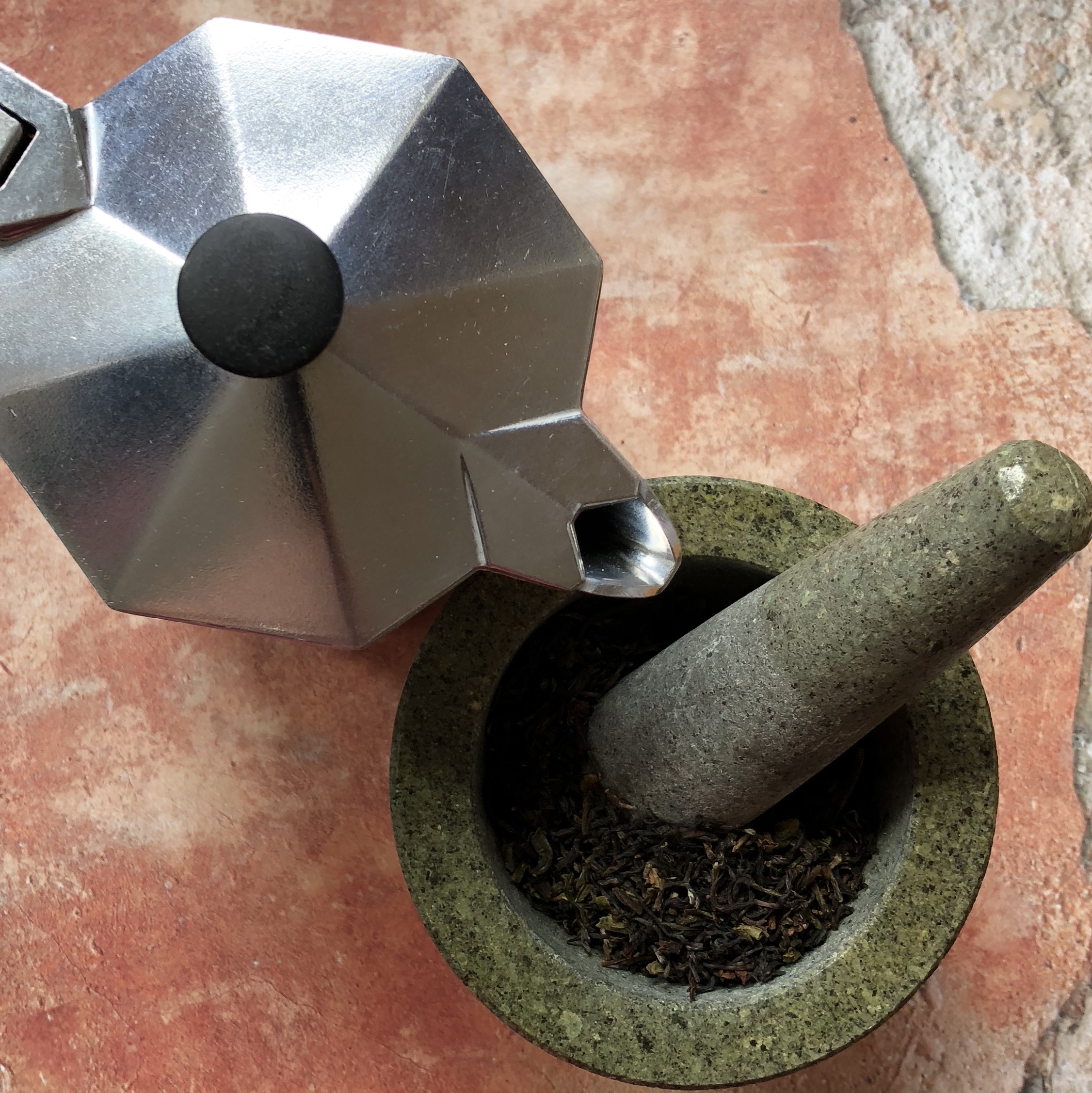
When tea starts dribbling out, take the pot off the stove. 

When tea starts dribbling out, take the pot off the stove.