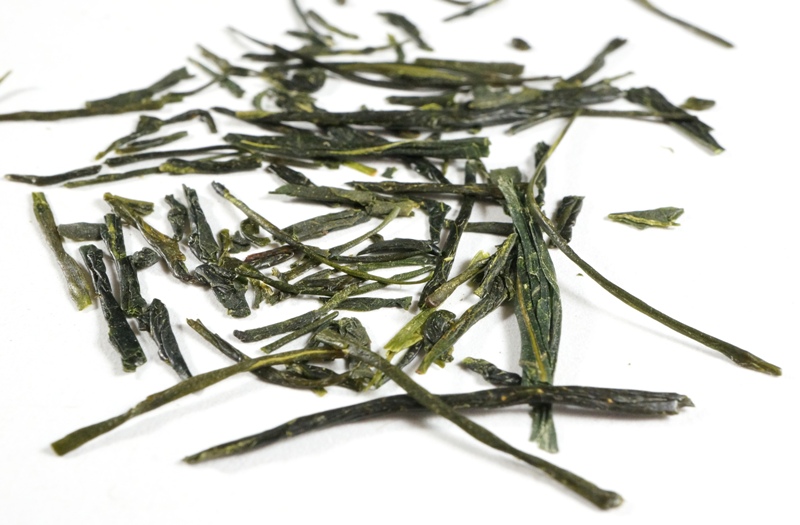
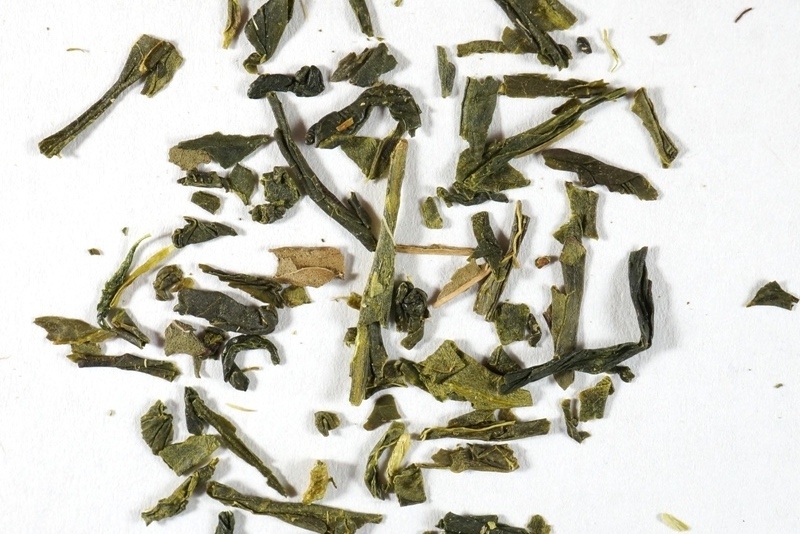
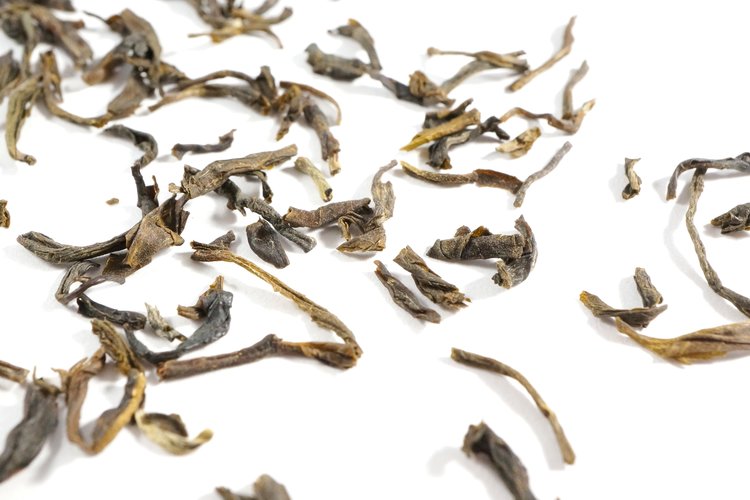
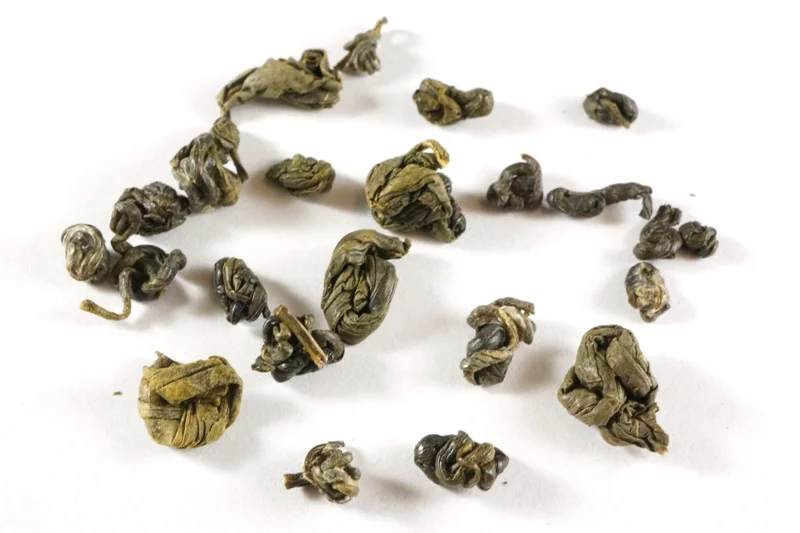
Posts in Tea Information
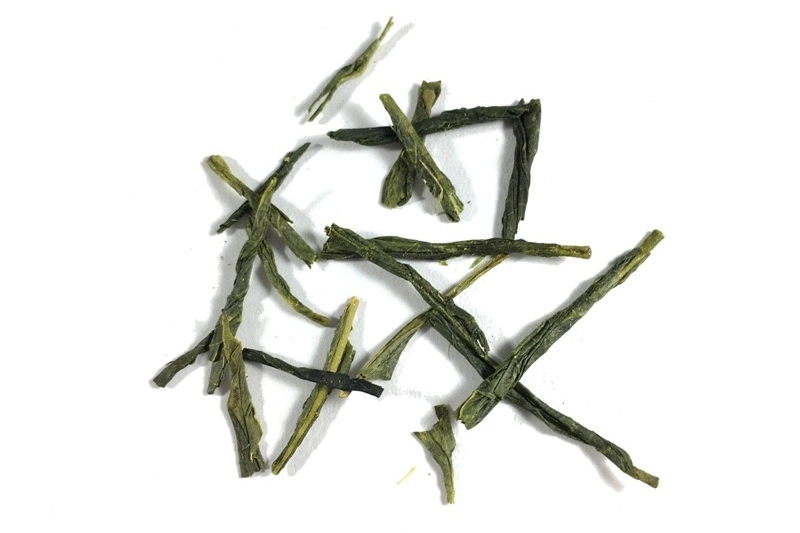
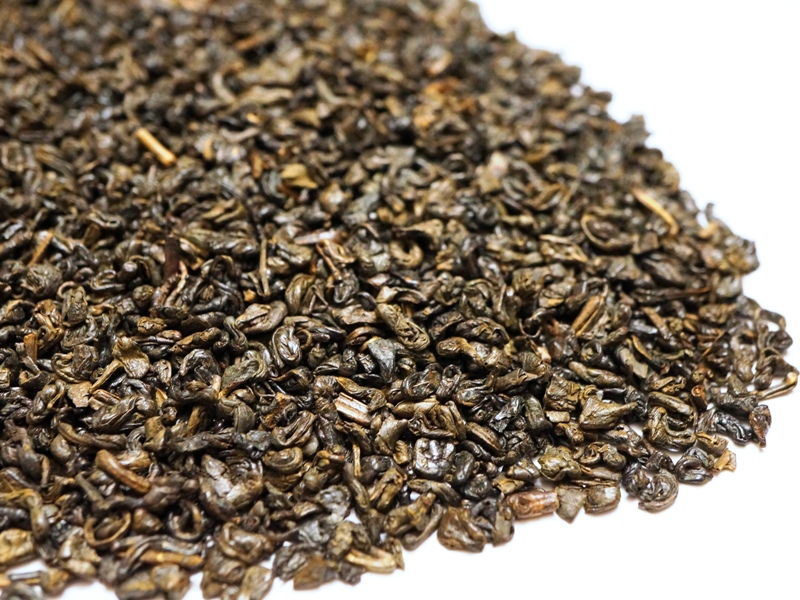
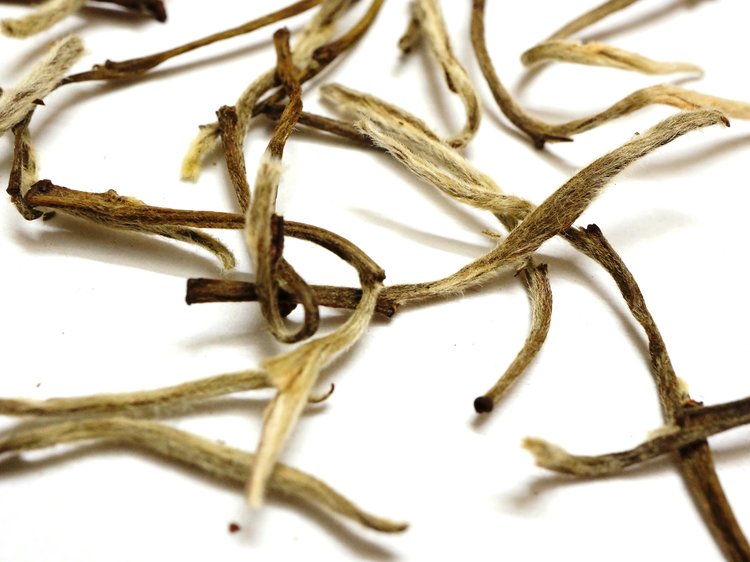
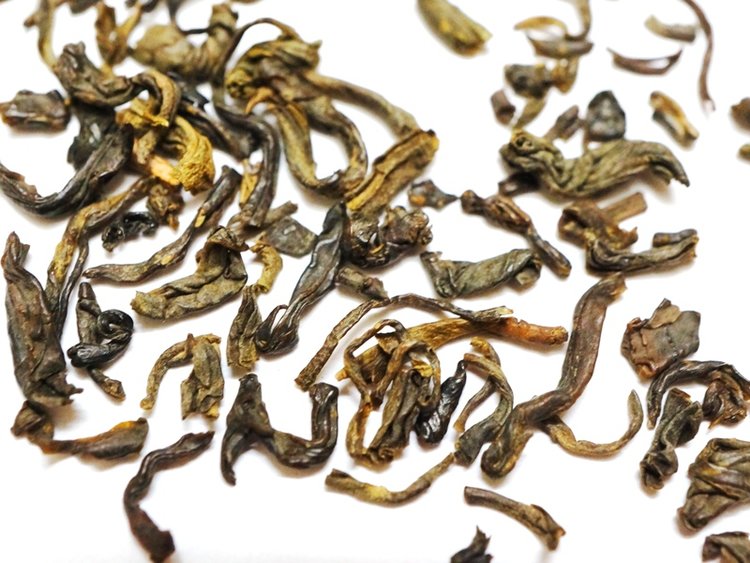
Green Tea vs. Black Tea

What are the differences between Green and Black teas?

This is a 2 parts question. First is how are Green and Black teas compared to each other from a production stand point? Second is what and how are they different as end products? Now lets expend on them and discuss further.

Firstly, lets take a look at how Green and Black teas are produced. Green and Black teas are both produced from the same plant which is called Camellia Sinensis. The sub cultivars of each tea maybe different, but they all belong to the Camellia Sinensis family.

The oxidation process is what sets Green and Black teas apart. Green tea is very lightly oxidized (less than 1%-15%), where as Black tea is fully oxidized. The oxidation is a process which the chlorophyll in the tea leaves is enzymatically broken down. Tannins are also released during the oxidation. This oxidation process is often times referred to as "fermentation" in the tea industry.

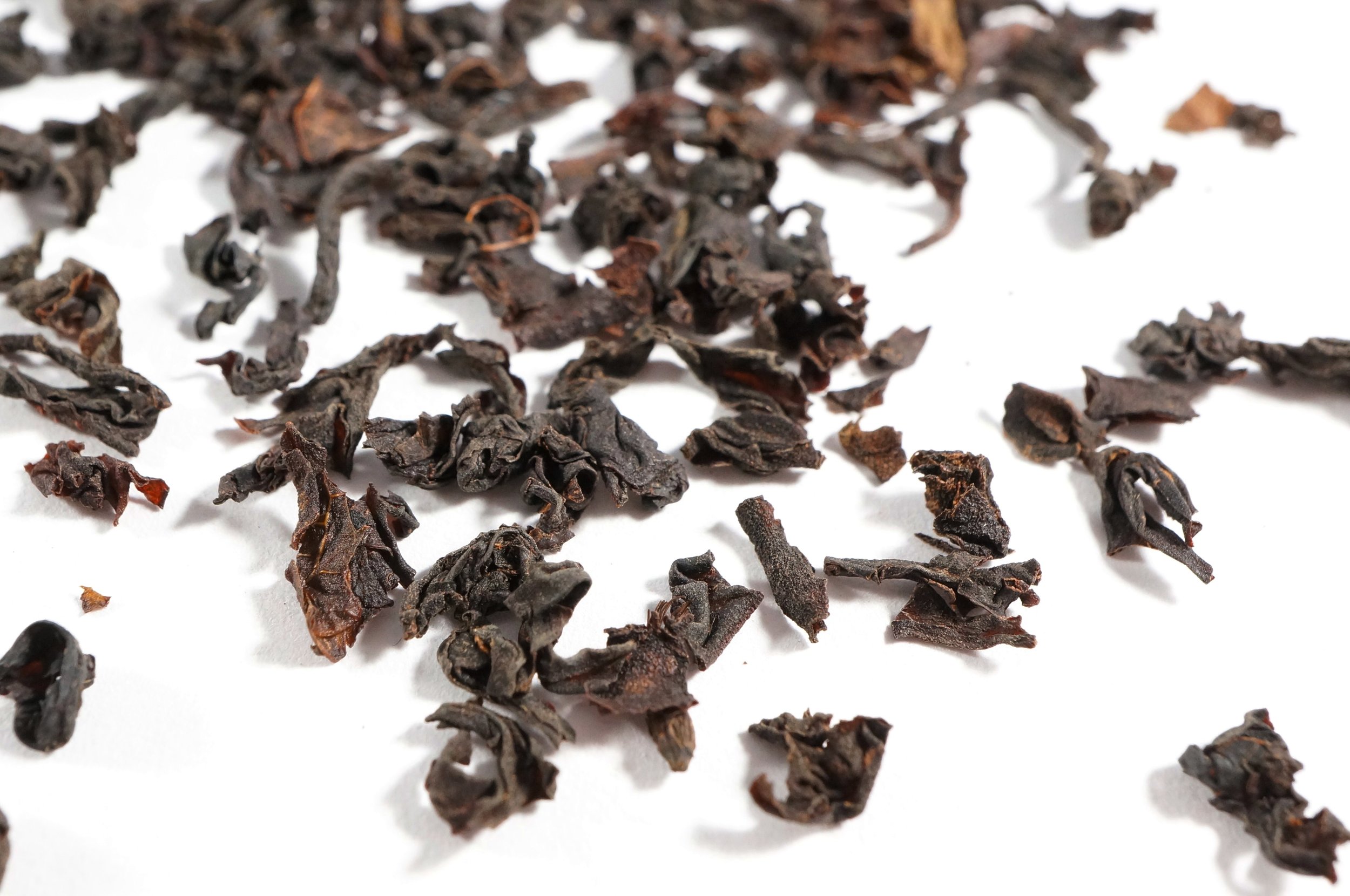
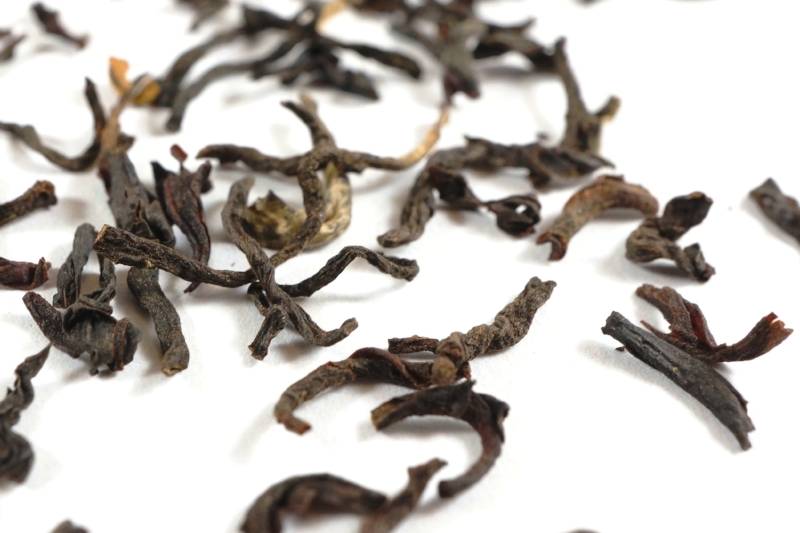
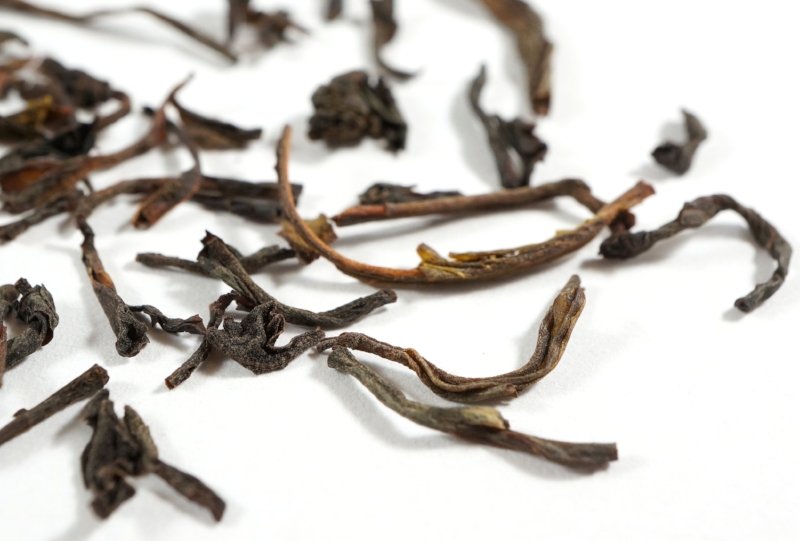
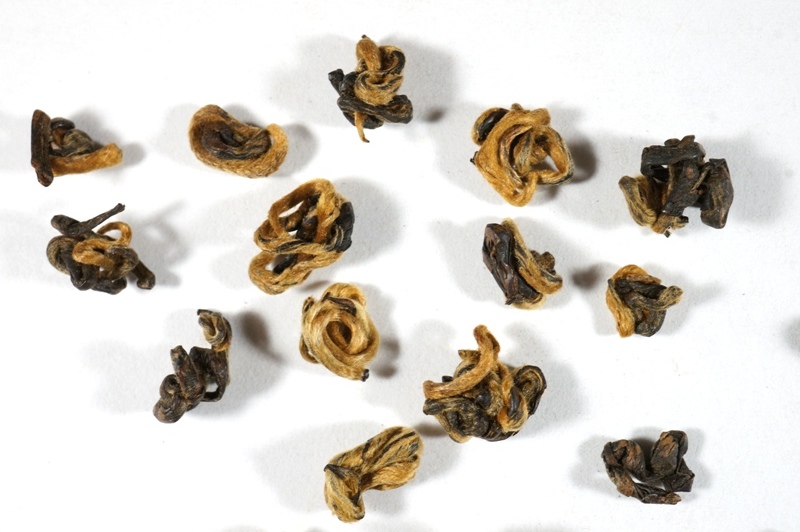
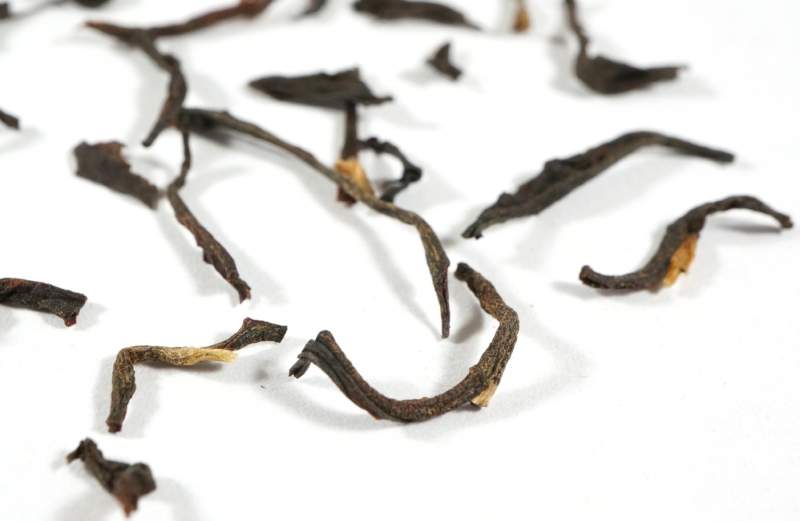
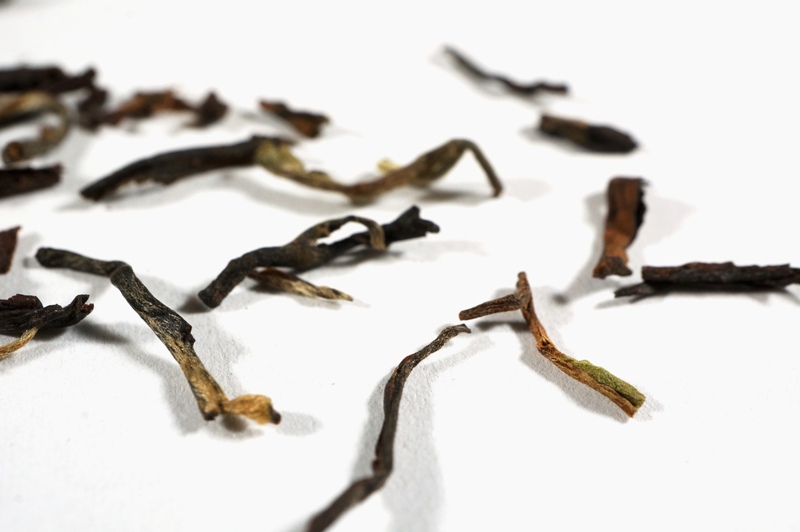
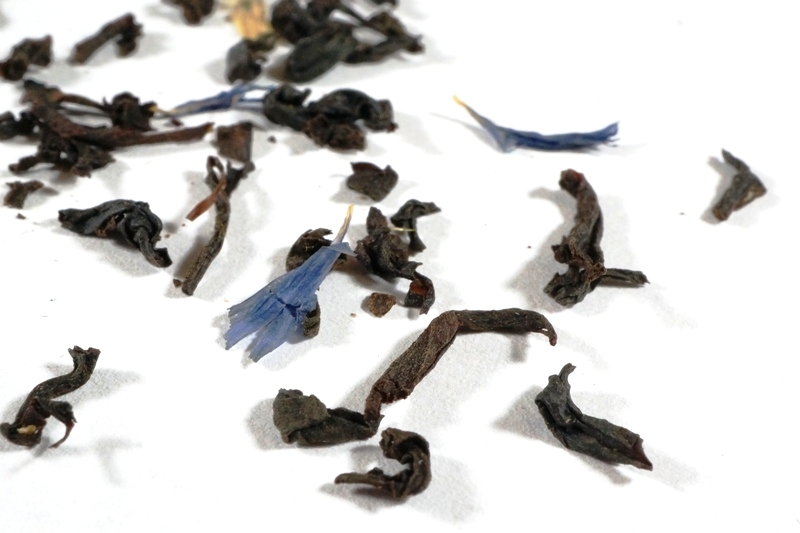
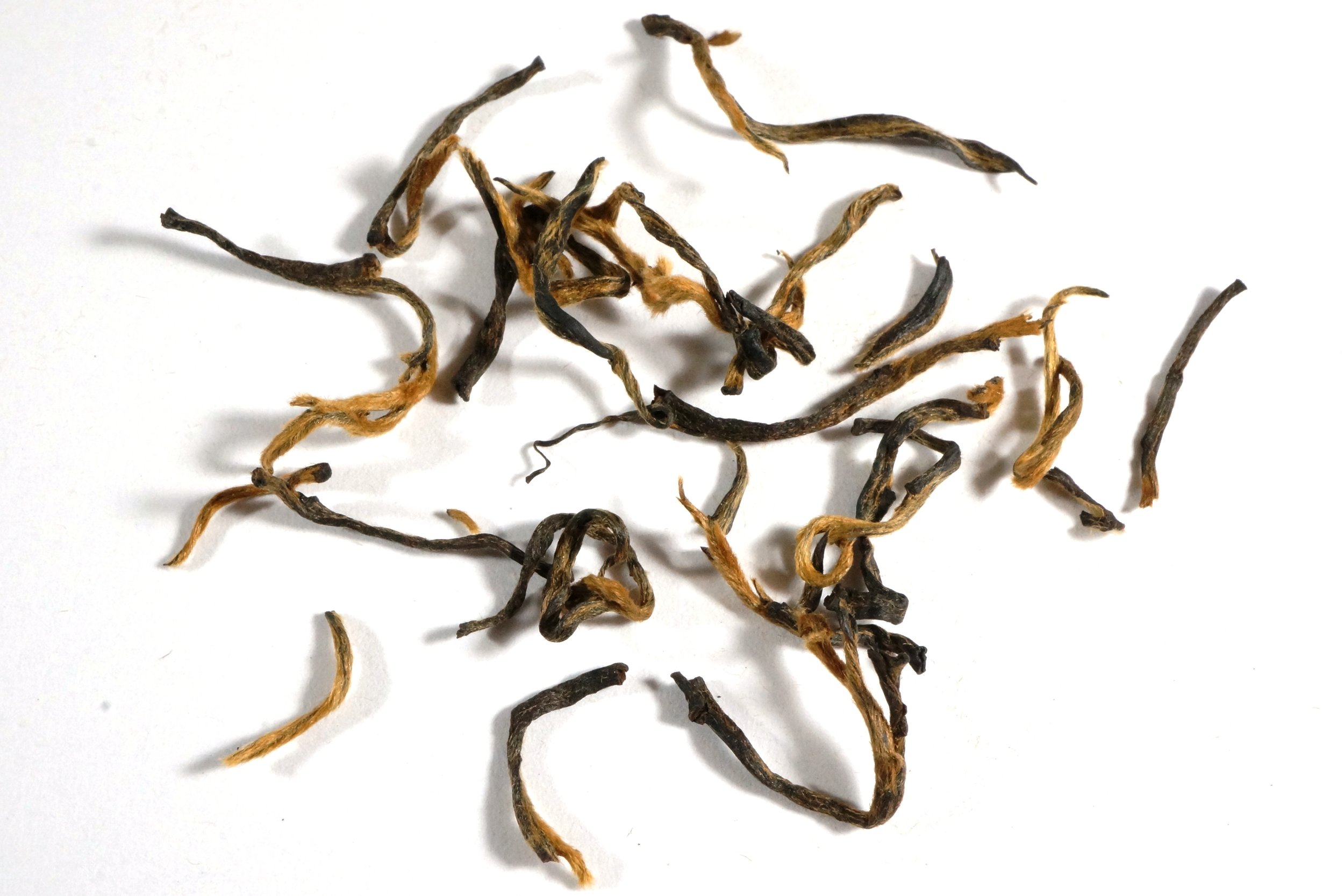
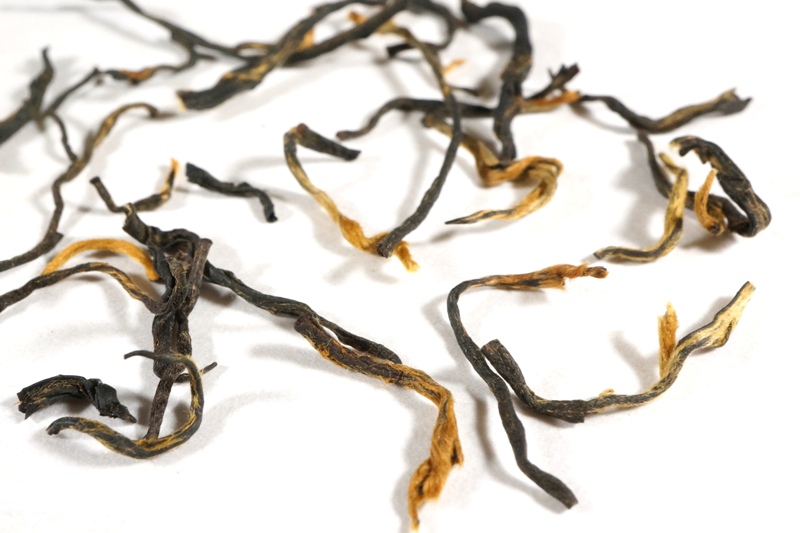
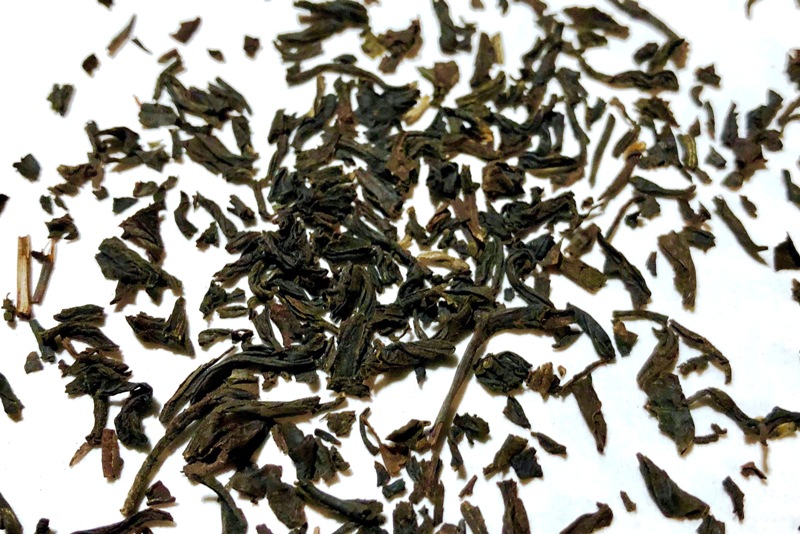
Green and Black teas got their name from the colors of the produced tea leaves. Because most of the chlorophyll is preserved, Green tea still retain the green appearance of the plant. Black tea appear black because the chlorophyll is broken down.
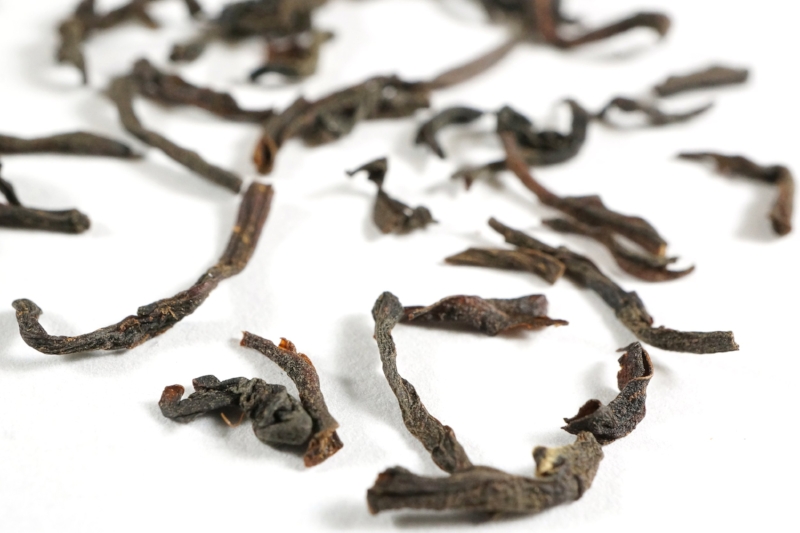
Ceylon Kenilworth
Quick View
Ceylon Kenilworth
from $2.95

Strong, smooth and full of life, Ceylon Kenilworth is a tea that has earned its worldwide reputation. Kenilworth is known around the world for its full-bodied, strong liquors and is considered the hallmark of Ceylon's medium-grown teas.

History & Heritage

Sri Lanka, then called Ceylon, was once a coffee island. In the late 1860s and 1870s a fungal disease known as coffee rust devastated the plantations, and planters turned to tea. The Scottish planter James Taylor had planted the island's first tea field at Loolecondera, near Kandy, in 1867, and within decades tea had become Ceylon's great crop. The Kenilworth estate was established by British planters in 1880 and named after Kenilworth Castle in England.

Interesting Facts

  • The Kenilworth estate receives an average of 190 inches of rain a year, and it is unusual in getting rain from both the South West and North East monsoons.

  • Its Orange Pekoe grades are among the most sought after from any medium-grown garden. Ours is an OP grade grown at about 3,000 feet.

  • The first shipment of Ceylon tea to reach London, in 1873, weighed only about 23 pounds.

Tasting Notes & Pairings

Our Ceylon Kenilworth brews a malty cup that is lively and very smooth, with an infusion described as noire tending coppery. It is a fine tea after dinner or in the afternoon. Pair it with buttered toast, ginger cookies, or a hearty breakfast.

Brewing tips (general guideline): use 1 rounded teaspoon (about 2–3 g) per 8 oz of freshly boiled water (205–212°F), steeped 3–5 minutes. Adjust to taste.

Like every tea at Beantown Tea & Spices, Ceylon Kenilworth is a quality loose-leaf tea offered at an affordable price, with sample and larger sizes so you can find your favorite. Explore more in our Black Tea collection, or pair it with our tea accessories.

Secondly, lets look at the differences between them as final products. Although both types of tea are rich in antioxidants, Green tea is richer in antioxidants than Black tea due to a lower oxidation level.

Studies have found that Both Green and Black tea may help boosting our energy and keeping us alert. Black tea has more caffeine than Green tea. 1 g of black tea has 22 to 28 mg of caffeine, while 1 g of green tea has 11to 20 mg of caffeine. The energizing effect is why Black tea is a stable breakfast drink in many parts of the world.

Some long term studies have shown that Black tea is beneficial to our cardiovascular system. This means regular and long term consumption may help in maintaining a healthier heart.

For Green tea, researches show that the catechins and other nutrients in Green tea may help lowering the blood sugars. Drinking 2 to 3 cups of Green tea is also believe to be very beneficial in weight control.

The conclusion

In conclusion, both Green and Black tea are healthy and can be very beneficial to our health. However, in order to reap the benefits of tea, we need to establish a habit of consuming 2-3 cups of tea a day every day. So the key here is to find the teas that we love to enjoy. Because if we enjoy the experience of drinking tea, it is then very naturalto establish a long term and consistent consumption of this healthy beverage.

So if you are already a regular tea drinker, stick to your favorite teas. If you are new to tea, try different types of teas and find some that you love to enjoy! Cheers


Matcha whisking

Whisking up our Matcha Samidori in a casual way. Matcha, bamboo whisk and water is all we need to make a nutritiousand delicious tea. Cheers!

Japanese Genmaicha Green Tea
IMG_6161.JPG

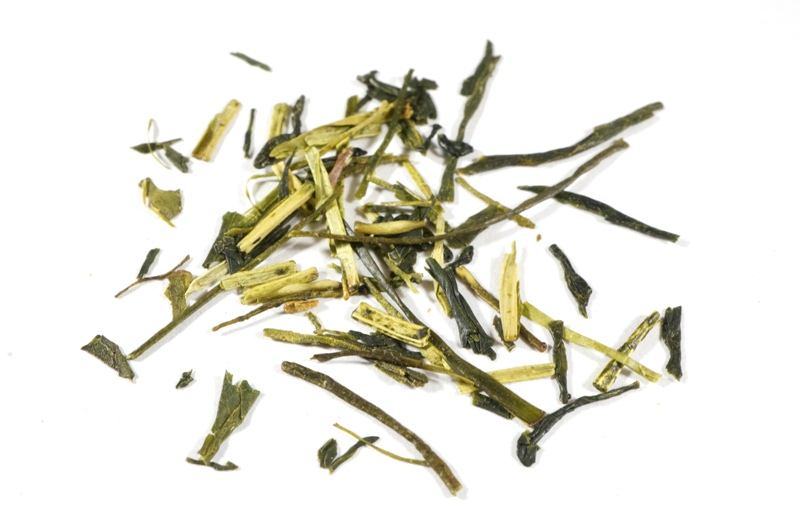
Genmaicha is a specialty Japanese green tea that is blended with fire-toasted rice. A good grade Japanese sencha is blended with the toasted rice. The fresh vegetative character of the green tea is imparted on the cup but it is tempered with the bakey-like character of the rice. There is a natural sweetness and almost chewy character to the finish of this tea. During the firing of the rice, it is common for rice to ‘pop’ like popcorn, hence the name "popcorn-tea"

Country of Origin: Japan

Grade: Sencha Genmaicha

Manufacture Type: Steamed green tea

Cup Characteristics: Light brownish yellow liquor with toasty flavor, tending sweet.

What Is White Tea
 
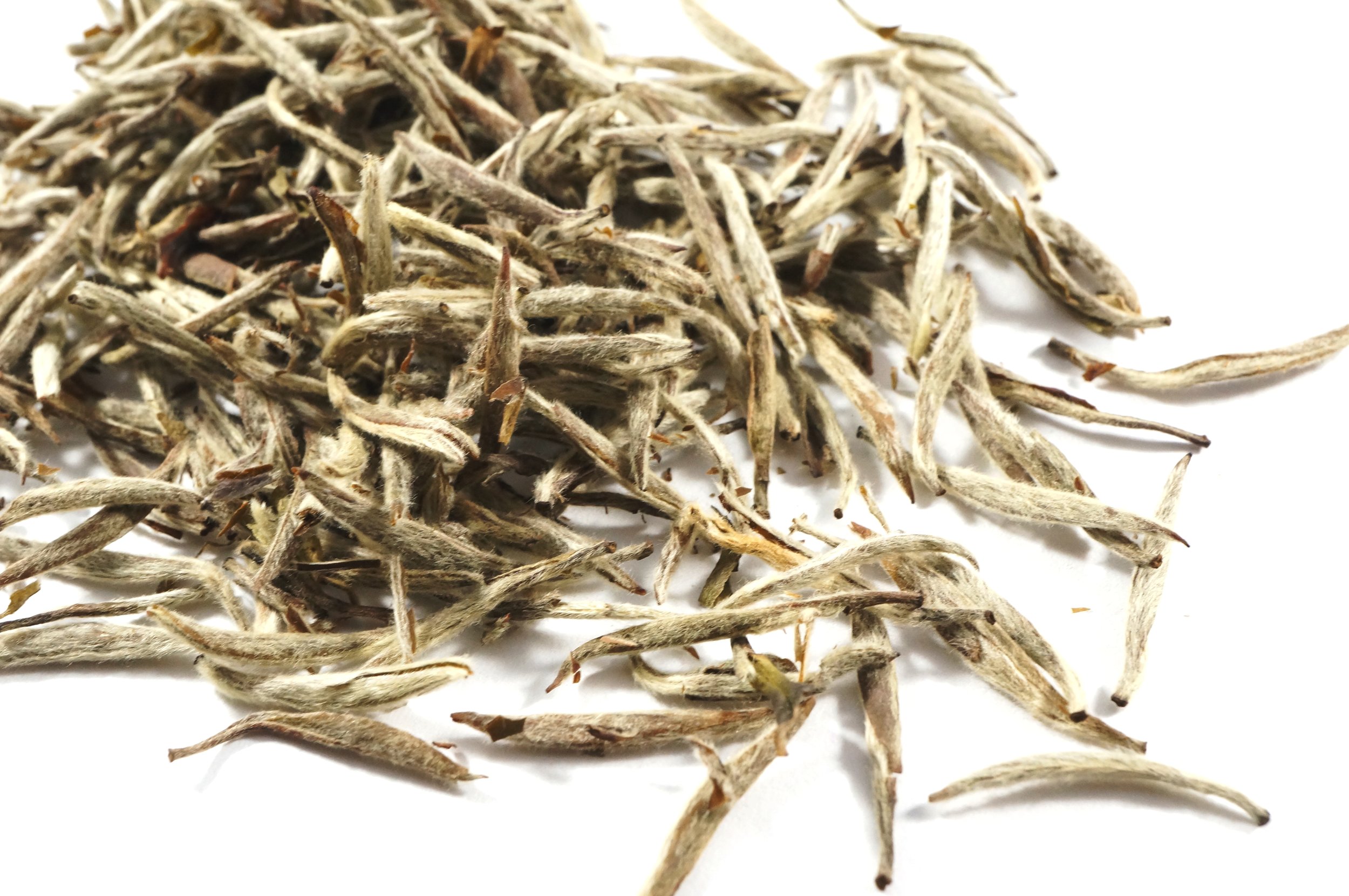
Aged Snowbud White Tea. Click to view product.

Aged Snowbud White Tea. Click to view product.

What is White Tea

To describe very briefly, White Tea is a kind of tea that has not undergone any oxidation (fermentation) process. When infused, white tea makes a pale yellow to light amber color cup of tea with delicate, floral and fresh flavor.

Production

Take the most common white tea, White Peony (Pai Mu Tan), as an example. Tea leaves are plucked from a special varietal tea bush called Narcissus or chaicha bushes. Secondly the leaves are not steamed or pan-fired (the process used in green teas). The leaves are naturally withered and dried in the sun. If mechanical drying is required it is a baking process at temperatures less that 40’C. Thirdly only special ‘two leaves and a bud’ are selected. These leaves must show a very light green almost gray white color and be covered with velvet peach fuzz down. White teas that are withered in conditions that are too hot with become reddish and in conditions that are too cold they will become blackish.

Health Benefits

Researchers at the Linus Pauling Institute in Oregon tested white teas on selected rats to test for the ability of white teas to inhibit natural mutations in bacteria and to protect the rats from colon cancer. Interestingly, white teas were found to be more effective than green tea in inhibiting the early stages of cancer but researchers were quick to point out that their study was on rats and the effects should not be extrapolated to humans. The researchers also discovered that white tea contains higher levels of caffeine compared to green tea brewed under the same conditions. They suggested that this could occur because white tea oxidizes during withering whereas in green tea the oxidation process is stopped early in the tea making process by steaming or panfiring.
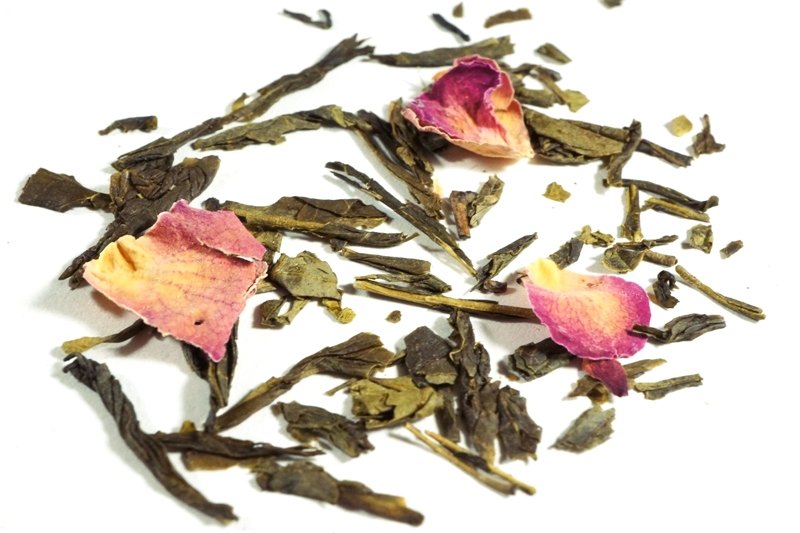
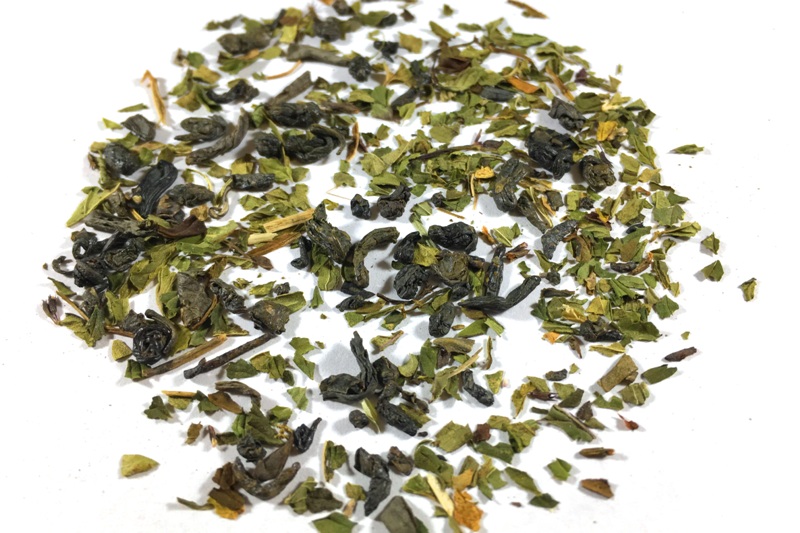
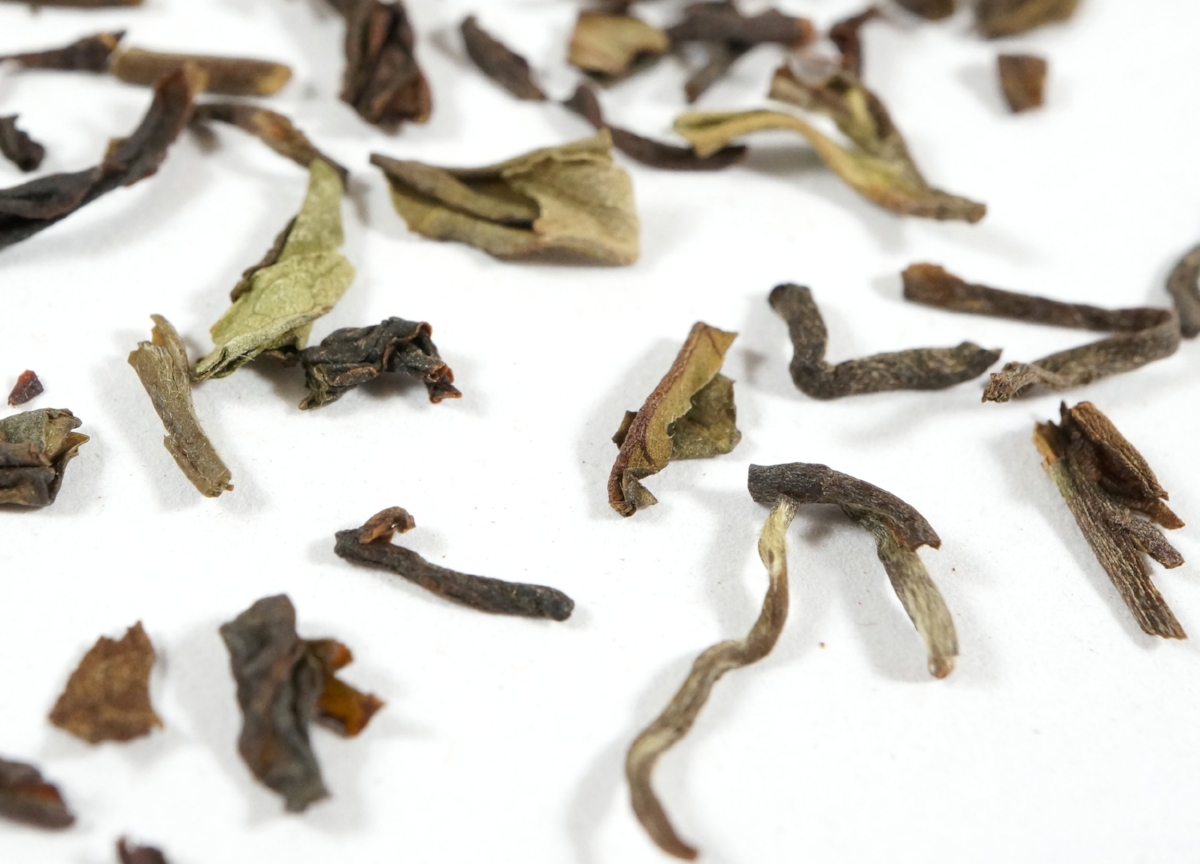
 
White Tea Sampler Pack
$12.95

Can't decide? Sample a variety of our white teas. The pack includes samplers of Silver Needle, White Peony, Peach White Tea and Blueberry White Tea, and each sampler makes 3 to 5 cups.

History & Heritage

White tea is one of the most delicate styles of tea, traditionally made in Fujian Province, China, with little more than gentle withering and drying. Silver Needle, made from downy spring buds, first appeared in Fuding around 1796, and White Peony, which includes buds and young leaves, was developed in the Jianyang and Zhenghe areas.

Interesting Facts

  • This sampler lets you taste the difference between an all-bud tea (Silver Needle), a bud-and-leaf tea (White Peony) and two fruit-flavored white teas.

Tasting Notes & Pairings

Expect a journey from honeyed and mellow to velvety and fruity. Try them side by side with fresh fruit and mild cheeses.

Brewing tips (general guideline): use 1–2 teaspoons (about 2–3 g) per 8 oz of water at 170–185°F, steeped 3–5 minutes. Adjust to taste.

Like every tea at Beantown Tea & Spices, the White Tea Sampler Pack is a collection of quality loose-leaf teas offered at an affordable price. Explore more in our White Tea collection, or pair it with our tea accessories.


The western cosmetic industry also has recently discovered the benefits of white tea. In addition to its anticancer properties, tea has a calming and detoxifying effect on the skin. White tea is especially potent in that it is has three times as many antioxidant polyphenols as green or black tea and has been shown to be 100% more effective in mopping up free radicals that cause skin to sag. Some of the world’s top cosmetic companies are becoming very interested in white tea for skin creams and the result is that high grade white tea is becoming even rarer than before.

 
How To Brew Matcha
IMG_5976.JPG

Traditional Matcha Brewing

  • Prepare tea bowls by warming them with boiled water.

  • Prepare your Matcha whisk by soaking the tip in the boiled water in one of the bowls for about 10 seconds.

  • Pour the water out and dry the bowl with a paper towel.

  • Using your tea spoon, according to taste, add 1-2 teaspoons of Matcha to each bowl.

  • Pour 1/3 of a cup of your hot water into each bowl.

  • In a slow "m' motion, submerge any loose bits of Matcha that may be floating on the surface of the tea.

  • Whisk the tea more briskly in a back and forth motion until the surface of the Matcha becomes frothy.

  • Consume immediately.

IMG_6017.JPG

Mondern/Simple Matcha Brewing

  • Add 1 teaspoon of Matcha to a bowl.

  • Put a few drops of hot water into bowl and use a whisk to whisk the Matcha into a paste.

  • Pour6 to 8 oz. ofhot water (160-180F) into bowl. Then in a slow "m' motion, submerge any loose bits of Matcha that may be floating on the surface of the tea.

  • Whisk the tea more briskly in a back and forth or circular motion until the surface of the Matcha becomes frothy.

  • Consume immediately.

Matcha The Super Food.
IMG_5961.PNG

Matcha is rich in antioxidants, fiber, amino acids, vitamins, carotenes and many other nutrients. It is delicious and nutritious. Add this superfood to your diet and enjoy all the great benefits. Matcha is  very versatile and easy to use. Whisk it up for enjoyment, mix it with drinks, smoothies, or shakes. Cook with it, baking with it, and just be creative with this wonderful ingridient. 

Senchamint
Senchamint steeped after 3 minutes

Senchamint steeped after 3 minutes

Available now. This blend is a mixture of Japanese Sencha and Peppermint. We call it Sencha Mint. The brewed tea is crisp, slightly astringent and floral. When compared to Moroccan Mint, it is more subtle and doesn't require any sweetener. And of course, it makes excellent iced tea. Cheers!

FullSizeRender.jpg
How To Properly Brew Tea

There are 3 keys to brewing a nice cup of tea. Right amount of tea leaves, water temperature, and steeping time.


Amount of Tea Leaves

Below are some general guidelines on how much leaves to use for different kinds of tea. Please note that the amount of dry tea leaves to use varies from person to person and from tea to tea, and it is always better to use less tea leaves if you are not sure how strong you would like the tea to be.

Black Tea -- Weak Brew: 2 grams ( 2/3 teaspoon ) of tea leaves per 8oz. cup; Medium Brew: 3-4 grams (1 level teaspoon) of leaves per cup; Strong Brew: 5 grams (1 heaping tea spoon) of leaves per cup.

Green Tea (Same Leaves Can Be Brewed Multiple Times) -- Weak Brew: 3 grams ( 1 teaspoon ) of tea leaves per 8oz. cup; Strong Brew: 5 grams (1 heaping tea spoon) of tea leaves per cup.

Oolong Tea (Same Leaves Can Be Brewed Multiple Times) -- Weak Brew: 3 grams (2/3 teaspoon for the tight rolled Oolong, and 1 heaping teaspoon for waving Oolongs such as Pouchong and Champagne Oolong ) of tea leaves per 8oz. cup; Strong Brew: 5 grams (1 tea spoon for tight rolled Oolong, and 2 teaspoons for waving Oolongs such as Pouchong and Champagne Oolong ) of tea leaves per 8oz. cup.

White Tea (Same Leaves Can Be Brewed Multiple Times) -- Weak Brew: 3 grams ( 2 teaspoons ) of tea leaves per 8oz. cup; Strong Brew: 5 grams (3 teaspoons) of tea leaves per cup.

Water Temperature and Steeping Time

Black Tea -- Use water at boiling temperature. Brew tea for about 3-5 minutes.

Green Tea -- Most Green Tea can be brewed for up to 3 infusions). Use water at about 160-180 degrees Fahrenheit for Japanese Green Tea, and use water at 180-190 degrees Fahrenheit for Chinese Green Tea .  First Infusion, brew the tea for 2 minutes then pour all the tea from the tea pot (take the tea infuser out, if you are using tea infuser) into the cups and enjoy; Second Infusion, brew the tea a little longer (3-4 minutes); Third Infusion, brew the tea for 5 minutes.

White Tea -- Use water at about 180 degrees Fahrenheit and brew tea for 3-5 minutes.

Oolong Tea -- Oolong tea can also be brewed multiple times (some can even be brewed for up to 7 times). Use water at 180-190 degrees Fahrenheit. First Infusion, brew the tea for 1-2 minutes then pour all the tea from the tea pot (take the tea infuser out, if you are using tea infuser) into the cups and enjoy; Second Infusion, brew the tea a little longer (2-3 minutes); Third Infusion, brew the tea for 3-5 minutes.

Herbal and Fruit Blend -- Use water at boiling temperature. Brew tea for about 3-5 minutes.

What Is Oolong Tea?

What is Oolong Tea

Oolong tea is semi fermented/oxidized tea. The degree of oxidation varies among different types of Oolong. This variation in the oxidation gives Oolong tea unique characters and complexity. Oxidation levels of different Oolong teas can differ greatly. Some are very green with an oxidation level of only 10-15%, while some are very dark at 85%. As a result, the taste profile can range from floral and fragrant to smoky and malty.

You will see (particularly in the infused leaf) that the edges of the leaves are slightly bruised (brownish). The reason for this is that the leaves are lightly bruised to start the oxidation process. Oolong teas usually are not picked too early or at too tender a stage. They must be produced immediately after picking.

Unlike leaves for green tea, those destined to be Oolong are wilted in the direct sun and then shaken in tubular bamboo baskets to bruise the leaf edges. The bruising is what make the edges oxidize faster than the center. After 15-25 minutes (depending upon ambient temperature and humidity levels) the tea is fired, locking in the special flavor profile.

How to brew Oolong Tea


Quality Oolong teas have complex taste profiles. Usually, same tea leaves can be infused multiple times (2-3 times).

Water temperature for steeping Oolong varies depending greatly on oxidation level. Generally, the darker or more oxidized types of Oolong tea the hotter the water. For example, the Fomosa Oolong and Oriental Beauty Oolong are best when steeped in freshly boiled water, because they both have higher levels of oxidation. One the other spectrum, the less oxidized Jade Oolong and Pouchong Oolong are best when infused in water that is 195°F.

Amount of tea leave to use really depend on personal preference and taste. Generally, we use 2-4 grams of leaves per 8 oz. cup. We would recommend using less tea leaves to start.

As for brewing/steeping tea, we suggest steeping 2-3 minutes for the first infusion and 3-5 minutes for the second infusion. If a third infusion is desired, steep for 5 minutes.

Enjoy!

Why Drink Tea?

There are many good reasons to drink tea. Drink tea for its good taste and to boost energy are the primary reasons why tea is the most consumed beverage in the world.  However, to the health conscious crowd, tea drinking is not only pallet pleasing but also beneficial to our health. Let's scroll on to find out why.

  • Tea is very rich in Antioxidants. Tea has one of the highest contents of flavonoids among common food and beverage products. Catechins are the largest type of flavonoids in tea leaves. While many scientific researches have mixed conclusion on the effects of antioxidants, the antioxidants in tea might help protect against cancer.

  • Tea energizes us with its caffeine but in a less abrupt way then coffee does. After drinking tea, the caffeine is released into our body more slowly. So the result is a gentle and longer lasting boost of energy.

  • Tea could be beneficial to the cardiovascular system. Researches have showed that tea drinking may associate with a reduced risk of stroke. Research also showed that long-term tea consumption can help lower the cholesterol in our body. In short, tea might be very beneficial to our heart.

  • Tea may help protect against age-related cognitive impairment/decline and dementia later in life, based on correlations found in epidemiological studies.

  • Tea can help boost metabolism and exercise endurance. Scientists have found that the antioxidant rich tea might help speed up metabolism and increase our body's ability to burn fat as fuel.

  • Tea could help control blood sugar. Studies suggest that tea drinking might help our body tometabolize sugar better.

  • Tea can have immune boosting effects on our body. Again, because of all the antioxidants tea has, tea might be beneficial to our immune system to fight against common cold and flu.

 In conclusion, moderate long-term tea drinking could be very beneficial to our health. Let's brew some tea now. Enjoy!

More Info On Cold Brewing

What is Cold Brewed Tea

Cold brewed tea is tea steeped in cold water for an extended period of time.

Pictured above is Sencha green tea cold brewed for 12 hours.

Pictured above is Sencha green tea cold brewed for 12 hours.

The process brews the tea leaves slowly, using time rather than temperature to release the flavors. Free form catechins(antioxidants) and tanning acids, which are good for the human body, are more dissolvable and readily released in cold brewing as opposed to regular hot brewing. In addition, the amount of caffeine released from cold brewing tea is only half of the caffeine released from regular hot tea brewing.

How to Cold Brew

IMG_5547.JPG
  • Use cold water or iced water to brew tea. (It takes longer to brew tea with iced water).

  • Ratio of tea leaves to water is usually 1:50 by weight (you can adjust the ratio according to your taste).

  • Put loose tea or tea bags into a water container filled with cold or room temperature water.

  • Put the container into the refrigerator. * Do Not Put It In Freezer

  • Tea leaves which come in stripped form such as green tea, black tea or flat/wavy Oolong tea (Pouchong) should be brewed in the refrigerator for at least 4 hours. We recommend 4-12 hours.

  • Tea leaves that are rolled such as Jade Oolong and Ti kuan Yin should be brewed in the refrigerator for at least 6 hours. We recommend 6-12 hours.

  • Strain the tea leaves and enjoy the refreshing cold brewed tea. And if you have excess tea left over, put it back to the refrigerator (remember to strain the leaves).

Black Tea and Its Production

What is Black Tea

Black Tea is a fully fermented (oxidized) tea. It is the most common form of tea in southern Asia (India, Pakistan, Bangladesh, Sri Lanka, etc.). Black tea is generally stronger in flavor and contains more caffeine than the more lightly oxidized teas. The characteristic flavors of black tea range from flowery to fruity, nutty and spicy.

Processing and Production of Black Tea

After the harvest, the leaves are first withered by blowing air on them.
Then black teas are processed in either of two ways, CTC (Crush, Tear, Curl) or orthodox. The CTC method is used for lower quality leaves that end up in tea bags and are processed by machines. This method is efficient and effective for producing a better quality product from medium and lower quality leaves. Orthodox processing is done either by machines or by hand. Hand processing is used for high quality teas. While the methods employed in orthodox processing differ by tea type, this style of processing results in the high quality loose tea sought by many connoisseurs.
Next, the leaves are oxidized under controlled temperature and humidity. (This process is also called "fermentation" although no actual fermentation is taken place.)
Then the leaves are dried to arrest the oxidation process.
Finally, the leaves are sorted into grades according their sizes (whole leaf, broken leaf, fannings and dust), usually with the use of sieves. The tea could be further sub-graded according to other criteria.
 

Below are the basic grades for whole leaf orthodox black tea (for more information on grading of tea leaves click Here)

  • OP (Orange Pekoe)

  • FOP (Flowery Orange Pekoe)

  • GFOP (Golden Flowery Orange Pekoe)

  • TGFOP (Tippy Golden Flowery Orange Pekoe)

  • FTGFOP (Fine Tippy Golden Flowery Orange Pekoe)

  • SFTGFOP (Super Fine Tippy Golden Flowery Orange Pekoe)

What is Green Tea?

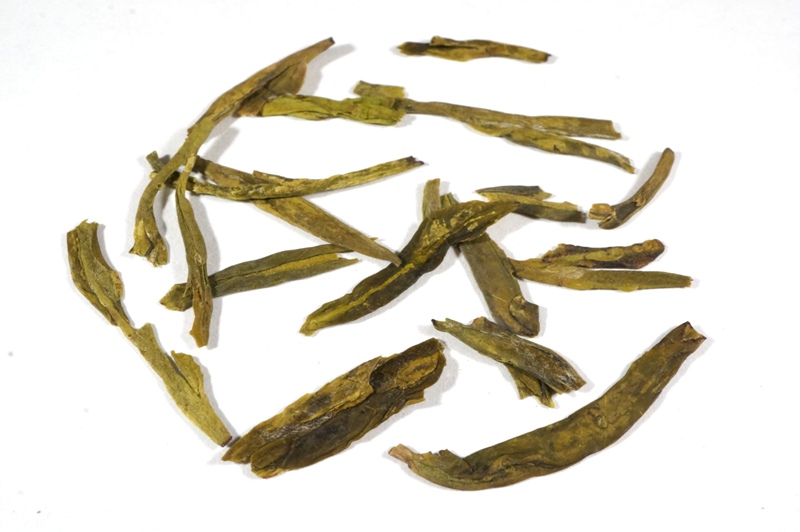
​Green Tea is a lightly oxidized (5-15%) tea. Unlike Black Tea, Green Tea leaves have not undergone the withering and oxidation processes. There is a minimal amount of oxidation by application of heat; either with steam, a traditional Japanese method; or by dry cooking in hot pans, the traditional Chinese method. Green tea is processed within one to two days of harvesting. Green Tea has a high level of antioxidants called catechins.

Chinese and Japanese Green Tea

There are 2 traditional methods, Chinese and Japanese, in making Green Tea. The differences between the two are the in the Kill Green Process where the Japanese Green Tea uses a steam then dry method while the Chinese implements a panfrying method to finally seal and lock the moisture content.

​

Health Benefits

Green tea has been credited with providing a wide variety of health benefits, although many of which have not been validated by clinical evidence. These claims and any for which academic citations are currently missing are listed here:

  • Stopping certain neurodegenerative diseases such as Alzheimer's and Parkinson's.

  • Preventing cancer.

  • Treating multiple sclerosis.

  • Preventing the degradation of cell membranes by neutralizing the spread of free radicals (which occurs during the process of oxidation).

  • Reducing the negative effects of LDL cholesterol (bad cholesterol) by lowering levels of triglycerides and increasing the production of HDL cholesterol good cholesterol.

  • Increasing fat oxidation (helps the body use fat as an energy source) and raising metabolism.

  • Japanese researchers claim if you drink five cups of green tea a day, you'll burn 70 to 80 extra calories. Dr. Nicholas Perricone, an anti-aging specialist, appeared on the Oprah Winfrey show and told Oprah's viewers they can lose 10 lbs. in 6 weeks drinking green tea instead of coffee.

  • Drinking green tea mixed with honey can oftentimes have a soothing effect on a sore throat.